 تخطي إلى المحتوى الرئيسي تخطي إلى التذييل

غالبًا ما يجد مشترو B2B صعوبة في الموازنة بين المواصفات الهندسية العالية وأسعار تنافسية عند توريد الإلكترونيات المحمولة. عادةً ما يتركز الانتقال من النماذج الأولية بكميات صغيرة إلى الإنتاج متوسط الحجم على حد أدنى لكمية الطلب يبلغ 2,000 وحدة، وهو ما يمكن أن يخفض تكاليف الوحدة بنحو 30٪ من خلال استهلاك أوقات الإعداد الثابتة ومعايرة الآلات.
يستكشف هذا الدليل المكونات التقنية التي تحرك قائمة المواد (BOM)، مثل موصلات المحرك وكتل الأطراف المخصصة لدرجة حرارة 130 درجة مئوية. كما نفحص كيف يؤمّن الطلب المتدرج—من 5,000 وحدة حتى حمولات الحاويات الكاملة 40HQ—وفورات لوجستية ويقلل تكاليف الشحن بنسبة تصل إلى 25٪.
تحليل قائمة المواد (BOM): المحرك/البلاستيك/السلك
تعطي هياكل قائمة المواد (BOM) الحديثة الأولوية للموصلات النحاسية المجدولة ذات العزل XLPE للتحكم في زيادات الجهد حتى 1 كيلو فولت. تؤكد المواصفات الهندسية لعام 2026 على حماية التداخل الكهرومغناطيسي (EMI) بتغطية 80٪ وكتل أطراف مصنوعة من البوليستر الحراري المقاوم لدرجة حرارة 130 درجة مئوية لضمان الاستقرار الحراري والموثوقية طويلة الأمد في الإلكترونيات المحمولة.
| المكوّن | مواصفات المواد | المتطلبات الفنية |
|---|---|---|
| موصلات المحرك | نحاس مجدول دقيق الأسلاك | تصنيف أدنى 0.6/1 كيلو فولت |
| عزل الكابل | XLPE (البولي إيثيلين المتشابك) | يتجاوز سماكة معيار RHHW-2 |
| الحماية من التداخل الكهرومغناطيسي (EMI) | رقائق نحاسية مضفورة أو ملحومة | تغطية ≥80% |
| أطراف التوصيل الكهربائية | بوليستر حراري صلب | تصنيف UL RTI لدرجة حرارة 130 درجة مئوية |
معايير الموصلات الكهربائية والعزل
يحدد المهندسون الموصلات النحاسية المجدولة رفيعة الأسلاك لتحسين المرونة والتوصيل الكهربائي في تجميعات المحركات. يدعم هذا الاختيار التوصيلات المتينة في بيئات الاهتزاز العالي الشائعة في دورات الإنتاج لعام 2026. استخدام عزل XLPE الذي يتجاوز معايير سماكة RHHW-2 يضمن تبديدًا فائقًا للحرارة وحماية من ارتفاعات الجهد حتى 1 كيلوفولت.
تتضمن متطلبات الحماية استخدام رقائق نحاسية مضفورة أو ملحومة بتغطية لا تقل عن 80% لحجب تيارات المحامل والتداخل الكهرومغناطيسي (EMI) بشكل فعال. بالنسبة للأحزمة الداخلية وكابلات التحكم، توفر خصائص مثبطات اللهب والدخان المنخفض (FRLS) هوامش أمان ضرورية للتخطيطات الإلكترونية عالية الكثافة.

الهياكل البلاستيكية ومكونات الأجهزة
تعتمد أطراف التوصيل على قواعد من البوليستر الحراري الصلب المصنفة لمقاومة حرارة UL RTI بدرجة 130 درجة مئوية للحفاظ على السلامة الهيكلية تحت الأحمال الحرارية الثقيلة. تستخدم تصاميم الهياكل بوليمرات ABS وPC وPP المختارة خصيصًا لقوة الصدمات ومطابقة ألوان Pantone الدقيقة. توفر هذه المواد الحماية الميكانيكية والاتساق الجمالي اللازمين للأغلفة الإلكترونية الحديثة.
تتكون التوصيلات الكهربائية من النحاس المطلي بالنيكل مع أجهزة فولاذية مطلية لمنع التآكل على المدى الطويل. تفرض التصاميم حدودًا إلزامية لطول كابلات المحرك تتراوح بين 50-100 متر. يقلل هذا القيد من مشكلات السعة الكهربائية ويمنع انخفاضات الجهد الكبيرة دون الحاجة إلى اختناقات إخراج إضافية.
كفاءة العمل والتكاليف العامة
تقيس كفاءة العمل والتكاليف العامة مخرجات الإنتاج وفقًا لمعايير الهندسة لعام 2026 لتحديد فروق التكاليف. من خلال مقارنة ساعات العمل الفعلية بتخصيصات الوقت القياسية، يحسب المصنعون كفاءة العمل ومعدلات استيعاب التكاليف العامة، مما يضمن بقاء أسعار الجملة مربحة على الرغم من التقلبات في الأجور أو استخدام الآلات.
تحليل التباين ومعايير الإنتاجية
يتطلب حساب تباين كفاءة العمل المباشر ضرب الفرق بين الساعات الفعلية والساعات القياسية في معدل الأجر القياسي. وهذا يحدد فجوات الإنتاجية أثناء تجميع إكسسوارات السيارات الإلكترونيات عالية الطلب. لعام 2026، تتراوح أهداف الإنتاج للعناصر مثل مضخات الهواء وأجهزة التفريغ عادةً بين 1.5 و2.0 ساعة عمل قياسية لكل وحدة. إذا اكتملت دفعة إنتاج من 1,620 وحدة في 2,325 ساعة بدلاً من 2,430 ساعة المخصصة، يسجل المصنع تباينًا مواتيًا. هذه التوفيرات في الوقت تقلل التكاليف المباشرة وتزيد إجمالي إنتاجية المصنع دون المساس بالجودة.
المعدلات القياسية ونماذج تحميل التكاليف غير المباشرة
تطبيق معدلات التكاليف غير المباشرة المتغيرة القياسية، التي تقترب غالبًا من $2 لكل ساعة عمل، يحدد عبء التكلفة التشغيلية لكل وحدة منتجة. يستخدم المصنعون هذه النماذج لدمج تكاليف المرافق والمواد غير المباشرة في سعر الوحدة الإجمالي. دفعات الإنتاج الكبيرة لحاويات 40HQ تخفف تكاليف التحميل الثابتة عن طريق توزيع إيجار المنشأة ورواتب الإدارة على حجم أكبر من السلع. هذا الرافعة الحجمية تخفض بشكل كبير معدل الامتصاص لكل وحدة وتدعم تسعير MOQ تنافسيًا. الحفاظ على رابط وثيق بين التكاليف غير المباشرة المتغيرة وساعات العمل الفعلية يمنع تآكل الهامش عندما تنخفض سرعة الإنتاج أو ترتفع متطلبات إعادة العمل.
حاجز الحد الأدنى لكمية الطلب (2000 وحدة)
إن حد الطلب الأدنى البالغ 2,000 وحدة يمثل انتقالًا من الدفعات الصغيرة عالية التكلفة إلى الإنتاج متوسط الحجم الأمثل. هذا الحجم يسمح للمصنعين بإطفاء تكاليف الإعداد الثابتة وأوقات معايرة الآلات، مما يؤدي إلى انخفاض الأسعار بنحو 30% مع الحفاظ على مخاطر المخزون manageable للعلامات التجارية الموسعة.
المعايرة الاستراتيجية للنمو متوسط الحجم
توضح صناعة الملابس هذا التحول من خلال مستويات تسعير مميزة. غالبًا ما تكلف دفعة اختبار من 500 وحدة حوالي $8.00 لكل وحدة، بينما يؤدي التوسع إلى مستوى 2,000 وحدة إلى خفض تلك التكلفة إلى معيار $5.50. يوفر هذا التخفيض للعلامات التجارية متوسطة الحجم الهامش اللازم لإعادة الاستثمار في التسويق وشبكات التوزيع الأوسع.
في قطاعات مثل العناية الصحية والتغليف المقاوم للأطفال، يعمل مستوى 2,000 وحدة كنقطة تحقق. تستخدم العلامات التجارية هذا الحجم لبذر المؤثرين والإطلاقات الأولية في السوق دون الالتزام المالي الشديد لطلبات السوق الشامل. يفضل الموردون هذا الحد لأنه يستقر معايرة العمل ويقلل التكاليف غير المباشرة لكل وحدة، مما يضمن استقرار الهامش للمصنع.
فيزياء الإنتاج وإطفاء التكاليف
تملي فيزياء الإنتاج هذه الحدود الدنيا بسبب ثبات وقت الإعداد. سواء أنتج المصنع 100 وحدة أو 2,000، فإن الوقت المطلوب لمعايرة الآلات يظل متطابقًا. تتطلب الطباعة الأوفست عالية الدقة والتشطيبات المعقدة مثل ختم الرقائق أو النقش ساعات من ضبط المطبعة وتركيب الألواح. توزيع هذه الساعات الثابتة على 2,000 وحدة يجعل العملية قابلة للتطبيق تجاريًا للإلكترونيات المتخصصة والتغليف المخصص.
يؤثر توريد المواد أيضًا على هذه الحواجز. المكونات المتخصصة، مثل القطن العضوي أو البوليمرات المخصصة، تتطلب شراء بالجملة لتحقيق استقرار في أوقات التسليم والأسعار. عندما تطلب العلامات التجارية أقل من 2,000 وحدة، غالبًا ما تدفع علاوة على المواد المخزنة أو تواجه تأخيرات في التوريد. الانتقال إلى مستوى 2,000 وحدة يسمح باستخدام أكثر كفاءة للمواد وجداول إنتاج يمكن التنبؤ بها عبر سلسلة التوريد.
وسّع علامتك التجارية باستخدام المكانس الكهربائية المنزلية عالية الأداء

التسعير المتدرج (5 آلاف/10 آلاف/40HQ)
تستخدم KelyLands نموذج خصم قائم على الحجم حيث تحدث فواصل الأسعار عند 5,000 و10,000 وحدة. طلب حاوية 40HQ كاملة يزيد من كفاءة الشحن، ويوزع تكاليف الخدمات اللوجستية الثابتة على المزيد من الوحدات، ويضمن أقل سعر مصنع ممكن لإكسسوارات السيارات و شواحن السيارات الكهربائية.
| مستوى حجم الطلب | آلية الإنتاج | الأثر المالي |
|---|---|---|
| 5,000 وحدة | الانتقال إلى التجميع شبه الآلي | انخفاض تكاليف العمالة لكل وحدة |
| 10,000 Units | Bulk raw material procurement (ABS/PC/TPU) | 8x efficiency gains in manufacturing |
| 40HQ Container | Full Container Load (FCL) logistics | 18-25% reduction in freight costs |
Volume Brackets for 5,000 and 10,000 Unit Orders
Orders reaching the 5,000-unit threshold trigger a shift to semi-automated assembly lines. This transition reduces labor-per-unit costs for essential items like air pumps and مكانس كهربائية by minimizing manual handling. At this level, KelyLands supports full customization of functional modules, including Wi-Fi connectivity or solar input integration.
The 10,000-unit tier enables bulk procurement of raw materials such as ABS, PC, and TPU. This high-volume approach mirrors engineering models where efficiency gains scale significantly once production reaches specific thresholds. Production lead times for these batches typically range from 30 to 40 days, as the factory maintains a continuous material flow to prevent downtime.
Standard customization requirements also shift between these tiers. While a 500-unit minimum allows for basic Pantone color matching on product housing, the 5,000-unit level provides the leverage needed for deep technical modifications. Clients using these brackets benefit from more predictable manufacturing overhead and a stable supply chain for 2026 procurement cycles.
Landed Cost Optimization with 40HQ Container Loads
A 40HQ container typically fits between 800 and 1,200 compressor ثلاجات السيارات, depending on whether the models range from 15L to 80L in size. Shipping a full 40HQ container reduces the per-unit freight cost by approximately 18-25% compared to less-than-container (LCL) shipments. This saving stems from consolidated customs fees and lower terminal handling charges per item.
Full container orders also minimize the risk of inventory damage during transit. By eliminating the need for mid-journey reloading common in LCL shipments, we ensure that arrivals meet the 100% functionality standards required by QC labs like HKTO and SGS. This stability is vital for maintaining the 18-month warranty on core parts without increasing the return-to-base ratio.
Maximizing 40HQ volume allows B2B distributors to maintain higher stock buffers for seasonal demand spikes. Large-scale procurement through FCL logistics secures the lowest possible unit price while providing a protective margin against fluctuating shipping rates. This strategy ensures that distributors remain competitive throughout the year by leveraging consolidated logistics and improved inventory management.
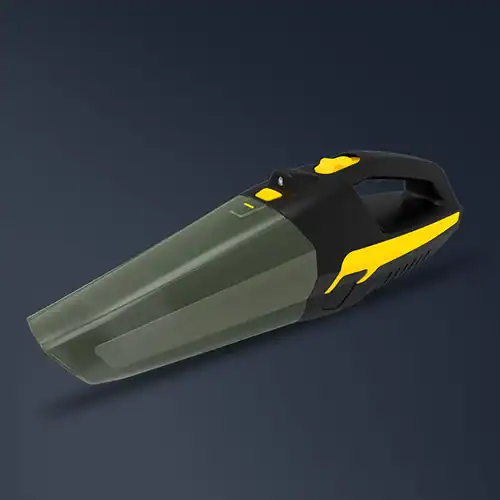
Shared run strategies optimize production by aggregating multiple small-batch orders into single high-mix, low-volume (HMLV) cycles. This approach uses bilevel programming and rapid changeover techniques to minimize setup costs, allowing buyers to secure volume-based pricing while maintaining high quality through strict process capability controls.
Order Pooling and Resource Allocation
Manufacturers aggregate multiple low-volume orders into high-mix, low-volume (HMLV) batches to bridge the gap between small MOQ requirements and factory efficiency. This consolidation creates a unified production stream from disparate small-scale demands. Engineering teams apply bilevel programming models to synchronize platform manufacturing benefits with consumer Quality of Service (QoS) indicators, ensuring the system balances resource efficiency with specific delivery requirements.
Resource allocation across these shared production lines relies on Analytic Hierarchy Process (AHP) and Improved Order Relation Analysis (G1) weights. These mathematical frameworks prioritize order flow and equipment usage to maximize output. Integrating Just-in-Time (JIT) principles within this shared batch framework further reduces inventory holding costs and prevents bottlenecks in the supply chain.
Operational Efficiency and Process Control
Maintaining speed during flexible runs requires the implementation of Single-Minute Exchange of Die (SMED) techniques. These methods minimize changeover times between different product configurations, allowing for shorter and more responsive production windows. Manufacturers target a process capability index (Cpk) greater than 2 to ensure output remains stable and within specifications throughout these varied setups, providing high reliability even when switching designs frequently.
Digital twins monitor tolerance stacking and allow for real-time process adjustments based on exact material dimensions. This technology prevents the accumulation of small dimensional errors that can occur during high-mix production. Intelligent IT systems manage data interoperability across the facility, ensuring precise tracking of components throughout multi-client manufacturing runs to maintain data integrity and product traceability.
إدارة مخاطر العملة
Businesses manage currency risk through regulatory frameworks like CRR2, utilizing daily valuation updates and delta risk calculations. Operational mitigation involves setting intraday and overnight limits alongside the strategic use of forward contracts, options, and swaps to stabilize profit margins against FX shocks.
Regulatory Frameworks and Valuation Standards
Financial institutions calculate capital requirements for foreign exchange risk in non-trading book positions using the alternative standardised approach (SA) or the alternative internal model approach (IMA). These methods follow 2026 banking standards to ensure that organizations maintain sufficient funds to absorb market fluctuations. Risk management teams apply CRR2 Article 325q to define specific FX risk factors, while Article 325r(5) guides the calculation of delta risk to quantify exposure sensitivity.
Operational precision requires daily updates to valuation bases to isolate currency shocks from other economic variables. Teams choose between the last available accounting value or fair value, maintaining a consistent application throughout the reporting period. For complex portfolios involving multi-currency pairs like EUR/USD and EUR/GBP, sensitivity-based methods simplify these into single sensitivities. This reduction enhances computational efficiency while providing a clear view of how specific currency movements impact the balance sheet.
Operational Limits and Hedging Instruments
A comprehensive risk framework establishes specific trading boundaries to control individual currency positions. These include intraday and overnight limits, along with monthly stop-loss thresholds that prevent excessive exposure. Monitoring systems track these indicators in real-time, addressing principal risk, replacement cost risk, and liquidity risk for each currency in use. This layered approach ensures that operational activities remain within the organization’s risk appetite during volatile periods.
Hedging instruments provide a practical defense for profit margins against abnormal market movements. Forward contracts secure costs for significant transactions, such as a €1M inventory import, while currency swaps and options offer flexibility for long-term investments and export receivables. To validate these strategies, stress test scenarios simulate extreme FX shifts. These tests evaluate the resilience of the entire supply chain, identifying potential gaps in liquidity or replacement cost coverage before they manifest in financial losses.
خاتمة
Optimizing vacuum production depends on aligning المواصفات الفنية with volume strategy. Fine-stranded copper and heat-resistant polymers ensure durability, while reaching the 2,000-unit MOQ unlocks the first significant price break. This volume allows factories to amortize calibration times and stabilize labor costs. Brands that focus on these technical baselines and volume thresholds gain a predictable cost structure for their product launches.
Scaling toward 10,000 units or full 40HQ loads provides a strong defense against rising freight and raw material costs. Shared run strategies offer a way for brands to pool resources and benefit from high-mix production cycles without sacrificing quality. Successful distributors pair these logistics gains with proactive currency risk management to keep retail prices stable. This approach protects the margins needed to support long-term warranties and consistent market growth.
الأسئلة المتداولة
What is the typical manufacturing cost for a residential vacuum cleaner in 2026?
Production costs for residential units generally range from $50 to $1,000 per unit. Final pricing depends on suction power, battery capacity, and filtration systems. High-volume runs significantly lower these costs through bulk material purchasing and improved assembly efficiency.
How do volume discounts impact the per-unit price of vacuum cleaners?
Increasing order size by ten times the base MOQ often reduces per-unit costs by 20% to 50%. These savings result from economies of scale in motor procurement and plastic injection molding processes.
What are the standard Minimum Order Quantities (MOQs) for OEM vacuum production?
While many factories require 1,000 units, specialized manufacturers provide more flexible options. Non-branded models often start at 50 units, while customized or branded OEM projects typically require between 100 and 500 units.
How long does the mass production process take for portable vacuum cleaners?
Mass production cycles generally last between 30 and 40 days. Initial sample prototyping and validation phases require an additional 7 to 30 days depending on the complexity of the housing design and functional modules.
What components drive the highest costs in a vacuum cleaner’s Bill of Materials (BOM)?
The motor and plastic housing serve as the primary cost drivers. For cordless models, lithium-ion battery packs and HEPA filtration systems also represent a significant portion of the total manufacturing expense.

 English
  Español
  Français
  Deutsch
  Português do Brasil
  Русский
  한국어
한국어  日本語
日本語  العربية