 تخطي إلى المحتوى الرئيسي تخطي إلى التذييل
When you’re comparing OEM vs ODM import options for car accessories, the first thing that hits you is the cost gap. OEM tooling fees can run $3,500 to $12,000 per mold, with MOQs of 1,000 units. ODM lets you start at 350 units with no tooling cost. That difference alone decides whether a first-time importer enters the market or sits on the sidelines. KelyLands started the same way in 2010, launching exports of مضخات هواء محمولة and vacuum cleaners from Cixi before expanding into car fridges and EV chargers. We’ve seen both models work — and fail.
But here’s what the generic guides won’t tell you. The real decision isn’t just price per unit versus lead time. It’s about who owns the mold after you’ve paid for it, and whether that ODM factory is filling your next competitor’s order from the same line. We manage over 500 clients across 50 countries, and the ones who get burned are the ones who skip the mold buy-out clause or assume ODM quality holds without on-site inspection. Thirty-one percent of importers using ODM without a third-party inspector report dimensional drift of ±0.5 mm between batches. That kills your retailer trust faster than any price advantage.
OEM vs ODM: Core Definitions
OEM buys design control; ODM buys speed.
Original Equipment Manufacturing (OEM) means you own the design — you provide the CAD file, the bill of materials, and the performance specs. The factory builds strictly to your blueprint. For automotive accessories, think of a custom-designed 12V air compressor with a proprietary PCB layout and a specific airflow curve of 35 L/min at 35 PSI. That is OEM. You pay for the mold ($3,500–$12,000 for a typical injection tool), you certify the product yourself (4–6 weeks, $800–$2,500 for CE/ROHS), and your minimum order is 1,000 units per SKU.
Original Design Manufacturing (ODM) flips the model. The factory has a pre-built mold and a tested design — they produce a standard portable air compressor, and you add your logo, packaging, and maybe a color option. You skip the tooling fee, the MOQ drops to 350–500 units, and lead time shrinks to 20–35 days because the mold already exists. The trade-off: you do not own the design, and the factory can sell the same product to your competitor across the street unless you negotiate territorial exclusivity.
-
- Tooling cost: OEM: $3,500–$12,000 upfront. ODM: $0, but watch for hidden mold amortization — some factories spread the tooling cost across the first few orders without ever transferring ownership. Always include a mold buy-out clause in the contract.
- Lead time: OEM: 60–90 days from contract to first shipment. ODM: 20–35 days for existing molds. If you miss peak season because you chose OEM and the T1 sample failed, you lose shelf space for a full year.
- IP ownership: OEM: you own the mold and the design files. Request NNN (Non-Disclosure, Non-Use, Non-Circumvention) agreements before sharing 3D CAD. ODM: the mold is stamped with your company name only if you paid for it. If the factory amortized it, they will refuse to hand it over — we have seen importers lose European distribution deals because the same product appeared on Alibaba under a different brand.
- Customs valuation impact: OEM tooling costs must be declared as part of the transaction value if the mold remains in the factory. This increases your landed cost and tariff base. ODM products have no tooling to declare, simplifying the entry process. Factor that into your total cost comparison.
The owner of the tooling owns the ability to switch factories. If you do not hold the mold, you are locked into that supplier — and that lack of leverage shows up in every pricing negotiation. Top-quartile importers run a dual-source strategy: one OEM partner for proprietary high-margin SKUs and one ODM partner for fast-turnaround seasonal items. That balance protects both brand equity and cash flow.
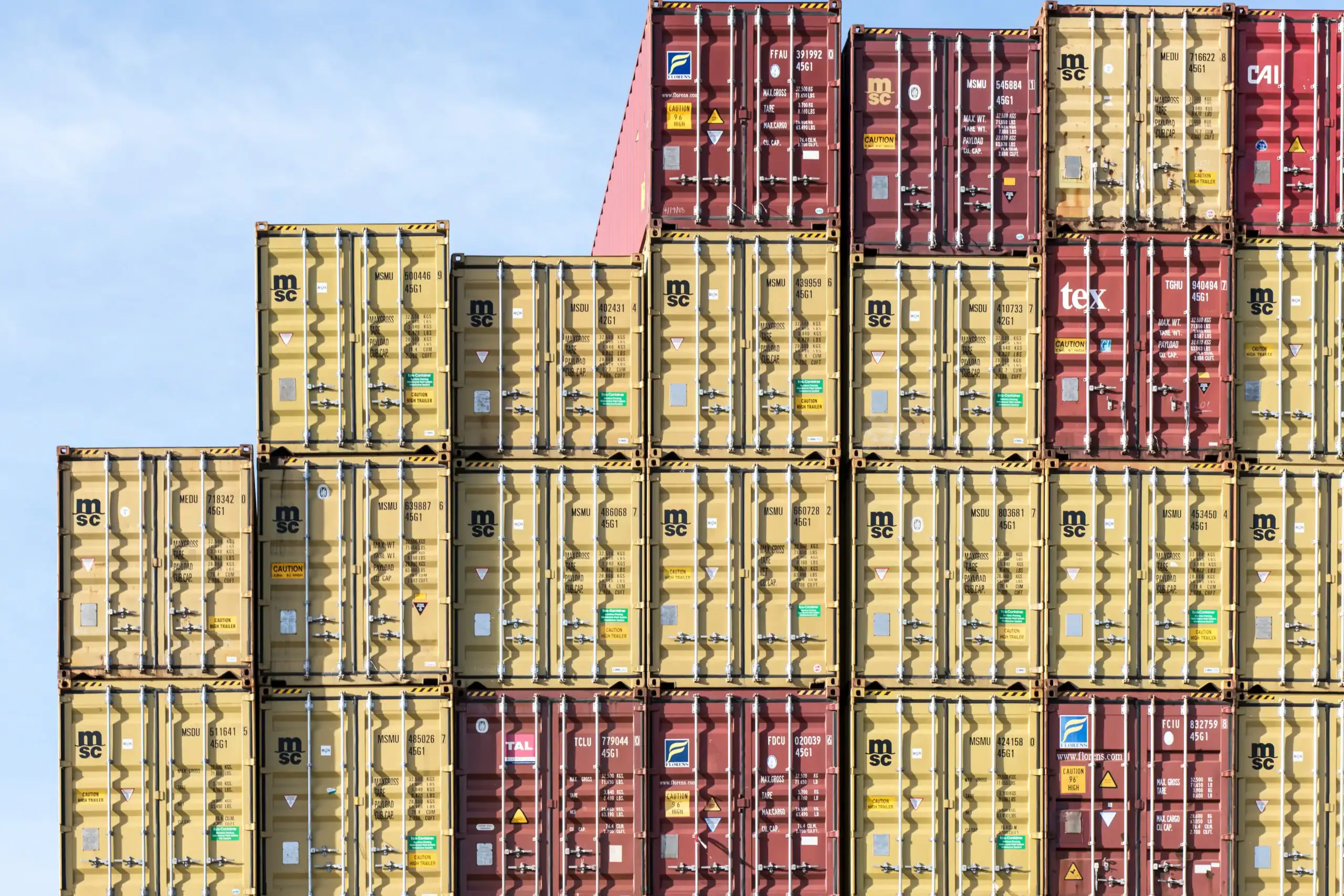
MOQ and Tooling Cost Breakdown
OEM tooling runs $2K-$12K; ODM eliminates it but hides mold buyout risk.
For a volume importer, the MOQ gap between OEM and ODM is the first dealbreaker. An average automotive plastic part requires 1,000+ units for OEM injection molding, with tooling fees costing $3,500 to $12,000 depending on part complexity and cavity count. In contrast, an ODM product uses pre-existing molds, lowering the MOQ to 350–500 units and removing the upfront tooling charge entirely.
-
- DFM Fee: OEM factories often charge an additional 8–12% for design-for-manufacturing optimization. This fee covers revising your 3D CAD for proper draft angles, wall thickness, and gate placement. If not quoted upfront, it can inflate the first invoice by thousands.
- Packaging Fee: ODM suppliers typically charge $150–$300 per SKU for custom packaging design and printing. This is a standard hidden cost that first-time importers miss when comparing unit prices.
- Mold Ownership: Many ODM factories amortize mold costs into the first order but refuse to transfer ownership after repayment. Always include a mold buy-out clause in the contract—without it, you cannot move production to another supplier.
Certification costs also differ. An OEM project requires CE/RoHS for EU or FCC for US, taking 4–6 weeks and costing $800–$2,500 per product, depending on material and electronics complexity. ODM products often come with existing certs, slashing lead time and expense.
| عامل التكلفة | OEM Details | ODM Details | Advisory |
|---|---|---|---|
| Minimum Order Quantity | 1,000+ units per SKU | 350–500 units per SKU | OEM requires larger commitment; ODM lowers entry barrier. |
| رسوم الأدوات | $3,500–$12,000 (injection molds) | $0 (existing molds) | Include mold buy-out clause in ODM contract. |
| Lead Time (from contract) | 60–90 days | 20–35 days | Add ±10% buffer in peak season. |
| Hidden Fees | DFM optimization adds 8–12% | Packaging design $150–$300/SKU | Request line-item breakdown upfront. |
| Certification (CE/ROHS) | 4–6 weeks, $800–$2,500 | Already certified (no cost/lead time) | Verify certificates for validity. |
| Quality Risk | Tighter process control | 31% batch drift if no inspection | Mandate SGS/TÜV pre-shipment inspection. |
Lead Time and Supply Chain Reliability
ODM shaves 40+ days off lead time — CNY and peak season can erase that advantage.
OEM lead times run 60–90 days from contract signing because you’re waiting on mold fabrication, T1 sampling, and trial runs. ODM products using existing molds ship in 20–35 days. That 40+ day gap matters most when you’re launching a seasonal line or restocking fast-moving SKUs.
-
- Peak season & CNY delays: Q3 sees a surge in winter accessory orders (snow brushes, heated gear); Q4 spikes for summer fridges and camping gear. Internal data on ODM orders shipped during Chinese New Year shows 23% experienced two-week delays. If your container misses the last pre-LNY vessel, you’re looking at a three-week slip.
- Contract countermeasures: Insist on a ±10% production buffer clause in your supply agreement — it covers raw material shortages and last-minute QC rework. Define hard milestones: mold opening (for OEM), T1 sample approval, mass production start, and FCL loading date. Each milestone should trigger a photo or video confirmation from the factory floor.
- Pre-booking FCL slots: Container space tightens 4–6 weeks before Chinese New Year and during peak export season. Book your FCL slot at least 4 weeks ahead of the confirmed production finish date. A confirmed booking at a fixed rate avoids demurrage charges that can run $100–$200 per container per day if you miss the vessel.
Quality Control and Certifications
ODM quality drifts if unchecked.
OEM quality control starts with your own material specs and IPC/ISO standards. Every incoming batch of plastic resin or electronic components is tested against your tolerances — airflow within ±2 LPM at 35 PSI for an inflator, Shore A 70±5 for silicone seals. ODM relies on the factory’s existing QMS. When that factory swaps a raw material supplier without telling you, dimensional drift of ±0.5 mm appears in 31% of batches based on industry inspection data.
-
- CE (EU): Mandatory for all car accessories sold in Europe. Covers safety, electromagnetic compatibility. Cost: $800–$2,500 for new OEM product.
- RoHS (EU): Restricts hazardous substances in electronics. Required for any product with a circuit board — air pumps, chargers, fridges.
- REACH (EU): Applies to chemical substances in materials. Plastic handles, rubber seals, adhesives must comply.
- ECE R10 (EU/UN): Specific for automotive electronic devices. Mandatory for EV chargers and any product that connects to the vehicle’s electrical system.
- FCC (US): Required for products with intentional RF emissions — Bluetooth tire pressure monitors, wireless charging pads.
A 5-step pre-shipment inspection catches the gaps that certifications don’t cover. Step 1: AQL sampling (Level II, normal, AQL 2.5 for major defects). Step 2: Function test — run every unit through its full cycle (compressor to 35 PSI, fridge to -18°C). Step 3: Dimensional check using calipers against the spec sheet. Step 4: Drop test per ISTA 1A: 1.2 m onto concrete. Step 5: Label and marking verification — CE mark, voltage, serial number must match the declared values. This sequence is the same process transparency that separates reliable OEM partners from ODM suppliers who treat quality as optional.

IP Protection and Contract Structure
Without an NNN agreement, your OEM design is a shared template.
OEM IP protection starts with an NNN agreement (Non-Disclosure, Non-Use, Non-Circumvention). This legally prevents the factory from sharing your 3D CAD files or using your proprietary PCB layout for another buyer. We require every OEM client to sign an NNN before we even open a quotation. Without it, your custom-molded air pump housing can appear on a competitor’s shelf within weeks. The cost of a standard NNN in China is zero—it’s a template clause—but the consequence of not having one is a total loss of design exclusivity.
-
- ODM risk: Factories can sell your branded product to third parties because they own the design. We’ve seen importers lose a European distribution deal when the same ODM product appeared on Alibaba under a different brand. A territorial exclusivity clause in the contract blocks the factory from selling your SKU in your agreed markets.
- Mold stamping: Physically stamp your company name into the mold steel. This prevents the factory from duplicating the tool for another buyer. Cost is roughly $150 per cavity but saves months of legal disputes.
The mold buy-out trap is the most common ODM contract pitfall. Many suppliers amortize tooling costs over the first three orders, yet never transfer ownership. Your contract must include a buy-out clause that sets a fixed price (e.g., $3,000 for a two-cavity injection mold) and states ownership transfers immediately after full payment—not after a six-month amortization period. Without this clause, your distributor margins are at risk of a future price hike from the same mold.
Registering a design patent in China costs ¥500 to ¥1,500 (roughly $70–$210). For that amount, you get 10 years of protection against copycats in the world’s largest manufacturing hub. The process takes 6–12 months but the application filing date is your priority date. File before you share CAD files. We’ve seen a single patent stop a knock-off shipment at customs, saving an importer over $50,000 in lost revenue. It’s the cheapest insurance you can buy for your car accessory line.
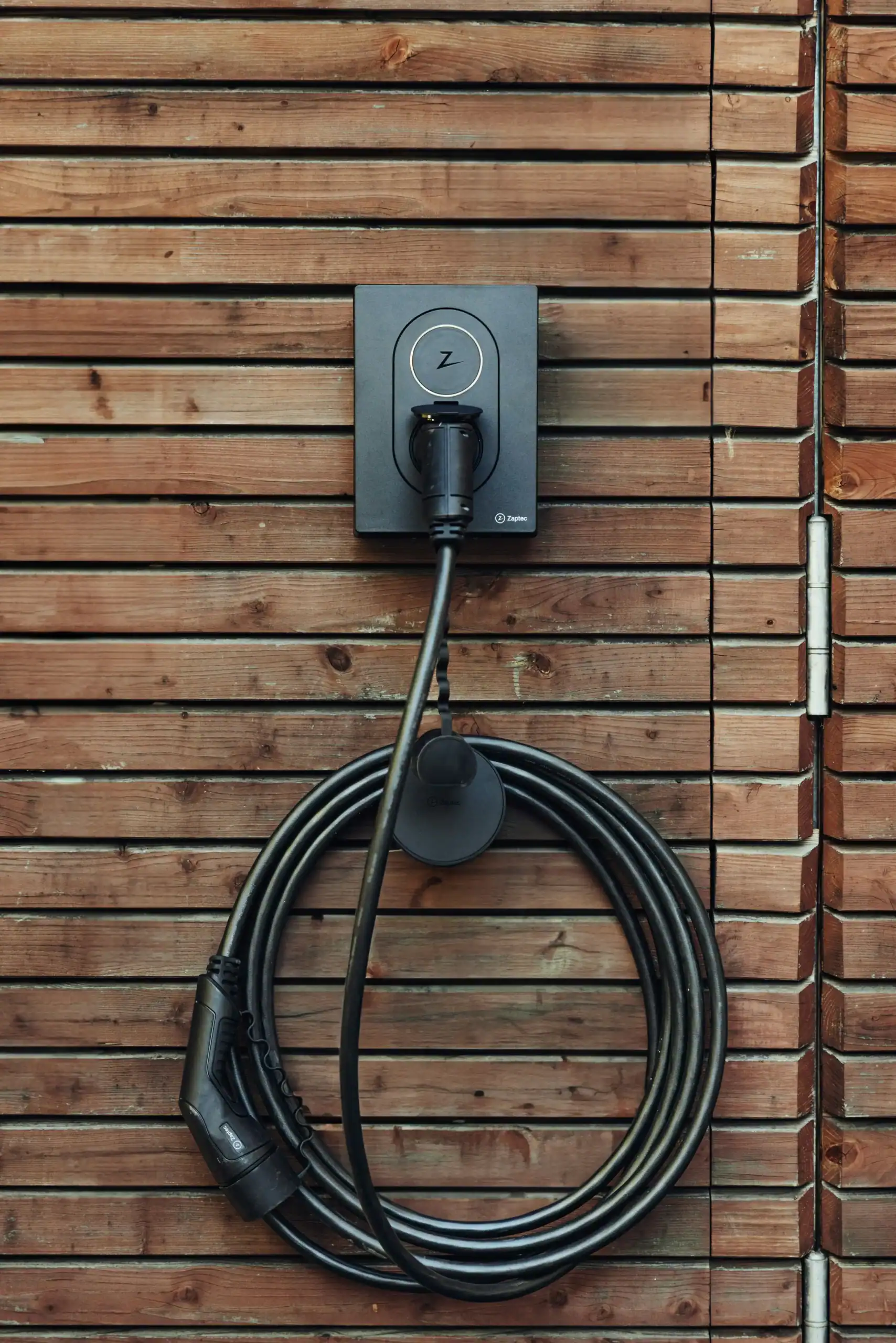
How to Choose the Right Model
Start with ODM to validate demand, then hybridize critical components to OEM.
The right model depends on three factors: product uniqueness, budget capacity, and time-to-market. If you have a proprietary design (e.g., a patented tire inflator PCB layout) and can commit $3,500–$12,000 in tooling with a 60–90 day lead time, OEM protects your IP and gives you margin control. If your budget is tight and you need stock in 20–35 days, ODM with zero tooling fee and MOQs of 350–500 units is the only viable path. A third scenario — the one used by top-quartile importers — is a hybrid approach.
-
- Unique product design + budget available: Go OEM. Expect tooling $3,500–$12,000, MOQ 1,000 units, lead time 60–90 days. You own the mold and the IP.
- Tight budget + fast timeline: Go ODM. No tooling fee, MOQ 350–500, lead time 20–35 days. You brand an existing design but must check for mold ownership clauses.
- Uncertain demand + limited capital: Start ODM for a single SKU, collect market feedback for 6 months, then move critical sub-assemblies to OEM. This de-risks the upfront investment.
-
- Exclusivity period: Negotiate 12–24 month territorial exclusivity. In ODM, without it, the factory can sell your branded product to competitors on Alibaba.
- Cost reduction after mold amortization: Demand a 10–15% unit price drop once the tooling cost is fully amortized. Get this in writing — many factories treat amortization as permanent profit.
- Volume rebates: Structure annual rebates at 500 / 1,000 / 2,000 units per SKU. Typical rebate is 3–5% of invoice value, credited against the next order.
- Mold buy-out clause (critical for ODM): Include a clause that transfers mold ownership to you after the first amortized order. Without it, you are locked into that factory forever.
الخاتمة
The difference between OEM and ODM isn’t just a sourcing label — it directly controls your margin per SKU, your lead time risk, and your brand’s vulnerability to copycats. A hybrid approach that pairs OEM for your proprietary high-margin products with ODM for fast-turnaround seasonal items gives you the best of both worlds: exclusivity where it counts and speed where it matters.
Now that you have the cost breakdowns and contract clauses to negotiate from strength, compare our ready-to-brand ODM product line. Each SKU comes with pre-validated CE/ROHS certifications and existing molds — meaning you skip the tooling wait and get to market in 20-35 days. Review the specifications and request a bulk sample to validate the fit for your distribution channel.
الأسئلة المتداولة
What is the main difference between OEM and ODM?
OEM means you own the design and molds; ODM means you use the factory’s existing design and brand it as yours. OEM gives full control but requires upfront tooling costs. Choose OEM for IP control, ODM for speed and lower entry cost.
Is OEM more expensive than ODM?
Yes, OEM is typically 20–30% more expensive per unit because you pay for custom tooling and development. ODM avoids those upfront costs, but check for hidden mold amortization fees if. Always request a line-item quote to compare true OEM vs ODM costs.
Which model gives better quality control for car accessories?
OEM gives better quality control because you specify exact materials and processes. ODM relies on the factory’s standard build, so third-party pre-shipment inspection like SGS or TÜV is essential. For safety-critical items, OEM is recommended; for simpler parts, ODM with inspection works.
Do I own the mold in an ODM arrangement?
No, in standard ODM the factory owns the mold unless you negotiate and pay a buyout fee. If you want exclusive rights to that product, you must pay for the mold or. Clarify mold ownership in writing before signing any ODM agreement.
How long does it take to start production with OEM vs ODM?
ODM can start production in 2–4 weeks after sample approval; OEM typically takes 8–16 weeks due to mold making and tooling. Lead times can stretch during Chinese New Year or. Request a detailed production timeline from your supplier for your specific product.

 English
  Español
  Français
  Deutsch
  Português do Brasil
  Русский
  한국어
한국어  日本語
日本語  العربية