

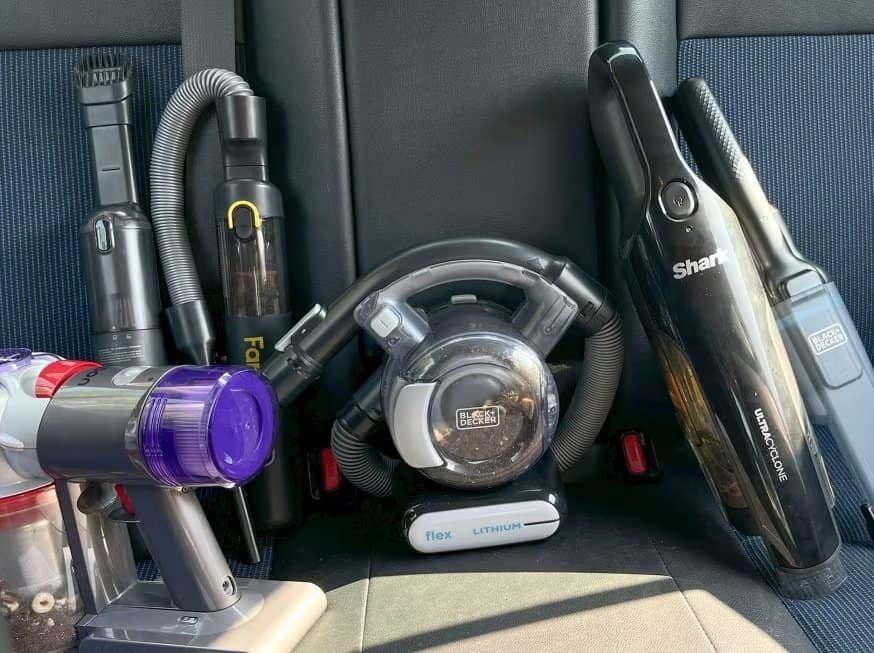
تعاني المكنسات التقليدية من عدم القدرة على تلبية متطلبات التعقيم الاحترافية، لأن عث الغبار وبيضها يتشبث بعمق يصل إلى 12 سم داخل ألياف المرتبة. والاعتماد على تيار الهواء وحسب يتجاهل الجانب البيولوجي الجذري للمشكلة، ما يترك في الغالب الدورة التناسلية المسؤولة عن التفشي المتكرر. يحتاج المشترون المهنيون (B2B) إلى تقييم معدات تجمع بين الاستخلاص الفيزيائي والتكنولوجيا المخصِّبة للأشعة فوق البنفسجية لتوفير حل تعقيم متكامل لعملائهم.
نفحص مقاييس الأداء الحرجة عند شراء هذه الأجهزة، مع التركيز على الأطوال الموجية 253.7 نانومتر لتحييد الحمض النووي، ووسائد النقر 8,000 نبضة/دقيقة للاهتزاز الميكانيكي. كما يوضح هذا التحليل مفصل حواسيب السلامة وعناصر التسخين المطلوبة للحفاظ على فعالية مكافحة العث مع الالتزام بمعايير السلامة الدولية مثل IEC 62471.
دورة حياة عث الغبار: لماذا الشفط وحده لا يكفي؟
تختبئ عثات الغبار وبيضها بعمق يصل إلى 12 سم داخل النسيج، بعيداً عن متناول تيار الهواء التقليدي. وعلى الرغم من أن المكنسات تحبس الجسيمات السطحية، يجب أن تعمل محركات الشفط القوي البالغة 13,000 باسكال جنباً إلى جنب مع ضوء UV-C بطول موجي 253.7 نانومتر لتعطيل حمض العث النووي وتحييد البيض الذي يتركه الإزالة الميكانيكية وحدها.
| مقياس الأداء | شفط ميكانيكي (13-16 كيلو باسكال) | ضوء تعقيم بالأشعة فوق البنفسجية (253.7 نانومتر) |
|---|---|---|
| الهدف الأساسي | جسيمات بحجم 0.3 ميكرون (مرشح HEPA) | الكائنات الحية وحمض DNA الخاص بالبيض |
| معدل الفعالية | 99.97% Debris Capture | 98.1% – 100% Mortality |
| Operational Depth | Up to 12 cm Penetration | 1.2-Inch Proximity Sensor |
Surface Extraction Limits and Deep-Fiber Infestation
Dust mites and their reproductive eggs embed deep into mattress fibers, often reaching depths of 12 cm where standard airflow loses its physical influence. Most high-performance vacuums utilize HEPA filters to capture 99.97% of particles as small as 0.3 microns, but this mechanical process only addresses loose debris. Live mites use microscopic hooks to anchor themselves to fabric weaves, while sticky egg casings resist the upward pull of surface-level suction. Relying on suction alone focuses on removing the waste products rather than the biological source, which allows the reproduction cycle to continue within the core of the bedding.

Mechanical Suction vs. UV-C DNA Disruption Specs
Advanced cleaning systems combine 13,000 Pa to 16,000 Pa of suction with specialized germicidal technology to overcome these physical limits. Precision UV-C lamps emit wavelengths of 253.7 nm, which penetrate the cellular walls of mites and eggs to destroy their genetic material. This light achieves a 98.1% kill rate of live organisms within seconds and can reach 100% mortality for both adults and eggs under direct irradiation. To ensure user safety while maintaining this disinfection intensity, modern devices include sensors that automatically deactivate the UV-C light if the unit lifts more than 1.2 inches away from the target surface. This dual-action approach ensures that the vacuum removes dead allergens while the light prevents surviving populations from repopulating the fabric.
تقنية الأشعة فوق البنفسجية من النوع جـ (UV-C): تعقيم البكتيريا والبيض
UV-C light at a 254 nm wavelength provides a germicidal effect by penetrating the cell walls of bacteria and the shells of eggs. This process damages DNA and RNA sequences, achieving up to a 100% kill rate for pathogens like Salmonella and neutralizing mite eggs to stop the lifecycle without chemical residues.
| المعلمة التقنية | Specification Detail | Operational Performance |
|---|---|---|
| UV-C Wavelength | 253.7 nm – 254 nm | Maximizes DNA/RNA disruption in pathogens |
| Cumulative Power | 950 Watts | Achieves 100% bacteria kill rate |
| Processing Capacity | 13,000 units per hour | Maintains high-speed industrial throughput |
| Lamp Lifecycle | 10,000 Hours | Ensures long-term output consistency |
Germicidal Mechanism of 254 nm Wavelengths
Short-wave ultraviolet light at 253.7 nm or 254 nm targets the genetic material of microorganisms. This frequency creates a photochemical reaction that breaks molecular bonds within the DNA of bacteria, viruses, and molds. By scrambling the genetic code, the light prevents cellular replication and effectively neutralizes the biological threat. This method works well for industrial food safety because it provides a dry, residue-free alternative to traditional chemical disinfectants.
The light penetrates the outer surface of eggshells to damage internal DNA sequences, which renders the eggs unviable and stops new generations of mites or bacteria from hatching. This technology inactivates common pathogens like Salmonella without using NaOCl or other liquid chemicals that might damage the shell’s integrity. When combined with mechanical cleaning, UV-C exposure can achieve a 1.48 log10 CFU reduction in surface bacterial counts, offering a significant safety margin over chemical washing alone.
Technical Standards for Sterilization Performance
Industrial sterilization systems utilize a 950-Watt cumulative output to manage high-volume processing lines, handling up to 13,000 units every hour. High-intensity germicidal lamps provide a lifecycle of 10,000 hours, which minimizes downtime and ensures the system maintains consistent irradiance throughout long maintenance cycles. These systems typically integrate into existing packing lines, using a 1.5 kW power supply to drive both the light array and the mechanical conveyors.
Designers use food-grade AISI 304 الفولاذ المقاوم للصدأ for all contact parts to maintain hygiene and prevent corrosion during the sterilization process. The conveyor system rotates the units as they pass under the UV-C flood lamps, ensuring uniform 360-degree exposure. This rotation is necessary to eliminate “shadow zones” where bacteria might otherwise survive. The machine’s physical footprint remains compact, often weighing around 390 kg, allowing it to fit into standard facility layouts while providing a scalable solution for biological decontamination.
مستشعرات السلامة: منع تعرض العينين للأشعة فوق البنفسجية
UV-C light requires strict safety protocols to prevent photochemical retinal damage. Devices utilize sensors compliant with IEC 62471 standards to monitor surface contact. If the vacuum is lifted or tilted, the system triggers an immediate shut-off, keeping radiation exposure within the Exempt or Risk Group 1 (RG1) safety categories.
Photobiological Safety Standards and Risk Groups
Compliance with IEC 62471 ensures photobiological safety across the 200–3000 nm wavelength range. This standard serves as the primary framework for evaluating photochemical retinal injury risks specifically associated with UVC radiation between 200 and 280 nm. Regulatory testing protocols evaluate the device at a 20 cm distance to determine its safety classification.
Engineering teams aim for Exempt or Risk Group 1 (RG1) classifications to guarantee a low-risk profile for home use. During the verification process, technicians use 7 mm aperture detectors to confirm that radiance levels stay below established hazard thresholds. These measurements ensure that even accidental exposure remains within safe limits for the human eye.

Sensor Hardware and Automatic Shut-Off Control
Silicon Carbide (SiC) and Gallium Nitride (GaN) sensors provide high responsivity for monitoring the 200–400 nm UV bands. These semiconductor materials offer excellent radiation hardness, allowing the sensors to function accurately without degrading under intense UV exposure. By integrating these into dual-sensor arrays, the hardware monitors both proximity and tilt to ensure the lamp only activates when flush against a flat surface.
The system control logic triggers an automatic shut-off in under 100 milliseconds if the vacuum loses contact with the fabric. To maintain the integrity of these readings, manufacturers utilize quartz glass covers and optical filters that protect the photodetectors from household debris. This configuration maintains high UV transmittance while ensuring the safety mechanisms respond instantly to any change in the device’s orientation.
طوّر علامتك التجارية بحلول مخصصة عالية الأداء للمكنسات

وسائد النقر: 8000 نبضة/دقيقة لإزالة العث
In 2026, specialized bedding cleaners utilize beating pads vibrating at 8000 beats per minute (BPM) to create intense physical agitation. This process shakes loose dust mites, their eggs, and microscopic debris that cling to fabric fibers, making it possible for the vacuum’s suction to remove them from deep within mattresses.
The Mechanics of High-Frequency Agitation
Dust mites possess microscopic hooks on their legs that allow them to anchor firmly to textile fibers, resisting standard suction. Mechanical beating pads create a rapid percussive force that breaks these physical bonds and brings debris to the fabric surface. High-frequency pulses penetrate through multiple layers of bedding, addressing allergens hidden in foam and padding.
Optimizing Extraction with 8000 BPM Frequency
Engineering tests show that 8000 BPM provides the necessary impact to dislodge particles without causing structural damage to delicate mattress covers. Effective mite removal requires synchronizing these vibrations with high-power suction motors, such as those reaching 13,000Pa to 20,000Pa.
Triple-layer inspection protocols in manufacturing ensure vibration pads maintain consistent strike force across the entire cleaning surface.
وظيفة الحرارة: إزالة الرطوبة لقتل العث
Dust mites require environmental moisture to survive, but heating systems in 2026 mattress vacuums disrupt this by dropping relative humidity below 50%. Raising temperatures to 60-65°C (140-149°F) provides a lethal thermal shock while removing the dampness mites need to reproduce and thrive.
التجفيف كحاجز بيولوجي
لا تملك عث الغبار أجهزة تنفس؛ بل تمتص الرطوبة عبر أغشيتها ويتطلب بقاءها الأساسي نسبة رطوبة نسبية (RH) تتجاوز 65%. وعند انخفاض البيئة دون عتبة البقاء الحرجة البالغة 55%، تفقد العث المياه عبر التبخر. يؤدي هذا الفقد السريع للماء إلى إيقاف التكاثر ويسبب نفوقاً يعم المستعمرة بأكملها.
يخلق ضبط النطاق المستهدف للرطوبة بين 30% و50% بيئة تعجز فيها العث عن البقاء. ويضمن هذا التحكم البيئي أن تواجه العث المتبقية بعمق داخل المراتع بعد الشفط أجواءً قاتلة. ويُعد خفض مستوى الرطوبة درعاً وقائياً ضد النمو السكاني المستقبلي للعث.
القتل الحراري وإعادة تأهيل الأقمشة
توصل عناصر التدفئة المدمجة هواءً بدرجة 65°C (149°F) إلى مفروشات السرير لتحقيق قتل حراري فوري. ويقضي هذا المستوى الحراري بفعالية على الأنواع الشائعة مثل Dermatophagoides pteronyssinus من خلال تعطيل أنظمتها الداخلية. ويوفر تطبيق الحرارة مباشرة على القماش طبقة ثانوية من التعقيم لا يمكن للشفط وحده تحقيقها.
يغير استخدام الحرارة الثابتة فيزياء ضغط البخار داخل المراتع. فالهواء الساخن يوسع قدرته على حمل الرطوبة، مما يسحب الرطوبة من طبقات الحشو العميق والمفروشات. ويعيد هذه العملية أيضاً نسيج ألياف القماش وتزيل العرق والزيوت الجسمانية التي تجذب وعشائر العث وتعدها عادةً.
خاتمة
غالباً ما تفشل طرق التنظيف القياسية في الوصول إلى المصدر البيولوجي لمسببات الحساسية المخفية بعمق داخل المراتع. ويتطلب مكافحة العث الفعالة نهجاً متعدد الطبقات يتجاوز مجرد الشفط. فتجمع شفط بقوة 13,000 Pa مع وسائد الضرب عالية التردد الفضلات إلى السطح، بينما تعمل أشعة UV-C والحرارة على معالجة الإصابة الكامنة. ويستهدف هذا النظام الكائنات الحية وبيضها معاً، مما يوقف دورة التكاثر المسببة لأعراض الحساسية المستمرة.
وعند اختيار مكنسة خاصة بالمرتعات، يجب النظر إلى معايير فنية محددة مثل أطوال موجية تبلغ 253.7 نانومتر وأجهزة استشعار سلامة متوافقة مع معيار IEC. تحمي هذه الميزات المستخدم من الإشعاع مع ضمان تعويض الجهاز للبكتيريا والعث فعلياً. ونظراً لأن الرطوبة تدفع نمو تجمعات العث، فإن عناصر التدفئة المدمجة تقدم طبقة حماية إضافية من خلال الحفاظ على جفاف مفروشات السرير. ويحول الاستثمار في معدات تستوفي هذه المعايير الصناعية مهمة التنظيف الروتينية إلى منهجية علمية لصيانة بيئة نوم أكثر صحة.
الأسئلة المتداولة
ما هي شهادات السلامة التي تضمن أمان مصابيح UV-C عند استخدامها مع مفروشات السرير المنزلية؟
UV-C lamps must meet international standards such as CE, UL/ETL listings, and Directive 2014/35/EU (LVD). Devices are typically evaluated under ISO 15858:2016 and DIN EN 62471:2009 to categorize risk groups and ensure UV exposure stays below 30 J/m² over an eight-hour period. Manufacturers often include motion sensors to comply with these photobiological safety norms.
How long does a standard UV-C bulb last in a mite vacuum?
The industry benchmark for low-pressure mercury UV-C bulbs is approximately 9,000 hours. While the bulb may physically light up beyond this timeframe, its sterilization effectiveness often declines, making it necessary to monitor performance based on the manufacturer’s recommended replacement cycle.
Can manufacturers prove that UV vacuums kill 99.9% of dust mites?
Claims of a 99.9% kill rate require specific lab-validated data because regulatory bodies like the EPA do not universally verify UV efficacy for consumer devices. Real-world results depend on exposure duration and surface distance. Consumers should look for independent third-party testing from organizations like SGS or Intertek to confirm these sterilization claims.

 English
 Español
 Français
 Deutsch
 Português do Brasil
 Русский
 한국어
 日本語
 العربية