 تخطي إلى المحتوى الرئيسي تخطي إلى التذييل

إن توفير غلاية من الفولاذ المقاوم للصدأ 316 الحقيقي يقلل بشكل مباشر من مطالبات الضمان الناتجة عن تآكل المياه العسرة وتدهور البطانة. يواجه مصنعو الأجهزة أضرارًا جسيمة للعلامة التجارية ومعدلات إرجاع عالية عندما يشتكي المستهلكون من طعم معدني في الماء أو بقع الصدأ داخل حجرة التسخين. تحديد سبيكة من الدرجة الطبية بدقة مقدمًا يمنع حالات الفشل المكلفة هذه ويحافظ على خطوط التصنيع لديك متوافقة مع معايير سلامة الغذاء الصارمة.
يوضح هذا التحليل الفني الاختلافات المادية بين سبائك 304 و316 لتصنيع الأجهزة الفاخرة. نحلل تأثيرات التكلفة بالجملة الدقيقة، ونشرح كيف تقضي إضافات الموليبدينوم على النكهات غير المرغوب فيها، ونضع بروتوكولات واضحة لنقش علامات شهادة LFGB بالليزر مباشرة على البطانة الداخلية. يمكن لمديري المنتجات وفرق المشتريات استخدام هذه المواصفات المادية لبناء أجهزة موثوقة لبيئات المياه العسرة وأسواق رعاية الأطفال.
لماذا يعتبر الفولاذ المقاوم للصدأ 316 إلزاميًا لغلي المياه العسرة؟
بينما توصي المعايير الصناعية بالفولاذ المقاوم للصدأ 316 للبيئات عالية المعادن، تكمن قيمته الحقيقية في إطالة عمر المعدات التجارية من خلال مقاومة فائقة للتنقر والتآكل الشقي بدلاً من تلبية تفويض تنظيمي صارم.
توضيح الحاجة إلى الفولاذ المقاوم للصدأ 316
غالبًا ما تسيء الصناعة تفسير الفولاذ المقاوم للصدأ 316 كشرط قانوني صارم لغلي المياه العسرة. في الواقع، توصي المعايير التنظيمية بهذه السبيكة للتطبيقات عالية المعادن بدلاً من إلزامها كقاعدة سلامة أساسية. يتعامل الفولاذ المقاوم للصدأ القياسي 304 بكفاءة مع الاستخدام المنزلي العام والمياه في درجة حرارة الغرفة دون المساس بسلامة المستخدم.
يؤدي الترقية إلى 316 بدلاً من 304 إلى تحسين السلامة الهيكلية طويلة المدى للمعدات تحت الضغط. وهذا يجعل السبيكة الأعلى درجة تحسينًا متعمدًا للأداء مصممًا للظروف الصعبة بدلاً من كونها ضرورة حرجة للسلامة.
| درجة المادة | مقاومة التآكل (PREN) | التطبيق التجاري الأساسي |
|---|---|---|
| الفولاذ المقاوم للصدأ 304 | PREN ≥ 19 (قياسي) | بيئات معدنية معتدلة واستخدام سكني قياسي |
| الفولاذ المقاوم للصدأ 316 | PREN ≥ 25 (أعلى بنسبة 39%) | مناطق المياه العسرة، الدورة الحرارية المتكررة 12V/24V، البيئات البحرية |
كيف يحارب الموليبدينوم التآكل النقطي والشقي
المياه العسرة تحمل بطبيعتها تركيزات عالية من الكلوريدات والمعادن التي تهاجم بشكل منهجي السبائك المعدنية الأساسية عبر دورات الغليان المستمرة. لمواجهة هذا التدهور، يضيف علماء المعادن 2-3% من الموليبدينوم إلى مصفوفة الفولاذ 316. يعمل هذا العنصر المحدد على تقوية طبقة الأكسيد السلبية، مما يمنح المعدن مقاومة استثنائية للتآكل النقطي والشقي.
بالنسبة للغلايات التجارية 12V و24V، تثبت هذه المقاومة الكيميائية فعاليتها العالية في التعامل مع الإجهاد الحراري الشديد الناتج عن دورات التسخين والتبريد المتكررة والمطولة. يمنع دمج الموليبدينوم رواسب المعادن من المياه العسرة من تدمير الحاجز السطحي الواقي أثناء الاستخدام الثقيل المتنقل.

الأداء مقابل التكلفة في التطبيقات التجارية
تعتمد مرافق تجهيز الأغذية الصناعية والقطاعات البحرية بشكل كبير على الفولاذ المقاوم للصدأ 316 لقدرته المثبتة على تحمل التآكل الشديد تحت الإجهاد الميكانيكي. إن ترقية الأجهزة المتنقلة 12V/24V إلى الفولاذ 316 يطيل عمر المعدات الوظيفي بشكل كبير. يدرك مديرو الأساطيل ومجهزو المركبات الترفيهية أن هذه مواصفات متميزة تمنع الفشل المبكر في المناطق عالية المعادن.
تقوم فرق المشتريات بين الشركات بتقييم اختيار المواد بناءً على ثلاثة مقاييس تشغيلية أساسية لتحقيق أفضل عائد على الاستثمار:
- التركيب الكيميائي المتوقع للمياه الإقليمية وتركيزات الكلوريد المحلية.
- تكرار الدورة الحرارية المستمرة 12V/24V أثناء عمليات الأسطول.
- عمر المعدات المستهدف مقابل قيود الشراء الرأسمالية الأولية.
ما هو فرق سعر الجملة بين سبائك 304 و316؟
يحمل شراء الفولاذ المقاوم للصدأ 316 علاوة جملة تتراوح بين 10% و40% مقارنة بسبيكة 304، نتيجة مباشرة لإضافة 2% إلى 3% من الموليبدينوم ورفع محتوى النيكل لتعزيز مقاومة التآكل الهيكلي.
تكوين المواد وعلاوة السعر
المواد الخام الممتازة تحدد الفرق في التكلفة بين هذين النوعين من الفولاذ المقاوم للصدأ. يحقق سبيكة 316 باستمرار علاوة سعر جملة تتراوح بين 10 و 40% مقارنة بالنسخة القياسية 304. يتحمل المصنعون هذه التكلفة المتزايدة لأن مصانع الصلب تغير بشكل كبير التركيب الكيميائي لمصفوفة المعدن لتحقيق متانة فائقة.
- دمج الموليبدينوم: يضيف المصنعون من 2 إلى 3% من الموليبدينوم إلى مصفوفة 316، مما يُدخل سلعة باهظة الثمن ومتقلبة تسبب الجزء الأكبر من زيادة السعر.
- كثافة النيكل المرتفعة: تدفع سبيكة 316 تركيزات النيكل إلى ما بين 10 و 14%، مقارنة بـ 8% القياسية الموجودة في فولاذ 304.
- تعقيد المعالجة: تتطلب إضافة هذه العناصر تحكمًا حراريًا دقيقًا أثناء الدرفلة على الساخن والمعالجة الحرارية، مما يطيل الجداول الزمنية للإنتاج ويزيد من تكاليف ضمان الجودة.
تعمل هذه التحسينات في المواد على تحسين مقاومة التنقر والتآكل الشقي بشكل كبير. يدفع مصنعو المعدات الأصلية والتصنيع حسب الطلب من الدرجة الأولى هذه العلاوة عن طيب خاطر عند تصميم معدات مخصصة للأساطيل التجارية الثقيلة أو البيئات ذات المياه العسرة القاسية.
حجم الإنتاج ووفورات الحجم
يؤثر حجم التصنيع بشكل كبير على تكاليف المواد الأساسية عبر سلسلة توريد الصلب العالمية. تهيمن سبيكة 304 على التطبيقات الصناعية والمعمارية والاستهلاكية، مما يدفع أحجام الإنتاج العالمية الضخمة. يخلق هذا الحجم الهائل كفاءات هيكلية تحافظ على انخفاض التكاليف الأساسية لـ 304 نسبيًا وتحميها من الصدمات السوقية البسيطة.
على العكس، تقوم مصانع الصلب بمعالجة الفولاذ المقاوم للصدأ 316 في دفعات متخصصة أصغر بكثير. تمنع هذه المعالجة المتخصصة المصانع من تحقيق نفس وفورات الحجم الواسعة النطاق. تفرض هذه القيود الإنتاجية على موردي المواد الحفاظ على أسعار دنيا مرتفعة لسبيكة 316، حتى عندما يحصل مشترو الأعمال التجارية على خصومات كبيرة على الشراء بالجملة.
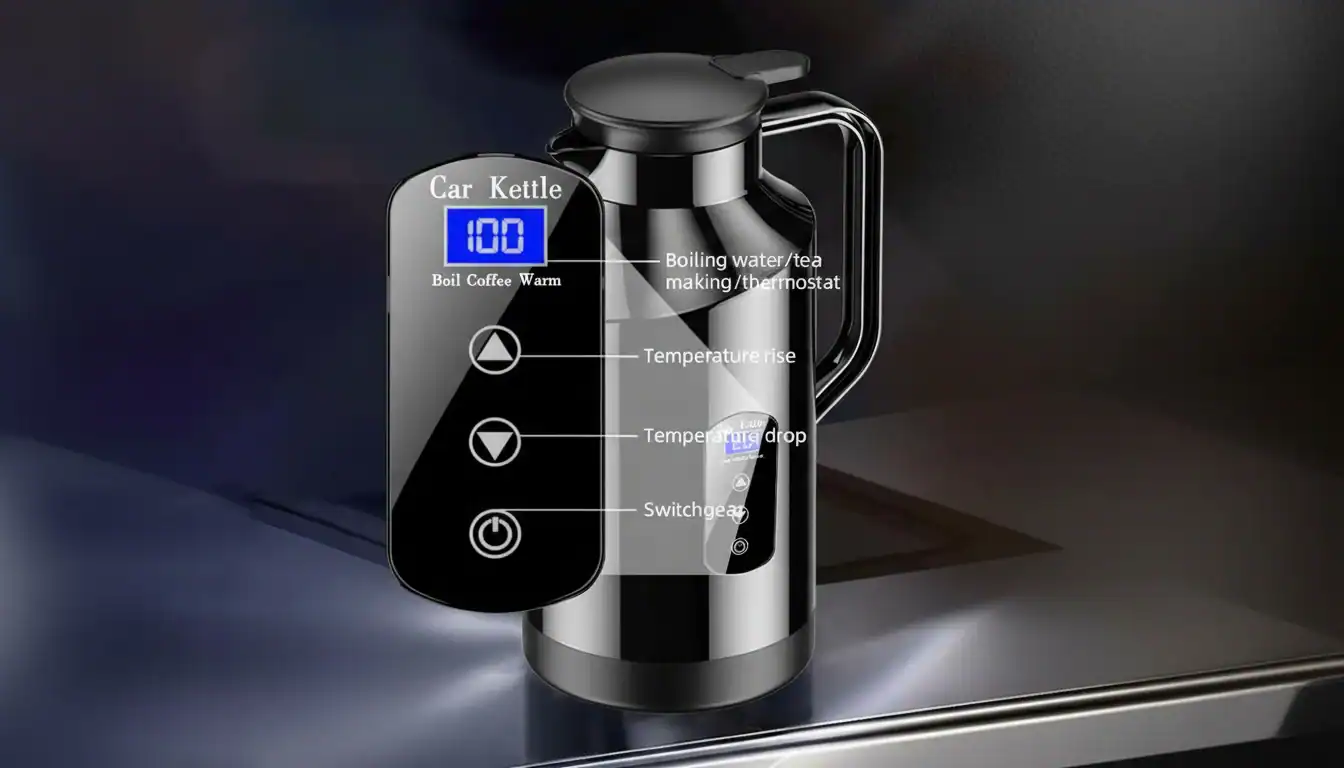
أسعار الجملة الحالية لكل كيلوغرام
تحدد أسعار السوق القياسية خطًا أساسيًا موثوقًا لشراء السبائك بالجملة وتخطيط الإنتاج للأعمال التجارية. حاليًا، تتراوح تكلفة شراء الفولاذ المقاوم للصدأ القياسي 304 بين 3.50 و 5.00 دولارات لكل كيلوغرام. يؤدي الترقية إلى سبيكة 316 عالية الأداء إلى رفع تكاليف الشراء إلى ما يقدر بـ 4.50 إلى 6.50 دولارات لكل كيلوغرام.
| درجة الفولاذ | سعر الجملة لكل كيلوغرام (دولار أمريكي) | عناصر السبائك الأساسية |
|---|---|---|
| الفولاذ المقاوم للصدأ 304 | $3.50 – $5.00 | 8% نيكل، 0% موليبدينوم |
| الفولاذ المقاوم للصدأ 316 | $4.50 – $6.50 | 10–14% نيكل، 2–3% موليبدينوم |
أسواق السلع العالمية تغير باستمرار فرق السعر الدقيق بين هذه المعادن. تقلبات أسعار النيكل والموليبدينوم، ومواصفات نقاء المواد الصارمة، وإجمالي حمولة الطلب تحدد أسعار الشراء النهائية للمصنعين ذوي الحجم الكبير من B2B مثل KelyLands.
عزز هوامش الربح باستخدام غلايات السيارات المعتمدة من OEM
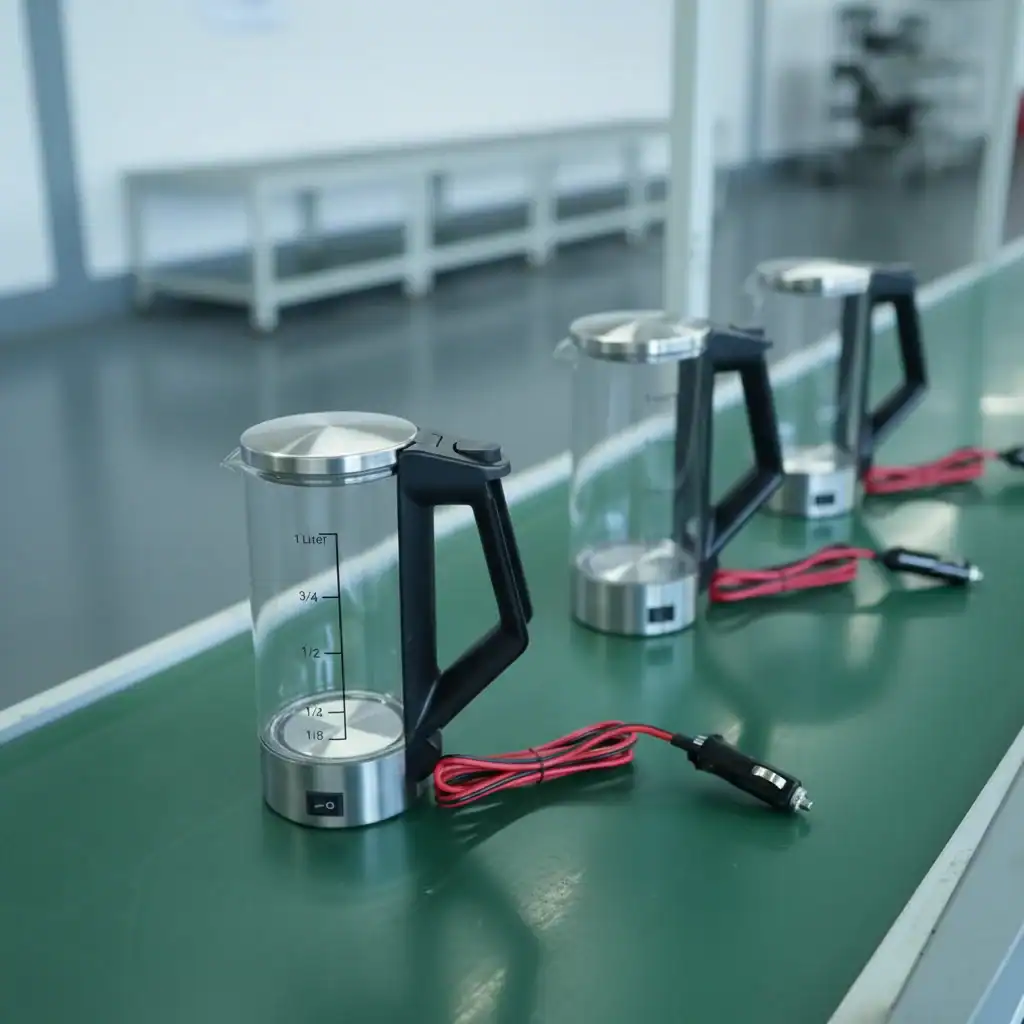
هل يزيل الفولاذ 316 تمامًا الطعم المعدني المزعج؟
بينما يمنع الفولاذ المقاوم للصدأ 316 بشكل قاطع تسرب المعادن الثقيلة، فإن التخلص من النكهات المعدنية الذاتية يتطلب بروتوكولات صارمة لإزالة الترسبات الكلسية وعزل البخار عن المكونات البلاستيكية منخفضة الجودة.
الاستقرار الكيميائي للفولاذ المقاوم للصدأ 316 في الماء المغلي
تعمل نسبة الكروم إلى النيكل 18/10 أو 18/8 في الفولاذ المقاوم للصدأ 316 كحاجز صارم ضد تسرب المعادن. تقاوم هذه التركيبة النوعية للسبائك بنشاط درجات الحرارة العالية وتآكل الماء دون أن تتحلل، مما يضمن شهادات سلامة الغذاء العالمية. تبني KelyLands غلايات سياراتها بجهد 12 فولت و24 فولت بهذه المواد الممتازة لضمان غليان الماء بأمان لأساطيل النقل ومستخدمي المركبات الترفيهية الذين يعملون في بيئات صعبة وعالية الاهتزاز.
الإدراك الحسي مقابل تسرب المعادن الثقيلة
منع التسرب السام والقضاء على النكهات المعدنية الذاتية يمثلان مقياسي أداء متميزين. تؤكد الاختبارات الصناعية أن الفولاذ 316 يمنع دخول المعادن الثقيلة إلى مصدر المياه أثناء عملية الغليان. يحافظ الفولاذ المقاوم للصدأ النظيف عالي الجودة على سلامة النكهة ويوفر مذاقًا محايدًا ومنعشًا للمشروبات الرقيقة مثل الشاي أو القهوة.
تركز البيانات التجريبية الحالية بشكل كبير على السلامة الكيميائية ومنع السموم بدلاً من اختبار التذوق البشري الذاتي. يجب على المشترين فصل البيانات الموضوعية لهجرة المعادن الثقيلة عن الإدراك الحسي لنكهة الماء، الذي يعتمد على مجموعة أوسع من المتغيرات تتجاوز الفولاذ نفسه.
العوامل الثانوية المؤثرة على نكهة الماء
العناصر الخارجية وعادات الصيانة تغير طعم الماء أكثر من البطانة الداخلية الفولاذية. ترسبات المعادن في الماء العسر وتراكم القشور تحاكي غالبًا طعمًا معدنيًا عندما يهمل المستخدمون إزالة القشور بانتظام. عندما تترسب المعادن على عنصر التسخين، تؤثر مباشرة على الجودة الحسية للماء المغلي.
مكونات الغطاء البلاستيكية منخفضة الجودة أو حشوات السيليكون المتفاعلة مع البخار تقدم أيضًا نكهات غير معتادة في الماء. تعالج KelyLands هذه المشكلة من خلال دمج مكونات آمنة لدرجات الحرارة العالية مثل مقابس الباكليت وتقديم ترقيات زجاج البوروسيليكات العالي، مثل سلسلة SM400. هذه الاختيارات الهندسية تعزل الماء المغلي تمامًا عن الملوثات المحتملة للطعم، مما يضمن نظافة على المستوى الطبي للتطبيقات الحساسة مثل القهوة المختصة أو تحضير حليب الأطفال.
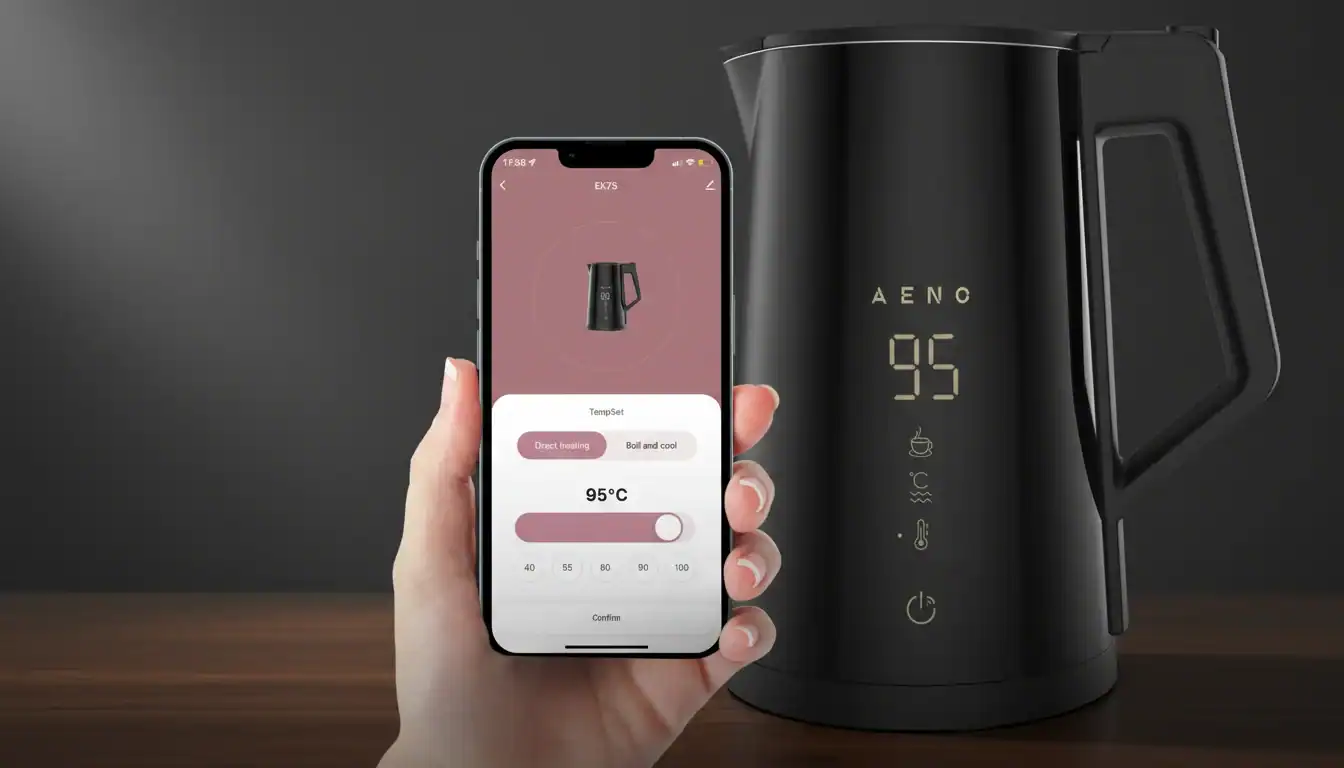
هل يمكننا نقش علامات شهادة LFGB بالليزر على البطانة الداخلية؟
بينما تستطيع ليزرات الألياف نقش الفولاذ المقاوم للصدأ بسهولة، فإن حفر البطانة الداخلية يعطل السطح المصقول كهربائيًا فيزيائيًا، مما يخلق حتاتًا دقيقًا يعرض متطلبات سلامة الغذاء الصارمة LFGB وFDA للخطر.
الجدوى التقنية لنقش البطانة الداخلية
تمتلك ليزرات الألياف القوة والدقة لنقش مكونات الفولاذ المقاوم للصدأ القياسية. يطبق المصنعون عملية الصقل الكهربائي على البطانات الداخلية للغلايات لبناء مقاومة شديدة للتآكل وضمان سلامة المواد. هذا السطح الداخلي المصقول للغاية يمتص علامات الليزر الحرارية بشكل غير متساوٍ. غالبًا ما تنتج دفعات الإنتاج بالجملة نتائج بصرية غير متساوية عندما تحاول المصانع النقش الداخلي المباشر. تقوم KelyLands بتكوين عمليات العلامات التجارية OEM لتجاوز هذه القيود المادية والحفاظ على جودة إنتاج موحدة عبر الطلبات التجارية ذات الحجم الكبير.
التأثير على الامتثال لـ LFGB وسلامة الغذاء
تغيير سطح التلامس الداخلي للغذاء يخلق مخاطر تنظيمية فورية. النقش بالليزر الداخلي يزيل المواد فيزيائيًا ويعطل الحاجز الأملس المصقول المطلوب للامتثال لـ LFGB وFDA. عملية التبخير بالليزر عالي الحرارة تترك حتاتًا مجهريًا في هيكل الفولاذ. هذه الأخاديد الصغيرة تحبس بقايا المعادن والمركبات العضوية والبكتيريا مع مرور الوقت، مما يزيد بشكل كبير من خطر تلوث السطح. تتجنب فرق مراقبة الجودة في المصانع النقش الداخلي بشدة للحفاظ على السلامة الهيكلية لمنطقة التلامس مع الغذاء.
البدائل الصناعية لعلامات الشهادات
يستخدم المصنعون في قطاع الأعمال التجارية (B2B) طرق وضع العلامات الخارجية لعرض رموز الامتثال الإلزامية دون تغيير بيئة الغلاية الداخلية المغلقة. تنشر مرافق الإنتاج عدة حلول قياسية للحفاظ على شهادات سلامة الغذاء:
- النقش البارز على القاعدة: يقوم مهندسو الأدوات بختم شعارات الشهادات مباشرة على اللوحة السفلية للغلاية أثناء التصنيع.
- وضع العلامات بالليزر الخارجي: تطبق ليزرات الألياف رموز امتثال دائمة وعالية التباين على الغلاف الخارجي من الفولاذ المقاوم للصدأ.
- الطباعة بالأشعة فوق البنفسجية: تُستخدم الأحبار عالية الالتصاق لطباعة الشعارات المعقدة والرموز التنظيمية على الأغلفة الخارجية.
توفر كيلي لاندز حلولاً قابلة للتخصيص بالكامل للتغليف الخارجي ووضع العلامات للطلبات بالجملة. نعمل على مواءمة استراتيجيات العلامات التجارية الخارجية مع متطلبات السوق الدولية المحددة لحماية النظافة الداخلية وسلامة العلامة التجارية.
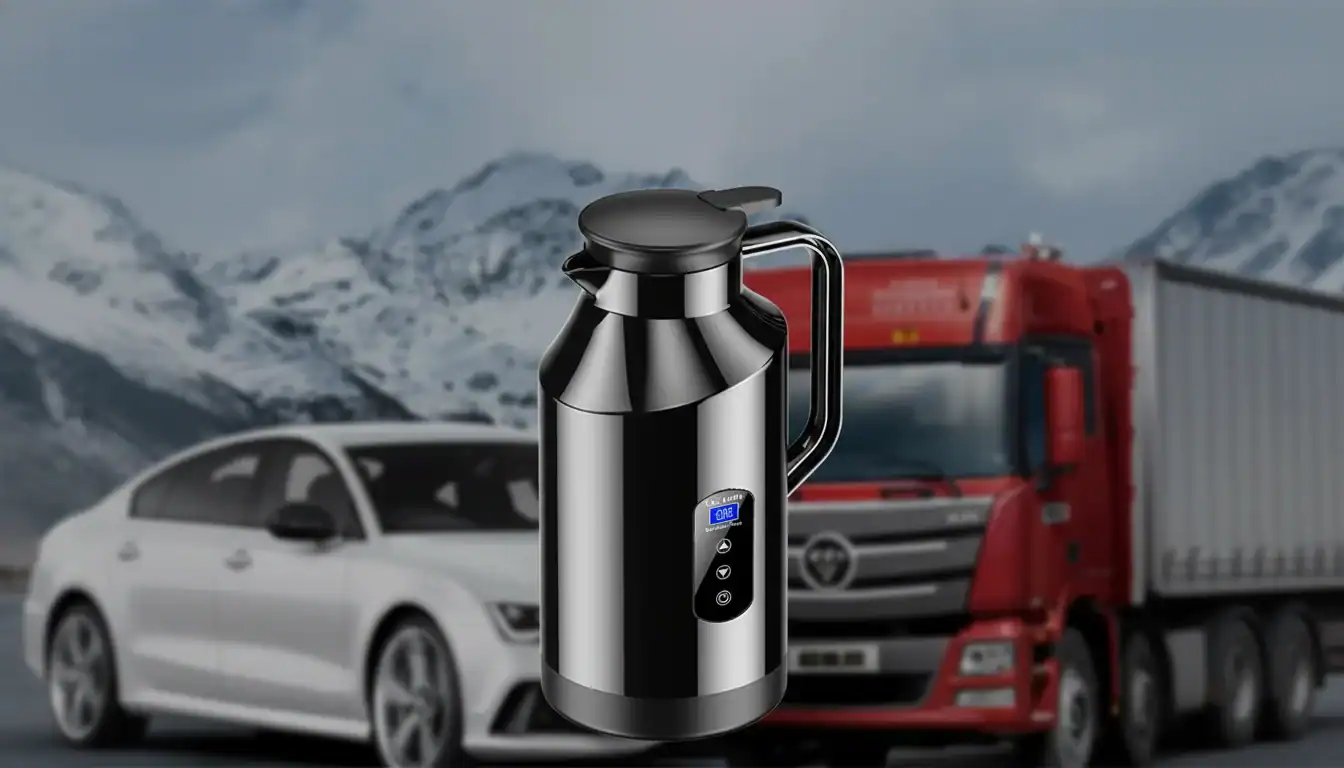
الخاتمة
يؤثر اختيار سبيكة الفولاذ المقاوم للصدأ المناسبة بشكل مباشر على تكلفة التصنيع والموثوقية طويلة المدى لخط إنتاجك. يوفر الترقية إلى فولاذ 316 الطبي درجة مقاومة فائقة للتنقر الناتج عن غليان الماء العسر ويساعد في الحفاظ على طعم نظيف ومحايد للمستخدمين النهائيين. تحقيق التوازن بين تكاليف المواد هذه وتوقعات السوق المستهدفة يضمن لك تقديم غلاية متينة ومتوافقة تقلل من معدلات الإرجاع.
قيّم موقعك الحالي في السوق لتقرر ما إذا كانت ترقية سبيكة 316 تتوافق مع متطلبات علامتك التجارية. تواصل مع فريقنا لطلب عينة مادة أو مراجعة أحدث كتالوج لغلايات OEM لدينا لمقارنة المواصفات.
الأسئلة المتداولة
ما هو الفرق في سعر الجملة بين الفولاذ المقاوم للصدأ 304 و 316؟
في المتوسط، يحمل الفولاذ المقاوم للصدأ 316 علاوة سعر جملة تتراوح بين 30% و40% مقارنة بالفولاذ 304. يرجع هذا الفرق في التكلفة بشكل أساسي إلى إضافة الموليبدينوم ومحتوى النيكل الأعلى في سبيكة 316، مما يعزز بشكل كبير مقاومتها للتآكل ومتانتها الإجمالية.
هل يصدأ الفولاذ المقاوم للصدأ 316 عند غليان الماء العسر؟
لا، الفولاذ المقاوم للصدأ 316 مقاوم للغاية للصدأ عند غليان الماء العسر. توفر إضافة الموليبدينوم حماية فائقة ضد التنقر والتآكل الشقي الناتج عن المعادن والكلوريدات. يتحمل بسهولة دورات التسخين والتبريد المتكررة في بيئات الماء العسر، مما يضمن عمرًا طويلًا للمعدات دون تدهور.
هل يمكننا حفر شعارنا بالليزر داخل البطانة الفولاذية؟
نعم، يمكنك حفر شعار بالليزر داخل البطانة الفولاذية، ولكن يجب استخدام تقنيات محددة للأسطح الملامسة للسوائل. المعيار الصناعي هو التلدين بالليزر. على عكس النقش العميق الذي يخلق شقوقًا دقيقة يمكن أن تؤوي البكتيريا، يعمل التلدين بالليزر على تغيير لون السطح دون كسر طبقة التخميل، مما يحافظ على البطانة ناعمة تمامًا وصحية.
هل الفولاذ 316 أفضل لتحضير حليب الأطفال؟
نعم، الفولاذ المقاوم للصدأ 316 هو الخيار الأمثل لتحضير حليب الأطفال. تتطلب العملية دورات تسخين وتبريد متكررة قد تضغط على السبائك الأقل جودة. تضمن خصائص الفولاذ 316 الطبية والغذائية أقصى مقاومة لتراكم المعادن من الماء، مما يضمن سطحًا صحيًا دون خطر التآكل أو تسرب المعادن أثناء الغليان اليومي المستمر.
 English
  Español
  Français
  Deutsch
  Português do Brasil
  Русский
  한국어
한국어  日本語
日本語  العربية