 تخطي إلى المحتوى الرئيسي تخطي إلى التذييل
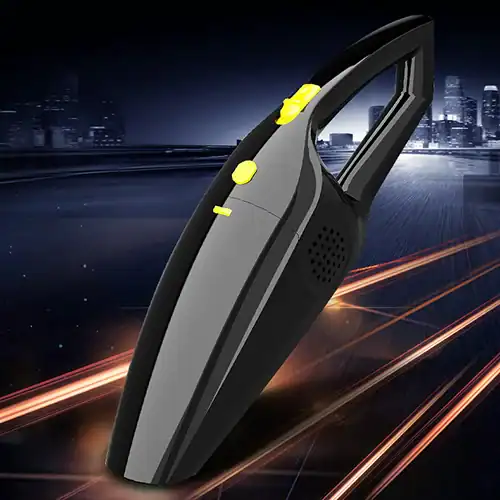
يتطلب تصميم جهاز محمول التوفيق بين حقيقة فيزيائية قاسية: حيث تنخفض كثافة الطاقة الخام في الخلية بنسبة تصل إلى 40% بمجرد دمج الغلاف الهيكلي، وإدارة الحرارة، وأنظمة السلامة المطلوبة لمنتج جاهز للسوق. وعلى الرغم من أن خلية NMC المنفردة قد تبلغ 250 واط/كغ، إلا أن الحزمة النهائية غالباً ما تنخفض كفاءتها إلى 100–175 واط/كغ بسبب الكتلة غير الفعالة الإضافية البالغة 3.8–10 غ/واط المطلوبة لتشغيل مستقر.
يحلل هذا الدليل المفاضلات الكتلية بين الكيماويات مثل LiFePO4 وNCA، ويقوم بمقارنة كفاءة التكامل الواقعية مع المعايير الصناعية مثل Tesla Model S وChevy Bolt. نقدّم تقييماً للعقوبة الحجمية البالغة 5-10% المطلوبة للامتثال لمواصفة بيانات البطارية الذكية (SBDS)، وكيف تبرر خوارزميات تصفية كالمان التضحية بكثافة الحجم الخام لتحقيق دقة 1.1% في حالة الشحن.
فهم كثافة الطاقة: لماذا يرتبط الحجم والسعة ببعضهما
تحدد كثافة الطاقة كمية الطاقة المخزنة لكل وحدة كتلة أو حجم. تتيح الكثافة العالية تصاميم مضغوطة، بينما تؤدي الكيماويات منخفضة الكثافة إلى بطاريات أثقل وأكثر حجماً من حزم البطاريات.
الكثافة الكتلية مقابل الكثافة الحجمية: تعريف نسبة الوزن إلى القدرة
يحدد اختيار الكيماوية الحدود الفيزيائية للبطارية. وعلى الرغم من أن LiFePO4 يوفر استقراراً حرارياً عالياً، إلا أنه يتطلب مساحة ووزناً أكبر بكثير من متغيرات NMC أو NCA لتقديم نفس مدة التشغيل.
- الكثافة الكتلية لـLiFePO4: 90–160 واط ساعي/كغم
- الكثافة الكتلية لـNMC: 150–250 واط/كغ
- الكثافة الكتلية لـNCA: 200–260 واط ساعي/كغم
- الكثافة الحجمية لـ LiFePO4: 300–350 واط/ساعة لكل لتر
- الكثافة الحجمية لـ NMC: 500–700 واط/ساعة لكل لتر
- الذروة النظرية الحالية للتيار: ~350 واط/ساعة لكل كغ للبطاريات الليثيوم-أيون القياسية
المقايضة بين السعة: قيود تصميم الأقطاب وتعبئتها
تحقيق أقصى سعة يتطلب تعبئة المزيد من المادة الفعالة داخل الخلية. تعتمد الشركات المصنعة أقطاباً أكثر سماكة لزيادة الكثافة السطحية، مما يعطي الأولوية لتخزين الطاقة على المدى الطويل بدلاً من القدرة على تفريغ الطاقة بسرعة.
- مورفولوجيا رقائق LFP: تقلل المسامية إلى 14% وتزيد الكثافة الحجمية بنسبة 28%.
- معادلة السعة التصميمية: الكثافة السطحية × نسبة المادة الفعالة × السعة النوعية × مساحة طلاء القطب.
- المعيار للسعة النوعية: 186.87 مللي أمبير/ساعة لكل غرام (أول تفريغ) مع كفاءة كولومية تبلغ 85.07%.
- السعة السطحية: تزداد السعة مع انخفاض كثافة الطاقة، مما يتيح تخزين شحنة أكثر لكل وحدة كاثودية.
يؤدي زيادة وقت التشغيل دون تحسين كثافة الطاقة حتمًا إلى اتساع الأبعاد المكانية للمنتج. وتعتمد الأجهزة المحمولة إكسسوارات السيارات مثل مضخات الهواء والثلاجات على كيمياء عالية الكثافة لتبقى مدمجة معًا مع تحقيق معايير أداء كثيفة استهلاك الطاقة.
تأثير الميزات “الذكية” على حجم البطارية
تضيف الميزات الذكية هوامش حجمية تتراوح بين 5-10% للحجوم الخام للخلايا، مقابل دقة مراقبة كهربائية ±10-20 ميللي فولت ودقة حالة الشحن ±1.11%.
دمج الذكاء داخل حزمة البطارية ليس أمرًا مجانيًا. بينما توفر خلايا الليثيوم الخام كثافة طاقة عالية، فإن الإلكترونيات الداعمة اللازمة للسلامة وإعداد التقارير تشغل حيزًا ماديًا كبيرًا داخل العلبة. هذا الحجم الإضافي يحد من أقصى طاقة يمكنك حشوها داخل أبعاد ثابتة.
مكونات الأجهزة والأبعاد المكانية لنظام إدارة البطارية
يتطلب نظام إدارة البطارية (BMS) عتادًا محددًا يمتد خارج أبعاد الخلية. تتيح هذه المكونات الامتثال لمواصفات بيانات البطارية الذكية (SBDS) وضمان الاحتواء الفيزيائي للسلامة.
- دقة المراقبة: مجسات الجهد التي تحافظ على دقة ±10-20 ميللي فولت.
- استشعار التيار: عتاد مخصص لمدى قياس يتراوح بين 0-200 أمبير.
- عتاد السلامة: صمامات الضغط والأغشية المصممة لتحمل انصهار درجات حرارة تصل إلى 1000 درجة مئوية.
- وحدات المنطق: مساحة سطح اللوحة الطباعية المخصصة لمنطق الدوال RemainingCapacityAlarm() وBatteryMode().
كثافة الطاقة الحجمية والمفاضلات التشغيلية
يواجه المهندسون مفاضلة مباشرة بين ضغط الخلايا الخام والحجم المطلوب للغلاف لمعالجتها. إن عقوبة الحجم هذه الخاصة بنموذج 5-10% تُقلل من كثافة الطاقة الفعالة مقارنة بخلايا الليثيوم المستقلة ذات السعة 250-300 واط/ساعة لكل كيلوغرام، إلا أنها تضمن العمر التشغيلي للحزمة.
- دقة حالة الشحن (SOC): تتيح خوارزميات تصفية كالمان دقة تقدير تبلغ 1.1%.
- المعايرة: تقوم الرقائق المتكاملة المخصصة ببدء معايرة النظام عند سعة متبقية تساوي 5%.
- عتبات الإنذار: يحافظ المنطق الذكي على إنذار للسعة الإجمالية يبلغ 10% وتنبيهات للوقت المتبقي البالغ 10 دقائق.
- الكفاءة: تقلل التكوينات ذات السلسلة عالية الجهد من خسائر I²R، لكنها تزيد من التعقيد الفعلي لعزل نظام إدارة البطارية (BMS).
تعطي التصاميم المحمولة الأولوية لكثافة الطاقة لتقليل الحجم., ومع ذلك، فإن الميزات الذكية تحسن السعة القابلة للاستخدام. ومن خلال دمج المستشعرات المتعددة، يمنع النظام الإفراط في التفريغ ويطيل العمر الافتراضي، مما يبرر التضحية بالكثافة الحجمية الخام من أجل المراقبة الدقيقة.

المفاضلة الأساسية: عمر البطارية مقابل الوزن
يحدد الواتت/كيلوغرام (Wh/kg) نسبة التشغيل إلى الكتلة. تزداد الكتلة خطياً مع السعة الأعلى، وهو ما يتضخم بنسبة 30-40% بسبب الهيكل الإضافي الناتج عن التبريد والغلاف والأسلاك الداخلية.
| نوع الكيمياء | كثافة الطاقة (واط/كغم) | عمر الدورة | التطبيق |
|---|---|---|---|
| نيكل-كوبالت-ألومنيوم | 200–260 | 1,000+ | سيارات كهربائية عالية الأداء |
| نيكل-منغنيز-كوبالت | 150–250 | 1,000–2,000 | أدوات، أجهزة محمولة |
| LFP | 90–180 | 4,000+ | تخزين الطاقة |
الكثافة الطاقية النوعية واختيار الكيمياء
يحدد اختيار الكيمياء الوزن الأساسي لأي نظام محمول. يجب على المهندسين الاختيار بين العمر الطويل والكتلة; فلا يمكن تعظيمهما معاً دون زيادة الحجم المادي. تتطلب الأجهزة المحمولة خلايا عالية الكثافة لمنع إجهاد المستخدم أثناء التشغيل.
- كثافة NMC/NCA: 150–260 Wh/kg (مثالي للأدوات الحساسة للوزن).
- كثافة FLP: 90–180 واط.ساعة/كجم (حزم أثقل لكن دورة حياتها أطول بـ 2x–4 مرات).
- المعيار المحمول باليد: >200 واط.ساعة/كجم مطلوب لراحة المستهلك في المكنسات وأدوات الطاقة.
يوفر اختيار FLP سلامةً أعلى وعدداً أكبر من الدورات، لكنه يفرض زيادة 30% في الكتلة لنفس مدة التشغيل. يلتزم معظم مصنعي الأجهزة الإلكترونية المحمولة بـ NMC لهذا السبب.
حسابات مستوى النظام وهامش وزن الحزمة
لا تتطابق كثافة الخلية الخام أبداً مع كثافة المنتج النهائي. تضيف المكونات الهيكلية وأنظمة إدارة البطارية (BMS) ودوائر التبريد الحراري وزناً زائداً كبيراً يتجاهله المصممون المبتدئون غالباً. يجب أن تحسب وزن الغلاف بأكمله لفهم نسبة الطاقة إلى الكتلة الحقيقية.
- معادلة الوزن: الوزن الكلي (كجم) = (السعة (و.س) / كثافة الخلية (و.س/كجم)) × 1.35.
- نطاق الهامش: 30% إلى 40% كتلة مضافة من المكونات غير النشطة.
- معايير الصناعة: طراز تيسلا S (~6.35 كجم/ك.و.س) مقابل نيسان ليف (~7.6 كجم/ك.و.س).
تأتي مكاسب الكفاءة الآن من التكامل “من الخلية إلى الحزمة”. من خلال إزالة أغلفة الوحدات النمطية واستخدام البطارية كعنصر هيكلي، تقلل الشركات الهامش ليقترب من 25%، على الرغم من أن هذا يظل استثناءً وليس قاعدة.
وسّع أعمالك مع مورد رئيسي لتركيبات وتنميط بطاقات الفراغات المنزلية OEM/ODM

إدارة التوقعات: الأداء الواقعي مقابل المواصفات
تتجاهل أوراق بيانات الخلايا المكونات المدمجة في العتاد. يتوقع أن تزيد أوزان حزم البطاريات النهائية بمقدار 30-40% عن الخلايا الخالصة بسبب هيكل الغلاف المطلوب،, إدارة حرارية, وهياكل السلامة.
| كيمياء البطارية | كثافة طاقة الخلية (واط/ساعة لكل كيلوغرام) | كثافة طاقة الحزمة المقدّرة (واط/ساعة لكل كيلوغرام) |
|---|---|---|
| NCA (نيكل كوبالت ألومنيوم) | 200 – 260 | 140 – 180 |
| NMC (نيكل منغنيز كوبالت) | 150 – 250 | 100 – 175 |
| LiFePO4 (LFP) | 90 – 160 | 60 – 110 |
كثافة الخلية النظرية مقابل دمج الحزمة العملي
المقاييس الكهروكيميائية الخام تمثل الذروات النظرية. عند الانتقال من خلية واحدة إلى نظام وظيفي، تحدث “خسائر مستوى الحزمة”. تضيف الأغلفة الهيكلية والوصلات وموزعات التبريد وزنًا ميتًا ملحوظًا لا يظهر أبدًا في ورقة بيانات الخلية.
- طاقة النوع المحددة لخليط NCA: 200–260 واط/كغ (معيار على مستوى الخلية)
- طاقة النوع المحددة لخليط NMC: 150–250 واط/كغ (معيار على مستوى الخلية)
- ليثيوم فوسفات الحديد (LFP): 90–160 واط/كغ (تنخفض الحقائب العملية إلى 95–120 واط/كغ)
- عبء الكتلة غير النشطة: 3.8–10 غ/واط/ساعة للغلاف والإلكترونيات.
يُفضل LFP لسلامته وعمره الدوراني الذي يتجاوز 4,000 دورة، لكنه يتطلب كتلة أكبر بكثير. إذا كان لتطبيقك قيود وزن صارمة، فإن الكيمياء الغنية بالنيكل إلزامية، رغم أنها تتطلب إدارة حرارية معقدة لمنع الهروب الحراري.
معايير العالم الواقعي ونسب الوزن إلى السعة
توفر تفكيكات السيارات الكهربائية التجارية أكثر المعايير دقة لتحسين الأنظمة عالية السعة. تمثل هذه الأنظمة الجاهزة للإنتاج الحد الحالي لهندسة الوزن إلى الطاقة لتقنية الليثيوم أيون.
- تيسلا موديل S (85 كيلوواط ساعة): ~544 كغ (6.4 كغ/كيلوواط ساعة)
- شيفروليه بولت (66 كيلوواط ساعة): 435 كغ (6.6 كغ/كيلوواط ساعة)
- رينو زوي (41 كيلوواط ساعة): 326 كغ (7.95 كغ/كيلوواط ساعة)
- حقائب شحن الأجهزة المحمولة: كثافة فعالة ~120 واط/كغ.
- مقارنة بطاريات الرصاص-الحمض: ~40 واط/كغ (عقوبة ضخمة قدرها 25 غ/واط).
استخدم معادلة محافظة عند تحديد حجم العتاد: الوزن (كغ) = السعة (واط/ساعة) / الطاقة النوعية (واط/ساعة لكل كغ). يجب إضافة هوامش تكامل العتاد. تجاهل هذا الضمني يضمن أن يكون النموذج الأولي الخاص بك ثقيلاً جداً قبل مغادرته لمنصة الاختبار.
الخاتمة: اختيار الحل المناسب لمنتجك
الكتلة الكلية للنظام تساوي السعة مقسومة على الطاقة النوعية زائد هامش تغليف. اختر NMC للروبوتات الحساسة للوزن، أو LFP لعمر صناعي يتجاوز 4,000 دورة.
اختيار كيمياء البطاريات لتشغيل التشغيل العمري وعمر الدورات
يتطلب اختيار الكيمياء المناسبة الموازنة بين الكثافة الكتلية وعمر الدورة المطلوب. بينما تقلل الخلايا عالية الكثافة الوزن للأجهزة المحمولة، غالباً ما تتخلى عن المتانة القوية المطلوبة للبنية التحتية الصناعية.
- NMC (150-250 واط/كغ) & NCA (200-260 واط/كغ): توفر هذه البطاريات أعلى كثافة طاقة للتطبيقات الحساسة للوزن مثل الأجهزة الطبية والروبوتات.
- فوسفات حديد الليثيوم (LFP) (90-180 واط.ساعة/كجم): تُعد هذه الكيمياء المعيار الصناعي لتخزين الطاقة الثابت والمعدات الصناعية، حيث تقدم أكثر من 4000 دورة شحن وتفريغ وأعلى مستويات السلامة.
- تيتانات الليثيوم (LTO) (50-80 واط.ساعة/كجم): يُستخدم هذا النوع في التطبيقات ذات المتطلبات الخاصة عالية القدرة، حيث يفوق التفريغ السريع الوزن الإضافي الكبير.
- أكسيد الليثيوم والكوبالت (LCO) (150-220 واط.ساعة/كجم): الأنسب للإلكترونيات الاستهلاكية فائقة الصغر التي تتطلب أقل حجم ممكن.
حساب الكتلة الإجمالية للنظام وكفاءة المجموعة
كثافة طاقة الخلية هي نقطة بداية وليست مواصفة نهائية. فإن وزن الحزمة الفعلي يشمل العناصر الإنشائية والحرارية التي تقلل بشكل ملحوظ من الكفاءة الفعلية لوواط.ساعة/كجم في نظام البطارية النهائي.
- معادلة الوزن: احسب الكتلة التقديرية بقسمة السعة (وواط.ساعة) على الطاقة النوعية (واط.ساعة/كجم).
- خسارة الحزمة: يجب أن يأخذ المهندسون في الاعتبار زيادة في الوزن تتراوح بين 30-40% مقارنة ببيانات الخلية لتعويض وزن الغلاف، وأنظمة التبريد، ومكونات إدارة البطارية (BMS).
- التكامل الهيكلي: قد تستخدم التصاميم المستقبلية ألياف الكربون المواد المركبة لتحويل هيكل البطارية إلى مكون حامل للأحمال، مما يعوض الكتلة المعدنية التقليدية.
يجب على مطوري المنتجات迭代 التصاميم استنادًا إلى معدلات التفريغ وحدود إيقاف التشغيل المحددة في النماذج الفنية. ويعتمد ذلك على معايير الكيمياء لضمان أن المنتج يلبي أهداف التشغيل دون زيادة غير ضرورية في الهيكل.
خاتمة
تتطلب قابلية الحمل كيمياء NMC، بينما يطالب العمر الافتراضي الصناعي بكيمياء LFP. لا يمكنك تحسين الجانبين معاً، لذا حدد الأولوية حسب القيد الأساسي للمستخدم—الوزن أو دورة الحياة—قبل اختيار نوع الخلية.
طبق مضاعفاً قدره 1.4x على وزن الخلية الخام لمراعاة هيكل الغلاف ونظام إدارة البطارية (BMS). اطلب دقة مراقبة بقدرة ±20mV من الموردين لضمان أن الميزات الذكية تبرر حجم خسارة 10%.
الأسئلة المتداولة
هل تدعم الوحدة شحن USB-C Power Delivery (PD)؟
يدعم USB-C Power Delivery (PD) قدرة تصل إلى 100 واط (20V/5A). ورغم شيوعه في أجهزة اللابتوب والهواتف الذكية، فإن التوافق الفعلي يعتمد على وحدة التحكم الإلكترونية المدمجة من قِبل الشركة المصنعة.
ما هو الفرق بين تركيبي خلايا البطارية 4S1P و6S1P؟
تُحدِّد هذه المعايير الجهد الاسمي. توفر تهيئة 4S1P جهدًا يبلغ حوالي 14.8 فولت، في حين توفر تهيئة 6S1P جهدًا يبلغ حوالي 22.2 فولت. يختار المهندسون هذه التكوينات لتحقيق التوازن بين خرج الطاقة، والسعة، والوزن الإجمالي لأنظمة النقل المحمول.
هل يمكن تبديل البطارية بيد واحدة؟
لا يُعَد تبديل البطارية بيد واحدة معيارًا صناعيًا. وتعتمد سهولة الاستبدال كليًا على آلية القفل الميكانيكية للجهاز والمواصفات التصميمة ergonomically للمصنِّع.

 English
  Español
  Français
  Deutsch
  Português do Brasil
  Русский
  한국어
한국어  日本語
日本語  العربية