 تخطي إلى المحتوى الرئيسي تخطي إلى التذييل

غالباً ما تعود توقفات المعدات الصناعية إلى الأعطال الميكانيكية في بكرات سحب الكابل الأوتوماتيكية، حيث يعطل ارتفاع مقاومة النابض أو تراكم الكربون التشغيل. يتطلب صيانة هذه الأنظمة معايرة دقيقة وفحوصات سلامة كهربائية لضمان توصيل موثوق للطاقة في البيئات الشاقة مثل الفرن أو مرافق التخزين البارد.
يوضح هذا الدليل المتطلبات الفنية لإصلاح الكابل القابل للسحب، مع التركيز على إجراءات التسوية واستعادة التلامس. نناقش سبب ضرورة أن تدعم تجمعات الحلقات المنزلقة تصنيفات التيار بين 35 و 150 أمبير، ولماذا يجب على الفنيين تطبيق عزم دوران يبلغ بالضبط 7 قدم-رطل عند تأمين مكونات ترس الضبط. ستجد أيضاً مقارنة بين الإصلاحات على مستوى المكونات وتبديل الكاسيتات النمطية للمساعدة في تحديد المسار الصيانة الأكثر كفاءة.
تشريح بكرة الكابل: النابض، والقرص، والموصلات
تعمل بكرة الكابل من خلال ثلاث أنظمة رئيسية: نابض طاقة عالي الشد للسحب، وقرص من الصلب أو البلاستيك لتخزين الكابل، وتجمع حلقة انزلاقية لاستمرارية التوصيل الكهربائي. تعمل هذه المكونات معاً للسماح للكابل بالدوران أثناء السحب مع الحفاظ على اتصال كهربائي مستمر بالـ مصدر الطاقة.
القيادة الميكانيكية وترتيب القرص
تستخدم بكرات الصناعة نوابض طاقة محمية ومحشوة بالغراء مدى الحياة لتوفير قوة السحب دون الحاجة إلى طاقة خارجية. تسمح هذه النوابض الرئيسية المغلقة للبكرة بالعمل بشكل مستقل في الإعدادات المتنقلة أو النائية. يضبط المستخدمون شد السحب بإضافة أو إزالة لفات من الكابل حول القرص تتراوح بين اثنتين وثلاث. تعدل هذه الطريقة السحب الفيزيائي دون تجاوز السعة المقنصة للنابض أو المخاطرة بفشل ميكانيكي.
غالباً ما تتميز الطرازات الثقيلة بأقراص من الصلب 16 غشماً. تتراوح أقطار هذه المكونات عادةً من 19 إلى 36 بوصة، مما يوفر مساحة سطح كافية لمنع تداخل أو تشابك الكابل. تساعد الذراع الإرشادية القابلة للتعديل ذات 7 إلى 12 موضعا في توجيه توزيع الكابل وتقليل الاحتكاك أثناء السحب عالي السرعة. يثبت آلية ترس الضبط القرص عند أطوال محددة، على الرغم من أن المشغلين يمكنهم فك هذه النظام للتطبيقات التي تتطلب تشديداً مستمرًا.
الاستمرارية الكهربائية ومواصفات حلقات التلامس
تعتمد تجميعات حلقات التلامس على فرشاة متحركة للحفاظ على التلامس الكهربائي أثناء دوران البكرة. تدعم هذه المكونات تيارات كهربائية تتراوح بين 35 و150 أمبير، حسب الطراز المحدد وقطر الكابل. تصل التكوينات القياسية إلى سعة موصل تتراوح حتى 12 خطاً. في الإعدادات الرئيسية للطاقة التي تستخدم من موصل واحد إلى أربعة موصلات، غالباً ما يحمل النظام تصنيف 600 فولت. ويتحول التصنيف عادةً إلى 250 فولت في الإعدادات التي تضم خمسة موصلات أو أكثر للامتثال لمتطلبات UL.
يحمي الغلاف المخصص لهذه المكونات الداخلية الأجزاء من الظروف الصناعية القاسية. تمتد نطاقات درجة حرارة التشغيل غالباً بين -22°F و266°F. ويضمن هذا المتانة نقل طاقة متسق في مصاهر المعادن، ووحدات التخزين البارد، والبيئات الخارجية. وقد تتضمن الطرز عالية الأداء أيضاً عمود قيادة قابل للفصل أو محركات زنبركية سريعة التغيير لتبسيط الصيانة وتقليل وقت التوقف عند استبدال المكونات.
تحذير أمان: التعامل مع النوابض عالية الشد
تخزن زنبركات الشد العالي كمية كبيرة من الطاقة التي تتبع قانون هوك، مما يخلق مخاطر كبيرة إذا تجاوزت حدود مرونتها. نوصي باستخدام عامل أمان بمقدار 2 لجميع تطبيقات الحمل لمنع الفشل المفاجئ. ويضمن استخدام مواد مقاومة للإجهاد التعبّي مثل الكروم السيليكون والالتزام بمعايير OSHA 1910.217 تشغيلاً ميكانيكياً آمناً خلال أعمال الصيانة.
| مقياس السلامة | المعيار الفني | الميزة التشغيلية |
|---|---|---|
| قدرة التحميل | عامل أمان بمقدار 2 | يمنع التشوه الدائم والانكسار الكارثي |
| اختيار المادة | كروم سيليكون / ستانلس ستيل | مقاومة عالية للتعب لفترات تشغيل تمتد لملايين الدورات |
| الحراسة التنظيمية | OSHA 1910.217 | يضمن موثوقية القفل والمفاتيح الميكانيكية |
ديناميكيات الطاقة والحدود المرنة
تخزن الزنبركات الميكانيكية الطاقة وفقاً لقانون هوك (F = kx)، حيث تظل القوة المُتبعة متناسبة مع مسافة الانحراف. تزيد معدلات الزنبرك الأعلى من صلابة الزنبرك وتخزين الطاقة الكامنة، مما يتطلب إدارة دقيقة أثناء التركيب. يتسبب تجاوز حدود الانحراف القصوى في تجاوز المعدن لحدوده المرنة، مما يؤدي إلى تشوه دائم أو فشل كلي. ويخلق الإفراج المفاجئ عن الطاقة المخزنة خطراً جسدياً شديداً إذا انفك الزنبرك دون استخدام أدوات احتواء احترافية. نستخدم تصاميم تتميز بمقاومة عالية للتعب لضمان بقاء المكونات تؤدي أداءها على مدى ملايين دورات التشغيل دون تدهور.
هوامش السلامة والمعايير التنظيمية
يطبق المهندسون عامل أمان بنسبة 2 لضمان هوامش أداء 50% بين الحمل المتوقع والأقصى للمكون. فإذا تطلّب التطبيق حملاً مقداره 100 رطل، فإن اختيار نابض مقيم لـ 200 رطل يمنع الشدّ الزائد ويقلّل خطر حدوث “استطالة دائمة”. ويَلعب اختيار المواد دوراً حاسماً في السلامة، حيث إن الفولاذ السبيكي المصنوع من الكروم والسيليكون الفولاذ المقاوم للصدأ offers superior resistance to fatigue and corrosion in moist environments. Compliance with OSHA 1910.217 standards remains mandatory for mechanical power press safeguards, specifically regarding spring-latch reliability. We also recommend installing safety cables through the center of extension springs to contain fragments in the event of a structural break under high tension.
تنظيف رواسب الكربون من الموصلات المنزلقة
تتكون ترسبات الكربون على التماسات المنزلقة نتيجةً للاحتكاك والقوس الكهربائي، مما يزيد من المقاومة والحرارة. يشمل استعادة هذه التماسات إزالة الأفلام باستخدام مواد كاشطة بحجم 80-100، والتحقق من بقاء قوة النابض متسقة للحفاظ على السلامة الكهربائية وفق معايير أداء عام 2026.
تحديد تراكم الكربون والأكسدة السطحية
يخلق الاحتكاك والقوس الكهربائي الموضعي أثناء تشغيل البكرة أغشية كربونية رقيقة على الأسطح المنزلقة. تشير التماسات النحاسية أو البرونزية ذات الأسطح اللامعة أو الملونة بالأسود إلى تراكم كبير للرواسب. تزيد هذه الرواسب من المقاومة الكهربائية، مما يؤدي إلى تراكم الحرارة وتقديم طاقة متقطع أثناء الاستخدام.
معايير استعادة السطح والصيانة
اجعل أسطح التماس اللامعة خشنة باستخدام ورق صنفرة حجمه 80 أو بحد أقصى 100 لإزالة الأفلام العازلة. تستعيد هذه التنظيف الميكانيكي بنية السطح المطلوبة لنقل كهربائي كفؤ. تتطلب إجراءات الصيانة التحقق من اتساق قوة النابض لضمان بقاء التماس عند الضغط الموصى به للتوصيل المستقر. نفذ الإزالة الكاملة للفيلم قبل استبدال الفرش أو ترقية مكونات التماس لمنع تلويث الأسطح الجديدة فورًا.
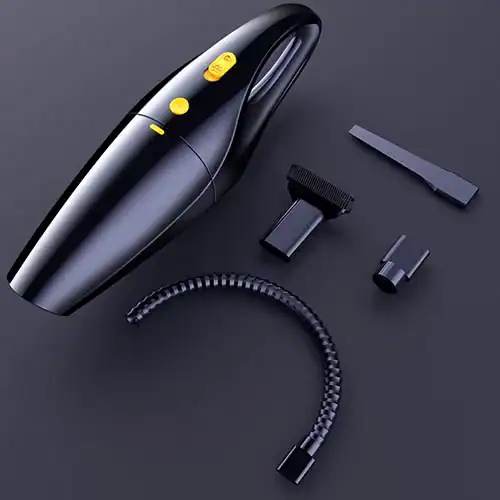
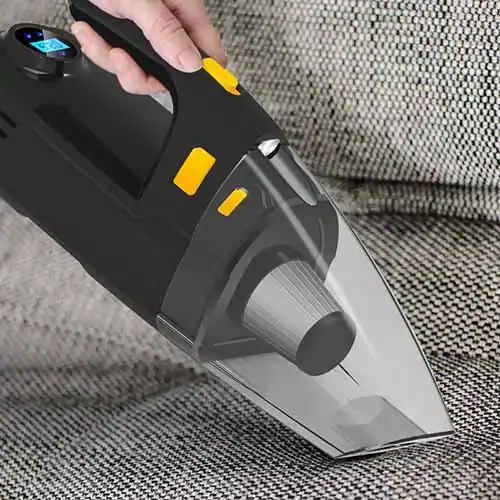
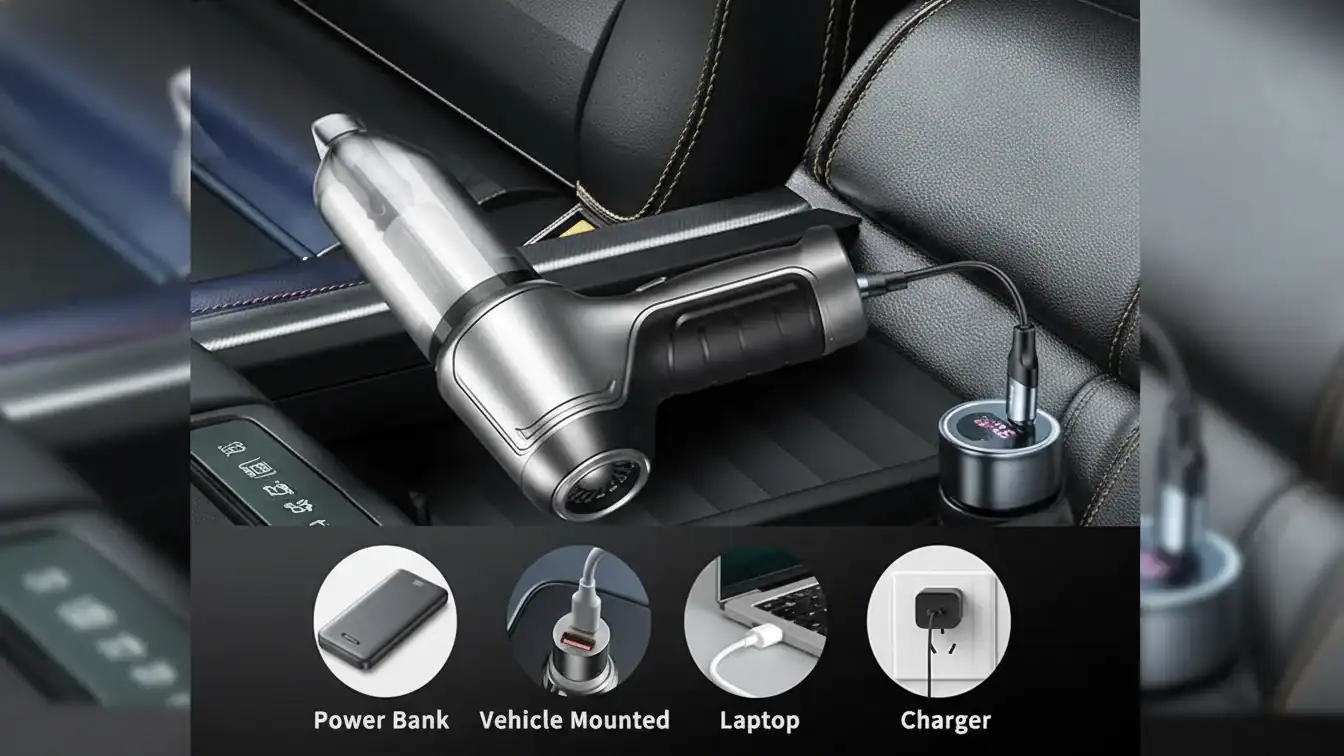
توسيع نطاق علامتك التجارية مع حلول المكنسة الكهربائية المنزلية عالية الأداء

إعادة شد النابض: كم لفات ابتدائية؟
يتطلب استعادة التوتر عادةً سحب 1-5 لفات من الكابل عن الطبل بينما يكون الذراع مربوطًا بالكامل. يعوض هذا الضبط اليدوي تآكل النابض مع مرور الوقت. يجب على الفنيين الحفاظ على عزم دوران 7 رطل-قدم على مكونات الدواسة وضمان بقاء انحراف الكابل أقل من 15 درجة لمنع فشل ميكانيكي.
| المقاييس الفنية | القيمة القياسية | الأثر التشغيلي |
|---|---|---|
| اللفات الأولية للتوتر | 1-5 لفات | يُعدّل توتر النابض على الأذرع المجمّدة بالكامل. |
| عزم دوران الدواسة | 7 رطل-قدم | تثبت أمشاط صمام التحويل على مجموعة البكرة. |
| الحد الأقصى للانحراف الكابلي | 15 درجة | يمنع التشغيل المعيب والتآكل الميكانيكي. |
| السماح المستهدف بالهبوط | 10% | 1. يتطلب سحب الخط ضعف وزن الكابل. |
2. إجراءات ضبط الشد يدوياً
3. يستعيد الفنيون شد النابض بسحب 1-5 لفات من الكابل عكس اتجاه عقارب الساعة من الطبل. نوصي بتثبيت الطبل بمشبك الثبات لمنع الدوران العرضي خلال عملية إعادة التواء الكابل. تعالج هذه الطريقة مشكلات الترهل أو أخطاء مثل E01 وE87 في الأنظمة المجهزة بمؤشرات مراقبة الطول. نقوم بإعادة الالتواء يدوياً دون تدوير الطبل للحفاظ على طاقة النابض الداخلية المتسقة. أكواد الخطأ 4. التحملات الهندسية ومواصفات عزم الدوران.
5. يتطلب التجميع الصحيح تطبيق عزم دوران يبلغ 7 رطل-قدم بالضبط عند تثبيت مربعات لوحة المفاتيح على تجميع البكرة. نحد من انحراف الكابل الإجمالي إلى 15 درجة من المحور المركزي للبكرة لضمان دورات انسحاب سلسة. إذا وصل الانحراف إلى عتبة 30 درجة، نقوم بتثبيت قاعدة متحركة أو دليل صرف ثنائي الاتجاه لحماية الكابل. تستهدف الأنظمة الصناعية سماحية هبوط 10% عند التمديد الكامل، مما يستلزم سحب خط مساوٍ لضعف وزن الكابل.
6. يعد استبدال الكاسيت الطريقة المفضلة لصيانة الصناعة لعام 2026 لأنه يحافظ على النوابض عالية الشد مغلقة بأمان ويقلل وقت التوقف عن العمل بشكل كبير. بينما يسمح إصلاح المكونات بإصلاحات مستهدفة مثل اللحام أو استبدال البكرات، فإنه يزيد من خطر أخطاء إعادة التجميع التي يمكن أن تضعف أختام الغلاف والأداء الحراري.
استبدال الكاسيت بالكامل مقابل إصلاح المكونات
7. سلامة وكفاءة الاستبدالات المعيارية.
8. تحمي تصاميم كاسيت النوابض المتكاملة، مثل تلك الموجودة في رولات Graco، الآليات الداخلية من الملوثات البيئية والصدمات المادية. تستخدم ورش الصناعة الحديثة هذه الوحدات المجمعة مسبقاً لحماية النابض من العناصر، مما يضمن عمراً خدمياً أطول مقارنة بتصاميم الإطارات المفتوحة التقليدية. يلغي الاستبدال المعياري المخاطر الأمنية القصوى المصاحبة للتعامل مع اللفائف الحلزونية المكشوفة والنوابض عالية الشد التي تحدث غالباً أثناء التفكيك اليدوي.
9. يوفر الفنيون وقتاً كبيراً من خلال استبدال الوحدة الكاملة بدلاً من تقسيم أجزاء الغلاف المعقدة. هذا أمر ذو صلة خاصة بتصاميم رولات 30 قدم والسماكة 16 حيث يكون الفضاء الداخلي محدوداً. يتجاوز تجاوز عملية التفكيك الدقيق الحفاظ على متانة البناء الفولاذي ومنع الانحناء أو الثني الذي قد يحدث عند فتح الغلاف وإغلاقه بشكل متكرر.
يوفر الفنيون وقتًا كبيرًا من خلال استبدال الوحدة كاملةً بدلاً من تفكيك أقسام الهيكل المعقدة. وهذا أمر بالغ الأهمية خصوصًا في تصميمات بكرات 30 قدم ذات المقاس 16 gauge حيث يكون المساحة الداخلية شحيحة. ويمنع التجاوز عملية التفكيك الدقيق الحفاظ على صلابة الهيكل الفولاذي المقاوم للأحمال الثقيلة، ويحافظ على متانتها ويمنع التشوه أو الانحناء الذي قد يحدث عند فتح وإغلاق الهيكل بشكل متكرر.
المتطلبات الفنية وتكاليف إصلاح المكونات
يستهدف الإصلاح على مستوى المكونات الأعطال المحددة مثل التآكل في العجلات أو إعادة ضبط الرافعات الداخلية، إلا أن هذا النهج الدقيق يحمل مخاطر فنية. فقد يتسبب الخطأ في محاذاة فتحات تبديد الحرارة أثناء إعادة التجميع في تراكم حراري أثناء الاستخدام المكثف.ويحتاج الحفاظ على درجات الحماية IP20 أو IP42 إلى دقة عالية عند إعادة تركيب حواف الأغلفة والخطوط الإدخال من النوع H07RN-F بأبعاد 3G2.5mm². وأي خطأ في إعادة شد السلك أثناء إصلاح على مستوى المكونات قد يؤدي إلى مشاكل تمدد داخلي، مما يقلل الطول الفعال للسلك بنسبة تصل إلى 50%.
توفر الكاسètات البديلة، مثل جزء Electrolux رقم #140007274743، حلاً مباشراً للاستبدال بسعر يقارب $69.95 دولار نيوزيلندي. ويوفر هذا البديل ذو التكلفة الفعّالة مجموعة زنبركية وسلكية معايرة مصنعيًا، مما يضمن انزلاق خط الـ 9 أمتار بسلاسة داخل الغلاف PP المدمج في كل مرة. ويقلل اختيار الاستبدال المعياري بدلاً من الإصلاح قطعة بقطعة من تعطيل العمل في الورشة، ويحافظ على السلامة الهيكلية لنظام بكرية السلك القابل للسحب.
التشحيم: نوع الدهن المناسب للترس البلاستيكي
تتطلب بكرات السحب القابلة للسحب زيوت تشحيم اصطناعية من درجة NLGI 1 أو 2، مثل MOLYKOTE® G-4500 أو Klübersynth، لضمان تشحيم يدوم مدى الحياة. ويجب أن تتوافق هذه الزيوت مع قطبية مواد مثل POM أو النايلون لمنع الانتفاخ أو التشقق أو فقدان قوة الشد، مع الحفاظ على فقدان بالتبخر منخفض يقل عن 0.4 wt%.
مبادئ التوافق لمواد التروس البوليمرية
يحافظ اختيار الهيدروكربونات الاصطناعية أو زيوت البارافين الغذائية الأساس للتروس المصنوعة من بولي أكسيل ميثيلين (POM) والنايلون على صلابة المادة الأصلية. وغالبًا ما يؤدي استخدام زيوت غير متوافقة إلى تشقق كيميائي إجهادي أو انتفاخ الحجم، ولا سيما في خلطات PC/ABS حيث تسبب الإضافات العدوانية فشلاً هيكليًا.而对于 الفيبر الزجاجية المملوءة بالزجاج، توفر زيوت التشحيم عالية اللزوجة غشاءً سميكًا بما يكفي لمقاومة الطبيعة الكاشطة لل الألياف الزجاجية المكشوفة. ويتحقق فرق الهندسة من توافق الزيوت مع تصنيفات ISO 6743-99:2002 لضمان الحفاظ على قوة الشد والمطاطية للمكونات البلاستيكية.
مقاييس الأداء الفني ومعايير ASTM
يحدد المهندسون اتساق درجة NLGI 2 مع اختراق عامل 280–300 وفقًا لـ ASTM D217 لضمان بقاء الشحم في مكانه على أسنان التروس دون تسرب. ويعتمد الأداء الموثوق على نقطة قطران تتجاوز 200°C (ASTM D2265) وفصل الزيت المقيد بأقل من 4.0 wt% (ASTM D6184). تتراوح لزائج الزيوت الأساسية المثالية بين 31 ملم²/ث و 36 ملم²/ث عند 40°C، مما يقلل عزم الدوران والاحتكاك أثناء سحب السلك بسرعات عالية. وفي الآليات منخفضة عزم الدوران، توفر الشحومات اللينة ثيكسوتروبية أو OKS 428 سائل الشحم خصائص إحكام ومنع التدفق العكسي مع الحفاظ على مقاومة منخفضة.

استكشاف أعطال مشكلة “السحب البطيء”
غالبًا ما ينتج عن البطء في السحب فقدان توتر النابض أو الاحتكاك الزائد داخل طبل الطاقة. ويقوم الفنيون بحل هذه المشكلات عن طريق إعادة لف السلك يدويًا لتضييق النابض الداخلي وتنظيف تراكم الكربون من نقاط التلامس الكهربائي المنزلقة. وت prevented الخطوات التشخيصية المناسبة الاستبدال غير الضروري للمكونات وتمديد عمر خدمة البكرة.
تحديد شيخوخة النابض وفقدان الشد
تكرار دورات السحب والإرجاع يؤدي إلى إضعاف آلية النابض، وهو السبب الرئيسي لبطء الارتداد. يقوم الفنيون غالباً باستعادة الوظائف دون استبدال الأجزاء بسحب أطوال من الحبل وقمه يدوياً على البكرة لإعادة تشديد الآلية الداخلية. ويؤكد اختبار المقاومة المترددة (الفضفاضة أو المشدودة) ما إذا كان النابض يحتاج إلى ضبط يدوي أو استبدال الكاسيت بالكامل.
تقليل الاحتكاك الداخلي وتنظيف الاتصالات الكهربائية
يخلق التآكل والوصلة الملتوية على طبل الطاقة سحباً ميكانيكياً ويعطل توصيل الجهد. ويعيد تنظيف هذه المكونات وضبط الاتصالات استئناف التشغيل السلس والكفاءة الكهربائية. تطبق فرق الصيانة مواد تشحيم يوصي بها المصنع على التروس للتخلص من احتكاك البلاستيك بالبلاستيك. ويضمن فحص طبل الطاقة من رواسب الكربون أن تلامس الانزلاقي يحافظ على الضغط اللازم لتدفق كهربائي مستقر.
خاتمة
تتطلب صيانة بكرات الكابلات الصناعية إدارة التوازن بين الشد الميكانيكي والاتصال الكهربائي. وتحول الفحوصات الدورية لقوة النابض وأسطح التلامس دون الأعطال الشائعة مثل البطء في الارتداد أو انقطاع الطاقة. وتقدم مبادلات الكاسيت المعياري المسار الأكثر أماناً للصيانة، إذ تبقي النوابض عالية الشد محصورة وتقلل الوقت المستغرق في التفكيك المعقد.
يحافظ استخدام مواد التشحيم الاصطناعية الصحيحة والالتزام بمواصفات عزم الدوران الدقيقة على بقاء التروس الداخلية وآليات القفل وظيفية. ويحمي الالتزام بهذه المعايير الميكانيكية المعدات من الإجهاد المبكر ويضمن تزويدها بمصدر طاقة موثوق للبيئات الصناعية. ويمدد الاعتناء المنتظم عمر البكرة مع الحفاظ على امتثال مكان العمل للوائح السلامة.
الأسئلة المتداولة
لماذا لا يبقى حبل المكنسة مكشوطة؟
ينجم هذا عادة عن مخدقة قفل عالقة أو آلية ترس مسنن متآكلة داخل مجمع بكرة الحبل. ويمكنك حل هذه المشكلة بفك الغطاء، وهي عملية تستغرق نحو 10-30 دقيقة، وتنظيف الحطام من المخلب أو ضبط شد النابض لضمان إشراك ذراع القفل بشكل صحيح.
كيف أصلح حبل يرتد ببطء شديد؟
غالباً ما يشير الارتداد البطيء إلى عدم كفاية شد النابض أو اتصالات انزلاقية متسخة. ولإصلاح ذلك، قم بتدوير البكرة يدوياً لإضافة عدة لفات أولية للنابض عالي الشد. وللحصول على أداء مثالي، نظف رواسب الكربون من الاتصالات وتأكد من عدم تجعد أو تعلق أجزاء من الكابل بالغلاف.
ما الأدوات اللازمة لإصلاح بكرة الحبل القابلة للسحب؟
تتطلب معظم عمليات الإصلاح مفك براغي صليب، وقطب توركس T20، وبلاط حاد الطرفين. تتيح لك هذه الأدوات فتح غلاف المكنسة الكهربائية ونقل مكونات التثبيت الحرجة، مثل واقي الإجهاد ومثبتات السلك، عند استبدال المكثف الكامل أو وحدة المحرك.

 English
  Español
  Français
  Deutsch
  Português do Brasil
  Русский
  한국어
한국어  日本語
日本語  العربية