


Equipment manufacturers and facility managers often face the ‘snowplow effect,’ where vacuum bristles push debris forward instead of lifting it into the airflow. This mechanical failure happens when bristles lack the density to overcome particle inertia, leading to inefficient cleaning and potential surface damage. Soft-roller mechanics solve this by using felt or microfiber to engage surfaces more effectively, ensuring debris enters the vacuum stream without the abrasive risks of traditional nylon.
This article examines the engineering thresholds required for optimal performance, including maintaining rotation speeds between 750 and 1000 RPM and immersion depths of exactly 5 mm. We also analyze the physics of micro-dust adhesion, the performance differences between nylon and microfiber rollers, and how sealed head designs manage pressure differentials below 2 kPa to maintain suction efficiency.
The “Snowplow” Problem: Why Bristles Fail on Cheerios
The snowplow effect happens when vacuum bristles lack the density or rotational speed to flick debris into the airflow, causing them to push material forward. Resolving this requires maintaining speeds between 750 and 1000 rpm and ensuring immersion depth stays within a 5 mm threshold for consistent surface engagement.
| Operational Variable | المعيار الهندسي | إجراء الصيانة |
|---|---|---|
| سرعة الدوران | 750 – 1000 RPM | Do not exceed marked Max RPM |
| Immersion Depth | 5 mm Maximum | Monitor amp draw for pressing force |
| Bristle Wear | 5 – 10 mm Length | Replace segments; certify G-2.5 balance |
Material Displacement Mechanics and the Snowplow Effect
Inadequate bristle density or excessive trim length causes weak brushing, where the roller pushes material forward like a plow instead of lifting it into the vacuum stream. This mechanical failure occurs when the bristles lack the rigidity to overcome the inertia of large-particle debris. Synthetic bristles present a specific risk; friction generates heat that can melt filaments if the brush remains in contact with a surface while stationary. Engineering teams must select fill material diameters that balance cleaning aggression with surface sensitivity to prevent permanent scratching.
Engineering Thresholds for Roller Brush Engagement
Maintaining peripheral speeds between 750 rpm and 1000 rpm ensures the brush flicks debris effectively without overloading the motor. Operators should set the immersion depth at exactly 5 mm for leveling, while simultaneously monitoring amp draw to prevent excessive heat from pressing force. When bristles wear down to a length of 5-10 mm from the metallic plates, the roller segments require immediate replacement. Every new installation necessitates a G-2.5 dynamic balance certification to prevent shaft runout and mechanical vibration during high-speed operation.
Electrostatic Adhesion: Capturing Micro-Dust
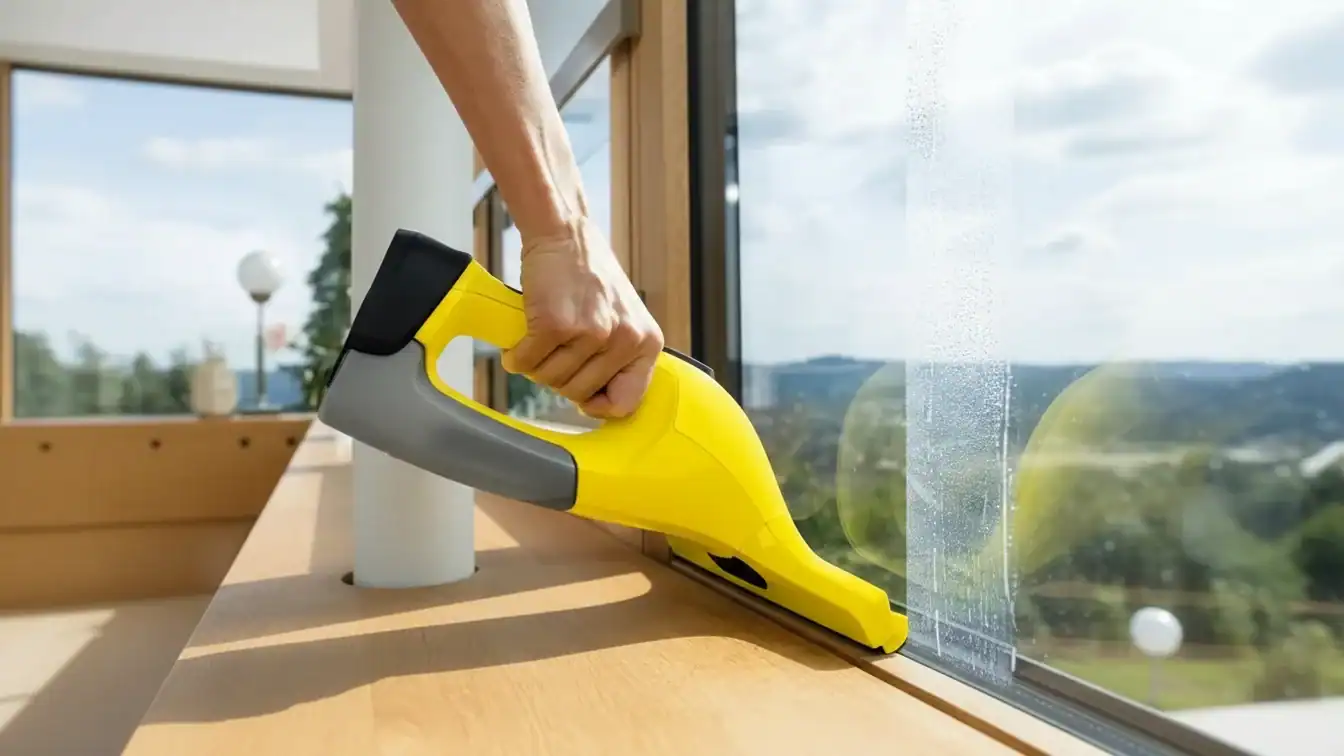
Micro-dust capture relies on overcoming van der Waals forces that dominate particles smaller than 100 µm. By applying specific voltage thresholds and using nano-textured surfaces, cleaning systems reduce adhesion from 120 nN to 10 nN, allowing for the removal of particles as small as 15 µm.
Particle Size Thresholds and Adhesion Mechanics
Surface energy and van der Waals forces progressively dominate as particle diameters drop below 100 µm. On standard smooth surfaces, micro-dust under 30 µm typically maintains 35% surface coverage even after standard cleaning attempts. This persistence occurs because the physical bonding between the particle and the substrate becomes the primary force resisting removal at these scales. For particles larger than 100 µm, the electrostatic force easily exceeds van der Waals adhesion, making gravity the main secondary force to overcome.
Silica-rich test dusts containing 77% SiO2 show increased adhesion in low-pressure environments due to elevated surface energy. In vacuum or low-pressure systems below 10⁻⁶ torr, adhesion mechanisms shift as electrostatically induced attraction strengthens the bond. Effective cleaning in these environments requires specific strategies to counter the increased energy levels of fine debris, as mechanical sweeping alone often fails to break the surface energy barrier.
Nano-Texture Engineering and Induction Thresholds
Nano-textured surfaces with 200 nm feature heights provide a mechanical solution by reducing the effective contact area between dust and the substrate. This engineering approach drops adhesion forces from approximately 120 nN to 10 nN, representing a ten-fold reduction. To achieve this effect, the engineered textures must be roughly 10 times smaller than the target dust diameter. Implementing these textures allows post-cleaning coverage for particles under 30 µm to drop from 35% to roughly 10%.
Induction-based systems achieve removal when the repulsive electrostatic force exceeds the combined influence of adhesion and gravity. This occurs when the voltage ratio V/Vth reaches the non-dimensional criterion of 1, a universal design target that applies to particle sizes from 15 to 327 µm. Transparent conductive coatings as thin as 5 nm enable the necessary charge induction for micro-dust lofting. These thin films allow for efficient particle repulsion without causing optical or mechanical loss in sensitive vacuum or solar applications.
Polishing Effect: Removing Stains While Vacuuming
In 2026, the polishing effect relies on counter-rotating rollers and encapsulation chemistry to groom surfaces while extracting debris. For الأرضيات الصلبة, sequential mechanical steps and immediate micro-particle removal prevent dulling, while soft rollers use low-pressure abrasion to maintain high-gloss finishes without damaging substrate integrity.
Mechanical Agitation and Encapsulation Dynamics
Twin counter-rotating roller brushes mechanically groom both sides of carpet fibers to loosen embedded soil effectively. This dual-action agitation works in tandem with encapsulation chemistry, which surrounds loosened particles and allows an 9. القياسية to extract them during a single or subsequent pass. These intermediate cleaning systems achieve walk-on dry times of approximately 30 minutes, providing a significant advantage for high-traffic commercial environments.
Advanced surface maintenance now incorporates photocatalytic and phosphate-based agents. These chemicals form molecular adsorption layers on the substrate, creating a smooth, hydrophobic surface. This technology prevents future stain adhesion and maintains a high-gloss finish by continuously ejecting fine debris during standard cleaning cycles.
Technical Benchmarks for Surface Restoration
Hard surface restoration requires sequential grinding sequences using diamond abrasives that scale from 60/80-grit to 3000-grit. Effective polishing depends on immediate debris extraction between each grit level. Removing micro-fines prevents them from acting as secondary abrasives that would otherwise dull the surface and hold onto new stains. This “grind-and-vacuum” rhythm ensures the substrate reaches its maximum potential gloss without embedded residues.
Commercial stain-removal units utilize 450–600 W motors to drive these processes while maintaining operational noise levels between 75–80 dB(A). When applying protective layers, lithium silicate densifiers require coverage rates of 200–400 ft²/gal, while polish guard applications need 2000–2500 ft²/gal. These specific application rates ensure a uniform protective layer that sustains the mechanical polish against daily wear and tear.
توسيع نطاق علامتك التجارية مع حلول المكنسة الكهربائية المنزلية عالية الأداء

Roller Material Sourcing: Nylon vs. Microfiber
Nylon provides high abrasion and chemical resistance for industrial coatings, while microfiber maximizes paint capacity and finish smoothness. Choosing between them depends on whether the priority is durability under aggressive solvents or efficiency in high-volume architectural coverage.
Nylon Polyamide for Industrial Durability
Polyamide 6,6 filaments provide high tensile strength and shape retention under heavy use. These engineering-grade fibers resist degradation when exposed to aggressive chemistries like epoxy, polyurethane, and bitumen. While nylon covers feature low absorbency rates compared to other synthetics—resulting in less paint loading per dip—they offer easier cleaning and superior longevity on high-friction surfaces.
The fine-denier construction ensures a smooth, low-lint texture even on rough concrete substrates. Professional programs typically prioritize nylon for high-duty applications where chemical compatibility and dimensional stability outweigh maximum loading capacity. This durability makes nylon the standard choice for industrial floor coatings and high-solids primers that would quickly wear down softer synthetic fibers.
Woven Microfiber for High Capacity and Finish
Micro-denier fibers hold three to four times their volume in liquid, which significantly reduces reload frequency for large-scale projects. This woven fabric construction minimizes linting to deliver a smooth finish on eggshell and flat sheens. Because the material features a high surface area per unit mass, it enables consistent capillary uptake and controlled release for both water-based and oil-based architectural coatings.
Sourcing teams can specify nap thicknesses ranging from 3/16 inch for smooth drywall to over 1.5 inches for textured masonry using a consistent microfiber base. This versatility positions microfiber as the primary fabric for architectural topcoats where productivity and surface quality are the key performance metrics. The material’s ability to resist matting while maintaining a high paint load makes it a premium option for high-volume residential and commercial painting.
Airflow Dynamics in Sealed Heads
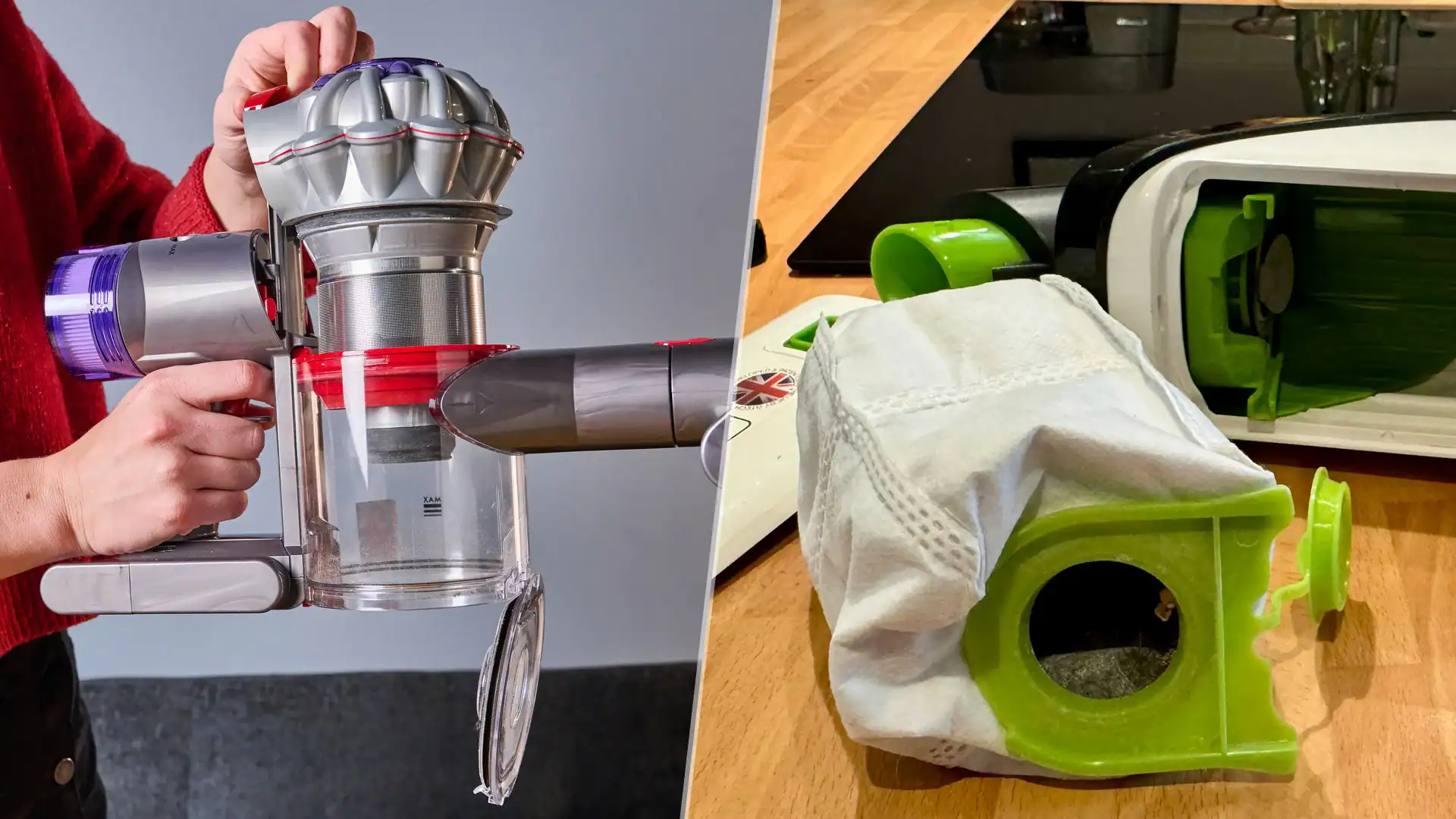
By 2026, high-efficiency sealed heads utilize precision leakage gaps between 0.05 mm and 0.5 mm to regulate internal pressure. These designs maintain pressure differentials below 2 kPa and restrict internal air velocities to under 15 m/s, ensuring powerful debris capture while minimizing mechanical wear and acoustic output.
| Control Parameter | Design Target | Performance Impact |
|---|---|---|
| Clearance Gaps | 0.05 – 0.5 mm | Airflow regulation and dust exclusion |
| Pressure Differential | < 2 kPa | Motor protection and suction efficiency |
| Internal Air Velocity | < 15 m/s | Acoustic suppression and wear reduction |
Precision Clearance Gaps and Pressure Control
Engineers specify defined leakage gaps in the range of 0.05–0.5 mm between rotating and fixed components to manage fluid dynamics within the head. Housing designs maintain pressure differentials below 2 kPa to optimize suction without stalling the motor. This balance ensures that the vacuum maintains consistent contact with the floor surface while allowing enough airflow to transport debris effectively.
Sealed architectures prevent dust ingress into critical bearing assemblies and rotating equipment, extending the service life of the mechanical parts. General fluid dynamics principles guide seal placement to ensure consistent performance across various floor types, from dense carpets to smooth hardwoods. These tolerances represent a critical intersection between mechanical longevity and cleaning performance.
Air Velocity Limits for Noise Suppression
Internal air velocities through seal gaps stay under 10–15 m/s to limit turbulent noise and maintain a quiet user environment. Lower airflow speeds reduce the entrainment of abrasive micro-particles that cause internal housing wear over time. By managing the speed of air movement, designers prevent the high-pitched whistling often associated with narrow gaps in high-suction systems.
Strategic ventilation paths prevent pressure pulsation that often affects sealed roller housings. Balancing airtight seals with modest ventilation keeps operating volumes within consumer-friendly decibel ranges while maintaining enough static pressure to lift heavy debris. This ventilation strategy stabilizes the roller movement, preventing vibrations that could lead to mechanical fatigue.
خاتمة
Soft rollers fix the mechanical flaws that lead to cleaning failures on hard surfaces. Stiff bristles often push dirt forward, but dense felt rollers wrap around debris and lift it directly into the suction path. This approach effectively removes micro-dust and protects floor finishes from the abrasive wear common with traditional vacuum heads.
Engineering better vacuum components involves more than just increasing suction power. Controlling airflow gaps and choosing the right fiber density creates a system that cleans efficiently while running quietly. Adhering to these technical standards ensures that floor surfaces remain intact and free of debris for the long term.
الأسئلة المتداولة
Why do standard nylon bristles scratch LVP floors?
Nylon bristles are harder and more abrasive than the typical 20 mil vinyl wearlayer on high-quality floors. They act like sandpaper on the protective coating, especially when grit is present. Soft rollers use gentler materials like polypropylene to lift debris without compromising the floor’s finish.
Can the soft roller color be customized for bulk orders?
Customization options depend on the manufacturer’s capabilities. KelyLands provides Pantone color matching for materials such as ABS and PP. This process usually requires a minimum order quantity of 500 units to customize the housing or component colors according to brand specifications.
How should users clean and maintain the soft roller head?
Soft roller heads are washable. Regular maintenance includes sweeping or mopping with mild cleaners to keep the materials soft. Using a vacuum with HEPA filtration also helps remove micro-dust from the fibers, ensuring the head remains effective for long-term use.

 English
 Español
 Français
 Deutsch
 Português do Brasil
 Русский
 한국어
 日本語
 العربية