 Zum Hauptinhalt springen Zum Footer springen

Ein wirksamer Klavierlackschutz durch einen Anti-Kratz-Autosauger ist entscheidend, um kostspielige Schadensersatzansprüche zu vermeiden. Standardwerkzeuge aus Hartplastik verursachen dauerhafte Mikrokratzer auf Hochglanzteilen, was zu Kundenbeschwerden führt und den Ruf der Marke von Autopflegeunternehmen und OEM-Lieferanten schädigt. Die Beschaffung des falschen Zubehörs bedeutet eine direkte finanzielle Haftung.
Diese Analyse geht detailliert auf die Materialspezifikationen ein, die ein wirklich sicheres Werkzeug ausmachen. Wir untersuchen die entscheidenden Unterschiede zwischen haltbaren synthetischen Borsten und natürlichem Rosshaar, die Schutzfunktion eines gummierten TPE-Rands und die antistatischen Eigenschaften eines hochwertigen ABS/PC-Gehäuses. Diese Maßstäbe sind für die Beschaffung zuverlässiger, kratzfreier Saugaufsätze unerlässlich.
Warum ist Hartplastik der Feind der schwarzen Klavierlackverkleidung?
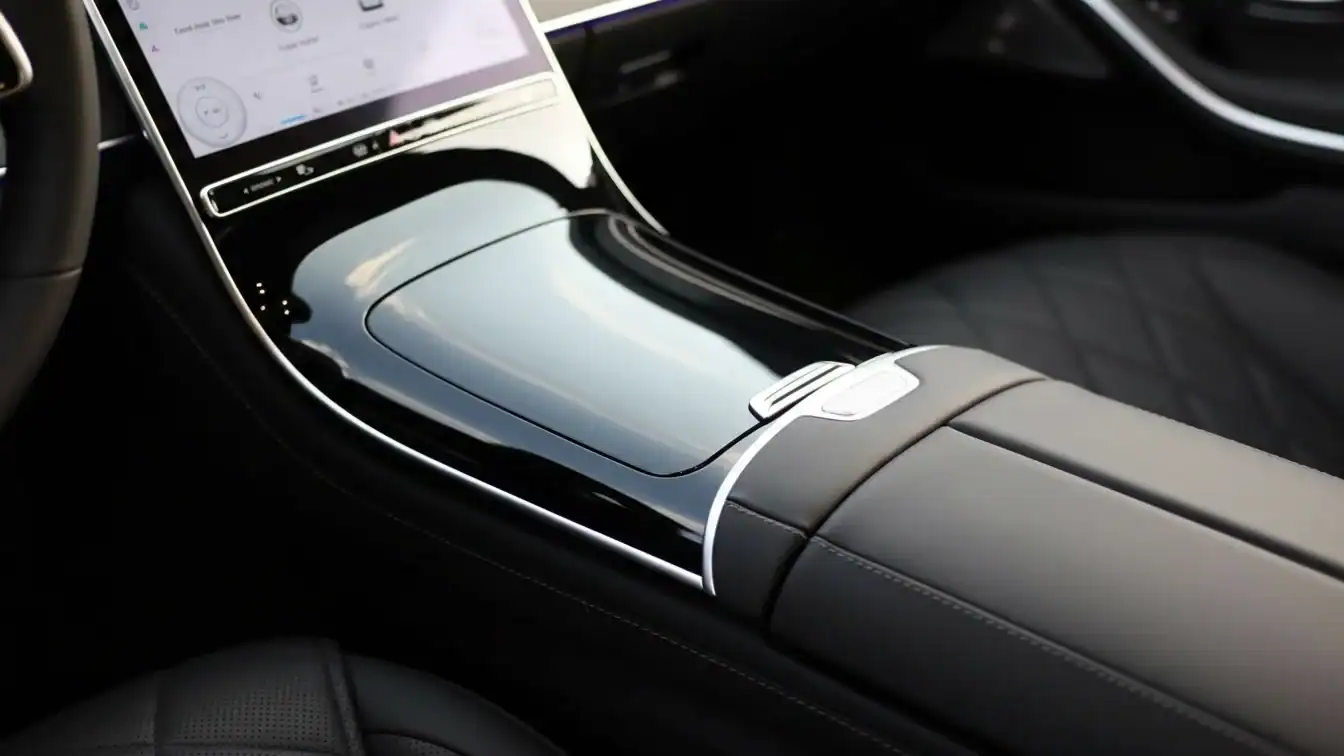
Schwarze Klavierlacke sind besonders weich und werden von herkömmlichen Hartplastikdüsen leicht beschädigt. Ein spezieller weicher Bürstenaufsatz ist unerlässlich, um dauerhafte Mikrokratzer zu vermeiden.
Die Wissenschaft der Mikrokratzer auf weichen Oberflächen
Die hochglänzende Oberfläche der schwarzen Klavierlackverkleidung hat eine sehr weiche Oberflächenbeschaffenheit. Wenn ein härteres Material, wie z. B. der starre Kunststoffkörper eines herkömmlichen Staubsaugers, dagegen reibt, verursacht der Härteunterschied sichtbare Wirbel und Kratzer. Selbst kleine, harte Partikel wie Sand oder Schlamm, die von einem Reinigungsgerät erfasst werden, reichen aus, um das Paneel dauerhaft zu beschädigen und Spuren zu hinterlassen, die nicht zu übersehen sind.
Verwendung des richtigen Bürstenkopfes für eine sichere Reinigung
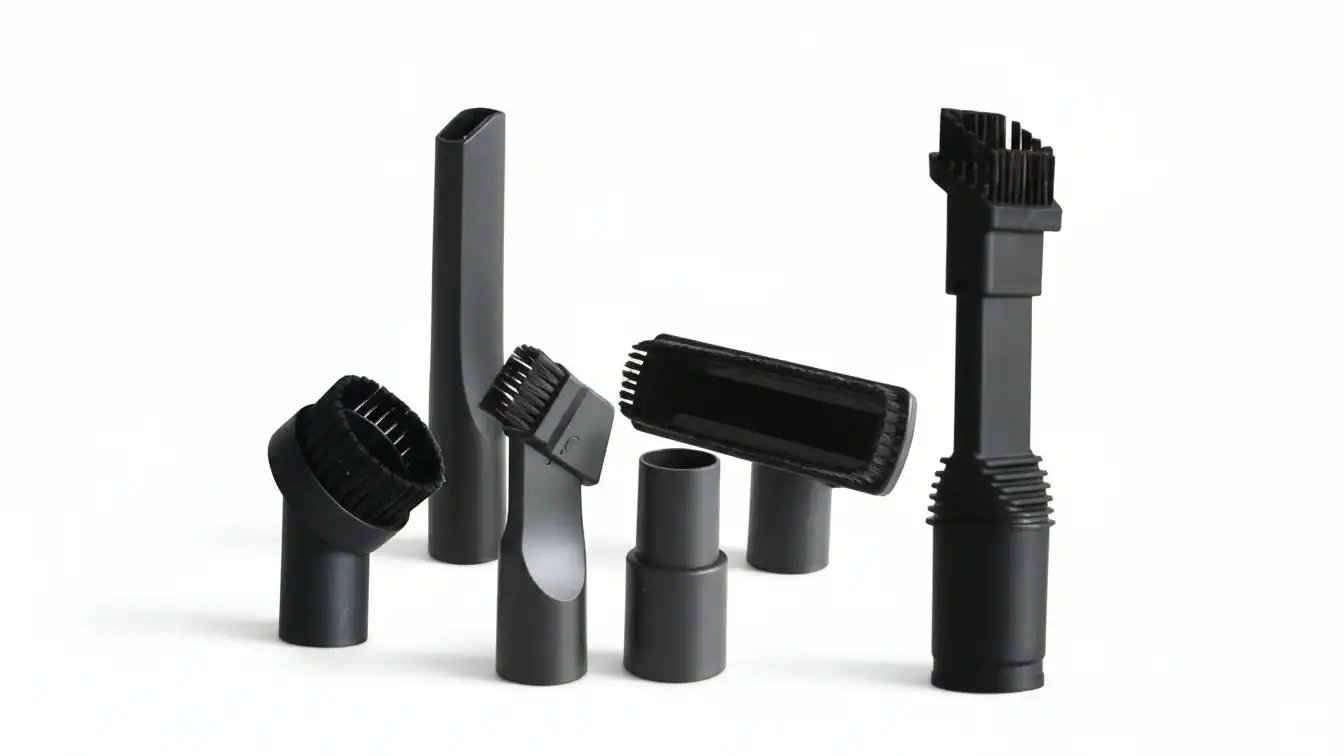
Aus diesem Grund ist jeder KelyLands Staubsauger mit einem weichen Bürstenaufsatz ausgestattet. Die Borsten wurden speziell entwickelt, um den Staub von empfindlichen Oberflächen wie schwarzen Klavierlacken und Armaturenbrettern zu entfernen. Dieses Werkzeug verhindert, dass das Hartplastikgehäuse des Staubsaugers jemals in direkten Kontakt mit der zerbrechlichen Oberfläche kommt und gewährleistet so einen sicheren Reinigungsprozess.
Sind Naturborsten aus Rosshaar sicherer als Synthetikborsten?
Für die Reinigung von empfindlichen Innenräumen sind synthetische Borsten sicherer. Sie sind porenfrei, hypoallergen und werfen keine abgebrochenen Haare ab, die Mikrokratzer auf empfindlichen Oberflächen wie Klavierlack verursachen.
| Merkmal | Synthetische Borsten | Natürliches Rosshaar |
|---|---|---|
| Hygiene | Die porenfreie Oberfläche widersteht dem Wachstum von Bakterien und ist leicht zu reinigen. | Poröse Fasern können Feuchtigkeit und Schmutz einschließen und Bakterien fördern. |
| Allergene | Hypoallergen, sicher für Benutzer, die empfindlich auf Tierhaare reagieren. | Kann bei empfindlichen Personen Allergien auslösen. |
| Dauerhaftigkeit und Risiko des Verlusts | Extrem haltbar (bis zu 98% Ermüdungswiderstand), minimale Ablösung. | Spröde (10% Ermüdungsfestigkeit), bricht leicht und wirft Haare ab. |
Hygiene, Allergene und Langlebigkeit im Vergleich
Die Materialunterschiede zwischen synthetischen und natürlichen Borsten wirken sich direkt auf ihre Sicherheit und Zuverlässigkeit aus. Synthetische Borsten übertreffen Rosshaar in allen praktischen Aspekten der Reinigung empfindlicher Geräte.
- Synthetische Borsten haben glatte, nicht poröse Oberflächen. Dadurch sind sie leicht zu reinigen und sehr widerstandsfähig gegen bakterielle Ablagerungen.
- Natürliches Rosshaar ist von Natur aus porös. Es speichert Feuchtigkeit und Schmutz, die einen Nährboden für Bakterien bilden können, wenn es nicht sorgfältig gereinigt und getrocknet wird.
- Da es sich um künstliche Materialien handelt, sind Kunststoffe hypoallergen. Dies eliminiert das Risiko allergischer Reaktionen bei Nutzern, die empfindlich auf Tierhaare reagieren.
- Mit einem Ermüdungswiderstand von bis zu 98% brechen hochwertige synthetische Borsten nicht so leicht ab oder fallen ab. Natürliches Rosshaar hat nur eine Widerstandsfähigkeit von etwa 10%, wodurch es viel wahrscheinlicher ist, dass es bricht und Rückstände hinterlässt.
Warum moderne Bürstenköpfe für die Reinigung Kunststoffe verwenden
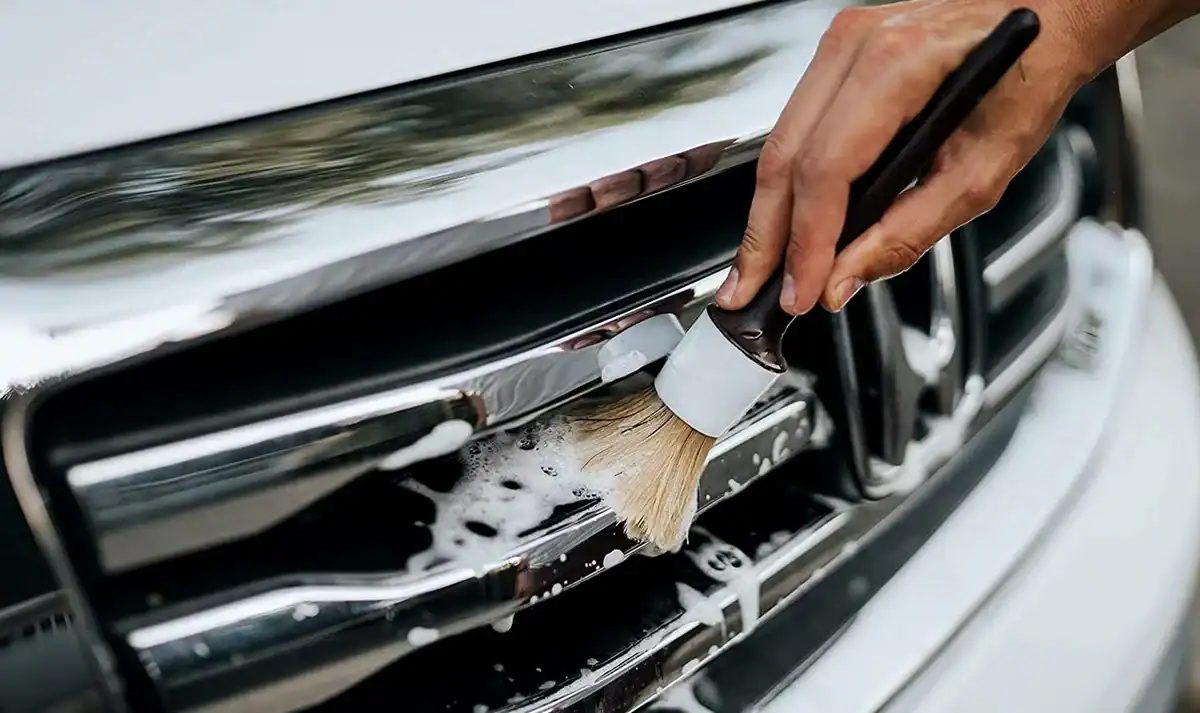
Bei der Reinigung empfindlicher, hochglänzender Oberflächen, wie z. B. schwarzer Klavierlack, sind abgebrochene Borsten ein großes Problem. Ein einzelnes abgebrochenes Stück Rosshaar, das über eine weiche Oberfläche gezogen wird, kann einen dauerhaften Mikrokratzer verursachen. Aus diesem Grund vermeiden professionelle Werkzeuge Naturfasern.
- Der mitgelieferte Bürstenkopfaufsatz besteht aus weichen Synthetikfasern. Er wurde entwickelt, um kratzempfindliche Bereiche wie Infotainment-Bildschirme, Konsolen und Lüftungsöffnungen sicher zu reinigen, ohne Schäden zu verursachen.
- Da die synthetischen Borsten nicht abfallen, besteht keine Gefahr, dass lose, abgebrochene Haare während des Reinigungsvorgangs Kratzer verursachen. Dies gewährleistet, dass das Werkzeug während der gesamten Lebensdauer des Produkts sicher verwendet werden kann.
Leistungsstarke OEM-Sauger, die Ihre Kunden lieben werden

Warum muss der Bürstenkragen einen gummierten TPE-Rand haben?
Ein gummierter TPE-Rand dient als weicher Stoßdämpfer, der verhindert, dass der harte Kunststoffkörper des Geräts empfindliche Oberflächen wie schwarze Klavierlacke oder Touchscreens verkratzt.
Das Problem mit starren Kunststoffbürstenaufsätzen
Standard-Staubsaugerbürstenaufsätze werden aus starren Kunststoffen wie ABS oder PC hergestellt. Dieses Material ist zwar langlebig, stellt aber eine direkte Bedrohung für die Innenausstattung moderner Autos dar. Die kleinste versehentliche Berührung kann dauerhafte Kratzer auf Hochglanzoberflächen hinterlassen, insbesondere auf den notorisch weichen schwarzen Klavierlacken, die man auf Armaturenbrettern und Mittelkonsolen findet.
Diese Unebenheiten treten häufig bei der Reinigung in engen Bereichen um Schalthebel, Scheiben und Türverkleidungen auf. Ein Standard-Kunststoffwerkzeug bietet keinen Schutz und macht eine Routinereinigung zu einem kostspieligen Reparaturrisiko.
Wie TPE einen weichen, nicht kratzenden Stoßfänger bietet
TPE (Thermoplastisches Elastomer) ist ein flexibles, gummiartiges Material, das Stöße absorbiert, ohne die Oberfläche abzuschleifen. Durch Hinzufügen eines TPE-Randes zum Bürstenkragen erhält das Werkzeug einen eingebauten Schutzpuffer.
Diese gummierte Kante sorgt dafür, dass das weiche TPE zuerst mit einem empfindlichen Teil in Berührung kommt und nicht mit dem harten Kunststoffgehäuse. Dieses einfache Konstruktionsmerkmal schützt teure Innenkomponenten effektiv vor Kratzern und Beschädigungen während des Gebrauchs.
Können ESD-Materialien (antistatische Materialien) die Anziehung von Staub verhindern?
Ja. Antistatische Materialien verhindern, dass sich statische Ladung aufbaut, während ESD-Materialien die Ableitung vorhandener Ladung unterstützen. Beide machen Oberflächen weniger anziehend für Staub in der Luft.
Wie statische Aufladungen wie Staubmagnete wirken
Jede Kunststoffoberfläche kann sich statisch aufladen und ein kleines elektrisches Feld erzeugen. Dieses Feld zieht aktiv Staub, Schmutz und Fasern aus der Luft an und hält sie fest. Antistatische Materialien haben einen inhärenten Widerstand, der verhindert, dass sich diese anfängliche Oberflächenladung ansammelt. Ohne Ladung gibt es kein elektrisches Feld, das wie ein Magnet auf Staub wirkt.
Die Rolle eines qualitativ hochwertigen ABS/PC-Gehäuses
Dieses Prinzip fließt direkt in unser Produktdesign ein. Unsere Staubsauger verwenden ein hochwertiges ABS/PC-Gehäuse, ein Material, das speziell ausgewählt wurde, um statische Aufladung zu reduzieren. Diese Wahl trägt dazu bei, dass das Gehäuse des Staubsaugers sauberer bleibt, da die natürliche Tendenz, dass sich Staub an der Oberfläche festsetzt, wenn er im Handschuhfach oder im Kofferraum aufbewahrt wird, minimiert wird.
Häufig gestellte Fragen
Sind Naturborsten aus Rosshaar oder synthetische Borsten besser für die Reinigung von schwarzen Klavieroberflächen geeignet?
Der wichtigste Faktor für empfindliche schwarze Klavierlacke ist die Weichheit des Materials, nicht ob es natürlich oder synthetisch ist. Unsere Staubsaugeraufsätze verwenden speziell ausgewählte Soft-Touch-Materialien, die auf ihre Sicherheit bei hochglänzenden Innenverkleidungen getestet wurden, ohne Kratzer zu verursachen. Für OEM-Bestellungen stellen wir vollständige Materialspezifikationen zur Verfügung.
Haben Ihre Staubsaugeraufsätze einen gummierten Rand, um versehentliche Kratzer zu vermeiden?
Ja, unsere Spezialaufsätze sind mit Schutzvorrichtungen ausgestattet. Die Düsen und Bürstenköpfe sind mit Soft-Touch-Materialien oder geschützten Rändern ausgestattet, um sicherzustellen, dass der Hartplastikkörper des Geräts keine Kratzer auf Hochglanzoberflächen hinterlässt, wenn er beim Reinigen versehentlich damit in Berührung kommt.
Sind Ihre Staubsauger so getestet, dass sie auf glänzenden Oberflächen keine Kratzer hinterlassen?
Jedes Werkzeug wird intern entwickelt und getestet, um für alle Standard-Automobilinnenräume sicher zu sein, einschließlich empfindlichem Klavierlack und hochglänzendem Acryl. Für große B2B-Bestellungen können wir Materialspezifikationsblätter bereitstellen und Anfragen für spezielle Tests durch Dritte erfüllen.
Verliert der Bürstenaufsatz mit der Zeit oder nach dem Waschen Borsten?
Unsere Bürstenaufsätze sind für eine lange Lebensdauer konzipiert. Die Borsten sind sicher im Bürstenkopf verankert, um das Abfallen bei regelmäßigem Gebrauch und bei der Reinigung zu minimieren. Für OEM-Großaufträge können wir Daten zur Borstenhaltung und Qualitätskontrolle zur Verfügung stellen.
Wie stellen Sie sicher, dass die Befestigungen sicher sitzen und nicht wackeln?
Alle unsere Aufsätze verfügen über einen standardisierten Verriegelungsmechanismus, der eine feste, sichere Verbindung mit der Hauptvakuumeinheit herstellt. Dies verhindert jegliches Wackeln, das zu versehentlichen Kratzern führen könnte. Wir führen 100% Funktionstests auf unserer Montagelinie durch, um den korrekten und stabilen Sitz jeder Einheit zu überprüfen.
Abschließende Gedanken
Herkömmliche Werkzeuge behandeln empfindliche Oberflächen eher stiefmütterlich und setzen Ihr Unternehmen hohen Kosten für die Reparatur von Kratzern und Rufschädigung aus. Unsere Anbaugeräte sind speziell mit abriebfesten synthetischen Borsten und schützenden TPE-Rändern ausgestattet, um dieses Risiko auszuschließen. Dieser Fokus auf die Materialwissenschaft schützt die Fahrzeuge Ihrer Kunden und stärkt das Vertrauen in Ihre Marke.
Überzeugen Sie sich von dieser Leistung aus erster Hand. Wir empfehlen, ein Musterkit zu bestellen, um unser kratzfreies Design auf Ihren eigenen Hochglanzplatten zu testen. Kontaktieren Sie unser Team, um Materialdatenblätter anzufordern und Ihre OEM-Anforderungen für Ihre nächste Großbestellung zu besprechen.

 English
  Español
  Français
  Deutsch
  Português do Brasil
  Русский
  한국어
한국어  日本語
日本語  العربية