 Zum Hauptinhalt springen Zum Footer springen

Der Spannungsabfall beim Wechsel von 3% auf 5% in einem 12V-Kühlschrankkreis ist der Punkt, an dem die Wahl des Kabelquerschnitts entscheidend wird. Ein Kühlschrank kann eine Musterabnahme mit einem kurzen 50-cm-Anschlusskabel bestehen, dann aber bei einer Produktionsbestellung für $50K mit einem 3-m-Spitzelkabel ankommen, das unter dem Kompressorstart mehr als ein Volt abfallen lässt. Diese Diskrepanz wird in Specsheets selten erfasst.
Die meisten Kundenbeschwerden, die als “Kompressor kühlt nicht mehr” beschrieben werden, sind tatsächlich eine Spannungseinbroch unter 10,5 V an den Kompressorklemmen. Das Gerät sperrt aus, der Kunde bezeichnet es als defekt, und die Retoure belastet Ihre Gewinn- und Verlustrechnung. Für jede 12V-Zigarettenanzünder-Buchsenverbindung über zwei Meter ist 10 AWG das praktische Minimum; bei fünf Metern steigen Sie auf 8 AWG und bei acht Metern auf 6 AWG auf. Bei 24V-Systemen deckt 14 AWG drei Meter ab, 12 AWG fünf Meter und 10 AWG acht Meter. Verwenden Sie eine ATO/ATC-Flachsicherung, die mit dem 1,25-Fachen des Maximalstromverbrauchs des Kühlschranks bemessen ist, keine Mini-Sicherung – Minisicherungen haben bei 15A+ Belastungen einen höheren Widerstand.
Für einen Private-Label-E-Commerce-Team, dies ist keine reine Ingenieurshinweis. Er gehört in dieselbe Vorfertigungsprüfung wie FOB-Preis und Akzeptanz der Qualitäts_toleranzen. Fügen Sie der Box ein einfaches Kabelverlegungsdiagramm bei, notieren Sie die empfohlene Sicherungsgröße für den Kompressor und kennzeichnen Sie beide Klemmentypen deutlich. Wenn die Kaufentscheidung von einer attraktiven Produktlisting getroffen wird, ist die Verkabelungsanleitung in der Verpackung das, was die Marke nach der ersten Campingnacht schützt.
Warum Spannungsabfall die Leistung von Kfz-Kühlschränken zerstört
Die meisten ‘Kompressor kühlt nicht mehr’-Retouren sind Spannungseinbrüche unter 10,5 V beim Start, kein ausgefallener Kompressor.
Ein Kfz-Kühlschrank kann 12,6 V an der Batterie anzeigen und zwei Meter später trotzdem abschaltesten. Das Kabel zwischen Batterie und Kompressor ist der Ort, an dem die Leistung stirbt. Wenn der Strom durch ein dünnes Zigarettenanzünderkabel den Kühlschrank erreicht, sinkt die Spannung unter den Schnittstellenwert des Controllers. Der Kompressor startet nie, der Innenraum bleibt warm, und der Kunde stuft den Kühlschrank als defekt ein.
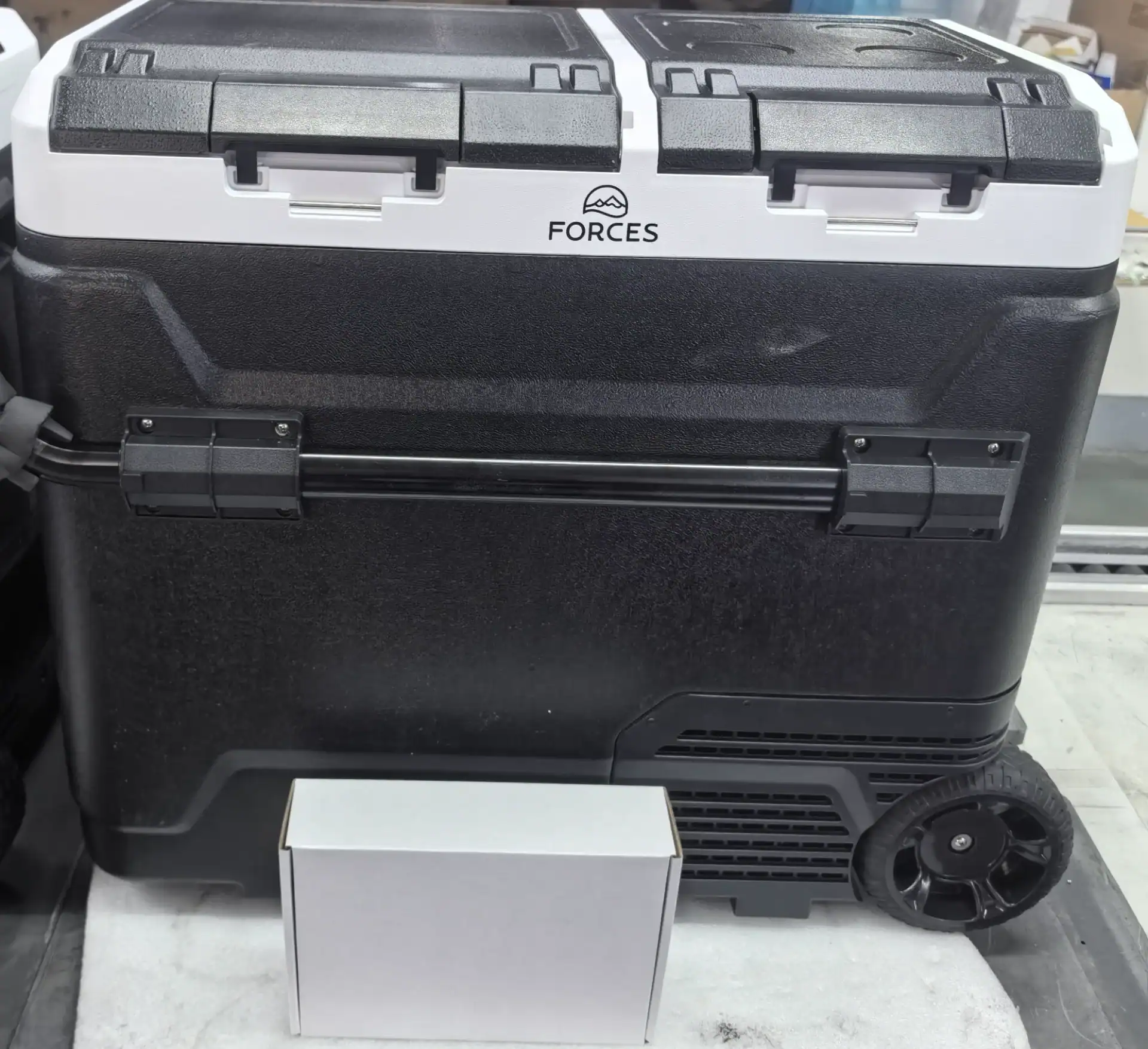
Die 3%-Spannungsabfall-Regel für Gleichstromkreise erklärt
Der Gleichspannungsabfall ist einfach: Je länger und dünner das Kabel, desto mehr Spannung geht als Wärme verloren. Die 3%-Regel begrenzt diesen Verlust bei einem 12V-System auf 0,36 V und bei einem 24V-System auf 0,72 V. In der Praxis trippt Kompressor-Controller, wenn die Spannung beim Start unter etwa 10,5 V fällt. Ein einzelner Meter falsch dimensioniertes Kabel kann diese Reserve aufzehren, bevor der Kompressor überhaupt anspringt.
Das macht die Lösung des Spannungsabfalls beim Kfz-Kühlschrank zu einer Kabelfrage, nicht zu einer Kompressorfrage. Private-Label-Marken, die eine Kabelquerschnittstabelle mit dem Kühlschrank versenden, schneiden die häufigste ‘Es kühlt nicht mehr’-Beschwerde an der Quelle ab. Die Retoure kostet mehr als das Kabel jemals kosten wird.
Wie die Kabellänge die Wahl des Kabelquerschnitts beeinflusst
Jeder zusätzliche Meter Kabel fügt Widerstand hinzu, daher muss der Kabelquerschnitt mit zunehmender Länge aufsteigen. Für jede 12V-Zigarettenanzünder-Buchsenverbindung über 2 Meter verwenden Sie 10 AWG als Mindeststandard. Die meisten Fahrzeug-Zubehör-Buchsen und Verlängerungskabel verwenden 16 AWG oder dünner, was eine Hauptursache für Kompressor-Sperrung beim Start ist.
Der Kabelquerschnittsplan für 12V-Kühlboxen, der im Feld bewährt ist, sieht folgendermaßen aus: 10 AWG für eine Strecke von 3 Metern, 8 AWG für 5 Meter und 6 AWG für 8 Meter. Bei einem 24V-System verdoppelt sich der erlaubte Spannungsabfall, sodass 14 AWG für 3 Meter, 12 AWG für 5 Meter und 10 AWG für 8 Meter ausreichen.
Die Sicherungsgröße richtet sich nach dem maximalen Stromverbrauch, nicht nach der Kabellänge. Verwenden Sie eine Lappensicherung mit einer Bemessung von 1,25-fach des maximalen Kompressorstroms und wählen Sie die Größe ATO/ATC anstelle von Minisicherungen. Miniblatssicherungen haben oberhalb von 15A einen höheren Innenwiderstand, was einen weiteren Spannungsabfall im Stromkreis verursacht. Die Beziehung zwischen Kabelänge und Stromaufnahme des KFZ-Kühlschranks funktioniert nur, wenn die Sicherung kein Engpass wird.
KelyLands fertigt seine Kühlboxensortiment in einer eigens dafür eingerichteten Partnerschaft mit einer Fabrik in Ningbo und beliefert Kunden in über 50 Ländern mit Mini-Kühlschränken und Autokühlboxen. Die Verdrahtungsspezifikation ist Teil der konstruktiven Prüfung für jedes Exportmodell, da ein Kühlschrank, der wegen Spannungsabfalls ausfällt, beim Kunden im Fahrzeug kaputtgeht – nicht in der Qualitätskontrolle. Exportmodell, da ein Kühlschrank, der aufgrund von Spannungsabfall ausfällt, beim Kunden im Fahrzeug versagt – und nicht in der QC-Halle.
Die 3%-Spannungsabfall-Regel für Gleichstromkreise erklärt
Wenn die Spannung beim Start unter 10,5 V absinkt, startet der Kompressor nicht.
Die 3%-Regel zum Spannungsabfall ist einfach: Bei einer Gleichstromschaltung sollte der gesamte Spannungsverlust von der Batterie zum Kühlschrank unter 3% der Systemspannung bleiben. Das sind etwa 0,36 V bei einem 12V-System und 0,72 V bei 24V. Wird dieser Wert überschritten, erhält der Kompressor weniger Leistung, als im Datenblatt angegeben.
Was 10,5V für den Kompressorstart bedeutet
Die meisten Rückgaben von KFZ-Kühlboxen mit der Begründung ‘Kompressor kühlt nicht mehr’ sind tatsächlich auf ein Absinken der Spannung unter 10,5 V beim Kompressorstart zurückzuführen. Die Steuerung erkennt eine niedrige Spannung, sperrt den Start und der Kühlschrank scheint defekt zu sein. Doch der Kompressor ist intakt. Dies ist ein Problem der Verdrahtungsgüte entlang der gesamten Leitung, kein Fehler im geschlossenen Kältemittelkreislauf.
Vor einer vollständigen Sperrung führt zu dünnes Kabel zu unzureichender Kühlung. Der Kompressor erhält genug Strom zum Laufen, aber nicht genug, um den Sollwert zu halten, sodass der Kühlschrank über der Zieltemperatur liegt und der Kunde das Kühlgerät verantwortlich macht. Die eigentliche Lösung ist ein dickeres Kabel, nicht eine größere Batterie.
Verwenden Sie bei Anschlüssen über dem 12V-Zigarettenanzünderbuchse mit einer Länge von mehr als 2 Metern mindestens 10 AWG. Das ist die absolute Untergrenze, nicht das Optimum. Längere Strecken benötigen 8 AWG oder 6 AWG; der Kabelquerschnittsplan weiter unten in diesem Artikel enthält die genauen Dimensionen für 12V und 24V.
Verdrahtungsprobleme, die zu Retouren führen
-
- Kabelführungslänge: Jedes zusätzliche Meter Kabel erhöht den Widerstand. Eine 3-Meter-Strecke mit 10 AWG in einem 12V-Kreis bleibt innerhalb der 3%-Regel bei typischen Kompressorbellesten; eine längere Strecke mit dem gleichen Kabel nicht. Das Verhältnis von Kabellänge zu Stromaufnahme ist die erste Berechnung, die überprüft werden sollte.
- Einschaltstrom: Der Anlaufstrom des Kompressors kann beim Start das Mehrfache seines Nennstroms erreichen. Leiter und Sicherung müssen auf diesen Spitzenwert ausgelegt sein, nicht auf den Durchschnitt. Wenn die Leitung nur für den Nennstrom bemessen ist, bricht die Spannung genau dann ein, wenn der Kompressor starten will.
- Sicherungstyp: Verwenden Sie für Schaltkreise mit 15 A oder mehr eine ATO/ATC-Flachsicherung, keine Mini-Sicherung. Mini-Sicherungen verursachen bei höheren Lasten einen zusätzlichen Widerstand, was zu einem größeren Spannungsabfall führt und das Schutzgerät zur zusätzlichen Belastung macht.
Die Kühlbox-Serie von KelyLands wird in einer Ningbo-basierten Fabrik für tragbare Kühlschränke hergestellt die seit 2018 Minikühlschränke und Auto-Kühlboxen fertigt. Wenn Sie für Ihren Artikel eine Tabelle zur Leiterquerschnittsbemessung für 12-V-Auto-Kühlboxen veröffentlichen, beginnen Sie mit der 3%-Regel und der gesamten Kabelstrecke. Diese einzelne Tabelle verhindert mehr Kompressor-Rücksendungen als jedes beliebige Spezifikationsfoto in der Galerie.

Wie die Kabellänge die Wahl des Kabelquerschnitts beeinflusst
Die meisten Rücksendungen mit der Begründung ‘Kompressor kühlt nicht mehr’ sind auf Spannungsabfälle unter 10,5 V beim Start zurückzuführen – nicht auf eine defekte Kühlbox.
Kupferleiter haben einen festen Widerstand pro AWG-Größe, und dieser Widerstand wächst linear mit der Länge. Verdoppeln Sie die Kabelstrecke, verdoppelt sich bei gleichem Strom auch der Spannungsabfall. Bei einem 12-V-System ist die Toleranz eng – ein 120-V-Gerät verschmerzt ein langes Verlängerungskabel, während ein 12-V-Kühlschrank bereits bei einem Spannungsabfall von 1 V abschalten kann.
Kabellänge bestimmt den minimal erforderlichen Leiterquerschnitt
Der Leiterquerschnitt richtet sich nach der Distanz, nicht nach dem Kühlbox-Modell. Ein 12-V-Kompressor-Kühlschrank, der mit 10 AWG über 3 m problemlos läuft, benötigt bei 5 m 8 AWG und bei 8 m 6 AWG. Bei einem 24-V-System halbiert sich der Strom etwa, sodass 14 AWG für 3 m, 12 AWG für 5 m und 10 AWG für 8 m ausreichen. Dasselbe Kühlgerät, anderes Kupfer – weil sich der Abstand zwischen Batterie und Kompressor verändert hat.
-
- Spannungseinbruch-Schwelle: Die meisten 12-V-Kompressor-Kühlboxen benötigen beim Motorstart mindestens 10,5 V. Liegt der Wert darunter, schaltet die Kompressor-Steuerplatine in den Schutzmodus, und das Gerät meldet ‘kühlt nicht’ – was schnell zur Rücksendung führt.
- Das typische Fehlerbild: Ein zu klein dimensionierter Leiter verursacht bei jedem Startvorgang wiederholt Spannungseinbrüche. Die Kühlbox läuft an, erwärmt sich, und der Kunde beschuldigt daraufhin den Kompressor. Die Verkabelung wird nie gemessen, weil sie hinter Verkleidungen verborgen ist.
Warum das für Private-Label-Verkäufer wichtig ist
The suppliers building these fridges size the included cable for its short supplied length. KelyLands has manufactured mini fridges and car coolers through a dedicated Ningbo portable fridge factory since 2018, and the kit cable is matched to that contained distance. Voltage drop becomes the customer’s problem when they extend the wiring with a thin accessory cord to reach the cargo area — exactly where most camping fridges live.
Put the answer in the listing before it shows up in reviews. State it plainly: minimum 10 AWG for any 12V cigarette lighter socket connection longer than 2 meters, and a direct battery connection for runs beyond 5 meters. That single sentence covers the car cooler cable length vs amp draw question for most installs and prevents the undercooling complaint that follows a sagging supply.
Kabelquerschnittstabelle für 12V- und 24V-Systeme
Voltage sag below 10.5V at compressor start causes most “stopped cooling” returns — not mechanical failure.
Wire gauge charts for car fridges look simple, but most buyers miss the difference between the visible cable and the total circuit. Total cable run includes both the positive feed and the negative return path. A 3m cable from battery to cargo outlet can be 6m of actual copper once you add the chassis ground, which is why every gauge recommendation below assumes round-trip length.
12V system: gauge by round-trip cable length
-
-
- 10 AWG: Für 3 m Gesamtlänge (Hin- und Rückleiter) an einem 12-V-Autokühlschrank. Dies ist die Mindestquerschnittgröße für jede Zigarettenanzünderbuchsenverbindung über 2 m; dünnere Leitungen verursachen einen Spannungsabfall unter 10,5 V während des Kompressorstarts.
- 8 AWG: Für 5 m Hin- und Rückleiter. Dies deckt die meisten.routes von einem SUV-Kofferraum zur Batterie ab und bewältigt den Einschaltstromspitzenwert, ohne den Kompressor zu unterversorgen.
- 6 AWG: Für 8 m Hin- und Rückleiter, typisch für Dual-Batterie-Sets oder Kühler, die an eine hintere Zusatzbuchse angeschlossen werden. Ein dünnerer Leiter bei dieser Länge erzeugt einen anhaltenden Spannungsabfall, der die Lebensdauer des Kompressors verkürzt.
-
24-V-System: Messung nach Gesamtleiterlänge
-
- 14 AWG: Für 3 m Hin- und Rückleiter an 24-V-Systemen. Bei doppelter Spannung halbiert sich der Stromverbrauch bei gleicher Leistung, sodass der Querschnitt zwei Stufen im Vergleich zu 12 V reduziert wird.
- 12 AWG: Für 5 m Hin- und Rückleiter an 24-V-Stromversorgung. Dies ist die gängige Wahl für 24-V-Lkw und Camper-Vans, bei denen die Batterie innerhalb der Reichweite der Fahrgastzelle sitzt.
- 10 AWG: Für 8 m Hin- und Rückleiter an 24-V-Systemen. Es hält den Spannungsabfall auch bei Dauergrenze innerhalb des Betriebsfensters des Kompressors.
Sicherungs-Nennwert und Steckertyp
Dimensionieren Sie den Sicherungswert auf das 1,25-fache des maximalen Stromzugs des Kühlschranks. Ein mit 8 A spezifizierter Kompressor erhält eine 10-A-Sicherung; ein 12-A-Gerät eine 15-A-Sicherung. Diese Reserve bewältigt den Einschaltstromstoß, ohne die Sicherung zur Schwachstelle im Stromkreis zu machen.
Angeben ATO/ATC-Sicherungsklingen, keine Minisicherung. Miniklingen-Sicherungen haben bei Belastungen von 15 A und mehr einen höheren Widerstand, was im Halter Wärme erzeugt und zu unnötigen Auslösungen führt. ATO/ATC-Sicherungen bewältigen Dauerströme zuverlässiger, und ihr größerer Gehäuseteil erleichttert dem Kunden vor Ort die Fehlersuche.
KelyLands ist im Jahr 2018 in die Kategorie Kühlboxen für Fahrzeuge eingestiegen, über eine Produktionspartnerschaft mit einer Kühlbox-Fabrik in Ningbo. Private-Label-Marken, die von dieser Linie beziehen, sollten den gleichen Leiterquerschnittsplan.

Sicherungsdimensionierungstabelle: 1,25x maximaler Stromverbrauch pro Kompressorgöße
12V/24V-Kühlbox-Anschluss: Leiterquerschnitts- und Sicherungsplan 2026.
Sicherung auf das 1,25-fache des maximalen Kompressor-Stromverbrauchs auslegen, auf die nächstgrößere Normgröße aufgerundet.
Die Sicherungs dimensionierung folgt einer einfachen Regel: Nimm den maximalen Stromverbrauch des Kompressors und multipliziere ihn mit 1,25. Runde dann auf die nächsthöhere Standard-Sicherungsgröße auf. Diese Reserve absorbiert den Einschaltstromstoß beim Kompressorstart, löst jedoch zuverlässig aus, bevor das Kabel hei ß genug wird, um zu schmelzen.
Sicherungsgröße nach Kompressor-Stromverbrauch.
-
- Bei einem 12V-Kühlbox mit 5A maximalem Stromverbrauch liegt die Sicherung bei 7,5A. Ein Kompressor mit 8A erhält eine 10A-Sicherung. Ein Gerät mit 10A bekommt eine 15A-Sicherung. Diese Werte stammen aus dem Kompressor-Datenblatt, nicht aus dem Markennamen des Kühlschranks oder dessen beworbener Kapazität in Litern. Wer schätzt, muss später mit störenden Auslösungen oder ungeschützten Leitungen rechnen. 4–5A max. Stromverbrauch:.
- 7,5A ATO/ATC-Klingensicherung. 10A ATO/ATC-Clip-Sicherung.
- Maximaler Stromverbrauch: 10–12A 15A ATO/ATC-Clip-Sicherung.
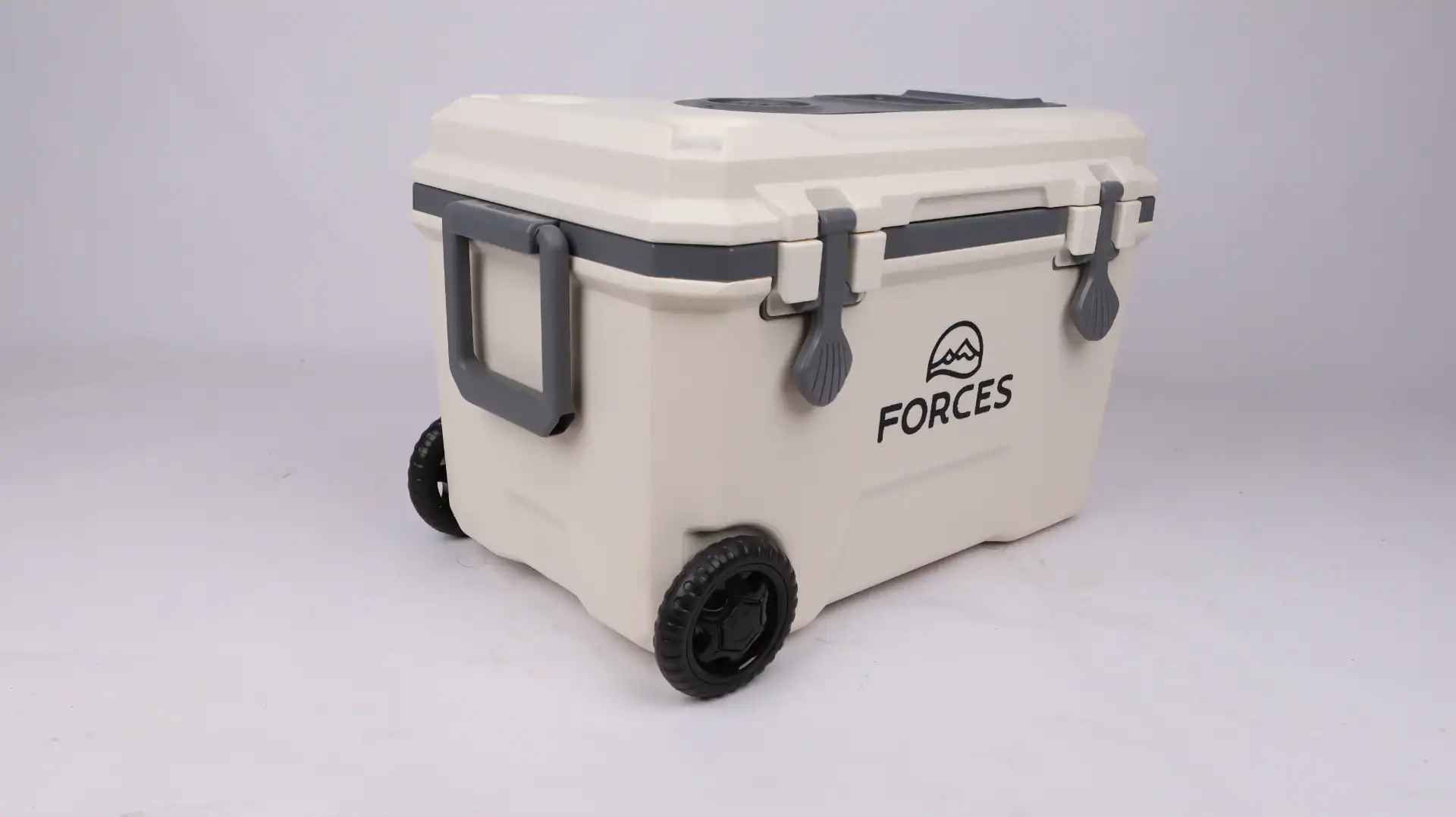
Warum nicht genau den Betriebsstrom als Absicherung wählen? Because der Einschaltstromstoß eines Gleichstrom-Kompressors überschreitet seinen Betriebsstrom, und eine zu knapp bemessene Sicherung geht beim ersten Startzyklus durch. Der Faktor 1,25 ist die branchenübliche Sicherheitsmarge in der Herstellung von tragbaren Kühlschränken.
Verwenden Sie Standard-ATO/ATC-Clip-Sicherungen, keine Minisicherungen. Miniclipsicherungen weisen bei Lasten über 15A einen höheren Innenwiderstand auf, der Spannungsabfall in den Stromkreis eingreift, genau dort, wo der Kühlschrank ihn am wenigsten benötigt. Die meisten Rückgaben von Autokühlboxen mit der Kennzeichnung ‘Kompressor kühlt nicht mehr’ gehen auf einen Spannungseinbruch unter 10,5 V beim Kompressorstart zurück – nicht auf einen defekten Kompressor.
Die Sicherung an den Draht anpassen, nicht an den Kühlschrank
Die Sicherung schützt das Kabel. Überdimensionierte Sicherungen sind der Grund, warum Kabel schmelzen, bevor der Schutz auslöst. Wählen Sie den Kabelquerschnitt entsprechend der Leitungslänge und überprüfen Sie anschließend, ob der Sicherungswert unter oder gleich der Bemessungsstromstärke des Kabels liegt. Falls der 1,25-fache Kompressorwert den Kabelwert überschreitet, wählen Sie einen größeren Querschnitt.
Die Autokühlboxen-Linie von KelyLands, hergestellt in der seit 2018 bestehenden Fabrikpartnerschaft in Ningbo, listet auf jedem Produktdatenblatt den maximalen Stromverbrauch des Kompressors auf. Dieser Wert ist maßgeblich, wenn Sie Sicherungshinweise für Ihren Amazon-Listing und das gedruckte Handbuch verfassen. Schätzen aus Wattzahl oder Kühlbox-Volumen führt zu Rückgaben.
Überprüfen Sie die tatsächliche Sicherung auch bei der Musterfreigabe. Bei manchen Produktionslose wird diejenige Clip-Sicherung verbaut, die gerade am Montageplatz verfügbar ist – falsche Werte werden dann vom Kunden statt von der Qualitätskontrolle entdeckt. Eine visuelle Kontrolle von 10 Sekunden bei der Inspektion verhindert spätere Reklamationsfälle.
| Kompressorklasse | Maximaler Stromverbrauch | Sicherungs Nennwert (1,25x) | Standardsicherung | Hinweis |
|---|---|---|---|---|
| Kompakt (15-25 l) | 2 A | 2,5 A | 3 A ATO/ATC | Innerhalb von 30 cm an die Batterie anschließen |
| Kompakt (30 L) | 4 A | 5 A | 5 A ATO/ATC | Innerhalb von 30 cm an die Batterie anschließen |
| Mittel (40–50 L) | 6 A | 7,5 A | 7,5 A ATO/ATC | Innerhalb von 30 cm an die Batterie anschließen |
| Groß (60–80 L) | 8A | 10A | 10 A ATO/ATC | Mini-Sicherungen vermeiden; ab 10 A und mehr höherer Widerstand |
| Dual-Zone (80–100 L) | 12A | 15A | 15A ATO/ATC | Mini-Sicherungen vermeiden; bei 15A+ höhere Belastbarkeit |
| Schwerlast (100L+) | 16A | 20A | 20A ATO/ATC | ANL-Halterung für lange Kabelstrecken verwenden |
Schlussfolgerung
Die meisten Rückgaben von Autokühlboxen mit der Bezeichnung ‘Kompressor kühlt nicht mehr’ beruhen eigentlich auf einem Spannungsabfall unter 10,5 V beim Kompressorstart. Zu dimensionierte Leitungen verursachen das. Der Kunde gibt der Kühlbox die Schuld, nicht dem Kabel — und Sie tragen die Rückgabe kosten.
-
- Fordert Ihre Spezifikationsliste mindestens 10 AWG für any 12V-Zigarettenanzünder-Anschluss länger als 2 Meter?
- Erreicht der Sicherungs Nennwert 1,25x den Maximalstrom des Kompressors, unter Verwendung von ATO/ATC statt Mini-Lamellensicherungen?
- Kann Ihr Kunde den Spannungsabfall unter 3% über die gesamte Kabelstrecke, einschließlich des Masse-Rückleitung, verifizieren?
Führen Sie diese drei Fragen mit Ihrer aktuellen Liste durch, bevor Sie die nächste ProduktionsCharge starten. Wenn eine Antwort nein lautet, überarbeiten Sie die Spezifikationstabelle und fügen Sie einen gedruckten Verdrahtungsplan zur Box hinzu. Vergleichen Sie dann Ihr aktualisiertes Blatt mit dem KelyLands Produktportfolio, um zu sehen, welche Modelle bereits Kabel- und Sicherungsanforderungen dokumentieren.
Häufig gestellte Fragen
Welche Drahtstärke für ein 12V-Auto-Kühlschrank?
Verwenden Sie für 12-V-Netzwerke bei einer Leitungslänge von 3 m AWG 10, bei 5 m AWG 8 und bei 8 m AWG 6. So halten Sie den Spannungsabfall innerhalb der Vorgabe des 3%-Zielwerts, sodass der Kompressor zuverlässig anspringt. Ermitteln Sie vor der Auswahl die gesamte Länge des Plus- und Minuskabels.
Welche Sicherungsgröße wird für einen Kfz-Kühlschrank benötigt?
Stimmen Sie die Sicherung auf den Maximalstrom des Kühlschranks ab, typischerweise 1,25x diesem Wert. Dimensionieren Sie sie für die Kompressorgöße, die Sie verdrahten, sodass sie das Kabel schützt ohne falsche Auslösungen. Bestätigen Sie den Maximalstrom des Kompressors vor der finalen Freigabe.
Warum ist die Kabellänge für die Kühlschrankverkabelung wichtig?
Längere Kabelwege erhöhen den Widerstand und verursachen Spannungsabfälle, was den Kompressor beim Starten mit Strommangel belasten kann. Ein 12V-Kühlschrank benötigt bei 3 m möglicherweise 10 AWG, bei 8 m jedoch 6 AWG für dieselbe Last. Berechnen Sie stets die Hin- und Rückleitungskabelänge, nicht nur den Einwegweg.
Was ist die 3%-Spannungsabfall-Regel?
Die 3% Regel besagt, dass die Verdrahtung bei Last nicht mehr als 3% der Versorgungsspannung verlieren darf. Wenn ein 12V-Kühlschrank beim Start unter 10,5 V absinkt, wird der Kompressor normalerweise nicht anlaufen. Zielen Sie auf mindestens 10,5V an den Kühlschrank-Terminale.
Welcher Drahtquerschnitt ist für einen 24V-Kühlschrank im Auto geeignet?
Für 24V Stromkreise: 14 AWG für 3m, 12 AWG für 5m und 10 AWG für 8m. Die höhere Systemspannung erlaubt dünnere Leitungen als bei 12V. Bleiben Sie bei der 24V Tabelle, auch wenn das Kühlschrank-Etikett nur ’12V kompatibel’ angibt.

 English
  Español
  Français
  Deutsch
  Português do Brasil
  Русский
  한국어
한국어  日本語
日本語  العربية