 Zum Hauptinhalt springen Zum Footer springen
In den heutigen globalen Lieferketten ist die Überprüfung von Fabrikzertifizierungen nicht nur eine bewährte Praxis – sie ist ein wesentlicher Schutz gegen kostspielige und reputationsschädigende Risiken durch gefälschte Dokumente. Dieser Artikel bietet eine umfassende, Schritt-für-Schritt-Anleitung zur effektiven Überprüfung von Lieferantenzertifikaten – einschließlich ISO, BSCI, CE und anderen – und hilft Käufern, eine gründliche Due-Diligence-Prüfung durchzuführen und nicht Opfer betrügerischer Fabrikdokumente zu werden. Schätzungsweise 30% aller Produktsicherheitszertifikate aus China könnten gefälscht sein, was erhebliche Risiken für Importeure und Verbraucher gleichermaßen darstellt. Plattformen zur Überprüfung durch Dritte wie IAF CertSearch und anerkannte Prüfgesellschaften wie SGS, Bureau Veritas und Intertek spielen eine entscheidende Rolle bei der Authentifizierung von Zertifikaten und der Minderung von Lieferkettenrisiken.
Schätzungsweise 30% aller Produktsicherheitszertifikate aus China könnten gefälscht sein. Dies birgt erhebliche rechtliche, finanzielle und reputationsbezogene Risiken für Importeure. Eine effektive Überprüfung ist nicht nur eine bewährte Praxis – sie ist ein wesentlicher Schutz.

Verständnis der Bedeutung von Fabrikzertifizierung und Compliance
Eine gültige Fabrikzertifizierung fungiert als kritisches Vertrauenssignal, das Produktsicherheit, regulatorische Compliance und Qualitätsmanagement im internationalen Handel gewährleistet.
Warum Fabrikzertifizierungen wichtig sind
Zertifizierungen wie ISO 9001 und BSCI stehen für die Einhaltung globaler Standards. Sie umfassen Qualitätsmanagement, soziale Compliance und Arbeitssicherheit. Gültige Zertifizierungen minimieren Risiken wie rechtliche Strafen und Imageschäden.
Sie verhindern auch teure Produktrückrufe und Unterbrechungen der Lieferkette. Diese Dokumente sind der Nachweis des Engagements eines Lieferanten für Exzellenz.
Häufige Fabrikzertifizierungen und ihre Rollen
ISO 9001:2015 zertifiziert ein robustes Qualitätsmanagementsystem. BSCI-Auditberichte konzentrieren sich auf soziale Compliance und ethische Arbeitsplatzstandards. Die CE-Kennzeichnung zeigt an, dass ein Produkt die EU-Gesundheits- und Sicherheitsanforderungen erfüllt.
Audits von Stellen wie SGS, TÜV Rheinland und Intertek dienen als unabhängige Indikatoren für die Qualitätskontrolle in Fabriken. Jede Zertifizierung spielt eine besondere Rolle im Compliance- Ökosystem.

Erkennung und Vermeidung von gefälschten Zertifikaten und Dokumenten
Die Anwendung eines strukturierten Ansatzes mit Prüfung, Technologie und unabhängiger Verifizierung hilft, gefälschte oder veränderte Fabrikzertifizierungen effektiv zu erkennen.
Wichtige Warnsignale für gefälschte Zertifizierungen
Gefälschte Zertifikate kommen oft als JPEG- oder Word-Dateien statt professioneller PDFs. Achten Sie auf verpixelte Logos, Rechtschreibfehler und inkonsistente Firmenangaben. Fehlende Zertifikatsnummern oder abgelaufene Daten sind große Warnsignale.
Lieferanten, die zögern, Originaldokumente vorzulegen, erregen sofort Verdacht. Vage Zertifizierungsumfänge, die nicht zum Produkt passen, sind ein weiteres häufiges Warnsignal.
Überprüfung der Dokumentqualität und Sicherheitsmerkmale
Authentische Zertifikate verwenden einheitliche Schriftarten und hochauflösende Logos. Untersuchen Sie sie auf Sicherheitsmerkmale wie Wasserzeichen, Hologramme und gültige offizielle Stempel. Eine physische Inspektion kann veränderte Texte oder Manipulationen aufdecken.
Digitale Sicherheitselemente wie sichere QR-Codes erhöhen die Echtheit. Diese Merkmale sind für Fälscher schwer genau nachzubilden.
Fortgeschrittene Methoden und Werkzeuge zur Fälschungserkennung
Nutzen Sie Technologien wie OCR und KI um Text- oder Layout-Inkonsistenzen zu erkennen. Diese Werkzeuge automatisieren die Betrugserkennung über die menschliche Sichtprüfung hinaus. Überprüfen Sie Zertifikate immer über offizielle Datenbanken wie IAF CertSearch. Blockchain und verschlüsselte QR-Code-Systeme gewährleisten manipulationssichere Zertifizierung. Drittanbieterplattformen wie SGS und Intertek bieten ebenfalls Online-Verzeichnisse zur Überprüfung an. Quellen der Tabelle: Integrierte Daten aus der IAF-, Qryptal- und AU10TIX-Dokumentation.
| Werkzeug/Methode | Funktionsweise | Nutzen Sie | Beispielanbieter |
|---|---|---|---|
| IAF CertSearch | Online globale Datenbank zur Überprüfung akkreditierter Zertifizierungen | Stellt die Akkreditierung der Zertifizierungsstelle und die Gültigkeit des Zertifikats sicher | IAF |
| Sichere QR-Codes mit Signierung durch privaten Schlüssel | Einbettung verschlüsselter Verifizierungscodes in PDF-/physische Zertifikate | Ermöglicht sofortige, manipulationssichere Dokumentenprüfung | Qryptal |
| OCR- und KI-Dokumentenanalyse | Erkennt Textabweichungen, veränderte Bilder und Formatierungsanomalien | Automatisiert Betrugserkennung über menschliche Sichtprüfungen hinaus | AU10TIX, kundeneigene KI-Lösungen |
Bewährte Verfahren für die Zertifikatsüberprüfung und Fabrikaudits
Die Integration mehrerer Verifizierungsschritte, einschließlich direkter Kontaktaufnahme, externer Prüfungen und laufender Lieferantenauditprogramme, gewährleistet kontinuierliche Compliance und Risikominderung.
Schritt 1: Direkte Überprüfung von Zertifikaten
Besorgen Sie sich stets die Zertifikatsregistrierungsnummer von Ihrem Lieferanten. Überprüfen Sie diese Nummer in der offiziellen Datenbank der Zertifizierungsstelle. Kontaktieren Sie den Aussteller direkt über dessen offizielle Website oder E-Mail, um die Echtheit zu bestätigen.
Fordern Sie unterstützende Dokumente an wie Prüfberichte und vollständige Auditberichte. Seriöse Lieferanten stellen diese Dokumente bereitwillig zur Verfügung.
Schritt 2: Nutzen Sie Inspektionsdienste von Drittanbietern
Beauftragen Sie seriöse Inspektionsfirmen wie SGS, Bureau Veritas oder Intertek. Sie bieten unvoreingenommene Vor-Ort-Fabrikbewertungen und Auditvalidierungen. Diese Audits bewerten die aktuellen Fabrikbedingungen und Qualitätskontrollprozesse.
Inspektionen durch Dritte sind ein leistungsstarkes Instrument zur unabhängigen Überprüfung. Sie bestätigen aus erster Hand die Einhaltung internationaler Standards durch einen Lieferanten.
Schritt 3: Implementieren Sie eine kontinuierliche Überwachung der Lieferantencompliance
Entwickeln Sie Lieferantenbewertungskarten, um KPIs wie Auditpunkte und Fehlerraten zu verfolgen. Nutzen Sie digitale Plattformen für die Dokumentenverfolgung und Ablaufwarnungen. Dieser proaktive Ansatz verhindert Störungen durch abgelaufene Zertifizierungen.
Etablieren Sie regelmäßige Kommunikation und Schulungen mit Ihren Lieferanten. Die Stärkung von Standards reduziert Risiken und schafft eine stärkere, transparentere Partnerschaft.
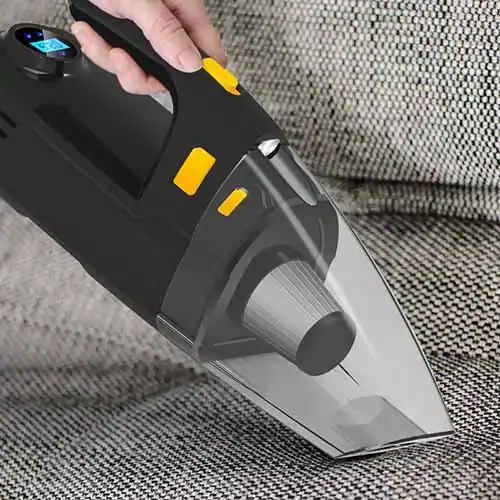
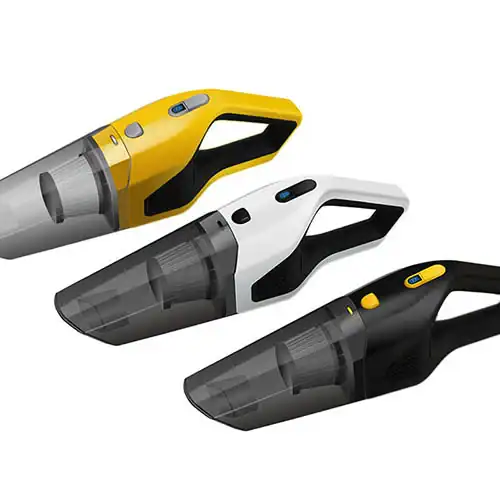
Leistungsstarke tragbare Auto-Vakuum Reiniger
Halten Sie Ihr Auto makellos mit KelyLands’ kompakten Staubsauger. Mit starker Saugkraft, vielseitigen Düsen, leiser Betrieb und kabellosen Lademöglichkeiten sind diese Staubsauger ausgelegt für jede Reinigungsherausforderung unterwegs. Passen Sie Farben, Logos und Verpackung mit flexiblen OEM-Dienstleistungen um zu Ihrer Marke zu passen.

Häufig gestellte Fragen (FAQ)
Wie kann ich überprüfen, ob ein ISO 9001-Zertifikat echt ist?
Beginnen Sie damit, die Zertifikatsnummer und den Namen der akkreditierten Zertifizierungsstelle zu erhalten. Überprüfen Sie die Angaben über die IAF CertSearch-Online-Datenbank oder das offizielle Verzeichnis des Zertifizierers. Untersuchen Sie außerdem das Dokument auf professionelle Formatierung, hochwertige Logos und Sicherheitsmerkmale, um Fälschungen zu erkennen.
Was sollte ich tun, wenn ein Lieferant sich weigert, Original-Zertifizierungsdokumente vorzulegen?
Behandeln Sie dieses Zögern als ein großes Warnsignal. Ein seriöser Lieferant sollte transparent sein. Eskalieren Sie Ihre Sorgfaltspflicht sofort, indem Sie eine Drittanbieter-Fabrikprüfung in Auftrag geben. Wenn sie sich weiterhin weigern, erwägen Sie ernsthaft, einen anderen, kooperativeren Lieferanten auszuwählen.
Sind digitale Zertifikate mit QR-Codes zuverlässiger als Papierzertifikate?
Digital gesicherte Zertifikate mit verschlüsselten QR-Codes bieten eine verbesserte Authentifizierung durch sofortige Validierung. Sie sollten jedoch nicht als alleinige Methode verwendet werden. Ergänzen Sie QR-Code-Prüfungen immer mit einer direkten Überprüfung über die Datenbank der ausstellenden Stelle für den stärksten Schutz.
Wie oft sollten Werksaudits und Zertifikatsverifizierungen durchgeführt werden?
Führen Sie vollständige Audits jährlich oder alle zwei Jahre durch, abhängig vom Risikoniveau und Produkttyp. Für kritische Lieferanten kombinieren Sie diese physischen Audits mit einer Echtzeit-Digitalüberwachung ihrer Zertifikate. So erhalten Sie sofortige Benachrichtigungen über Abläufe oder Statusänderungen.
Können Drittanbieter-Inspektionsdienste die Echtheit von Werkszertifikaten garantieren?
Während Inspektionen durch Dritte das Risiko durch unabhängige Vor-Ort-Überprüfungen erheblich reduzieren, ist keine einzelne Methode narrensicher. Der beste Schutz ergibt sich aus einer mehrschichtigen Strategie, die Datenbankprüfungen, direkte Verifizierung, Dokumentenprüfung und regelmäßige Audits kombiniert.

 English
  Español
  Français
  Deutsch
  Português do Brasil
  Русский
  한국어
한국어  日本語
日本語  العربية