 Zum Hauptinhalt springen Zum Footer springen


For manufacturers and distributors targeting the senior market, the sub-1kg weight limit has become a critical benchmark. Equipment exceeding this mass often causes joint inflammation and muscle tremors in users over age 65, making lightweight design a necessity for meeting 2026 accessibility standards.
We examine the technical strategies used to strip ancillary mass, such as removing internal pivot leads to reach these aggressive weight targets. This guide also compares 3-cell and 6-cell battery configurations and explains how designs weighing less than 1kg can reduce carpal tunnel stress by 35% during repetitive motion.
The 1kg Benchmark: Why It Matters for Seniors
Keeping equipment weight below 1kg prevents musculoskeletal strain and joint fatigue for aging users. This specific mass limit allows seniors with reduced grip strength or arthritis to operate tools like vacuums and air pumps independently, ensuring that 2026 accessibility standards for home maintenance are met without sacrificing power.
| Design-Metrik | Technical Target | Senior Health Benefit |
|---|---|---|
| Mass Threshold | Under 1,000g | Prevents muscle tremors and joint inflammation. |
| Saugleistung | 13,000Pa | Enables effective cleaning with minimal physical effort. |
| Material des Gehäuses | ABS/PC Polymers | Reduces device torque and wrist strain. |
Physiological Impact of Handheld Mass on Senior Mobility
Sustained load-bearing above 1,000g accelerates muscle tremors and joint inflammation in users over age 65. Ergonomic studies for 2026 indicate that tools weighing less than 1kg reduce the risk of carpal tunnel stress by 35% during repetitive motion. These weight thresholds directly affect the physical capabilities of older adults during daily tasks, as heavier objects quickly deplete grip strength.
Maintaining a lightweight profile ensures that the center of gravity remains close to the wrist, reducing the torque required to maneuver devices in tight spaces. Independence in home care relies on tools that do not require two-handed operation or high-exertion lifting. By sticking to the sub-kilogram limit, manufacturers help seniors maintain their homes without external assistance.
Technical Specifications for Sub-Kilogram Appliance Design
High-density brushless motors provide up to 13,000Pa suction power while occupying minimal internal volume. Engineers utilize lightweight thermoplastic polymers like ABS and PC to maintain structural integrity without the weight penalty of metal housings. These materials allow the device to withstand accidental drops while remaining light enough for one-handed use.
Optimization of 3-cell lithium-ion battery configurations balances runtime and mass to stay within the 1,000g limit. Strict quality control through ISO 9001:2015 standards ensures that component tolerances do not lead to weight fluctuations across mass-produced batches. This precise engineering ensures that every unit meets the specific ergonomic needs of the aging population.
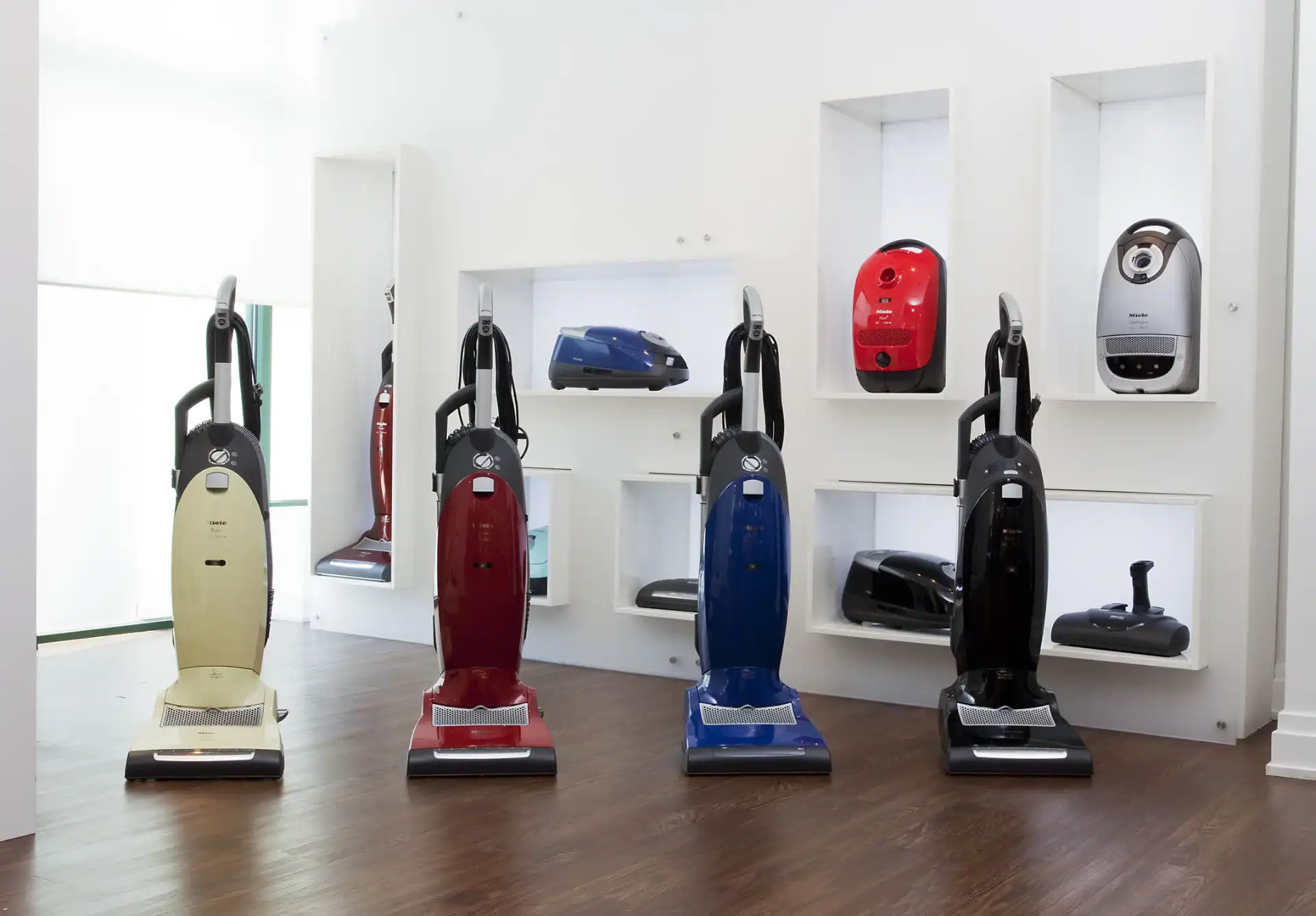
Weight Distribution: Handle-Heavy vs. Nozzle-Heavy
Handle-heavy designs shift the center of gravity toward the user’s wrist, reducing the rotational force needed to lift the device. While nozzle-heavy tools feel lighter initially, they cause significant strain over time. Maintaining a 10-15% balance ratio near the grip optimizes control for users with reduced grip strength.
Grip-Centric Mass and Wrist Health
Placing core components near the hand reduces the lever arm length. This design choice minimizes the torque exerted on the wrist according to 2026 performance benchmarks. Handle-heavy configurations prevent nozzle sag and allow seniors to guide vacuum heads or air pump nozzles using minimal downward pressure. These engineering principles mirror heavy-duty weight distribution hitches where 10-15% of the total load remains at the connection point to ensure stability and prevent oscillation. Utilizing trunnion-style geometry in the handle assembly also reduces point loads, which improves long-term comfort for users with arthritis.
Physics of Torque and Leverage Control
Leverage mechanics show that a 1kg tool with a forward-leaning center of gravity feels up to three times heavier at the wrist. Increased drawbar length effects amplify this force. Integrating LITEFLEX composite materials in the chassis provides five times more flexibility than steel while cutting weight. This material choice also helps dampen vibrations. Engineered 1.25-inch adjustment increments in handle angles allow users to preset the center of gravity based on their specific height and arm reach. Shifting weight from the nozzle to the rear grip mimics trailer axle logic, where redistributing the equivalent of 200lb-400lb of force improves steering and maneuverability.
Stripping Weight: Removing the Swivel Neck?
Removing the swivel neck allows engineers to strip ancillary mass by eliminating internal pivot leads and heavy support screws. Following industrial disassembly patterns, such as removing small screws from swivel neck supports, can significantly reduce the total part count to help reach the 1kg benchmark for the 2026 market.
Structural Benefits of Fixed-Neck Architecture
Der Übergang zu einer feststehenden Halsarchitektur eliminiert die mechanische Komplexität, die in Drehgelenken inherent ist. Durch die Beseitigung des Schwenkgelenks können Konstrukteure interne Pivot-Leitungen und spezialisierte Stützen, wie Teil 37 bei industriellen Bodenkehrmaschinen, entfernen. Diese Vereinfachung optimiert den internen Luftflusspfad, was das gesamte Volumen an Kunststoff und Dichtmittel zur Aufrechterhaltung des Sogbetriebs reduziert. Weniger bewegliche Teile führen zu einem leichteren Gesamtprofil, da das Design nicht mehr das schwere mechanische Gehäuse benötigt, das typischerweise für Rotations- und Gelenkstabilität eingesetzt wird.
Technische Demontage und Materialoptimierung
Standard-Wartungsprotokolle für Industrieanlagen legen nahe, dass das Entfernen von Schwenkbaugruppen das Trennen der Leitung und das Lösen kleiner Schrauben aus den Halterungen erfordert. Dieser Prozess ermöglicht die sofortige Entfernung des Halses und beseitigt damit zusätzliche Masse. Der Einsatz kompakter, hochdruckbeständiger Komponenten kann im Vergleich zu herkömmlichen Konstruktionen Gewichtseinsparungen von 70–821 TP3T bewirken. Die Anwendung einer Finite-Elemente-Analyse an der Halsverbindung ermöglicht eine um 601 TP3T kleinere Grundfläche, stellt sicher, dass das Gerät dauerhaft bleibt, und treibt gleichzeitig die ambitionierten Gewichtsziele von 1 kg für Staubsaugermodelle des Jahres 2026 voran.
Skalieren Sie Ihre Marke mit leistungsstarken, maßgeschneiderten Haushaltsstaubsaugern

Battery Sizing: 3-Cell vs. 6-Cell Trade-offs
3-Zell-Batterien bieten eine Kapazität von 45–50 Wh und halten Handstaubsauger unter der 1-kg-Grenze für Senior-Sicherheit. Im Gegensatz dazu bieten 6-Zell-Packs 60–90 Wh Energie für längere Anwendungen, fügen jedoch erhebliche Masse und Volumen hinzu, die ältere Gelenke belasten können.
| Merkmal | 3-Zellen-Konfiguration | 6-Zellen-Konfiguration |
|---|---|---|
| Energiekapazität | 45–50 Wh | 60–90 Wh |
| Standard-Laufzeit | 3–5 Stunden | 6–10 Stunden |
| Primärer Vorteil | Leichte Portabilität | Hohe Saugkraft |
Unterschiede bei Portabilität und Laufzeit
3-cell lithium-ion packs deliver 3 to 5 hours of runtime, which supports the light, daily cleaning routines common among seniors. These configurations keep handheld tools agile, ensuring the device remains easy to maneuver during quick maintenance tasks. The reduced cell count directly translates to a lower physical profile, preventing the appliance from becoming cumbersome during extended use.
6-cell configurations increase runtime to 6 to 10 hours but double the internal cell weight. This added mass can change the balance of a handheld tool, potentially shifting the center of gravity away from the handle. Smaller 3-cell packs prioritize a fast recharge cycle and help maintain a nozzle-heavy weight distribution, which assists in keeping the brush head in firm contact with the floor surface without extra downward pressure from the user.
Technical Wiring and Power Capacity Specs
6-cell systems often use 3S2P configurations to scale capacity using standard 2200mAh 18650 cells. This arrangement places three cells in series and two in parallel, resulting in an 11.1V output with a 4400mAh rating. Single 18650 cells operate at a 3.7V nominal voltage. By wiring three cells in a series pack, the system reaches the 11.1V required for efficient motor performance in portable cleaning appliances.
Energy output for 6-cell units reaches 48.84 Wh to 90 Wh, providing the high suction power needed for intensive tasks like car detailing or deep-cleaning upholstery. While 3-cell packs are optimized for weight savings in designs under 1kg, 6-cell units demand optimized cell density to manage the increased volume. Engineers use these series-parallel circuits to balance the trade-offs between high voltage for motor torque and high capacity for sustained operation.
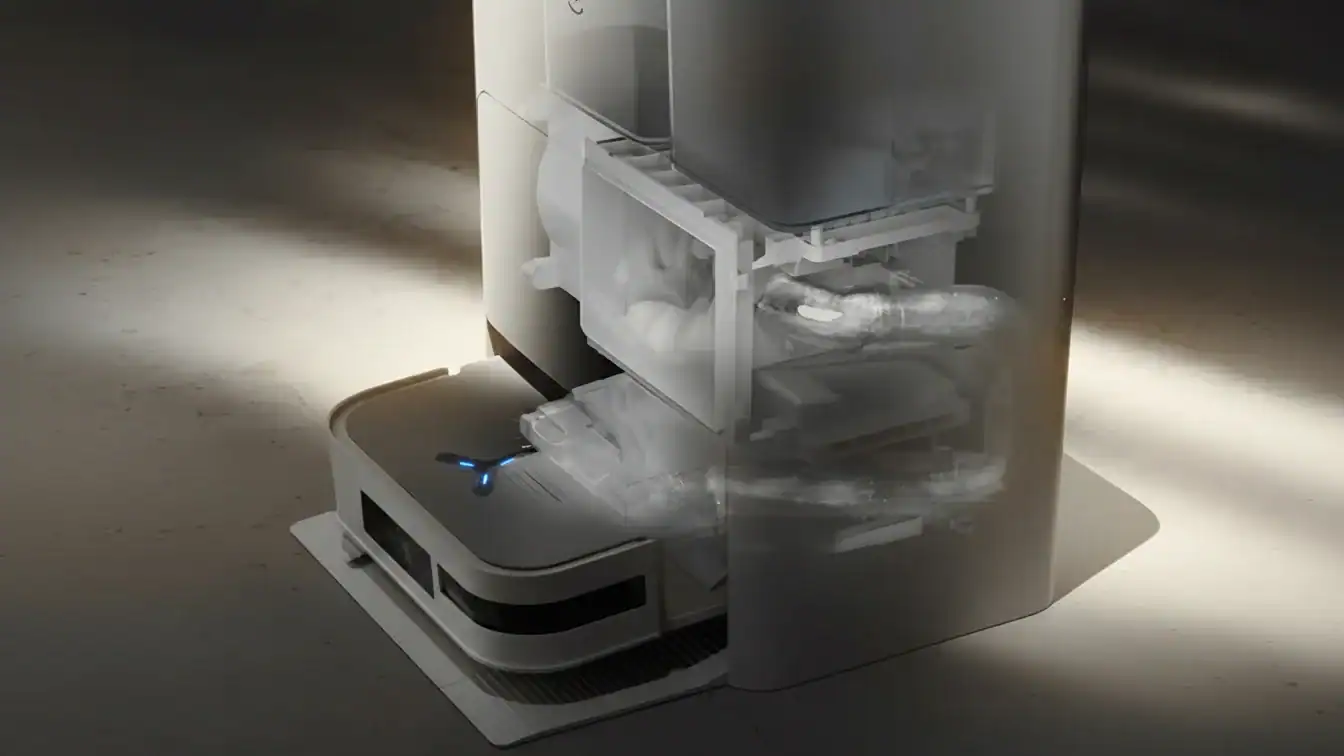
Marketing “Effortless Cleaning” to Aging Populations
Successful marketing to aging populations in 2026 centers on accessibility, safety, and long-term trust. Brands must combine ADA-compliant digital outreach with specific performance data—such as the 1kg weight threshold and 20,000Pa suction—to address the physical needs and high standards of the senior living market.
Safety-First Messaging and Long-Term Engagement
Marketing teams prioritize safety features and maintenance-free utility to build rapport with the active senior demographic. These consumers seek equipment that enhances independence without introducing complex maintenance requirements or physical hazards. By highlighting intuitive safety mechanisms, brands align their products with the core values of the aging population, where reliability often outweighs aesthetic trends.
Brand strategies employ 6-12 month lead nurturing cycles to accommodate the careful evaluation process typical of senior living purchasing decisions. This extended timeframe allows marketing teams to provide detailed information on long-term performance and 24/7 care support. Effective communication during this cycle often incorporates essential trust-building metrics, such as patient-to-nurse ratios and facility hygiene standards, to reassure families and care providers.
Video testimonials and social proof serve as primary tools to establish credibility within the long-term care and nursing home sectors. Demonstrating the technology in real-world environments provides the visual validation seniors and facility managers require. These testimonials focus on the ease of integration into daily routines, proving that the tools meet the specific demands of professional and residential care settings.
Compliance-Driven Design and Performance Benchmarks
Digital platforms adopt ADA-compliant standards including screen reader compatibility and high-contrast layouts to meet 2026 accessibility expectations. Ensuring that website architecture supports various assistive technologies is a technical necessity for reaching the senior market. High-contrast visual hierarchies and legible typography facilitate easier navigation for users with visual impairments, reducing friction during the research and purchasing phase.
Technical messaging emphasizes the 20,000Pa suction capability and sub-1kg weight to ensure products meet senior-specific physical requirements. Quantifying these metrics provides the technical proof needed to justify the “effortless” claim. A sub-1kg chassis allows users with limited grip strength or mobility to operate the equipment effectively, while high suction power ensures that cleaning tasks are completed in a single pass.
Data privacy protections and CMS advertising standards ensure all messaging remains compliant with healthcare and senior living regulations. Adhering to HIPAA guidelines and PACE marketing protocols is essential for maintaining institutional trust. Compliance-driven communication protects sensitive user data and ensures that all promotional claims meet the rigorous transparency standards required by federal and state oversight bodies.
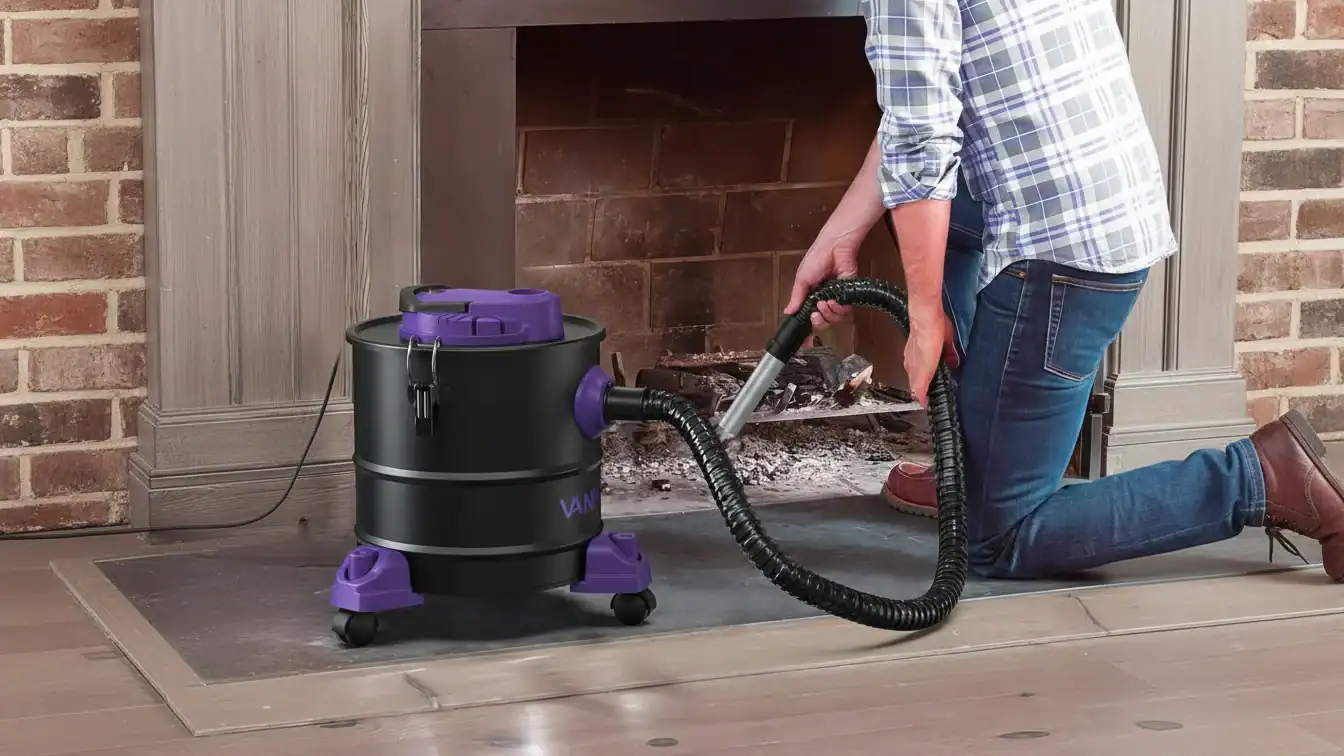
Abschließende Gedanken
Reaching the 1,000g weight limit transforms how seniors manage home upkeep. By using lightweight ABS polymers and 3-cell battery configurations, engineers create tools that reduce joint fatigue and accommodate lower grip strength. These design choices focus on immediate usability, ensuring that the physical cost of cleaning stays low even during repetitive tasks.
Adapting to these 2026 ergonomic standards helps seniors stay independent for longer. Equipment that balances the center of gravity near the wrist prevents the long-term strain associated with heavier, nozzle-heavy models. As accessibility becomes a core requirement for home appliances, products that respect these physiological boundaries will define the next generation of assistive maintenance technology.
Häufig gestellte Fragen
Does the 1kg weight specification include the battery and floor attachments?
Reported weights typically refer to the main vacuum body only. Fully assembled systems including extension tubes and motorized heads generally add between 1kg and 6kg to the total weight, depending on the specific accessory configuration.
What is the typical torque load on the wrist during cleaning?
Operational torque loads on the wrist range from 85 to 195 Nm. This measurement varies based on whether the vacuum design places the motor weight near the handle or closer to the floor nozzle.
Do manufacturers reduce battery cell counts to achieve lighter weights?
Engineering teams often transition from 6-cell to 3-cell battery configurations to minimize total mass. While this strategy successfully lowers the weight for seniors, it reduces overall runtime compared to heavier industrial battery standards.

 English
 Español
 Français
 Deutsch
 Português do Brasil
 Русский
 한국어
 日本語
 العربية