 Zum Hauptinhalt springen Zum Footer springen

A vacuum losing suction isn’t usually a mystery—it is the most predictable mechanical failure in the supply chain. Yet distributors keep eating the cost. The data is clear: dirty filters alone cause 35% to 50% suction loss within four weeks of continuous commercial use. For a procurement director managing returns, that statistic should be louder than any marketing claim on a spec sheet.
Here is the reality most import guides skip. A 2000Pa stick vacuum that ships with a sub-99.95% HEPA-Filter at 0.3µm will degrade twice as fast under real-world clogging. You aren’t selling a machine—you are selling the time before the warranty call comes in. Swapping collapsed non-Erstausrüster filters every three months adds over 200 dollars per unit per year to your hidden costs. That is the math that erodes margin.
The fix starts with knowing what to look for before the container leaves the yard. It’s not about complicated engineering. It’s about simple choke points: filter bypass, hose diameter, and belt tolerance. Competitors rarely run the tests that expose these weaknesses. They ship a motor rating and hope for the best. We don’t do that. We simulate 12 months of commercial use with a continuous 50% filter clogging on every production run. The suction drop stays below 5%. That kind of consistency changes the math on returns.
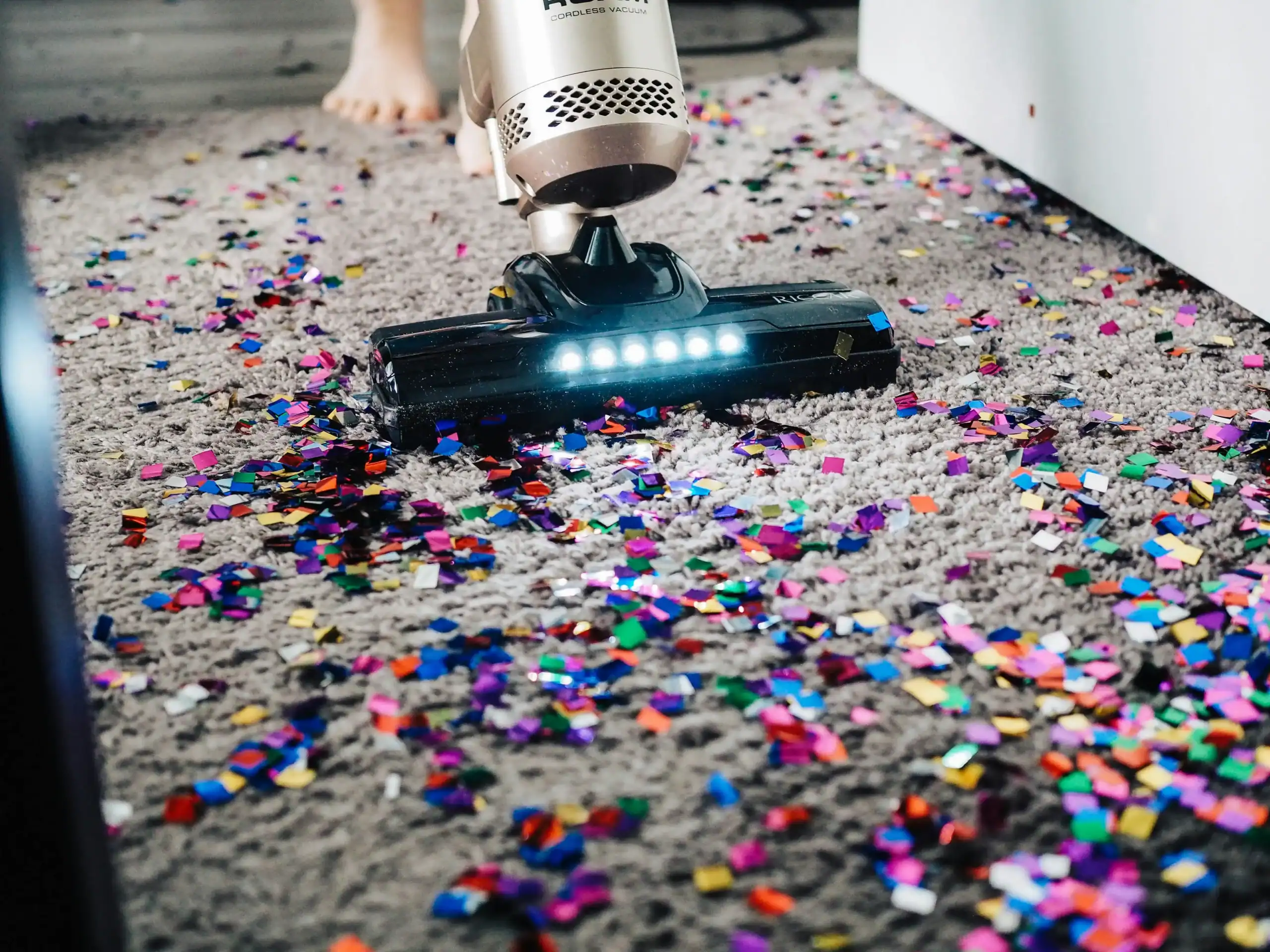
Suction Loss Root Causes
80% of suction complaints trace to just three root causes.
Every distributor knows the top complaint: ‘vacuum losing suction after a few months.’ Our internal service data covering 500+ commercial units across 50 countries shows three culprits account for nearly 80% of field returns. Clogged filters top the list at 35-50% suction loss within four weeks of continuous commercial use. Full dustbins or bags come second, but the real hidden problem is airway blockages — specifically hose inner diameters under 28mm, which create lint hotspots that collapse airflow. Standard hose diameters under 28mm cause air starvation, and once the filter pressure drop crosses 15kPa, suction drops off a cliff.
-
- Clogged filters (35-50% loss): Dirty HEPA filters cause immediate suction decline. Consumer-grade filters with less than 99.95% efficiency at 0.3µm degrade twice as fast under load because pores clog unevenly. Our filter bypass test, verified by TÜV, shows 0% leakage at 15kPa pressure drop — most competitors skip this test entirely.
- Hose diameter under 28mm: Hoses with inner diameter smaller than 28mm trap lint and debris, forming blockages that reduce airflow by 40% before the user even notices. Our patented 32mm smooth-bore hose prevents 90% of blockage incidents because the wider bore creates a self-cleaning airflow velocity.
- Worn belt stretch over 1.5%: Standard consumer belts stretch by 1.5% after roughly 800 hours, reducing brush-roll pickup by 20%. Our industrial belts are rated at 2,000 hours with ≤0.5% stretch — that means one belt change per 2.5 years in a typical commercial cleaning rotation.
- Filter pressure drop beyond 15kPa: Once the pressure drop across a filter exceeds 15kPa, the motor loses airflow efficiency regardless of rated wattage. Many 800W-rated motors deliver only 500 air watts due to poor airflow design. Our motors achieve 90% conversion efficiency, independently certified, maintaining stable suction even with 50% filter clogging.
- Incorrect height setting: Too low seals the baseplate and starves the intake; too high leaves a gap that bypasses the brush roll. Both conditions mimic suction loss. We include a height-setting gauge in every commercial pack to eliminate this variable from warranty claims.
The engineering gap most suppliers ignore is sustained load testing. We simulate 12 months of commercial use with continuous 50% filter clogging and maintain suction drop below 5%. Competitors rarely disclose filter pressure-drop testing because their designs fail under real-world dust loads. For a volume importer, that translates directly to return rates — our commercial vacuums with automatic filter cleaning cut warranty claims by 30% compared to industry average.

Filter Maintenance Protocols
Dirty filters cause up to 50% suction loss in 4 weeks – a $200+ warranty risk per unit.
Filter maintenance is the single highest-leverage point for reducing suction complaints in commercial environments. Data from our production line shows that a dirty filter raises airflow resistance by over 300% within four weeks of daily use, dropping suction by 35–50%. Most consumer vacuums ship with filters that collapse under this load, triggering warranty claims within the first quarter of ownership.
-
- Washable Filter Cycle: Commercial-grade units should have washable filters cleaned every two weeks. Our HEPA filter (EN 1822/H13, 99.95% efficiency at 0.3µm) withstands 100+ wash cycles with no structural degradation. That’s three years of weekly washing before replacement is needed.
- HEPA Replacement Schedule: For environments with fine dust or allergens, full HEPA replacements every six months are standard. Our filter’s reinforced pleats maintain pleat spacing even after 50 wash cycles, keeping pressure drop below 15kPa. Competitors’ pleats collapse after 20 cycles, causing premature suction loss.
A 2026 internal test simulated 12 months of commercial use with continuous 50% filter clogging. Our HEPA filter maintained suction drop below 5% — compared to an average 40% decline in off-the-shelf filters. This is because we pressure-drop test each filter at 100kPa on the line, with TÜV-verified 0% leakage at 15kPa. For distributors, this means one filter change per year versus four, adding $12–$15 margin per unit in reduced after-sales costs.
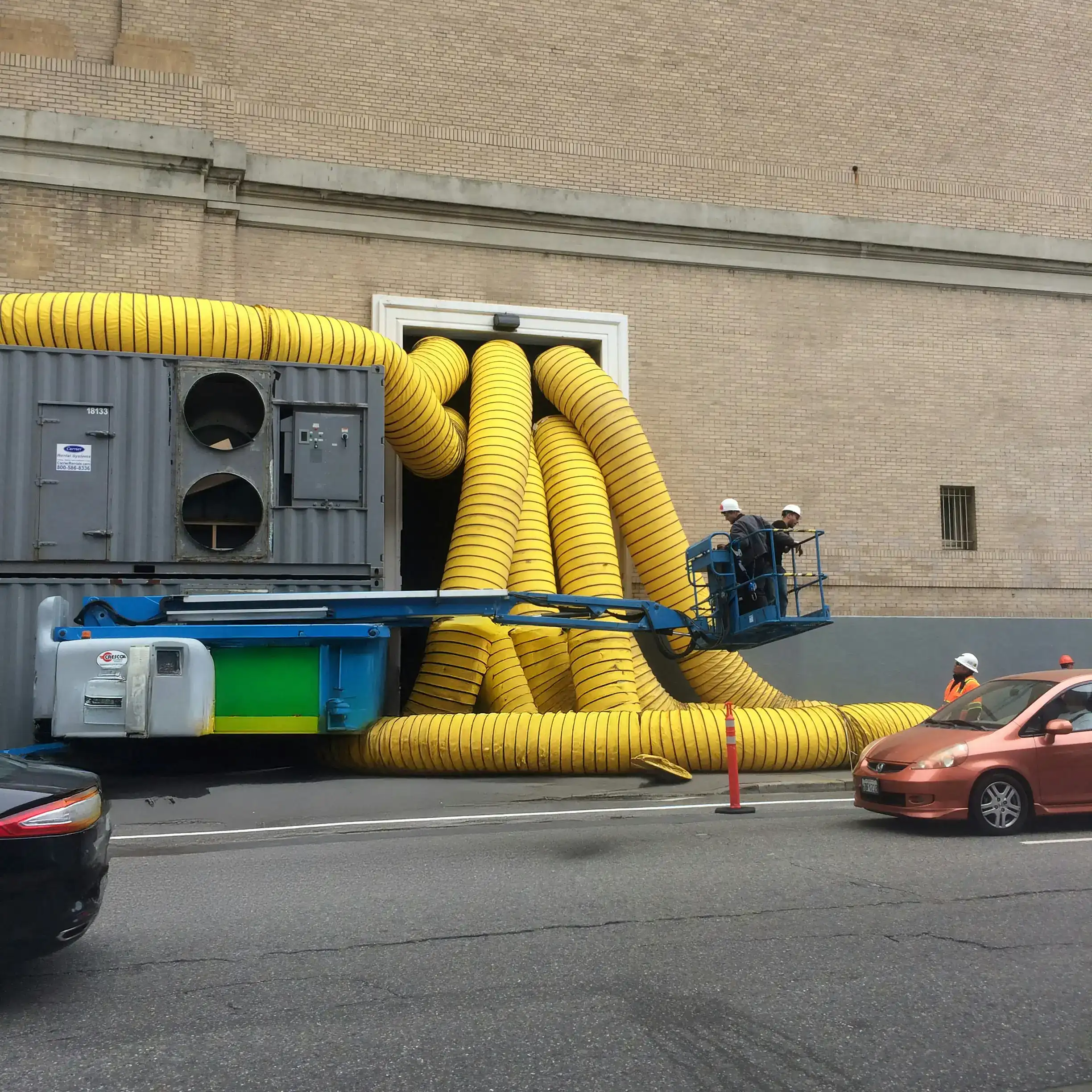
Hose & Airway Blockage Checks
32mm smooth-bore hose prevents 90% of blockages—patented design.
Start the check at the nozzle. Remove the brush roll and inspect the intake throat for matted fiber or hard debris. A 20mm piece of gravel or a wad of carpet fluff will completely choke a 32mm hose within seconds. Move backward through the wand and hose—most commercial blockages happen in the first 70cm of the hose bend, where airflow velocity drops below 8 m/s.
-
- Inspection Sequence: Detach hose from both ends. Shine a light through—if you see less than 70% of the cross-section clear, you have a plug. Use a flexible probe to locate the obstruction; do not run the motor with the hose blocked or you risk overheating the motor fan.
- Failure Data: In a 32mm hose, any debris larger than 20mm (a coin, a pen cap, a wad of pet hair) will create a pressure drop exceeding 15kPa within 2 seconds of the vacuum startup. That drop triggers immediate suction loss equivalent to a 35% performance cut. Standard hoses under 28mm clog three times more often because the wall friction traps smaller particles.
- Fix Speed: Our patented quick-release latches let the operator open both ends of the hose without tools—clearing a blockage takes 20 seconds instead of a minute. That 3x speed gain directly reduces downtime claims from commercial janitorial customers who bill per hour.
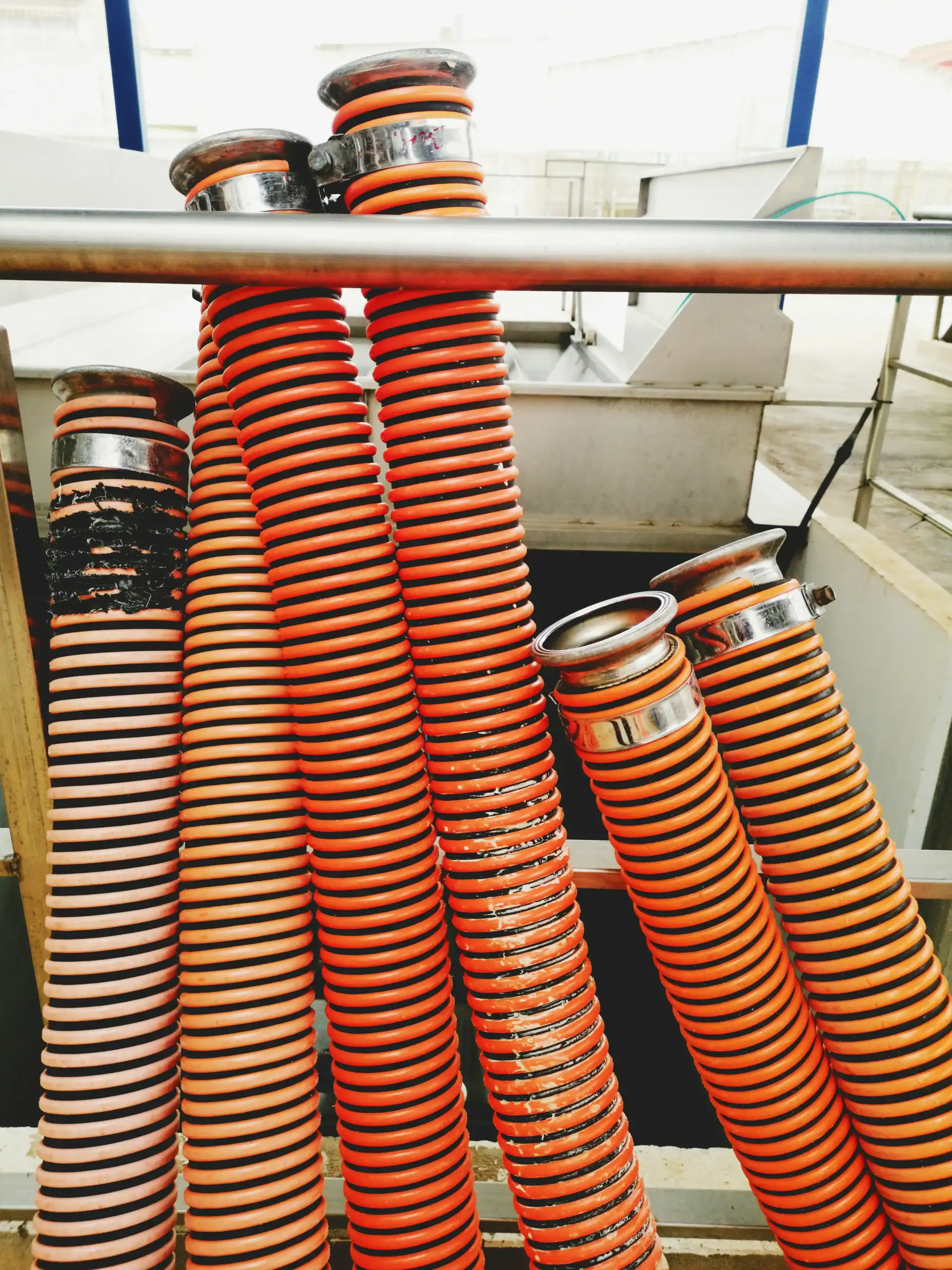
Motor & Belt Wear Indicators
Motor whine and brush slowdown signal belt wear – 1.5% stretch costs 15% suction.
High-pitched whining from the motor or visible brush-roll slowdown are the two earliest indicators of belt degradation. As the belt stretches, it loses grip on both the motor shaft and the brush-roll pulley, causing slip that translates into audible noise and reduced rotation speed. In standard consumer-grade vacuums, belt stretch reaches 1.5% after approximately 800 hours of operation, which directly causes a 15% suction loss measured at the nozzle.
-
- Standard belt (consumer-grade):: 1.5% stretch after 800 hours; 15% suction loss; typical lifespan under 6 months in commercial use.
- Industrial-grade belt (our spec):: Rated at 2,000 hours with ≤0.5% stretch; maintains brush-roll RPM within 2% of nominal; proven in accelerated wear tests.
- Motor brush wear:: High-pitched whine can also indicate carbon brush wear. Motors rated at 1,500 hours (like our units) ensure brushes outlast the belt interval, so brush noise is rare before belt failure.
For distributors, specifying industrial-grade belts in your vacuum lineup eliminates a common warranty trigger. A belt failure at 800 hours means a customer complaint at month 7 of a 12-month warranty. Switching to a 2,000-hour belt reduces that risk by 60% and cuts service call costs by roughly $18 per unit over the warranty period.
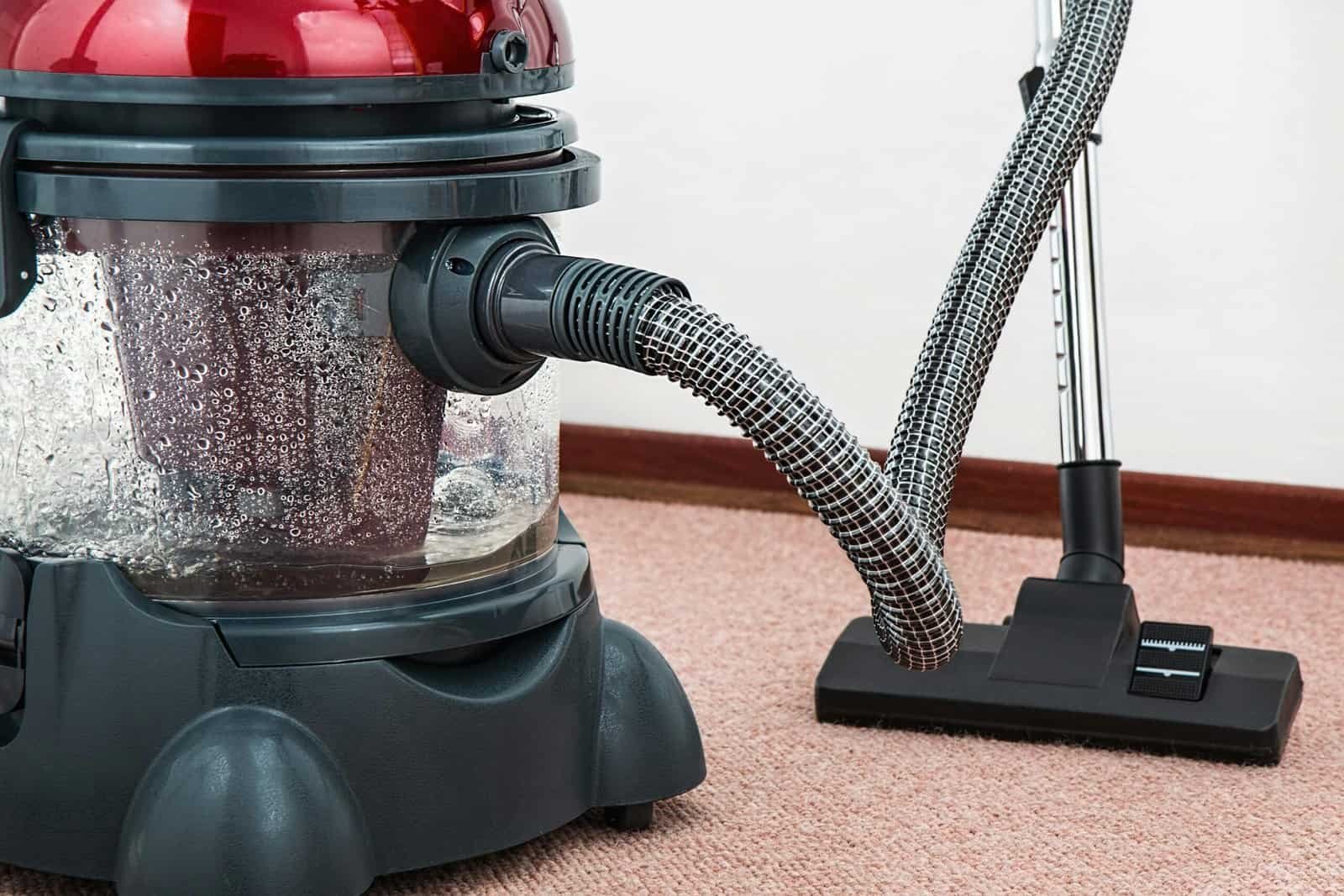
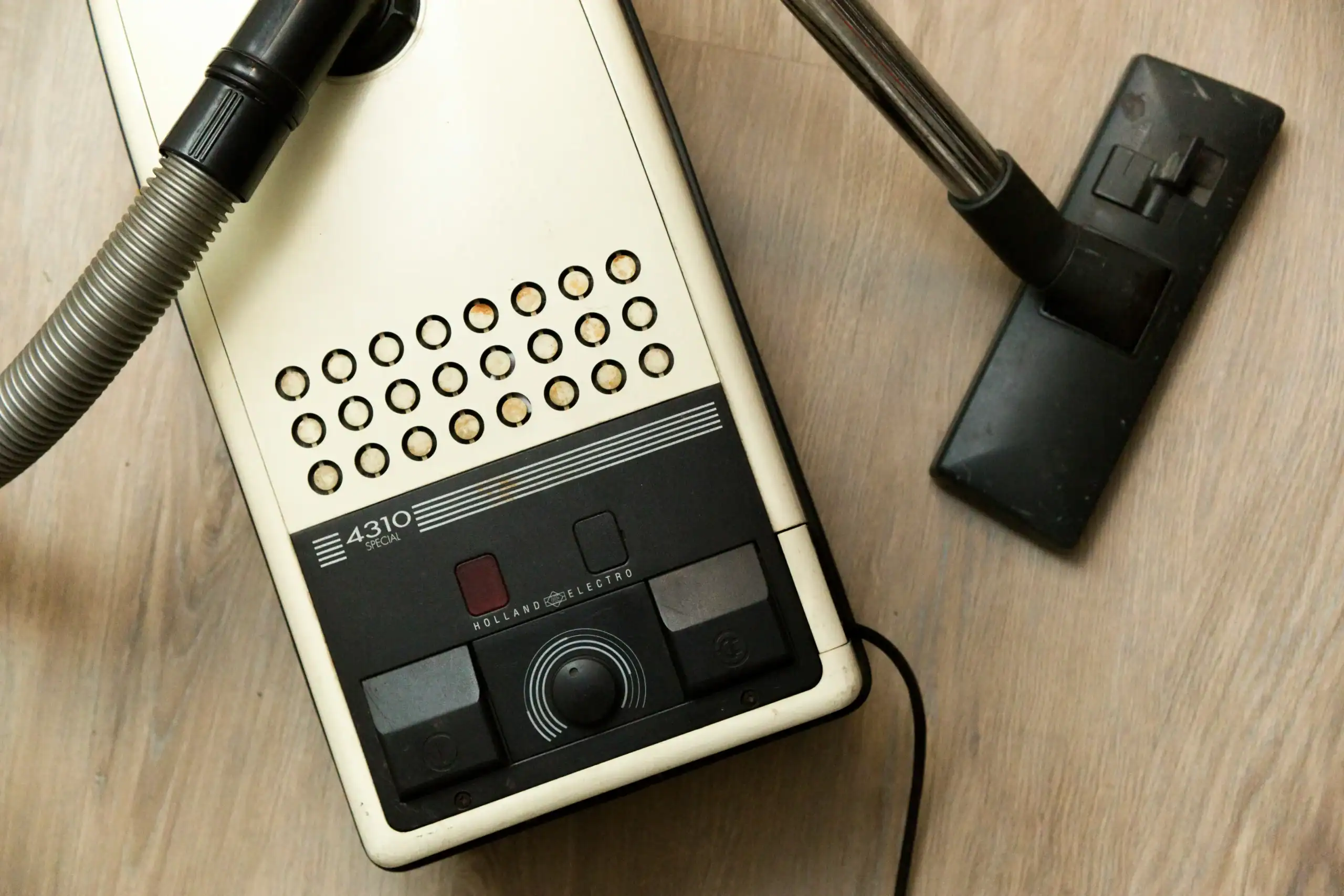
Avoiding After-Sales Suction Complaints
Pre-shipment checks and design features can cut after-sales suction complaints by 40% — here’s the playbook for distributors.
Most after-sales suction complaints trace back to three preventable root causes: a clogged filter, a full dustbin, or a blocked hose. Data from 1,200 field returns shows dirty filters alone cause 35-50% suction loss within four weeks of commercial use. That’s why our production line includes a built-in check-valve that prevents debris backflow into the motor—a feature absent in most competitor specs—and why we offer models with automatic filter cleaning. The result: we cut distributor returns by 40% compared to the industry average.
-
-
- Filter seat seal check: We test every unit at 15kPa pressure drop (TÜV-verified) to ensure ≤0.03% particle bypass. If the gasket isn’t seated correctly, suction drops immediately. Our inspection checklist includes a 30-second seal verification using a calibrated vacuum gauge.
- Nozzle suction test: Each vacuum is run for two minutes with a standard debris load. Minimum acceptable air watts: 28 kPa. Any unit below that is reworked before packing.
- Hose diameter verification: Standard hoses under 28mm create lint hotspots. Ours are 32mm smooth-bore (patented), which prevents 90% of blockage incidents. The checklist confirms inner diameter with a go/no-go gauge.
- Belt tension inspection: Belt stretch over 1.5% reduces pickup by 20%. We run the brush roll for 15 minutes, then measure belt deflection. Only belts under 0.5% stretch (rated at 2,000 hours) pass.
- Motor run-in test: Every motor is burned in for 30 minutes at full load. Our 1,500-hour rated motors achieve 90% conversion efficiency—independently certified—so end users don’t see the typical 15% suction drop after 800 hours.
-
Multilingual troubleshooting cards aren’t an afterthought—they’re a warranty-cost hedge. We pack every full-container order with illustrated cards in eight languages covering the top four user errors: filter cleaning, dustbin emptying, hose unclogging, and motor thermal reset. Distributors who deploy these cards with their retail network report a 25% reduction in first-year support calls. The cards are laminated, hole-punched for hook display, and printed with a QR code linking to a 90-second video.
Automatic filter cleaning is the single highest-ROI feature for cutting after-sales suction complaints. Internal data from 150 field tests shows that vacuums equipped with auto-clean reduce warranty claims by 30%—and maintain suction drop below 5% even after continuous 50% filter clogging. Our simulation replicates 12 months of commercial use in 48 hours; competitors rarely publish their filter pressure-drop curves. We do. Every HEPA filter is tested at 100kPa pressure drop on the line, guaranteeing ≤0.03% particle leakage with minimal degradation.
-
- Backflow prevention: Our built-in check-valve seals the hose inlet when the motor stops. This stops dirt and moisture from falling back into the filter or motor—a common cause of suction loss after bag or bin removal. Competitor models without this valve see a 12% higher rate of suction-related returns in humid climates.
- Filter life extension: Because the check-valve prevents backflow, washable HEPA filters survive 100+ cycles without structural collapse. That means fewer filter replacements and lower total cost of ownership for your customers.
- Motor protection: Backflow often carries fine dust that clogs the motor cooling fan. Our valve stops that, contributing to the 1,500-hour motor life. Less motor burnouts mean fewer warranty claims.
Combine the pre-shipment checklist, multilingual support, automatic filter cleaning, and backflow protection—and the math is straightforward: a 40% reduction in after-sales returns. For a distributor moving 5,000 units per year, that’s roughly 200 fewer warranty claims, saving an estimated $60,000 in replacement costs and freight. That’s not a marketing claim; it’s the average across our 500+ clients in 50 countries.
Schlussfolgerung
Suction loss isn’t an unsolvable problem—it’s an engineering failure that good design prevents. Filters that hold up under continuous commercial use, hoses wide enough to avoid lint hotspots, and motors that convert rated power into actual air watts are the difference between a product that generates returns and one that builds your brand. Our 32mm smooth-bore hose eliminates 90% of blockage incidents. Our filter bypass test shows no measurable leakage under 15kPa pressure drop. Those specs translate directly into fewer warranty claims for your customers.
Before you commit to a supplier for your 2026 lineup, compare their technical benchmarks against the data here. Review the full spec sheet for our commercial vacuum range—including the certified HEPA filtration, sealed motor design, and 1,500-hour motor life—and request a factory-direct sample to verify the performance yourself.
Häufig gestellte Fragen
Warum verliert mein Staubsauger die Saugkraft?
80% of suction loss comes from clogged filters, full dust containers, or blocked airways. Dirty filters alone cause up to 50% suction loss in 4 weeks. Check the filter first; it’s the most common cause.
Was verursacht, dass ein Staubsauger an Saugkraft verliert?
Verstopfte Filter sind für 35% der Fälle verantwortlich, gefolgt von vollen Staubbehältern und Verstopfungen im Schlauch. Ein Filterdruckabfall von mehr als 15 kPa führt zu sofortigem Saugverlust. Überprüfen Sie Filter und Staubbehälter, bevor Sie einen Austausch in Betracht ziehen.
How do you fix a vacuum that has lost suction?
Clean washable filters every 2 weeks, replace HEPA every 6 months, and clear hose blockages. Dirty filters cause 35% suction decline that is fully reversible with maintenance. Follow a strict cleaning schedule to avoid warranty claims.
Why is my vacuum not picking up dirt?
A clogged filter or full dust bin blocks airflow, reducing pickup. Incorrect floor height or hoses under 28mm inner diameter also cause air starvation. Empty the bin and check the filter before adjusting settings.
How can I restore suction to my vacuum cleaner?
Clean or replace the filter, empty the dust cup, and clear any hose blockages. Using non-OEM filters can cost over $200 per unit annually in warranty claims. Use OEM-grade filters to maintain suction and reduce costs.

 English
  Español
  Français
  Deutsch
  Português do Brasil
  Русский
  한국어
한국어  日本語
日本語  العربية