 Saltar al contenido principal Saltar al pie de página

La interpretación errónea de las especificaciones técnicas de los compresores (frigoríficos con compresor de 12 V) es una de las principales causas de fallos prematuros de los productos y de costosas retiradas de productos en garantía en el mercado de la refrigeración móvil. Los equipos de aprovisionamiento a menudo tienen dificultades para diferenciar entre componentes de primera calidad y alternativas de bajo coste, lo que hace que las unidades fallen en condiciones reales como pendientes pronunciadas o energía solar irregular. Esta discrepancia entre la hoja de especificaciones de un componente y su rendimiento sobre el terreno crea un importante riesgo financiero y de reputación para los fabricantes de equipos.
Esta guía desglosa las principales ventajas y desventajas de los motores de compresores de CC. Analizaremos las diferencias de rendimiento entre los modelos inverter de velocidad variable y las unidades on/off tradicionales, especialmente para sistemas dependientes de la energía solar. También examinaremos la lógica de retorno de aceite necesaria para un funcionamiento seguro en pendientes fuera de carretera, la función de la tecnología de arranque suave para proteger los componentes electrónicos sensibles y las razones técnicas que justifican el sobreprecio de marcas como Secop.
Inversor frente a encendido/apagado: ¿por qué las diferencias de eficiencia son importantes para la energía solar?
En las aplicaciones solares sin conexión a la red, la eficiencia del inversor es un multiplicador directo de la vida útil de la batería y del retorno de la inversión del sistema, donde incluso una ganancia de 2% se traduce en un importante ahorro operativo a largo plazo.
El impacto financiero de un aumento de la eficiencia de 2%
Las pequeñas variaciones en la eficiencia del inversor afectan directamente a la viabilidad financiera de un sistema de energía solar. Una diferencia aparentemente menor de 2% en el rendimiento no sólo se ve bien en una hoja de especificaciones; se acumula en ahorros sustanciales de energía durante la vida útil del equipo. Para cualquier aplicación móvil o aislada de la red, una mayor eficiencia maximiza la energía cosechada de los paneles, lo que acorta directamente el periodo de amortización de la inversión inicial. Los modernos compresores inverter de CC funcionan con una eficiencia de 90-98%, lo que supone una clara propuesta de valor frente a los antiguos sistemas on/off que suelen alcanzar picos de 80-90%.
| Métrica de rendimiento | Sistemas de encendido/apagado heredados | Sistemas modernos de inversores de CC |
|---|---|---|
| Eficiencia operativa | 80-90% | 90-98% |
| Consumo de energía Lógica | Ciclos de encendido y apagado a plena potencia | Modula la velocidad en función de la demanda |
| Autonomía de la batería | Estándar (mayor consumo de amperios-hora) | Hasta 2-3 veces más tiempo de funcionamiento |
Rendimiento máximo frente a rendimiento real: Curvas de eficiencia
El índice de eficiencia máxima de un inversor no representa su rendimiento sobre el terreno. Esta cifra suele alcanzarse en condiciones ideales de laboratorio. La eficiencia en el mundo real es dinámica y cambia en función de la intensidad solar y la demanda de energía conectada. Analizar la curva de eficiencia completa es fundamental porque revela cómo funciona la unidad con cargas parciales. Un sistema con una curva superior desperdicia menos energía en condiciones de poca luz, como en días nublados o a primera hora de la mañana, generando más energía utilizable durante todo el día.
Cómo influye la configuración del sistema en la eficiencia global
La arquitectura de la instalación solar desempeña un papel fundamental en la eficiencia total del sistema. Los inversores híbridos y conectados a la red suelen lograr un mejor rendimiento porque pueden gestionar de forma inteligente el flujo de energía entre los paneles solares, la red, las baterías y el consumo directo. Los sistemas autónomos no conectados a la red carecen de una red que actúe como amortiguador, por lo que dependen por completo de componentes bien adaptados. En estas configuraciones, cada punto porcentual de eficiencia que se pierde en el inversor se traduce directamente en una menor duración de la batería o en la imposibilidad de alimentar dispositivos.
El estándar Secop: ¿Por qué Danfoss Tech manda un 40% Premium?
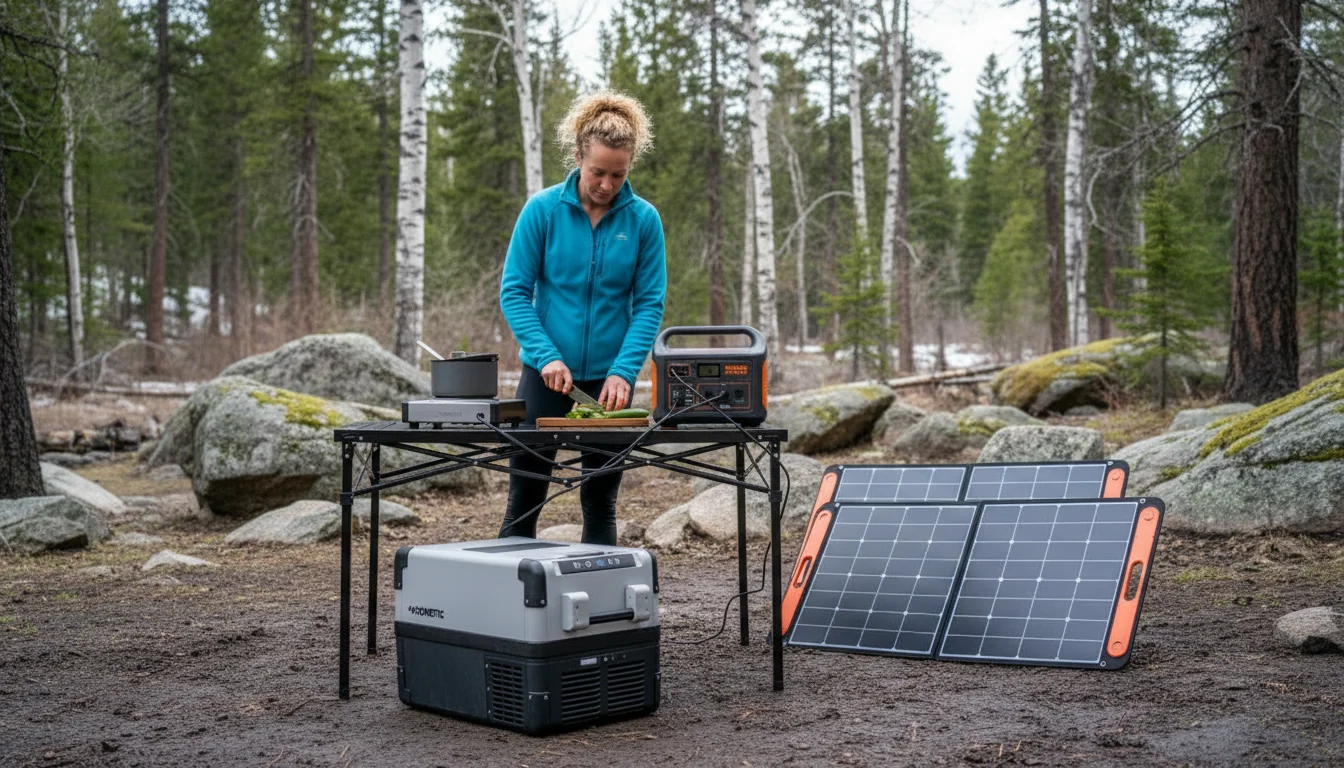
La prima para los compresores Secop es el resultado directo de una eficiencia energética y una fiabilidad operativa superiores, lo que se traduce en una mayor duración de la batería en aplicaciones exigentes fuera de la red.
Tecnología avanzada de compresor de velocidad variable
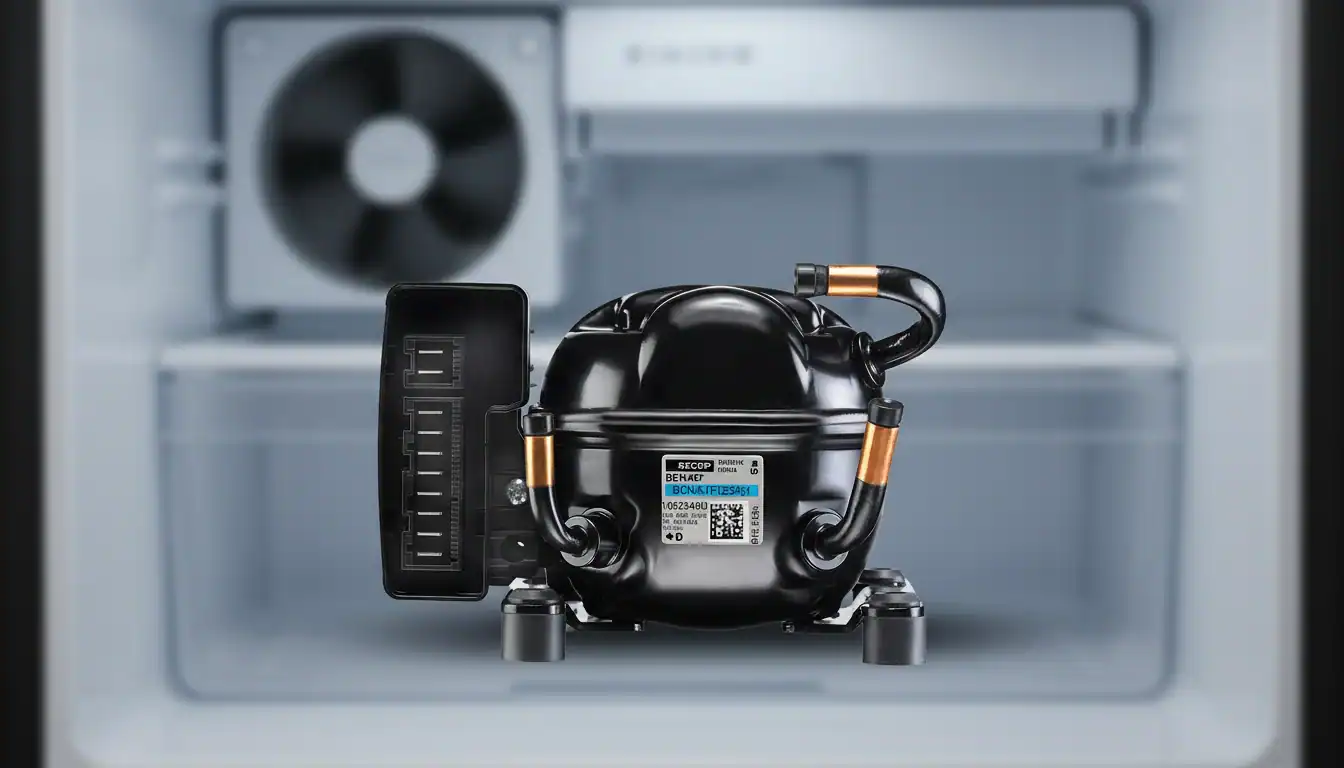
El mercado de la refrigeración móvil se ha estandarizado con eficientes compresores herméticos de velocidad variable. Esta tecnología, que utiliza motores de corriente continua sin escobillas de bajo consumo combinados con controladores electrónicos inteligentes, supone una importante mejora con respecto a los sistemas antiguos. El controlador ajusta la velocidad del compresor en función de la demanda de refrigeración en tiempo real, lo que evita los picos de derroche de energía habituales en los ciclos simples de encendido y apagado. Este enfoque no sólo mejora la eficiencia, sino que también prolonga la vida útil del motor.
| Marca del compresor | Tecnología de base | Posición en el mercado / Precio |
|---|---|---|
| Secop (Danfoss Tech) | Alta eficiencia energética, motores de corriente continua sin escobillas y diseño robusto para uso móvil. | Excelente: Diseñado para ofrecer fiabilidad y rendimiento en situaciones exigentes sin conexión a la red. |
| LG | Tecnología Inverter, funcionamiento silencioso y gran reconocimiento de marca. | Premium: Líder en aplicaciones residenciales y comerciales ligeras. |
| Marcas chinas (por ejemplo, Anuodan) | Rentabilidad, cumplimiento de las normas internacionales y volumen de producción. | Estándar/Valor: Proporciona un rendimiento fiable para aplicaciones de gran consumo. |
Reducción significativa del consumo de energía
Los datos empíricos demuestran que estos compresores modernos consumen entre 30 y 40% menos que las unidades convencionales de encendido/apagado o de absorción. Este aumento de la eficiencia no es marginal, sino que justifica su elevado precio. Para cualquier sistema alimentado por batería, reducir el consumo de amperios-hora es un objetivo de ingeniería primordial. Esta ventaja es especialmente crítica en aplicaciones sensibles a la energía, como vehículos recreativos, embarcaciones y sistemas remotos sin conexión a la red, donde la energía es un recurso finito.
Autonomía de batería ampliada para uso sin conexión a la red eléctrica
Un menor consumo de energía se traduce directamente en una mayor autonomía de la batería. Un compresor eficiente permite que una unidad de refrigeración funcione durante períodos prolongados sin agotar el banco de baterías, lo que retrasa la necesidad de poner en marcha un generador o conectarse a la red eléctrica. Para los operadores que dependen de sus equipos en lugares remotos, esta mayor fiabilidad e independencia merece la inversión inicial más elevada. La diferencia de coste se compensa con el valor práctico de un sistema que funciona durante más tiempo y de forma más predecible cuando está desconectado de la red.
Obtenga sus neveras para coche personalizadas y con certificación mundial

Lógica de retorno de aceite: ¿Puede funcionar con seguridad en pendientes de 30°?
La capacidad de un compresor para mantener la lubricación en una pendiente pronunciada depende totalmente de los ajustes de ingeniería específicos que contrarrestan la atracción de la gravedad sobre el aceite del sistema.
El papel de las trampas invertidas en la gestión del petróleo
Un sistema de retorno de aceite en un compresor de refrigeración utiliza un diseño de tubería llamado trampa invertida para impedir que el aceite fluya hacia atrás en el compresor cuando está apagado. Este diseño recoge el aceite en los puntos bajos de la línea de descarga, reteniéndolo hasta que el compresor vuelve a arrancar. Sin este mecanismo, la gestión del aceite falla.
- Cuando el compresor se activa, la alta velocidad del gas refrigerante hace avanzar el aceite atrapado.
- Esta acción hace que el aceite circule correctamente por el sistema y vuelva al condensador.
- Los purgadores ineficaces provocan el vaciado del cárter de aceite, causando fallos de lubricación y daños mecánicos irreversibles.
Impacto de la gravedad en el funcionamiento en pendiente
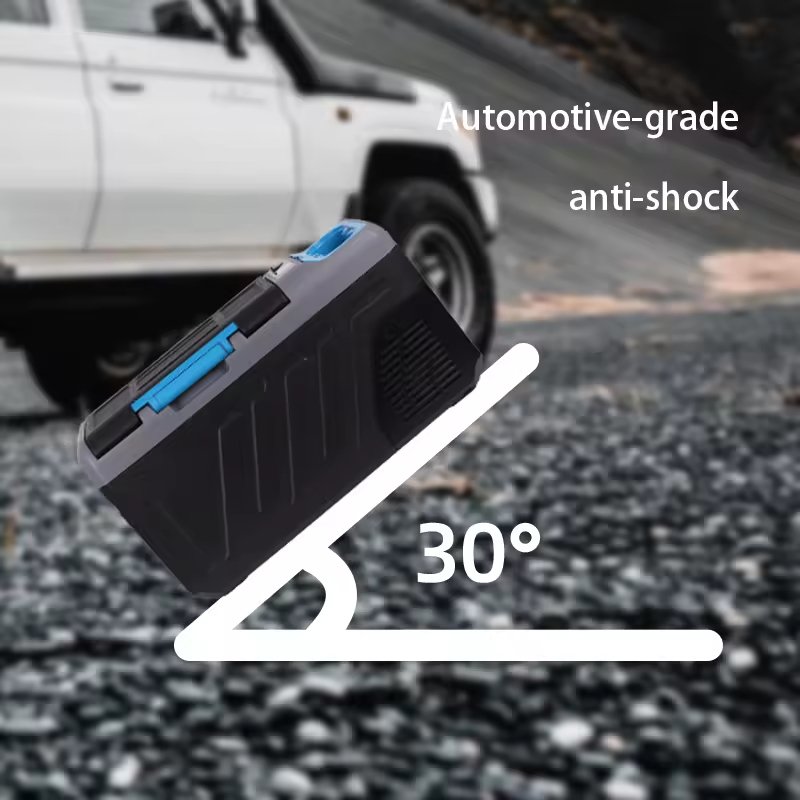
El funcionamiento en una pendiente de 30° introduce la gravedad como un obstáculo importante. El ángulo empuja el aceite hacia atrás, actuando directamente en contra del flujo de retorno normal y poniendo a prueba la capacidad del sistema para mantener una lubricación adecuada. Este es el principal punto de fallo de los compresores estándar utilizados en aplicaciones todoterreno.
| Consideraciones sobre el diseño | Sistema estándar (funcionamiento a nivel) | Sistema todoterreno (pendiente de 30°) |
|---|---|---|
| Mecanismo de retorno de aceite | Se basa en la velocidad estándar del refrigerante. | Diseñado para una mayor velocidad de descarga para superar la gravedad. |
| Configuración de tuberías | Trampas invertidas estándar en puntos clave. | Aumento de la frecuencia de trampas a lo largo de cualquier subida vertical. |
| Controles de seguridad | Sensores de presión básicos. | Controles de fallo de aceite integrados para supervisar los niveles del cárter. |
Ajustes de diseño esenciales para el uso todoterreno
Un sistema de refrigeración estándar requiere modificaciones específicas para funcionar con fiabilidad en terrenos escarpados. Estos ajustes contrarrestan directamente los efectos de la gravedad, garantizando un suministro constante de aceite y protegiendo el compresor de posibles agarrotamientos.
- Instale purgadores invertidos con mayor frecuencia a lo largo de las tuberías verticales para gestionar eficazmente el flujo de aceite.
- Diseñe el sistema para que la velocidad de la línea de descarga sea mayor y genere la fuerza suficiente para empujar el aceite cuesta arriba.
- Integre controles de fallo de aceite que supervisen el nivel de aceite del cárter y activen una parada automática si desciende a un nivel bajo peligroso.
Por qué los compresores estándar necesitan soluciones personalizadas
La mayoría de los compresores de 12 V suponen una instalación nivelada y no están diseñados para un uso continuado en un ángulo de 30°. Para lograr un rendimiento fiable fuera de la carretera se requiere un diseño personalizado de las tuberías y componentes especializados que no se encuentran en las unidades disponibles en el mercado.
- Los sistemas de serie carecen de la configuración de tuberías específica necesaria para gestionar el flujo de aceite en pendientes pronunciadas.
- Un funcionamiento seguro requiere a menudo mecanismos auxiliares de retorno de aceite para complementar los purgadores estándar.
- En 2026, KelyLands Car Accessory Co., Ltd. podrá diseñar soluciones personalizadas para satisfacer las demandas únicas de los entornos todoterreno más exigentes.
Corriente de arranque: ¿Cómo protege el circuito la tecnología de arranque suave?
La tecnología de arranque suave protege los sistemas eléctricos aumentando gradualmente la tensión del motor, lo que reduce las dañinas corrientes de arranque hasta en 75% y elimina el choque mecánico de los arranques convencionales.
Reducción de la corriente de irrupción perjudicial
La tecnología de arranque suave gestiona de forma inteligente la tensión suministrada a un motor durante el arranque. En lugar de aplicar toda la potencia al circuito, aumenta gradualmente la tensión. Este proceso sencillo pero eficaz limita el pico de corriente inicial, que puede ser de 3 a 5 veces superior al amperaje de funcionamiento normal. Al controlar esta irrupción, el sistema evita sobrecargar la infraestructura eléctrica.
- Evita que se disparen los disyuntores y se fundan los fusibles en caso de consumo repentino.
- Permite que los motores funcionen sin problemas en circuitos con potencias inferiores.
- Protege los componentes electrónicos sensibles, como las placas de circuito impreso, de los dañinos picos de tensión.
Minimizar el estrés mecánico y eléctrico
El par brusco de un arranque brusco convencional provoca un desgaste importante de las piezas mecánicas del motor. Un arrancador suave garantiza una aceleración suave y controlada que reduce este choque físico y alivia la tensión en todo el sistema eléctrico. Esta aceleración controlada es fundamental para prolongar la vida útil del equipo.
- Disminuye las sacudidas en engranajes, correas y componentes del compresor, alargando la vida útil del equipo.
- Reduce la tensión eléctrica en el cableado, los conectores y las fuentes de alimentación.
- Reduce el riesgo de sobrecalentamiento del motor durante la fase crítica de arranque.
Mejora de la compatibilidad con fuentes de energía limitadas
Muchas fuentes de alimentación portátiles, como los inversores de los vehículos o los pequeños generadores, no pueden soportar la elevada corriente de arranque de un motor estándar. La tecnología de arranque suave hace que los equipos sean compatibles con estas fuentes limitadas al mantener la demanda de potencia inicial baja y estable. Esta capacidad es esencial para aplicaciones móviles y fuera de la red, donde la alimentación no está garantizada.
- Permite que los compresores y motores funcionen de forma fiable con la energía del generador sin provocar paradas.
- Mejora la estabilidad cuando se conecta a sistemas de energía renovable o baterías sin conexión a la red.
- Ofrece protección multicapa, incluida detección de sobrecorriente y regulación de tensión, para un funcionamiento más seguro.
Conclusión
La elección de la tecnología de compresores de CC adecuada define la fiabilidad del producto final y su posición en el mercado. Los detalles de ingeniería básicos, como la eficiencia del inversor, la lógica de retorno de aceite fuera de carretera y la protección de arranque suave, influyen directamente en el rendimiento en entornos exigentes. La adquisición de unidades con estos sistemas de eficacia probada garantiza un menor índice de devoluciones y protege la reputación de la marca.
Si desea un desglose completo de nuestras opciones de compresores, incluidas las configuraciones Secop y LG, póngase en contacto con nuestro equipo. Podemos proporcionarle un catálogo técnico completo u organizar una unidad de muestra para su evaluación.
Preguntas frecuentes
¿La unidad utiliza un compresor inverter de CC de velocidad variable?
Sí, la unidad está equipada con un compresor inverter DC de velocidad variable de alta eficiencia. Esta tecnología permite al compresor ajustar su velocidad en función de la demanda de refrigeración, lo que reduce significativamente el consumo de energía, minimiza el ruido y proporciona un control de temperatura más estable en comparación con los compresores tradicionales de una sola velocidad.
¿Cuál es el ángulo de inclinación máximo para un funcionamiento continuo (30° frente a 45°)?
La unidad está diseñada para un funcionamiento continuo con un ángulo de inclinación máximo de hasta 30°. El funcionamiento por encima de este ángulo durante periodos prolongados puede alterar el sistema de lubricación del compresor y provocar un desgaste prematuro y averías.
¿El compresor es de Secop, LG o una marca genérica china?
Esta unidad utiliza un compresor de primera calidad procedente de un fabricante mundialmente reconocido, normalmente Secop, conocido por su excepcional fiabilidad, eficiencia y bajo nivel de ruido en aplicaciones móviles y aisladas exigentes. Esto garantiza la durabilidad a largo plazo y una gestión óptima de la energía.
¿Cuál es la corriente de arranque (LRA) a 12 V?
Gracias a la tecnología de arranque suave integrada en el inversor de CC de velocidad variable, la corriente de arranque es excepcionalmente baja. A 12 V, el pico de corriente de arranque suele ser inferior a 10-12 amperios, un pico momentáneo que dura sólo milisegundos. Esto elimina la pesada carga eléctrica habitual en compresores antiguos, lo que hace que la unidad sea ideal para sistemas alimentados por batería.

 English
  Español
  Français
  Deutsch
  Português do Brasil
  Русский
  한국어
한국어  日本語
日本語  العربية