 Saltar al contenido principal Saltar al pie de página

Más del 80% de las retiradas de productos eléctricos en la UE se deben a lagunas en la documentación o a fallos ocultos en el cumplimiento de las normas de seguridad y medio ambiente, no sólo a defectos mecánicos.
Para los compradores y gestores de productos de todo el mundo, es mucho lo que está en juego: un certificado que falte, un cable sin probar o un plástico mal etiquetado pueden detener envíos enteros y dañar las relaciones comerciales de la noche a la mañana. El panorama de la conformidad de las aspiradoras -especialmente las normas CE, RoHS, etiquetado ERP y FCC- es más complejo que nunca, impulsado por el creciente escrutinio normativo y las demandas del mercado tanto de seguridad de los productos como de responsabilidad medioambiental. Ya se trate de abastecerse para un hipermercado, de ampliar una marca DTC o de crear una colección de estilo de vida, mantenerse a la vanguardia significa traducir normas complejas en pasos reales y viables.
Esta guía desglosa todas las normas esenciales de cumplimiento del vacío para la exportación y la entrada en el mercado, ofreciendo respuestas claras, estrategias probadas y la visión de auténticos expertos.
Ideas esenciales para exportar al vacío con éxito
- Lograr la conformidad de las aspiradoras significa navegar con precisión por una matriz de normas CE, RoHS y otras normas internacionales de seguridad y medio ambiente.
- Invertir por adelantado en pruebas, documentación y etiquetado correcto de los productos es la mejor manera de evitar costosas retiradas y retrasos en los envíos.
Cumplimiento Global del Vacío: Los fundamentos
El cumplimiento de las normas CE, RoHS y otras normas de seguridad no es sólo un obstáculo normativo; es la base para entrar legalmente en los mercados internacionales y garantizar la seguridad de funcionamiento de las aspiradoras domésticas. La certificación CE garantiza que una aspiradora cumple las normas de seguridad, salud y protección medioambiental más importantes de la Unión Europea, mientras que la RoHS restringe el uso de sustancias peligrosas y reduce el impacto medioambiental de los residuos electrónicos. Estas certificaciones no son opcionales: son obligatorias para acceder a mercados clave y evitar retrasos en los envíos o retenciones aduaneras. El incumplimiento de estas normativas puede acarrear costosas sanciones, retiradas de productos del mercado e interrupciones en la cadena de suministro, lo que repercutirá negativamente tanto en sus resultados como en la reputación de su marca.
No se puede exagerar el impacto directo que tiene el incumplimiento de las normas CE, RoHS y otras normas de conformidad en el despacho de los envíos. Por ejemplo, sin la documentación adecuada o los resultados de las pruebas, los funcionarios de aduanas pueden denegar la entrada de mercancías en la frontera, provocando retrasos que se extienden por toda la cadena de suministro. Esto no sólo supone una pérdida de tiempo, sino también pérdidas económicas por la pérdida de oportunidades de venta y el deterioro de las relaciones con distribuidores y minoristas. Por lo tanto, comprender y cumplir estas normas desde el principio es crucial para garantizar unas operaciones de exportación fluidas y mantener una ventaja competitiva en el mercado mundial.
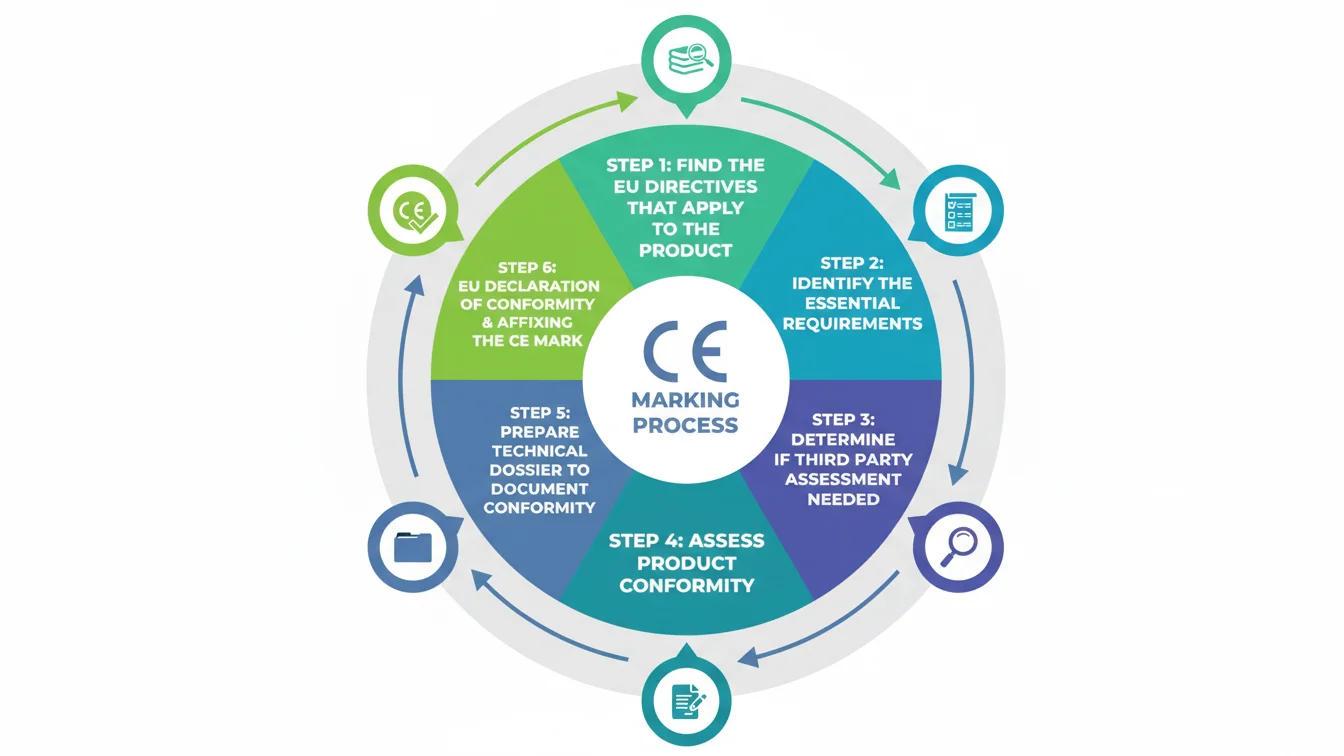
Comprender los requisitos CE, RoHS y los requisitos básicos de exportación
La certificación CE es un marcador fundamental para garantizar que las aspiradoras domésticas cumplen las normas de la Unión Europea en materia de seguridad, salud y protección del medio ambiente. En concreto, el marcado CE garantiza que un producto cumple los requisitos de seguridad eléctrica (a través de la Directiva de Baja Tensión, LVD), compatibilidad electromagnética (CEM) y el impacto medioambiental más amplio, incluido el ecosistema. Estas normas son esenciales para la entrada en el mercado de la UE, y el propio marcado CE indica que el producto ha sido sometido a pruebas rigurosas y cumple todas las directivas necesarias.
La directiva RoHS (Restricción de Sustancias Peligrosas) restringe el uso de determinados materiales peligrosos en productos eléctricos y electrónicos. El objetivo de la RoHS es reducir los riesgos para el medio ambiente y la salud asociados a estas sustancias, como el plomo, el mercurio y el cadmio, que pueden filtrarse en los ecosistemas si no se gestionan adecuadamente. Esto garantiza que las aspiradoras y otros aparatos sean más seguros tanto para los consumidores como para el planeta. En cuanto al etiquetado ERP (productos relacionados con la energía), se trata de un sistema obligatorio de la UE que etiqueta los productos en función de su eficiencia energética. Durante las inspecciones, las autoridades se centran en si se muestra la etiqueta correcta, si el producto cumple las normas de consumo energético y si los fabricantes aportan documentación suficiente sobre el rendimiento del producto en condiciones reales.
Un ejemplo real ilustra el riesgo: un envío a la UE estuvo retenido más de dos semanas en la aduana debido a una documentación ambigua sobre RoHS de un nuevo proveedor. Para resolver el problema fue necesario realizar nuevas pruebas urgentes y agilizar los trámites, lo que retrasó el lanzamiento del producto e incurrió en costes inesperados. La lección principal fue que la verificación de la documentación del proveedor antes del envío no es negociable.
| Estándar | Área de interés | Región primaria |
|---|---|---|
| Marca CE | Seguridad general, salud y protección del medio ambiente | Unión Europea (UE/EEE) |
| RoHS | Restricción de sustancias peligrosas en la electrónica | UE, Reino Unido y muchos otros mercados mundiales |
| FCC | Interferencias electromagnéticas (para dispositivos inalámbricos) | Estados Unidos |
Seguridad esencial de los productos: Pruebas, documentación y filtración
Unas pruebas adecuadas y el cumplimiento de las normas de seguridad y filtración son fundamentales para garantizar un proceso de exportación sin problemas y proteger a los consumidores. En el caso de las aspiradoras, esto implica una serie de procedimientos bien definidos. El primer paso es realizar pruebas de seguridad eléctrica de acuerdo con normas establecidas como la EN/IEC 60335-2-2. Estas pruebas verifican que el funcionamiento del producto es seguro y que no hay riesgo de descarga eléctrica. A continuación, las pruebas de EMC (Compatibilidad Electromagnética) garantizan que la aspiradora no interfiere con otros dispositivos eléctricos. Las pruebas RoHS también son obligatorias para verificar que el producto no contiene sustancias peligrosas como plomo o cadmio, restringidas por diversas normativas medioambientales. Una vez concluidas las pruebas, es esencial recopilar una documentación completa. Esto incluye una Declaración de Conformidad (DoC), informes de rendimiento y certificados de ensayo. Estos documentos son la piedra angular de la conformidad y deben presentarse en las inspecciones aduaneras.
En cuanto a la filtración, un aspirador con filtros HEPA debe demostrar su eficacia en la captura de partículas, sobre todo para su uso en entornos sensibles como hospitales o salas blancas. Estos filtros deben cumplir normas internacionales como EN 1822 o IEC 60335-2-69. Para demostrar la eficacia del filtro HEPA, los fabricantes deben proporcionar resultados de pruebas que demuestren que el filtro elimina al menos el 99,97% de las partículas suspendidas en el aire que miden 0,3 micrómetros. Si estos filtros no cumplen la eficacia exigida, el producto no puede comercializarse en las regiones donde se aplican estas normas. No basta con realizar estas pruebas; la documentación debe prepararse meticulosamente y actualizarse con regularidad, ya que el incumplimiento de estos criterios puede dar lugar a costosos retrasos o rechazos en las aduanas.
Normas UL, IEC y HEPA: Lo que todo producto necesita
UL 60335 es la norma clave para la seguridad de los electrodomésticos, ya que aborda los riesgos de descarga eléctrica e incendio. Su cumplimiento evita los riesgos derivados de componentes defectuosos. La norma IEC 60335-2-2 describe específicamente los requisitos de rendimiento y seguridad funcional de las aspiradoras durante su uso normal. Juntas, estas normas reconocidas en todo el mundo constituyen la referencia para demostrar la seguridad de los productos y garantizar su entrada en el mercado.
Los filtros HEPA (High-Efficiency Particulate Air) suelen ser obligatorios en entornos donde la calidad del aire es crítica, como hospitales y salas blancas. Los filtros HEPA deben eliminar al menos el 99,97% de partículas de hasta 0,3 micras para cumplir las estrictas normas de filtración de aire. Para demostrar que un filtro cumple los requisitos, los fabricantes deben realizar ensayos según directrices reconocidas, como la norma EN 1822, y presentar certificados de ensayo que demuestren su conformidad. El proceso de certificación implica verificar la eficacia del filtro mediante pruebas de laboratorio y preparar un expediente técnico que incluya informes detallados y documentos de apoyo a efectos de auditoría y certificación.
Lista de control de la documentación esencial
- Expediente Técnico de Construcción (TCF): Contiene todos los esquemas de diseño, listas de componentes y evaluaciones de riesgos.
- Declaración de conformidad (DoC): Un documento legal firmado por el fabricante en el que se declara que el producto cumple todas las directivas aplicables.
- Certificados de pruebas de terceros: Informes de laboratorio que verifican el cumplimiento de normas como LVD, EMC y RoHS.
- Informes de auditoría de fábrica: Prueba del control de calidad de la fabricación y de la coherencia del proceso.
- Manual del usuario e ilustraciones de etiquetado: Debe incluir todas las advertencias de seguridad y marcas de conformidad exigidas (por ejemplo, símbolo CE, RAEE).

Filtración de partículas, códigos IP y controles de riesgo
La filtración HEPA es fundamental para los aspiradores utilizados en entornos peligrosos o sensibles, como hospitales, laboratorios y salas blancas, donde incluso las partículas microscópicas suspendidas en el aire pueden suponer un riesgo para la salud o la contaminación. Los filtros HEPA certificados, normalmente clasificados según las normas EN 1822 o IEC 60335-2-69, están diseñados para capturar al menos el 99,97% de las partículas de 0,3 micrómetros, el tamaño de partícula más penetrante. En la práctica, este nivel de filtración se convierte en obligatorio para los aspiradores de uso industrial o médico, y los compradores deben asegurarse de que las pruebas realizadas por terceros verifiquen tanto la eficacia del medio filtrante como el rendimiento hermético de todo el sistema. Sin una filtración HEPA verificada, los aspiradores pueden no superar las auditorías de conformidad y quedar restringidos para su uso en entornos regulados.
Los códigos de protección contra la penetración (IP), definidos en la norma IEC 60529, indican hasta qué punto la carcasa de una aspiradora resiste la penetración de polvo y agua, una medida esencial de seguridad y durabilidad. El primer dígito representa la protección contra sólidos (0-6), y el segundo abarca los líquidos (0-9). Por ejemplo, un modelo IPX4 resiste las salpicaduras, mientras que un aspirador IP5X limita la entrada de polvo para prolongar la vida útil del equipo. A continuación se muestra una tabla de referencia rápida para las clasificaciones de vacío típicas y sus aplicaciones:
| Código IP | Nivel de protección | Caso típico |
|---|---|---|
| IP20 | Protección básica contra el tacto; no es resistente al agua | Entornos domésticos interiores y secos |
| IPX4 | Resiste salpicaduras de agua desde cualquier dirección | Limpieza general del hogar o de comercios ligeros |
| IP5X | Entrada de polvo limitada, sin depósitos nocivos | Talleres, entornos semiindustriales |
| IPX5 | Protegido contra chorros de agua a baja presión | Modelos de aspiración exterior o húmeda |
| IP6X/IPX7 | Completamente estanco al polvo y resistente a la inmersión temporal | Aplicaciones industriales especializadas o críticas para la seguridad |
Comprender estos códigos IP ayuda a los compradores e ingenieros a adaptar los modelos de vacío a los entornos previstos, minimizando los riesgos de cortocircuitos, corrosión e incumplimiento de la normativa. Para obtener más información sobre la interpretación de estas clasificaciones, consulte nuestra guía Understanding IP Ratings (en inglés). .
Los fracasos en el cumplimiento de la normativa en el mundo real suelen deberse a pasos que se pasan por alto en la cadena de suministro y la documentación. Las certificaciones no verificadas, los componentes mal etiquetados o los documentos RoHS no coincidentes pueden detener los envíos y provocar retrasos costosos. Por ejemplo, un envío estuvo retenido en la aduana de la UE durante semanas debido a la ambigüedad de la documentación del proveedor, un problema que sólo se resolvió tras una amplia comunicación. Los compradores deben comprobar meticulosamente todas las fases de cumplimiento para evitar estas interrupciones y posibles retiradas de productos.
Para evitar estos fallos de cumplimiento, los compradores deben poner en práctica una sencilla lista de comprobación a seguir desde el momento de la contratación de la fábrica. Esta lista de comprobación debe incluir la verificación de las certificaciones más recientes, la garantía de un etiquetado preciso, la confirmación del origen de los materiales y la comprobación de que se dispone de toda la documentación necesaria. Además, establecer expectativas claras con los proveedores y realizar auditorías periódicas puede ayudar a mitigar los riesgos antes de que se conviertan en problemas costosos. Tomar estas medidas proactivas reducirá significativamente la probabilidad de retenciones de envíos, multas o desafíos legales que pueden perjudicar a la empresa.
Fallos comunes y cómo evitarlos
Muchos envíos de aspiradoras sufren retrasos o son rechazados debido a fallos de conformidad evitables: principalmente, documentación no coincidente (como una declaración de conformidad que hace referencia a un producto o norma equivocados), certificados de pruebas caducados o no actualizados y falta de trazabilidad de plásticos y componentes eléctricos. Especialmente en el caso de los modelos inalámbricos, omitir la etiqueta FCC o no registrar los módulos inalámbricos puede provocar retenciones aduaneras inmediatas en Estados Unidos, mientras que el uso de resina plástica no verificada expone a los compradores a incumplimientos de la directiva RoHS en la UE o el Reino Unido. Cada una de estas lagunas se traduce en costes significativos: reenvío, reembalaje o incluso retirada total del producto.
La prevención de estos escollos se reduce a rigurosos controles previos al envío. Cada lote debe someterse a una inspección de Control de Calidad (CC), todas las etiquetas (CE, RoHS, FCC, ERP) deben coincidir tanto con el producto como con los documentos de envío, y los certificados deben ser validados tanto en autenticidad como en referencias a normas vigentes. La trazabilidad -conocer el lote y el origen del proveedor de plásticos y otros materiales críticos- debe garantizarse mediante la documentación de la cadena de suministro. Por ejemplo, un comprador descubrió que un proveedor había sustituido un plástico más barato y sin certificación RoHS en las últimas fases de producción. El resultado: se incautaron envíos enteros, lo que obligó a realizar costosas repeticiones y pruebas. Para evitar este tipo de situaciones, los importadores deben solicitar siempre certificaciones actualizadas de los materiales y confirmar los informes de ensayo RoHS específicos de cada lote antes de autorizar la liberación de la producción. Los recursos de gestión de riesgos de importación ofrecen una lista completa de comprobación de las mejores prácticas.
| Incumplimiento | Consecuencia |
|---|---|
| Certificación no coincidente/no actualizada | Retención aduanera, devolución del envío o retirada total |
| Fuente de plástico no verificada (RoHS Fail) | Prohibición legal, destrucción de bienes, pérdida de reputación |
| Falta etiqueta FCC (inalámbrico) | Entrada denegada en EE.UU., posibles multas |
| Falta de trazabilidad de los lotes | Incapacidad para responder a la retirada, mayor exposición del producto |
Variaciones regionales: Adaptación a las demandas de la UE, el Reino Unido y Norteamérica
El marcado CE es un requisito de cumplimiento fundamental para los productos que entran en el mercado de la UE, ya que garantiza la conformidad con las normas de seguridad, salud y protección del medio ambiente. Sin embargo, con el Brexit, el Reino Unido opera ahora con su propia marca UKCA (UK Conformity Assessed), que, aunque similar a la marca CE, es distinta y requiere documentación separada para los productos que entran en el Reino Unido. Tanto la marca CE como la UKCA exigen el cumplimiento de las directivas RoHS (Restricción de Sustancias Peligrosas), pero la normativa británica es ligeramente diferente en cuanto a restricciones químicas. La directiva RAEE (Residuos de Aparatos Eléctricos y Electrónicos) también varía según la región, con obligaciones específicas para los productores de responsabilizarse del reciclado y la eliminación tanto en la UE como en el Reino Unido.
En Norteamérica, la Comisión Federal de Comunicaciones (FCC) regula las interferencias electromagnéticas de los productos electrónicos de consumo, incluidos los aspiradores inalámbricos con conectividad inalámbrica. Para estos productos, es obligatorio cumplir la Parte 15 de la FCC para garantizar que no interfieren con los sistemas de comunicación. Los requisitos de etiquetado de los productos relacionados con la energía también difieren de una región a otra: la UE exige etiquetas específicas de eficiencia energética, mientras que Estados Unidos y Canadá tienen sus propios requisitos. La falta de coincidencia de las etiquetas ERP entre regiones puede provocar retrasos en las aduanas o incluso acciones legales, ya que cada país exige una etiqueta que cumpla las normas y reglamentos locales.
¿Qué ocurre si una etiqueta ERP no coincide con la región de importación?
R: Si la etiqueta ERP de un producto no cumple los requisitos de la región de importación, se marcará durante la inspección aduanera. El resultado es la retención del envío, el reetiquetado obligatorio a cargo del importador o incluso el rechazo de todo el envío. Asegurarse de que se aplica la etiqueta regional correcta antes de la exportación es fundamental para evitar estas sanciones costosas y lentas.
Pasos prácticos para agilizar el cumplimiento: Del diseño a la entrega
El éxito en el cumplimiento de la normativa sobre aspiradoras comienza en la fase de diseño del producto, mucho antes de la fabricación o los trámites de exportación. Empiece por identificar todos los requisitos del mercado de destino (CE, RoHS, ERP, FCC, etc.) y, a continuación, comunique estas normas a sus equipos de ingeniería y aprovisionamiento para que las normativas de seguridad, medio ambiente y energía se incorporen directamente a las especificaciones del producto y a las opciones de la cadena de suministro. Las primeras conversaciones con su proveedor chino ODM u OEM deben hacer hincapié en la necesidad de componentes certificados, la transparencia en el abastecimiento de materiales y el intercambio proactivo de informes de pruebas y documentos de conformidad pertinentes.
Una vez finalizado el diseño de conformidad, establezca un flujo de trabajo que incluya: examen de las materias primas; pruebas de muestras y lotes para comprobar el cumplimiento de las normas RoHS y de seguridad; mantenimiento actualizado de las declaraciones de conformidad (DoC); y comprobaciones previas al envío para garantizar que el etiquetado, la documentación y las marcas del producto cumplen las expectativas normativas. Haga de la conformidad un hito rutinario en el calendario de su proyecto, no un obstáculo de última hora. Una comunicación clara y por escrito -idealmente a través de cláusulas de cumplimiento y listas de comprobación detalladas en su acuerdo con el proveedor- garantiza que todas las partes permanezcan alineadas, reduce los retrasos en las aduanas y fomenta una aprobación más fluida de las importaciones en todos los mercados de destino.
Una hoja de ruta gradual para equipos y fábricas
Para agilizar el cumplimiento de las normas de vacío, es esencial contar con un flujo de trabajo organizado. Comience con el diseño del producto, asegurándose de que los materiales y componentes cumplen los requisitos de certificación como CE, RoHS y ERP. Tras la fase de diseño, el proceso de aprovisionamiento debe dar prioridad a los materiales certificados que cumplan las normas medioambientales y de seguridad. A continuación, complete la documentación necesaria, incluidas las auditorías de fábrica y los informes de pruebas. Una vez que la documentación esté en su sitio, organice pruebas de terceros para validar que el producto cumple las normas de seguridad, eléctricas y de rendimiento. Por último, realice comprobaciones previas al envío para verificar que se cumplen todos los requisitos de conformidad, desde el embalaje hasta el etiquetado. Este enfoque gradual minimiza los riesgos y garantiza unas operaciones de exportación fluidas.
Los acuerdos con los proveedores deben estructurarse de modo que incluyan garantías claras de cumplimiento. Defina responsabilidades específicas en materia de pruebas, documentación y certificación de productos. Un acuerdo bien redactado debe especificar la documentación de cumplimiento exigida, los plazos para la certificación y las sanciones por incumplimiento. Los compradores deben solicitar a los proveedores una lista de comprobación detallada para asegurarse de que cada nueva SKU supera las auditorías de producto y documentación antes de la importación. Esta lista de comprobación sirve de salvaguarda para evitar retrasos y costosos problemas en las aduanas.
Soluciones personalizadas de aspiración doméstica
Construya su marca con los versátiles aspiradores domésticos de KelyLands, que ofrecen una potente succión, un diseño inteligente y opciones completas de personalización OEM para satisfacer las necesidades de su mercado.

Conclusión
La conformidad no es una comprobación puntual; exige una gestión proactiva desde la concepción del producto hasta su envío. Verificar cada etapa -desde los materiales y la documentación hasta las pruebas finales- es la única forma de superar con fiabilidad los obstáculos a la importación y evitar pérdidas económicas. En última instancia, los compradores que establecen relaciones directas y transparentes con los proveedores ahorran tiempo y se aseguran el acceso al mercado a largo plazo.
Revise el cumplimiento de su cadena de suministro cada temporada y no dude en asociarse con fabricantes de equipos originales expertos para mantener sus aspiradoras preparadas para la exportación y fiables.
Preguntas frecuentes
¿Qué pruebas son obligatorias antes de la exportación?
Antes de exportar una aspiradora, los fabricantes deben asegurarse de que el producto supera varias pruebas críticas de conformidad que verifican tanto la seguridad como la responsabilidad medioambiental. Los cimientos empiezan por pruebas de seguridad eléctrica, que suele realizarse conforme a las normas EN/IEC 60335-2-2, para confirmar la protección contra descargas eléctricas, sobrecalentamiento y riesgos mecánicos. Además, Compatibilidad electromagnética (CEM) garantiza que el aparato no emite ni es vulnerable a interferencias electromagnéticas excesivas, una comprobación esencial para todos los aparatos con alimentación en mercados internacionales.
El cumplimiento de la normativa medioambiental es igualmente importante. Análisis de materiales RoHS las pruebas identifican sustancias restringidas como plomo, cadmio, mercurio y ftalatos en los componentes, mientras que pruebas de rendimiento y resistencia evalúa la potencia de aspiración, la vida útil del motor y la durabilidad en funcionamiento continuo. Para modelos con control de polvo fino o alérgenos, Eficacia del filtro HEPA se requieren pruebas para confirmar los estándares de retención de partículas (a menudo ≥99,97% a 0,3μm). Cada producto debe contar con documentación completa -incluidos informes de pruebas y un Declaración de conformidad-listos para su inspección por las aduanas o los organismos notificados en el mercado de destino.
¿Cuál es el periodo de validez de la CE?
La validez del marcado CE no está definida por un periodo de caducidad fijo. Una vez que un producto ha obtenido el marcado CE, la certificación sigue siendo válida mientras el producto, las normas aplicables y el proceso de fabricación no sufran cambios significativos. Sin embargo, si se producen actualizaciones o modificaciones en la normativa pertinente o en el diseño o los componentes del producto, puede ser necesaria una nueva evaluación de la conformidad o una recertificación para garantizar que se sigue cumpliendo. Los fabricantes son responsables de garantizar que sus productos sigan siendo conformes durante todo su ciclo de vida, con comprobaciones y actualizaciones periódicas según sea necesario para adaptarse a cualquier norma en evolución.
¿Los modelos inalámbricos necesitan una FCC independiente?
Sí, las aspiradoras sin cable que incorporan conectividad inalámbrica o emiten señales de radio, como Bluetooth, Wi-Fi u otras tecnologías de comunicación, deben cumplir los requisitos de la Parte 15 de la FCC antes de poder entrar en el mercado estadounidense. Esta normativa está diseñada para evitar interferencias con otros dispositivos electrónicos y garantizar que el producto funcione dentro de las bandas de radiofrecuencia designadas. Los fabricantes deben presentar la documentación de pruebas y la certificación adecuadas para demostrar el cumplimiento de estas normas, y el producto debe llevar la etiqueta correspondiente para confirmar su conformidad con las directrices de la FCC. Este paso es crucial para garantizar que los modelos inalámbricos puedan venderse y utilizarse legalmente en Estados Unidos.
¿Qué pasa si el plástico no cumple la directiva RoHS?
Si algún componente de plástico no supera las pruebas RoHS -por ejemplo, si contiene niveles restringidos de sustancias peligrosas como plomo, cadmio o ftalatos-, el producto no podrá importarse legalmente en los mercados de la UE o el Reino Unido. El cumplimiento de la directiva RoHS (Restricción de Sustancias Peligrosas) es obligatorio en estas regiones, y los productos que no la cumplan se enfrentarán a graves retenciones en los envíos, retrasos en el despacho de aduanas o el rechazo total. En estos casos, las piezas de plástico afectadas deben sustituirse por alternativas que cumplan la normativa RoHS. Una vez realizados los cambios, es necesario volver a realizar pruebas para confirmar la conformidad antes de que el producto pueda exportarse.
Este proceso garantiza que todos los materiales utilizados en un producto cumplen las normas de seguridad medioambiental establecidas por la RoHS. El incumplimiento de estas normas puede acarrear costosos reprocesamientos y daños a la reputación, por lo que es esencial que los fabricantes comprueben minuciosamente los materiales y garanticen su cumplimiento antes de finalizar sus envíos de exportación. Las empresas deben aplicar procedimientos rigurosos de abastecimiento y ensayo de materiales para evitar encontrarse con estos problemas.
¿Las etiquetas ERP pueden variar según la región?
Sí, los requisitos de la etiqueta ERP (Productos relacionados con la energía) de eficiencia energética pueden variar significativamente según la región. Por ejemplo, en la UE, la etiqueta ERP indica la eficiencia energética de aparatos como las aspiradoras, pero el formato exacto, el código de colores y la escala de clasificación energética pueden diferir si se comparan con las normas de etiquetado del Reino Unido. En ambas regiones, sin embargo, los productos deben cumplir la normativa específica de su mercado de destino. Por lo tanto, es fundamental que los fabricantes y exportadores verifiquen los requisitos exactos de cada región en la que pretendan vender, asegurándose de que cada producto muestre la etiqueta energética correcta y cumpla las normas medioambientales y de eficiencia locales.
El incumplimiento de estas variaciones regionales puede acarrear retrasos aduaneros, multas o la retención del producto en el mercado. Es aconsejable que los exportadores se mantengan al día de cualquier cambio en la normativa de etiquetado, ya que puede afectar a la comercialización del producto y a la confianza del consumidor. Para evitar problemas, es esencial conocer a fondo los requisitos de ERP tanto de la UE como del Reino Unido, así como otras normas regionales, para entrar en el mercado sin problemas y seguir cumpliéndolos.

 English
  Español
  Français
  Deutsch
  Português do Brasil
  Русский
  한국어
한국어  日本語
日本語  العربية