 Saltar al contenido principal Saltar al pie de página

Optar por defecto por el Wi-Fi en la arquitectura de hogares inteligentes genera inmediatamente un cuello de botella de ingeniería, que consume 1 W por módulo e impone un ‘impuesto de Wi-Fi’ de 5 Mbps por cada 10 dispositivos añadidos. Con datos reales que muestran una tasa de fallo del 64% en implementaciones de IoT no optimizadas, depender de protocolos de alto ancho de banda para tareas simples de sensores es un factor determinante de inestabilidad de la red y de un consumo excesivo de energía.
Este artículo analiza el cambio técnico hacia alternativas de bajo consumo como Zigbee y Bluetooth LE 5.2, examinando cómo el estándar Matter unifica estos ecosistemas a través de Thread para garantizar la ejecución local. Además, evaluamos la economía de la infraestructura de AWS IoT Core frente a Google IoT para ayudar a los ingenieros a equilibrar la capacidad de respuesta de la experiencia de usuario con los presupuestos de alimentación del hardware y los costes operativos.
El mito del Wi-Fi obligatorio en los hogares inteligentes
Hogares inteligentes no requieren Wi-Fi. Protocolos como Zigbee y Thread utilizan 90% menos energía, evitan la congestión del router y ofrecen control local incluso cuando se corta internet.
Protocolos alternativos: Zigbee, Z-Wave y Thread
Hogar inteligente La ingeniería a menudo prioriza el enrutamiento en malla sobre un hub central de Wi-Fi. Estos protocolos permiten que los dispositivos retransmitan señales entre sí. Esto amplía el alcance sin sobrecargar el ancho de banda ni la capacidad de procesamiento de su router.
- Consumo de energía: BLE y Zigbee operan a ~0,1 W, lo que supone una reducción del 90% comparado con el 1 W que necesitan los módulos Wi-Fi.
- Integración Matter: Los dispositivos modernos utilizan Thread y BLE para la puesta en marcha, evitando la necesidad de una SSID Wi-Fi dedicada para cada sensor.
- Mitigación de interferencias: Al utilizar frecuencias sub-GHz o canales específicos de 2.4 GHz, estos protocolos evitan la congestión propia de los entornos IEEE 802.11 estándar.

Gestión del ancho de banda y escalabilidad ingenieril
Cada 10 dispositivos Wi-Fi extraen 5 Mbps adicionales de su red. Las instalaciones de alta densidad generan un “impuesto Wi-Fi” que ralentiza teléfonos y portátiles. La ingeniería inteligente reserva el Wi-Fi para tareas de alto ancho de banda mientras traslada los sensores a protocolos mesh.
- Asignación de rendimiento: El Wi-Fi 7 maneja 46 Gbps para vídeo en 4K, mientras que los canales de banda estrecha de 20 MHz gestionan funciones simples como bomba de aire interruptores.
- Ejecución local: Los protocolos no Wi-Fi permiten el control centralizado local. Su conectividad mediante aplicación permanece funcional aunque falle el proveedor de Internet (ISP).
- Escalado de la red: Los protocolos mesh basados en hub evitan la sobrecarga del router que suele causar la incorporación de docenas de dispositivos inteligentes con bajo consumo de datos.
El uso del protocolo adecuado para cada caso de uso garantiza una red estable. El Wi-Fi destaca en la transmisión de archivos grandes y flujos de vídeo, pero Zigbee, Z-Wave y Thread proporcionan la base de baja latencia y bajo consumo energético indispensable para un hogar inteligente verdaderamente escalable.
Conectividad de aplicaciones
Bluetooth LE, Wi-Fi y NB-IoT conectan los accesorios para automóvil con smartphones, permitiendo el control en tiempo real de neveras y Los cargadores para vehículos eléctricos bombas de aire, al tiempo que equilibran el consumo de energía y el rendimiento de datos.
Protocolos estándar: Bluetooth LE, Wi-Fi e IoT Mesh
La selección de conectividad depende del presupuesto de energía y del volumen de datos transmitidos entre el accesorio del vehículo y la interfaz del smartphone. Los ingenieros priorizan el bajo consumo de energía para sensores dependientes de batería, mientras utilizan bandas más anchas para sistemas de alto voltaje, como los cargadores.
- Bluetooth LE (5.2): Opera en la banda ISM de 2,4 GHz con una velocidad de transmisión de 2 Mbps y un consumo de energía en el orden de los microamperios.
- Integración Wi-Fi: Proporciona una velocidad de transmisión de 10-20 Mbps, pero requiere un consumo promedio de 120 mA, alcanzando picos de hasta 800 mA.
- Zigbee and Thread: 250kbps throughput over 30-100m ranges using mesh networking for sensor-to-gateway links.
- Cellular IoT: NB-IoT and LTE-M support global bands with peak power handling up to 2A for remote industrial use.
Functional Integration in Automotive Accessories
Hardware manufacturers integrate these protocols to provide end-users with granular control over electrical parameters and mechanical outputs. Smartphone apps act as the primary human-machine interface (HMI) for these devices.
- Smart Fridge Control: Modules enable temperature monitoring down to -20°C and adjustable battery protection thresholds.
- EV Charging Management: OCCP 1.6/2.0 protocols facilitate scheduled charging and current adjustments up to 22kW.
- Digital Air Pumps: Apps set target pressures up to 150 PSI and monitor inflation cycles in real-time.
- Low-Power Architecture: Bluetooth 4.2/Smart BLE maintains device links with minimal impact on vehicle la vida útil de la batería.
The Matter standard is now unifying these ecosystems over Thread and BLE, allowing cross-protocol interoperability. This reduces reliance on dedicated Wi-Fi bandwidth for simple sensor tasks, offloading traffic to low-power mesh networks.
Análisis de costes de infraestructura vs. experiencia de usuario
Balancing IoT costs requires matching protocol bandwidth to UX needs: LoRaWAN ($4-$6/year) suits basic monitoring, while data-heavy Cellular ($12+) supports responsive, real-time car accessory features.
| Componente de Costo | Entry-Level / Basic | Advanced / Enterprise |
|---|---|---|
| App Development | $45,000 – $100,000 | $300,000 – $500,000+ |
| Cloud (400k Messages) | $183.60 (AWS IoT) | $1,382.40 (Google IoT) |
| Connectivity (per device) | $4 – $6/year (LoRaWAN) | $12+/year (Cellular) |
| Hardware Unit Cost | $10 – $50 (Sensors) | $200 – $5,000 (Gateways) |
Core Cost Drivers and the Software-Hardware Balance
Software development consumes 40-50% of the total budget. Integration complexity triggers 40-60% budget overruns, making early modular logic essential for capping outlays. Hardware components typically represent another 30-40% of initial project expenses.
- Simple Apps: $45,000–$100,000 for basic data logging and limited device support.
- Mid-Range Solutions: $100,000–$300,000 for real-time data and cloud storage for up to 50 devices.
- Enterprise Platforms: $300,000–$500,000+ for AI/ML integration and multi-device synchronization.
- Edge Computing: $200–$5,000 per unit for high-performance gateways that reduce latency.
Connectivity Protocols and Cloud Infrastructure Economics
Cloud provider pricing models drastically shift operational margins. AWS IoT Core charges $0.042 per device annually for basic messaging, while Google IoT Core reaches $1,382.40 for the same volume. Selecting the wrong protocol or provider can inflate data processing budgets by thousands of dollars before scaling begins.
- AWS IoT Core: $183.60 for 400,000 messages.
- Azure IoT Hub: $10–$25 per unit monthly ($250 for 400,000 messages).
- Low-Bandwidth Connectivity: LoRaWAN ($4–$6/year) or NB-IoT ($6–$12/year).
- High-Bandwidth UX: Cellular ($12+) supports data-intensive, responsive features.
- Premium Features: AI/ML integration ($50k–$200k) and security compliance ($15k–$50k).
Escale su marca con soluciones de aspiración OEM/ODM de alto rendimiento

Datos de rendimiento: métricas de fiabilidad para conectividad
Connectivity reliability is measured by SNR and latency benchmarks, with data showing a 64% failure rate for IoT devices under non-optimized real-world conditions.
| Métrica técnica | Benchmark / Value | Hardware Context |
|---|---|---|
| Target Latency | < 3 Seconds | SIM7000G Cellular Modules |
| Real-World Failure Rate | 64% | Non-optimized IoT deployments |
| Data Throughput | 0.3 to 50 kB/s | LoRaWAN LPWAN Networks |
| Operational Power | ~0.1W | BLE, Zigbee, Thread Protocols |
| Gateway Capacity | 10,000 Devices | LoRaWAN Star-of-Stars Topology |
Fundamental Metrics: RSSI, SNR, and Latency Benchmarks
Connectivity reliability is a physics-based calculation, not a marketing estimate. Engineers use specific indicators to diagnose why hardware loses communication with mobile apps. If the signal-to-noise ratio drops, packet loss increases and error rates climb rapidly.
- Signal-to-Noise Ratio (SNR): The primary metric for determining wireless signal quality and minimizing transmission errors.
- Relative RSSI: Used to correlate signal strength drops directly with increased latency spikes during hardware testing.
- Latency Threshold: A benchmark of under 3 seconds (including a 15% safety margin) is required for reliable cellular module performance.
- Network Response Time: Acts as a KPI for evaluating how efficiently a device communicates with its gateway.
Network Scalability and Real-World Failure Analysis
Scalability depends on protocol selection. While Wi-Fi handles high-bandwidth tasks like video streaming, it consumes roughly 1W of power. Low-power alternatives like Zigbee or BLE consume 0.1W, allowing for massive device counts without taxing local network bandwidth.
- Protocol Throughput: LoRaWAN networks balance power and range with data rates between 0.3 and 50 kB/s.
- Bandwidth Scaling: Standard installations require approximately 5 Mbps of bandwidth for every 10 smart devices added to the network.
- Failure Modeling: Reliability Block Diagrams (RBDs) model failure rates across device and cloud layers using exponential distributions.
- Matter Interoperability: This standard uses Thread and BLE for commissioning, reducing total reliance on Wi-Fi for device-to-device communication.
Real-world data shows 64% of IoT devices fail due to intermittent connections, unpatched vulnerabilities, or environmental interference. Reliability requires moving beyond lab simulations to test hardware under scaled traffic and real-world RF environments.

Recomendaciones estratégicas para directores de productos IoT
Align application protocols with hardware limits by using lightweight MQTT for low-power BLE/Zigbee and GSMA standards for cellular IoT to manage latency and power constraints.
Aligning Communication Protocols with Hardware Power and Bandwidth
Application-layer protocols determine device longevity. Using HTTP on constrained links creates unnecessary overhead that drains batteries and bottlenecks throughput. Product managers should prioritize lightweight alternatives like MQTT or CoAP for devices running on short-range radios.
- Bluetooth Low Energy (BLE 5): 1–2 Mbps throughput with microampere average current draw.
- Zigbee (IEEE 802.15.4): 250 kbps data rate optimized for tens of microamperes.
- Wi-Fi (802.11): 10–20 Mbps throughput but requires up to 800 mA peak current, limiting it to line-powered hardware.
Reserve Wi-Fi for high-bandwidth tasks like firmware updates or media streaming. For sensors relying on microampere budgets, keep the radio in deep-sleep modes and use asynchronous interaction models to handle intermittent connectivity common in mesh environments.
Integrating Global Standards for Cellular and Mesh Scalability
Enterprise-scale deployments require protocols that handle thousands of nodes or wide-area coverage without crashing the user interface. GSMA IoT Device Application Requirements (DAR) provide the blueprint for making mobile apps resilient to the fluctuating speeds of cellular IoT.
- LTE-M (Cat-M1): 375 kbps typical uplink for mobile wide-area use.
- NB-IoT: 20–250 kbps uplink designed for high latency and deep indoor penetration.
- LoRaWAN: 250 bit/s to 11 kbit/s for ultra-low power over several kilometers.
- BLE Mesh/Zigbee: Supports device counts in the tens of thousands for campus-wide networking.
Product managers must design the app UI to manage sparse update cycles. When using LoRaWAN or NB-IoT, the interface should reflect data latency rather than expecting real-time polling, which exhausts device power and network capacity.
Conclusión: encontrar el punto óptimo de conectividad
Match hardware to three tiers: LPWA for sensors, LTE Cat-1 bis for mid-speed versatility, and 5G RedCap for high-bandwidth industrial use to optimize cost and performance.
A Banded Strategy for Technology Selection
IoT deployment requires segmenting devices by throughput and power requirements. Choosing the wrong tier leads to premature battery failure or unnecessary hardware overhead. A banded strategy ensures the radio matches the data lifecycle.
- LPWA Tier (NB-IoT/LTE-M): Optimized for massive sensor fleets. LTE-M provides a 7x coverage gain over legacy LTE, making it the standard for basement or remote deployments.
- Mid-Speed Tier (LTE Cat-1 bis): The current default for interactive devices. It supports 500 kbit/s uploads and 8 ms transaction times using a single-antenna design to keep BOM costs low.
- High-Performance Tier (5G RedCap): Designed for analytics-heavy workloads. It reduces silicon complexity by 65% compared to full 5G while maintaining 150 Mbit/s downlink speeds.
Comparative Benchmarks for Cost and Power Efficiency
Economic and technical envelopes drive the final hardware selection. Understanding the trade-offs between latency, module cost, and power draw is vital for maintaining industrial ROI over a 10-year device lifespan.
- Module Economics: LTE-M modules average US$20. For high-density fleets, connectivity tariffs can drop to US$0.01 per sensor monthly.
- Latency Performance: LTE Cat-1 bis outperforms NB-IoT significantly, processing small packets in 8 ms versus 400 ms.
- Eficiencia energética: 5G RedCap achieves up to 50% lower power consumption than standard LTE Cat-4 under similar workloads.
- Bandwidth Specs: NB-IoT operates on 200 kHz channels, while 5G RedCap utilizes 20 MHz channels to provide a 20x speed increase over LTE-M.
Engineering teams should treat LTE Cat-1 bis as the pragmatic middle ground for most interactive applications. Reserve LPWA for low-rate battery-powered sensors and transition to 5G RedCap only when network slicing or gigabit-class throughput becomes a functional requirement.
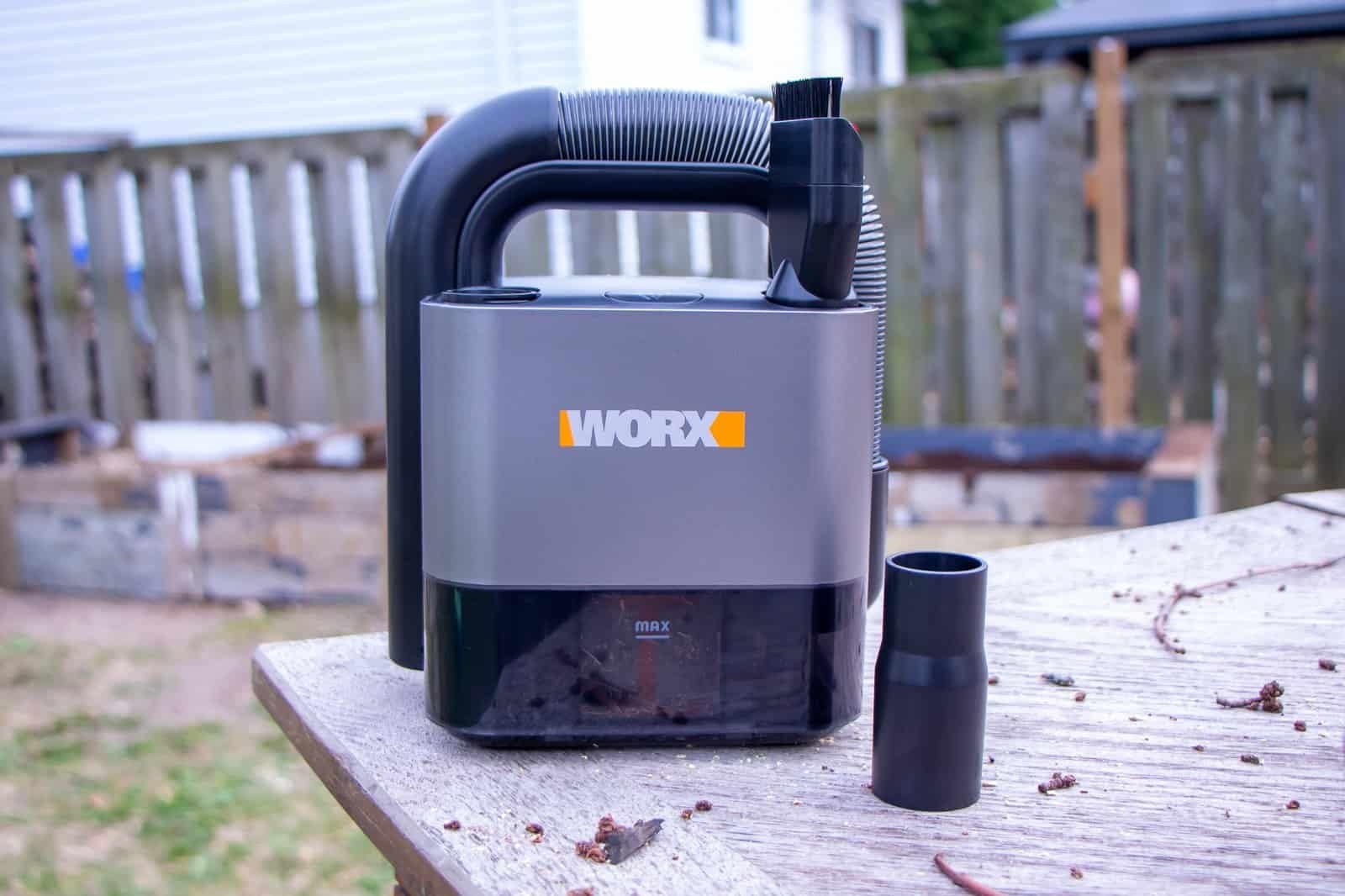
Reflexiones finales
Stop taxing your Wi-Fi with low-data sensors. Protocols like Thread and Zigbee cut power consumption by 90% and ensure local control remains functional even when your internet provider fails.
Transition to a Matter-certified hub immediately. This offloads sensor traffic to mesh networks, reserving Wi-Fi bandwidth for high-throughput tasks like 4K video streaming or large firmware updates.
Preguntas frecuentes
Does the portable vacuum include a Wi-Fi or Bluetooth module for connectivity?
Smart vacuums use Bluetooth modules like the HC-05 (2.45GHz) or combo Wi-Fi/Bluetooth chips like the Murata LBEE5WV2GF. These modules manage app-based suction control, movement, and real-time monitoring.
What user data is collected via the companion mobile application?
The application tracks cleaning history, navigation paths, operational status, and maintenance logs. IoT modules transmit this data to provide a clear view of device performance and usage patterns.
Can the App send push notifications for filter replacement or maintenance?
Yes. The system triggers alerts for maintenance tasks once usage thresholds are reached. Microcontrollers process these commands and send them directly to the app as push notifications.
What is the effective range and speed of the Bluetooth connection?
Standard modules like the HC-05 reach 10 meters with a 1Mbps transfer rate. High-performance modules, such as the GOC-BA440, utilize Bluetooth 5.0 to achieve UART speeds of 4Mbps for faster data synchronization.

 English
  Español
  Français
  Deutsch
  Português do Brasil
  Русский
  한국어
한국어  日本語
日本語  العربية