 Saltar al contenido principal Saltar al pie de página

La evaluación de la rentabilidad de la propiedad (coste de los surtidores de aire de las gasolineras) revela que depender de la infraestructura pública supone una sangría financiera recurrente para los gestores de flotas y los directores de seguridad. Las máquinas averiadas y las elevadas tasas provocan un derroche de combustible y un aumento de las horas de trabajo, lo que erosiona directamente los márgenes de beneficio anuales.
KelyLands aborda estas ineficiencias con infladores de 150 PSI de calidad industrial construidos para un uso profesional constante. Nuestro análisis compara la ingeniería de motores de cobre puro y los estándares de fabricación IATF 16949 con los equipos públicos para demostrar cómo la autosuficiencia garantiza el ahorro a largo plazo y la seguridad del vehículo.
El cartel de “averiado”: ¿por qué confiar en las máquinas averiadas de las gasolineras?
Las gasolineras ignoran los surtidores averiados porque los márgenes de combustible son muy estrechos. Poseer un inflador portátil KelyLands garantiza una fiabilidad de 150 PSI y elimina la frustración de los equipos públicos no funcionales.
Realidades del mantenimiento y tiempo de inactividad de los equipos
Las gasolineras operan con márgenes extremadamente estrechos, normalmente ganando sólo entre $0,03 y $0,07 por galón de combustible vendido. Con un beneficio diario de sólo unos cientos de dólares, los propietarios dan prioridad a la conformidad del sistema de combustible sobre las reparaciones de la bomba de aire. Los sistemas comerciales de aire comprimido requieren un mantenimiento significativo que a menudo drena cualquier ingreso que genere la máquina.
La carga financiera de mantener estas máquinas en línea incluye varios factores:
- Mantenimiento anual: Los costes oscilan entre 5% y 10% de la inversión total en equipos.
- Costes operativos: Elevado consumo eléctrico y frecuentes sustituciones de filtros.
- Vandalismo: Daños frecuentes en mangueras y boquillas en zonas desatendidas.
- Presión normativa: Los complejos cálculos de coste-beneficio suelen favorecer el mantenimiento de una máquina averiada fuera de servicio en lugar de financiar costosas actualizaciones.
Fiabilidad gracias al cobre puro Ingeniería de motores
KelyLands elimina el riesgo de la infraestructura pública proporcionando componentes internos de calidad industrial en un bastidor portátil. Utilizamos motores de cobre puro en lugar de las alternativas de aluminio más baratas comunes en las bombas de consumo de presupuesto. Esta elección de ingeniería garantiza que el dispositivo soporta el estrés térmico del inflado continuo sin fallos internos.
Los distribuidores y mayoristas B2B eligen nuestros herrajes por su rendimiento técnico constante en diversos tipos de vehículos:
- Presión máxima: 150 PSI (Compatible con coches, todoterrenos y motocicletas).
- Velocidad de inflado: 3-5 Minutos para un neumático estándar 195/65/R15.
- Disipación del calor: Las rejillas de ventilación integradas y la conductividad del cobre evitan el sobrecalentamiento.
- Certificación: Fabricado según las normas ISO 9001:2015 e IATF 16949.
El flujo de aire estable y la resistencia al calor son fundamentales para las herramientas de calidad profesional. Al ofrecer una solución personal con una capacidad de 150 PSI, proporcionamos a los usuarios un acceso inmediato al mantenimiento de los neumáticos, mejorando la eficiencia del combustible y la seguridad sin depender de un hardware de gasolinera descuidado.

Higiene y seguridad: Tocar máquinas sucias en aparcamientos oscuros.
Los infladores públicos acumulan bacterias y suciedad industrial. Los conductores utilizan ahora infladores portátiles personales para garantizar un entorno estéril y una mejor visibilidad durante las emergencias nocturnas en carretera.
Riesgos de higienización de los equipos comunes de alto contacto
El hardware de las gasolineras públicas actúa como vector principal de contaminación cruzada. A diferencia de las boquillas de combustible, que ocasionalmente se benefician de las propiedades disolventes del combustible, los mangos y las mangueras de las bombas de aire permanecen sin tratar y expuestos a la intemperie durante años. Miles de usuarios tocan estas superficies, dejando tras de sí un cóctel de patógenos y residuos.
- Contaminantes industriales: Los mangos de las bombas acumulan capas de grasa industrial, hollín diésel y suciedad de la carretera que se transfieren instantáneamente a la piel y al interior de los vehículos.
- Patógenos ambientales: Los equipos fijos en lotes al aire libre proporcionan una superficie estable para la acumulación de bacterias y alérgenos ambientales.
- Normas profesionales: Vemos cómo los gestores de flotas y los mayoristas de automoción se decantan por herramientas personales como el inflador KelyLands para mantener los niveles de higiene en los espacios logísticos compartidos.
Iluminación LED integrada para la seguridad vial
Los surtidores de aire de las gasolineras suelen situarse en los rincones más oscuros y aislados del aparcamiento para evitar el paso del tráfico. Esta ubicación crea una importante vulnerabilidad de seguridad para los conductores durante el mantenimiento nocturno. Los infladores portátiles personales solucionan este problema llevando la fuente de luz directamente al neumático.
- Iluminación de alta intensidad: Las unidades KelyLands incorporan LED que iluminan el espacio de trabajo, lo que elimina la necesidad de utilizar luces externas o una linterna aparte.
- Función SOS de emergencia: Nuestros modelos multifuncionales incluyen un modo de luz SOS específico para pedir ayuda en caso de averías nocturnas peligrosas en carreteras con mucho tráfico.
- Posicionamiento seguro: Los diseños portátiles sin cables permiten a los usuarios inflar los neumáticos en una zona segura y bien iluminada o en un garaje cerrado, en lugar de verse obligados a hacerlo en un lugar público vulnerable.
La elección de un inflador personal elimina el contacto físico con equipos comunitarios insalubres y aborda los riesgos inherentes al trabajo en entornos mal iluminados. Este cambio refleja una creciente demanda de herramientas que den prioridad a la salud personal del usuario y a la seguridad de la situación.
Amplíe su marca con infladores portátiles personalizados
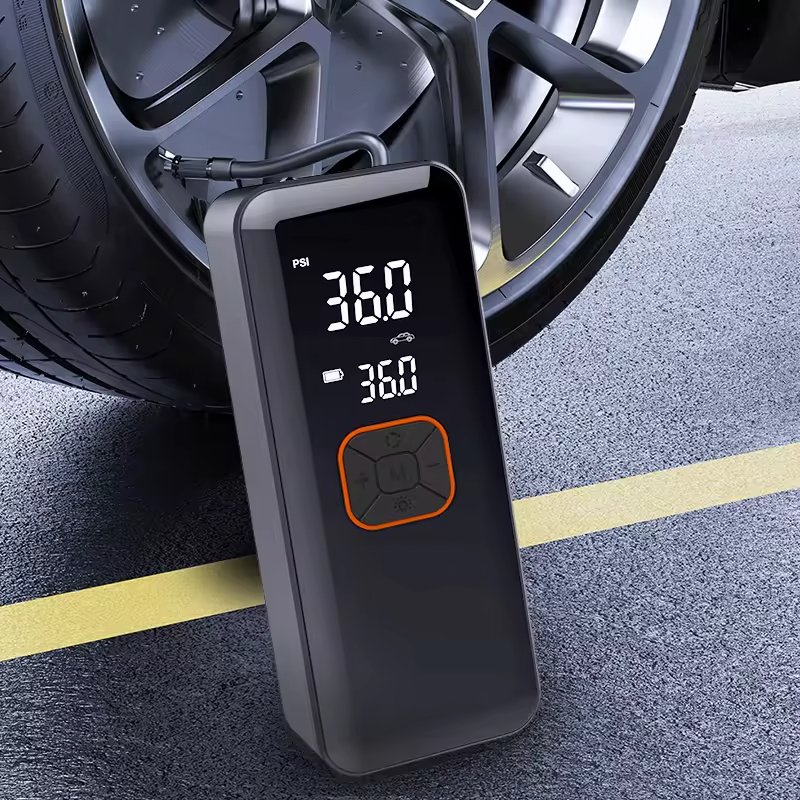
Matemáticas de costes: $2,00 por llenado frente a gratis en casa (amortización en 1 año)
Un inflador portátil $35 se amortiza en 12 meses al eliminar $3,00 gastos de gasolinera, al tiempo que mejora la eficiencia del combustible y prolonga la vida útil de los neumáticos.
| Métrica financiera | Bomba de aire para gasolineras | Inflador portátil KelyLands |
|---|---|---|
| Coste por sesión | $2.50 - $3.00 (5 minutos) | $0.00 |
| Coste anual (12 llenos) | $30.00 - $36.00 | $0.00 (Post-compra) |
| Periodo de amortización | Nunca | 10 - 12 meses |
| ROI oculto | Combustible y tiempo perdidos | +3% MPG y larga vida útil de los neumáticos |
Cálculo del ahorro anual frente al canon público del aire
Los surtidores de aire públicos pasaron de ser un servicio de cortesía a una fuente de ingresos de alto margen para los propietarios de gasolineras. En 2026, muchas estaciones cobrarán hasta $3,00 por una sola sesión de cinco minutos. Aunque la tarifa parece pequeña, el mantenimiento mensual regular supone un impuesto anual recurrente de $36 para los conductores que carecen de equipo propio.
- Tasas normalizadas: Las sesiones de aire de las gasolineras tienen ahora una media de $2,50 a $3,00 por uso.
- Costes recurrentes: Mantener la presión de los neumáticos 12 veces al año cuesta entre $30 y $36 anuales.
- Eficiencia de combustible: Unos neumáticos correctamente inflados mejoran el consumo de gasolina hasta en 3%, lo que supone un ahorro de aproximadamente $125 en gastos de combustible al año para el conductor medio.
- Fiabilidad: Poseer un dispositivo elimina el riesgo común de conducir hasta una estación sólo para encontrar la máquina rota o fuera de servicio.
Valor a largo plazo y la ventaja del motor de cobre puro
La durabilidad del hardware determina si el periodo de amortización se cumple. Las bombas internas de plástico baratas suelen fallar antes de cumplir un año, lo que anula cualquier ahorro. KelyLands diseña unidades portátiles con componentes de calidad industrial para garantizar que el dispositivo dure varios años más que la inversión inicial.
- Motores de cobre puro: El cableado de cobre de alto rendimiento proporciona una resistencia térmica superior y un flujo de aire estable en comparación con las alternativas económicas de aluminio.
- Parada automática inteligente: Esta tecnología evita el inflado excesivo al detener la bomba en el PSI objetivo exacto, protegiendo el motor y el neumático.
- Gestión térmica: Los sistemas integrados de disipación del calor permiten al usuario llenar los cuatro neumáticos consecutivamente sin que se queme el motor.
- Utilidad multiherramienta: La supervisión digital sustituye a los indicadores manuales, proporcionando una comprobación en tiempo real del estado del vehículo en cuestión de segundos.

Neumáticos fríos: ¿Por qué hay que medir la presión antes de conducir?
Medir la presión con los neumáticos fríos proporciona la línea de base requerida por el fabricante. El calor de la conducción expande el aire, creando falsas lecturas altas que enmascaran un peligroso inflado insuficiente.
El impacto de la expansión térmica en la precisión de la presión
La conducción genera un calor interno considerable debido a la fricción del caucho y al contacto constante con la carretera. Esta energía térmica hace que las moléculas de aire del interior del neumático se muevan rápidamente y se expandan, lo que aumenta artificialmente la presión interna. Un neumático que parece inflado correctamente en una gasolinera puede estar peligrosamente bajo cuando se enfría en casa.
- Correlación de temperatura: Un cambio de 10°F en la temperatura ambiente o interna modifica la presión de los neumáticos en aproximadamente 1-2 PSI.
- Errores de lectura: Las mediciones realizadas inmediatamente después de conducir dan un falso positivo, ya que muestran una presión superior a la que el neumático mantiene en reposo.
- Normas de ingeniería: Las lecturas en frío capturan la presión de inflado específica que los ingenieros utilizan para calibrar la capacidad de respuesta de la dirección y la distancia de frenado.
Control digital para comprobaciones básicas de alta precisión
Las herramientas portátiles de calidad profesional permiten a los operarios evitar las imprecisiones de los surtidores calefactados de las gasolineras. Mediante el uso de sensores que proporcionan datos en tiempo real en el momento en que se conecta la manguera, se puede establecer una línea de base precisa incluso antes de que el vehículo se mueva. Esto garantiza que las inspecciones de seguridad cumplan estrictos niveles de tolerancia.
- Precisión del sensor: Las unidades KelyLands mantienen una precisión de ±1,5 PSI, identificando fugas sutiles que los medidores analógicos manuales a menudo pasan por alto.
- Parada automática inteligente: La tecnología permite a los usuarios establecer los niveles exactos de PSI recomendados por el fabricante para un arranque en frío, evitando el inflado excesivo.
- Gestión térmica: Los sistemas de disipación de calor integrados mantienen la bomba fría mientras se ajustan varios neumáticos, lo que garantiza que el propio calor de funcionamiento de la herramienta no interfiera con los datos del sensor.

 English
  Español
  Français
  Deutsch
  Português do Brasil
  Русский
  한국어
한국어  日本語
日本語  العربية