 Passer au contenu principal Passer au pied de page

Choosing between Original Equipment Manufacturing (OEM) and Original Design Manufacturing (ODM) for vacuum cleaners is a critical decision with long-term consequences. These two models present fundamentally different approaches to product development, directly influencing design control, costs, and time-to-market.
An OEM partnership gives a brand full authority over product design, ideal for creating a unique appliance from the ground up. An ODM partnership, conversely, offers a faster route to market by adapting a manufacturer’s existing product designs. Understanding the nuances of each option is essential for making an informed decision that aligns with your company’s resources, brand ambitions, and strategic goals.
Key Insights on OEM vs ODM Vacuum Manufacturing
- OEM offers more design control, higher costs, and better intellectual property protection.
- ODM is a faster, more cost-effective option for businesses needing pre-designed products with limited customization.
What is OEM and ODM Manufacturing?
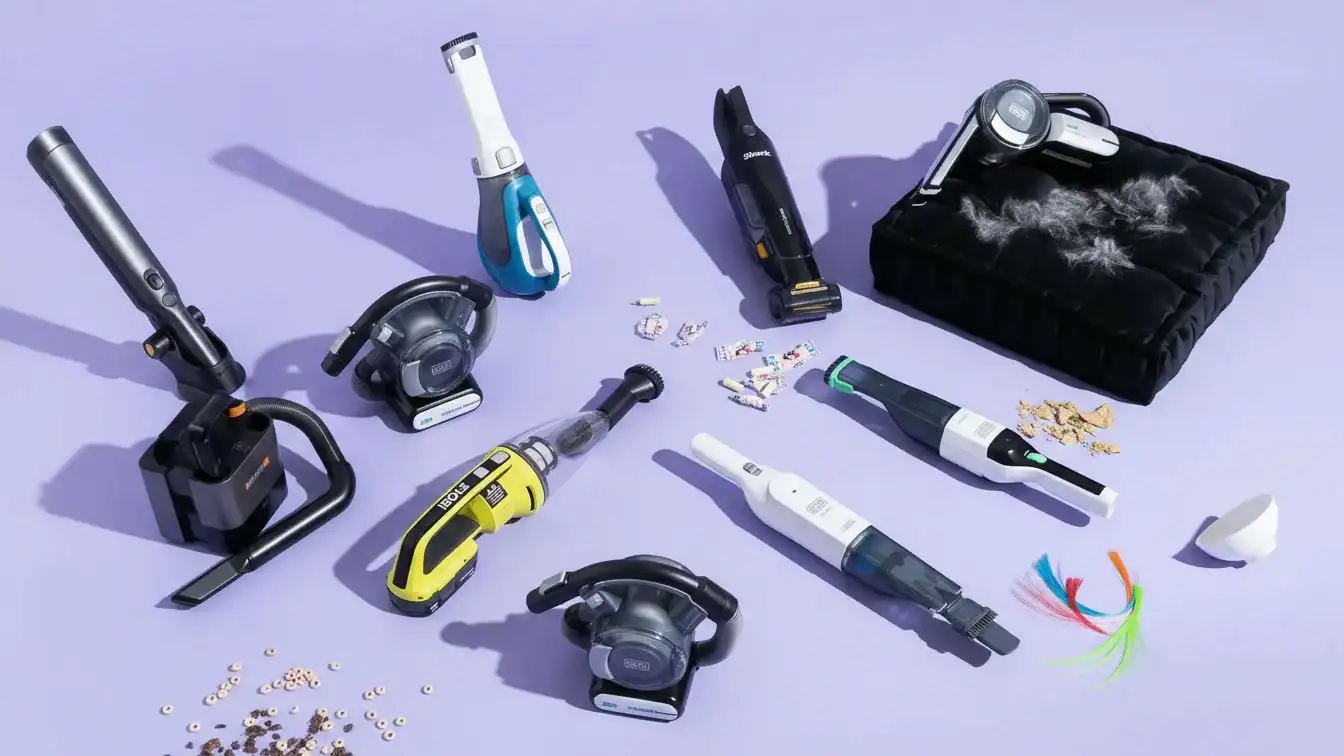
OEM (Original Equipment Manufacturing) and ODM (Original Design Manufacturing) are the two dominant partnership models in the world of product creation. While both result in a finished product, they represent fundamentally different philosophies regarding design, investment, and intellectual property. The path you choose will define your role in the development process and shape your product’s position in the market.
Understanding OEM Manufacturing
Original Equipment Manufacturer (OEM) partnerships grant a company total creative authority over its vacuum cleaner’s design and engineering specifications. This approach allows a brand to build a product from the ground up, ensuring every feature aligns with its unique market strategy. While this level of control enables true product differentiation, it requires a significant upfront investment in research, prototyping, and tooling.
The OEM process is intensive, involving detailed design phases, material selection, multiple prototyping rounds, and rigorous testing before mass production begins. This model is best suited for established brands or well-funded startups aiming to introduce a product with unique, protectable features. For example, Apple’s partnership with Foxconn for the iPhone is a classic OEM arrangement; Apple handles all design and engineering in-house, while Foxconn provides the manufacturing expertise to build the product to exact specifications. This level of control ensures product quality and protects valuable intellectual property, which is one of the core OEM manufacturing benefits.
Understanding ODM Manufacturing
Original Design Manufacturer (ODM) partnerships offer a much faster and more cost-effective path to market. In this model, the manufacturing partner has already developed a base product—or a “white-label” product—that a company can brand as its own. Customization is typically limited to cosmetics like color, branding, and packaging, though some ODMs may offer minor functional modifications for larger orders.
This approach dramatically reduces research and development costs and shortens production timelines, as the core engineering and tooling are already complete. An ODM partnership is ideal for businesses looking to quickly enter the vacuum market, test a new product category, or supplement an existing product line without committing to a full development cycle. For instance, a major retail chain wanting to launch its own brand of affordable à bâton for the holiday season would likely use an ODM. This allows them to go from concept to store shelves in months, not years, highlighting the key ODM manufacturing advantages of speed and efficiency.
How to Choose Between OEM and ODM for Vacuum Manufacturing?
Selecting the right manufacturing partner requires a careful evaluation of your business’s priorities, resources, and long-term strategy. The decision isn’t just about the initial product launch; it has lasting implications for your brand’s identity, profitability, and competitive standing. Factors like design uniqueness, budget constraints, market timing, and intellectual property protection must be weighed to determine the optimal path forward.
Customization vs. Cost-Effectiveness
The primary trade-off between OEM et ODM is the level of product customization versus the overall cost. An OEM partnership provides virtually limitless control over every component of the aspirateur. Cela inclut les caractéristiques de performance essentielles comme la puissance du moteur et les systèmes de filtration (par exemple, multi-cyclonique, HEPA), ainsi que la technologie des batteries pour les modèles sans fil et l'intégration de fonctions intelligentes comme la connectivité par application. Cette personnalisation approfondie permet à une marque de créer un produit véritablement unique, mais elle entraîne des coûts d'ingénierie non récurrents substantiels pour la conception, le prototypage et l'outillage.
La fabrication ODM,, en revanche, privilégie la rentabilité en s'appuyant sur un châssis de produit existant. L'ingénierie est terminée et l'outillage appartient au fabricant, ce qui élimine les dépenses initiales massives pour le client. Bien que cela limite la personnalisation à des modifications de surface, cela rend le coût unitaire prévisible et l'investissement initial minimal. Ce modèle est parfait pour les marques qui concurrencent sur le prix ou pour celles qui ont besoin d'un produit fiable et prêt pour le marché sans le fardeau financier d'un développement complet.
Délais de mise sur le marché et contraintes de ressources
La rapidité avec laquelle vous devez mettre votre produit en rayon est un autre facteur critique. Le cycle de développement OEM est complet et, par conséquent, beaucoup plus long. Un calendrier typique pour un nouveau aspirateur produit peut aller de 12 à 24 mois, englobant tout, des croquis conceptuels initiaux à la production de masse finale. Ce processus nécessite une équipe interne dédiée d'ingénieurs, de concepteurs et de chefs de projet pour superviser le développement et collaborer avec le partenaire de fabrication.
L'ODM offre un avantage significatif en termes de rapidité, avec des délais typiques allant de seulement 4 à 8 mois. Étant donné que le produit de base est déjà conçu et testé, le processus est simplifié pour se concentrer sur l'image de marque, les configurations finales et la planification de la production. Cette voie accélérée est idéale pour les entreprises qui doivent réagir rapidement aux tendances du marché tendances du marché ou pour les entreprises qui ne disposent pas des ressources d'ingénierie internes nécessaires pour gérer un projet OEM complexe. Elle permet à une petite équipe de lancer un nouveau produit efficacement.
Propriété intellectuelle et stratégie de marque à long terme
La propriété intellectuelle (PI) est une considération cruciale qui a un impact sur la valeur de la marque à long terme et sa capacité de défense. Dans un partenariat OEM, la marque qui commande la conception possède toute la PI qui en résulte. Cela comprend les brevets de conception, les brevets d'utilité et l'outillage personnalisé créé pour la production. Posséder la PI procure un avantage concurrentiel puissant, car cela empêche d'autres entreprises de copier votre design et vos fonctionnalités uniques. Cela renforce la valeur de la marque et garantit que votre produit reste exclusif.
Avec un modèle ODM, le fabricant conserve la propriété de la conception de base et de l'outillage. L'entreprise cliente licence essentiellement un produit préexistant pour son propre branding. Cet arrangement comporte un risque stratégique important : le même fabricant ODM pourrait vendre un aspirateur quasi identique à un concurrent direct. Cela peut entraîner une saturation du marché et diluer le caractère unique de votre marque, rendant difficile de se démarquer si une autre entreprise vend un produit similaire sous un nom différent.
Maison personnalisée Aspirateurs Conçu pour la performance
Associez-vous à KelyLands pour créer des aspirateurs puissants, portables et intelligents adaptés à votre marque. Découvrez des solutions OEM/ODM flexibles avec des options avancées d'aspiration, de filtration et de conception pour divers marchés.

Conclusion
Le choix entre la fabrication OEM et ODM repose sur les priorités stratégiques d'une entreprise. L'OEM est la voie privilégiée pour les entreprises qui nécessitent un contrôle total sur la conception du produit et la propriété intellectuelle afin de bâtir une identité de marque unique. En revanche, l'ODM offre une solution rationalisée et rentable aux entreprises qui souhaitent entrer rapidement sur le marché en tirant parti de conceptions existantes et éprouvées.
Pour prendre la bonne décision, évaluez vos besoins commerciaux spécifiques, des souhaits de personnalisation aux contraintes de temps et aux limitations budgétaires.
Questions fréquemment posées
What’s the key difference between OEM and ODM?
The fundamental difference lies in who is responsible for the product’s design and engineering. In an OEM (Original Equipment Manufacturer) partnership, the client company (the brand) creates the product design and specifications, then hires the manufacturer to build it. The brand owns the intellectual property and has complete control over the product’s features and functionality.
In an ODM (Original Design Manufacturer) partnership, the manufacturer has already designed and engineered a product. The client company then selects a product from the manufacturer’s catalog and applies its own branding. The manufacturer owns the core design, and the client’s customization options are usually limited. Essentially, OEM is “you design it, we build it,” while ODM is “we design it, you brand it.”
What is a fair MOQ for entry-level models?
Minimum Order Quantities (MOQs) for entry-level models differ significantly between OEM and ODM. For ODM products, MOQs are generally lower, often ranging from 500 to 1,000 units. This is because the manufacturer produces the same base model for multiple clients, allowing them to benefit from economies of scale and keep production lines running continuously.
For OEM products, MOQs are almost always higher, frequently starting at 1,000 units and going up from there. The higher quantity is necessary to justify the manufacturer’s costs for setting up a dedicated production line, sourcing custom components, and amortizing the investment in unique tooling and molds created specifically for that product.
Can tooling costs be shared?
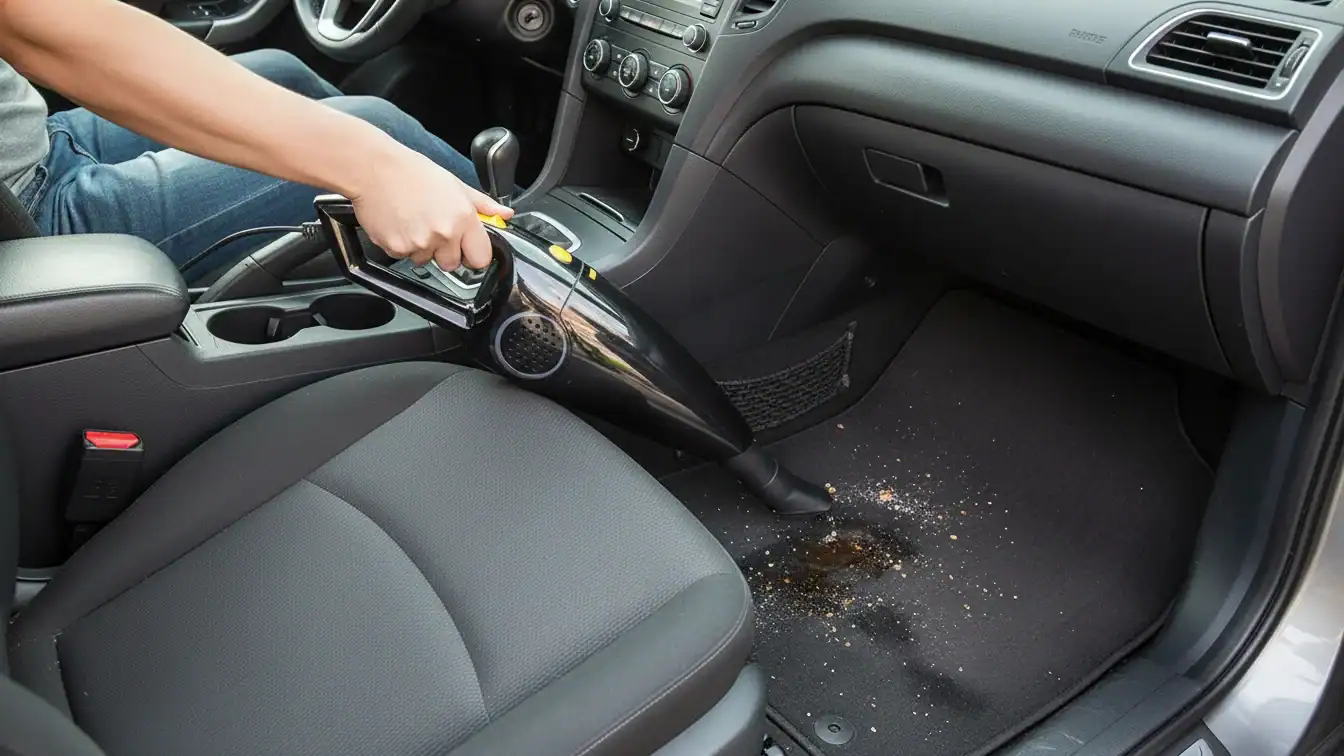
Tooling costs, which refer to the creation of custom molds and dies for manufacturing, are a major expense in OEM projects. In a standard OEM arrangement, the client pays for and owns the tooling outright. Sharing these costs is uncommon but can sometimes be negotiated in hybrid or joint development models where both parties contribute to the design process. However, this often complicates intellectual property ownership.
In an ODM model, tooling costs are not a direct expense for the client. The manufacturer has already invested in the tooling for their existing product designs. The cost of this tooling is factored into the per-unit price of the product, spreading the expense across all clients who purchase that model.
Who owns design rights?
Design rights ownership is a clear dividing line between the two models. In an OEM partnership, the client company that provides the product design retains full ownership of all intellectual property rights. This includes patents, industrial designs, and copyrights associated with the product. This exclusivity is a key benefit, as it legally prevents the manufacturer from selling the same design to anyone else.
In an ODM partnership, the manufacturer owns the rights to the core product design and engineering. The client company only owns the rights to its own branding elements, such as the logo, brand name, and custom packaging. This means the manufacturer is free to sell the same base product to other companies, including direct competitors.
How long is the lead time for new molds?
The lead time for creating new molds, a critical step in any OEM project, typically ranges from 6 to 12 weeks. This timeline can be influenced by several factors, including the complexity of the vacuum cleaner’s parts, the type of steel used for the mold, and the manufacturer’s current production queue. The process involves multiple stages, starting with the finalization of the 3D design.
After the initial mold is created, the first samples (known as T0 samples) are produced and sent for review. Based on feedback, revisions may be needed, leading to T1 and T2 samples. Each revision cycle adds time to the process. The lead time is complete only after the client gives final approval of the samples, clearing the mold for mass production.

 English
  Español
  Français
  Deutsch
  Português do Brasil
  Русский
  한국어
한국어  日本語
日本語  العربية