 メインコンテンツへスキップ フッターへスキップ

mini fridge pre-shipment inspection is the first checkpoint buyers should lock before they approve a supplier, budget, or production slot. Why did that pre-production sample look perfect but half the units in the container have a door seal gap you can slide a business card through? That question usually hits about four weeks after payment, when the first pallet gets opened at the distribution center. The answer is rarely bad intent from the factory. It is almost always a mismatch between what gets tested during sample approval and what actually happens on the production line during a 2,000-unit run.
For anyone managing volume imports of ミニ冷蔵庫のコンテナについてFOB寧波で見積もりを提示した場合、 — whether for automotive, camping, or retail channels — the mini fridge pre-shipment inspection is where you catch those gaps before they become chargebacks. Having walked through enough Ningbo assembly lines, it is clear that most factories will run a quick function check on maybe ten percent of units and call it good. That works fine for cosmetic items. For something with a compressor, a thermoelectric module, and a sealed cooling loop, a fifteen-minute smoke test misses slow refrigerant leaks and borderline voltage draws every time.
The checklist below skips the generic advice you find on sourcing blogs. It focuses on the failure modes that actually generate customer returns in this category — seal failures at temperature extremes, inconsistent pull-down times across units from the same batch, and packaging damage that looks fine until the carton hits a humid warehouse shelf three months later.

Pre-Inspection Preparation
The $5 bill test catches door seal failures that temperature loggers miss.
A buyer lost $50,000 on a ミニ冷蔵庫 order because the pre-production sample passed visual checks but the mass production units had a 2 mm gap in the door gasket. The gap didn’t show up in photos. It showed up when 400 units arrived at the distributor’s warehouse with condensation inside every box. That loss started at the pre-inspection stage — specifically, at the moment someone decided to skip verifying the golden sample against the AQL plan.
Confirm approved golden sample and AQL sampling plan
The golden sample is not a suggestion. It is the physical benchmark that every production unit gets measured against. Before any inspector walks onto the factory floor, they need to physically hold the signed-off golden sample and confirm it matches the spec sheet — dimensions, material finish, logo position, color code. If the factory swapped materials or changed a tooling detail without updating the golden sample, that gets flagged before inspection even starts.
The AQL sampling plan determines how many units get pulled from each carton lot. For ミニ冷蔵庫のコンテナについてFOB寧波で見積もりを提示した場合、 shipped in bulk to distributors, standard practice is AQL 2.5 for major defects and AQL 4.0 for minor ones under ISO 2859-1. But here is where many importers slip: they accept a reduced inspection level (S-3 or S-4) to save time or money. That reduces the sample size so much that a 欠陥率 of 8% can pass through undetected. For a container of 800 units, that means 64 defective fridges arrive at your warehouse.
Set inspection level II as your minimum for any new supplier relationship. Drop to level I only after three consecutive clean shipments with zero critical defects documented.
Prepare inspection equipment: temperature logger, wattmeter, surface roughness gauge
Most factory QC rooms have basic tools — a tape measure and maybe a multimeter. That is not enough for a proper mini fridge pre-shipment inspection checklist. Three instruments make the difference between catching defects early and discovering them after container loading.
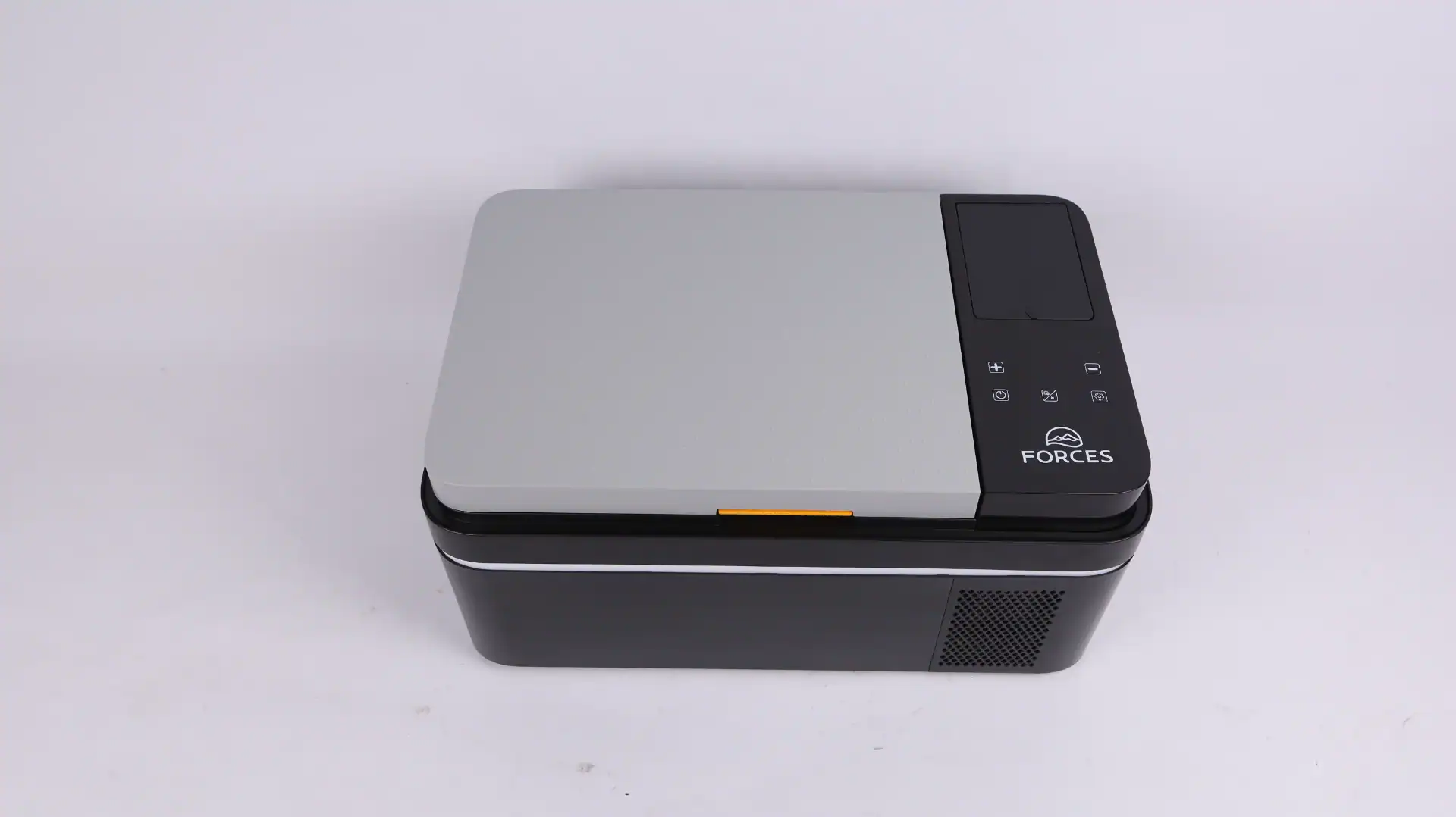
20-Point Inspection Checklist
A $5 bill test on the door seal catches more cold-loss failures than a thermal camera.
Two mini fridges arrive at your warehouse. Same brand badge, same volume spec, same price bracket. One keeps beer cold at 38°C ambient. The other sweats condensation inside the door and pulls down to only 12°C after four hours. That gap is not luck — it’s the difference between a factory that runs a 15-minute smoke test and one that does a full 4-hour pull-down on every unit. Supplier audits across 12 countries show this is the single most common failure pattern in portable fridge imports.
Points 1–5: Visual Defects on Shell, Door Alignment, Logo Printing
Start with the shell under direct light at a 45-degree angle. Scratches deeper than 0.1mm, sink marks around handle inserts, or color deviation beyond a Delta E of 1.5 against the golden sample all count as critical defects in any AQL sampling plan for カー用冷蔵庫.
-
- Door alignment: Place the fridge on a level surface. Close the door without latching it — if the gap between door and body varies by more than 1.5mm from top to bottom, the gasket will not seal evenly.
- Logo printing: Rub the logo with a dry cloth for ten seconds at moderate pressure. If ink transfers or lifts, reject the unit — this defect triggers returns before units leave retail shelves.
- Corner joint gaps: Run a fingernail along all ABS shell seams. Any step-off above 0.3mm indicates mold misalignment that worsens during shipping vibration.
$5 Bill Test for Door Seal Integrity
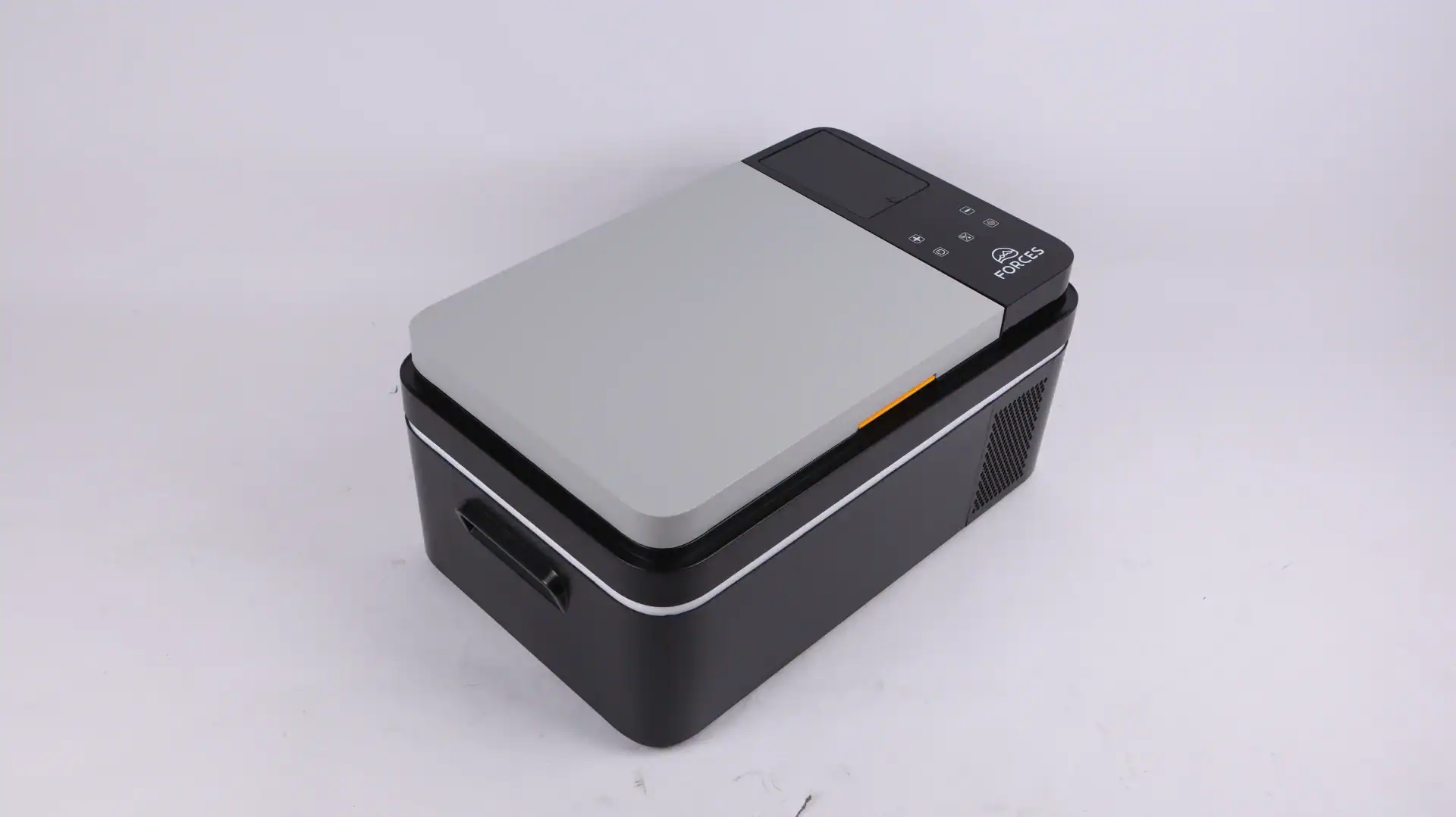
Handling Failed Inspections
A failed inspection is not a dead end — but how you handle it determines whether the shipment clears or the container.
Every volume importer will face a failed pre-shipment inspection at some point. The question is not if it happens, but whether you have a clear response protocol ready. Without one, you waste days negotiating while the container loading deadline passes.
Minor Defects: Repair On-Site and Re-Inspect
When the inspection report flags issues like scratched paint on the fridge shell, misaligned logo stickers, or loose hinge screws, these are minor defects under most AQL sampling plans. They do not affect cooling performance or electrical safety. The standard fix is to authorize on-site repair and schedule a re-inspection of the affected units.
Tell the factory exactly which units need correction — reference the inspector’s photo log and unit serial numbers. Give them a clear deadline: typically 24 to 48 hours for cosmetic fixes. After repairs, the inspector re-checks only the reworked units, not the entire lot. This keeps costs low and avoids delaying the full shipment.

結論
A $50,000 container of mini fridges that fails cooling performance at the distribution center doesn’t just cost you the freight—it burns through your Q4 margin on chargebacks and emergency replacements. The 20-point checklist exists to catch those failures before the bill of lading is signed. Skip it, and you’re betting your landed cost on a factory’s 15-minute smoke test.
-
- Use a portable fridge AQL sampling plan at Level II, normal severity.
- Run the thermoelectric fridge cooling performance test at a minimum of 30°C ambient.
- Perform the mini fridge door seal leak test with a $5 bill on every sampled unit.
- Apply the ミニ冷蔵庫 packaging drop test standard of one meter onto concrete for all four corners.
You can hand this entire checklist to a third-party inspector tomorrow, or you can keep it as your internal gate before releasing payment. Either way, build these car fridge QC inspection points into your supplier contract now—not after you’ve got forty pallets of units sitting in a bonded warehouse with condensation pooling inside the doors. Browse KelyLands’ mini fridge product line to see how consistent quality specs look when they’re built into production from the start.
よくある質問
ポータブルミニ冷蔵庫の検査チェックリスト20項目とは何ですか?
チェックリストは外観不良、冷却性能、電気的安全、および梱包の完全性をカバーします。シェル仕上げ、ドアの_ALIGNMENT_、25°C環境における温度降下、アース導通性、落下試験のチェックが含まれています。出荷前にこのチェックリストを使用してください。.
検品時の冷却性能試験はどのように実施していますか?
25°Cの環境下で温度ログガーを用い、2時間の温度降下テストを実施します。これにより、コンプレッサーと断熱材が制御条件下で仕様を満たしていることを検証します。テスト開始前に必ず環境温度を確認してください。.
ミニ冷蔵庫は出荷前検査で不合格になった場合どうなりますか?
Cosmetic scratchesなどの軽微な欠陥は現場で修理・再検査が可能です。冷却性能や電気的安全に関する重大な不具合は、ロット全体の拒否またはサプライヤーとの値引き交渉につながることが一般的です。契約前に欠陥許容基準を明確に定めておきましょう。.
ミニ冷蔵庫のQCに必要な機材は?
You need a temperature logger, wattmeter, and surface roughness gauge as core tools. A $5 bill also works for quick door seal gap checks that thermal cameras might miss. Bring these to every factory visit.

 English
  Español
  Français
  Deutsch
  Português do Brasil
  Русский
  한국어
한국어  日本語
日本語  العربية