 メインコンテンツへスキップ フッターへスキップ

2. 1日目に注文が入れられます。14日目に量産前サンプルが届き、化粧品用冷蔵庫のOEMコストは勝利のように見えます。45日目にコンテナが到着し、そうでないことが証明されます——量産ロットは異なる表面仕上げ、緩い蓋のフィット感、そしてサンプルよりもうるさい熱電チップを備えています。.
3. $50,000のプライベートラベル注文は、まさにその時点で失敗する可能性があります。ほとんどのバイヤーは物理的なサンプルを承認し、文書化された基準をスキップします。これが「私が承認したものではない」が「これは通常の生産ばらつきの範囲内です」に変わる仕組みです。サンプル承認には以下を含める必要があります: 4. 品質許容限界 5. — 色ずれ、ヒンジの位置合わせ、内部温度範囲 — 生産ラインが始動する前に。.
6. コストの話も同様に重要です。4L化粧品用冷蔵庫シェルの金型費は、キャビティ数に応じて通常$3,000〜$8,000です。多くの工場は、設定数量を超えるとこれらの費用を単価に償却します。FOB寧波価格はさらに別のレバーを追加します:港近くの工場は内陸のサプライヤーと比較して、国内輸送費で1ユニットあたり$8〜12を節約するため、価格の内訳は見出しの数字よりも注意に値します。.
7. 化粧品用冷蔵庫の価格構成要素
10. 金型費が陸揚げコストを決定します。.
11. プライベートラベル化粧品用冷蔵庫の真のコストは、3つの場所に隠れています:射出成形金型、冷却システム、そしてパッケージングです。ほとんどのバイヤーは最初に陸揚げ単価を比較し、その後、金型費用が実行可能な立ち上げと利益率の大失敗との差であることを発見します。 12. ABSシェルおよび内部ライナーの射出成形金型コスト 13. 4L化粧品用冷蔵庫シェル金型は、キャビティ数に応じて通常$3,000〜$8,000の間です。単一キャビティ金型は初期投資を低く抑えますが、1日の生産量を制限します。2キャビティ金型は処理量をほぼ2倍にし、注文量が数千台を超えると、1ユニットあたりの金型償却費を低減します。.
ABS外殻と内ライナーの射出成形金型コスト
4L化粧品冷蔵庫のシェル金型は、通常、$3,000~$8,000の範囲です。キャビティ数によります。単一キャビティ金型は初期投資を抑えますが、1日あたりの生産量が限られます。2キャビティ金型は生産量をほぼ2倍にし、注文数量が数千台を超えると、1台あたりの金型償却費を低減します。.
内部ライナーは別金型です。多くのバイヤーはシェルとライナーが同じ金型を共有していると思い込んでいますが、実際はそうではありません。ライナーは熱電モジュールに直接接するため、専用の抜き勾配と肉厚設計が必要です。独立した項目として予算化するか、工場に両方の金型を1つの見積もりパッケージにまとめてもらうよう依頼してください。.
-
- 金型費の償却: 設定した注文数量に達した後、金型コストを単価に組み込めるか工場に確認してください。これにより、$5,000の一括費用を、陸揚原価に対してモデリングできる単価上乗せに変換でき、最初のコンテナが出荷される前に全額を支払う必要がなくなります。.
- キャビティ数のトレードオフ: シングルキャビティ金型は1,000台未満の立ち上げロットに適しています。ツーキャビティ金型はリピート注文があって初めて元が取れます。そうでなければ、遊休金型設備に資金を投じることになります。.
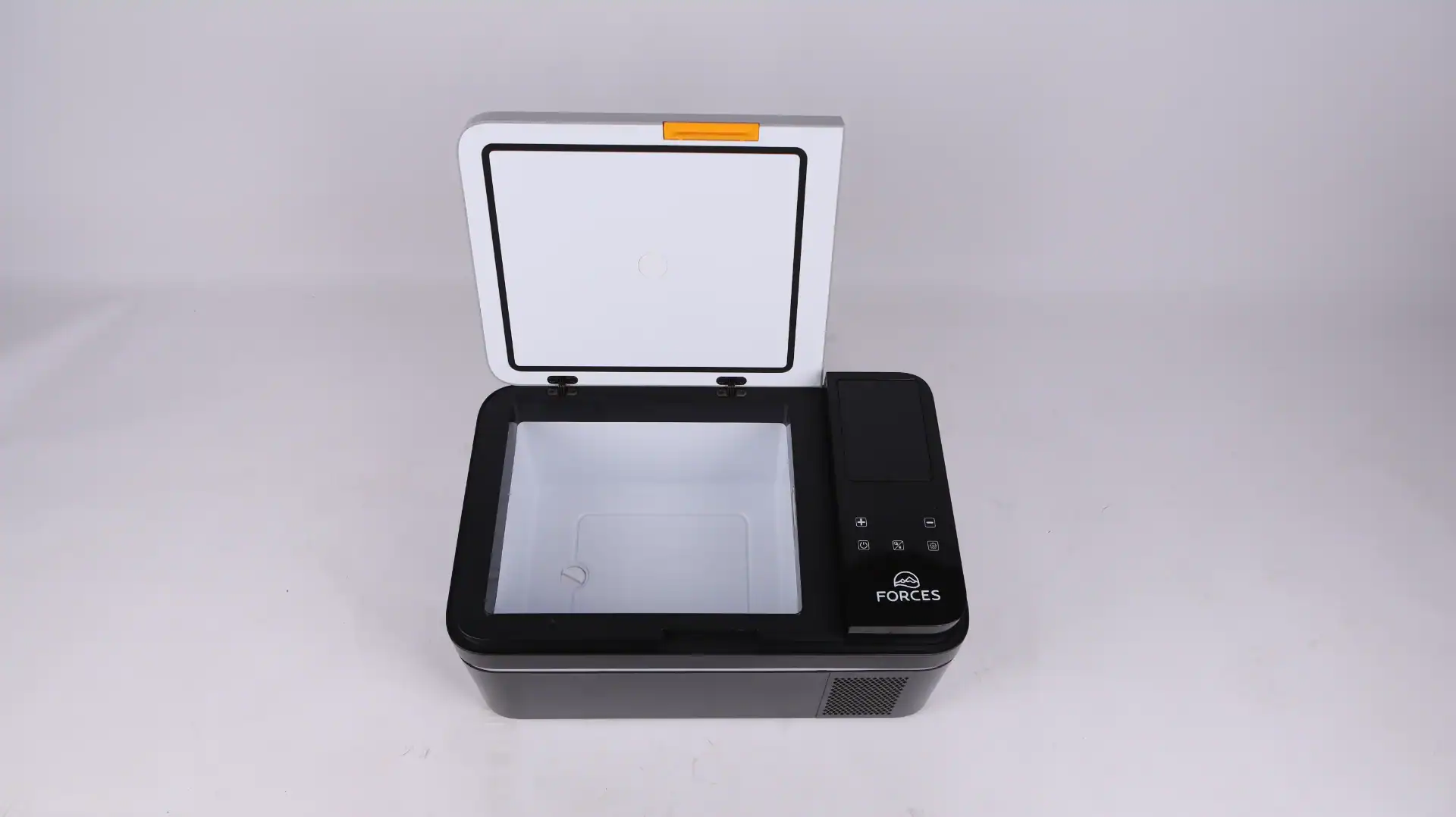
コンプレッサー式と熱電チップ式のユニットコスト
について cooling system 市場を2つの価格帯に分けています。熱電式ユニットはコンプレッサー式よりおよそ30%安価で、そのためAmazonの4L〜10Lの 化粧品用冷蔵庫の大半が 熱電式を採用しています。しかし、周囲温度より10〜15°Cしか冷却できません。30°Cの部屋では、製品は15〜20°Cになり、温度に敏感な美容液やビタミンC配合製品に必要な8〜12°Cの範囲には達しません。.
コンプレッサー式冷蔵庫は室温に関係なく安定した8〜12°Cを維持し、プレミアムスキンケアラインの単価を正当化します。トレードオフは騒音、重量、そしてより複雑なサプライチェーンです。2018年以来、KelyLandsは 寧波の工場パートナーシップを通じてポータブル 冷蔵庫を調達しているため、営業チームは推測ではなく、両冷却タイプの実際のリードタイムデータを入手できます。.
パッケージング、ブランディング、取扱説明書のコスト
パッケージングは化粧品用冷蔵庫の発注書における誤差レベルの項目ではありません。4色印刷の ギフトボックス, 、フォームインサート、ブランドステッカー付きユニットは、構成によっては熱電モジュールと同じくらいのコストがかかる場合があります。電子機器の認証ラベル — CE、FCC、UKCA — は、アートワークを印刷に回す前に確定させなければなりません。製造後にラベルを変更するということは、すべての箱とマニュアルを印刷し直すことを意味します。.
FOB寧波条件で見積もりをリクエストしてください。工場は寧波港から約1時間の慈溪にあり、内陸のサプライヤーと比較して1台あたりの国内輸送費を$8〜12削減できます。500台の初回注文では、物流費の$4,000〜$6,000を節約でき、より良いパッケージや2番目の金型キャビティに再投資できます。.
8. 冷蔵庫タイプ別の一般的な最小発注量範囲
4L熱電式の最小注文数量は500台です。コンプレッサー式ユニットは300台から始まります。.
化粧品用冷蔵庫の最小注文数量は、冷却技術によって明確に分かれます。4L熱電モデルは500台から始まり、カスタムカラーとロゴの成形を追加すると1,000台に近づきます。10Lコンプレッサー式ユニットは、部品表コストが高いため300台から始まり、少ない台数で工場の段取りコストを回収できます。工場が金型費を一定の数量を超えた後に単価に組み込めるかどうかを早めに確認してください。それによって、あなたのキャッシュフローにとって実際に意味のある最小数量が変わります。.
4L熱電式化粧品用冷蔵庫:500〜1,000台
熱電式冷蔵庫は、冷媒ループを持たない半導体チップとヒートシンクを使用します。ABSシェルの金型製作は簡単ですが、単価は低くなります。500個で、工場はライン段取りと色替え時間を回収できます。それを下回ると、AmazonやShopifyでのローンチはプライベートラベルのマージンでは計算が成立しなくなります。.
より大きな要因は、冷蔵庫が温度をどう処理するかです。熱電ユニットはコンプレッサー式より約30%安価ですが、周囲温度より10〜15°Cしか冷却できません。毎晩の保湿剤用の引き出しには問題ありませんが、安定した8〜12°Cの帯域を必要とするビタミンCセラムやレチノールには適していません。低コストの選択肢を選ぶ前に、どのスキンケア製品を在庫する予定かを把握してください。.
10Lコンプレッサー式冷蔵庫:最小数量が300台に下がる理由
10Lコンプレッサー式冷蔵庫は製造工程が異なります。密閉された冷蔵ラインには、充填ステーション、漏れ検査、長時間の慣らし運転テストが必要です。単価が高いため、工場は同じ段取り作業を正当化するのに300台だけで済みます。美容サブスクリプションボックスやプレミアムスキンケアブランドにとっては、初期費用は高くなりますが、ユニットあたりのマージンがこのルートを支えます。.
コンプレッサー式ユニットは、周囲の室温に関係なく設定温度を維持します。顧客が冷蔵庫を暖かい倉庫や日当たりの良い浴室に置く場合、これは30%の価格差よりも重要です。小売業者がセラムの劣化を理由にユニットを返品した場合、節約したユニットコストは瞬時に消えてしまいます。.
低い最小数量を受け入れる前に、バッチ処理について尋ねてください
サプライヤーがカスタム熱電シェルで200台の最小数量を提示した場合、生産ラインがどのように稼働するかを尋ねてください。一部の工場は、シフトを埋めるためにあなたの部品を別のブランドの注文と一緒にバッチ処理します。つまり、カラー承認日がスケジュールを管理しなくなり、サンプル承認が数週間ずれる可能性があります。専用のカラーランでの500台の最小数量は、多くの場合、より速く、より一貫したユニットを納品します。.
-
- 承認済みルート: KelyLandsは2018年に設立された寧波のパートナー工場を通じて冷蔵庫を生産しており、FOB寧波条件で見積もりを提供しています。慈渓は寧波港の近くに位置し、内陸のサプライヤーと比較して国内輸送費を1ユニットあたり$8–12節約できます。.
- 認証処理: 電気安全およびEMC試験費用が単価に含まれているのか、それとも一回限りの見積項目なのかを確認してください。それらを除外すると、1台あたりの輸入原価は下がりますが、初回出荷前に予期せぬ問題が発生します。.
4L熱電式の立ち上げには500台、10Lコンプレッサー式ラインには300台を基準にしてください。その後、冷却技術、FOB港、認証費用、梱包の各項目を1行ごとに比較してください。この4つの項目が、最初のプライベートブランド生産が利益を上げるかどうかを決めます。.
| 冷蔵庫タイプ | MOQ範囲 | 技術 | 重要な注意事項 |
|---|---|---|---|
| 4L熱電式化粧品冷蔵庫 | 500〜1000個 | 熱電チップ | 30%単価が安く、周囲温度より10〜15°C低く冷却します。 |
| 10Lコンプレッサー式冷蔵庫 | 最低300個 | コンプレッサー | 高級スキンケアライン向けの安定した8〜12°C冷却 |
9. コスト削減戦略
最初のロットではカスタムシェルを省略してください。.
化粧品冷蔵庫の価格を下げる最速の方法は、色を変えるたびに新しい金型の費用を払うのをやめることです。4L化粧品冷蔵庫のABSシェル金型は、キャビティ数に応じて$3,000〜$8,000かかります。合意した数量後に工場がその金型費を単価に償却するかどうか尋ねてください。.
色違いで金型を共有する
色を変えるのに新しいシェル金型は必要ありません。射出成形金型は形状を決定し、色は樹脂添加剤または二次塗装工程で決まります。ほとんどの工場は同じ金型でピンク、白、黒のバージョンを製造できます。外側にブランドラベルとカートンを維持すれば、1つの金型で複数のSKUに対応できます。.
-
- Mold amortization: Request a quote that folds the mold fee into the unit price after a set volume. That keeps your first order from carrying $8,000 of tooling cost.
- Cavity count: A single-cavity mold lowers the upfront fee but raises cycle time. A two-cavity mold costs more initially and lowers per-unit cost once volume passes a few thousand units.
Order during off-peak production months
Ask the supplier to show a production calendar before you commit. Factories in Ningbo build around seasonal demand, especially for car fridges tied to automotive tourism and camping. Place a private label run in a quiet window, and you get better attention on sample approval and faster delivery.
KelyLands invested in a Ningbo-based ポータブル冷蔵庫 factory to serve that camping-driven demand. Scheduling a new SKU outside the peak season means the same production line and quality tolerance checks are available without racing other orders.
Use existing factory shell designs for the first run
A proven factory shell is your lowest-cost entry. The tool is already debugged and the mass production process has been validated. You bypass the $3,000 to $8,000 mold fee and spend that budget instead on packaging, photography, and listing optimization.
Thermoelectric units run about 30% cheaper than compressor units, and they cool 10–15°C below ambient. For skincare products that need a stable 8–12°C range, that works in a standard room. For a garage, a van, or a sunlit storefront, the コンプレッサー版 より安全な選択かもしれません。.
美容サブスクリプションボックスのパイロット版では、既存のシェル設計での500ユニット生産は、金型に資金を縛る1,000ユニットのカスタムカラー生産よりも優れています。4Lの標準的な開始数量は 熱電冷蔵庫 500〜1,000ユニットであるため、在庫シェルを使用すれば特別な例外を求めずに低い数量帯を維持できます。.
最後に、FOB寧波条件での見積もりを依頼してください。港への近さにより、内陸のサプライヤーと比較して1ユニットあたり$8〜12の国内輸送費を削減できます。500ユニット単位で出荷する4Lホワイトラベル冷蔵庫の場合、その差額だけでパッケージのアップグレード費用を賄えます。また、 認証費用 が見積もりに含まれているか、後から追加されるかを確認してください。.
顧客が「今すぐ購入」を押すことに繋がらない項目はすべて削除してください。カスタムシェル、新しい金型、内陸輸送はすべて初回生産ではそのカテゴリに該当します。.
| 戦略 | 実施方法 | コストへの影響 | 最適 |
|---|---|---|---|
| 色違いバリエーション間で金型を共有 | 1つのABSシェル/インナーライナー金型を使用し、2〜3つのSKUにわたって複数の色を生産します。マルチキャビティ金型を交渉してください。. | 重複する 金型費用; を排除し、$3,000〜$8,000の金型コストを複数のバリエーションに分散させます。. | カラーコーディネートされた美容冷蔵庫の製品ライン |
| オフピーク生産月に注文する | 工場の生産能力に余裕がある11月から3月の間に最初の発注書を出す。サプライヤーとオフピーク時のスケジュールを確認すること。. | 通常、単価は3〜7%低くなり、リードタイムも短くなる。. | 2026年の発売を柔軟な時期で計画しているセラー |
| Use Existing Factory Shell Designs for First Run | Select a standard 4L thermoelectric shell from factory catalog instead of custom tooling; skip mold investment. | Saves the $3,000–$8,000 mold fee; MOQ stays at 500–1,000 units. | First-time private label makeup fridge brands |
| Amortize Mold Fee Into Unit Price | Ask the factory to fold mold cost into per-unit pricing after a committed order volume (e.g., 1,000 units). | Lowers upfront cash outlay; makes unit economics predictable. | E-commerce brand builders with limited pre-launch capital |
| Request FOB Ningbo Terms | Work with a Ningbo-based factory or supplier with port proximity; request a full FOB Ningbo pricing breakdown. | Saves $8–12 per unit on domestic freight versus inland suppliers. | Amazon sellers and volume importers |
| Use Thermoelectric Over Compressor for 4L Models | Specify a thermoelectric cooling chip for 4L cosmetic fridges; use compressor only for 10L+ models. | Reduces per-unit cost by ~30%; cools 10–15°C below ambient, maintaining 8–12°C for skincare. | Beauty subscription boxes and プライベートブランド skincare brands |

結論
Cosmetic fridge OEM cost breaks down into three numbers: mold investment, cooling technology, and freight terms. Thermoelectric units cost about 30% less than compressor models but only cool 10–15°C below ambient, which decides whether your skincare products hold the required 8–12°C range. FOB Ningbo terms also matter—port proximity trims $8–12 per unit in domestic freight versus inland suppliers.
-
- 4L cosmetic fridge mold fees range from $3,000 to $8,000 depending on cavity count; ask about amortization.
- Thermoelectric units run 30% cheaper than compressor models but only cool 10–15°C below ambient.
- FOB Ningbo pricing trims $8–12 per unit versus inland suppliers due to port proximity.
- Typical MOQ sits at 500–1000 units for 4L thermoelectric fridges; 10L compressor models start at 300.
Before you approve a quote, compare your target shelf temperature against the cooling specs in each supplier’s sample report—that single check filters out factories that cannot hold 8–12°C. Then request FOB Ningbo pricing from at least two manufacturers and ask whether mold costs can be amortized into the first production run. Browse the cosmetic fridge category page to review shell designs and MOQ terms that fit a first private-label order.
よくある質問
化粧品用冷蔵庫のOEMコストは何で構成されていますか?
化粧品用冷蔵庫のOEMコストには主に3つの部分があります:ABSシェルと内部ライナーの射出成形金型費、コンプレッサーまたは熱電チップのユニットコスト、そしてパッケージング、ブランディング、マニュアルの費用です。金型費は。単価を比較する前に、完全なコスト内訳を請求してください。.
化粧品用冷蔵庫のMOQはいくらですか?
MOQは冷蔵庫のタイプによって異なります:4L熱電式ユニットは通常500〜1000個から、10Lコンプレッサーモデルは300個が最低注文数量です。需要をテストする場合は、より小規模な熱電式のロットが適しています。工場に目標容量に応じたMOQの見積もりを依頼してください。.
化粧品用冷蔵庫のOEMコストを削減するにはどうすればよいですか?
色のバリエーション間で1つの金型を共有し、オフピークの生産月に発注し、最初の製造には既存の工場シェルデザインを使用することでコストを削減します。カスタムシェルは避けてください。パイロットランでは既存のシェルを使用し、量が増えたらカスタムに切り替えます。.
化粧品用冷蔵庫の型の費用はいくらですか?
金型費用はシェルサイズ、ABS壁厚、内部ライナーの複雑さによって異なるため、すべての化粧品用冷蔵庫に当てはまる標準的な金額はありません。コンプレッサー式モデルは熱電式モデルよりも金型費用が高くなると想定してください。シェルとライナーの仕様を確定させてから、金型の見積もりを取得してください。.
化粧品用冷蔵庫は、電子冷却式とコンプレッサー式のどちらから始めるべきでしょうか?
より低い単価と500〜1000個の少ないMOQを求めるなら、熱電式から始めてください。対象バイヤーがより強力な冷却を必要とし、300個の最小注文数にコミットできる場合は、コンプレッサー式を選んでください。決定する前に、冷却性能をバイヤーの期待に合わせてください。.

 English
  Español
  Français
  Deutsch
  Português do Brasil
  Русский
  한국어
한국어  日本語
日本語  العربية