 メインコンテンツへスキップ フッターへスキップ
掃除機の$30生産目標を達成するには、メーカーは部品の耐久性と小売での販売可能性の間で精密なトレードオフを行う必要があります。複雑なアップライト型ハウジング金型は最大$100,000の初期鋼材工具費を要する一方、スティック型モデルは$3,000から始まるよりシンプルな設計を採用しています。B2B調達チームにとって、ポリプロピレンなどの必需品の材料費が変動する中で競争力のある利益率を維持するには、これらのコスト要因を理解することが唯一の方法です。.
高価なバッテリーシステムではなくACコード付きモーターを選択することから、設計製造統合(DFMA)による部品点数の削減まで、コストエンジニアリングの背後にある具体的な戦略を検証します。この分析は、電源コードを20フィートから15フィートに短縮して1ユニットあたり最大$7を節約するような小さな調整が、最終利益にどのような影響を与えるかを浮き彫りにします。マルチキャビティ金型の経済性と、LEDストリップなどの装飾機能を省くことが2026年の価格帯を達成するために不可欠な理由に関するデータも紹介します。.
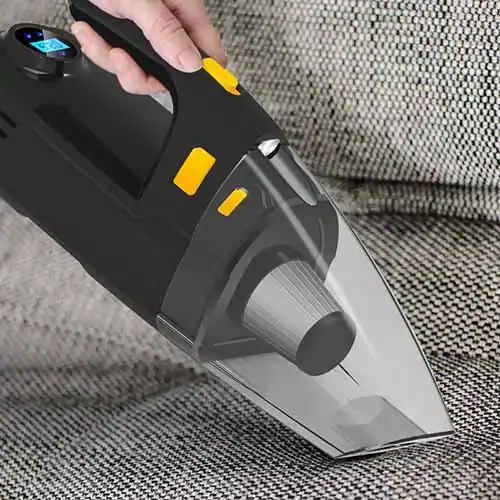
「スティック型 vs アップライト型」の計算:金型サイズと材料費
スティック型掃除機は、$3,000から始まる小型の単キャビティ金型を使用しますが、アップライト型は$100,000に達する複雑な鋼材金型を必要とします。2026年、メーカーは1ポンドあたり$0.90のポリプロピレンを使用し、生産量を5,000台以上に拡大して部品あたりのコストを$1.75未満に抑えることで利益率を最適化します。.
| 生産量 | 金型材料とコスト | 推定単価 |
|---|---|---|
| 低(100〜1,000台) | 3Dプリント/アルミニウム($100〜$1,000) | $4.00〜$5.00 |
| 中(1,000〜5,000台) | アルミニウム / 軟鋼 ($2,000–$5,000) | ~$3.00 |
| 高 (100,000+ ユニット) | 硬化鋼 ($25,000–$100,000+) | $0.28 – $1.75 |
金型投資と形状の制約
プロトタイピング スティック掃除機 2026年のコンポーネントは、3Dプリントまたはアルミニウム製の低容量金型に依存しており、その費用は$100から$1,000の間です。これらの選択肢により、メーカーが量産に踏み切る前に迅速な設計検証が可能になります。1,000台から5,000台の中容量生産では、量産グレードのアルミニウム金型が必要であり、通常$2,000から$5,000の投資が必要です。これらのツールは、ニッチな製品の投入や限定された小売サイクルに十分な耐久性を提供します。.
複雑なアップライト掃除機のハウジングには、硬化鋼製の多キャビティ金型が必要です。これらのツールの価格は、量産家電に必要な高容量効率のため、$25,000から$100,000以上です。硬化鋼製ツーリングは100,000台を超える生産に対応し、製品ライフ全体で各パーツに割り当てられる資本コストを大幅に削減します。この償却により、競争力のある小売マージンを維持するために高い初期投資が必要になります。.
原材料費とユニット償却
ポリプロピレンは、真空掃除機ハウジングの主要材料として、市場価格1ポンドあたり$0.90で使用されています。高耐久性の内部コンポーネントには、多くの場合ナイロンが使用され、1ポンドあたり約$2.20かかります。低容量生産では、1パーツあたり$4.00から$5.00の高いコストが発生します。1,000台未満の数量の場合、熱成形は初期金型の障壁を低くすることで、射出成形に代わる実行可能な選択肢を提供します。.
2026年の小売サイクル向けの高容量射出成形は、年間30,000台で償却した場合、1パーツあたり$0.28という低価格を実現します。海外の金型は、セットアップ段階で国内金型に対して2倍から5倍の価格優位性を維持します。国内生産は、海外ユニットの$0.99に対して、長期ピース価格を$0.82と低く抑えることが多く、高効率工場での国内組み立てに対する経済的インセンティブを提供します。.
モーター調達:なぜACコード付きが安価なバッテリーより優れているのか
ACコード付きモーターは、ブラシ付きDCモーターに典型的な摩擦と熱を排除することで、75-90%の効率を達成します。この簡素化された構造は、最大40,000時間の耐用年数をサポートし、バッテリーの消耗に伴って低下しない一貫したトルクを提供するため、B2B調達にとってより信頼性の高いソリューションとなります。.
ブラシレス構造による効率向上
ACモーターは、ブラシや整流子にあるエネルギーを消耗する摩擦なしで動作するため、75-90%のエネルギー効率を達成します。この簡素化された内部構造は、熱の蓄積を減らし、安価なDC電源モーターに共通するRFI干渉を排除します。動作温度が低いと、長時間の使用による熱劣化を防ぐことで、周囲のプラスチックハウジングや内部コンポーネントの寿命が延びます。.
延長されたサービス寿命とトルク安定性
堅牢なAC設計は、30,000時間から40,000時間のサービス寿命を実現し、ブラシ付きバッテリ駆動の同等製品を大幅に上回ります。直接のグリッド接続によりモーター速度とトルクが一定に保たれますが、バッテリ駆動モーターは電圧レベルの変動に伴い性能低下を起こすことがよくあります。バッテリ管理システムと充電回路を排除することで、高出力密度や高要求環境での信頼性を犠牲にすることなく、2026年製造分の総部品表(BOM)コストを削減します。.
金型の簡素化:部品点数の削減
エンジニアは、製造設計と組立設計(DFMA)を通じてコンポーネントを統合することで経費を削減します。この戦略により、金型コストに15〜20%上乗せする複雑な可動コアが不要になります。シングルキャビティ金型から8キャビティ金型にスケールアップすることで、部品あたりのコストが0.15ドルから0.06ドルに削減され、2026年の生産サイクルで200万台あたり180,000ドルの節約になります。.
| 金型構成 | 生産出力 | ユニット経済性 |
|---|---|---|
| シングルキャビティ金型 | 1部品/30秒 | 部品あたり0.15ドル |
| 8キャビティ金型 | 8部品/30秒 | 部品あたり0.06ドル |
| 可動コア金型 | 複雑な形状 | 金型コスト+15〜20% |
DFMAロジックによる部品統合
統合 バキュームクリーナー ハウジング部品の統合は、組立時の位置ずれを低減し、在庫物流コストを大幅に削減します。製造組立設計(DFMA)の原則は、部品点数削減に焦点を当て、金型構造における可動コアやスライド機構に必要な15〜20%の割増コストを回避します。これらの機能を排除することで、エンジニアは工具経路を簡素化し、メンテナンス間隔を延ばすことができます。精密工具は、マイクロフライス加工されたA36または4140鋼板に依存しており、従来の回転研削よりも10倍優れた平面度公差を実現します。0.010インチの最小フライス深さを維持することで、技術更新のための効率的な金型修正が可能となり、進化する製品ライフサイクル全体にわたって工具の有効性を確保します。.
マルチキャビティ金型とスケール生産データ
8キャビティ金型は30秒サイクルあたり8個の部品を生産し、機械時間を増やすことなく、単一キャビティユニットと比較して生産量を8倍にします。この移行により、大量生産のカーアクセサリー向けの生産がスケールアップし、ユニットあたりのコストが$0.15から$0.06に低下します。マルチキャビティ金型への投資は、200万ユニットの生産ロットにおいて$180,000の節約を生み出し、大規模流通における利益率を直接向上させます。高効率設計は、最適化された冷却チャネルとバランスの取れたランナーシステムを利用して、プラスチックの均一な流動を確保します。これらの特徴により、部品の反りやショートショットが防止され、高速生産中でもすべてのキャビティ全体で厳密な一貫性が維持されます。.
高性能カスタム掃除機でブランドを拡大する

コード長の経済性:15フィート vs 20フィートの節約効果
20フィートの代替品ではなく15フィートのコードを選ぶと、銅材料費が10〜20%削減され、電気抵抗が大幅に低下します。この長さの短縮により電圧降下が最小限に抑えられ、高性能な カー用掃除機 およびエアポンプが、安全基準を満たすためにより高価で太い電線を必要とせずに、ピーク効率で動作できるようになります。.
導体質量と製造コストの削減
15フィート(4.57m)コードの製造に必要な銅は20フィート(6.1m)版より少なく、大量B2B生産注文では10〜20%の材料費節約になります。銅の使用量は原材料価格に直接影響します。エンジニアは、設備1メートルあたり1cm²あたり約0.1ドルの経済的なサイズ設計と見積もっています。短いコードを選択することで、メーカーは自動車アクセサリーに必要な電力容量を維持しながら、材料予算を最適化できます。.
コードが短いと製品の単位重量も減ります。重量が減ると輸送コストが下がり、世界市場への大規模輸出時の物流取り扱いが簡素化されます。この軽量化は、大量販売を行う小売業者にとって、価格と流通効率の面で競争上の優位性をもたらします。.
電圧降下の抑制と適合基準
電気抵抗は式 R = ρL/A に従って長さとともに増加します。15フィートのコードは、抵抗率1.91 µΩ·cmの標準銅を使用して、より低い抵抗を維持します。IEC 60287-3-2規格は、エネルギー損失を最小限に抑えるための経済的なサイズ設計を重視しています。経路が短いと、システムが重要な3〜5%の電圧降下しきい値を下回るリスクが減り、次のようなデバイスが カーエアポンプ 動作中はフル電力を受け取ります。.
電源コードの仕様によると、15フィートを超える長さでは、多くの場合、少なくとも16 AWGの接地導体が必要になります。この要件は、短い構成と比較して製造の複雑さを増大させます。15フィートの制限を利用することで、メーカーはより長い距離に必要とされるより太い銅導体の追加コストなしに、安全基準を満たすより細くて柔軟なワイヤゲージを使用できることがよくあります。.
「機能削減」:ライトとスイベル機構の除去
フィーチャーストリップの除去には、部品表(BOM)を下げるためにLEDコンポーネントと機械式スイベルを取り外すことが含まれます。エンジニアは、24VDCシステムにおける電圧降下リスクを排除し、ハウジング金型を簡素化するためにこれを優先します。これらの部品を取り除くことで、メーカーは2026年市場向けカーアクセサリー設計における組み立て時間と故障箇所を削減します。.
装飾および機械コンポーネントの戦略的簡素化
HYDROLUME® SLIM RGB LEDストリップを廃止すると、消費電力が3W/ft削減され、Class 2定格ドライバーが不要になります。Endura™ 8000シリーズのような2〜4インチユニットからスイベルを除去すると、ボールベアリングと動的環境シールを廃止することでコストが削減されます。この簡素化はプラスチック射出成形ラインを対象としており、B2B価格最適化のために総部品点数を削減します。エンジニアリングの焦点は美的照明から中核的性能に移り、規制されていない上部位置ダイオードを除去することでFMVSS 108への適合を確保します。.
LED除去とスイベル保守の技術的パラメータ
エンジニアは、60Wで最大539フィートの配線に12〜18 AWGのワイヤゲージを使用することにより、24VDCシステムを3%の電圧降下未満に維持します。LED取り外しには、取り付けチャンネルからM2.9(#4)ネジを取り外し、回路障害を防ぐためにRGBWチャンネルの極性を正しくすることが必要です。スイベルの分解には、ボディポートからボールベアリングを取り出し、動的シールを軽質マシン油に交換して稼働時間を向上させることが含まれます。固定ハウジングに費用対効果の高いABSまたはPCプラスチックを選択することで、可動スイベルジョイントの複雑さが取り除かれると、さらにコストが削減されます。.
最終的な所感
$30の価格帯を達成するには、美観よりも機能的な信頼性を優先する特定のエンジニアリング上のトレードオフが必要です。スティック 掃除機設計における高吸引力サイクル中の構造的完全性を確保します。 実用的な前進の道を提供します。なぜなら、アップライト型の代替品よりもかなり低コストのより単純な金型を使用するからです。バッテリー駆動システムではなくACコード付きモーターを選択することで、高価な管理回路を排除し、一貫した吸引力を提供します。電源コードを15フィートに短縮し、高容量の8キャビティ金型を使用することで、メーカーは個々の部品コストを十分に下げ、健全な小売マージンを維持できます。.
部品統合と機能削除による部品表の簡素化は、大量流通向けのより耐久性の高い製品を生み出します。複雑なスイベルジョイントとLEDストリップを除去することで、組み立て時間が短縮され、一般的な電気的故障箇所が防止されます。これらの効率重視の決定により、ブランドは2026年市場で効果的に生産を拡大できます。材料科学とモーターの安定性に焦点を当てることで、製品は不要な機能の重荷なしに中核的なタスクを実行できます。.
よくある質問
長いコードを備えた掃除機で、FOB価格$20を達成できますか?
現在の2026年の市場データによると、15〜20フィートの産業用コードを必要とする製品にとって、$20のFOB目標は非現実的です。これらの長さの14-16AWGコードの小売価格は$15から$28の範囲であり、コードだけでもユニットの総生産予算を超えることがよくあります。.
電源コードを20フィートから15フィートに短縮すると、生産コストはどのくらい節約できますか?
コードを20フィートから15フィートに短縮すると、1台あたり$3〜$7の節約になります。例えば、産業用の15フィートNEMA 6-15PからIEC-320 C-13へのコードの費用は約$22.25ですが、20フィート版は通常$25.85以上で販売されています。.
スイベルステアリング機能を削除すると、耐久性は大幅に向上しますか?
スイベルステアリングを削除することで破損が減ることを確認する特定の業界データはありません。可動部品を減らすと設計は簡素化されますが、メーカーは長期的な信頼性を確保するために、完全な削除よりもピボットジョイントの材料品質を優先します。.

 English
  Español
  Français
  Deutsch
  Português do Brasil
  Русский
  한국어
한국어  日本語
日本語  العربية