 メインコンテンツへスキップ フッターへスキップ


Executing a Phase 2. Drop Protection OEM(borosilicate glass kettle portable) strategy serves as the primary defense against catastrophic transit breakage and soaring warranty replacement costs. Travel-friendly beverage appliances endure brutal handling conditions inside luggage and during daily commutes. Brands shipping bare glass units invite immediate financial loss from shattered inventory and negative customer reviews. Integrating a custom food-grade silicone sleeve directly solves this operational vulnerability, giving buyers a structural shock absorber that physically shields the unit and protects long-term profit margins.
This technical operating procedure defines the manufacturing specifications for custom silicone armor. We detail the engineering mechanics behind surviving a 1-meter drop test and calculate the exact tooling costs required for base logo embossing. Procurement teams will gain actionable insights on precise factory Pantone-matching, LFGB safety standard compliance, and thermal dissipation metrics so the sleeve actively protects the appliance without trapping excess heat.
How Do Food-Grade Silicone Sleeves Survive the 1-Meter Drop Test?
Food-grade silicone leverages high inherent compressibility and thermal stability to absorb kinetic energy, physically shielding fragile components like high borosilicate glass from catastrophic impact failure.
Shock Absorption Mechanisms
Food-grade silicone relies on inherent compressibility to dampen mechanical vibrations during a sudden impact. The soft, flexible nature of the material allows the sleeve to act as a physical cushion that compresses immediately upon hitting a hard surface. This rapid compression actively absorbs and redirects the kinetic energy from a 1-meter fall away from fragile internal components. For products like the KelyLands SM400 カーケトル, this specific mechanical action protects the high borosilicate glass from shattering upon impact.
| Material Configuration | Impact Absorption (1-Meter Drop) | Thermal Shock Resistance |
|---|---|---|
| Bare Borosilicate Glass | Poor (High shatter risk) | Excellent (Zero-odor boiling) |
| Standard Rigid Plastic | Moderate (Crack/fracture risk) | Low (Melting and off-gassing risk) |
| Silicone-Sleeved Glass | High (Kinetic energy redirected) | Excellent (-60°C to 225°C operating range) |

Material Stability Across Temperature Extremes
Silicone maintains its protective structural integrity even when facing severe heat or cold. Food-grade silicone retains its elasticity across a broad temperature range, functioning reliably from -60°C up to 225°C. This thermal stability ensures the sleeve avoids becoming brittle and cracking during a physical drop. Even if a fleet operator drops the appliance onto frozen asphalt immediately after boiling water in a cold climate, the material continues to absorb the shock without structural failure.
Quality Control for Bulk B2B Production
Rigorous factory testing guarantees consistent drop resistance across large OEM orders. KelyLands enforces a triple-layer inspection protocol consisting of Incoming 品質管理 (IQC), Process Quality Control (PQC), and Final Quality Control (FQC). These protocols verify the precise thickness and density of every silicone sleeve before final assembly.
- IQC measures masterbatch ratios and raw material elasticity parameters.
- PQC monitors curing temperatures to prevent material degradation during molding.
- FQC executes random batch drop tests to confirm physical resilience.
Production teams validate these material properties under ISO 9001:2015 and IATF 16949 standards. This tight workflow easily meets the strict 2026 durability requirements demanded by commercial logistics fleets and RV outfitters.
Can the Factory Pantone-Match the Silicone Sleeve to Our Brand Colors?
Precision spectrophotometry and rigid masterbatch controls allow factories to match OEM brand colors on silicone sleeves with a Delta-E variance of ≤1.0, rendering any differences imperceptible to the naked eye.
Achieving Delta-E Accuracy in Pantone Matching
KelyLands matches exact brand colors using the Pantone Matching System (PMS) combined with LAB/CIELAB color measurement standards. Factory engineers rely on advanced spectrophotometry and computer-assisted tools to lock in Delta-E (ΔE) values of ≤1.0. This tight tolerance ensures color variations remain entirely imperceptible to the human eye across production runs.
The OEM engineering team requires exact Pantone codes from clients rather than photo-based references. Photos introduce lighting and screen calibration biases, whereas a precise Pantone code provides an objective, mathematical baseline for the dye formulation process.
Managing Process Variables for Color Consistency
Hitting the target color on the first sample demands strict process controls. Engineers keep masterbatch ratio tolerances within ±0.5% during the initial dye formulation stage. Even minor deviations in dye volume can drastically alter the final hue of the cured silicone.
The factory strictly manages curing temperatures, holding them within a precise ±2°C range. This prevents burning or yellowing, which disproportionately affects light-colored sleeves. KelyLands evaluates the base material properties before mixing, factoring in the optical differences between transparent and milky silicone substrates. The team adjusts the pigment load to match the specific light transmission profile of the raw material.
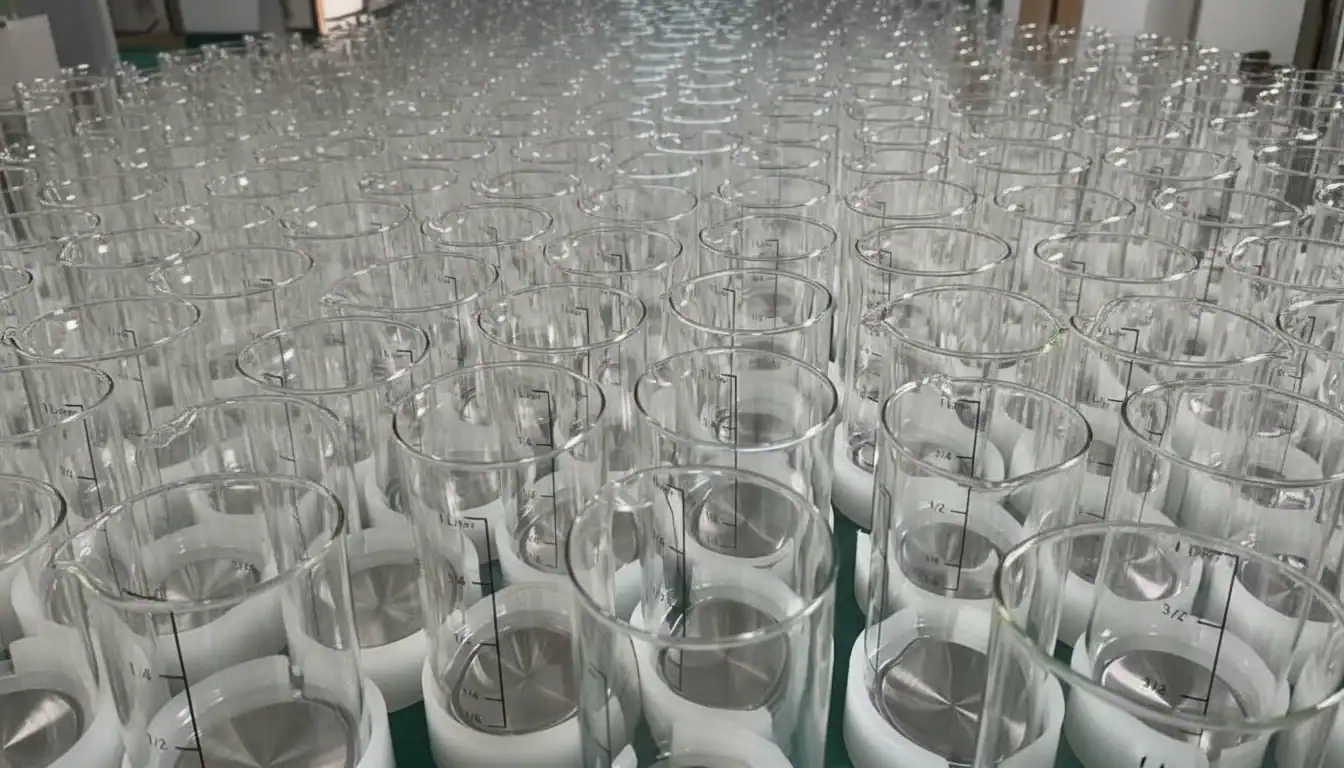
Setting Color Guidelines for OEM Bulk Orders
KelyLands recommends selecting Pantone C (Coated) or U (Uncoated) codes for solid opaque silicone products. These standard codes ensure vibrant, predictable results that align perfectly with your existing corporate branding guidelines.
After clients approve the initial physical color sample, the engineering team thoroughly documents the exact dye formulation, pigment ratios, and thermal curing profile. This stringent documentation guarantees exact repeatability across standard 3,000-piece bulk orders, securing consistent brand presentation for グローバルB2B fulfillment operations.
Secure High-Margin 12V/24V OEM Car Kettles
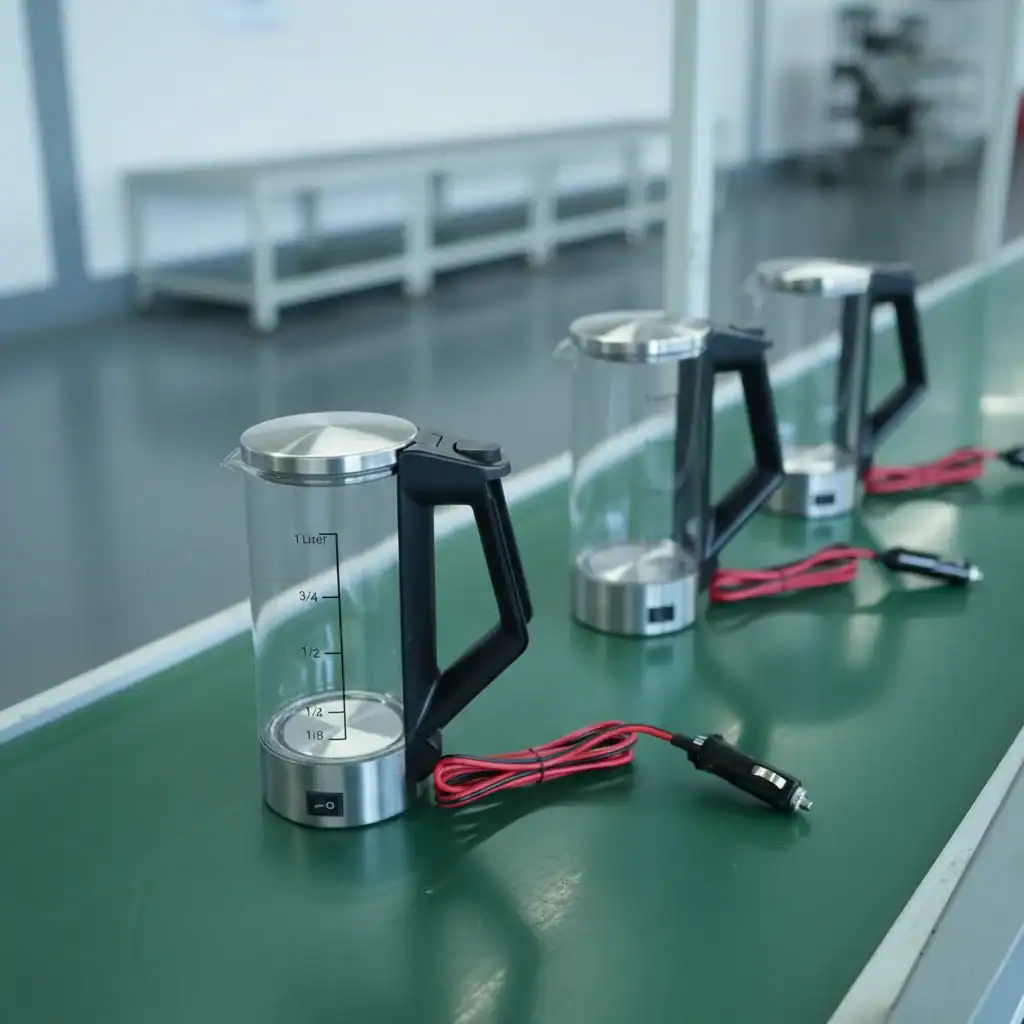
What Is the Tooling Cost for Embossing Our Logo on the Silicone Base?
Custom silicone tooling investments range from $400 for basic single-cavity setups to over $10,000 for multi-cavity automated systems, but high-speed B2B production runs quickly amortize these upfront costs down to pennies per unit.
Initial Capital Investment for Mold Creation
Machining the physical mold drives the primary expense in silicone logo embossing. Manufacturers utilize CNC machining or electrical discharge machining (EDM) to carve intricate logo geometries into steel or aluminum blocks. Equipment requiring precise temperature and pressure controls dictates the mid-tier to premium pricing for this custom tooling. For standard designs, single-cavity molds present an accessible entry point, while high-volume orders demand complex multi-cavity systems to maximize production speed.
KelyLands engineers reusable mold systems to maintain long-term cost-effectiveness for recurring B2B wholesale orders. By utilizing durable tooling materials optimized for rapid heating and cooling phases, the factory ensures the mold sustains thousands of cycles without degrading the crispness of the 3D embossed logo.
| Tooling Category | Estimated Cost Range | 代表的なアプリケーション |
|---|---|---|
| シングルキャビティ金型 | $400 – $4,000 | Straightforward logos and low-volume B2B pilot runs |
| Multi-Cavity Mold | $5,000 – $25,000 | 緻密な3D形状と大量 fleet 生産 |
| デジタルプロトタイピング | $100 – $1,000 | 最終金属加工前の物理的検証 |
CAD統合とプロトタイピング費用
デジタル設計ワークフローは初期セットアップとプロトタイピング費用に直接影響します。高度なCAD統合システムにより、デザイナーはエンジニアが物理的な金型を切削する前に、3Dロゴの詳細を最終決定し、公差を確認し、流動解析を行うことができます。この専門的な設計フェーズの業界単価は、ブランド作品の複雑さによって異なりますが、通常1時間あたり$50〜$200程度です。.
KelyLandsのOEMデザインチームは、ブランドロゴがSM400高出力のシリコンベースに完全に転写されるよう、寸法を徹底的に検証します。 ホウケイ酸ガラス製ケトル. この徹底したデジタル検証ステップは、高額の手戻りを防ぎ、初期プロトタイピング費用を抑え、最終的なシリコンスリーブが硬質ガラス外装と完璧に適合することを保証します。.
生産規模とコスト償却
初期工具代と総生産量のバランスが取れているかどうかで、カスタムエンボス加工の商業的実現可能性が決まります。初期工具投資は高速自動化生産によって回収され、大量生産により単価が大幅に低下します。ブランドが大ロットを発注すると、工場は$4,000の 型代を数千個の製品に分散させることで、, カスタムブランディング費用を最終請求書上ではほぼ無視できるレベルに抑えます。.
- KelyLandsでは、 buyers がロット全体で型代を容易に吸収できるよう、カスタマイズされたB2Bケトル製造は3,000個から mínimo で構成されています。.
- 工場は急速冷却サイクルを活用し、カスタムシリコンスリーブの日次生産効率を向上させています。.
- Advanced machinery ensures fast turnaround times without compromising detailed 3D logo quality or material integrity.
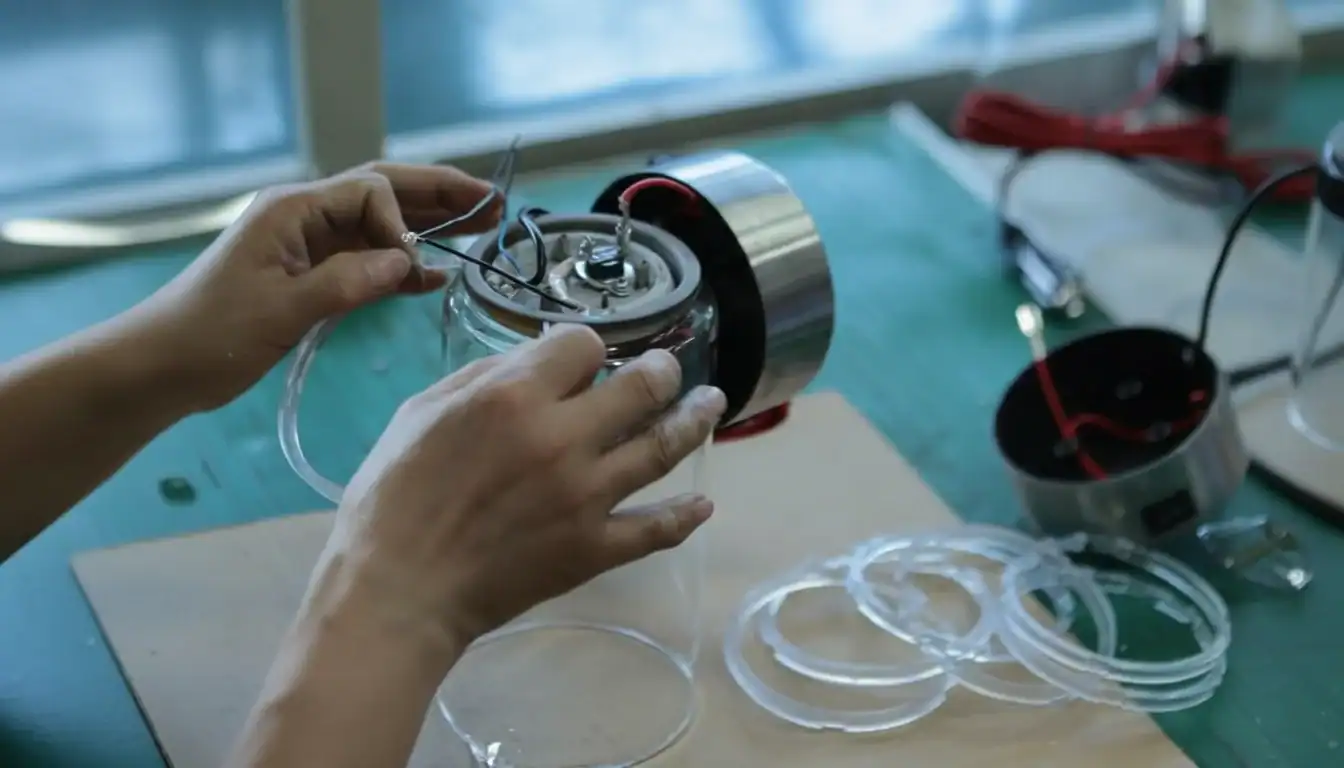
Does the Sleeve Interfere With the Kettle’s Heat Dissipation?
Food-grade silicone sleeves act as dense thermal insulators rather than heat sinks, actively improving boiling efficiency by trapping internal thermal energy while maintaining a safe-to-touch exterior.
Thermal Insulation Properties of Silicone Sleeves
Food-grade silicone fundamentally alters the thermal dynamics of the SM400 High Borosilicate Glass kettle. Instead of drawing heat away from the water like a metal heat sink, the silicone sleeve acts as a highly effective thermal insulator. This dense barrier significantly restricts the direct transfer of thermal energy from the rigid glass surface to the external environment.
Because silicone possesses exceptionally low thermal conductivity, it locks the heat inside the 1000ML reservoir. This material characteristic ensures the boiled water remains hot for extended periods after the heating cycle completes, drastically reducing the need for fleet drivers to execute repeated power cycles during long hauls.
Effects on 12V/24V Boiling Efficiency
Heating water via a vehicle’s DC power supply demands strict energy management. KelyLands 12V/24V auto kettles operate within a constrained 150W to 300W power envelope, requiring approximately 30 minutes to bring 1000ML of water to a rolling boil. In this low-wattage environment, minimizing ambient heat loss dictates the overall boiling performance.
The protective sleeve wraps the sidewalls of the glass cylinder, actively preventing the ambient air inside a cold truck cabin from cooling the vessel. By blocking this external temperature interference, the sleeve forces the maximum amount of heating energy directly into the water, optimizing the 30-minute boiling sequence and reducing unnecessary strain on the vehicle’s electrical architecture.
User Safety and External Heat Transfer
Managing external surface temperatures establishes the safety baseline for fleet drivers and RV users operating heavy-duty kettles in confined spaces. The silicone sleeve functions as a reliable thermal barrier, specifically engineered to intercept the intense temperatures radiating outward from the borosilicate glass core.
While the internal water reaches a 100°C rolling boil, the low-conductivity sleeve keeps the exterior contact points cool enough to handle. This deliberate thermal management prevents accidental burns when users grip and pour from the heavy-duty SM400 model immediately after the boiling sequence triggers the auto-off switch.
結論
Integrating a custom food-grade silicone sleeve transforms a standard portable borosilicate glass kettle into a highly durable, retail-ready product. The sleeve effectively absorbs impacts to pass the 1-meter drop test while maintaining proper heat dissipation during the boiling cycle. Precise Pantone matching and custom logo embossing allow OEM brands to build distinct visual identities while solving the common issue of transit breakage.
Evaluate your current glass kettle designs to see where targeted silicone protection can reduce your product 低下します. Contact our OEM engineering team to discuss tooling costs and request a custom silicone sample tailored to your specific retail requirements.
よくある質問
Does a borosilicate glass kettle portable break easily in luggage?
Borosilicate glass is highly resistant to thermal shock, but as a rigid material, it can be susceptible to mechanical impacts if packed unprotected in luggage. However, when encased in a high-quality food-grade silicone sleeve, vibrations and impacts are significantly dampened. The compressible nature of the silicone acts as a shock absorber, greatly reducing the risk of breakage during transit and rough baggage handling.
Can we design a custom silicone protective sleeve for the glass?
Yes, custom silicone protective sleeves can be specifically engineered to fit the unique dimensions of any glass kettle. Because food-grade silicone is a soft, compressible material, it can be precision-molded to feature tailored thicknesses at key impact zones. This provides excellent shock absorption to prevent accidental drops while allowing for complete branding, color-matching, and aesthetic customization.
What is the tooling cost for custom silicone molds?
Tooling costs for custom silicone molds typically range from $500 to $3,000 USD, depending on the complexity of the sleeve design, surface finish requirements, and the specific manufacturing method. Standard compression molds for basic protective sleeves fall on the lower end of this spectrum, while more intricate designs requiring multi-cavity Liquid Silicone Rubber (LSR) injection molding will incur higher upfront tooling expenses but offer better efficiency for mass production.
Do the silicone sleeves pass LFGB safety standards?
Yes, premium food-grade silicone sleeves are specifically manufactured to pass rigorous LFGB safety standards. This top-tier certification guarantees that the silicone contains no harmful toxins, does not leach volatile compounds, and safely maintains its structural durability and shock-absorbing properties across extreme temperature ranges, typically from -60°C to 225°C, ensuring optimal safety for consumer appliances.

 English
 Español
 Français
 Deutsch
 Português do Brasil
 Русский
 한국어
 日本語
 العربية