 メインコンテンツへスキップ フッターへスキップ

デュアルユース化粧用冷蔵庫は、アウトドアブランドにとって素晴らしいアイデアに思えますが、最初のロットが届いて Unit が 35°C の車内で温度を保持できないと、話が別です。仕様書が約束することと実際にコンテナに入ってくるものの差こそが、ほとんどのバイヤーがマージンを失うポイントです。私はこのパターンを一度や二度ではなく見続けています——試作品はデスクの上では完璧なのに、量産ロットが冷却性能で 10 度ほど低下するのは、サーモエレクトリックモジュールが 30°C を超える環境温度に耐えられるかどうかチェックしなかったからです。.
現実には、10 リットル未満のほとんどのコンパクト冷蔵庫はサーモエレクトリック冷却を使用しており、屋内でのスキンケア用品保存には問題ありませんが、キャンプ場で実際の飲料冷却パワーが必要と struggle します。コンプレッサーユニットはこれを解決しますが、着荷コストと MOQ を押し上げます。重要なのは、金型にコミットする前に、どのテクノロジーが顧客の本当のユースケースに適合するかを理解することです。KelyLands が組立ラインを運営する寧波では、工場はしばしば カークーラーと化粧用冷蔵庫を同じラインで生産します——なので、1 つの基本モデルを注文して 2 つのパッケージバリエーションを受け取れ、2 つの別々の親型に支払う必要はありません。これこそが、コンペティティブな FOB プライスを実現しながら、ビューティーとキャンプングの両方の顧客に一つの SKU から対応する方法です。.
化粧用冷蔵庫としても機能するキャンプクーラーとしてプライベートレーベル化を検討するアウトドアブランドにとって、書き込むべきベンチマークはこれ:もしターゲットの小売シナリオが 30°C を超える環境温度を含むなら、-20°C の最小温度デルタを持つコンプレッサーモデルを指定してください。それ以下なら、8 月の半ばで動作を停止する美しい箱を売っていることになります。.
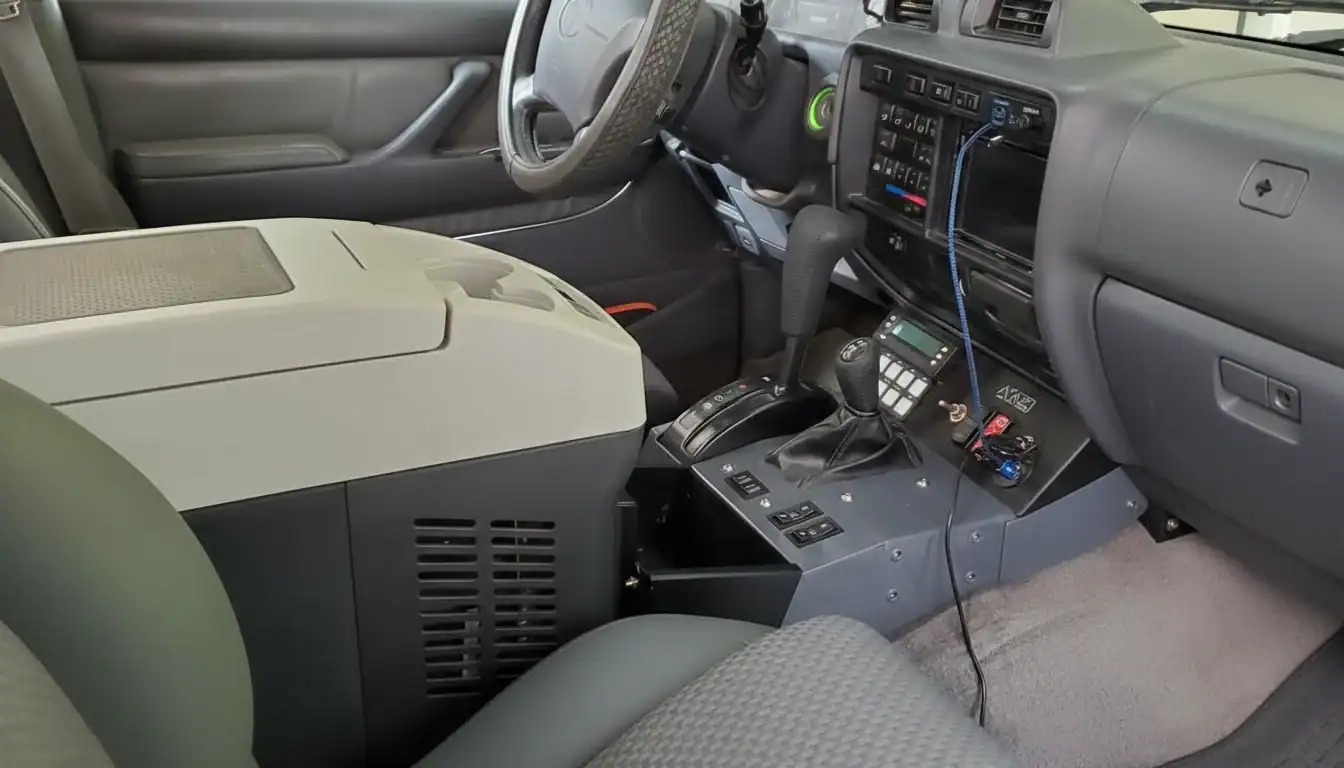
デュアルユース化粧用冷蔵庫とは?
1 つの基本モデルが 2 つのマーケットを異なるパッケージでサーブできます。.
デュアルユース化粧用冷蔵庫は、スキンケア製品を安定した 10-18°C に保つために設計されたコンパクトポータブルクーラーですが、飲料や食品のための車用クーラーとしても機能します。オーバーラップが生じる理由は、基礎技術が同じだからです:サーモエレクトリックまたはコンプレッサーシステムが、断熱箱の中で設定温度を維持します。4L-10L の範囲のほとんどのユニットは、化粧水庫としてもキャンプクーラーとしても販売される際、 identical なシェル、冷却モジュール、および電源ボードを共有しています。.
なぜミニ冷蔵庫も車用クーラーなのか
物理的な構造はユースケース間で変化しません。寧波の同じアセンブリラインからの 6L ユニットは、同じ ABS プラスチックハウジング、同じ DC ファンモーター、同じ 12V 電源入力を使用します。唯一の違いは、インテリアトレイレイアウトと箱のグラフィックスです。化粧水庫は通常、ボトルやジャー用の調整可能なディバイダーを含み、一方、車用クーラーはそれらのディバイダーを省略して缶を upright に収めます。トレイインサートを交換して再パッケージすれば、一つのコスト投資から 2 つの別々の製品を得られます。.
コスmetic Fridgewithキャンプクーラーの違い
目標温度が分岐点です。Cosmetic Fridgは血清やマスクを凍らせずに保存するために10〜18℃を目指しますが、キャンプクーラーは飲料や生鮮食品のために0〜4℃まで冷却する必要があります。熱電式ユニットは周囲温度より約18〜20℃低い温度しか出せないため、35℃の車内では15〜17℃以下に到達するのが難しく、スキンケアには十分ですが冷たい飲み物には不十分です。圧縮機式ユニットは両方の温度域に対応できますが、コストが高くなりMOQも大きくなります。.
サーモエレクトリック vs コンプレッサー:どちらのマーケットにも適しているのは?
屋内での美容用途には熱電式が有利です。.
多くの購入者は、どのミニフリーズもバスルームの Vanity とキャンプ地の両方で使えると仮定しています。その仮定が彼らにコストをかけさせます。4L〜10Lユニットの中身冷却技術が、スキンケアを安定した10〜12℃で保持できるか、それとも35℃の午後に飲み物を冷たく保つのに苦労するかを決定します。これが本当の的分れ目です。.
4L-6L 熱電式ユニット
これらは Amazon や美容店で見かける標準的な cosmetic Fridges です。ペルチェチップを使用して温度差を生み出し、通常、室内温度より約18〜20℃下げることができます。これは屋内では問題なく機能し、寝室やバスルームが22〜25℃前後であれば、冷蔵庫は5〜10℃を維持し、血清やシートマスクには許容範囲です。.
問題は、その同じユニットをキャンプに持っていくときに顕著になります。夏の日光下では、車の cabin は40〜50℃に達することがあります。18〜20℃の温度差を持つ熱電式クーラーは、内部を約25〜30℃までしか下げられません。これは飲み物を冷たく保つことはできず、週末の旅を通じて温度感受性の高いスキンケア製品の変質も防げません。.
-
- 最適な使用ケース: 化粧品、マスク、小さなスキンケアボトルの屋内バスルームまたは寝室の収納。.
- 消費電力: DC電源(車のシガーソケット)またはACアダプターで動作し、通常30Wから50Wを消費します。.
- 費用範囲: 参入障壁が低い — このようなユニットのFOB価格は、圧縮機モデルよりも低く始まります。.
10L+ コンプレッサー式ユニット
コンプレッサー式冷蔵庫は、フルサイズのキッチン冷蔵庫と同様に冷媒サイクルを使用します。周囲の熱にかかわらず、最高 -20℃までの温度を実現できます。 Cosmetic Fridges としてだけでなく、スキンケアも保存できるキャンプクーラーとしても機能する単一製品を必要とするアウトドアブランドにとって、これは両方の環境で対応できる唯一の技術です。.
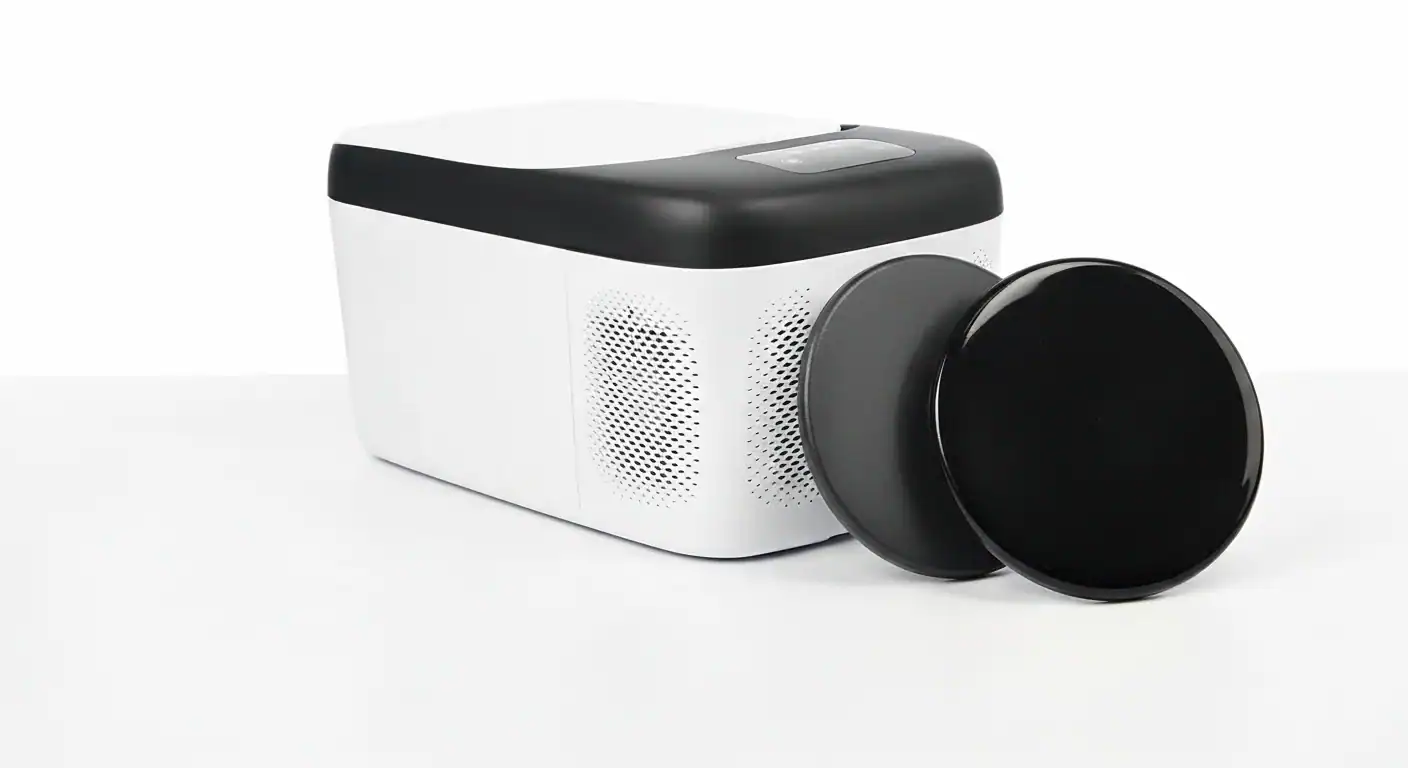
アウトドアブランド向けのプライベートレーベルオプション
ベースモデル1つ、2つの市場 — パッケージングが唯一の違いです。.
コンパクト冷蔵庫市場に参入するアウトドアブランドにとって最も賢明な戦略は、単一のハードウェアプラットフォームから始め、在庫をパッケージングで分けることです。KelyLandsがポータブル冷蔵庫の生産ラインを運営する寧波では、カークーラーを組立するのと同じ工程で化粧品用冷蔵庫も製造されています。つまり、2つの専用金型代を支払うことなく、1つのベースモデルを注文すれば2種類のパッケージバリアントを受け取ることができます。このアプローチを採用する価値があるのは、金型投資代の節約 alone です。.
同じベースモデル、2つのパッケージバリアント
4Lの熱電気ユニットは、外気温より18〜20°C低い温度まで冷却します。室内では、30°Cの日でもこの範囲がスキンケア製品を8〜12°Cに保ちます。一方、夏の日光の下で駐車した車の室内温度は50〜60°Cに達し、同じユニットでは30°Cを下回る温度を保つのが難しくなります。したがって、ハードウェアの選択が実際にサービスできる市場を決定します。飲料を本格的に冷やす必要があるキャンプ用途では、コンプレッサーモデル(10L以上)を指定してください。工場レベルでは1単位あたり約$8〜12追加費用がかかりますが、外気温に関係なく一貫して0〜10°Cを実現します。.
-
- 熱電気式(4L-6L): ビューティー Storage や室内・穏やかな屋外条件での軽い冷却に最適。FOB価格はお手頃ですが、外気熱の影響を受けやすいです。.
- コンプレッサー式(10L-15L): 高温の車内や直射日光下にも対応。MOQは高くなりますが、キャンプやロードトリップのユースケースを開拓できます。.
ビューティー向け vs キャンプ向けブランディング
本体は同一です — 同じ射出成形の筐体、同じ冷却モジュール、同じ電源基板。変わるのは外箱のグラフィック、取扱説明書の言語、同梱されるアクセサリーだけです。ビューティーブランドの箱はセリウムやシートマスクの写真が入った柔らかいパステルカラーを使用し、キャンプ仕様はテールゲートの上に缶やスナック shown なアースカラーを使用します。小売価格差は大きくなり得ます — 化粧品用冷蔵庫は$49〜69 USDで販売される一方、同一のキャンプクーラーは$39〜49 USDで販売されるため、それぞれ別のブランディングが両チャネルのマージンを保護します。.
電源と安全規格
12Vカープラグは熱電気ユニットを無期限に動作させます。.
電源ソースが、デュアルユース冷蔵庫がどこでどのように動作するかを決定します。6リットル未満のコンパクト化粧品冷蔵庫の多くは、12VカープラグとACアダプターを搭載して出荷されます。カープラグはロードトリップには問題なく使用できますが、連続して約4〜5アンペアを消費します。エンジンを切った状態でアクセサリーソケットに挿したままにしておくと、半日以内にはバッテリーがあがってしまいます。.
12Vカープラグ vs ACアダプター
熱電気ユニットはDC電源で約45〜60ワットを消費します。これは走行中では問題ありませんが、現代の車両の多くではシガーソケットが ignition オフ後に電源を切断するため、直接使用できません。一部の市場用アダプターはこの機能をバイパスしますが、その場合はスターターバッテリを直接 draining することになります。ACアダプターはキャンピング場やホテルでこの問題を解決し、標準的な壁面コンセントに変換することで、車両の電気システムに触れることなく冷蔵庫を動作させます。.
コンプレッサー冷蔵庫はより高い始動電流を消費します — 峰值はよく70〜80ワット — し、連続運転ではなくオン・オフを繰り返します。これにより全体的により効率的になりますが、依然として安定した 動作半径が決まります。. キャンプ場で一夜を過ごすことをターゲットとしたアウトドアブランドでは、ACアダプターが必須です。グリッド電源がないピュアオーバランディングの場合は、冷蔵庫専用ディープサイクルバッテリーまたはポータブルパワーステーションと組み合わせる必要があります。.
バッテリーとソーラーの考慮事項
一般的な100Ah鉛酸バッテリーは、50%の放電深度に至るまで約10〜12時間熱電式冷蔵庫を駆動しますが、それ以下はバッテリーに永久的な損傷を与える可能性があります。コンプレッサー式は内部温度に達すると運転を停止するため、同じバッテリーで約24〜36時間使用できます。100Wのソーラーパネルは、適切に配置すれば日中時間を問わずコンプレッサー冷蔵庫の電力を補えますが、曇天時は出力が最大70%低下します。.
これらのユニットをスキンケア用品も保存できるキャンピングクーラーとしてプライベートラベル化するアウトドアブランドにとって、付属ケーブルセットにハーダインドオプションがあるかどうかは、ほとんどのバイヤーが考えている以上に重要です。ハーダインドキットを使えば、シガーソケットを使用する代わりに補助バッテリーバンクに直接接続できます。車用クーラーと化粧品用冷蔵庫の両方を生産する寧波の工場では、通常、10リットル以上のコンプレッサーモデルに対してこのオプションが提供されます。.

アウトドアブランド向けの 5 つの製品シナリオ
ベースモデルは共通、2つの市場セグメント——パッケージングだけが異なります。.
あなたのカークーラーを製造した寧波工場は、以下も製造できます。 プライベートブランド 美容用冷蔵庫として。生産ラインは変わりません。変わるのは箱、インサートカード、そしてAmazonにリストするSKUです。アウトドアブランドにとって、これは1つの在庫SKUがキャンプコーナーとビューティーカウンター両方で活用できる5つの具体的な製品シナリオを開きます。.
キャンプ用スキンケア&ドリンク冷却器
4Lのサーモエレクトリック式ユニットは、シートマスク、セラム、スパークリングウォーター1本分を室温より18〜20°C低い温度で保ちます。砂漠の暑さでなければ、週末のキャンプ地でも十分対応可能です。購入者は、スキンケアを夜通し保存しながら昼には飲み物も冷やせる一台のデバイスを手に入れます。第二の家電は不要です。.
ロードトリップ用飲料&シートマスク冷却器
6時間のドライブの場合、6L コンプレッサー式ユニット では、缶飲料4本と-full-size-シートマスクパック2枚を収納できます。ドライバーは12Vソケットに接続し、飲料は4°Cに設定、休憩所で冷えたマスクを取り出します。設定を変えずに同じ冷却器が2つの仕事をこなします。.
ホテル&ロードトリップギフトセット追加アイテム
ホテルアメニティキットやロードトリップバンドルを販売するアウトドアブランドは、コンパクトクーラーを中核アイテムとしてパッケージに含められます。ブランドロゴ入りタオル、旅行用 toiletries、USB充電式ファンとセットアップ。冷却器はワインや保湿クリームなど、ゲストの好みに合わせて収納します。.
注文前に工場に尋ねるべきこと
「4°Cまで冷却」ではなく、温度差(デールタ)仕様を必ず確認してください。この数値は周囲の熱によって変化します。.
あなたは、二重用途の美容用冷蔵庫だと信じてプライベートラベル注文を進めています。工場が見積書を送付し、生産前サンプルを承認、コンテナが倉庫に到着します。3週間後、アリゾナのカスタマーから、7月のキャンプ旅行中にシートマスクを十分に冷やせなかったとのクレームが届きます。ユニットは室温より20°C低い温度に設定可能とされていたものの、車内温度は45°Cに達していました。この計算では不足します。.
温度範囲と消費電力
容量4L~10Lの最もコンパクトな冷蔵庫は、 熱電冷却(ペルチェ方式)を採用しています。. 。この方式では外気温から約18~20°C低下させることができます。室内が22°Cの場合、内部温度は2~4°C程度になり、スキンケア製品や飲料数本を冷やすには十分です。しかし、暑い車内やキャンプ場で直射日光があたる環境では、外気温が35~40°Cに達することもあります。そうなると内部温度は15~20°C程度しか下がりません。これはインスリンの安定した保存に適さず、飲料も十分に冷えません。.
コンプレッサー式冷蔵庫はこの課題を解決します。外気温に関係なく設定温度を維持でき、必要に応じて-20°Cまで冷却可能です。ただしコストが高く、生産ラインが熱電式とは異なるため、MOQ(最低注文量)も高めになります。ケリーランドが提携する寧波の工場では、コンプレッサー式冷蔵庫は通常10L以上の容量から開始されます。.
結論
冷却技術とパッケージングを適切に選べば、1つの基本モデルで2つの異なる小売市場に対応できます。キャンピング用 versus 美容カウンター用の熱電式・コンプレッサー式ミニ冷蔵庫の選択は最初の分岐点です——間違った選択をすると、35°Cのキャンプ場で温度を保持できないか、美容系商品としては高すぎることになります。.
-
- 熱電式ユニットは外気温から約18°C低下しますが、室内では十分でも暑い車内では不十分です。.
- コンプレッサー式冷蔵庫は零度以下の温度を実現しますが、MOQは約300~500個増加します。.
- 1本の生産ラインで、共用金型からデュアルマーケット向けのミニ冷蔵庫パッケージバリエーションを生産できます。.
- 自動車用には12V DC入力規格が標準です;ACアダプターを追加すれば寝室での使用も可能になります。.
この仕様検討を省略すると、屋外ブランド向けのプライベートラベル化粧品用冷蔵庫を注文することになり、その用途のどちらか一方では機能が果たせなくなります——そうすると返品コストは工場側ではなくあなた側が負担します。梱包バリエーションのご注文を確定する前に、製品ページで現在の価格を確認し、熱電式とコンプレッサー式の選択肢を並べて比較してください。.
よくある質問
単一モデルで化粧品冷蔵庫と車載クーラーの両方として使用できますか?
はい、単一の4L〜6Lの熱電式ユニットは、異なるパッケージを用いて両市場に対応可能です。重要なのは、温度範囲がスキンケア製品の保存(約10〜18℃)と車載飲料の冷却の両方をカバーしていることです。ご注文前に仕様書が実世界の性能と一致しているかご確認ください。.
ダブルブランド包装のMOQはいくらですか?
プライベートラベル注文では、MOQは packaging バリアントごとに通常 500〜1000 個から開始されます。構造変更なしで工場の既存ベースモデルをご使用いただく場合は、より少ない MOQ が可能となる場合があります。MOQ に関するお問い合せは、packaging のデザインと数量配分を確定された後でお願いいたします。.
両市場にとって最も適した冷却タイプはどれですか?
熱電式ユニット(4L~6L)は室内でのビューティー用途や軽量車載用途に最適で、圧縮式ユニット(10L以上)は過酷な屋外温度に対応します。真のデュアルユース対応 refrigeratorをご希望の場合は、主に使用されるシーンと気象条件に合わせて冷却方式を 선택してください。.
デュアルユース冷蔵庫はどのような電源に対応していますか?
多くのモデルには12Vシガーソケットプラグと家庭用ACアダプターが含まれています。バッテリーやソーラー対応の有無は製品の消費電力によります。ポータブル電源からのDC入力に対応しているかご確認ください。ご注文前にメーカーへ電源仕様をご確認いただくことを推奨します。.

 English
  Español
  Français
  Deutsch
  Português do Brasil
  Русский
  한국어
한국어  日本語
日本語  العربية