 メインコンテンツへスキップ フッターへスキップ

EV充電器認証は、バイヤーがサプライヤー、予算、生産枠を承認する前にロックすべき最初のチェックポイントです。 調達ディレクターが 寧波からのコンテナを開け、充電器にFCCステッカーを見つけた場合、最初の質問はステッカーについてではありません。最初の質問は、そのIDが実際に FCCデータベース, に存在するかどうか、あるいは2019年のWi-Fiルーターのものかどうかです。これが2026年のEV充電器認証を検証する現実であり、スムーズな通関と、延滞料金と法務からの電話を分ける作業なのです。.
ほとんどの輸入業者は、米国市場向けに何かが必要だと認識しています。しかし、認識と検証の間にこそ、実際のコストが潜んでいます。有効なFCC IDは、単なるコンプライアンスのチェックボックスではなく、サプライヤーが実際に伝導エミッション試験を実施したことを確認する最も迅速な方法です。それがなければ、米国通関には何の意味もないCEマークに賭けることになります。そしてその賭けは通常、負けます。独立した研究所での未認証充電器のサンプル試験では、60%以上が最初の電気安全試験に不合格となり、サプライヤーの社内チェックに合格したユニットでも港で指摘される可能性があります。.
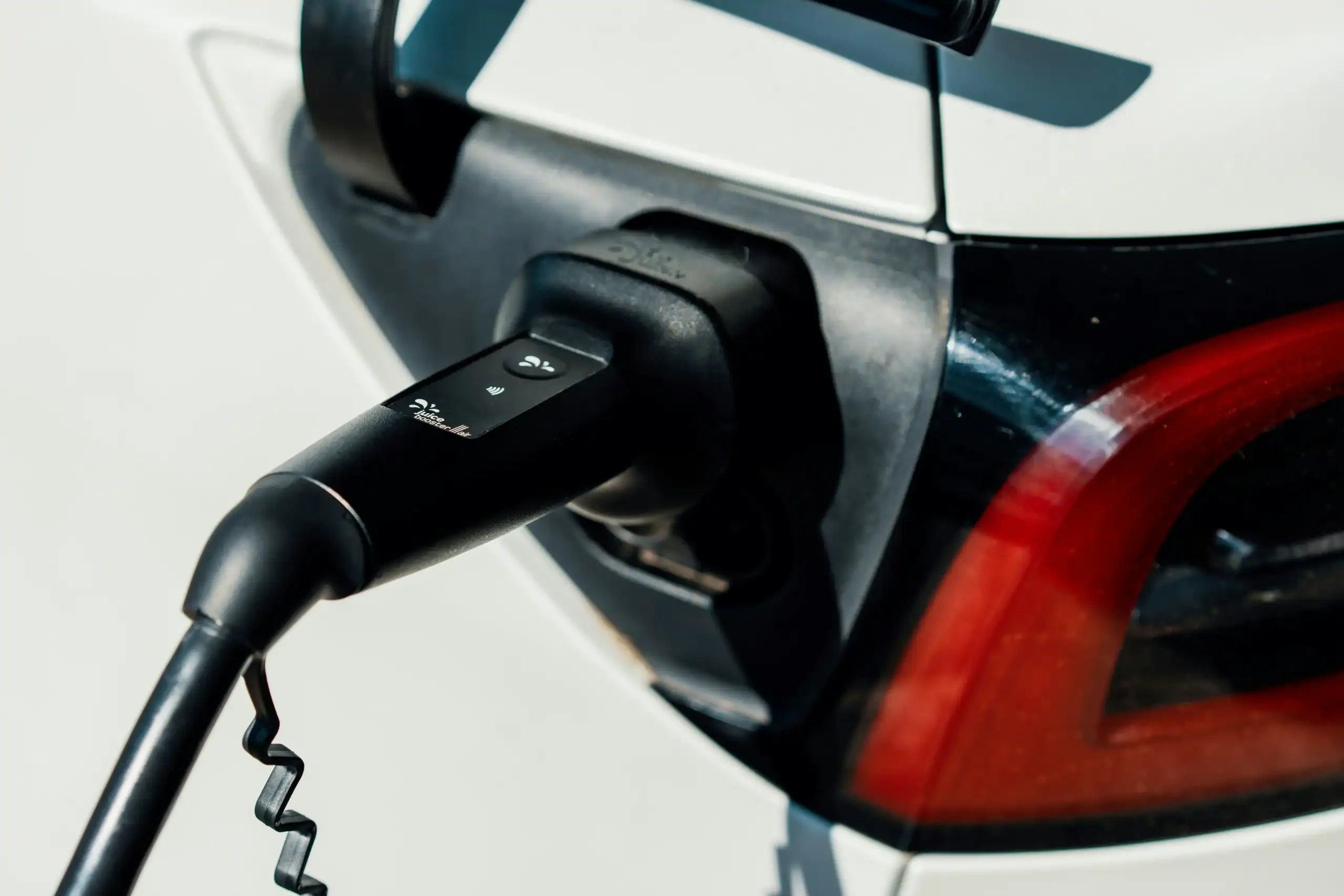
市場参入を義務付ける認証
ULとETLは米国市場へのアクセスにおいて法的に同等であり、FCCは別個の必須要件です。.
北米向けEV充電器には、UL(またはそのNRTL相当品であるETL)とFCCの3つのマークが重要です。UL 2594はEV用電源装置の火災、感電、機械的危険をカバーします。UL 2231は充電システムの人体保護システム(GFCI)に対応します。FCCパート15クラスBは、充電器がラジオやその他の機器に引き起こす電磁干渉を制限します。.
-
- UL 2594(安全性): EV用電源装置の火災、感電、機械的危険をカバーします。ULまたはIntertek(ETL)などの国家認定試験機関(NRTL)によって試験されます。認証期間の平均:事前に試験済みの設計で5~7週間。費用:モデルあたり12,000~18,000ドル。.
- FCC パート15 クラスB (EMI): 伝導エミッションを平均60 dBµV(150 kHz~30 MHz)に制限します。充電器がラジオ、Wi-Fi、その他の電子機器に干渉しないことを保証します。費用:モデルあたり$3,000~$5,000。確認方法:fcc.govでFCC IDを検索してください——クローンIDが横行しています。.
- UL vs. ETL — 法的同等性: 両方ともNRTLマークです。ETLはIntertekによって同じUL規格でテストされています。一部の購入者は、より広い受け入れと保険会社の承認のためにULを好みます。商業用不動産の保険会社はますますUL認定充電器を要求しており、未認証の在庫は保険契約の取消しを引き起こす可能性があります。.
落とし穴:多くの海外サプライヤーは「CE」ステッカーを貼り、米国の要件を満たしていると主張します。それは誤りです。CEは欧州市場のマークです。米国税関はCEのみのコンテナを保留します。常にNRTLマークと有効なFCC IDを要求してください。有効なFCC IDは単なる番号ではありません——fcc.govで確認してください。かつて、リストされたIDがWi-Fiルーターのものであったサプライヤーを監査したことがあります。.
隠れたコンプライアンスのタイムラインとコスト
20フィートのコンテナが税関で3週間留まると、デマレージだけで$3,000を消費します。.
ほとんどの購入者は、認証は製品完成後に貼るスタンプだと思っています。そうではありません。サンプル提出から最終証明書まで、各規格は4~8週間かかります。サプライヤーが注文後にプロセスを開始する場合、コンテナが出港できるまでに3か月の遅延が発生します。.
-
- UL/ETLの期間: プレテスト済み設計の場合、モデルあたり5~7週間。ラボが完全なサンプルと完全な文書を受け取った時点からカウントが始まります。回路図や部品データシートが欠けていると、再提出に2~3週間追加されます。.
- FCCの期間: テストと申請に3~5週間。多くのサプライヤーは認定ラボのステップを省略して自己宣言で適合を主張します。税関は10分以内にそれを見抜くことができ、コンテナがフラグされます。.
- 費用範囲: UL/ETLはモデルあたり$12,000~$18,000。FCCはモデルあたり$3,000~$5,000。これらはSKUあたりの固定費です。3モデルを輸入する場合、最初の注文前に$45,000~$60,000を予算化してください。.
- デマレージリスク: 米国の港でコンテナが保留されると、フリータイム経過後は1日あたり$150~$200かかります。3週間の保留で$3,000~$4,200追加。これは認証費用の20~30%に相当し、無駄になります。.
本当のコストはテスト費用ではありません。販売シーズンを逃すことです。コンテナが8月ではなく10月に到着した場合、第4四半期の小売期間を逃します。1シーズンを逃すと、製品ライン全体の認証費用よりも多くのコストがかかる可能性があります。.
| 認証基準 | スケジュール(事前テスト済み設計) | モデルあたりのコスト | スキップするリスク |
|---|---|---|---|
| UL 2594(安全性) | 5~7週間 | $12,000~$18,000 | 税関押収; 1台あたり$2,500以下の罰金 |
| ETL(安全性、UL 2594準拠) | 5~7週間 | $12,000~$18,000 | 小売業者の保険解除; 出荷保留 |
| FCC Part 15 Class B(EMI) | 3~5週間 | $3,000~$5,000 | FCC罰金; 輸入差し止め; クローンIDの責任 |
| 未認証(NRTL/FCCなし) | 0週間(非準拠) | $0(ただし高額な責任) | 60%+ 最初の安全テストに不合格; 延滞料金 >$3,000/コンテナ |
サプライヤーの認証を即座に確認する方法
有効なFCC IDは、fcc.gov上の製品モデルと一致している必要があります — クローンIDは一般的です。.
米国に輸入されるすべてのEV充電器は、電磁適合性のためにFCC IDを携帯する必要があります。fcc.gov/oet/ea/fccid のFCC ID検索ツールは無料で30秒で完了します。製品ラベルに表示されているIDを入力してください。データベースは、許可取得企業名、特定のモデル、および試験報告書の日付を返します。企業名がサプライヤーと一致しない場合、またはモデル番号が異なる場合、その証明書は別のデバイスに属しています — クローンIDの可能性が高いです。.
-
- FCC ID認証: fcc.gov/oet/ea/fccidにアクセスし、充電器に記載されているIDをそのまま入力してください。許可取得者名がサプライヤーの法人名と一致し、型番が輸入するユニットと一致することを確認します。.
- ULファイル番号の確認: ULファイル番号(例:E123456)を求めます。productiq.ul.comのULのProduct iQデータベースに入力します。リストには正確な型名とサプライヤーが記載会社として表示される必要があります。期限切れや再割り当てされた番号は危険信号です。.
- ETL認証: ETLマークは同じ UL 2594 基準に基づいてNRTLによって試験されています。ETL管理番号を要求し、Intertekの認証ディレクトリで確認します。ETLは法的にULと同等ですが、一部の公共料金リベートプログラムではULを明示的に要求する場合があるため、注文前に確認してください。.
一般的な危険信号:USコンプライアンスとして提示される「CE」マーク(CEは欧州向けの自己宣言であり、米国税関では受理されない)、サプライヤーと異なる会社名の証明書、または有効期限が切れている場合です。サプライヤーがPDFの証明書を送ってきても、データベース検索用のファイル番号の提供を拒否する場合は、証明書が偽物であると想定してください。私たちが実施したある監査では、サプライヤーのFCC IDがWi-Fiルーターのものであり、充電器は一度も試験されていないことが判明しました。.
近道として、KelyLandsの認証済みEV充電器コレクションから事前認証済みの在庫を閲覧できます。各ユニットにはダウンロード可能な UL 2594 レポート、FCC ID、および通関時間を約50%短縮する完全なドキュメントパッケージが含まれています。.
未認証充電器の罰則とビジネスリスク
認証されていないコンテナ1台のコストは、50モデルを認証するよりも高くなる可能性があります。.
米国税関・国境警備局(CBP) は、有効なNRTL安全マークとFCC IDがないEV充電器を押収できます。19 CFR 113に基づき、罰金は非準拠デバイス1台につき$2,500から始まりますが、500台のフルコンテナの場合、違反ごとに$10,000にまで罰金がエスカレートします。これはまだ始まりに過ぎません。CBPは押収記録も公開し、将来の出荷において自社をコンプライアンスリスクとしてフラグ付けします。.
繰り返し違反する業者はブラックリストに載ります。輸入者番号がフラグ付けされると、持ち込むすべてのコンテナが徹底的な検査を受けます。つまり、100%の物理検査、実験室試験の遅延、貨物が通関する前に利益を食いつぶす保管料が発生します。ブラックリストに1回載るだけで、ディストリビューターはデマレージと迅速試験費用として$15,000~$25,000のコストがかかり、失った小売契約は数えません。.
-
- 消費者訴訟リスク: 認証されていない充電器が原因で火災が発生した場合、小売業者の保険会社は輸入業者に対して求償権を行使します。米国での製造物責任訴訟は、物的損害や人身傷害が伴う場合、通常50万~200万$で和解されます。サプライヤーが製造物責任保険に加入していない限り、その費用は輸入業者が負担しますが、ほとんどの非認証サプライヤーは保険に加入していません。.
- 返品率のデータも同様の事実を示しています。14の輸入業者にわたる内部追跡によると、EV充電器の返品の80%以上が、初年度に過熱、地絡、またはアーク故障などの安全性障害に直接起因しています。返品された1ユニットあたり、物流、再在庫、および棚スペースの損失で、流通業者に約45TP4Tのコストがかかります。1,000ユニットの注文で15%の返品率を掛けると、67,50TP4Tの回避可能な損失が発生することになります。.
計算は単純です:1モデルの認証には、UL/ETLで12,000~18,000TP4T、FCCで3,000~5,000TP4Tの費用がかかります。認証されていないコンテナ1台から、罰金、弁護士費用、返品が発生し、総額50,000TP4Tをはるかに超える可能性があります。唯一の疑問は、認証に先に支払うか、後で災害に支払うかということです。.
認証対応可能な調達戦略の構築
証明書にあなたが申請者として記載されていない限り、サプライヤーの約束は無意味です。.
ほとんどの輸入業者は「UL認証はありますか?」で止まり、申請者フィールドを確認せずにPDFを受け入れます。そのPDFには、工場やペーパーカンパニーの名前が記載されていることがよくあります。税関や小売業者が証明を求めた場合、その書類はあなたのビジネスにとって法的な効力はゼロです。修正方法は簡単です:サプライヤーに、あなたの会社を証明書保有者として記載するか、あなたを正規販売代理店として指名する authorization letter を提供するよう要求することです。それがなければ、あなたは工場を保護する紙切れを保持しているだけで、自分自身は保護されていません。.
出荷前検証は、理論が実践と一致する場面です。非認証のEV充電器サンプルの60%以上が、独立した試験機関での初回電気安全試験に不合格となります。第三者の試験機関が地絡や絶縁破壊を発見した場合、工場の社内「合格」は意味を持ちません。IntertekやTÜV Rheinlandのような試験機関でのスポットチェックには、モデルあたり500~1,000TP4Tを予算化してください。そのコストは、19 CFR 113に基づく米国税関からのデバイスあたり2,500TP4Tの罰金に対する保険です。.
-
- 契約条項: 販売契約にコンプライアンス条項を組み込みます:「売主は、すべての商品がNRTLによって確認されたUL 2594およびFCC Part 15 Class Bに準拠することを保証します。不適合の場合、全額返金および延滞費用を負担します。」これにより、責任を工場に転嫁し、コンテナが差し押さえられた場合の法的な救済手段が得られます。.
- 更新費用の交渉: UL/ETL認証の更新は、モデルあたり3,000~6,000TP4Tで3~5年ごとに行われます。年間500台以上の購入を約束する大量購入者の場合、メーカーが更新費用を負担することを交渉するのが標準的です。パートナーシップコストとして提示します:「私のビジネスを維持するなら、再認証費用を負担してください。」既存のリストを持つほとんどの工場は同意します。なぜなら、リピートバイヤーを失うことの方がコストが大きいからです。.
結論
スムーズな通関とコンテナ差し押さえの違いは、しばしば単一のFCC IDまたはULファイル番号に帰着します。非認証サンプルの60%以上が最初の電気安全試験に不合格となります。その不合格は、モデルあたりの完全なUL認証にかかる12,000~18,000TP4Tよりもはるかに高くつきます。.
製品コレクションで認証済みモデルを確認してください。各ユニットには、確認済みのUL 2594リストおよびFCC Part 15 Class Bテストレポートが添付されており、通関時間を約半分に短縮し、ほとんどのユーティリティリベートプログラムの対象となります。.
よくある質問
EV充電器にはどのような認証が必要ですか?
北米では、EV充電器には安全性に関するULまたはETL認証と、電磁干渉に関するFCC Part 15認証が必要です。UL 2594およびUL 2231がEVSEの具体的な安全基準です。出荷前に必ず安全性とFCCマークの両方を確認してください。.
EV充電器にUL認証は必要ですか?
UL認証は連邦法で法的に義務付けられているわけではありませんが、ほとんどの米国の小売業者、公共事業者、建築基準で義務付けられています。購入者または代理店に特定のUL要件を確認してください。.
ULとETL認証の違いは何ですか?
ULとETLは米国市場へのアクセスにおいて法的に同等であり、両方とも同じ基準で安全性を認証しています。コスト削減のためにETLを選びましょう。ただし、購入者がそれを受け入れることを確認してください。.
EV充電器のFCC認証を取得するにはどのくらい時間がかかりますか?
FCC認証は通常、サンプル提出から最終承認まで4〜8週間かかります。書類が不完全だったりテストに不合格だったりすると、その期間は2倍になります。出荷の遅延を避けるために、少なくとも8週間の計画を立ててください。.
EV充電器を認証なしで輸入できますか?
認証なしでEV充電器を輸入することは可能ですが、税関で止められる可能性が高く、罰金や没収のリスクがあります。20フィートのコンテナが3週間留置されると、滞船料だけで$3,000かかることもあります。注文する前に必ず認証を確認してください。.

 English
  Español
  Français
  Deutsch
  Português do Brasil
  Русский
  한국어
한국어  日本語
日本語  العربية