 메인 콘텐츠로 건너뛰기 푸터로 건너뛰기

1일 차에 FOB 가격으로 2,000개를 PO 발주했지만, 나중에 Amazon이 요구할 화장품 냉장고 인증서는 이메일 스레드에 없습니다. 14일 차에 양산 전 샘플이 도착해 육안 검사를 통과하여 샘플 승인에 서명합니다. 45일 차에 컨테이너가 FBA 창고에 도착합니다. 그리고 공급업체가 업로드한 CE 인증서에 압축기 모델 번호가 적혀 있어, 실제 구매한 열전소자 모델이 아니라는 이유로 리스팅이 중단됩니다. 그 $50,000 주문은 수정된 문서를 추적하는 동안 물류센터에 쌓여 있습니다.
이러한 불일치는 생각보다 자주 발생합니다. 압축기 방식 화장품 냉장고와 열전소자 냉각 방식을 사용하는 제품은 전자기 방출 프로파일이 완전히 다릅니다. 전자기 방출 프로파일이 완전히 다릅니다., 따라서 한쪽에 대한 CE 보고서가 다른 쪽을涵盖하지 않습니다. 대부분의 프라이빗 라벨 판매자는 힌지 정렬, 냉각 온도, 로고 위치 같은 품질 허용 오차에 집중하고, 시험 보고서에 정확한 SKU가 명시되어 있는지 묻지 않습니다. 이 단 한 번의 실수로 일상적인 FBA 준비 작업이 규정 준수 검토로 바뀝니다.
컨테이너가 도착한 후에 수정하는 것은 비용이 많이 드는 방법입니다. FCC SDoC가 없으면 30일 이내에 리스팅이 중단될 수 있고, 독일과 프랑스에서는 미등록 WEEE 번호 때문에 계정이 동결될 수 있습니다. 검증을 건너뛰는 것은 시험 비용보다 더 많은 비용이 듭니다. 닝보 공급업체 중 기존 휴대용 냉장고 생산 라인을 보유한 KelyLands 같은 업체는 보통 발주 전에 모델별 보고서를 공유할 수 있습니다. 견적 단계에서 해당 보고서를 요청하는 것은 비용이 들지 않습니다. 상품이 출하된 후에 기다렸다가 요청하면 첫 배치의 전체 마진을 잃을 수 있습니다.
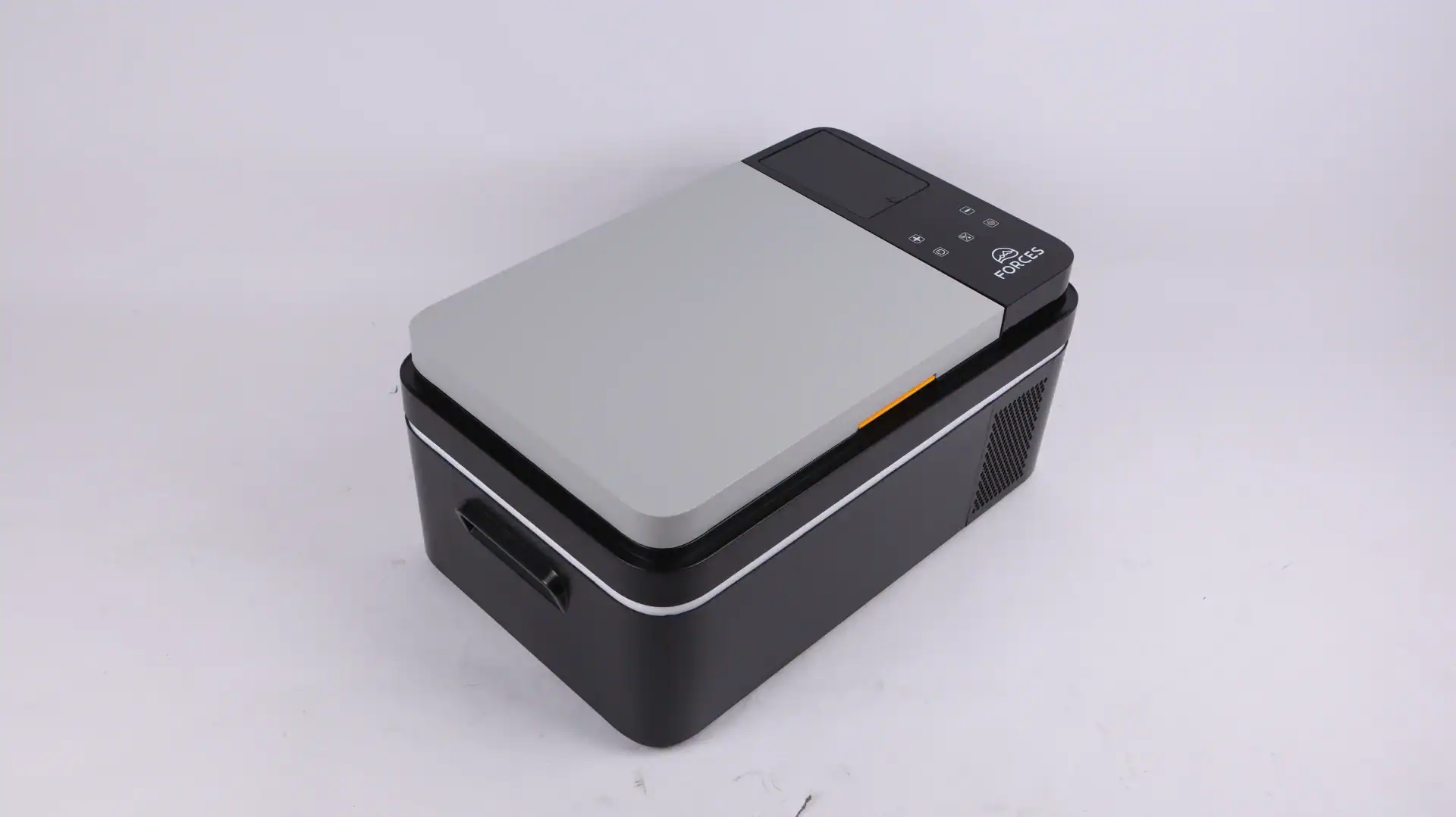
마켓플레이스별 필수 vs 선택 인증
압축기 CE 보고서는 열전소자 냉장고를涵盖하지 않습니다.
Amazon에서 판매되는 화장품 냉장고의 경우 인증 요건은 목적지 마켓플레이스에 따라 달라집니다. Amazon US에서 FCC 공급업체 적합성 선언(SDoC)은 DC 모터와 스위칭 전원 공급 장치가 있는 모든 제품에 필수입니다 — AC 어댑터와 함께 판매되는 12V 냉장고도 포함됩니다. 이를 누락하면 목록이 중단되는 원인이 되며, 일반적으로 Amazon의 문서 검토 후 30일 이내에 발생합니다.
Amazon US: FCC SDoC, UL 60335-1, 및 Prop 65
FCC SDoC는 전자기 적합성을 다룹니다. 함정: 많은 공급업체가 미니 냉장고의 압축기 버전에 대한 CE 인증서를 보유한 채 동일한 서류로 열전소자 화장품 냉장고를 선적합니다. EMC 프로필이 다릅니다. 보고서에 기재된 정확한 모델 번호를 요청하고 수입하는 제품과 일치하는지 확인하십시오.
UL 60335-1은 가전제품에 대한 안전 표준입니다. 연방 차원의 포괄적 수입 의무는 아니지만 Amazon과 주요 소매업체가 목록 등재 조건으로 요구합니다. 자체 브랜드 화장품 냉장고의 경우 NRTL 발행 UL 60335-1 시험 보고서가 Amazon 규정 준수 검토를 통과하는 문서입니다. 캘리포니아 Prop 65는 별도의 경고 요구 사항입니다. 제품이 캘리포니아에서 판매될 예정이라면 경고 라벨이 외장 박스에 부착되어 있어야 하며, 그렇지 않으면 목록이 중단될 수 있습니다.
Amazon EU/UK: CE, UKCA, RoHS, 및 WEEE
EU에 판매하려면 저전압 지침(Low Voltage Directive)과 EMC 지침에 따른 CE 마킹과 유해 물질 제한을 위한 RoHS 준수가 필요합니다. 7. CE 마크 영국은 영국 시장에 출시되는 상품에 UKCA 마킹을 사용합니다. CE 보고서만으로는 UKCA 요구 사항을 자동으로 충족하지 못합니다. 공급업체의 문서가 영국에서 여전히 유효한지 확인하십시오.
WEEE 등록은 대부분의 자체 브랜드 판매자가 놓치는 의무입니다. 독일과 프랑스가 이를 집행하며, 등록 번호가 없으면 Amazon이 자금을 보류하거나 목록을 차단할 수 있습니다. EU 법인으로 등록을 처리할 여건이 되지 않는다면 take-e-way와 같은 규정 준수 서비스를 이용하십시오.
닝보 소재 공장에서 조달할 때 인증 풀(pool)에 압축기 버전과 열전소자 버전이 모두 포함되어 있는지 문의하십시오. KelyLands가 2018년 닝보 휴대용 냉장고 공장에 투자한 것처럼 전용 파트너를 통해 휴대용 냉장고 라인을 구축한 공장은 일반적으로 정확한 모델 수준의 보고서를 보유하고 있습니다. 그래도 FBA 선적 전에 각 인증서를 정확한 SKU와 대조하여 검증하십시오.
-
- FCC SDoC: FCC 적합성 선언 DC 모터/스위칭 전원 공급 장치가 있는 모든 화장품 냉장고에 필수입니다. 보고서를 정확한 모델과 일치시키십시오.
- UL 60335-1: UL 60335-1 소매업체 수준의 안전 요구 사항입니다. 자체 선언이 아닌 NRTL 시험 보고서를 요청하십시오.
- CE / UKCA: CE / UKCA 인증서에 기재된 제품 유형을 확인하십시오. 압축기 인증서로는 열전소자 제품을 커버할 수 없습니다.
- Prop 65 / WEEE: Prop 65 경고는 캘리포니아 판매에 적용됩니다. WEEE 등록은 독일과 프랑스에서 시행됩니다.
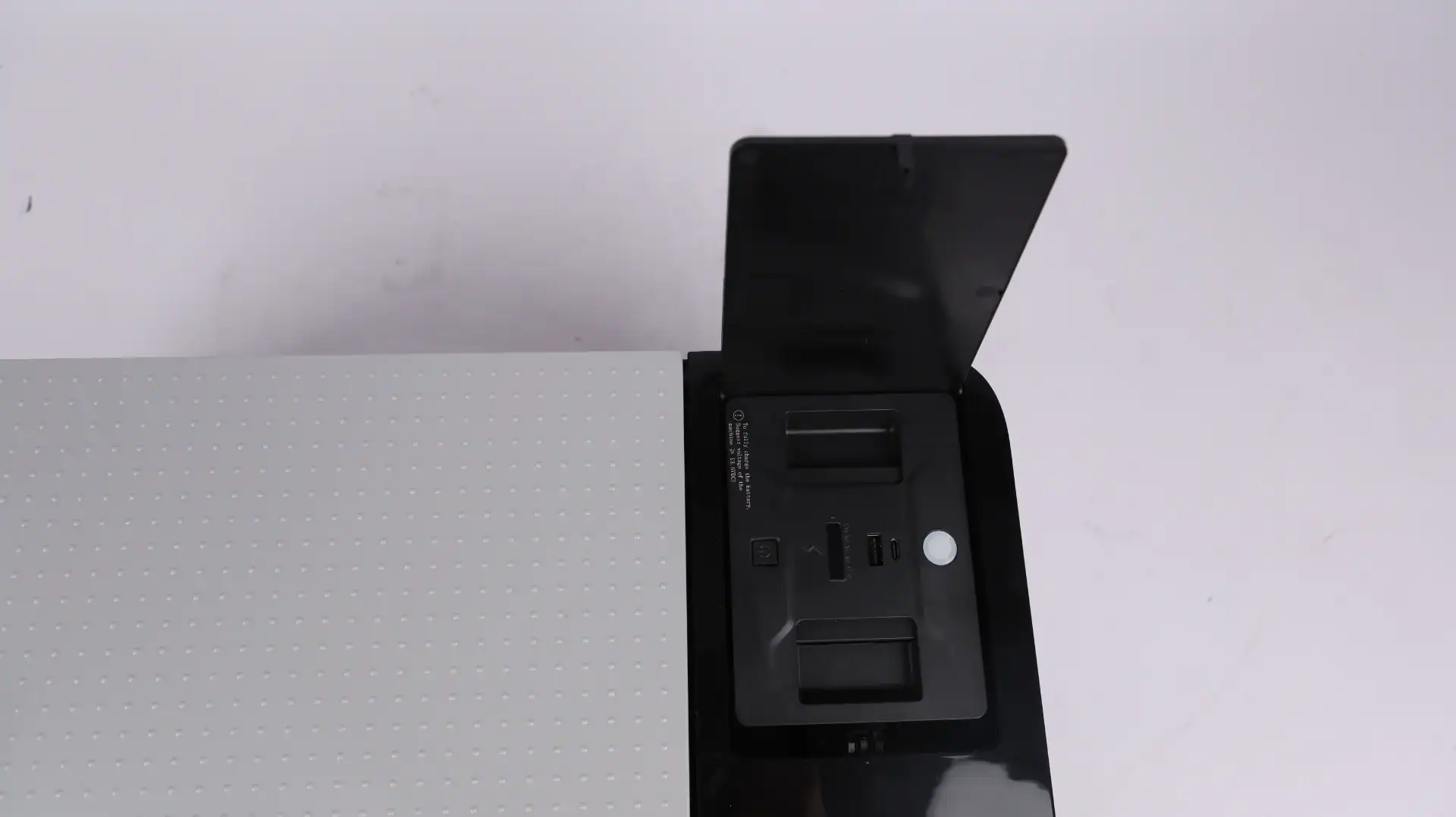
실제 시험 보고서에 포함되어야 할 사항
검증 가능한 보고서 번호가 없는 시험 보고서는 그저 PDF일 뿐입니다.
“CE 시험 보고서”라는 제목의 이메일 첨부 파일은 증거가 아닙니다. 실제 적합성 문서는 제3자 실험실에서 발급하며 실험실의 공개 데이터베이스에서 확인할 수 있는 보고서 번호가 포함됩니다. 공급업체가 대신 자체 선언서를 보내는 경우도 있습니다. 그 문서도 중요하지만 독립적인 시험을 대체하지는 않습니다.
공장 자체 선언 대 제3자 실험실 보고서
차이는 누가 시험을 수행하고 누가 결과에 서명하는지입니다. 공장 자체 선언은 회사 레터헤드로 작성되며 내부 시험에 근거할 수 있습니다. 제3자 보고서는 TUV, SGS 또는 Intertek과 같은 실험실에서 실제 제품을 시험한 후 발행됩니다. Amazon 적합성 검토에서는 공급업체의 편지가 아닌 실험실 기반 버전을 요구합니다.
보고서의 모델 번호를 확인하세요. 많은 닝보 공급업체가 압축기 냉장고에 대한 CE 문서는 보유하고 있지만 동일한 캐비닛의 열전기 버전에 대한 문서는 보유하지 않습니다. 이 두 제품은 EMC 프로필이 다르므로 한 모델의 보고서가 다른 모델을 포함하지 않습니다. 가격을 비교하기 전에 보고서에 정확한 모델 번호가 있는지 요청하세요.
TUV, SGS 및 Intertek에서 보고서 번호를 확인하는 방법
각 주요 실험실은 공개 검증 포털을 운영합니다. TUV와 SGS 모두 보고서 조회 페이지가 있고 Intertek에는 인증서 디렉토리가 있습니다. 보고서 번호를 입력하고 반환된 세부 정보를 공급업체의 견적과 대조하세요. 보고서 보유자, 제품 모델, 표준 목록 및 발행일이 모두 일치해야 합니다.
-
- 보고서 보유자: 주문하는 회사와 일치해야 합니다. 다른 법인이 보유한 보고서는 해당 시험이 귀하의 공급업체 제품 라인에 대해 수행된 것이 아님을 의미합니다.
- 모델 번호: 정확한 SKU와 일치해야 합니다. “휴대용 쿨러 시리즈”와 같은 제품군 이름으로는 Amazon 검토에 충분하지 않습니다.
- 표준: 미국용 화장품 냉장고의 경우 안전 보고서는 UL 60335-1을 참조해야 합니다. EU의 경우 CE 파일은 관련 EN 표준에 부합해야 합니다.
위야오와 닝보에 자체 제조 시설을 둔 츠시 기반 수출업체인 KelyLands는 구매 주문서를 제출하기 전에 해당 화장품 냉장고 모델의 원본 보고서 번호를 제공할 수 있어야 합니다. 영업팀이 구매 후에만 서류를 약속한다면 해당 견적은 검증되지 않은 것으로 간주하세요.
인증 공백의 비용 및 일정
인증 공백은 구매 주문서에 서명한 후에 가장 큰 비용이 발생하며, 그 전에는 그렇지 않습니다.
인증 공백은 샘플 승인 단계에서는 거의 나타나지 않습니다. 아마존이 문서 검토를 시작하거나, 통관 브로커가 적합성 선언서를 요청하거나, 경쟁업체가 리스팅을 신고할 때 나타납니다. 그 시점에는 재고가 FBA 창고에 묶여 있고, 가장 쉬운 해결책이 대개 가장 비용이 많이 드는 방법입니다.
깨끗한 인증 실행을 위한 예산 책정
열전 소자 화장품 냉장고는 시험소의 관점에서 압축기 냉장고가 아닙니다. DC 모터와 스위칭 전원 공급 장치가 있어 12V 어댑터로 작동하더라도 FCC SDOC 대상입니다. 모든 인증서에 정확한 모델 번호를 요구하세요. 공급업체의 15L 압축기 쿨러에 대한 CE 보고서는 귀하의 4L 열전 소자 SKU에는 아무런 효력이 없습니다.
-
- FCC SDOC: EMC 테스트와 공급업체의 적합성 선언이 포함됩니다. 대부분의 제3자 시험소에서 SKU당 약 $1,000–$2,500의 예산을 책정하고 2~4주를 계획하세요.
- UL 60335-1: UL 60335-1 Amazon US가 요청할 가능성이 높은 안전 보고서입니다. 저렴한 항목이 아닙니다. 열전 소자 냉장고의 경우 테스트를 제대로 수행하면 $6,000–$12,000이 소요될 것으로 예상하세요.
- CE(LVD + EMC): EU/UK의 경우 기술 파일을 포함해 $2,000–$4,000의 예산을 책정하세요. UKCA는 종종 동일한 테스트 데이터를 공유할 수 있으므로 동일한 측정에 대해 두 번 지불하지 마세요.
- Prop 65: 캘리포니아 규제 집행은 노출 경고에 관한 것이지만, 소매업체는 보통 먼저 화학 물질 테스트 데이터를 요구합니다. 납, 카드뮴, 프탈레이트 검사는 일반적으로 SKU당 $800–$2,000이 소요됩니다.
처음부터 전체 테스트를 진행하면 실험실 시간과 관리 수수료를 합산할 때 SKU당 $10,000–$20,000에 달할 수 있습니다. 바로 그 금액 때문에 많은 판매자가 이미 보고서를 보유한 공급업체를 찾으려고 합니다.
인증 풀 지름길
여기서 KelyLands의 기존 차량용 냉장고 라인이 계산을 바꿉니다. KelyLands의 미니 냉장고와 차량용 쿨러를 생산하는 닝보 냉장고 공장은 이미 해당 모델에 대한 테스트 보고서를 보유하고 있습니다. 귀하의 화장품 냉장고가 동일한 전원 보드와 열전 소자 모듈을 공유한다면, 인증 기관은 전체 테스트 캠페인을 시작하는 대신 기존 보고서를 수정하여 새 모델 번호를 포함하는 경우가 많습니다.
모델 계열 수정은 일반적으로 4~8주 대신 1~2주가 소요되며 비용은 새 테스트의 일부에 불과합니다. 공급업체에 직접 문의하세요: ‘제 SKU를 기존 차량용 냉장고 보고서에 추가할 수 있나요?’ 주저하거나 다른 제품 라인의 인증서를 보낸다면, 향후 전체 테스트가 필요하다고 가정하고 계약 전에 비용을 산정하세요.
| 인증 / 테스트 | SKU당 예상 비용 | 일반적인 일정 | KelyLands 이점 |
|---|---|---|---|
| FCC SDoC (미국) | $2,000 – $5,000 | 2 – 4주 | 풀에는 12V DC 모터 냉장고에 대한 FCC 보고서가 포함되어 있습니다. 정확한 모델 확인을 통해 재시험을 피할 수 있습니다. |
| UL 60335-1 안전 (미국) | $8,000 – $15,000 | 4 – 6주 | 유사한 열전 냉장 장치에 대한 기존 UL 보고서는 승인 위험을 줄입니다. |
| CE – LVD + EMC (EU) | $3,000 – $6,000 | 3 – 4주 | 모델별 CE 파일을 보유하고 있습니다. 열전 vs 압축기 EMC 프로파일이 검증되었습니다. |
| UKCA (영국) | $2,500 – $5,000 | 3 – 4주 | CE 데이터를 활용하여 신속 처리가 가능합니다. UKCA 문서 |
| RoHS + WEEE (EU/영국) | $1,000 – $2,500 | 1~2주 | 공장에서 이미 RoHS 선언서를 제공하고 있으며, WEEE 등록은 컴플라이언스 파트너를 통해 이루어집니다. |
| 캘리포니아 Prop 65 (미국) | $500 – $1,500 | 1주 | 기존 화장품 냉장고 모델에 대한 납/카드뮴 스크리닝 보고서 제공 가능 |

FBA 발송 전 Amazon 규정 준수 체크리스트
선적물이 도착하기 전에 모든 테스트 보고서를 업로드하세요.
에 업로드하는 문서는 셀러 센트럴 첫 FBA 팔레트가 출하되기 전에 셀러 센트럴에 업로드하는 문서는 구매자 불만이 확대될 때 Amazon이 가져오는 것과 동일한 기록입니다. 일찍 업로드하면 불일치를 발견할 시간이 생깁니다. Amazon이 요청할 때까지 기다리면 이미 창고에 재고가 있는 상태에서 판매 중지 마감일과 씨름하게 됩니다.
첫 번째 제품이 판매되기 전에 준비해야 할 문서
-
- 시험 보고서: 유효한 보고서에는 등록하려는 SKU의 정확한 모델 번호, 전압, 상표가 명시되어 있어야 합니다. 2018년부터 닝보 공장 파트너십을 통해 생산된 KelyLands의 휴대용 냉장고 라인은 미니 냉장고와 차량용 쿨러를涵盖하며, 항상 특정 모델 식별자를 요청하여 공급업체가 올바른 보고서를 제공하도록 하십시오.
- 적합성 선언(DoC): 제품에 적용되는 EU 지침 또는 FCC 규칙을 나열한 서명된 진술서. 서명자는 공장이 아닌 미국 또는 EU의 책임 당사자입니다. 문서가 열전기 구성을涵盖하는지 확인하십시오. 압축기 버전에 대한 CE 보고서는 EMC 프로필이 다르므로 전환하여 사용할 수 없습니다.
- 제품 이미지: Amazon compares listing images against the test report and label photos. A label that shows one model number while the report shows another stalls the review and triggers additional requests.
- FCC SDoC: FCC 적합성 선언 Required for any product with a DC motor and switching power supply — including 12V fridges sold with AC adapters. Missing this document leads to listing suppression within 30 days.
What Happens During Document Review or Recall
A document review starts with a compliance request email from Seller Central. Missing deadlines, mismatched model numbers, or a report that fails to reference the trademark on the listing all lead to the same result: the ASIN gets suppressed. Your units stay in FBA, and storage fees keep running while you re-test or source the correct paperwork.
A recall escalates beyond suppression. Amazon places every FNSKU under the affected ASIN on hold — no sales, no removals, no timeline. The only effective defense is prevention: confirm the documentation matches the product label before the container leaves the factory. Once inventory sits in Amazon’s network, the negotiation happens under Amazon’s rules.
결론
One mismatch between the test report and the physical product is all it takes to fail an Amazon document review in 2026. FCC SDoC keeps a US listing active, while CE, UKCA, RoHS, and WEEE cover the EU and UK marketplaces. A third-party report from TUV, SGS, or Intertek — verified by its report number — is the only documentation that holds up.
-
- FCC SDoC is mandatory for DC-motor cosmetic fridges; a gap can suppress your Amazon listing within 30 days.
- Confirm the CE certificate matches your exact model — thermoelectric and compressor versions have different EMC profiles.
- Verify test report numbers on TUV, SGS, or Intertek databases before accepting supplier documentation.
- 독일과 프랑스는 WEEE 등록을 시행합니다. take-e-way와 같은 규정 준수 서비스를 사용하여 보류를 방지하세요.
다음 구매 주문(PO)을 하기 전에 각 공급업체의 인증 풀을 브랜딩할 특정 화장품 냉장고 모델과 비교하세요. FCC SDoC, UL 60335-1, CE 시험 보고서를 명시적으로 요청하고 보고서 번호를 온라인으로 확인하세요. KelyLands 제품 카테고리 페이지에서 현재 화장품 냉장고 라인업을 검토하여 문서화된 규정 준수 파일이 이미 있는 모델을 확인할 수 있습니다.
자주 묻는 질문
아마존에서 화장품 냉장고에 필요한 인증은 무엇인가요?
아마존 미국 목록은 일반적으로 FCC SDOC, UL 60335-1 테스트 및 캘리포니아 Prop 65 경고를 요구하는 반면, EU/UK 목록은 CE, UKCA, RoHS 및 WEEE가 필요합니다. 정확한 의무는 마켓플레이스와 냉장고 여부에 따라 다릅니다. 먼저 마켓플레이스와 냉장고 유형을 확인하십시오.
내 자체 브랜드를 위해 공장 테스트 보고서를 재사용할 수 있나요?
공장 시험 보고서는 모델, 전압 및 구조가 SKU와 일치하고 해당 보고서가 인정된 제3자 실험실에서 나온 경우에만 재사용할 수 있습니다.
화장품 냉장고 인증 보고서를 어떻게 확인하나요?
TUV, SGS 또는 Intertek 온라인 데이터베이스에서 보고서 번호를 직접 확인한 후에만 유효한 것으로 간주하십시오.
SKU당 인증 테스트 비용은 얼마인가요?
인증 비용은 실험실, 시장, 냉장고 모델에 따라 다르므로 FCC, UL, CE 및 Prop 65 테스트에 대한 예산을 별도로 책정해야 합니다. 모델이 확정되지 않으면 고정 가격이 없지만 확인이 필요합니다. 정확한 SKU 사양을 보내주시면 인증 비용을 견적해 드리겠습니다.
KelyLands는 화장품 냉장고에 대한 인증 지원을 제공할 수 있나요?
KelyLands는 휴대용 냉장고 공장 파트너십을 관리하고 수출 규정 준수를 위해 연구소와 협력하기 때문에 인증을 지원할 수 있습니다. 자체 브랜드 화장품 냉장고의 경우 기존 제품에 대해 영업팀에 문의하십시오. 승인 여부를 확인하려면 목표 사양을 가지고 영업팀에 연락하십시오.

 English
  Español
  Français
  Deutsch
  Português do Brasil
  Русский
  한국어
한국어  日本語
日本語  العربية