 Pular para o conteúdo principal Pular para o rodapé

A integração inadequada de veículos recreativos (geladeira 12v para veículos recreativos) é uma linha direta para reivindicações de garantia caras e danos significativos à marca. Quando um fabricante de equipamentos originais (OEM) ou um instalador negligencia a engenharia de ventilação ou especifica o hardware de travamento errado, o resultado é previsível: falha prematura de componentes, consumo de energia ineficiente e possíveis responsabilidades de segurança na estrada. Esses erros de instalação criam uma frota de veículos não confiáveis e um acúmulo de tíquetes de suporte ao cliente frustrados.
Este guia de fornecimento serve como um procedimento operacional técnico padrão para gerentes e engenheiros de produtos. Analisamos os principais requisitos de integração, desde o gerenciamento da dissipação de calor em recortes de gabinetes apertados até a lógica por trás da fiação direta de 12V CC sem inversor. Também detalhamos as necessidades mecânicas de travas de porta seguras para viagens e dobradiças reversíveis para garantir a compatibilidade em diversos layouts de veículos.
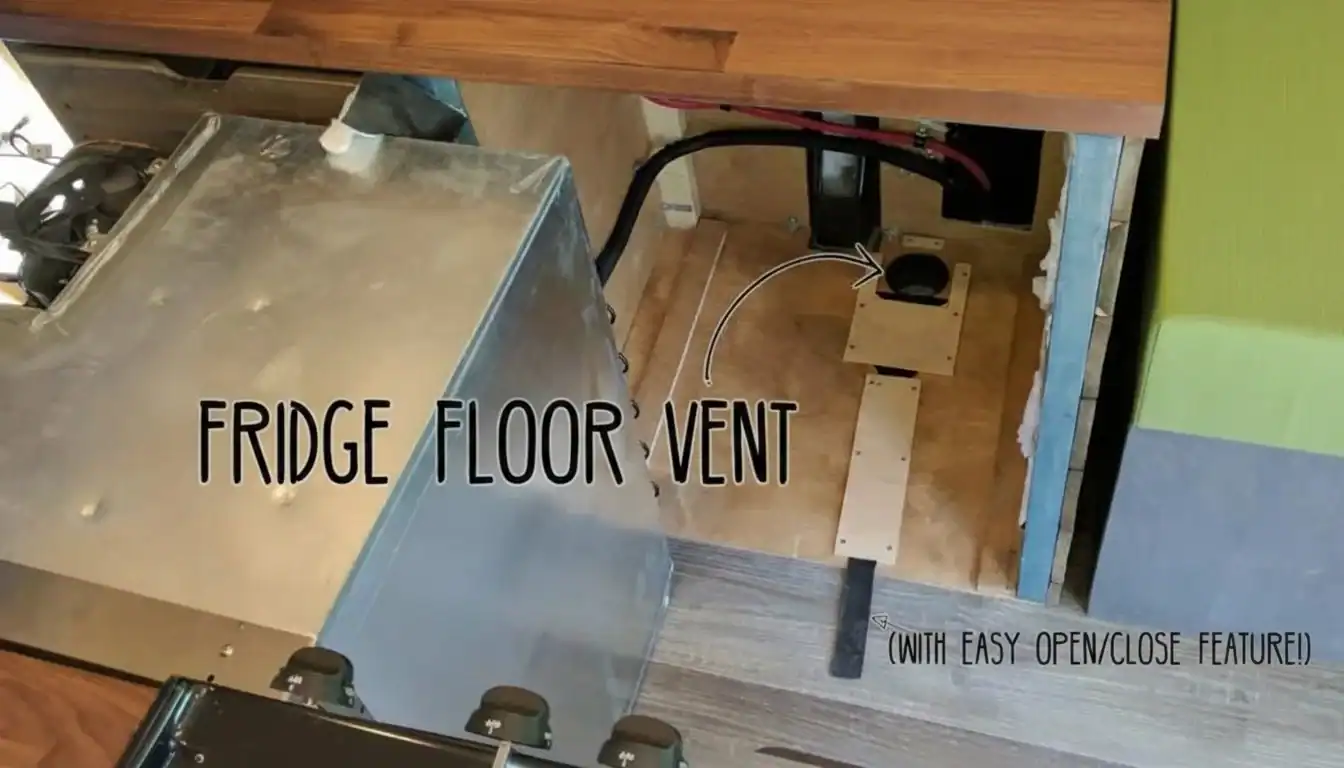
Engenharia de ventilação: Como gerenciar o calor em gabinetes apertados?
O gerenciamento térmico eficaz em gabinetes compactos não é uma reflexão tardia; é uma disciplina em nível de projeto que equilibra a colocação de componentes, a convecção passiva e o resfriamento ativo para garantir a confiabilidade.
O gerenciamento do calor em um gabinete confinado exige uma abordagem que prioriza o design. Em vez de reagir a problemas térmicos, você os evita posicionando estrategicamente os componentes geradores de calor para otimizar o fluxo de ar natural. Essa etapa fundamental garante que não se formem pontos quentes e que qualquer calor gerado tenha um caminho claro para sair do gabinete.
Projeto integrado e colocação de componentes
O gerenciamento eficaz do calor começa durante a fase inicial do projeto. Ao posicionar corretamente os componentes mais quentes, você pode usar a própria estrutura do sistema para facilitar o resfriamento e reduzir a necessidade de soluções mais complexas. Isso inclui o planejamento do fluxo de ar adequado entre as peças e o uso de modelagem para prever o comportamento térmico antes que qualquer hardware seja construído.
- Posicione os componentes de alta potência, como compressores ou fontes de alimentação, perto das saídas de ventilação para dissipar o calor com eficiência.
- Garanta o espaçamento adequado entre as peças internas para permitir que o ar circule livremente, evitando que o calor fique preso.
- Use a modelagem térmica durante a fase de projeto para identificar e resolver possíveis áreas problemáticas antes da produção.
| Estratégia | Mecanismo | Melhor caso de uso |
|---|---|---|
| Ventilação passiva | Convecção natural (efeito chaminé), dissipadores de calor, materiais termicamente condutores. | Cargas de calor moderadas em que a eficiência energética e o baixo ruído são essenciais. |
| Resfriamento ativo | Fluxo de ar forçado por meio de ventiladores, trocadores de calor ou unidades de controle climático de pequena escala. | Alta densidade de calor ou temperaturas ambientes elevadas que exigem remoção forçada de calor. |
Estratégias de ventilação passiva
Para aplicações com cargas de calor moderadas, a ventilação passiva é uma solução confiável e eficiente em termos de energia. Esse método usa a convecção natural - o princípio de que o ar quente sobe - para mover o calor para fora de um compartimento sem nenhum componente acionado. É uma maneira silenciosa e à prova de falhas de manter temperaturas operacionais seguras em muitos cenários comuns.
- Incorpore aberturas de ventilação na parte superior e inferior do gabinete para criar um efeito de chaminé natural, em que o ar frio entra por baixo e o ar quente sai por cima.
- Use dissipadores de calor em componentes críticos para dissipar a energia térmica no ar circundante de forma mais eficaz.
- Selecione materiais com boa condutividade térmica para o gabinete, a fim de ajudar a irradiar o calor para longe dos componentes eletrônicos internos.
Sistemas de resfriamento ativo
Quando a densidade de calor é alta ou as temperaturas ambientes são elevadas, o resfriamento ativo torna-se necessário. Esses sistemas usam componentes energizados para remover o calor à força e manter as condições estáveis. Embora consumam energia, eles oferecem o desempenho necessário para proteger os componentes eletrônicos sensíveis em ambientes exigentes.
- Instale ventiladores compactos e de baixo ruído para criar um fluxo de ar forçado, empurrando ativamente o ar quente para fora e puxando o ar mais frio para dentro.
- Implemente um trocador de calor para uma solução de circuito fechado que resfrie o ar interno sem introduzir contaminantes externos, como poeira ou umidade.
- Integre unidades de controle climático de pequena escala para regular com precisão a temperatura quando for necessário atender a metas térmicas específicas.
Conexão direta de 12V CC: Por que você deve evitar o uso de inversores?
A conexão direta de 12 V CC evita a perda de energia do inversor, mas apresenta grandes desafios, incluindo a necessidade de fiação espessa e cara e maiores riscos de incêndio devido à alta amperagem.
Embora um sistema direto de 12V CC pareça mais simples no papel, as compensações de engenharia geralmente o tornam impraticável para qualquer coisa além de dispositivos de baixa potência localizados muito perto da bateria. A escolha não se trata apenas de eficiência; é uma decisão crítica que afeta o custo, o peso e a segurança operacional. Em muitas aplicações móveis, como veículos recreativos, as desvantagens da transmissão de CC de alta corrente superam os benefícios de evitar um inversor.
Ineficiência do inversor e desperdício de energia
O principal argumento para uma conexão direta de CC é a eficiência. A conversão de energia de 12 V CC em energia CA doméstica usando um inversor é um processo inerentemente com perdas. A maioria dos inversores opera com eficiência de 80% a 90%, o que significa que 10-20% da energia armazenada em sua bateria é imediatamente convertida em calor residual. Para um veículo recreativo ou sistema fora da rede em que cada watt-hora conta, essa perda reduz o tempo de funcionamento da bateria. Uma conexão CC direta a um aparelho de 12V, como um refrigerador com compressor, elimina essa etapa de conversão, criando uma arquitetura elétrica mais eficiente.
| Parâmetro | Conexão direta de 12V CC | 12V CC via inversor de CA |
|---|---|---|
| Eficiência energética | Alta (sem perda de conversão) | Menor (10-20% de energia perdida como calor) |
| Requisitos de fiação | Fio de cobre grosso e pesado (por exemplo, 4 AWG) | Fiação CA mais fina e padrão |
| Perfil de risco de incêndio | Maior (a alta amperagem gera calor nas conexões) | Menor (amperagem reduzida no lado CA) |
Queda de tensão e requisitos de fiação espessa
Os sistemas de baixa tensão são extremamente sensíveis à queda de tensão ao longo da distância. Para fornecer uma determinada quantidade de energia, um sistema de 12 V precisa usar uma corrente muito mais alta do que um sistema de 120 V. Essa alta corrente exige cabos de cobre grossos e caros para evitar a perda significativa de energia e a degradação do desempenho. Por exemplo, o funcionamento de um aparelho de 1.500 watts em um sistema de 12 V requer um fio pesado de 4 AWG para uma extensão de apenas um metro. O custo, o peso e a complexidade da instalação desses fios de grande diâmetro podem ser proibitivos, especialmente em uma van compacta ou em um trailer.
Alta amperagem e riscos de segurança
A alta amperagem inerente aos sistemas de 12V cria riscos significativos à segurança. A alta corrente coloca um estresse térmico imenso nos fios, fusíveis e pontos de conexão. Uma conexão levemente frouxa ou um fio subdimensionado pode superaquecer rapidamente, derretendo o isolamento e criando um sério risco de incêndio. A proteção adequada do circuito com fusíveis e disjuntores de tamanho correto não é negociável. Cada conexão deve ser perfeitamente segura para lidar com a carga elétrica com segurança, tornando a instalação muito menos tolerante do que um sistema CA padrão.
Seu fabricante confiável de cooler automotivo OEM

Travas de porta: Por que a segurança do “Travel-Lock” é fundamental para trailers?
Uma trava de viagem é inegociável no projeto do veículo recreativo; ela protege a porta principal contra as forças da estrada para evitar uma abertura catastrófica durante o transporte e proporciona um impedimento físico robusto contra roubo em acampamentos.
Prevenção de abertura acidental durante o trânsito
A principal função de um travel-lock é manter a porta de entrada principal segura enquanto o veículo está em movimento. Trata-se de um sistema projetado para resistir à vibração constante da estrada, à pressão significativa do vento em velocidades de rodovia e às mudanças de peso interno. Sem um travel-lock dedicado, uma trava padrão pode falhar, fazendo com que a porta se abra e criando um risco imediato para os ocupantes e outros motoristas.
- Protege a porta contra forças dinâmicas geradas pela direção.
- Reduz o risco de a carga ou os animais de estimação serem ejetados do veículo.
- Mantém a integridade estrutural do RV, mantendo a porta firmemente assentada em sua estrutura.
Como impedir a entrada não autorizada e o roubo
Quando um RV está estacionado, uma trava de viagem robusta serve como uma barreira de segurança essencial. Essas travas são construídas para serem mais duráveis e resistentes a violações do que as ferragens residenciais comuns, oferecendo uma camada necessária de proteção para os pertences pessoais e para o próprio veículo. Elas são a primeira linha de defesa contra a entrada forçada, quer o veículo esteja em um acampamento remoto ou em um depósito.
- Proporciona um forte impedimento físico a arrombamentos.
- Geralmente incorpora entrada sem chave com códigos programáveis para aumentar a segurança.
- Funciona em conjunto com outros equipamentos de segurança, como travas de janela e sistemas de alarme.
Aprimoramento da segurança com sistemas modernos de travas
O setor está se afastando das fechaduras tradicionais com chave, que geralmente usam chaves mestras que podem abrir vários veículos recreativos do mesmo fabricante. Os sistemas modernos sem chave oferecem uma alternativa muito mais segura. Ao usar códigos numéricos exclusivos e programáveis, essas travas atualizadas eliminam o risco de chaves compartilhadas e proporcionam aos proprietários maior controle sobre quem pode acessar seu veículo.
- Elimina a vulnerabilidade de segurança das chaves mestras universais.
- Permite que os proprietários alterem facilmente os códigos para conceder acesso temporário a convidados ou técnicos de manutenção.
- Oferece entrada rápida e conveniente sem a necessidade de encontrar uma chave física.

Portas reversíveis: como elas se adaptam a diferentes layouts de van?
Uma porta reversível não é uma conveniência menor; é um recurso essencial que libera layouts funcionais e não obstrutivos em interiores de veículos com restrições de espaço.
Maximizando a eficiência em cozinhas com cozinha dividida
Em layouts de cozinha dividida, em que os eletrodomésticos e os balcões ficam de frente um para o outro em um corredor central, uma porta reversível garante que o refrigerador abra longe da área de trabalho principal. Isso evita que a porta bloqueie o acesso ao balcão, à pia ou ao cooktop do lado oposto. O resultado é um fluxo de trabalho de cozimento mais contínuo e eficiente, especialmente quando várias pessoas estão usando o espaço.
- Permite acesso desobstruído a balcões e eletrodomésticos opostos.
- Suporta um melhor fluxo de trabalho, permitindo que uma pessoa acesse a geladeira enquanto outra cozinha ou faz a limpeza.
- Permite que o refrigerador seja colocado em qualquer lado da cozinha sem comprometer a usabilidade da cozinha.
Desobstrução de passarelas e melhoria do fluxo de tráfego
Um dos principais desafios no projeto de vans é manter os caminhos desobstruídos. As portas reversíveis permitem que o instalador ajuste o balanço da porta para longe da passagem principal, direcionando-a para uma parede ou armário. Esse simples ajuste é fundamental para melhorar o fluxo de tráfego e maximizar a sensação de espaço em um interior compacto, removendo uma possível obstrução e risco à segurança.
- Evita que a porta do refrigerador bloqueie o corredor principal entre a cabine e a área de estar.
- Aumenta a segurança ao remover um possível risco de tropeço quando a porta está aberta.
- Melhora a acessibilidade, especialmente em vans com portas deslizantes duplas, onde vários pontos de entrada são comuns.
Desbloqueio do posicionamento flexível de armários e armazenamento
As portas reversíveis dão aos construtores de vans total liberdade para projetar os armários ao redor. Sem ficarem presos a um balanço fixo à esquerda ou à direita, os projetistas podem colocar despensas altas, gavetas ou outras unidades de armazenamento modular no lado do refrigerador que melhor se adapte ao layout geral e às necessidades estruturais do veículo. Essa adaptabilidade permite que os construtores contornem as restrições específicas do veículo, como poços de roda ou pilares estruturais, sem comprometer o design.
- Permite que uma despensa alta ou um armário de armazenamento seja instalado em ambos os lados do refrigerador.
- Adapta-se a instalações exclusivas, como colocação em cantos ou integração com sistemas de camas conversíveis.
- Oferece a flexibilidade de trabalhar com restrições de veículos fixos sem comprometer o layout.
Conclusão
A integração correta de um refrigerador de 12V vai além das simples dimensões do gabinete. A engenharia de ventilação adequada e a fiação direta de CC são essenciais para o desempenho ideal de resfriamento e a eficiência energética. Esses detalhes, juntamente com recursos como travas seguras para viagens, afetam diretamente a confiabilidade do veículo a longo prazo e a experiência do usuário final.
A revisão de suas especificações de construção atuais em relação a esses pontos de integração pode ajudar a identificar áreas de melhoria. Nossa equipe de engenharia está disponível para fornecer desenhos detalhados de recortes e dados técnicos para apoiar o seu processo de projeto.
Perguntas frequentes
A unidade requer grades de ventilação externas?
A necessidade de grades de ventilação externa depende da estratégia de gerenciamento térmico selecionada. Para configurações que usam ar forçado ou resfriamento passivo com ar ambiente, as grades são necessárias. Entretanto, para sistemas de circuito fechado, como aqueles com trocadores de calor ou condicionadores de ar integrados, não são necessárias grades externas, o que aumenta a proteção contra contaminantes ambientais.
A dobradiça da porta é reversível em campo para abertura à esquerda/direita?
Sim, a dobradiça da porta foi projetada para ser totalmente reversível em campo. Isso permite uma configuração flexível no local, permitindo que a porta seja ajustada para abertura à esquerda ou à direita para acomodar as restrições de instalação e a preferência do usuário.
A trava possui um “Travel Lock” positivo para impedir a abertura?
Sim, o sistema de travamento inclui um mecanismo positivo de “Travel Lock”. Esse recurso foi projetado para evitar que a porta se abra inadvertidamente devido à vibração ou durante o transporte, garantindo que os componentes permaneçam seguros e protegidos o tempo todo.
Qual é a tolerância da dimensão do recorte (+/- mm)?
A tolerância padrão de fabricação para as dimensões do recorte é de ±1,5 mm. Essa precisão garante um ajuste seguro e consistente durante a instalação em painéis ou gabinetes, acomodando pequenas variações e mantendo a integridade estrutural.

 English
  Español
  Français
  Deutsch
  Português do Brasil
  Русский
  한국어
한국어  日本語
日本語  العربية