 Pular para o conteúdo principal Pular para o rodapé
Camping trips can quickly turn sour when your cooler fails to keep food safe and drinks cold. This guide identifies the most common cooler mistakes made during camping trips and provides proven strategies to maximize cooling performance and food safety. Using the wrong size cooler and improper packing techniques drastically reduce ice retention. Failing to prep and pre-chill the cooler and food leads to premature ice melt and food spoilage.
Common Cooler Mistakes to Avoid
Avoiding frequent errors in cooler choice, packing, and management extends ice life and keeps food safe. These common cooler problems are easily correctable with the right knowledge. Proper technique is the most important camping gear for food safety.
Buying the Wrong Cooler: Size, Brand, and Color Issues
Choosing a cooler with insufficient insulation undermines its ability to keep items cold. Cheaply made coolers often lack thick insulation in their lids and bottoms. This reduces their duty in keeping your food at a safe temperature.
The cooler size must be adequate to fit food with a recommended 2:1 ice-to-food ratio. A cooler that is too small or a cooler that is too large harms overall performance. Excess air space reduces insulation efficiency and speeds up ice melt.
Dark-colored coolers absorb more heat from the sun, decreasing cooling efficiency. White or light colors are preferred as they reflect heat. This simple choice significantly impacts temperature management while camping.

Insufficient Preparation: Not Pre-chilling Cooler or Food
Failing to pre-chill the cooler wastes precious ice capacity on cooling the warm box itself. This is one of the most frequent errors that forces the cooler to work harder. Always chill your cooler overnight with sacrificial ice before your trip.
Adding room temperature food or beverages causes ice to melt faster. Pre-chill everything in your home refrigerator beforehand. This simple step dramatically improves ice retention in your camping gear.
Join 300+ global partners who trust KelyLands for top-tier car accessories. Review our electric car coolers in our free catalogue
Solicite agora
Incorrect Ice Usage and Management
Using cube ice instead of block ice is a major mistake that reduces ice longevity. Block ice melts slower due to its lower surface area. You can find both at most fuel station convenience stores or grocery stores.
Draining meltwater prematurely wastes cold water which acts as a thermal buffer. The cold water actually helps insulate remaining ice. This maintains the cooler’s internal low temperature for longer periods.
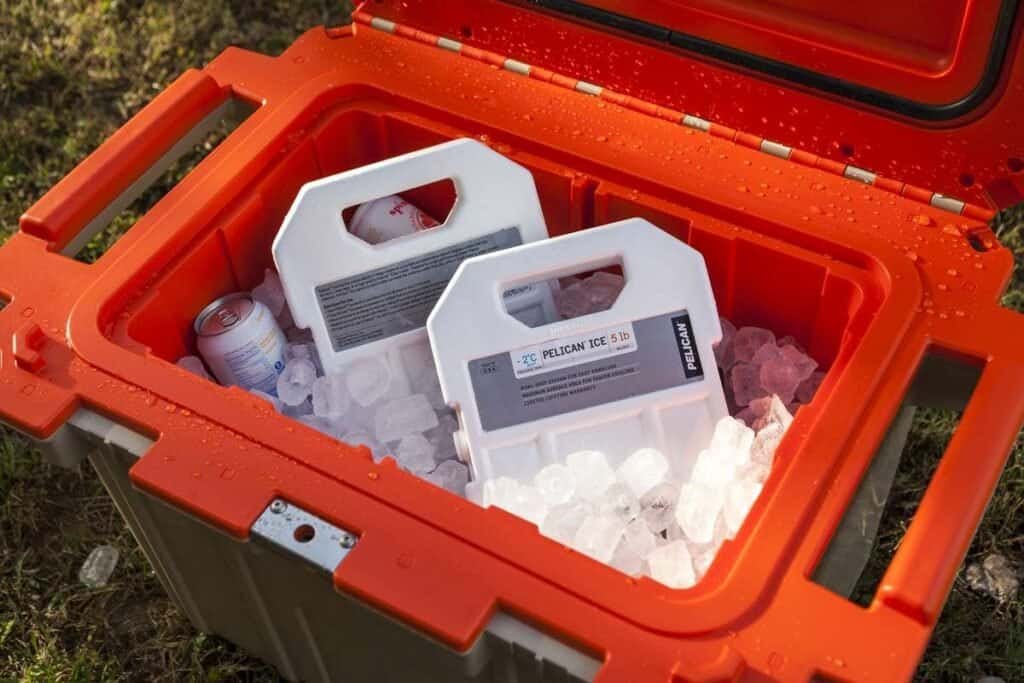
Ideal ice packing involves layering block ice at the bottom and top, with crushed or cubed ice in between. This strategic layering creates a more stable thermal environment. It ensures consistent cooling throughout the entire cooler for extended periods.
Poor Packing and Organization
Ignoring the 2:1 ice to food volume ratio leads to faster spoilage. This is a critical ratio for best cooling efficiency. It ensures your food stays safely chilled throughout your trip.
Leaving large air gaps speeds ice melt as warm air takes up space. Every gap should be filled with ice, frozen items, or containers. This is essential for proper cooler organization.
Perishables and frozen meats should be placed at the coldest locations. This is typically near the bottom where block ice sits. Proper placement is key for food safety camping.
Using sturdy, waterproof containers prevents cross-contamination and sogginess. Double-bag raw meats to prevent leaks onto other foods. This protects your entire meal prep for camping.
Improper Cooler Handling During Use
Opening the cooler unnecessarily melts ice faster and raises internal temperature. Every opening lets cold air escape and warm air enter. Be strategic about access to maintain temperature.
Dragging heavy coolers instead of lifting damages cooler bases. This reduces the cooler’s lifespan and can compromise its insulation. Always lift your cooler properly.
Placing coolers too close to heat sources like campfires accelerates ice melt. Hot surfaces also damage the cooler’s exterior. Always keep your cooler in shaded, cool areas.
Faça parceria com um fornecedor confiável para elevar suas ofertas de produtos. Nossos refrigeradores para carros e carregadores de veículos elétricos com certificação ISO atendem aos padrões globais (CE, FCC, RoHS). Solicite nosso catálogo mais recente para descobrir soluções econômicas para sua empresa.
Additional Tips to Maximize Cooler Performance and Food Safety
Use separate coolers for drinks and for food to reduce lid openings. This significantly improves ice retention in your food cooler. It’s one of the best cooler organization tips.
Covering the cooler with a wet towel creates an evaporative cooling effect. This thermal barrier further reduces heat gain during the day. Insulating materials like Reflectix can also help.
Using frozen food items and pre-chilled beverages helps maintain temperature. They act as additional thermal mass inside the cooler. This extends the life of your existing ice.
Including a thermometer inside helps monitor safety thresholds. You’ll know exactly when temperatures approach dangerous levels. This is crucial for food safety camping.
Proven Strategies and Best Practices
Following systematic preparation, packing, and usage recommendations improve cooler efficiency. These strategies protect your health and extend your cooling capability. They transform your approach to camping gear management.
Pre-chill and Load Strategically
Start with a fully chilled cooler using ice overnight before your trip. This ensures the insulation is already cold when you pack. It’s the foundation of effective temperature management.
Freeze water bottles or pre-made meals to act as thermal mass. These frozen items serve dual purposes as both food and ice packs. They’re perfect for meal prep camping.
Always load cold items and ice together, minimizing warm pack-ins. Never add room temperature items to your pre-chilled cooler. This discipline prevents rapid ice melt.
Layering and Ice Placement
Place block ice on the bottom where temperatures are coldest. Follow with food arranged with crushed ice in between layers. This creates consistent cooling throughout the cooler.
Top off the cooler with a thin ice layer and ice packs to seal cold air. This cold cap prevents warmth from entering when you open the lid. It’s essential for multi-day trips.
Fill empty spaces with ice packs or frozen bottles to limit warm air pockets. Every void reduces cooling efficiency and speeds melt. Complete packing is crucial.
Manage Cooler Access and Environment
Minimize lid opening frequency and duration during your camping trip. Plan what you need before opening to reduce cold loss. This simple habit extends ice life significantly.
Store your cooler in shade and off hot ground or surfaces. Use a stand or blanket to insulate it from below. Proper placement is as important as proper packing.
Use separate coolers to allocate usage and reduce contamination risk. Keep drinks separate from raw meats and prepared foods. This is critical for food safety.
Use Appropriate Equipment
Select rugged, well-insulated coolers with airtight gaskets for best performance. Quality construction makes a significant difference in ice retention. Don’t just buy for fashion.
Use durable containers to organize food and protect fragile items. Waterproof containers prevent sogginess and cross-contamination issues. They’re worth the investment.
Consider adding insulation through covers or layered fabrics. External insulation boosts performance in extreme heat conditions. Every layer helps maintain temperature.
Versatile Car Coolers for Every Journey
Explore KelyLands’ range of thermoelectric and compressor car coolers, designed for portability, precise temperature control, and multi-power options. Perfect for outdoor trips, vehicle use, and indoor settings, these customizable coolers support your brand with OEM/ODM services and meet global standards for quality and safety.
Perguntas frequentes
What is the ideal ice-to-food ratio when packing a cooler for camping?
The recommended ice-to-food volume ratio is 2:1 for the best cooling efficiency. This means twice as much ice as food by volume. This ratio ensures proper temperature management and food safety.
How can I extend the life of ice in my cooler during a multi-day camping trip?
Pre-chill the cooler, use block ice, and layer strategically. Minimize openings and store the cooler in shade with insulation. These steps significantly extend ice life for longer trips.
Why should meltwater not be discarded immediately from a cooler?
Meltwater retains cold and insulates remaining ice. The cold water helps maintain the cooler’s internal low temperature. Draining it prematurely wastes this natural cooling benefit.
Are there benefits to using two coolers instead of one during camping?
Separating drinks and food into different coolers reduces opening frequency. This improves ice retention and food safety in your primary food cooler. It’s one of the most effective strategies.
What precautions should I take to prevent cross-contamination inside a cooler?
Double-bag raw meats and use waterproof containers for all items. Keep foods separated to avoid leaks and contamination. This protects your entire food supply during camping trips

 English
  Español
  Français
  Deutsch
  Português do Brasil
  Русский
  한국어
한국어  日本語
日本語  العربية