

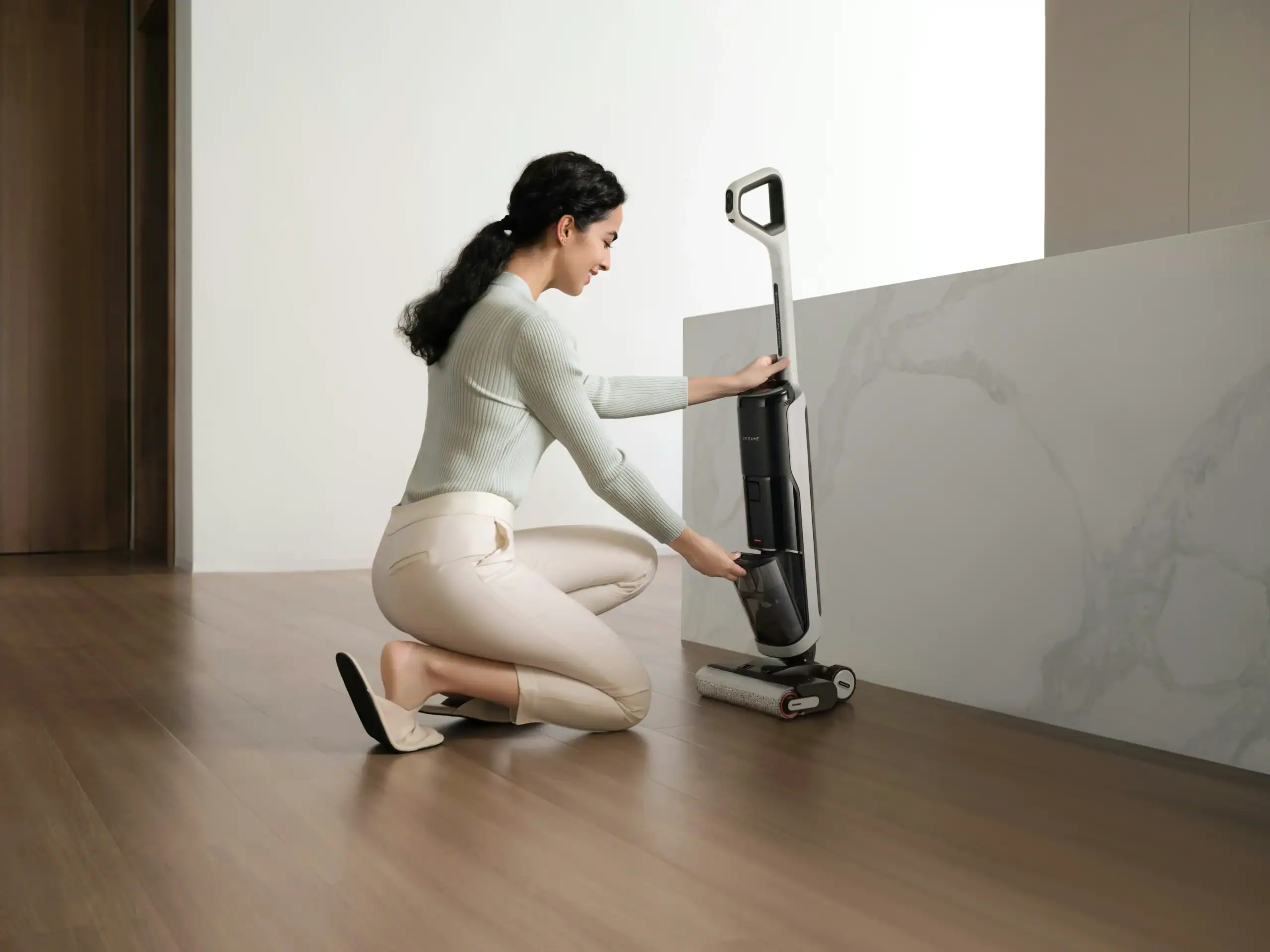
Facility managers and cleaning contractors face a persistent conflict between maintaining floor hygiene and minimizing noise in occupied spaces. High-power equipment often forces work into expensive after-hours shifts to avoid disrupting professional environments or patient recovery. Quiet mode technology bridges this gap, allowing crews to operate in healthcare facilities or open-plan offices during the day without bothering occupants or sacrificing surface cleanliness.
This analysis details how motor output adjustments reach a 50 dB noise threshold—matching standard conversation levels—while maintaining suction between 100 and 150 kPa. We explore the mechanical advantages of dual counter-rotating brushes and the battery efficiency gains that extend runtimes from 15 minutes up to a full hour. You will find data on airflow volume versus motor wattage and practical strategies for using quiet settings during daily maintenance cleaning.
The “Nap-Time” Setting: Cleaning at 50% Power
Quiet modes reduce motor output by 50% to reach 50 dB noise levels, matching the volume of a normal conversation. By prioritizing airflow and using dual counter-rotating brushes, these settings maintain 100-150 kPa suction for effective surface cleaning. This allows for productive daytime operation in noise-sensitive areas without disrupting occupants.
Noise Reduction Thresholds for Daytime Cleaning
Quiet settings target a 50 dB noise level to match standard conversation volume. This technical target adheres to DS/EN 60704-2 measurement standards for acoustic testing, ensuring that the equipment operates without interrupting nearby communication or concentration.
Vacuum motors reduce consumo de energia from a peak of 1500 W down to a range of 500-750 W. This drop in wattage minimizes mechanical noise and vibration during operation, making the machine suitable for healthcare environments or open-plan offices during peak hours.
Integrated sleep modes activate after 45 seconds of idle time. These modes conserve energy during short pauses while keeping internal sensors and mapping data ready for an immediate resume, preventing the need for a full reboot cycle.
Technical Performance and Soil Pickup Efficiency
Engineering designs prioritize high airflow over maximum lift when the motor runs at reduced capacity. The system maintains 100-150 kPa suction, which provides enough force to remove surface debris without crushing the carpet pile or creating excessive drag on the motor.
Dual counter-rotating brushes provide a 26-inch cleaning path. This mechanical configuration achieves a productivity rate of 9,300 square feet per hour. Even at 50% power, the increased contact points of the dual brushes ensure thorough soil removal compared to single-brush designs.
CRI Gold Seal testing confirms that variable speed motors effectively capture soil from medium-nap carpets at lower amp ratings. These tests validate that the cleaning equipment maintains professional hygiene standards even when operating in its most energy-efficient state.
Suction Loss Reality: Is “Quiet Mode” Useless?
Moderno vacuum engineering disproves the link between high noise and high suction. Systems utilizing optimized airflow paths and sealed motor housings maintain 11,000 to 20,000 Pa of pressure at 63-66 dB(A). Effective cleaning relies on air velocity and volume at the floor head rather than raw motor wattage.
| Model or Standard | Nível de ruído | Métrica de desempenho |
|---|---|---|
| TASKI AERO (Eco) | 63 dB(A) | 300W (Matches 1000W+ legacy) |
| ECOVACS DEEBOT T30S | 65 dB | 11,000 Pa Suction |
| DS/EN 60335-2-69 | N/A | 20 m/sec Min Air Velocity |
Airflow Volume vs. Motor Wattage
Advanced motors like the EffiTech series achieve equivalent suction at 300W to 585W compared to legacy 1000W models. Engineers measure suction performance through air volume and velocity at the nozzle rather than the sound level of the motor housing. Modern engineering focus shifts from high RPMs to optimized fan and vane designs to reduce turbulence and energy waste. KelyLands portable units maintain 13,000 Pa to 20,000 Pa benchmarks even when operating in reduced noise settings, proving that raw power does not dictate cleaning results.
Acoustic Engineering and Performance Standards
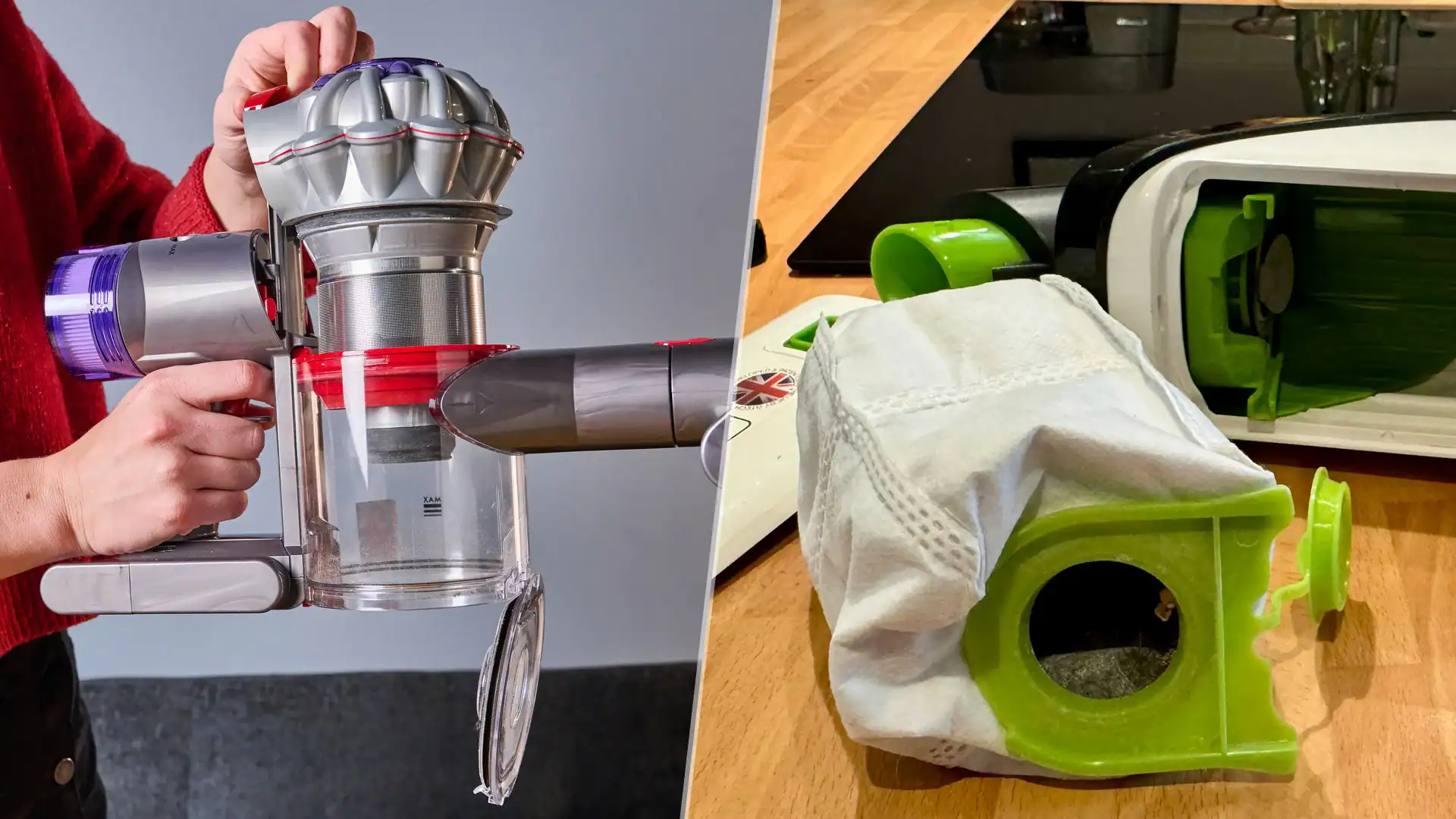
Acoustic foam, suspended motors, and sealed airways prevent air leaks that typically cause high-pitched whistling in budget vacuums. Compliance with DS/EN 60335-2-69 mandates a minimum air velocity of 20 m/sec for effective dust collection, a target quiet machines reach by streamlining the internal path. Premium models utilize balanced impellers and electronic RPM control to maintain consistent 11,000 Pa pressure at 65 dB. Triple-layer inspection processes ensure seals and housing integrity prevent vibration-induced noise while the machine works at peak capacity.
Brush Roll Noise: Turning Off the Beater Bar
Disabling the beater bar removes the primary source of mechanical vibration and floor friction, often lowering output by 5-10 dB. This shift brings vacuums closer to the 66 dB threshold required for comfortable conversation, making it ideal for hard floors or light dusting in 2026 home environments.
Mechanical Sources of Agitation and Friction Noise
High-speed rotation creates constant friction between stiff bristles and carpet fibers, leading to a low-frequency rumble. This physical interaction accounts for a significant portion of the acoustic profile in upright models. As the bar spins, it also increases airflow turbulence, which adds to the overall wind noise emitted by the unit.
Mechanical vibration from the motor-driven belt or direct-drive system adds structural resonance to the vacuum housing. These components generate sound through both direct air transmission and vibrations that travel through the machine chassis. Removing this mechanical agitation significantly stabilizes the unit’s sound output.
Acoustic Impact and Decibel Thresholds
Disabling the brush roll lowers sound levels from the 70-80 dB range typical of uprights to a 65-75 dB profile. This reduction is particularly noticeable on hard surfaces where mechanical agitation is unnecessary. Eliminating rotation-related sounds helps the machine stay below the 66 dB limit required for normal conversation nearby, which improves the environment for others in the home.
Proper maintenance of brush roll bearings prevents grinding or screeching spikes caused by debris wrap or seized components. Regular cleaning and debris removal ensure that when the brush roll is active, it does not produce high-pitched mechanical whines. For users seeking the quietest operation, pairing a disabled beater bar with eco-mode settings produces a profile similar to high-end robot vacuums.
Expanda sua marca com soluções de aspiradores domésticos de alto desempenho

Battery Savings: Quiet Mode = Longer Runtime
Quiet mode extends battery life by reducing the wattage drawn from the motor, often doubling or tripling the runtime compared to max power. While high-suction settings drain batteries in 12–15 minutes, energy-efficient quiet modes allow for 40–60 minutes of continuous operation by scaling down airflow and motor RPM.
Power Throttling and Brushless Motor Efficiency
Brushless motors in 250W to 450W systems minimize energy loss by reducing friction and heat during low-speed operation. When the device runs in quiet mode, the system lowers the Air Watt demand, which slows the discharge rate of the lithium-ion cells. This reduced load prevents the battery from overheating and extends the overall life cycle of the power pack. Specialized engenharia de fluxo de ar allows the motor to maintain effective debris pickup at lower RPMs, ensuring the vacuum remains functional without overtaxing the electronics.
Runtime Performance Data Across Mode Settings
Specific benchmarks show how power modes impact cleaning duration. MetroVac CHV series models reach 60 minutes of runtime in low power mode using dual 22.2V 2000 mAh lithium-ion packs, compared to just 15–20 minutes on high. Xiaomi and Tineco units provide approximately 40–45 minutes of cleaning at a standard 50 AW suction setting. Systems equipped with high-capacity 2500 mAh battery arrays, such as Eureka models, sustain 60 minutes of use in eco-mode but drop to 15 minutes at maximum output. Additionally, vacuum systems using 20V 4Ah batteries utilize hush-tone technology to achieve 35 or more minutes of continuous operation.
Use Cases: Light Dusting vs. Deep Cleaning
Maintenance cleaning focuses on visible debris and daily sanitization of high-touch spots to manage surface neatness. Deep cleaning targets embedded contaminants like allergens and biofilms using HEPA vacuums, thermal extraction, and pH-specific chemistry for neglected areas like baseboards and appliance interiors.
| Recurso de limpeza | Daily Maintenance | Deep Sanitation |
|---|---|---|
| Objetivo principal | Surface neatness and touchpoint hygiene | Removal of embedded soils and biofilms |
| Equipment Used | Standard vacuums and microfiber cloths | HEPA filtration and steam extractors |
| Chemical Profile | General purpose sanitizers | Alkaline degreasers and acid descalers |
| Targeted Areas | Knobs, switches, and countertops | Vents, baseboards, and appliance interiors |
Daily Maintenance and Surface Dusting Strategies
Maintenance cleaning manages the immediate environment by removing loose particulate matter and disinfecting high-traffic touchpoints. This protocol targets doorknobs, light switches, and cabinet handles using color-coded microfiber systems to prevent cross-contamination between zones. These tasks rely on standard suction vacuums and cleaning agents with short dwell times, effectively maintaining aesthetic standards without addressing long-term accumulation or moving heavy structural elements. The process keeps visible surfaces free of dust and clutter but leaves deeper reservoirs of pollutants untouched.
Technical Restoration and Deep Sanitation Methods
Deep cleaning shifts the focus toward restoration and the removal of biological reservoirs. Specialized equipment like HEPA-filtered vacuums captures fine allergens and dust mites trapped within upholstery and mattress fibers that standard equipment cannot reach. Hot-water extraction provides thermal sanitation for carpets, while alkaline degreasers break down polymerized oils inside range hoods and appliance interiors.
This technical approach addresses mineral films on tile grout using nylon brushes and acid descalers to restore original surface integrity. High-level sanitation also targets neglected areas like air ducts, which frequently harbor significantly higher pollution levels than outdoor air. By employing move-and-clean protocols for baseboards and hidden corners, this method eliminates the particulates that contribute to poor indoor air quality and surface degradation.
Considerações finais
Modern quiet modes bridge the gap between effective cleaning and a peaceful environment. These settings provide sufficient airflow for surface debris while cutting noise levels to that of a standard conversation. Choosing this mode helps maintain a clean space without interrupting the work or rest of those nearby.
Using lower power settings also preserves the lifespan of the machine. It reduces heat buildup in the battery and extends runtime for larger cleaning tasks. This approach works best for daily upkeep on hard floors and low-pile rugs, leaving high-intensity modes for occasional deep restoration projects.
Perguntas frequentes
What is the actual suction power in Quiet Mode?
Quiet Mode typically operates at 5–10 kPa. This level of suction handles light daily maintenance and surface dust on hard floors while keeping motor noise at a minimum.
How much extra battery life does Eco-Mode provide?
Switching to Eco-Mode extends battery runtime to approximately 50–55 minutes. This is a significant increase compared to the 20–30 minute runtime usually found in high-power settings.
Can I disable the brush roll to further reduce noise?
Many modern aspiradores portáteis allow users to shut off the brush roll independently. This eliminates noise caused by brush friction and is ideal for cleaning delicate surfaces or hard floors where agitation is unnecessary.

 English
 Español
 Français
 Deutsch
 Português do Brasil
 Русский
 한국어
 日本語
 العربية