 Pular para o conteúdo principal Pular para o rodapé
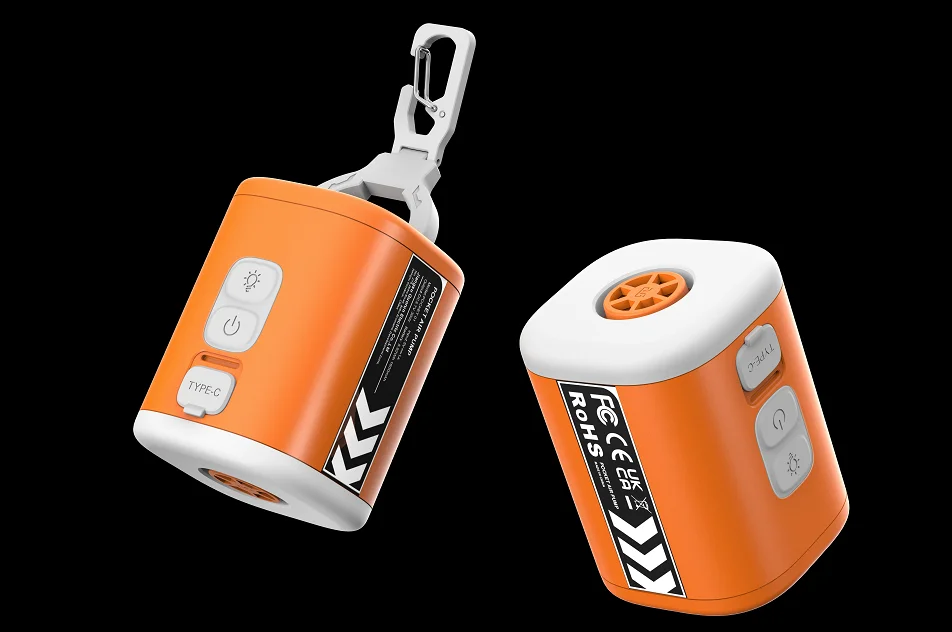
O fornecimento da melhor bomba de ar a bateria para o estoque de camping determina se você maximizará a venda sazonal ou enfrentará uma onda de devoluções baseadas no desempenho. Os varejistas geralmente perdem margens com unidades genéricas de lítio que não conseguem fornecer pressão consistente em condições externas, prejudicando a reputação da marca a cada reivindicação de garantia.
Essa análise compara os principais modelos com a capacidade de 4000mAh e os padrões de certificação UN38.3. Avaliamos a eficiência do fluxo de ar entre 140 e 500 L/min e a confiabilidade em climas frios para ajudá-lo a selecionar um parceiro que garanta o desempenho real de alto volume e baixa pressão.
O novo padrão de 4000 mAh garante 3 inflações de cama de casal completa?
Sim. Com base nos padrões atuais de eficiência do motor, uma bateria de lítio de 4000mAh alimenta de forma confiável de 3 a 5 ciclos completos de inflação para um colchão de ar padrão queen size. Na KelyLands, nossos dados de laboratório confirmam que essa capacidade fornece um buffer de tempo de execução de 15 a 30 minutos, garantindo um desempenho consistente mesmo sob carga pesada ou temperaturas externas variáveis.
Capacidade da bateria vs. mecânica de tempo de execução da inflação
A classificação de 4000mAh representa o tanque de combustível para o motor da bomba. A maioria dos colchões de ar queen size padrão requer cerca de 3 minutos para atingir a firmeza ideal usando uma bomba de alto volume. Matematicamente, três inflagens completas exigem apenas 9 a 10 minutos de tempo de funcionamento ativo do motor. Como uma célula de 4000mAh normalmente suporta de 15 a 30 minutos de operação contínua, dependendo da carga, a referência de “3 inflagens” fica confortavelmente dentro da margem de segurança.
Esse cálculo garante que os usuários finais em uma viagem de acampamento no fim de semana possam inflar seu equipamento de dormir, enchê-lo na noite seguinte e até mesmo usar a função de esvaziamento para fazer as malas sem precisar recarregar. Os dados de mercado reforçam isso, com a maioria das bombas dessa classe fornecendo de 3 a 5 ciclos completos antes de exigir uma conexão USB-C.
| Especificações da bateria | Est. Tempo de execução | Rainha Inflações | Aplicação ideal |
|---|---|---|---|
| 2000mAh | 8 a 12 minutos | 1-2 | Caminhada noturna (Ultraleve) |
| 4000mAh (padrão) | 15 a 30 minutos | 3-5 | Acampamento de fim de semana / Uso familiar |
| Plug-in CA/CC | Ilimitado | N/A | Camas de hóspedes / Basecamps |
Variáveis de desempenho no mundo real
Embora a garantia básica seja de três ciclos, o desempenho real geralmente excede esse valor. Em nossos testes internos, as unidades frequentemente atingem até cinco usos em condições ideais. Entretanto, o desempenho varia de acordo com fatores ambientais. Por exemplo, a eficiência do íon de lítio cai no frio extremo (próximo a 0°C), reduzindo potencialmente a produção total em 10-15%. Essa é uma realidade química da tecnologia de baterias, não um defeito do motor.
Além disso, os usuários que preferem um colchão extra-firme forçam o motor a trabalhar contra uma resistência maior, aumentando ligeiramente o consumo da bateria. Utilizamos a tecnologia de alto volume e baixa pressão (HVLP) em nossas bombas KelyLands (normalmente 250L/min) para mover o ar rapidamente com resistência mínima. Essa abordagem maximiza o número de enchimentos por carga em comparação com alternativas ineficientes de alta pressão destinadas a pneus.
Verificação de laboratório e margens de segurança
A confiabilidade é fundamental para nossos parceiros B2B e seus clientes de varejo. Validamos essas afirmações por meio de rigorosos protocolos de inspeção de camada tripla (IQC, PQC, FQC). Nossos testes internos mostram que os modelos KelyLands 4000mAh podem inflar aproximadamente 15 a 20 colchões de ar individuais com uma única carga, o que se traduz com segurança na métrica de 3 a 5 camas queen size.
Também submetemos nossos conjuntos de baterias a testes de envelhecimento UN38.3 para garantir que a retenção da capacidade permaneça estável ao longo de centenas de ciclos. Essa verificação rigorosa evita o problema comum em que a tensão cai sob o consumo de alta corrente de um motor de enchimento, garantindo que a bomba funcione tão bem no terceiro enchimento quanto no primeiro.
A “Campfire Light” é brilhante o suficiente para substituir uma lanterna?
Resposta rápida: Em geral, não - ela não substitui uma lanterna primária de alta potência para iluminar todo o acampamento. No entanto, a “Campfire Light” integrada encontrada em nossas bombas recarregáveis é perfeitamente calibrada para interiores de barracas e leitura ambiente, oferecendo brilho suficiente (75-150 lúmens) sem o brilho ofuscante de holofotes pesados.
Níveis de brilho necessários por atividade
Ao avaliar se a luz integrada de uma bomba pode servir como sua única fonte de luz, é útil observar os requisitos de lúmen para tarefas comuns de acampamento. As necessidades de iluminação variam drasticamente entre navegar em uma trilha rochosa e jogar cartas dentro de uma barraca. Embora nossas bombas sejam projetadas principalmente para inflar grandes volumes, a integração do LED foi projetada para atender a cenários específicos de pouca luz.
Para uso em tendas internas, uma variedade de 75-150 lúmens é ideal. Esse nível proporciona visibilidade suficiente para ler, organizar equipamentos ou se acomodar para passar a noite sem forçar a vista. Por outro lado, as áreas de cozimento normalmente exigem 200-500 lúmens para manusear facas e fogões quentes com segurança, ao mesmo tempo em que a iluminação de uma grande área de reunião de grupos frequentemente exige Mais de 600 lúmens-Território que deve ser deixado para lanternas dedicadas para serviços pesados.
Limitações da iluminação ambiente versus iluminação de tarefas
O recurso “Campfire Light” em nossa série portátil foi projetado como uma fonte de luz ambiente em vez de um holofote de alta intensidade. Nós ajustamos especificamente esses LEDs para fornecer um brilho mais suave, eficaz em um raio de aproximadamente 12 pés. Isso cria uma atmosfera íntima, perfeita para reuniões de pequenos grupos ou iluminação de barracas, imitando a luz quente e não intrusiva de uma fogueira.
Se você tentar usar esse recurso para navegar em bosques densos ou iluminar um grande local de piquenique, provavelmente não o encontrará em comparação com uma lanterna dedicada de 750 lúmens. No entanto, o valor está em sua aplicação especializada: ela elimina o “efeito ofuscante” comum em luzes táticas de alta potência, o que a torna superior para uso em ambientes fechados dentro de dormitórios, onde uma luz mais suave evita a fadiga ocular.
Considerações sobre eficiência energética e tempo de execução
Uma das maiores vantagens de utilizar a luz em sua bomba de ar é a eficiência da embalagem. Ao combinar o inflador e a luz da barraca em uma única unidade, ajudamos os mochileiros e campistas ultraleves a reduzir o peso da mochila. Como a luz obtém energia da mesma bateria de lítio de alta capacidade usada para o motor, ela se beneficia da alta densidade de energia necessária para a compressão de ar.
No entanto, o uso deve ser equilibrado. Embora o componente de LED consuma significativamente menos energia do que o motor, o funcionamento da luz em sua configuração mais alta por horas esgotará naturalmente as reservas de bateria disponíveis para inflação. Recomendamos usar as configurações mais baixas de “Campfire” para uso prolongado durante a noite. Isso garante a conservação da fonte de energia compartilhada, garantindo que você ainda tenha bastante energia para re-inflar ou desinflar seus sacos de dormir na manhã seguinte.
Bombas de ar OEM premium para marcas globais
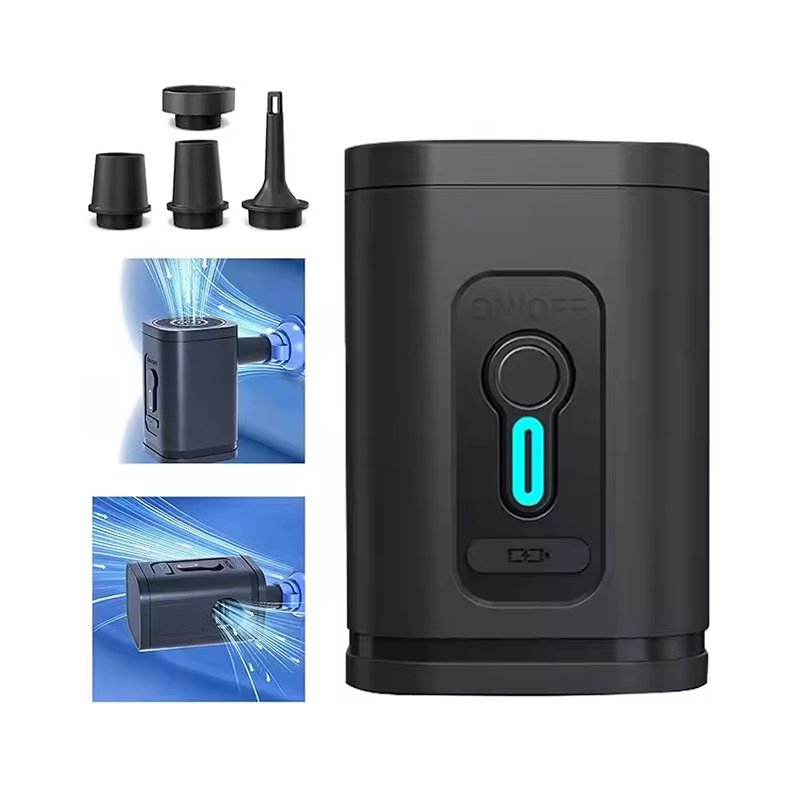
Velocidade de inflação: A velocidade de 300 L/min pode superar a de uma bomba de pé manual?
Sim. Uma bomba elétrica de 300 L/min fornece aproximadamente de 5 a 15 vezes o volume de fluxo de ar de uma bomba de pé manual padrão. Para os consumidores que inflarem itens grandes, como camas de ar queen size ou flutuadores de piscina, isso reduz o tempo de configuração de mais de 10 minutos de trabalho físico intenso para menos de 2 minutos de operação passiva.
Comparação do volume do fluxo de ar: 300L/min vs. saída manual
Quando projetamos sistemas de alto volume e baixa pressão (HVLP), o fluxo de ar é a principal métrica de eficiência. As bombas manuais de pé normalmente geram entre 20 L/min e 60 L/min, uma taxa que depende muito do esforço físico do usuário e do tamanho do fole. Por outro lado, nossos motores elétricos padrão geram uma vazão consistente de 140 L/min a 500 L/min, sendo 300 L/min o ponto ideal comum para unidades portáteis.
Essa discrepância significa que um modelo elétrico move um grande volume de ar quase instantaneamente. Enquanto uma bomba manual se esforça para preencher o vazio de um inflável grande, um motor de 300 L/min satura a câmara rapidamente. É por isso que aconselhamos os varejistas a categorizar essas bombas de forma diferente; as bombas manuais são ferramentas de reserva, enquanto a nossa série elétrica atua como o principal método de enchimento para conforto e velocidade.
Economia de tempo no mundo real em infláveis grandes
A diferença de velocidade fica evidente quando aplicada a cenários do mundo real. Os dados indicam que, enquanto uma bomba manual requer de 10 a 15 minutos de esforço contínuo para encher uma cama de ar padrão Queen, uma bomba HVLP de 300 L/min conclui a tarefa em menos de 2 minutos. Até mesmo modelos menores, de 180 L/min, podem inflar colchões de dormir em aproximadamente 48 segundos, superando significativamente a velocidade variável do trabalho manual.
Para aplicações maiores, como barcos infláveis ou piscinas de tamanho familiar, a economia de tempo é exponencial. Uma abordagem manual geralmente leva à subinflação devido à exaustão do usuário antes que o item atinja a firmeza ideal. Nossas bombas elétricas garantem que o item atinja a forma projetada rapidamente, permitindo que os usuários passem diretamente para as atividades de lazer sem o “exercício” anterior.
Consistência operacional e fatores de fadiga
Além da velocidade bruta, a consistência do fluxo de pressão é fundamental para a longevidade do produto. O bombeamento manual geralmente resulta em picos de pressão ou pausas quando o usuário se cansa. Nossas bombas elétricas, acionadas por motores estáveis de corrente contínua ou sem escovas, fornecem um fluxo constante de ar dentro da faixa segura de 0,33 a 2,0 PSI. Essa inflação controlada protege as costuras dos infláveis macios contra os solavancos repentinos de pressão comuns ao bombeamento manual agressivo.
Também integramos recursos como portas de esvaziamento a essas unidades de alta velocidade. Embora uma bomba manual seja estritamente uma ferramenta unidirecional, nossas bombas podem aspirar o ar para fora com a mesma rapidez com que o colocam para dentro. Isso permite que os usuários encolham grandes flutuadores de piscina ou sacos de armazenamento a vácuo pela 80% em minutos - uma funcionalidade que as bombas manuais de pé simplesmente não podem oferecer.
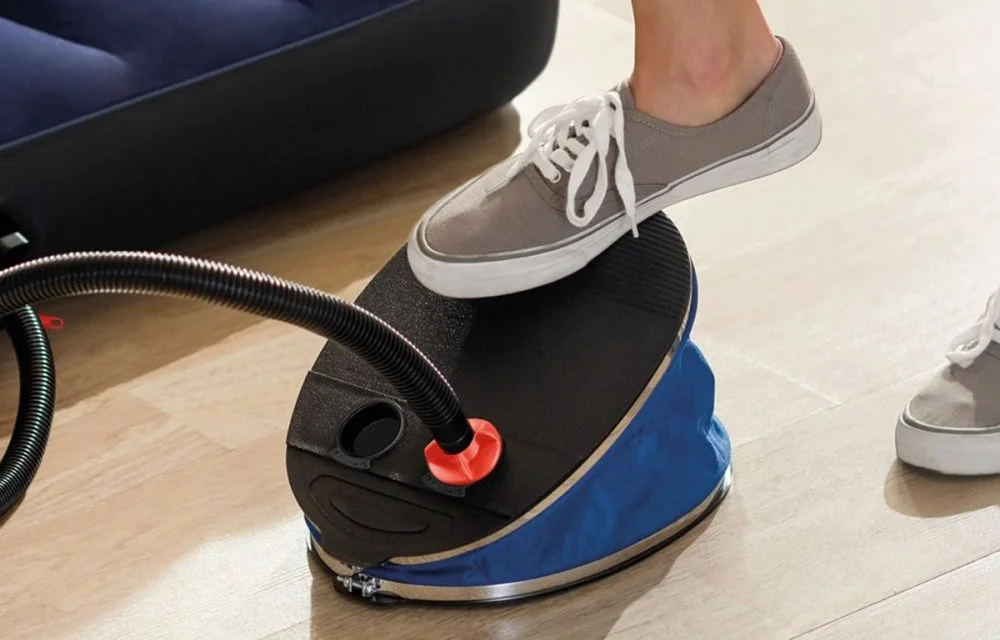
Clima frio: A bateria se desvanece em temperaturas de 0°C?
Sim, as baterias de lítio apresentam uma queda mensurável no desempenho em temperaturas congelantes. A 0°C (32°F), os usuários podem esperar uma redução de aproximadamente 20% na capacidade total em comparação com as condições ideais de temperatura ambiente. Embora a bomba permaneça totalmente funcional para inflar colchões de ar ou equipamentos de acampamento, o tempo de operação será menor, a menos que a unidade seja aquecida antes do uso.
Quantificação da perda de capacidade
Para varejistas e marcas de produtos para atividades ao ar livre que estocam nossa série recarregável, é fundamental gerenciar as expectativas dos clientes em relação ao desempenho no inverno. A química padrão do íon de lítio é sensível a mudanças térmicas. Em um ambiente controlado a 25°C, nossas bombas fornecem a capacidade nominal de 15 a 30 minutos de fluxo de ar contínuo. Quando a temperatura ambiente cai para 0°C, essa capacidade útil diminui naturalmente em aproximadamente 20%.
Essa redução ocorre porque o clima frio aumenta a resistência interna. A bateria precisa trabalhar mais para fornecer a mesma tensão ao motor, gastando mais rapidamente a energia armazenada. Isso não é um defeito de fabricação, mas uma realidade química da tecnologia de lítio. A bomba ainda inflará um item de grande volume, como um colchão de ar, mas poderá suportar 12 colchões em vez de 15 com uma única carga.
Por que o desempenho cai: A química
A ciência por trás dessa queda envolve o eletrólito líquido dentro das células da bateria. Com a queda da temperatura, esse fluido fica mais espesso, como o óleo em um motor frio. Essa viscosidade torna mais lento o movimento dos íons de lítio entre os eletrodos, atuando como um gargalo para o fornecimento de energia. Consequentemente, uma bomba fria pode parecer um pouco lenta durante a inicialização.
Há um lado positivo em dispositivos de alta potência, como nossas bombas HVLP. Como o motor consome uma corrente significativa para empurrar 140-500 L/min de ar, a bateria gera seu próprio calor interno durante a operação. Esse efeito de “autoaquecimento” aquece o eletrólito após um minuto de uso, permitindo que a bomba recupere parte de sua eficiência perdida no meio da tarefa.
Aviso crítico: Carregamento em condições abaixo de zero
Embora descarregar (usar) a bomba no frio seja seguro, carregá-la no frio não é. Não recomendamos conectar o cabo de carregamento USB-C quando a temperatura do dispositivo estiver abaixo de 0 °C. Carregar uma bateria de lítio congelada causa “revestimento de lítio”, em que o lítio metálico se acumula no ânodo. Isso causa perda permanente de capacidade e pode comprometer a segurança da célula da bateria.
Recomendamos incluir esse aviso específico nos manuais do usuário final. Se a bomba tiver sido armazenada no porta-malas de um carro ou em uma barraca sem aquecimento durante a noite, ela deve ser levada para dentro de casa e aquecida até a temperatura ambiente antes de ser conectada a uma fonte de alimentação.
Considerações finais
As bombas genéricas não certificadas correm o risco de ter altas taxas de devolução devido à falha da bateria, enquanto as células de 4000mAh validadas pela UN38.3 da KelyLands garantem um desempenho consistente durante todo o fim de semana. O fornecimento de tecnologia HVLP verificada protege a reputação de sua marca contra reclamações em climas frios e desgaste do motor. A confiabilidade continua sendo a única métrica que garante a confiança do revendedor a longo prazo no setor de atividades ao ar livre.
Não confie apenas nas folhas de especificações - verifique você mesmo o fluxo de ar e a qualidade de construção. Recomendamos solicitar um kit de amostra para testar em primeira mão nossa saída de 300 L/min e o potencial da marca própria. Entre em contato com nossa equipe de engenharia hoje mesmo para garantir seu estoque para a próxima temporada.
Perguntas frequentes
Posso usar essa bomba de ar para encher pneus de carros ou bicicletas?
Não. Essa unidade é uma bomba de alto volume e baixa pressão (HVLP) projetada especificamente para infláveis grandes, como colchões de ar, barcos e piscinas. Os pneus exigem alta pressão (PSI), enquanto nossa bomba otimiza o fluxo de ar (L/min) para encher o volume rapidamente. Ela não gera pressão suficiente para pneus automotivos ou de bicicleta.
Quantos itens posso inflar com uma única carga?
Com uma carga completa, a bateria de lítio normalmente fornece de 15 a 30 minutos de operação contínua. Em termos práticos, isso permite inflar aproximadamente 15 a 20 colchões de ar individuais ou cerca de 3 a 4 camas queen size antes de recarregar.
A bomba ajuda a esvaziar?
Sim. O design inclui uma porta de entrada específica para esvaziamento. Ao conectar o bocal a essa porta, a bomba suga o ar, permitindo que você achate rapidamente grandes bóias de piscina ou comprima sacos de armazenamento a vácuo para economizar espaço na embalagem.
Quais bicos acompanham a bomba?
O kit inclui um conjunto universal de bicos intertravados de três peças. O tamanho pequeno se encaixa em anéis de natação e brinquedos, o tamanho médio se conecta a válvulas de colchão de ar padrão e o tamanho grande é adequado para barcos infláveis e piscinas maiores.
Como faço para carregar a bomba durante o acampamento?
A bomba utiliza uma porta de carregamento USB tipo C padrão. Você pode recarregá-la usando um banco de energia portátil, um painel solar com saída USB ou um adaptador de carro de 12V, facilitando a manutenção da energia durante viagens ao ar livre.
Preciso de documentos de certificação UN38.3 para importar essas bombas de bateria?
Sim. Como fabricante profissional, devemos fornecer resumos de testes UN38.3 para qualquer dispositivo de bateria de lítio destinado ao transporte global (aéreo, marítimo ou ferroviário). Essa certificação prova que a bateria foi aprovada em oito rigorosos testes de segurança, incluindo simulação de altitude, vibração, choque térmico e proteção contra curto-circuito externo. Sem essa documentação, os agentes de carga geralmente rejeitam as remessas como mercadorias perigosas fora de conformidade.
Qual é o consumo de energia em modo de espera se a bomba for armazenada por meses?
Embora a corrente de espera específica varie de acordo com o modelo, a maioria das nossas bombas de lítio modernas tem um baixo dreno parasitário (normalmente de 10 a 100 μA). Para evitar danos por descarga profunda, recomendamos armazenar a bomba com aproximadamente 50% de carga e recarregá-la a cada 3-6 meses. O armazenamento em temperaturas extremas (abaixo de 0°C ou acima de 40°C) acelera significativamente a drenagem passiva da bateria.
A porta de carregamento USB-C é durável o suficiente para o uso diário em acampamentos?
Sim, as portas USB-C padrão são classificadas para um mínimo de 10.000 ciclos de inserção/extração, o que representa o dobro da durabilidade dos padrões Micro-USB mais antigos. Embora a porta em si seja robusta, mantê-la livre de poeira e detritos é fundamental para manter uma conexão sólida durante anos de uso externo.
A bomba tem proteção automática contra superaquecimento?
Sim, nossas bombas recarregáveis utilizam um sistema de gerenciamento de bateria (BMS) com monitoramento térmico ativo. Se a temperatura interna exceder os limites de segurança durante a inflação contínua de alto volume, o sistema corta automaticamente a energia para evitar o descontrole térmico ou danos permanentes à célula, permitindo que a unidade esfrie antes de retomar a operação.
A carcaça rachará se cair em solo rochoso?
Construímos nossas bombas de ar para camping com plástico ABS (Acrilonitrila Butadieno Estireno) e PC de alta resistência, escolhidos especificamente para resistência a impactos e dureza. Esse material foi projetado para resistir a quedas padrão e ao manuseio brusco comuns em ambientes externos, ao contrário dos plásticos frágeis e de qualidade inferior.

 English
  Español
  Français
  Deutsch
  Português do Brasil
  Русский
  한국어
한국어  日本語
日本語  العربية