 Pular para o conteúdo principal Pular para o rodapé

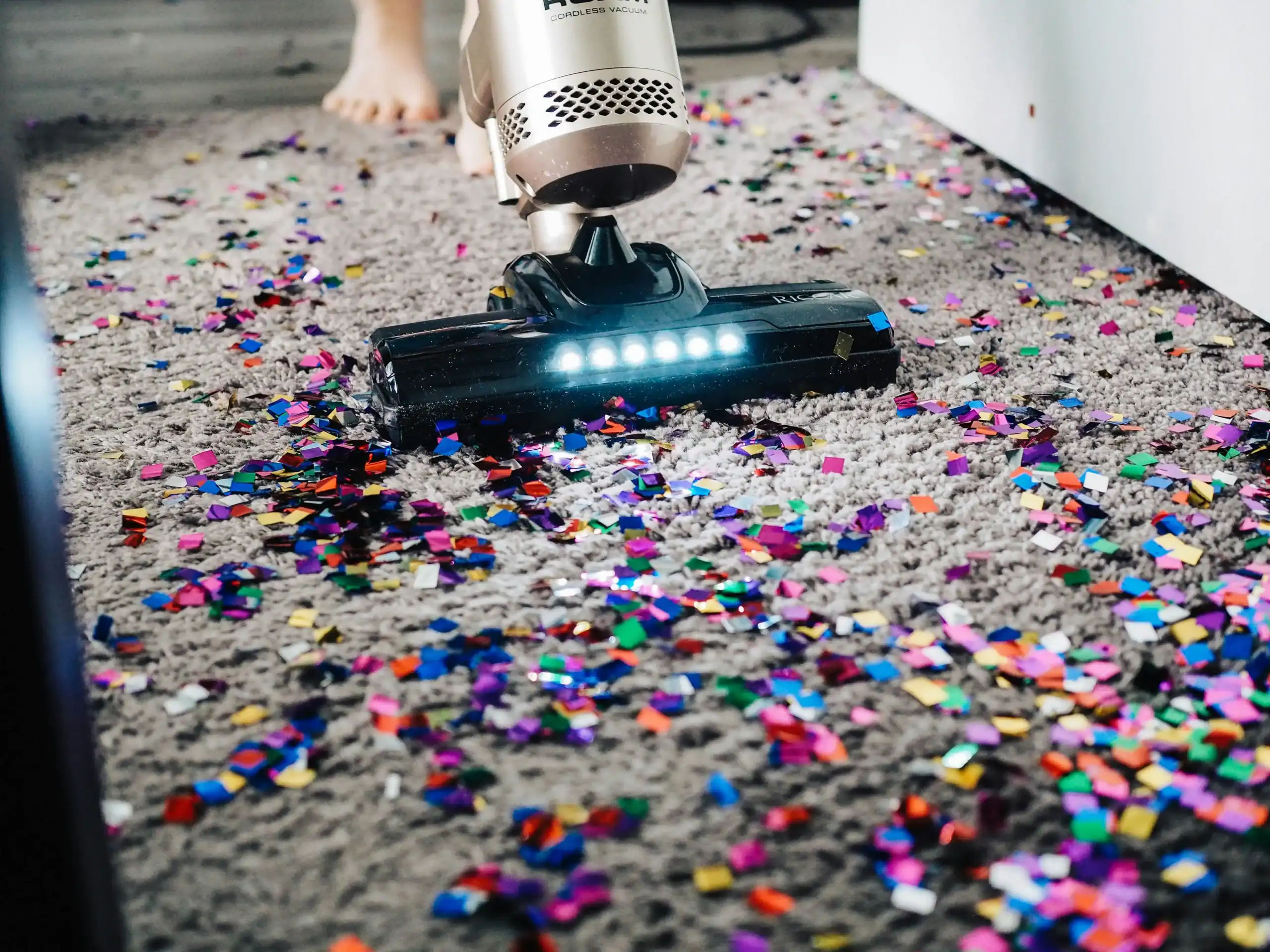
System failures and performance drops often trace back to a single variable: 8. Filter Maintenance. When airflow is restricted, energy costs typically rise by 5% to 15% while the added strain on blower motors risks premature hardware replacement. Designing for the end-user requires building safeguards that prevent these predictable oversights from compromising equipment lifespan.
This analysis compares the performance of G1 metal mesh against pleated HEPA media—which offers 10x more surface area—and highlights the mold risks associated with re-installing filters before the 48-hour drying window. We also explore how digital alerts and automated delivery models remove human error, helping systems maintain optimal pressure levels through consistent component swaps.
Why Allergies Flare Up: Clogged Filters
Clogged filters allow allergens like pollen and dust to bypass the system and recirculate indoors, directly triggering respiratory symptoms. This blockage increases static pressure, causing a 5-15% spike in energy use and straining the motor through significantly restricted airflow.
Particle Bypass and Indoor Air Quality Degradation
High-efficiency particulate air (HEPA) filters capture 99.97% of particles as small as 0.3 microns, including common irritants like pollen, animal dander, and mold spores. When the filter media reaches saturation, it loses its ability to trap these microscopic particles. These irritants then bypass the physical barrier and recirculate into the living space, where they remain suspended in the breathing zone.
The constant movement of trapped particles through the air supply often triggers immediate respiratory flare-ups, such as sneezing, persistent coughing, and itchy eyes. Beyond simple bypass, the buildup of dust and bacteria on damp filter surfaces creates a breeding ground for mold. This secondary contamination further degrades the air quality as spores enter the ventilation stream.

Mechanical Consequences of Restricted Airflow
Clogged filters significantly increase static pressure within a system, forcing blower motors to consume more power to move the same volume of air. This mechanical strain typically results in a 5% to 15% increase in energy usage. Furthermore, restricted airflow over evaporator coils or through vacuum motors causes components to overheat and undergo short cycling, which increases the risk of premature mechanical failure.
Pressure imbalances within the ductwork or housing produce distinct audible signals, such as whistling, rattling, or heavy vibrations at vents and exhausts. Airflow obstruction also reduces the effective suction power of cleaning equipment. This drop in performance leaves heavy allergens deeply embedded in carpets and upholstery rather than removing them from the environment.
Design: Pre-Filter Mesh vs. Pleated HEPA
Vacuum designs rely on G1 metal mesh to block large particles and hair, preserving airflow for the secondary filter. Pleated HEPA media captures 99.97% of fine dust at 0.3 microns, using an expanded surface area to prevent pressure drops and protect the motor from microscopic debris.
Metal Mesh Barriers for Primary Debris Capture
G1 metal mesh uses expanded aluminum or galvanized alloy foil to catch hair and large debris before they reach the motor. These washable materials withstand high temperatures exceeding 250°C, allowing for repeated maintenance cycles without degrading the physical filter structure. By acting as a primary barrier, the mesh protects internal components from mechanical obstruction.
The coarse design maintains high airflow velocity with minimal resistance. This ensures consistent suction power throughout operation because the large apertures do not clog easily. Metal mesh also avoids shedding fibers into the airstream, supporting clean industrial ventilation and simplifying the maintenance process for high-volume debris management.
Pleated HEPA Efficiency and Airflow Optimization
Pleated configurations increase the filter surface area by 10x over flat designs, which reduces the pressure drop to ≤250 Pa. Micro glass fiber media achieves a 99.97% efficiency rating for particles at 0.3μm, adhering to EN779 and Type C standards. This high-efficiency media traps microscopic allergens and fine dust that coarse mesh barriers cannot capture.
V-form mini-pleat structures optimize dust-holding capacity and prevent rapid clogging. By spreading the air load across a wider surface, the filter extends the lifespan of the vacuum motor and maintains air purity. This geometry balances airflow requirements with filtration depth, ensuring the system captures fine particulates without placing excessive strain on the power unit.
Washable Filters: The Drying Time Risk (Mold)
Washable air filters require a strict 24-48 hour drying period before reinstallation to prevent mold germination. Moisture trapped in reusable mesh or synthetic media can trigger microbial growth within 48 hours, especially if indoor relative humidity exceeds 70%, potentially circulating spores sized 2-20µm through the vehicle or home environment.
| Métrica de Manutenção | Especificações técnicas | Limite de Segurança |
|---|---|---|
| Drying Duration | 24 – 48 horas | Impede a germinação microbiana |
| Umidade relativa interna | 25% – 60% | Inibe a proliferação de fungos |
| Intervalo de limpeza | A cada 2 – 4 semanas | Compensa a eficiência MERV 1-4 inferior |
Crescimento microbiano e a janela crítica de 48 horas
Esporos de mofo germinam em materiais de filtro úmidos em 24 a 48 horas quando a umidade persiste. Reinstalar um filtro antes que ele seque completamente permite que o crescimento microbiano se fixe na malha ou no material sintético. Filtros permanentes eletrostáticos frequentemente criam locais de reprodução para bactérias e fungos quando os proprietários não permitem a secagem completa em ciclos de limpeza repetidos. Essa armadilha de umidade circula esporos nocivos, geralmente com tamanho de 2 a 20 µm, diretamente para o habitáculo ou espaço habitado.
A estrutura de filtros reutilizáveis, que frequentemente inclui estruturas metálicas e camadas sintéticas densas, pode esconder umidade residual. Embora a parte externa possa parecer seca ao toque, o núcleo interno frequentemente retém água suficiente para sustentar colônias fúngicas. Uma vez estabelecidas, a velocidade do ar do sistema HVAC distribui esporos por toda a rede de dutos, complicando os esforços de remediação futuros.
Limites de umidade e protocolos de manutenção
A operação segura exige manter a umidade relativa interna entre 25% e 60% para inibir a proliferação de mofo no HVAC e sistemas de filtragem a vácuo. Espécies de mofo em materiais de papel ou sintéticos germinam rapidamente quando a umidade relativa mantém níveis iguais ou superiores a 70% por vários dias. O controle climático adequado limita a viabilidade biológica de qualquer umidade acidental deixada dentro do meio filtrante após a limpeza.
Filtros laváveis geralmente possuem classificações MERV 1-4, que oferecem menor eficiência de captura de partículas do que unidades descartáveis de HEPA ou plissadas. Os usuários devem limpar esses componentes a cada 2 a 4 semanas para manter o fluxo de ar e a higiene do sistema. Protocolos de segurança alinhados ao OSHA exigem a secagem completa de todos os componentes úmidos dentro de 48 horas para evitar a degradação da qualidade do ar interno. Ignorar a janela de secagem completa aumenta a carga no HVAC e apresenta riscos significativos à saúde em climas de alta umidade.
Elevate Your Brand with Custom High-Performance Vacuum Solutions

Digital Reminders: App/Screen Alerts to Clean
Digital reminders use screen indicators like Samsung’s ‘CF’ code or mobile app notifications from Xiaomi’s Mi Home to prompt maintenance. These systems track run-time or airflow resistance, alerting users every two weeks or when performance dips, which removes the guesswork from manual cleaning schedules.
| Método de monitorização | Gatilho de manutenção | Exemplo de sistema |
|---|---|---|
| Códigos de visor na unidade | Temporizador quinzenal ou tempo de funcionamento | AC embutido na parede Samsung (código CF) |
| Notificações da app IoT | Horas operacionais calculadas | Xiaomi Mi Home / Mijia Pro Eco |
| Monitorização do fluxo de ar | Queda de pressão (Delta-P) | Termostatos inteligentes Wi-Fi / FILTERSCAN |
Alertas de interface visual e notificações na app
As unidades Samsung embutidas na parede mostram um lembrete ‘CF’ (filtro limpo) no ecrã interior como indicador visual primário para a manutenção quinzenal. Este sistema automatiza o acompanhamento dos intervalos operacionais, garantindo que os utilizadores resolvem o acúmulo de pó antes que afete a eficiência. Plataformas móveis, como a app Mi Home/Xiaomi Home, enviam notificações push aos utilizadores com base nas horas de funcionamento calculadas para dispositivos como a série Mijia Pro Eco. Estes registos digitais oferecem um cronograma mais preciso do que as verificações manuais, pois levam em conta a intensidade real de utilização em vez de datas simples do calendário.
Os termostatos inteligentes Wi-Fi proporcionam outra camada de notificação ao ativar luzes de ‘trocar filtro’ ou enviar alertas diretos por texto e e-mail. Estes dispositivos frequentemente monitorizam o sistema HVAC quanto ao fluxo de ar restringido. Quando os sensores detetam que o filtro ficou demasiado denso com resíduos, impedindo a passagem adequada de ar, o sistema ignora temporizadores padrão e solicita intervenção imediata, evitando possíveis danos ao motor do ventilador.
Sensor Calibration and IoT Data Monitoring
The FILTERSCAN Air Filter Monitor records clean air filter calibration parameters to track the real-time state of the media. The device retains this data through power cycles, which ensures that monitoring remains accurate even after electricity outages. In industrial settings, the Viledon Process View system utilizes QR codes on filter stages to document changes and measurements. This mobile integration uses algorithms for early problem detection, identifying performance anomalies before they lead to system downtime.
Industrial monitoring tools like GoldLink Connect and Digital Matter SMR track pressure drops to generate automated maintenance jobs. These systems often target a delta-P of less than 1 psi for self-cleaning designs. By setting absolute thresholds—such as specific pressure levels or odometer intervals in telematics—facility managers receive automated email reminders. This data-driven approach replaces visual inspections with physics-based triggers, maintaining optimal air quality through consistent, documented upkeep.
Subscription Models: Auto-Shipping Replacement Filters
Auto-shipping models eliminate the risk of system failure by delivering fresh cartridges before pressure drops occur. For industrial and automotive applications, these subscriptions ensure absolute retention between 0.03 and 1.2 microns remains consistent, protecting against vessel failures caused by overdue swaps.
Reducing User Error and Pressure Vessel Fatigue
Automated delivery schedules prevent filtration systems from exceeding the critical 35 psi change-out ΔP limit during high-flow operations. When operators neglect manual cartridge swaps, the resulting spike in differential pressure—often reaching 90 psi at 70°F—compromises the physical integrity of the filtration unit. Regular replacement intervals protect aço inoxidável housings rated for 150 to 300 psi from chronic structural stress, effectively shielding high-pressure vessels from potential failures at 3000 PSIG.
Maintaining these schedules supports consistent 9. para sistemas que exigem ajustes hidráulicos automatizados da comporta. Esses atuadores trabalham em conjunto com eixos de aço SW85, que oferecem resistência ao escoamento de 85.000 PSI para suportar a integridade estrutural do quadro de empuxo. Essa combinação de materiais de alta resistência e controle hidráulico sensível permite que a comporta frontal responda dinamicamente a cargas variáveis de detritos e condições do solo. across various system scales. Single SFN series units handle 21 GPM, while multi-cartridge setups scale up to 1040 GPM. Predictive logistics ensure the system operates within its engineered parameters, avoiding the turbulence and flow restrictions associated with clogged or fouled media.
Technical Standardization of Subscription Cartridges
Subscribed replacements utilize absolute-rated media to achieve 99.98% efficiency with a beta 5000 rating. These cartridges provide reliable surface area coverage, such as 7.2 sq. ft. per 10-inch length for HP-PESE membranes or 6.8 ft² for Proflow II media. Subscription shipments include application-specific gaskets made from Viton, EPDM, or Silicone to meet 2026 durability standards, ensuring a leak-proof seal within the housing during every cycle.
Standardized shipping cycles ensure that polyethersulfone (PES) membranes are swapped before they reach their 80 psid forward pressure limit at 75°F. This proactive approach maintains the structural integrity of the membrane support and prevents media migration. Using 30-inch or 40-inch cartridges in multi-cartridge housings allows the system to meet the high-purity requirements of Class 10,000 cleanrooms and industrial liquid processing without unexpected downtime.
Considerações finais
Effective air quality relies on a balance between robust hardware design and consistent maintenance habits. Multi-stage systems using metal mesh and HEPA media capture a wide range of pollutants, yet the human factor remains the most significant variable in system performance. Smart alerts and automated delivery schedules remove the guesswork, ensuring equipment runs at peak efficiency while preventing risks like mold growth or motor strain.
Modern filtration shifts the responsibility from the user to the device itself. Sensor-based tracking and standardized replacement cycles transform maintenance into a seamless background process rather than a manual chore. This data-driven approach maintains high-efficiency standards across residential and industrial settings, extending equipment life and protecting respiratory health through reliable, documented upkeep.
Perguntas frequentes
Do portable vacuum cleaners include a ‘Check Filter’ warning light?
Many high-performance models feature a dedicated ‘Check Filter’ indicator or lamp that signals when airflow is restricted. To maintain the system after cleaning or replacement, users reset the sensor by holding the power button for three to five seconds. This ensures the unit achieves 99.99% filtration efficiency on particles between 0.3 and 10µm according to EN60312-1:2017 standards.
Are vacuum filters standard sizes or proprietary designs?
Filters use proprietary designs rather than standard universal sizes to ensure an airtight seal and peak suction performance. Most kits include specific components such as two pre-filters and one fine dust filter tailored to the vacuum’s internal housing. Maintenance cycles require replacing pre-filters every six months and fine dust filters every 12 months to maintain optimal performance.
Can B2B clients implement a subscription model for replacement filters?
Our facility focuses on bulk manufacturing and wholesale distribution, providing standardized replacement kits that enable retail partners to manage their own recurring fulfillment services. By maintaining bulk stock of 6-month and 12-month replacement kits, distributors can offer automated shipping schedules to end-users through their own e-commerce platforms.

 English
 Español
 Français
 Deutsch
 Português do Brasil
 Русский
 한국어
 日本語
 العربية