 Pular para o conteúdo principal Pular para o rodapé

O operador que veda o módulo de resfriamento de um frigobar cosmético na linha de Ningbo pode ouvir um suporte de compressor solto antes de a unidade chegar à mesa de embalagem. As margens de atacado de frigobares cosméticos em 2026 vivem nesse mesmo espaço entre a realidade do chão de fábrica e a folha de cotação, não em qualquer tabela de descontos. O caso clássico de prejuízo: um comprador com um pedido de $50,000 viu a margem desaparecer porque o amostra de pré-produção não correspondeu à produção em massa.
Faça as contas de um frigobar cosmético típico que é vendido por $49.99. O custo de atacado de um fornecedor como a KelyLands fica entre $18 e $25 FOB Ningbo, o que parece uma margem bruta saudável de 50–60% para distribuidores. Então o canal dá sua mordida. A Amazon FBA retira taxas de intermediação e de logística do topo, os compradores de varejo exigem verbas de publicidade cooperada, e as devoluções arrancam mais uma fatia. O DTC captura a maior margem absoluta por unidade, mas $10 a $15 em custos de aquisição de clientes podem eliminar essa vantagem.
A maioria dos fornecedores oferece um módulo termoelétrico Peltier para manter o preço unitário atraente. Uma versão com compressor adiciona cerca de 15% ao custo de aquisição, mas elimina a maioria das devoluções de garantia, o tipo que reverte um ano de lucro em um único trimestre. A margem que você mantém em 2026 depende menos do preço de fábrica do que da tolerância de qualidade que você fixa na aprovação da amostra — e do canal que você escolhe antes de assinar um contrato anual. Erre isso, e a cotação mais barata na sua mesa se torna a mais cara que você já assinou.

Por que a maioria das margens de frigobares cosméticos é mal compreendida
A margem bruta não significa nada até que os gastos com publicidade, taxas e devoluções tomem sua parte.
A maioria dos compradores olha para um $49.99 frigobar de beleza e um custo FOB de $22 e acham que estão sentados em uma margem gorda. Essa aritmética só funciona se o produto se vende sozinho, com zero marketing, zero taxas de plataforma e zero devoluções. Nada disso acontece. A verdadeira pergunta não é quanto você ganha bruto — é o que sobrevive depois que cada canal dá a sua mordida.
A Armadilha do DTC: Margem Alta, Custos Invisíveis
-
-
- Envio: $6–$8 por unidade para entrega de última milha, consumindo cerca de um terço dessa diferença.
- Aquisição: $8–$12 por unidade em gastos com anúncios no Meta e TikTok para convencer alguém de que sua geladeira rosa é melhor do que a última que viram.
- Devoluções: Aproximadamente 3% da receita é perdida para unidades danificadas e compradores que descobriram que seu soro não precisa de refrigeração afinal.
-
Some tudo isso e a diferença de $21 encolhe para cerca de $6 por unidade. Isso ainda é lucro, mas só escala se você conseguir manter uma pontuação consistente de eficiência de anúncios enquanto o algoritmo aumenta seus custos a cada trimestre.
A Realidade do Atacado: Margem Menor, Zero Gasto com Marketing
A distribuição no varejo parece pior no papel — um desconto de 40% sobre o preço sugerido significa que você está entregando $20 do seu preço de $49.99 para outra pessoa. Mas um distribuidor não paga pelas avaliações no YouTube, pelos cliques no Google Shopping ou pelos unboxings de influenciadores que movem unidades das prateleiras.
Esse gasto variável de marketing quase zero muda o jogo. Distribuidores nas linhas de produção atuais da KelyLands, garantidas por meio da parceria com a fábrica em Ningbo, pagam preços FOB consistentes em volumes de contêineres e deixam o varejista cuidar de toda a promoção a jusante. A margem por unidade é menor. A margem por hora do seu tempo não é.
Amazon e Varejo: Pilhas de Taxas Encolhem a Matemática
O FBA da Amazon pega a margem de destaque e a achata. As taxas de referência ficam em torno de 15%, mais outros $5–$7 por unidade para logística, e a maioria dos vendedores sérios reserva gastos com anúncios só para passar da primeira página. Um preço de venda de $44.99 com um custo de $34 pode acabar líquido negativo sem lances cuidadosos em palavras-chave de marca.
-
- Taxa de referência da Amazon: ~15% do preço de venda, um imposto fixo por unidade.
- Fulfillment da FBA: $5–$7 por unidade, dependendo do tamanho e da faixa de peso.
- Co-op de varejo: Até 5% das vendas brutas, cobrados antes que o pedido de compra seja relevante.
Os compradores de varejo também solicitam fundos de publicidade cooperativa de até 5% das vendas brutas antes de estocarem seu SKU. Esse é um pagamento em dinheiro pela colocação nas prateleiras que nunca aparece na sua planilha de margem por unidade, a menos que você procure por ele.
A visão contrária: nenhum canal único vence para todo importador. Um distribuidor com uma rede de varejo estabelecida ganha dinheiro fácil no atacado. Um construtor de marca com uma forte lista de e-mails e taxa de recompra supera todos no DTC. Os que perdem são os compradores que escolhem um canal pela margem bruta em vez de suas forças operacionais existentes.
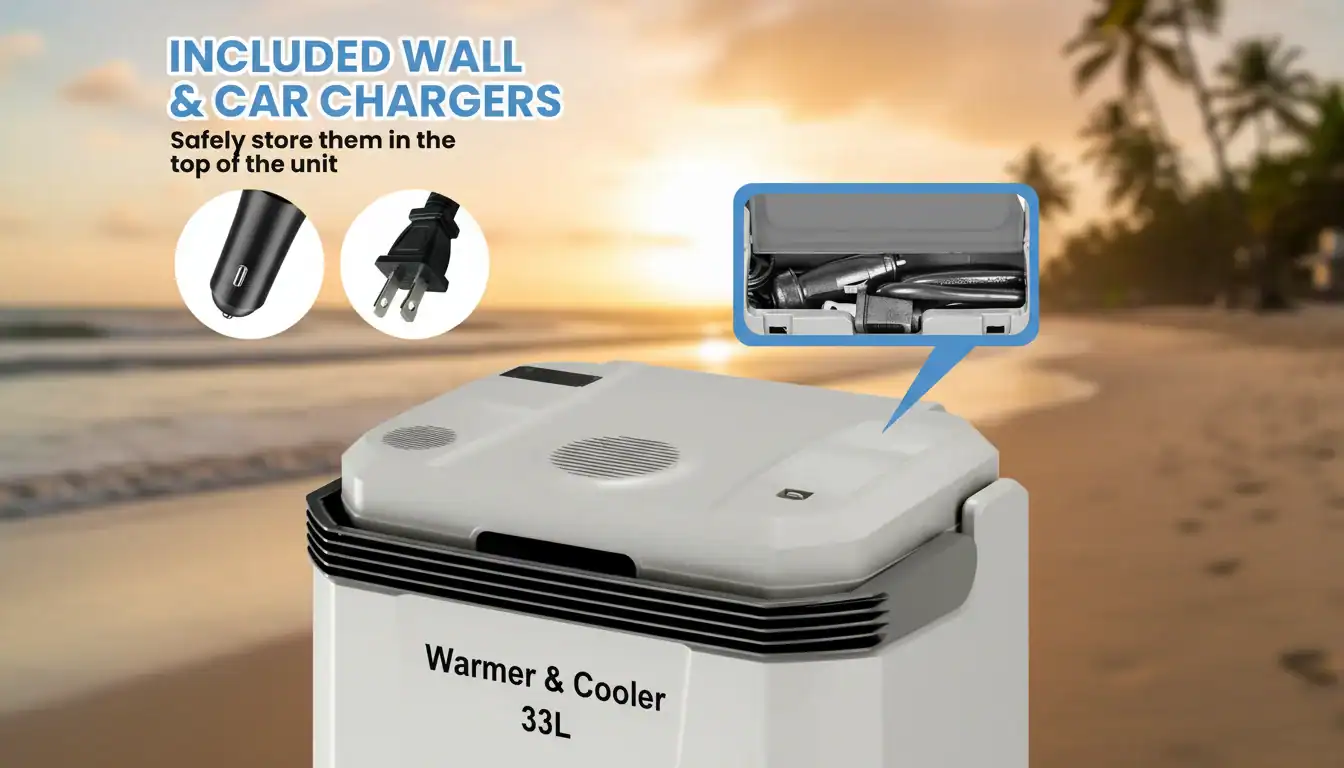
Detalhamento do custo real do minifrigobar cosmético por canal em 2026
O preço FOB é o começo.
Pegue a KelyLands CZK-3690, uma minigeladeira de cosméticos padrão a $22/unidade FOB Ningbo. Coloque-a em um armazém nos EUA e o custo se torna $29/unidade após frete, imposto de importação e manuseio. Esse $29 é o ponto de partida para toda decisão de canal.
A matemática do canal para uma unidade
-
- DTC Shopify: Preço $49.99, custo de chegada $29, processamento de pagamento $3, anúncios Meta $12. Líquido: $5.99/unidade.
- Amazon FBA: $44.99 preço, $34 CMV mais frete, $9 taxas da plataforma, $10 anúncios. Líquido: -$8.01/unidade.
- Loja de varejo: $39.99 preço, $29 custo total, sem taxa de plataforma, sem gastos com anúncios. Líquido: ~$10.99/unidade.
O debate sobre lucro entre DTC e atacado em frigobares de beleza geralmente ignora isso. O DTC parece o vencedor a $49.99, mas $15 por unidade vai para processamento de pagamentos e anúncios. O varejo abre mão de $10 no preço, mas fica com quase tudo.
A Tecnologia do Compressor Muda o Custo de Falhas
Thermoelectric units are cheap to build. They also fail at a rate near 11% in the first year, which lands warranty returns on your freight bill, not the factory’s. KelyLands’ 2018 investment in a Ningbo fridge factory was made with this tradeoff in mind.
A compressor version adds roughly $3 to COGS and drops the field defect rate to near zero. On Amazon, the difference can flip a -$8.01 loss into a modest profit once return-related chargebacks stop eating the margin. For a distributor negotiating annual volume, that reliability gap is the cheapest insurance you can buy.
| Channel | Selling Price | Cost per Unit (COGS + Shipping) | Fees & Marketing (Platform + Ads) | Net Profit per Unit |
|---|---|---|---|---|
| DTC Shopify | $49.99 | $29.00 | $15.00 | $5.99 |
| Amazon FBA | $44.99 | $34.00 | $19.00 | -$8.01 |
| Retail Store | $39.99 | $29.00 | $0.00 | $10.99 |
Minifrigobar cosmético vs cooler de carro: qual perfil de margem vence?
Same <100W compressor platform.
The compressor system under a cosmetic mini fridge and a car cooler is nearly identical: a <100W compressor, an injection-molded enclosure, and a basic thermostat control. That shared bill of materials represents most of the unit cost for both products. The hardware doesn’t explain the margin gap — the purchase occasion does.
A skincare fridge sits on a bathroom counter, photographed in lifestyle posts, bought for its finish and brand story. A car cooler gets thrown into the back of a 4×4, scuffed and dusty, judged by how reliably it keeps supplies cold on a trip. Beauty buyers pay for appearance. Outdoor buyers pay for capacity and reliability. Those two different motivations support very different price anchors.
Margin profiles: premium per unit vs. volume per season
A distributor landing a cosmetic mini fridge at $18–$25 FOB Ningbo holds roughly 50–60% gross margin at a $49.99 retail price. The beauty positioning justifies the markup. Car coolers rarely support that spread because the outdoor market price-anchors against passive coolers — rotomolded units and soft-sided bags — that sell at a fraction of an electric fridge’s price. The car cooler yields less per unit, but the category carries strong demand from automotive tourism and camping, which smooths out the volume picture.
One factory, two product lines, one contract
KelyLands founder Nick Chen partnered with Mr. Zhou in 2018 to invest in a Ningbo-based portable fridge factory, securing competitive pricing and reliable delivery for both mini fridges and car coolers. That single supplier relationship means a distributor expanding into dual-line inventory skips the cost of a second audit, a second quality system, and a second round of freight negotiations.
Shared injection molding removes the other major expense: separate mold tooling. Cosmetic fridges and car coolers use the same enclosure architecture with different inserts, colors, and latches. A bundle pack acquisition — cosmetic fridge for the camper van bathroom, car cooler for the rear cargo area — runs on the same molds and the same production floor without additional tooling investment.
Packaging is the one line item that genuinely splits. Cosmetic fridges need retail-ready, photo-worthy boxes for DTC unboxing. Car coolers ship in tougher cartons built for palletized distribution. Even that difference becomes manageable when the same fornecedor handles both lines and can spec packaging on a per-SKU basis.
-
- Cross-sell leverage:: Distributors already listing car coolers in outdoor-recreation catalogs can add cosmetic fridges to the same brand umbrella. Existing retail relationships carry both categories without new buyer conversations.
- Margin hedge:: The cosmetic fridge carries the per-unit beauty premium; the resfriador de carro carries the seasonal volume. Combined, they balance each other’s demand cycles and protect blended margins.

Como comprar minifrigobares cosméticos lucrativos sem se queimar
The lowest quote is rarely the cheapest unit after warranty failures and retailer chargebacks are on the table.
A cosmetic mini fridge that fails after three months doesn’t just cost you a replacement unit. It triggers a customer refund, a damaged listing, and in retail channels, a chargeback deduction from your next invoice. That’s why experienced importers calculate net landed cost with failure incidence included, not just FOB price per piece.
Lowest effective net landed cost, not lowest price
Net landed cost starts with the factory price and freight, but it doesn’t end there. Add duties, warehousing, payment fees, and the portion of shipments you expect to replace under warranty. A supplier whose price looks higher can still be the cheaper choice if their field failure rate is lower.
Thermoelectric Peltier units are common in cosmetic fridges because they’re cheap to make. They also struggle to maintain temperature in warm rooms. Compressor-based models cost a bit more at purchase order stage, but they cut field failures and the warranty overhead that quietly erodes margin.
Audit the Bill of Materials before you commit
The molded shell of a cosmetic fridge can look identical across suppliers. The PCB underneath determines whether the unit survives a hot warehouse or dies on a customer’s vanity. Ask for a full Bill-of-Materials audit and verify the actual component brands.
-
- PCB relay brand: Confirm the exact relay part number and check it against the supplier’s claimed rating. A generic relay rated for lower current fails faster under startup load.
- Thermal protection: Verify the thermal fuse and cutoff mechanism are listed in the BOM. Units without proper cutoff protection are a fire risk in continuous operation.
- Compressor or Peltier module: Read the manufacturer and model directly from the BOM, not the brochure. The actual cooling module drives both performance and warranty cost.
Order five units for real performance testing
A single pre-production sample can be hand-picked. Order five units and run an ambient temperature performance test in the environment your customers actually face. A bathroom or bedroom in a warm climate pushes a cosmetic fridge harder than a studio photo ever will.
Check temperature pull-down time, noise, and whether the unit cycles correctly in warm ambient conditions. This is where design weaknesses appear.
Lead time as a sourcing signal
A lead time longer than 25 days usually means the factory doesn’t hold critical components in stock. They’re waiting on compressors, PCBs, or relays from a trading company. That lack of component buffer inventory and limited vertical integration turns into delayed shipments and inconsistent batch quality.
KelyLands’ 2018 investment in a Ningbo-based portable fridge factory was built around reliable delivery. When a manufacturer has a direct stake in the production line and keeps component stock nearby, lead times compress and the product’s performance stays consistent from sample to mass production.
Conclusão
Skip the channel math and a $49.99 retail cosmetic fridge quietly turns into a negative margin once Amazon FBA fees, return handling, and ad spend hit the ledger. The $18–$25 FOB Ningbo factory price only matters if the downstream channel protects it. Distributors who locked down sample approval and quality tolerance before the contract kept their margin; the ones who skipped it are still covering return freight on failed thermoelectric units.
-
- At a $49.99 retail price, the $18–$25 FOB cost leaves distributors a 50–60% gross margin before fees.
- Amazon FBA referral fees eat about 15%; fulfillment adds $5–$7 per unit, turning gross profit into a loss.
- DTC brands retain about $28 per unit but ad costs of $8–$12 per unit often wipe out that edge.
- Compressor models add roughly $3 upfront and cut defect rates close to zero, protecting returns and brand reputation.
Before committing to 2026 annual volumes, review the current cosmetic fridge specifications on the product page and compare compressor-based options against the thermoelectric baseline. One spec sheet won’t replace a full bill-of-materials audit, but it gives you the factory-side pricing anchor you need before negotiation. Start there, then request a five-unit pre-production sample run to verify the cooling performance curve yourself.
Perguntas frequentes
Qual é o custo de atacado de mini-geladeiras de cosméticos?
Para um mini frigorífico de cosméticos típico vendido a $49,99, o custo de venda por grosso varia entre $18 e $25 FOB Ningbo. Isso dá aos distribuidores uma margem bruta de aproximadamente 50–60% antes de frete, taxas e custos pós-venda. Confirme o preço FOB final após fixar as especificações e o volume.
Que margem podem os vendedores da Amazon esperar em frigoríficos de cosméticos?
Os vendedores da Amazon normalmente obtêm uma margem bruta de 35–40% após as taxas do marketplace. Armazenamento FBA, gastos com anúncios e devoluções podem reduzir a margem líquida real. Modele as taxas e a taxa de devolução antes de escolher o Amazon FBA.
Qual é o MOQ típico para frigoríficos de cosméticos?
A maioria dos fornecedores cotiza um MOQ de 500 unidades para frigoríficos cosméticos termoelétricos. Se isso for alto demais, pergunte se os modelos de estoque suportam pedidos de teste menores. Obtenha o MOQ confirmado por escrito para cada configuração.
Por que as margens dos frigoríficos de cosméticos DTC têm um desempenho inferior ao do atacado?
As marcas DTC parecem lucrativas a ~$28 por unidade, mas os custos de aquisição de clientes de $10–$15 eliminam essa vantagem. O atacado tem gasto de marketing quase zero, então as margens líquidas costumam ser mais previsíveis. Calcule o custo de aquisição de clientes antes de optar pelo DTC.
Os frigoríficos cosméticos com compressor valem o custo extra?
Baseado em compressor cosmetic fridges cost roughly 15% more than thermoelectric units. They deliver about double the cooling efficiency and fewer warranty returns, which can lower total after-sales cost. Compare total landed cost, not just the unit price.

 English
  Español
  Français
  Deutsch
  Português do Brasil
  Русский
  한국어
한국어  日本語
日本語  العربية