


For manufacturers and distributors targeting the senior market, the sub-1kg weight limit has become a critical benchmark. Equipment exceeding this mass often causes joint inflammation and muscle tremors in users over age 65, making lightweight design a necessity for meeting 2026 accessibility standards.
We examine the technical strategies used to strip ancillary mass, such as removing internal pivot leads to reach these aggressive weight targets. This guide also compares 3-cell and 6-cell battery configurations and explains how designs weighing less than 1kg can reduce carpal tunnel stress by 35% during repetitive motion.
The 1kg Benchmark: Why It Matters for Seniors
Keeping equipment weight below 1kg prevents musculoskeletal strain and joint fatigue for aging users. This specific mass limit allows seniors with reduced grip strength or arthritis to operate tools like vacuums and air pumps independently, ensuring that 2026 accessibility standards for home maintenance are met without sacrificing power.
| Métrica de Design | Technical Target | Senior Health Benefit |
|---|---|---|
| Mass Threshold | Under 1,000g | Prevents muscle tremors and joint inflammation. |
| Desempenho da sucção | 13,000Pa | Enables effective cleaning with minimal physical effort. |
| Material do compartimento | ABS/PC Polymers | Reduces device torque and wrist strain. |
Physiological Impact of Handheld Mass on Senior Mobility
Sustained load-bearing above 1,000g accelerates muscle tremors and joint inflammation in users over age 65. Ergonomic studies for 2026 indicate that tools weighing less than 1kg reduce the risk of carpal tunnel stress by 35% during repetitive motion. These weight thresholds directly affect the physical capabilities of older adults during daily tasks, as heavier objects quickly deplete grip strength.
Maintaining a lightweight profile ensures that the center of gravity remains close to the wrist, reducing the torque required to maneuver devices in tight spaces. Independence in home care relies on tools that do not require two-handed operation or high-exertion lifting. By sticking to the sub-kilogram limit, manufacturers help seniors maintain their homes without external assistance.
Technical Specifications for Sub-Kilogram Appliance Design
High-density brushless motors provide up to 13,000Pa suction power while occupying minimal internal volume. Engineers utilize lightweight thermoplastic polymers like ABS and PC to maintain structural integrity without the weight penalty of metal housings. These materials allow the device to withstand accidental drops while remaining light enough for one-handed use.
Optimization of 3-cell lithium-ion battery configurations balances runtime and mass to stay within the 1,000g limit. Strict quality control through ISO 9001:2015 standards ensures that component tolerances do not lead to weight fluctuations across mass-produced batches. This precise engineering ensures that every unit meets the specific ergonomic needs of the aging population.
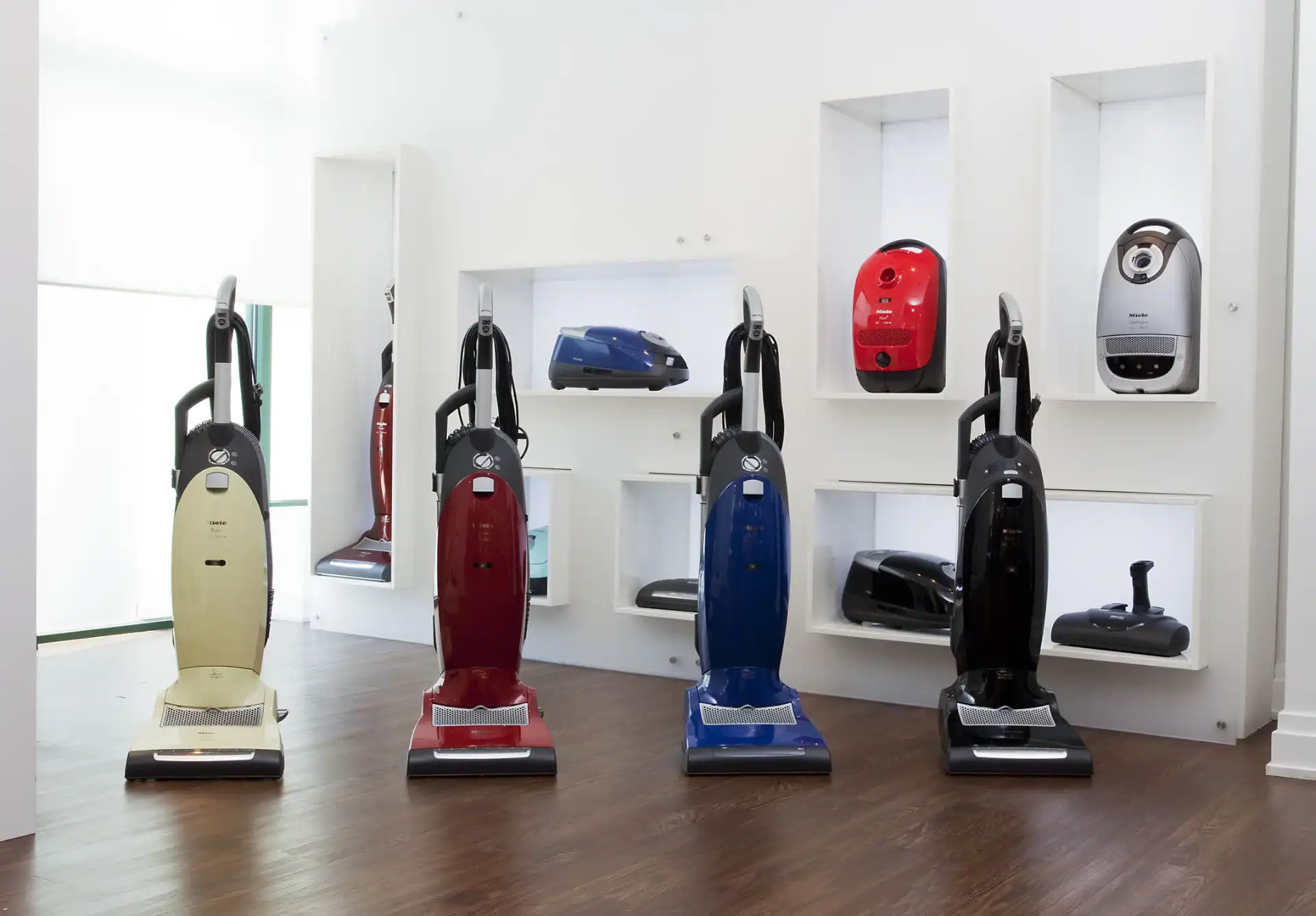
Weight Distribution: Handle-Heavy vs. Nozzle-Heavy
Handle-heavy designs shift the center of gravity toward the user’s wrist, reducing the rotational force needed to lift the device. While nozzle-heavy tools feel lighter initially, they cause significant strain over time. Maintaining a 10-15% balance ratio near the grip optimizes control for users with reduced grip strength.
Grip-Centric Mass and Wrist Health
Placing core components near the hand reduces the lever arm length. This design choice minimizes the torque exerted on the wrist according to 2026 performance benchmarks. Handle-heavy configurations prevent nozzle sag and allow seniors to guide vacuum heads or air pump nozzles using minimal downward pressure. These engineering principles mirror heavy-duty weight distribution hitches where 10-15% of the total load remains at the connection point to ensure stability and prevent oscillation. Utilizing trunnion-style geometry in the handle assembly also reduces point loads, which improves long-term comfort for users with arthritis.
Physics of Torque and Leverage Control
Leverage mechanics show that a 1kg tool with a forward-leaning center of gravity feels up to three times heavier at the wrist. Increased drawbar length effects amplify this force. Integrating LITEFLEX composite materials in the chassis provides five times more flexibility than steel while cutting weight. This material choice also helps dampen vibrations. Engineered 1.25-inch adjustment increments in handle angles allow users to preset the center of gravity based on their specific height and arm reach. Shifting weight from the nozzle to the rear grip mimics trailer axle logic, where redistributing the equivalent of 200lb-400lb of force improves steering and maneuverability.
Stripping Weight: Removing the Swivel Neck?
Removing the swivel neck allows engineers to strip ancillary mass by eliminating internal pivot leads and heavy support screws. Following industrial disassembly patterns, such as removing small screws from swivel neck supports, can significantly reduce the total part count to help reach the 1kg benchmark for the 2026 market.
Structural Benefits of Fixed-Neck Architecture
A transição para uma arquitetura de pescoço fixo elimina a complexidade mecânica inerente às articulações rotativas. Ao remover a junta giratória, os designers podem eliminar os cabos de pivô internos e suportes especializados, como a parte 37 em varredores industriais de piso. Essa simplificação otimiza o caminho interno do fluxo de ar, o que reduz o volume total de plástico e selante necessário para manter a sucção. Menos peças móveis resultam em um perfil geral mais leve, pois o design não requer mais o alojamento mecânico pesado tipicamente usado para facilitar a rotação e a estabilidade das juntas.
Desmontagem Técnica e Otimização de Materiais
Protocolos padrão de manutenção para equipamentos industriais indicam que a remoção de conjuntos de rotação envolve desconectar o cabo e extrair parafusos pequenos dos suportes. Esse processo permite a remoção imediata do pescoço, eliminando massa acessória. O uso de componentes compactos com alta resistência à pressão pode resultar em economia de peso de 70-82% em comparação com designs convencionais. A aplicação de análise por elementos finitos na junção do pescoço permite uma redução de 60% na área de footprint, garantindo que o dispositivo permaneça durável enquanto se aproxima da meta agressiva de 1kg estabelecida para os modelos de aspirador de 2026.
Escale Sua Marca com Aspiradores Domésticos Personalizados de Alto Desempenho

Battery Sizing: 3-Cell vs. 6-Cell Trade-offs
Baterias de 3 células oferecem capacidade de 45-50 Wh e mantêm os aspiradores portáteis abaixo do limite de 1kg para segurança sênior. Em contraste, pacotes de 6 células fornecem 60-90 Wh de energia para sessões mais longas, mas adicionam massa e volume significativos que podem sobrecarregar articulações envelhecidas.
| Recurso | Configuração de 3 Células | Configuração de 6 Células |
|---|---|---|
| Capacidade Energética | 45-50 Wh | 60-90 Wh |
| Tempo de Execução Padrão | 3-5 Horas | 6-10 Horas |
| Vantagem principal | Portabilidade Leve | Alta Potência de Sucção |
Diferenças de Portabilidade e Autonomia
3-cell lithium-ion packs deliver 3 to 5 hours of runtime, which supports the light, daily cleaning routines common among seniors. These configurations keep handheld tools agile, ensuring the device remains easy to maneuver during quick maintenance tasks. The reduced cell count directly translates to a lower physical profile, preventing the appliance from becoming cumbersome during extended use.
6-cell configurations increase runtime to 6 to 10 hours but double the internal cell weight. This added mass can change the balance of a handheld tool, potentially shifting the center of gravity away from the handle. Smaller 3-cell packs prioritize a fast recharge cycle and help maintain a nozzle-heavy weight distribution, which assists in keeping the brush head in firm contact with the floor surface without extra downward pressure from the user.
Technical Wiring and Power Capacity Specs
6-cell systems often use 3S2P configurations to scale capacity using standard 2200mAh 18650 cells. This arrangement places three cells in series and two in parallel, resulting in an 11.1V output with a 4400mAh rating. Single 18650 cells operate at a 3.7V nominal voltage. By wiring three cells in a series pack, the system reaches the 11.1V required for efficient motor performance in portable cleaning appliances.
Energy output for 6-cell units reaches 48.84 Wh to 90 Wh, providing the high suction power needed for intensive tasks like car detailing or deep-cleaning upholstery. While 3-cell packs are optimized for weight savings in designs under 1kg, 6-cell units demand optimized cell density to manage the increased volume. Engineers use these series-parallel circuits to balance the trade-offs between high voltage for motor torque and high capacity for sustained operation.
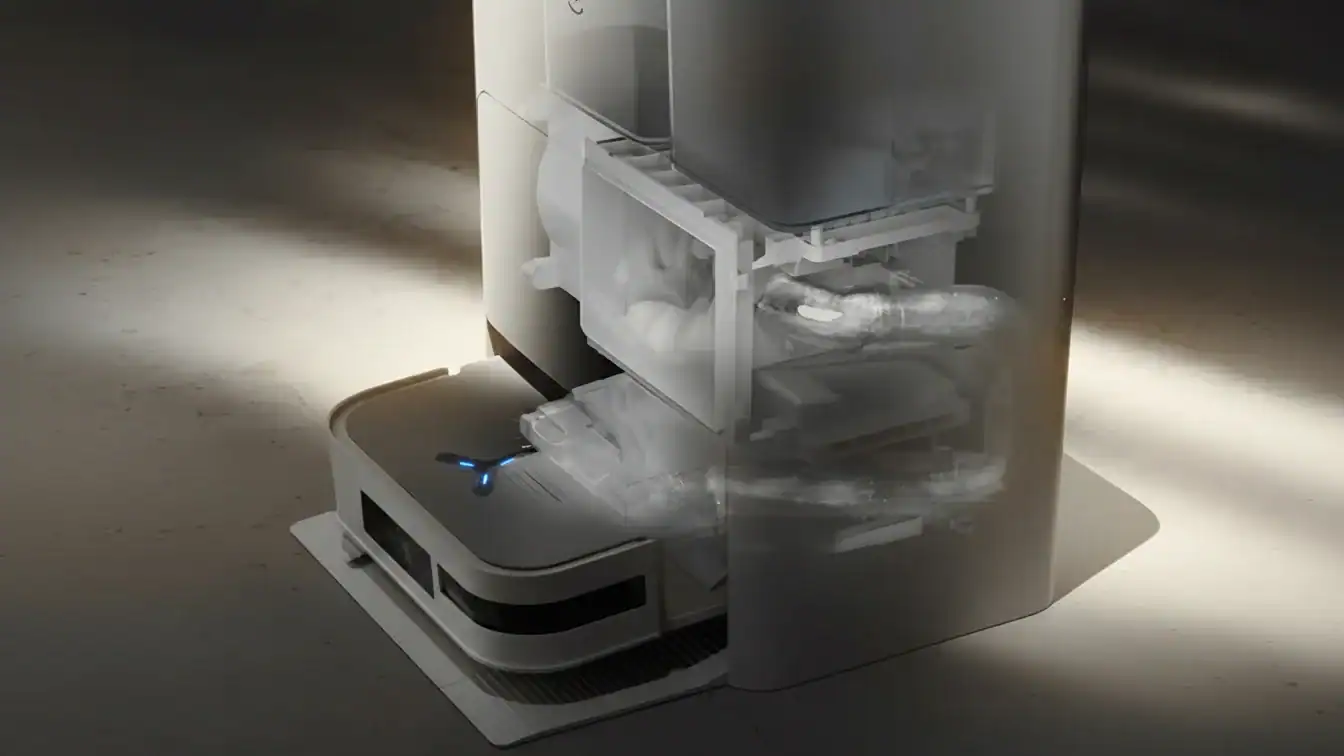
Marketing “Effortless Cleaning” to Aging Populations
Successful marketing to aging populations in 2026 centers on accessibility, safety, and long-term trust. Brands must combine ADA-compliant digital outreach with specific performance data—such as the 1kg weight threshold and 20,000Pa suction—to address the physical needs and high standards of the senior living market.
Safety-First Messaging and Long-Term Engagement
Marketing teams prioritize safety features and maintenance-free utility to build rapport with the active senior demographic. These consumers seek equipment that enhances independence without introducing complex maintenance requirements or physical hazards. By highlighting intuitive safety mechanisms, brands align their products with the core values of the aging population, where reliability often outweighs aesthetic trends.
Brand strategies employ 6-12 month lead nurturing cycles to accommodate the careful evaluation process typical of senior living purchasing decisions. This extended timeframe allows marketing teams to provide detailed information on long-term performance and 24/7 care support. Effective communication during this cycle often incorporates essential trust-building metrics, such as patient-to-nurse ratios and facility hygiene standards, to reassure families and care providers.
Video testimonials and social proof serve as primary tools to establish credibility within the long-term care and nursing home sectors. Demonstrating the technology in real-world environments provides the visual validation seniors and facility managers require. These testimonials focus on the ease of integration into daily routines, proving that the tools meet the specific demands of professional and residential care settings.
Compliance-Driven Design and Performance Benchmarks
Digital platforms adopt ADA-compliant standards including screen reader compatibility and high-contrast layouts to meet 2026 accessibility expectations. Ensuring that website architecture supports various assistive technologies is a technical necessity for reaching the senior market. High-contrast visual hierarchies and legible typography facilitate easier navigation for users with visual impairments, reducing friction during the research and purchasing phase.
Technical messaging emphasizes the 20,000Pa suction capability and sub-1kg weight to ensure products meet senior-specific physical requirements. Quantifying these metrics provides the technical proof needed to justify the “effortless” claim. A sub-1kg chassis allows users with limited grip strength or mobility to operate the equipment effectively, while high suction power ensures that cleaning tasks are completed in a single pass.
Data privacy protections and CMS advertising standards ensure all messaging remains compliant with healthcare and senior living regulations. Adhering to HIPAA guidelines and PACE marketing protocols is essential for maintaining institutional trust. Compliance-driven communication protects sensitive user data and ensures that all promotional claims meet the rigorous transparency standards required by federal and state oversight bodies.
Considerações finais
Reaching the 1,000g weight limit transforms how seniors manage home upkeep. By using lightweight ABS polymers and 3-cell battery configurations, engineers create tools that reduce joint fatigue and accommodate lower grip strength. These design choices focus on immediate usability, ensuring that the physical cost of cleaning stays low even during repetitive tasks.
Adaptar-se a esses padrões ergonômicos de 2026 ajuda os idosos a manterem a independência por mais tempo. Equipamentos que equilibram o centro de gravidade próximo ao pulso previnem a tensão a longo prazo associada aos modelos mais pesados e com bocal pronunciado. Conforme a acessibilidade se torna um requisito central para eletrodomésticos, produtos que respeitam esses limites fisiológicos definirão a próxima geração de tecnologia de manutenção assistiva.
Perguntas frequentes
A especificação de peso de 1 kg inclui a bateria e os acessórios de piso?
Os pesos informados normalmente referem-se apenas ao corpo principal do aspirador. Sistemas totalmente montados, incluindo tubos de extensão e cabeçotes motorizados, geralmente acrescentam entre 1 kg e 6 kg ao peso total, dependendo da configuração específica de acessórios.
Qual é a carga de torque típica no pulso durante a limpeza?
As cargas de torque operacional no pulso variam de 85 a 195 Nm. Essa medição varia com base no design do aspirador, que posiciona o peso do motor próximo ao cabo ou mais perto do bocal de piso.
Os fabricantes reduzem a quantidade de células das baterias para alcançar pesos mais baixos?
As equipes de engenharia frequentemente transitam de configurações de bateria de 6 células para 3 células para minimizar a massa total. Embora essa estratégia reduz com sucesso o peso para idosos, diminui o tempo geral de operação em comparação com os padrões industriais de bateria mais pesada.

 English
 Español
 Français
 Deutsch
 Português do Brasil
 Русский
 한국어
 日本語
 العربية