 Pular para o conteúdo principal Pular para o rodapé

Equipes de aquisição B2B frequentemente priorizam a potência do motor (watts) ao selecionar equipamentos de limpeza, no entanto, a entrada elétrica muitas vezes não consegue prever resultados no mundo real. Motores de alta potência frequentemente perdem energia em forma de calor e atrito em vez de gerar sucção. Selecionar o hardware correto exige um profundo entendimento da saída aerodinâmica, em vez de apenas observar o consumo de energia da tomada.
Este guia explica a relação entre Kilopascais (KPA), Pés Cúbicos por Minuto (CFM) e Watts de Ar (AW). Examinamos por que modelos de alta performance aspiradores domésticos visam 20 KPA, enquanto os modelos portáteis frequentemente atingem 13 KPA para equilibrar a vida útil da bateria. Você encontrará detalhes sobre como calcular os Watts de Ar usando a fórmula padrão—fluxo de ar multiplicado pela altura de sucção dividido por 8,5—e como seguir os protocolos IEC 62885-2 ajuda os fabricantes a manter desempenho consistente nos mercados globais.
Definindo as Métricas: Pressão (KPA) vs. Fluxo de Ar (CFM) vs. Potência (AW)
Avaliar o desempenho de aspiradores em 2026 exige distinguir entre sucção bruta (KPA), volume de ar (CFM) e potência total de saída (Airwatts). KPA mede a força estática de elevação, enquanto CFM indica o volume de ar que move detritos. Airwatts (AW) sintetiza ambas as métricas em um cálculo padronizado, fornecendo uma medição precisa da eficiência de limpeza de uma máquina.
| Métrico | O que ele mede | Referência de Alto Desempenho |
|---|---|---|
| Kilopascais (KPA) | Pressão estática e força de “elevação” | 1. 20 KPA (Doméstico) / 13 KPA (Portátil) |
| Fluxo de ar (CFM) | 2. Volume de ar para remoção de detritos | 3. 50-100+ CFM |
| Airwatts (AW) | 4. Potência efetiva de limpeza | 5. >180 AW (Sem Fio) |
6. Diferença entre Pressão e Vazão de Ar
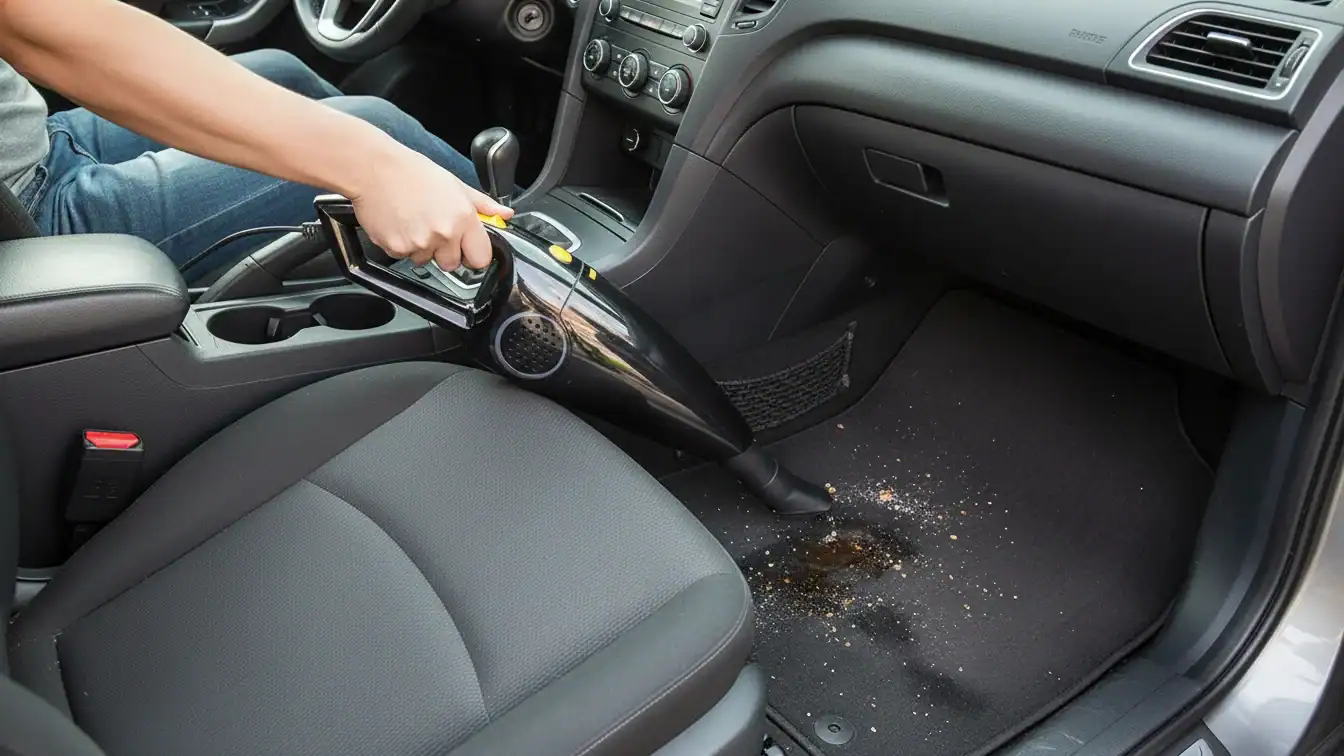
7. Quilopascais (KPA) representam a pressão estática máxima gerada por um motor com a entrada totalmente selada. Essa métrica, frequentemente usada em substituição a “pés de coluna de água”, determina a força bruta disponível para levantar detritos de fibras profundas de carpete. Alta performance doméstica aspiradores de pó 8. atualmente atinge 20.000 Pa (20 KPA) para levantamento de carga pesada, enquanto modelos portáteis para carro normalmente alcançam 13.000 Pa para equilibrar autonomia da bateria e sucção.
9. Pés cúbicos por minuto (CFM) quantificam o volume de ar que atravessa o sistema, geralmente medido com abertura de 2 polegadas ou máxima, com levantamento zero. Embora o KPA levante a sujeira, o CFM a transporta para o coletor. O CFM máximo ocorre quando não há resistência à sucção, e a sucção máxima ocorre quando não há fluxo. O desempenho real de limpeza está na interseção dessas duas variáveis, pois uma máquina precisa tanto de pressão para desprender a poeira quanto de volume para transportá-la.
10. Cálculo de Airwatts para Comparação de Desempenho
11. Airwatts (AW) funcionam como uma métrica unificada de potência de limpeza ao combinar vazão e sucção em um único valor. O cálculo segue uma fórmula padrão onde a potência é igual ao produto da vazão em CFM pela sucção em pés de coluna de água, dividido por 8,5. Essa medição oferece uma visão mais precisa da eficiência do que a potência elétrica em watts, que indica apenas a energia consumida pelo motor, e não a produzida.
12. As normas ASTM F558-13 definem AW na entrada do aspirador para considerar a resistência interna do sistema causada por filtros HEPA e dutos. Unidades sem fio de alta performance em 2026 normalmente excedem 180 AW, enquanto modelos upright premium visam vazão acima de 100 CFM. Engenheiros utilizam manômetros para rastrear a pressão e anemômetros para medir o fluxo, garantindo que cada unidade cumpra esses patamares durante o processo ISO 9001. controle de qualidade processo.
Por que Alta Potência (Watts) Não Significa Alta Sucção
14. A potência elétrica mede a entrada de energia, enquanto a sucção é uma saída aerodinâmica definida pelo equilíbrio entre pressão de vácuo e fluxo de ar. Muitos aspiradores de alta potência desperdiçam energia através de calor e atrito. Padrões modernos de eficiência, como o limite de 900 W da União Europeia, comprovam que o design otimizado de motores e sistemas selados criam potência de limpeza mais eficaz com menos eletricidade.
15. Entrada Elétrica versus Saída Aerodinâmica
A potência elétrica acompanha a energia que um motor extrai de uma fonte, e não a força do ar movendo-se pela boquilha. O desempenho real de limpeza depende dos Watts de Ar (AW), que calculam o produto do fluxo de ar em CFM e da pressão do vácuo em kPa, dividido por uma constante de 8,5. O atrito interno, a perda de calor e os impulsores desbalanceados frequentemente desperdiçam energia significativa em máquinas mal projetadas. Isso explica por que um motor de 2000W pode produzir sucção inferior à de um motor de 700W precisamente engenheirado. A remoção eficiente de detritos depende da relação inversa entre sucção e fluxo de ar, ou seja, alta pressão de vácuo sozinha não basta se o sistema não conseguir movimentar um volume suficiente de ar.
Normas de Eficiência e Tecnologia de Motor sem Escovas
Mudanças regulatórias alteraram a forma como os fabricantes abordam o projeto de motores. Em 2014, as regulamentações da UE limitaram a potência dos aspiradores para 900W, forçando o foco na eficiência aerodinâmica em vez da potência bruta consumida. Motores DC sem escovas aprimoraram esse objetivo ao alcançar RPM e torque maiores com níveis de potência inferiores, em comparação com os motores com escovas tradicionais, reduzindo significativamente o calor e o desperdício de energia. Padrões de teste de desempenho, como a IEC 62885-2 e a ASTM F558, agora medem o sucesso com base em condições reais, em vez de classificações elétricas. Os engenheiros descobriram que a redução da resistência ao fluxo de ar através de superior integridade do selo pode aumentar a potência de sucção efetiva em até 12%, sem puxar mais eletricidade da tomada.
O Teste de “Sucção Selada” vs. Desempenho Operacional
Um teste de sucção selada mede a integridade da carcaça do vácuo sob pressão estática em laboratório controlado, enquanto o desempenho operacional acompanha o fluxo de ar real durante o uso. As fugas de campo frequentemente reduzem o CFM total de design em 5% em comparação com as classificações de fábrica, tornando necessárias auditorias operacionais para manter os padrões de eficiência.
Referências de Sucção de Fábrica e Padrões de Pressão Estática
Protocolos da norma AMCA Standard 210-2007 isolam os plenums de sucção e descarga para quantificar vazamentos em pressões estáticas de projeto específicas. Os fabricantes utilizam as normas AHRI 1350 e 1351 para validar a integridade da carcaça, vedando todas as aberturas de ar de suprimento e retorno durante o teste. Essas classificações de sucção selada fornecem uma linha de base para métricas de desempenho de 2026, medindo o quão bem o compartimento mantém a pressão negativa sem vazamento de ar. Para unidades com comprimento de seção negativa de pelo menos 60%, os técnicos realizam um único teste de depressurização. Caso contrário, realizam testes separados de descarga e sucção usando chapas de metal com juntas para isolar os lados do ventilador.
Perda de Fluxo de Ar e Variáveis de Desempenho em Campo
Plenums com vazamentos e portas de acesso não seladas podem reduzir o fluxo de ar efetivo em 5% do CFM de design total em ambientes operacionais. Sistemas que operam com uma pressão estática de 0,5 polegadas de coluna de água (125 Pa) experimentam perdas significativamente maiores do que os dados de laboratório sugerem. A alta pressão estática de sucção, causada pela porosidade da carcaça, amplifica essas perdas, afetando diretamente métricas como a classe de pressão estática (KPA) e a eficiência energética do ventilador (Airwatts). O novo vedamento de unidades de manuseio de ar porosas permite que o sistema recupere fluxo de ar crítico, sendo isso especialmente vital para unidades que movimentam dezenas de milhares de CFM.
Auditorias de campo ASHRAE SPC215P garantem que as unidades mantenham o fluxo de ar mínimo de 350 CFM por tonelada através de serpentinas úmidas para eficiência de resfriamento. Agências de teste, como NEBB ou AABC, exigem relatórios testemunhados que incluam dados de deflexão e vazamento. Esses relatórios focam no vedamento do lado de sucção negativo, incluindo poços de sucção abertos e portas de acesso seladas com fita. Essa validação preenche a lacuna entre o potencial de sucção classificado de fábrica e a entrega real de ar necessária para os padrões de eficiência energética e qualidade do ar interior.
Aspiradores de Qualidade Premium para Atacado Personalizados para Sua Marca

Interpretando a Norma de Desempenho IEC 62885-2
A IEC 62885-2:2021 fornece uma estrutura padronizada para medição de aspirador de pó desempenho, incluindo captação de poeira, manutenção da sucção e eficiência de filtração. Pela data de estabilidade de 2026, permanece como o principal benchmark global, garantindo que os fabricantes usem métodos de teste consistentes, como controle de velocidade de curso e neutralização de partículas, para dados comparativos.
| Cláusula Padrão | Foco Técnico | Performance Impact |
|---|---|---|
| Cláusulas 4.11 & 4.12 | Comprimento/velocidade doCourse | Elimina a variabilidade do operador para obter resultados DPU repetíveis. |
| Cláusula 5.11 | Eficiência da filtragem | Padroniza os níveis de neutralização e reemissão de partículas. |
| Cláusula 5.9 | Sucção em Carga | Simula a degradação do desempenho por meio de testes de limitação. |
| Anexo D e E | Calibração RSB | Corrigir medições contra um sistema de vácuo de referência. |
Padronização de Métricas de Desempenho para Aspiradores Secos
A edição de 2021 da IEC 62885-2 serve como base técnica de 213 páginas para testar aspiradores secos alimentados pela rede aspiradores de pó, incluindo modelos especializados com filtro de água. Para garantir a integridade dos dados, a norma consolidou parâmetros da área de teste, comprimento do curso e velocidade do curso nos itens 4.11 e 4.12. Isso elimina as inconsistências normalmente introduzidas por operadores humanos. Esses protocolos priorizam a reprodutibilidade em laboratório, permitindo que os fabricantes gerem dados comparativos que refletem a eficiência real do aparelho em condições estritamente controladas. A edição atual também introduz testes de durabilidade para mangueiras secundárias, a fim de medir a resistência mecânica ao longo do ciclo de vida do produto.
Itens Essenciais de Teste para Captação de Poeira e Durabilidade
Itens específicos da norma abordam os aspectos mais críticos da física dos aspiradores, como filtração e manutenção da sucção. O item 5.11 avalia a eficiência de filtração por meio de testes de neutralização e concentração de partículas para determinar os níveis de reemissão de poeira. Já o item 5.9 utiliza simulações de restrição para medir a capacidade do aparelho de manter a pressão de sucção conforme o coletor de pó enche. Para leituras precisas da Unidade de Captação de Poeira (DPU), os engenheiros utilizam o Sistema de Aspirador de Referência (RSB), detalhado nos Anexos D e E. Os operadores mecânicos especificados no item 7.3.12 aplicam força uniforme durante essas medições, garantindo consistência dos resultados em diferentes laboratórios de teste ao redor do mundo.
Qual Métrica Você Deve Anunciar na Embalagem?
O sucesso no varejo depende de escolher métricas que ressoam com a compreensão do consumidor, em vez de simplesmente potência técnica bruta. Enquanto KPA e Airwatts permanecem como padrões da indústria, os dados de mercado de 2026 sugerem que a clareza na comunicação e a visibilidade na prateleira são os fatores que mais se correlacionam com as vendas. As marcas devem privilegiar a métrica mais reconhecida em sua região-alvo para maximizar a intenção de compra.
Alinhamento das Reivindicações de Desempenho com a Intenção de Compra do Consumidor
A análise de 52 estudos de caso indica que a clareza na comunicação e a preferência do consumidor impactam os resultados no varejo mais do que a potência bruta especificações técnicas isolada. Enquanto as equipes de engenharia priorizam a precisão, os consumidores tendem a métricas que já reconhecem e confiam dentro de seu mercado específico.
Dados regionais mostram que os mercados norte-americanos frequentemente favorecem os Airwatts (AW) para avaliar a eficiência dos aspiradores. Em contraste, os mercados asiático e europeu buscam frequentemente os Kilopascal (KPA) para determinar a potência bruta de sucção. Alinhar a principal alegação da embalagem a esses hábitos regionais melhora a intenção de compra, atendendo às expectativas dos consumidores.
Simulações de rastreamento ocular para 2026 tendências de mercado destacam que os “fatores de conversão”, como números claros e acessíveis, têm melhor desempenho do que o jargão técnico complexo. Os consumidores tomam decisões mais rápidas quando os dados de desempenho são apresentados de maneira que se relacionam diretamente com suas necessidades diárias de limpeza, em vez de física abstrata.
Padrões de Validação e Conformidade para Rótulos de Embalagem
As marcas devem validar todas as reivindicações de desempenho por meio de laboratórios terceirizados reconhecidos, como SGS, Intertek ou TÜV Rheinland. Verificar que um aspirador de pó para automóveis entrega 13.000Pa ou que uma unidade doméstica atinge 20.000Pa protege a marca de escrutínio regulatório e garante que os valores anunciados resistam a testes competitivos.
Os rótulos de embalagem precisam cumprir as normas de pesos e medidas do NIST para manter o acesso ao mercado. A integração dos indicadores de design circular de 2026 ajuda a equilibrar essas reivindicações de desempenho com os requisitos emergentes de sustentabilidade, como reciclabilidade dos materiais e indicadores de eficiência da cadeia de suprimentos.
Manter altas taxas de aprovação de arte final pela primeira vez reduz significativamente os atrasos na produção. Ao garantir que as alegações técnicas sejam precisas e conformes antes de iniciar o ciclo de revisão, as empresas evitam os altos custos de retrabalho e os riscos legais associados a anúncios técnicos enganosos.
Conversão Entre Métricas: É Possível?
A conversão direta funciona para unidades similares, como a tradução de CFM para litros por minuto ou PSI para kPa usando razões fixas. A conversão para Watts de Ar é um processo indireto que exige dados simultâneos de fluxo de ar e sucção, usando a fórmula padrão ASTM F2105.
Fatores de Conversão Direta para Fluxo e Pressão
Fatores matemáticos padronizados permitem uma tradução precisa entre especificações de vácuo regionais. Métricas de fluxo de ar, como CFM, litros por minuto (l/min) e litros por segundo (l/s), baseiam-se em razões volumétricas. Um CFM equivale a 28,316 l/min ou aproximadamente 0,471 l/s. Esses multiplicadores fixos garantem que um aspirador classificado como 100 CFM em uma região corresponda a 2832 l/min em outra, mantendo a consistência de engenharia entre diferentes mercados.
As medições de pressão seguem caminhos de conversão igualmente rigorosos. Dados de engenharia usam 6,894 kPa para cada 1 PSI e 100 kPa por 1 bar. Ao normalizar classificações de desempenho internacionais, 101,325 kPa serve como padrão para uma atmosfera. Essas conversões permanecem independentes de outras variáveis, permitindo uma comparação direta da força de sucção, independentemente da unidade exibida na folha técnica.
Cálculo de Watts de Ar a partir de Dados Combinados de Desempenho
Watts de Ar representa uma classificação de potência funcional que exige uma abordagem baseada em fórmula. O cálculo integra duas variáveis distintas: fluxo de ar (CFM) e sucção (polegadas de coluna d'água). A indústria usa a fórmula padrão (CFM × Polegadas de Coluna d'Água) / 8,5 para determinar esse valor. Isso garante que a classificação leve em conta a resistência do sistema na entrada, proporcionando uma visão mais precisa da eficiência de limpeza do que métricas isoladas.
A consistência entre diferentes bancadas de teste de fabricantes depende da norma ASTM F2105. Este guia determina como medir o desempenho em várias taxas de fluxo para evitar reivindicações inflacionadas. Para dispositivos como os modelos KelyLands, os usuários podem coletar dados de sucção máxima — como 13.000 Pa ou 20.000 Pa — e converter esses valores de Pascal em polegadas de coluna d'água para derivar classificações funcionais de Watts de Ar. Esse processo preenche a lacuna entre pressão bruta e trabalho real realizado.
O Impacto do Diâmetro da Mangueira nessas Leituras
O diâmetro da mangueira dita a eficiência de sistemas de vácuo e bomba ao controlar a perda por atrito. Um diâmetro interno (ID) menor aumenta a velocidade e a resistência do ar, levando a quedas significativas em CFM e kPa. Entender essa relação auxilia na seleção de acessórios que mantenham os padrões de desempenho de 2026 para ferramentas portáteis.
Resistência ao Fluxo de Ar e Fator de Atrito
A perda por atrito aumenta exponencialmente à medida que o diâmetro interno (DI) da mangueira diminui. Essa interação física reduz diretamente os Airwatts (AW) efetivos disponíveis no bocal. Mesmo variações mínimas de fabricação impactam o desempenho; uma tolerância pequena de +/- 0,03 polegada no DI pode triplicar a perda de pressão em linhas de 1/4 de polegada. Tais flutuações causam variação significativa no desempenho de acessórios para aspiradores e ferramentas industriais produzidos em massa.
Mangueiras de diâmetro reduzido forçam maior velocidade do fluido ou do ar contra as paredes internas. Essa constrição cria turbulência que gera calor e vibração em vez de potência de sucção útil. O cumprimento técnico das normas ISO e SAE garante que a construção da mangueira minimize essa resistência interna, essencial para manter leituras elevadas de kPa durante a operação.
Quantificando Quedas de Desempenho com a Regra DI^5
A relação entre tamanho e eficiência segue uma curva matemática rigorosa, em que a perda de pressão é inversamente proporcional ao diâmetro interno (DI) elevado à quinta potência (DI^5). De acordo com essa regra, um aumento de 25% no diâmetro pode reduzir pela metade as perdas totais por atrito no sistema. Engenheiros aplicam esse princípio ao dimensionar componentes; por exemplo, passar de um DI de 6 polegadas para 8 polegadas resulta em uma redução de 80% na perda de pressão, lógica que também se aplica a mangueiras de aspiradores portáteis para preservar os CFM.
Profissionais do setor utilizam números Dash para medir o DI da mangueira em avos de polegada. Uma mangueira Dash-4 equivale a 1/4 de polegada, oferecendo um método padronizado para compatibilizar taxas de fluxo com a capacidade do sistema. Manter esses padrões é vital para testes regulatórios. Validar métricas de kPa e fluxo de ar entre diferentes modelos de produtos conforme a IEC 62885-2 exige diâmetros de mangueira consistentes para garantir precisão dos dados e confiabilidade das ferramentas.
Considerações finais
Selecionar o hardware adequado de aspiração para distribuição comercial depende de equilibrar pressão estática e vazão volumétrica. Embora a potência do motor em watts frequentemente sirva como proxy para energia, raramente reflete o desempenho no mundo real. Engenharia de precisão e adesão às normas IEC 62885-2 fornecem parâmetros muito mais confiáveis para durabilidade e resultados de limpeza. Fabricantes que priorizam a integridade do sistema selado e caminhos de fluxo de ar otimizados oferecem maiores classificações em Airwatts sem aumentar custos energéticos.
Mercados globais exigem declarações de desempenho localizadas para gerar confiança nos compradores. Parceiros B2B devem alinhar suas especificações técnicas às expectativas regionais, usando Airwatts para clientes norte-americanos e kilopascais para mercados europeus e asiáticos. Verificar esses números por meio de auditorias independentes garante conformidade e protege a reputação da marca. Focar na eficiência aerodinâmica, em vez de na carga elétrica, prepara as empresas para o cenário regulatório de 2026 e para a demanda crescente dos consumidores por ferramentas de limpeza de alta eficiência.
Perguntas frequentes
Qual é uma boa classificação de kPa para um aspirador de pó em 2026?
Aspiradores domésticos padrão geralmente entregam 12–25 kPa para modelos verticais, enquanto shop vans de alto desempenho frequentemente alcançam 20–30 kPa. Para aplicações portáteis, os aspiradores automotivos KelyLands chegam a 13.000 Pa (13 kPa), e seus modelos residenciais atingem 20.000 Pa (20 kPa) para lidar com a maioria dos resíduos domésticos.
Airwatts é uma métrica de desempenho melhor que Pascals?
Nenhuma das métricas é inerentemente melhor, pois medem características diferentes. Os Pascals (kPa) indicam o diferencial de pressão ou força de sucção, enquanto os Airwatts representam um valor de desempenho combinado que inclui tanto a sucção quanto o volume de fluxo de ar.
É possível converter CFM diretamente para Airwatts?
Não existe conversão direta, pois os Airwatts exigem um componente de pressão. A fórmula padrão do setor utilizada nos testes de desempenho de 2026 é: Airwatts = [Fluxo de Ar (CFM) × Vácuo (inH₂O)] ÷ 8,5.
Maior potência do motor garante sucção mais forte?
Maior potência mede a energia de entrada elétrica, e não o desempenho de saída. A sucção real depende da eficiência do motor, da geometria do ventilador e das perdas do sistema. Um motor de menor potência bem projetado pode superar um motor de alta potência se mantiver melhor fluxo de ar e vedação de pressão.
Qual é a diferença fundamental entre sucção e fluxo de ar?
A sucção, medida em kPa ou inH₂O, é a pressão que eleva os detritos das superfícies. O fluxo de ar, medido em CFM ou L/s, é o volume de ar que transporta esses detritos até o recipiente de coleta. A limpeza eficaz requer um equilíbrio entre ambas as métricas.

 English
  Español
  Français
  Deutsch
  Português do Brasil
  Русский
  한국어
한국어  日本語
日本語  العربية