 Перейти к основному содержанию Перейти к нижнему колонтитулу

Большинство руководств по закупкам советуют покупателям сосредоточить внимание на образце до начала производства перед подписанием договора. Аудит завода по производству косметических холодильников. Этот совет неверен. Образец — это curated артефакт: отобранные вручную компоненты, дополнительное время на стенде, свежая наклейка ОТК. Один покупатель, который потерял заказ на $50K, наблюдал, как образец успешно проходит утверждение, после чего партия массового производства была отгружена с лайнером, выделяющим химические запахи, модулем Пельтье с отклонением температуры на 4°C от спецификации и конденсатом в виде капель внутри уплотнения двери.
Аудит должен проверять то, что никогда не покажет образец: спецификацию материалов, запись термических испытаний и цепочку субподрядчиков. Попросите показать гранулы лайнера на участке литья — проверьте, пищевой это HIPS или более дешевый ABS. Фабрики в Нинбо, которые также производят автоаксессуары, часто используют общие формы, и более дешевый ABS может выделять запахи, портящие момент распаковки для косметического продукта. Запросите протокол испытаний модуля Пельтье на температурные циклы — 72-часовой непрерывный цикл при 4°C и влажности 65% — чтобы выявить дефекты конденсации. Если вспенивание передается на субподрядчика, требуйте его отчет ОТК, а не лист инспекции на сборочной линии.
Семь красных флагов отделяют фабрики, сохраняющие допуск по качеству на протяжении всего производственного цикла, от тех, которые просто собирают красивые образцы. Они находятся на литьевом участке, в складских помещениях и на посту послепродажного обслуживания. Пройдите линию с четким контрольным списком аудита косметического холодильника, и вы заметите большинство из них до внесения депозита — и до того, как цена FOB зафиксирует вас в партии, которую вы не сможете продать.
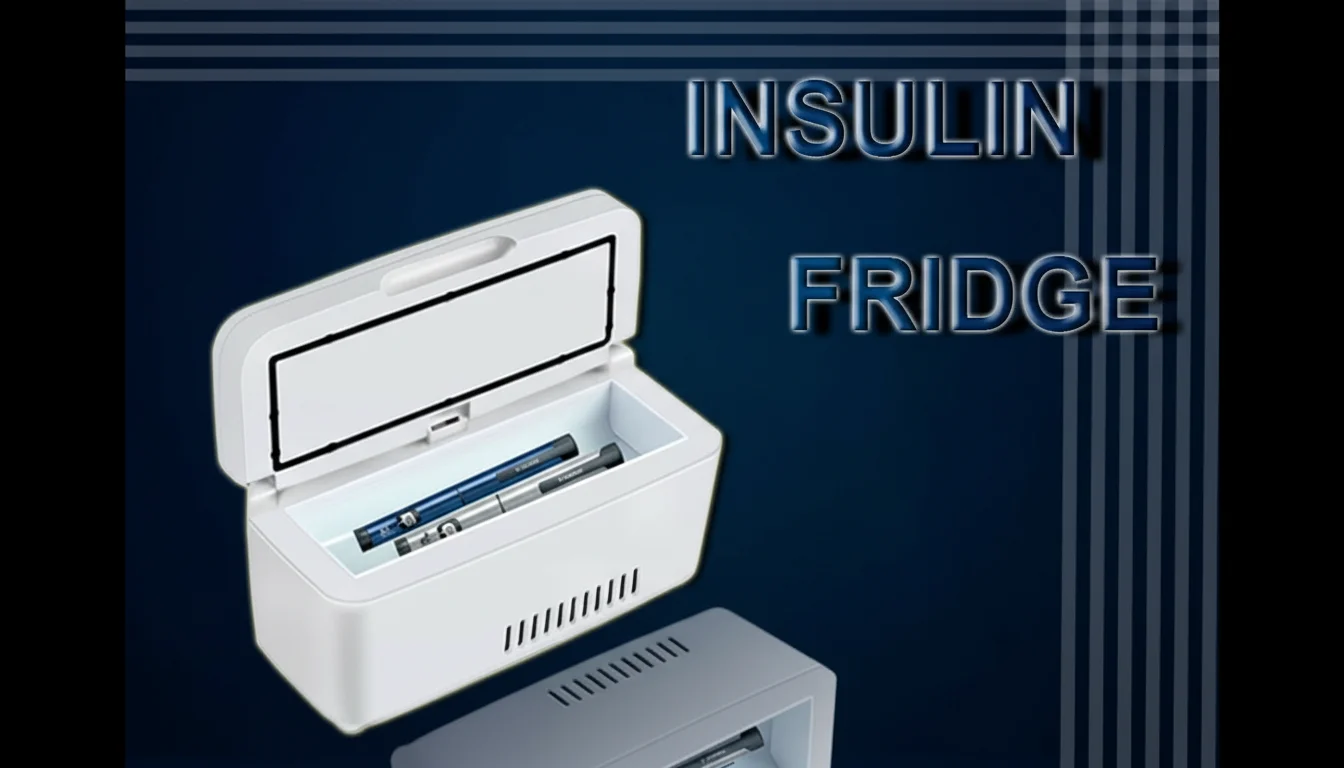
Почему аудит косметических холодильников важнее технических спецификаций
Техническая спецификация рассказывает, что холодильник должен делать.
Самый неудачный заказ косметического холодильника за последнее время: образец до начала производства держал 4°C, этикетка выглядела премиально, а оптовые единицы к восьмой неделе образовывали конденсат на уплотнении двери. Разница между этим образцом и серийной партией никогда не была видна в спецификации. Она была видна на заводском полу — если покупатель знал, куда смотреть.
Контрольный проход по модулю Пельтье и термостату
Термоэлектрические модули Пельтье выходят из строя тихо. Они не ломаются со скрипом; внутри лайнера образуется конденсат, окисляются контактные контакты, и портится репутация компрессора (компрессора здесь нет). Контрольный список аудита косметического холодильника, пропускающий протоколы испытаний, не является аудитом. Попросите показать журнал испытаний модуля Пельтье на температурные циклы, прежде чем осматривать хоть одну готовую единицу.
Самое важное испытание: 72-часовой непрерывный цикл при 4°C и влажности 65%. Это сочетание выявляет дефекты конденсации — капли воды, образующиеся на внутренних стенках или потолке холодильника. Если фабрика говорит: “мы тестируем каждую единицу 2 часа”, это подходит для базовой функциональности, но не выявит медленное повреждение влагой, которое проявляется через недели на полке в ванной.
-
- Журнал калибровки термостата: Термостат управляет циклами отключения модуля Пельтье. Неправильно откалиброванный термостат заставляет модуль работать постоянно, что приводит к промерзанию лайнера и повышению уровня конденсата. Требуйте письменные записи о калибровке, сверенные с эталонным датчиком.
- Данные работы в камере старения: Завод с полноценной камерой старения покажет вам графики температур, а не просто расскажет о них. Если единственным доказательством является демонстрация в шоу-руме, это признак проблем, а не гарантия качества.
Проверка толщины изоляции и контроля конденсата
Контроль конденсата зависит от изоляции, плотности пеноматериала и геометрии дверного уплотнителя — в указанном порядке. Ключевой момент: модули Пельтье вытягивают влагу из воздуха, когда внутренняя пластина опускается ниже точки росы. Слабая изоляция вызывает «потение» внешнего корпуса, увеличенное время работы компрессора и колебания температуры лайнера, способные испортить сыворотки стоимостью $90 за унцию.
В Нинбо небольшие заводы часто передают этап пеноформования на аутсорсинг. Не верьте словесным заверениям сборочной линии. Запросите отчет QC субподрядчика — плотность пены, равномерность инъекции и время выдержки, — потому что пустоты в пенном слое создают локальные перегревы, которые не выявляет финальный контроль.
Также проверьте материал лайнера. Завод, использующий одни и те же литьевые машины для выпуска автоаксессуаров, может сменить смолу лайнера без предупреждения. Пищевой HIPS устойчив к впитыванию запахов и хорошо переносит многократные температурные перепады. Более дешевый ABS, особенно вторичный, может выделять химический запах, который вы не заметите в образце, но ощутите при получении первой контейнерной партии.
Если толщина изоляции выглядит приемлемой, запросите протокол 72-часового теста на конденсатообразование: удержание при 4°C, влажность окружающей среды 65% RH, отсутствие капелек на внутренней поверхности. Если завод тянет время, значит, они не проводят этот тест. А если они не могут показать документированные критерии QC для линий производства косметических холодильников у их поставщиков, вы покупаете не холодильник, а дорогой урок.
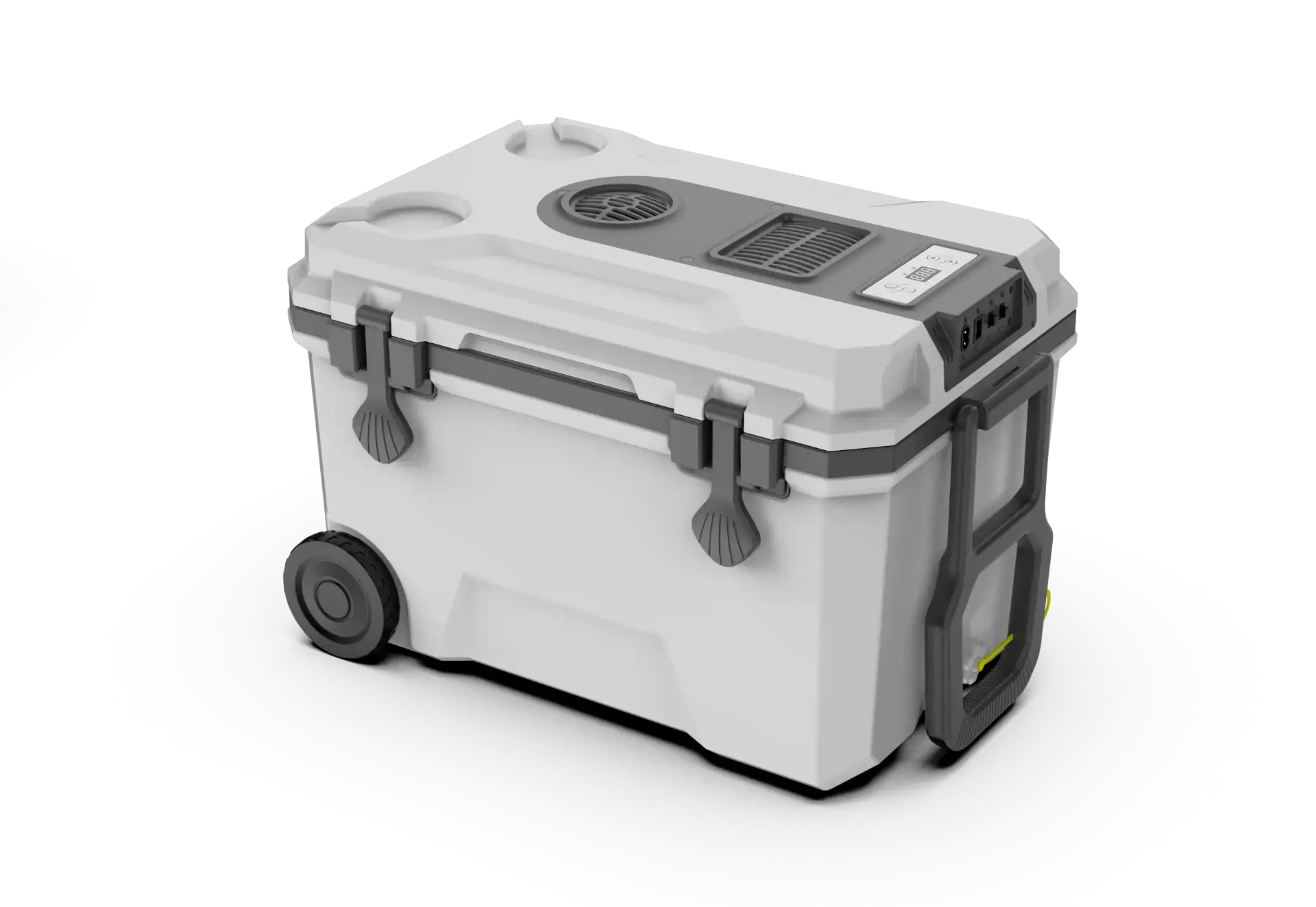
7 признаков, на которые нужно обратить внимание при посещении фабрики
Семь признаков на производственном полу отличают настоящий завод косметических холодильников от торговой шоурума.
Спецификация рассказывает вам то, во что завод хочет, чтобы вы поверили. Производственный пол показывает то, что реально окажется в вашем контейнере. Для косметического холодильника под частной маркой эти семьObservable сигналов важнее презентации менеджера по продажам или условия FOB.
Красный флаг 1: Отсутствие внутренних записей о тестировании циклических изменений температуры
Модули Пельтье охлаждают за счет термоэлектрического переноса, а конденсат образуется внутри корпуса при нарушении герметичности или изоляции. Завод, проводящий 72-часовое непрерывное тестирование при 4°C и влажности 65%, должен иметь журнал для подтверждения. Нет журнала — нет теста. Ваша первая производственная партия станет пробной, и клиенты узнают об проблемах раньше вас.
Красный флаг 2: Смешанные производственные линии с выпуском автозапчастей
Завод в Нинбо, выпускающий автоаксессуары, может использовать одни и те же пресс-формы для разных категорий. Риск заключается в материале лайнера. Лайнеры косметических холодильников должны изготавливаться из пищевого HIPS; автомобильный ABS может выделять запахи внутри корпуса. Спросите, предназначена ли пресс-форма для лайнера исключительно для этой цели. Также уточните, кто занимается пеноформованием — мелкие цеха передают этот процесс на сторону, поэтому отчет QC субподрядчика важнее проверки на сборочной линии.
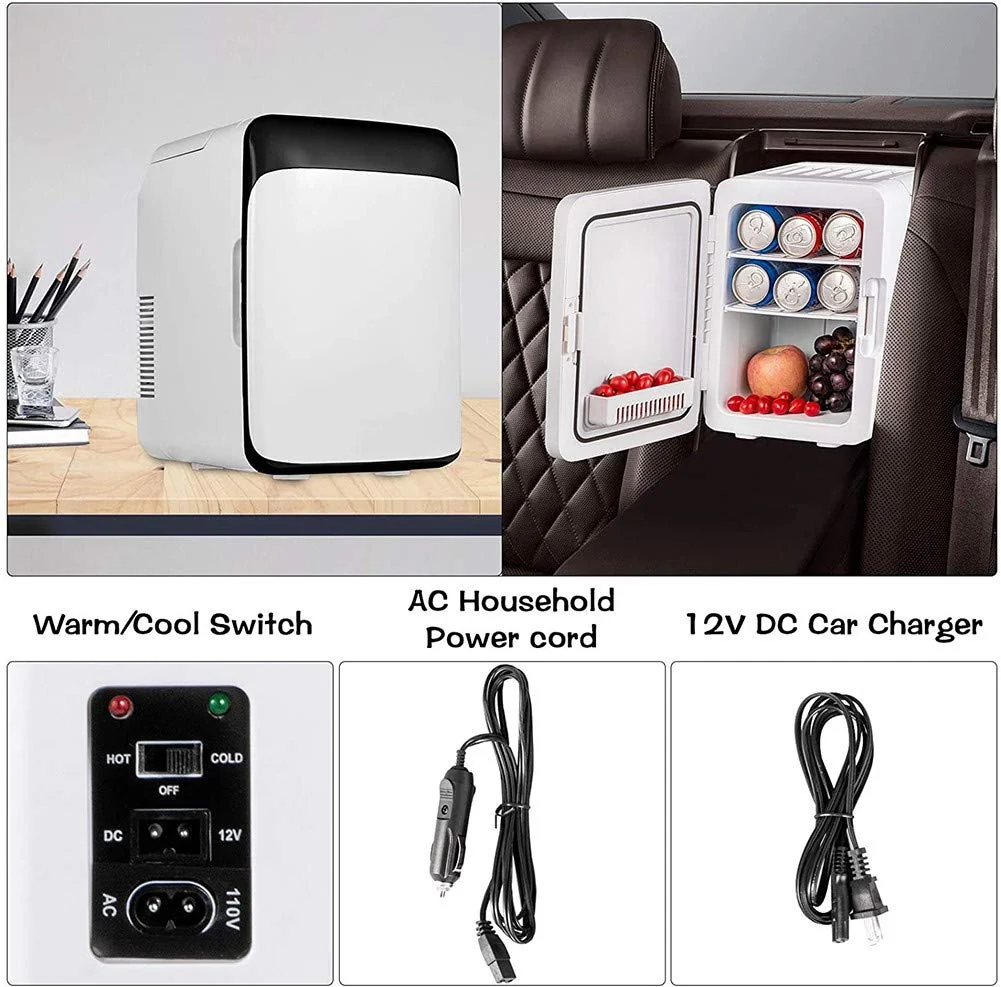
Красный флаг 3: Нестандартная маркировка — ABS-пластик vs гранулы вторичного сырья
Исходные гранулы поступают в заводских герметичных пакетах с указанием марки и номера партии. Отсыпка в открытые бункеры без маркировки на литьевой линии не позволяет заводу подтвердить состав материала в загрузочной воронке. Вторичный ABS дешевле, но обладает нестабильными реологическими свойствами и может иметь остаточный запах. Для облицовки, размещаемой в спальне или ванной, такой запах становится основанием для возврата.
Красный флаг 4: Ручная пайка без кондукторов на печатных платах
Холодные паяные соединения дают перемежающиеся отказы: холодильник проходит заводской контроль, но выходит из строя через несколько недель вибраций при перевозке. Пайка через позиционирующие приспособления обеспечивает повторяемость соединений. Свободная ручная пайка даёт каждый раз иной шов, что означает разную долю брака в каждой партии.
Красный флаг 5: Отсутствие в портфолио прецедентов по защите прав IP и бренда
Ваш логотип, дизайн продукта и упаковка — это активы. Завод, колеблющийся подписывать условие о защите интеллектуальной собственности или эксклюзивности, скорее всего, уже нарушал это доверие. Запросите рекомендации от действующих брендовых клиентов, работающих на условиях NDA. Ответственные производители холодильников в Нинбо включают данный пункт в стандартную форму договора.
Красный флаг 6: Складские запасы без маркировки даты по системе FIFO
Косметические холодильники содержат термоэлектрические модули, вентиляторы и пеноизоляцию — все три компонента деградируют во влажной среде. На складах, где не организуется оборот по системе «первым пришёл — первым ушёл», отгружают состарившиеся компоненты, пролежавшие влажный нинбойский летний период. Даты на картонных упаковках должны corresponder данным о производственных партиях. Если складская команда не может объяснить систему ротации, запасы фактически не перемещаются.
Красный флаг 7: Отсутствие выделенного поста RMA-обслуживания
Когда клиент получает неработающее устройство, ущерб несёт ваш бренд, а не завод. Выделенный пост ремонта RMA со складом запчастей и обученными техниками показывает, что завод берёт на себя гарантийное обслуживание после финальной оплаты. Segment мини-холодильников KelyLands был выстроен в 2018 году вокруг партнёрства с нинбойским производителем портативных холодильников, что обеспечило конкурентные цены и надёжные поставки. Если на производстве нет ремонтной станции, расходы на гарантию становятся вашей проблемой.
Эти семь контрольных точек занимают пару часов на производственной площадке. Пропустите их — и вы ставите репутацию бренда на хорошо отрепетированную продающую презентацию. Завод, который предоставляет журналы термозациклирования, сертификаты материалов для HIPS и функционирующий пост RMA — это партнёр. Всё остальное — игра вслепую.
Что должна показать реальная линия производства косметических холодильников в Нинбо
Четыре производственных зоны в последовательности: литьё, вспенивание, сборка, камера старения.
Серьёзное производство косметических мини-холодильников в Нинбо не должно выглядеть как кустарный цех. Процесс должен быть выстроен в чёткую последовательность: литьё, вспенивание, сборка и камера старения. Если завод игнорирует любой из этих этапов или объединяет их в одном просторном помещении, это красный флаг OEM-производителя мини-холодильников, который вскоре проявится в виде конденсата или посторонних запахов в вашей первой партии.
Примерная планировка производственного завода: литьё, вспенивание, сборка, камера старения
Начните с литьевого участка. Здесь осуществляется инжекционное формование внутренней емкости и внешнего корпуса. Уточните, какой сорт пластика загружается в бункер. Важный нюанс: завод, который также выпускает автомобильные аксессуары, может использовать общие литьевые формы, поэтому внутренняя емкость может быть изготовлена из недорогого ABS-пластика, выделяющего запахи, вместо пищевого HIPS. Для косметических холодильников выбор в пользу HIPS более безопасен, так как этот материал устойчив к химическому взаимодействию с кремами и сыворотками. ABS дешевле и прочнее, но при нагреве модулем Пельтье может выделять запах, напоминающий стирол.
-
- Литьевой участок: Проверьте бункеры на наличие первичных гранул HIPS. Непромаркированные или смешанные вторичные гранулы — это немедленный отказ от сотрудничества.
- Зона пенообразования: Небольшие ningбоские фабрики часто передают пенообразование на аутсорсинг. Запрашивайте отчёт QC субподрядчика, а не только сертификат проверки на линии сборки.
- Зона сборки: Наблюдайте, как собирается один образец. Термоэлектрический модуль должен быть установлен с термопастой, а зонд термостата — закреплён, а не болтаться.
- Камера старения: Каждый готовый холодильник должен проработать 24–72 часа перед упаковкой. Если единицы идут прямо из сборки в картонные коробки, уходите.
Сайт камера старения — ваше лучшее доказательство дисциплины QC. При правильной организации холодильники работают 24–72 часа при заданных температурах, чтобы выявить ранние отказы элементов Пельтье. Запросите журнал тестирования температурными циклами. Завод, который не может предоставить модуль Пельтье запись тестирования температурными циклами за последние 30 дней, что-то скрывает.
Как модель сотрудничества с г-ном Чжоу от KelyLands снижает риски при аудите
Аудит завода — это одно. Аудит партнёрства, стоящего за заводом, — совсем другое. KelyLands вошла в сегмент портативных холодильников в 2018 году благодаря партнёрству с господином Чжоу, который руководит линией производства холодильников в Нинбо. Это важно, потому что линия не является арендованным рабочим местом на анонимном OEM-предприятии; это выделенное производство с конкретным партнёром, который отвечает за качество выпускаемой продукции.
Это напрямую связано с контрольным списком аудита завода. Именованного партнёра легче привлекать к ответственности, чем торгового агента. Когда у линии есть владелец, отвечающий за конкурентную цену и надёжную поставку, разговор на аудите смещается от ‘можете ли вы это сделать’ к ‘как вы гарантируете это’ — и именно такой уровень проверок косметического холодильника под частной маркой MOQ заслуживает перед внесением депозита.
Поэтому, когда вы проводите аудит производителя косметических холодильников в Нинбо, спросите, кто владеет производственным цехом. Если ответом будет торговая компания или отдел продаж, запросите письменные подтверждения того, кто контролирует литьё и пенообразование. Партнёр уровня операции господина Чжоу — встроенный в цепочку поставок Нинбо и поддерживаемый экспортной командой, управляющей более чем 500 клиентами в 50+ странах, — даёт вам бумажный след подотчётности, а не простое обещание.

Оценочный лист аудита: минимальные критерии для прохождения перед оплатой депозита
Депозит не выплачивается, пока у вас на руках не будут файлы о соответствии поставщика нормативным требованиям США/ЕС и его подписанный протокол тестирования за 72 часа.
Аудит завода по производству косметических холодильников преследует одну цель: не дать вам перевести депозит поставщику, который не может доказать воспроизводимость результатов. Всё остальное — шум. Прежде чем обсуждать цену, цвет или упаковку, запросите три документа: сводку о соответст вии нормам США/ЕС для конкретной модели, журнал внутризаводских циклов температурных испытаний и перечень субподрядчиков по вспениванию и изоляции.
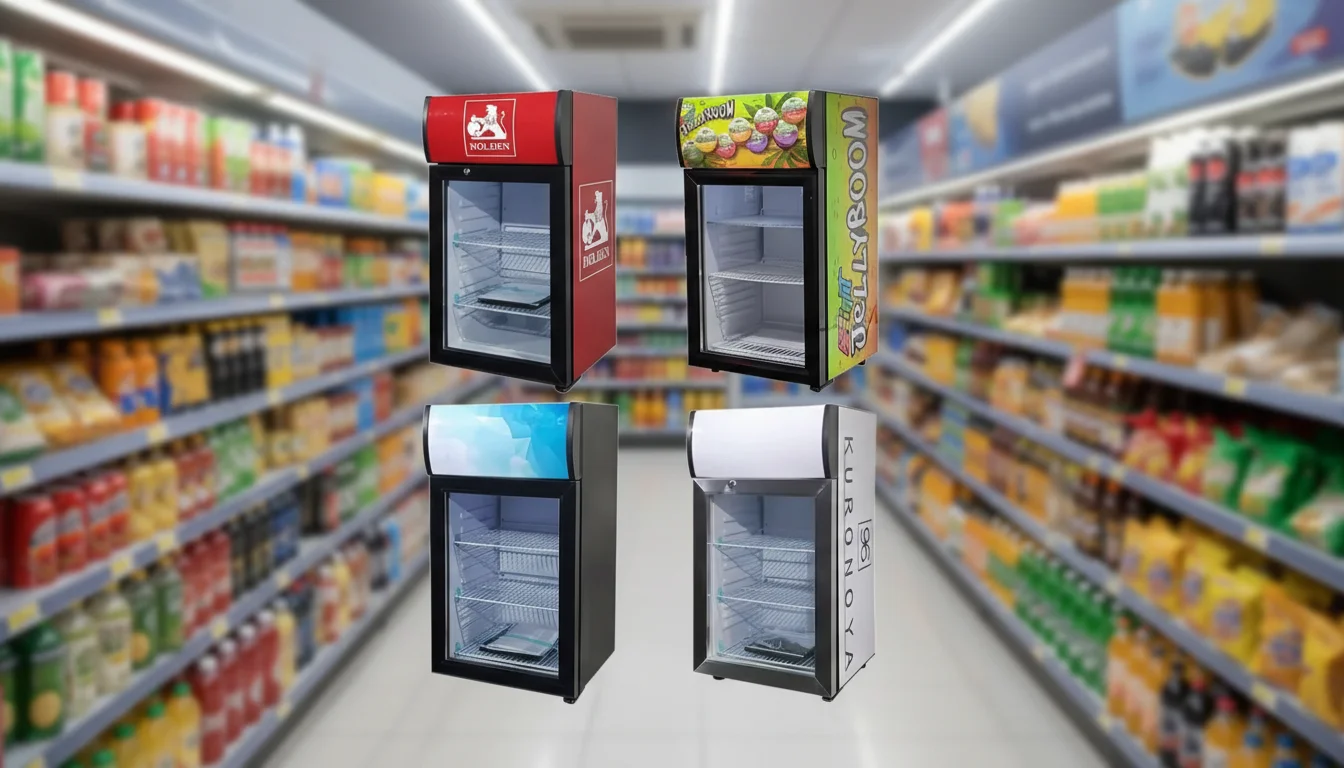
Чеклист сводки о соответствии нормам США/ЕС
Для выхода на рынок США запросите протокол испытаний UL 60335-2-24 или ETL для конкретной модели холодильника, данные FCC для электронной платы управления и заявление о соответствии California Proposition 65, если продаёте в Калифорнию. Для ЕС запросите документы на маркировку CE, охватывающие директивы LVD и EMC, заявления о соответствии RoHS и REACH, а также регистрацию WEEE для стран, где будет продаваться продукция.
Каждый сертификат должен соответствовать номеру модели из коммерческого предложения и быть датирован свежим числом. Общий пункт ‘UL approved’ в письме не является доказательством. Если завод присылает документацию о соответствии для предыдущей модели, воспринимайте это как красный флаг, а не как признак доброжелательности.
-
- Безопасность в США: Протокол UL 60335-2-24 или ETL для конкретной модели, а также данные FCC для электронного модуля.
- Соответствие нормам в ЕС: Техническая документация CE, охватывающая LVD и EMC, заявления RoHS/REACH и регистрация WEEE, где это применимо.
- Материал внутренней облицовки: Уточните, изготовлена ли внутренняя облицовка из пищевого HIPS или ABS. Гранулы вторичного сырья без прослеживаемого источника — повод настоять на clarification.
Готовность уйти с переговоров или пересмотреть условия
Минимальный объем заказа косметического холодильника под частной маркой Это число, а не стена. Заводы завышают MOQ, чтобы защитить переналадку линии. Когда единственная кастомизация — это цвет, логотип и упаковка на готовом корпусе, запрашивайте поэтапный запуск: производство делится на две партии, вторая запускается только после успешного прохождения первой 72-часового теста на конденсацию при 4°C и влажности 65%.
Уходите, если завод не может показать внутренние протоколы температурных циклических тестов модуля Пельтье. Уходите, если они скрывают субподрядчика, занимающегося пеноформованием, или не дают его отчет о качестве. И уходите, если допустимые отклонения качества — пределы царапин, брак отделки, классификация косметических дефектов — нельзя зафиксировать в контракте до внесения депозита.
Система оценки соответствует модели партнерства KelyLands, реализованной при инвестиции в Ningbo portable fridge factory в 2018 году. Партнерство строилось на двух обязательствах: конкурентная цена и надежные сроки. Без подписанного протокола тестов перед вами эти обязательства ничего не стоят.
Заключение
Аудит — это то, где выигрывается или проигрывается покупка косметического холодильника, а не спецификация. Семь красных флажков — отсутствие протоколов циклических тестов, смешанные автомобильные литьевые линии, нерегламентированный ABS-смола, платы ручной пайки, слабая степень IP-защиты, отсутствие ротации FIFO и отсутствие RMA-зоны — это одни и те же типичные сбои, которые позже проявляются как жалобы на конденсат и гарантийные случаи. Поставщик, прошедший все семь пунктов, дает вам обоснованную базу для программы собственной торговой марки.
-
- Запрашивайте 72-часовой непрерывный тест при 4°C и влажности 65% перед утверждением производства.
- Убедитесь, что внутренняя облицовка выполнена из пищевого HIPS, а не из более дешевого ABS, способного выделять запахи внутри холодильника.
- Проверьте наличие протоколов температурных циклических тестов модулей Пельтье; отсутствие данных означает рецидивирующие отказы из-за конденсата.
- Осмотрите складские коды дат FIFO и RMA-зону послепродажного обслуживания; оба фактора указывают на долгосрочную ответственность за серийную продукцию.
Применяйте к каждому кандидату из Ningbo одинаковый стандарт: документированные протоколы циклических тестов, сертификаты косметических марок материалов и выделенная RMA-зона. Если чего-то не хватает, торгуйтесь по условиям минимального заказа или уходите. Оцените ассортимент мини-холодильников и автоохладителей KelyLands, чтобы понять, как партнерство с заводом под руководством конкретного технолога обеспечивает согласование образцов, ценообразование FOB и допуски качества до заключения сделки на контейнер.
Часто задаваемые вопросы
Какой самый серьёзный красный флаг во время аудита производителя косметических холодильников?
Отсутствие внутренних записей о температурных испытаниях — главный тревожный сигнал. Без журналов с результатами «пас/непас» для модулей Пельтье и термостатов вы принимаете неизвестный уровень отказов. Сделайте ведение журнала испытаний условием для депозита.
Как проверить изоляцию и контроль конденсата?
Измерьте толщину изоляции и убедитесь, что завод проводит проверку на образование конденсата на готовой продукции. Если они не могут предоставить протокол испытаний на конденсат, внешнее потоотделение станет вашей гарантийной проблемой. Требуйте протокол испытаний на конденсат перед оформлением заказа.
Зачем на заводе холодильников нужна камера выдержки?
На складе старения готовые холодильники работают непрерывно, чтобы выявить ранние отказы до упаковки. Если на линии нет камеры старения, вы платите за единицы, которые откажут в вашей первой партии. Укажите время старения в спецификации контроля качества.
Когда стоит отказаться от сотрудничества с заводом холодильников в Нинбо?
Уходите, если видите, что автомобильные детали производятся на той же линии, что и косметические холодильники. Смешанные производственные линии означают, что протоколы очистки и контроля качества недостаточно строго разделены для косметической продукции. Откажитесь от фабрики, которая не может обеспечить разделение линий.
Как KelyLands снижает аудиторские риски?
KelyLands использует прямое партнерство с заводом холодильников в Ningbo под руководством господина Чжоу, поэтому покупатели проходят аудит линии, управляемой владельцем, а не торговой оффис. Назовите имя владельца завода до вылета.

 English
  Español
  Français
  Deutsch
  Português do Brasil
  Русский
  한국어
한국어  日本語
日本語  العربية