 Перейти к основному содержанию Перейти к нижнему колонтитулу

A Аудит фабрики в Китае является самым надёжным инструментом для прогнозирования того, прибудет ли оптовый заказ автомобильных аксессуаров в соответствии со спецификациями — или станет гарантийным случаем, который только ожидает своего часа. Для директора по закупкам, оценивающего поставщика в кластере Сиси или Нинбо, отчёт аудита часто определяет разницу между 12-месячным сезоном продаж и контейнером возвратов, пылящимся на таможенном складе.
Вот что упускает большинство покупателей: реальная ценность не в оценочной карте. Сторонний аудит стоит $850–$1,200 за человеко-день — назовём это $2,000 за двухдневный визит. Те же $2,000 могут сэкономить вам 15% выручки, если выявят пробел в возможностях до начала производства. Что действительно ведёт к долгосрочным улучшениям — так это план корректирующих действий (CAPA), который следует за аудитом. Импортёры, обеспечивающие закрытие CAPA в течение 14 дней, видят измеримое снижение будущих претензий. Однако большинство никогда не читает этот раздел отчёта.
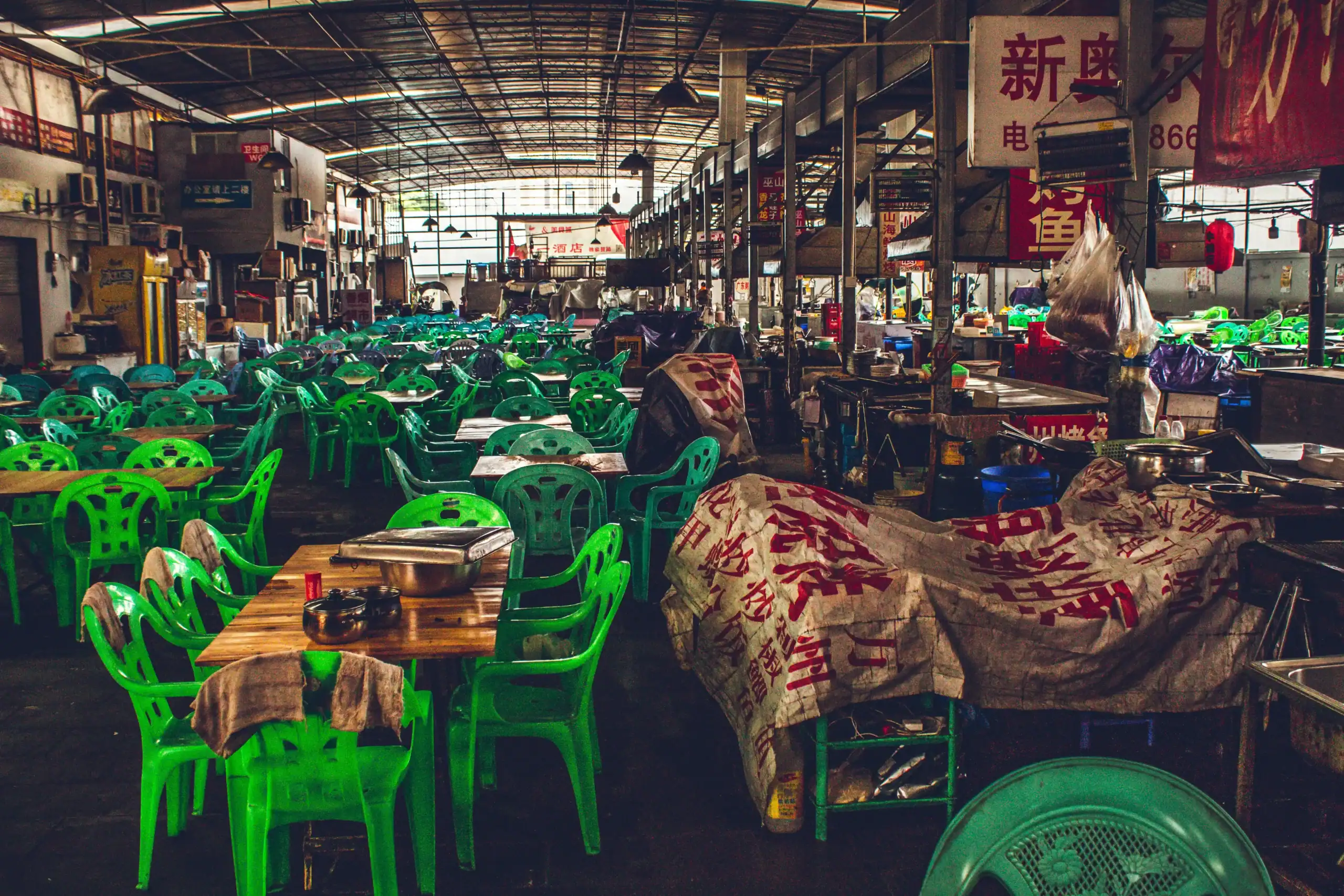
Типы объёма аудита
Объединение QMS, социального и процессного аудитов в один визит сокращает командировочные расходы на 40%, но каждый должен оцениваться отдельно, чтобы сохранить результаты.
Один тип аудита рассказывает лишь одну сторону истории. Для фабрики автомобильных аксессуаров — будь то сборка автомобильных насосов или охлаждающих компрессоров — вам нужны четыре измерения: Система менеджмента качества (СМК), Возможности процесса (cpk), Социальное соответствие и Безопасность (CTPAT). Каждое выявляет иной тип отказа, который может потопить целый контейнер.
-
- QMS (соответствие ISO 9001): Проверьте factory has a documented ISO 9001:2015 system—not just a certificate. Check if their internal audit records align with real shift logs. For car accessories, a weak QMS means inconsistent calibration of digital gauges and missed solder joint inspections. Cross-check the last 7 days of production records against the day’s output; coached factories often backfill records.
- Process Capability (cpk): Measure cpk for your specific SKU—e.g., the sealing pressure of a 12V tire inflator valve. Target cpk > 1.33. Industry data shows Process Capability audits that achieve this threshold reduce returns by 22% for automotive accessories. Ask for thermal cycling test logs on solder joints, not just a QC pass certificate—cold joints pass visual but fail after 50 cycles.
- Social Compliance: Look beyond SA8000 paperwork. Walk the dormitories and check fire extinguisher dates, exit signage, and worker ID cards against payroll. Hidden dormitories are common—overcrowded sleeping areas with blocked exits. A blended QMS + Social audit reduces product launch delays by 30% because you avoid last-minute production stops from labor disputes or safety shutdowns.
- Security (CTPAT): For CTPAT audits, verify container seal procedures, access control, and shipping yard fencing. Many Chinese factories use shared warehouses—ask whose seals are applied and who holds the key. A single lost container seal can trigger a customs hold costing $2,000+ in demurrage.
Combining two or three types in one visit reduces travel costs by roughly 40%—an important factor when third-party audit rates in China run $850 to $1,200 per manday. But do not combine the scores. A factory with a perfect QMS score might still have a cpk of 0.8 on your specific product. Score each dimension independently in your China factory audit report sample, then weigh them by your product’s risk profile. For electronics-heavy items like Зарядные устройства для электромобилей, security and process capability should carry double the weight of general QMS.
The real value lies in the Corrective Action Plan (CAPA) issued per audit type. Enforce a 14-day CAPA closure deadline—importers who do this see a measurable drop in future claims. Most procurement teams never read the CAPA section. That is where suppliers admit the root cause, like ‘we used subgrade potting compound on the circuit board.’ If you ignore that, you are buying the same defect in the next batch.
| Audit Type | Core Standard | Что проверяется | Почему это важно для покупателей автомобильных аксессуаров |
|---|---|---|---|
| Аудит СМК | ISO 9001:2015 | Документированные процессы, анализ со стороны руководства, скорость закрытия CAPA | Обеспечивает воспроизводимое качество; слабая СМК приводит к 15% более высокому уровню дефектов. |
| Возможности процесса | Cpk > 1.33 | Калибровка оборудования, встроенный контроль качества, журналы термоциклирования для электроники | Сокращает возвраты на 22% для таких товаров, как автомобильные компрессоры и холодильники. |
| Социальное соответствие | SA8000 / BSCI | Рабочее время, детский труд, условия в общежитиях, средства безопасности | Позволяет избежать репутационных рисков для бренда и задержек заказов из-за запретов на принудительный труд. |
| Безопасность (CTPAT) | Руководство CTPAT | Пломбы на контейнерах, журналы посетителей, контроль доступа к сырью | Предотвращает подделку компонентов и кражу грузов; обязательно для импортеров из США. |
Контрольный список из 6 пунктов
Проходной балл аудита ничего не значит без проверки этих шести операционных контрольных точек.
Стандартные отчёты аудита сосредоточены на документации и сертификатах. Фабрика может подделать профиль на Alibaba, арендовать откалиброванные приборы и временно нанять дополнительных сотрудников ОТК — это то, что мы называем ‘подготовкой к аудиту’. Чтобы увидеть за фасадом, вам необходимо проверить шесть конкретных операционных контрольных точек, которые раскрывают реальную производственную среду.
-
- 1. Юридическая лицензия против профиля Alibaba: Сверьте сферу деятельности из бизнес-лицензии (统一社会信用代码) с товарами, представленными на Alibaba. 30% поставщиков указывают товары, которые они не производят на законных основаниях. Запросите копию с фактическим адресом фабрики и проверьте через Национальную систему публикации информации о кредитоспособности предприятий Китая.
- 2. Журналы технического обслуживания оборудования и даты калибровки: Запросите последние три сертификата калибровки для оборудования, критически важного для вашей продукции — динамометрических ключей, манометров и датчиков температуры для сборки зарядных станций для электромобилей. Если дата калибровки старше 12 месяцев, завод, скорее всего, пренебрегает контролем процессов. Случайно выберите один станок и попросите оператора показать вам серийный номер, затем сверьте его с журналом.
- 3. Контрольные точки качества на линии (количество рабочих и время): Считайте сотрудников ОТК на реальной линии — а не на ‘показной линии’, подготовленной для аудиторов. На инфлятор для шин линии должна быть одна контрольная точка после проверки паяных соединений и еще одна после финальной калибровки давления. Если на линии из 20 человек только один контролёр — ожидайте 5–8% полевых отказов. Сверьте количество с производственными записями за последние 7 дней, чтобы выявить временный персонал.
- 4. Условия хранения (риск конденсации для электроники): Пройдите по складу. Ищите следы повреждения влагой на сырье — особенно на печатных платах, двигателях и компрессорных блоках. Для Автомобильные холодильники и зарядных станций для электромобилей конденсация при хранении вызывает скрытую коррозию, которая проявляется через 3 месяца. Зона хранения должна иметь климат-контроль с относительной влажностью ниже 60%. Если видите картонные коробки на бетонном полу без поддонов — отметьте это как нарушение.
- 5. Записи об обучении (могут ли рабочие объяснить план контроля?): Возьмите по одному оператору из каждой смены и попросите их объяснить план контроля (CP) для их рабочего места — какой параметр они проверяют, допустимый допуск и что делать при выходе за пределы спецификации. Если они не могут ответить, план контроля существует только для папки аудитора, а не для производственного цеха. Настоящие записи об обучении содержат датированные, подписанные листы посещаемости с тестами — а не просто фотографии с семинара.
- 6. Анализ со стороны руководства (скорость закрытия CAPA): Запросите последние 10 отчетов о корректирующих действиях (CAPA). Настоящий тест — это время закрытия: заводы с эффективным управлением закрывают CAPA в течение 14 дней. Импортеры, которые обеспечивают соблюдение этого срока, видят измеримое снижение гарантийных претензий. Если в файле CAPA указано ‘закрыто’ за 48 часов или он остаётся открытым месяцами — завод либо игнорирует проблемы, либо подаёт фиктивные отчёты.
Критерий прохождения — это не проставление галочек, а последовательность. Поставщик, который проваливает даже два из этих шести пунктов, скорее всего, отгрузит 20-футовый контейнер с уровнем дефектов 12%. Уловки поставщиков предсказуемы: арендованные приборы, инсценированные контрольные точки и архивные записи об обучении с другого завода. Единственный способ их обойти — проверить собственными глазами и по реальным производственным данным за последние 7 дней.
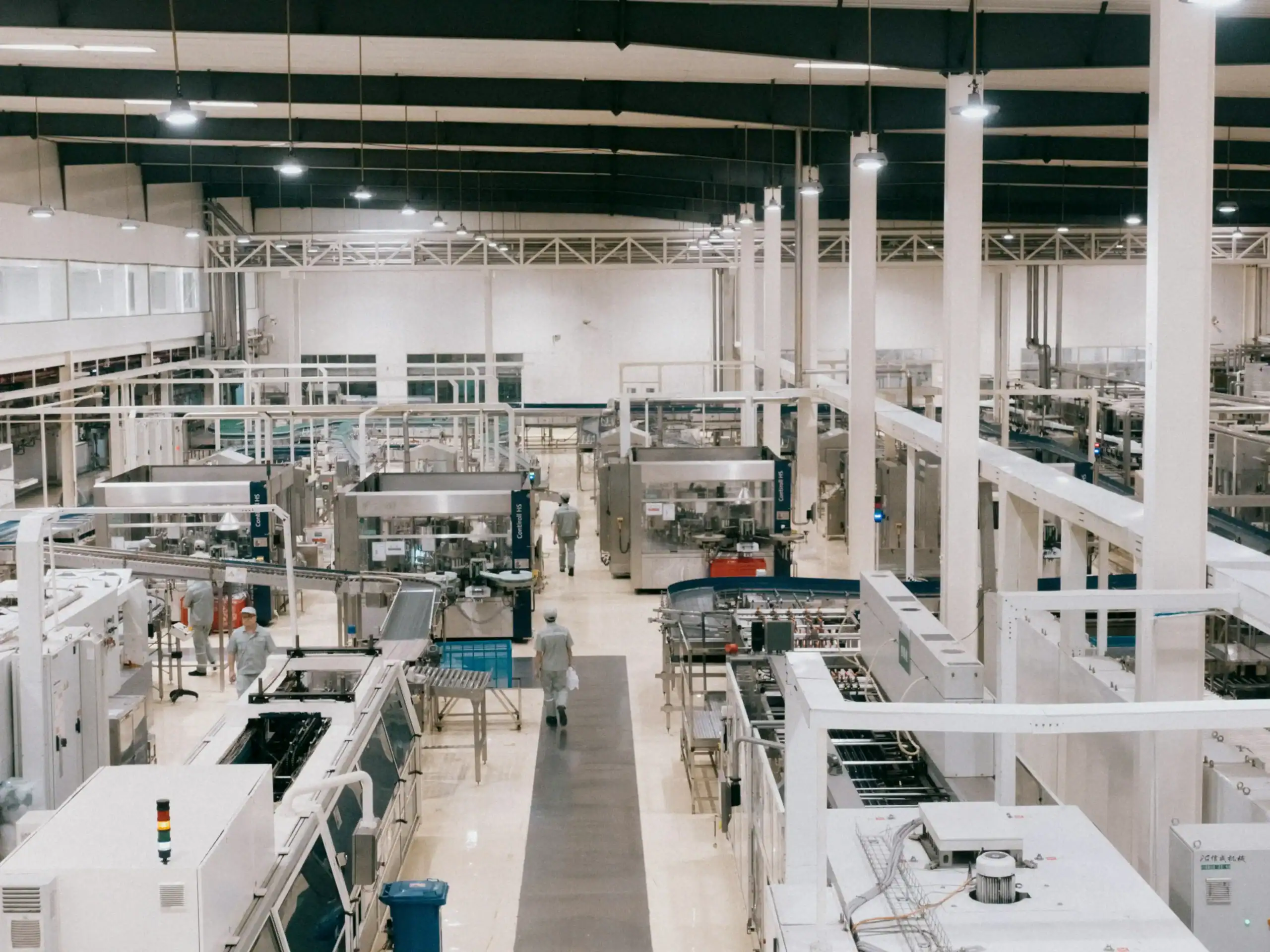
Выявление фабрик-витрин
Показная линия стоит $500, чтобы её организовать, но может стоить вам целого контейнера бракованной продукции.
Многие заводы создают отдельную ‘показную линию’ для аудиторов — чистую, тихую производственную зону, укомплектованную временными рабочими и откалиброванными приборами. Реальное производство происходит во вторую смену, с использованием стандартного оборудования и операторов. Ваша оценка аудита не отражает фактическую способность процесса, если вы проходите только по выставочному цеху.
-
- Сверьте серийные номера машин с журналами технического обслуживания: Обойдите весь производственный цех и запишите серийные номера каждой машины в производственной линии. Затем запросите журналы технического обслуживания за последние 90 дней. Если серийный номер есть в журналах, а машины нет в цеху — или наоборот — вы обнаружили подмену.
- Попросите оператора продемонстрировать переналадку: Выберите случайного оператора станка и попросите его провести переналадку с одного SKU на другой. Наёмные работники для выставочной линии не смогут выполнить реальную переналадку. Они будут колебаться, искать взглядом супервизора или воспроизводить заученный сценарий. Настоящий оператор знает последовательность замены штампов, регулировки температуры и цикловые испытания без подсказок.
- Прибудьте на 30 минут раньше без предупреждения: Прибытие до запланированного времени начала застаёт фабрику врасплох — выставочная линия будет полуубранной, временный персонал ОТК ещё не на месте, и вы можете увидеть, как выглядит цех в состоянии покоя. Проверьте пыль на поверхностях станков и износ штампов. Это показывает, какие машины действительно работают.
Реальный случай: поставщик автомобильных насосов для шин в Нинбо арендовал чистую комнату на один день специально для нашего аудита. Комната была безупречной, все приборы откалиброваны, а контрольные посты ОТК полностью укомплектованы. Мы попросили показать производственные записи за последние 7 дней — цифры выпуска не соответствовали заявленной мощности фабрики. Затем мы запросили журналы испытаний на термоциклирование для печатных плат; ‘менеджер ОТК’ не смог их найти. Позже мы обнаружили, что настоящая сборочная линия находилась в другом здании, без контроля температуры и с неоткалиброванными динамометрическими отвертками. Этот единственный аудит спас нас от приёмки контейнера с прогнозируемым уровнем отказов 35% в полевых условиях.

Аудит против инспекции
Аудит оценивает потенциал фабрики; инспекция выявляет, что фактически сошло с линии.
Аудит фабрики оценивает возможность процесса: есть ли у поставщика оборудование, обучение и СМК для стабильного производства автомобильного насоса 12V по спецификации? Предотгрузочная инспекция (AQL 2.5 или 4.0) подтверждает, что данная конкретная партия из 5 000 единиц соответствует согласованному порогу дефектности. Они выполняют разные функции, и одно не заменяет другое.
-
-
- Частота: Проводите аудит один раз при квалификации поставщика или ежегодно; инспекцию — при каждой отгрузке (особенно для новой оснастки или после CAPA).
- Стоимость: Аудит $850–$1,200 за человеко-день + $150/день за переводчика. Инспекция $350–$600 за человеко-день при выезде на 1–2 дня.
- Что это выявляет: Аудит указывает на системные риски — неоткалиброванные динамометрические ключи, отсутствие журналов контроля пайки, поддельные записи смен. Инспекция ловит косметические дефекты, отклонение размеров и повреждённую упаковку в этой партии.
-
Вот где импортеры теряют деньги: они одобряют фабрику на аудите, пропускают предотгрузочную инспекцию, чтобы сократить расходы, и получают контейнер автомобильных холодильников с конденсатом за панелью управления. Этот балл аудита ничего не стоит, когда фабрика в спешке выполнила ваш заказ в третью смену, используя необученный временный персонал. Никакой аудит не предскажет качество конкретной партии.
-
- Уловка подготовки к аудиту: Некоторые кредиторы временно нанимают дополнительный контроль качества и арендуют откалиброванные инструменты на день аудита. Сверьте производственные записи за последние 7 дней с фактическим выпуском, чтобы выявить расхождение.
- Реальный рычаг воздействия: Сайт план корректирующих действий (CAPA) вот где аудит окупается. Введите 14-дневный срок закрытия — и вы увидите измеримое снижение будущих претензий — однако большинство покупателей никогда не читают раздел CAPA.
- Для компрессоров для накачки шин в частности: Запросите журналы испытаний на термоциклирование для каждой партии, а не просто сертификат. Холодные паяные соединения проходят визуальный AQL, но выходят из строя после 50 циклов. Это возврат на $25 000, который вы могли бы выявить во время предотгрузочной инспекции.
Совет по переговорам о контракте: включите пункт о том, что любой результат аудита ниже 70% (или проваленный повторный аудит CAPA) влечёт обязательную предотгрузочная инспекция за счёт поставщика для первых трёх заказов. Это превращает выводы аудита в обязательные к исполнению действия, а не просто в отчёт, который вы подшиваете.

Разбивка стоимости и сроков
Окупаемость аудита: $1 500 на старте экономит $25 000 на возвратах.
Сторонний аудит в Китае стоит $950–$2 200 за человеко-день в зависимости от объёма. Стандартный двухдневный выезд на объект плюс переводчик по $150/день дают итог от $2 200 до $4 700. Подготовка отчёта занимает ещё три рабочих дня.
-
- Стоимость аудита: $950–$2,200 в день для квалифицированных сторонних аудиторов.
- Переводчик: $150 в день, если ваш аудитор не говорит на мандарине.
- Сроки: 2 дня на объекте, 3 дня на письменный отчёт.
Математика работает в вашу пользу. Аудит за $1 500 для 20-футового контейнера автомобильных аксессуаров может выявить проблемы, которые привели бы к возврату платежа на сумму $25 000. Большинство дистрибьюторов окупают стоимость аудита уже в ходе первой отгрузки, избегая переделок, возвратов или задержек в порту.
| Позиция | Стоимость | Сроки | Ключевой вывод |
|---|---|---|---|
| Сторонний аудит (за человеко-день) | $850 – $1 200 | 1 день на объекте | Охватывает СМК, процесс или социальную сферу. |
| Переводчик (за день) | $150 | За каждый день аудита | Требуется для фабрик, работающих только на мандарине. |
| Комбинированный 2-дневный аудит | $2 000 (в среднем) | 2 дня на объекте + 3 дня отчёт | Сочетает QMS и социальный аудит; сокращает задержки запуска на 30%. |
| Написание отчёта и Закрытие CAPA | Включено в стоимость аудита | 3 дня на отчёт; 14 дней на CAPA | Внедрение CAPA заметно сокращает будущие претензии. |
| Потенциальная экономия от одного аудита | Предварительно ~1 500 $ | Окупается в течение первой поставки | Предотвращает возврат платежа на 25 000 $ за 20-футовый контейнер. |
Создание повторяемой системы проверки поставщиков
Систематическая цепочка проверок сокращает возвраты на 30% — большинство импортёров пропускают шаг 3.
Единичное прохождение аудита даёт вам снимок фабрики за один день. Этого недостаточно, чтобы предсказать стабильность партий за двенадцать месяцев. Решение — это повторяемая пятиэтапная система проверок, которая обеспечивает выполнение действий по каждому пробелу, выявленному аудитом.
-
- Камеральная проверка документов (бесплатно): Проверьте бизнес-лицензию, сертификат ISO 9001:2015 и экспортную лицензию, прежде чем тратить хоть цент на поездки. Этот шаг сам по себе отсеивает примерно 40% неквалифицированных лидов — вы увидите несоответствующие названия компаний или просроченные сертификаты, которые скрывает профиль Alibaba.
- Аудит на месте (обязателен для новых поставщиков): Приезжайте без предупреждения и сверяйте серийные номера оборудования с журналами технического обслуживания. Комбинированный аудит СМК + возможностей процесса стоит $850–$1,200 за человеко-день, но он предотвращает возврат $25,000, который следует за одним контейнером хрупких автомобильных насосов. Смотрите на реальную производительность смены, а не на демонстрационную линию.
- Контроль выполнения CAPA в течение 14 дней: Оценка аудита не имеет значения, если фабрика не закрывает план корректирующих действий. Установите 14-дневный срок для каждого несоответствия. Дистрибьюторы, которые читают и отслеживают раздел CAPA, замечают измеримое снижение претензий на местах — большинство покупателей даже не открывают эту часть отчета.
- Проверка первой детали на точной оснастке: Образец, который вы одобрили, мог быть произведен на специальной чистой линии. Требуйте проверку первой детали с использованием фактической производственной оснастки и тех же операторов. Для автомобильного холодильника 12В, это позволяет выявить проблемы с креплением компрессора, которые визуальный осмотр пропускает.
- Ежеквартальный повторный аудит для ключевых SKU: Возможности фабрики меняются. Ежеквартальный повторный аудит высокообъемных SKU, таких как портативными воздушными насосами или зарядные устройства для электромобилей, поддерживает процесс под контролем. Поставщики, которые успешно проходят проверку, также предоставят журналы испытаний на термоциклирование паяных соединений — те, кто колеблется, сигнализируют о проблеме.
Импортеры, выполняющие все пять шагов, сообщают о снижении возвратов от клиентов на 30%. Это не догадка — это измеренная разница между разовым аудитом и живой системой, которая устраняет пробелы до того, как они превратятся в контейнеры с бракованным товаром.
Заключение
Отчет об аудите — это отправная точка, а не финиш. Импортеры, которые обеспечивают закрытие CAPA в течение 14 дней, видят меньше гарантийных претензий и более предсказуемые поставки. Без такого контроля даже проходной балл скрывает реальный производственный риск.
Примените этот чек-лист к следующей оценке поставщика. Затем посмотрите на продукт, который уже прошел эти проверки — например, на наш 12В автомобильный насос с цифровым калибр. Именно его стабильная сборка и калибровка должны быть гарантированы тщательным аудитом. Изучите страницу массовой продукции, чтобы увидеть эталон самостоятельно.
Часто задаваемые вопросы
Что такое заводской аудит в Китае?
Фабричный аудит в Китае — это оценка на месте юридического статуса поставщика, производственных процессов и систем контроля качества до того, как вы возьмёте на себя обязательства по крупному заказу. Он помогает вам избежать брака. Всегда проводите аудит перед размещением заказа на полный контейнер.
Сколько стоит аудит завода?
Профессиональный сторонний аудит в Китае обычно стоит от $850 до $1,200 за человеко-день, но общая сумма зависит от объема и количества аудиторов. Многие импортеры переплачивают, проводя аудит не тех вещей, в то время как. Сначала спланируйте объем аудита, затем составьте бюджет на человеко-дни.
Какие бывают виды заводских аудитов?
Четыре основных типа — это аудит системы менеджмента качества (СМК), технологических возможностей, социального соответствия и безопасности. Для автомобильных аксессуаров объединение типов в один визит может сократить командировочные расходы на 40%. Сопоставляйте тип аудита с уровнем риска вашего продукта и требованиями рынка.
В чём разница между фабричным аудитом и проверкой качества?
Фабричный аудит оценивает системы и возможности фабрики до производства, тогда как проверка качества проверяет готовую продукцию на соответствие спецификациям после производства. Вам нужно и то, и другое: аудит для выбора надёжного поставщика. Используйте аудиты для выбора поставщиков, а проверки — для отгрузки партий.
Сколько времени занимает аудит фабрики?
Стандартный аудит фабрики занимает один полный день для одного объекта, часто разделённый на утреннюю проверку документации и послеобеденный обход производственного цеха. Для сложных фабрик с несколькими производственными линиями. Подтвердите продолжительность аудита со сторонней компанией в зависимости от размера фабрики.

 English
  Español
  Français
  Deutsch
  Português do Brasil
  Русский
  한국어
한국어  日本語
日本語  العربية