 Перейти к основному содержанию Перейти к нижнему колонтитулу
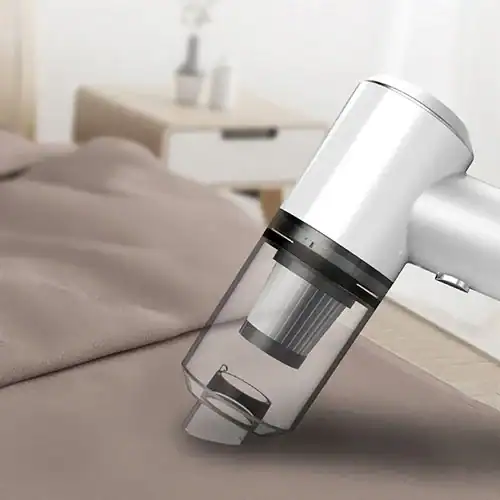
Создание высокопроизводительной системы всасывания требует преодоления “просадки напряжения”, inherentной для разряда литий-ионных аккумуляторов; в то время как аккумуляторные устройства выдают пиковую мощность на старте и быстро падают, проводные моторы потребляют непрерывно 7–12 ампер от сети переменного тока, чтобы поддерживать давление всасывания на уровне 3000 Па. Это архитектурное преимущество позволяет обеспечивать стабильную мощность 1500 Вт, избегая тепловых ограничений и деградации элементов, из-за которых беспроводные аналоги снижают производительность после 400+ циклов заряда-разряда.
Данный технический анализ оценивает переход от подчинённых DC-DC модулей к полным AC-преобразователям системы, опираясь на показатели эффективности onsemi 600W-ACDC-GEVB и GAPTEC и эталоны изоляции. Мы исследуем, как соответствие ANSI C84.1 и МЭК 62368 стандартам гарантирует стабильный крутящий момент и более низкую общая стоимость владения по сравнению с повторяющимися затратами на обслуживание аккумуляторов.
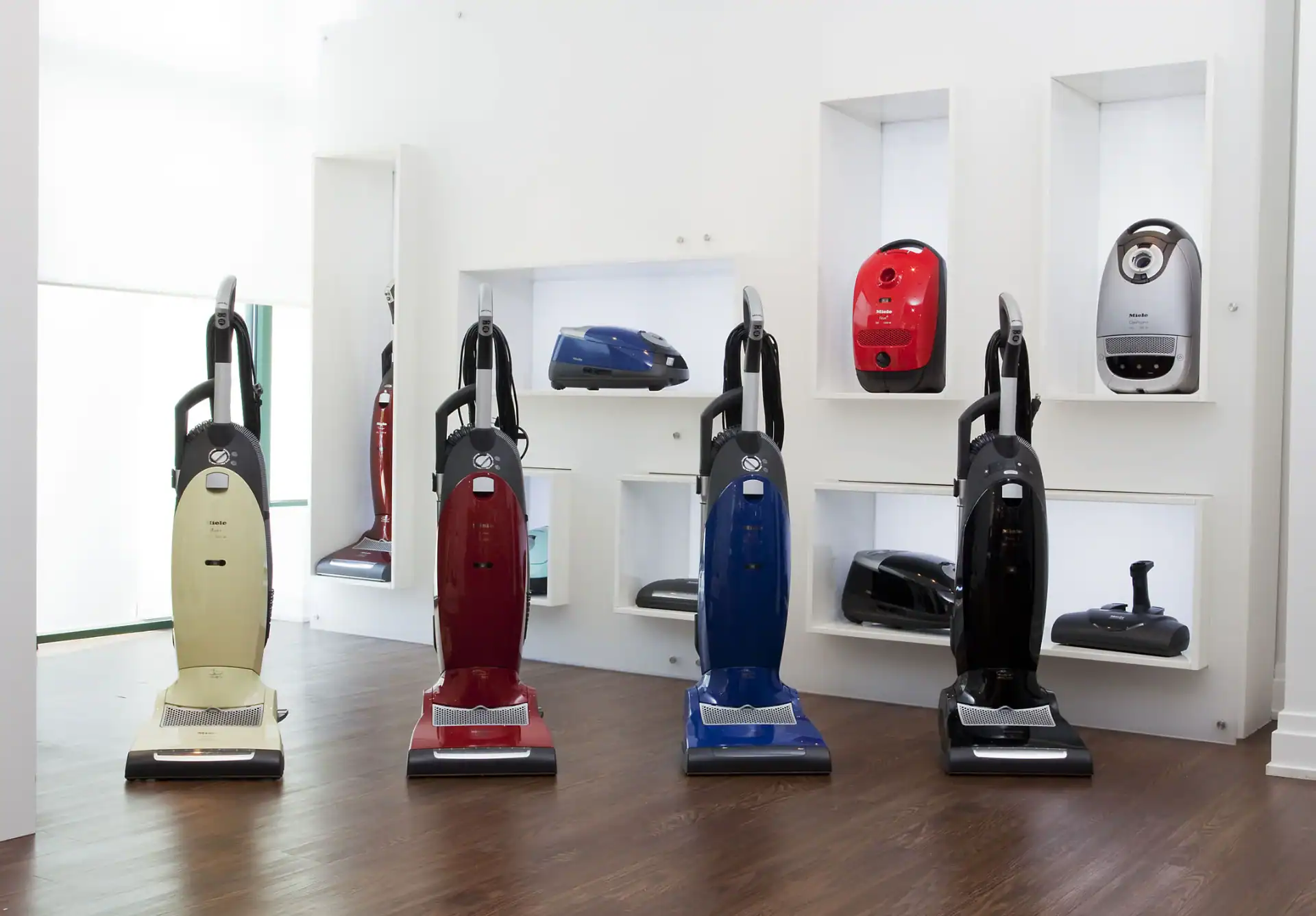
Разрыв в мощности: 600 Вт AC против 150 Вт DC
Переход от 150 Вт DC к 600 Вт AC означает переход от регулирования отдельных компонентов к полному управлению системой, включая коррекцию коэффициента мощности и сложную защитную изоляцию для прямого подключения к mains-сети.
Конструкция на 600 Вт AC — это не просто масштабированная версия 150-ваттного модуля. Это фундаментальный сдвиг в цепи питания. Если 150-ваттный DC-блок работает как подчинённый преобразователь в составе более крупной системы, то 600-ваттный AC-преобразователь служит главным шлюзом для промышленных или IT-нагрузок.
Архитектурные роли: полные передние каскады vs. составные модули
Ключевое различие заключается в том, где эти блоки находятся относительно источника питания. Система мощностью 600 Вт, например onsemi 600W-ACDC-GEVB, работает напрямую от сети переменного тока 110–230 В (синусоидальное среднеквадратичное). В то же время конвертеры на 150 Вт обычно устанавливаются после этапа предварительного регулирования высокого напряжения постоянного тока.
- Передний каскад переменного тока 600 Вт: Преобразование напряжения 110–230 В (синусоидальное среднеквадратичное) в 48 В при токе 12,5 А.
- Модуль постоянного тока 150 Вт: Работает от шины постоянного тока с номинальным напряжением +380 В (например, Power Integrations RD-239).
- КПД коррекции коэффициента мощности (PFC): Системы мощностью 600 Вт должны обеспечивать КПД около 97,1 % с использованием интерлированной схемы PFC.
- Частота коммутации: Каскады постоянного тока на 150 Вт работают на частоте до 250 кГц для обеспечения максимальной плотности компоновки в системах с предварительным регулированием.
При проектировании систем мощностью 600 Вт инженерам необходимо учитывать каскад коррекции коэффициента мощности для поддержания высокого КПД. Модули постоянного тока мощностью 150 Вт не требуют этого, так как предыдущий каскад уже стабилизирует шину высокого напряжения.
Технические характеристики: стандарты безопасности и тепловые показатели
Требования к безопасности ужесточаются по мере роста уровня мощности и входного напряжения. Системы, подключаемые к сети переменного тока, требуют строгого соблюдения изоляции и межпроводных расстояний, что не обязательно для маломощных модулей постоянного тока.
- Изоляция: До 4000 В перем. тока для импульсных блоков питания GAPTEC мощностью 150 Вт.
- Зазоры и пути утечки: Зазор первичной-вторичной обмотки 8 мм и длина пути утечки 9,2 мм (IEC 61800-5-2).
- Соответствие нормативным требованиям: Стандарты IEC/EN/UL 62368 и EN60335 для безопасности бытовых и информационных технологий.
- Целевые показатели производительности: Регулировка напряжения ±1%, пульсации 150–200 мВ п-п.
Для класса 600W AC требуется чередующаяся топология LLC-резонансного преобразователя для управления сложностью спецификации (BOM). Эта стратегия теплоотвода обеспечивает высокую плотность мощности без ущерба для строгого регулирования ±1%, необходимого для чувствительной промышленной электроники.
Почему проводные моторы обеспечивают превосходное всасывание
Прямое подключение к сети переменного тока обеспечивает мощность 1500W и всасывание 3000 Па. Эти моторы не ограничены разрядом батареи, сохраняя пиковый крутящий момент и обороты даже при сильном сопротивлении воздушного потока.
| Показатель эффективности | Сетевые модели | Аккумуляторные модели | Ручные модели |
|---|---|---|---|
| Давление всасывания (Па) | 2000 – 3000 Па | 1500 – 2500 Па | 1000 – 2000 Па |
| Типовая мощность | 500–1500 Вт | 200–400 Вт | 100–200 Вт |
| Потребляемый ток | 7–12 А (переменный ток) | Ограничения разряда батареи | Ограничения разряда батареи |
Непрерывное питание от сети переменного тока и стабильность тока
Шнуровые двигатели забирают энергию напрямую из электрической сети переменного тока, устраняя узкие места в производительности, присущие циклам разряда литий-ионных аккумуляторов. В то время как устройства с питанием от батареи страдают от “просадки напряжения” по мере разрядки, системы с сетевым подключением поддерживают ровную кривую мощности от начала до конца работы. Это позволяет инженерам использовать конструкции двигателей сквозного потока, которые приоритизируют чистую механическую работу над строгой энергоэффективностью, необходимой для портативных инструментов.
- Потребляемый ток переменного тока: 7–12 ампер непрерывно при напряжении 110–230 В в сети.
- Предел мощности: Поддерживает нагрузку до 1500 Вт, что далеко превосходит диапазон 100–200 Вт типичных ручной инструмента.
- Архитектура питания: Использует надежные входные блоки питания с коррекцией коэффициента мощности (PFC) для обеспечения эффективности до 97% при высоких нагрузках.
Входные блоки переменного тока высокой мощности лучше справляются с тепловыми нагрузками при интенсивной очистке, чем их аналоги постоянного тока. Промышленные компоненты в этих двигателях управляют теплом, генерируемым при длительной работе на высоких оборотах, гарантируя, что устройство не будет снижать производительность для защиты внутренней схемы.
Метрики всасывания: значения Па и динамика крутящего момента
Эффективность всасывания зависит от соотношения между током и механическим крутящим моментом. В системах с сетевым подключением крутящий момент двигателя масштабируется пропорционально квадрату тока при легких нагрузках. Эта зависимость означает, что удвоение тока дает четырехкратное увеличение крутящего момента, позволяя вентилятору преодолевать инерцию воздуха и поддерживать высокоскоростной поток даже при encounterе препятствий со стороны загрязнений.
- Минимальная мощность всасывания: Минимальный рейтинг 2000 Па, пиковое значение 3000 Па для глубокой экстракции из ковров.
- Динамика нагрузки: Аэродинамическое сопротивление снижает объём прокачиваемого воздуха, что парадоксальным образом уменьшает нагрузку на двигатель и повышает обороты до достижения максимального sealed-подсаса.
- Насыщение крутящего момента: Высоковольтное питание переменным током позволяет двигателю достигать пределов насыщения, недоступных аккумуляторным двигателям постоянного тока без чрезмерного увеличения массы.
При герметичном прилегании пылесборника к поверхности сетевые моторы используют отсутствие воздушного потока для увеличения оборотов вентилятора. Это создаёт необходимую разность давлений для подъёма тяжёлых частиц. Аккумуляторные устройства зачастую не обладают достаточным запасом тока для поддержания таких пиков, что приводит к снижению эффективности подъёма при глубокой очистке.
Преимущество AC-питания: стабильное напряжение против деградации батареи
Сетевое питание переменным током обеспечивает регулируемую стабильность в пределах ±5% согласно стандарту ANSI C84.1. Аккумуляторы же неизбежно деградируют из-за разряда, внутреннего сопротивления и химического снижения напряжения при циклическом использовании.
| Характеристика | Сетевое питание переменным током | Энергия постоянного тока, запасённая в аккумуляторе |
|---|---|---|
| Диапазон регулировки | 114 В – 126 В (±5%) | Варьируется в зависимости от уровня заряда (SOC) |
| Профиль напряжения | Постоянная синусоида | Линейное или ступенчатое снижение |
| Долгосрочная стабильность | Стабильность в течение всего срока службы | Снижение напряжения в цепи (400+ циклов) |
| Управление системой | Пассивная компенсация (трансформаторы/фидеры) | Активное управление (BMS и DC-DC регуляторы) |
Стабильность сети и соответствие стандартам ANSI C84.1 для поддержания постоянного напряжения
Электропитание от коммунальных сетей Северной Америки обеспечивает стабильный входной диапазон. Энергоснабжающие компании используют настройки ответвлений трансформаторов и спроектированные конфигурации распределительных фидеров, чтобы гарантировать постоянство сетевой синусоиды на протяжении всего срока службы оборудования. Это исключает необходимость закладывать избыточную мощность систем для компенсации резких скачков, характерных для химических источников энергии.
- Стандарт: Категория A по стандарту ANSI C84.1
- Питающее напряжение: 114–126 В (допуск ±5% от номинальных 120 В)
- Метод стабилизации: Регулировка ответвлений трансформатора и конфигурация распределительных фидеров
- Характеристики под нагрузкой: Распределительные сети минимизируют падения напряжения в установившемся режиме при нормальных значениях токов нагрузки

Динамика напряжения батареи: просадка, кривые разряда и деградация при циклировании
Напряжение батарей снижается на нескольких уровнях. Мгновенная просадка на клеммах возникает сразу после подключения нагрузки из-за внутреннего сопротивления. Этот эффект усиливается по мере износа батареи или при работе в условиях низких температур. Если сети переменного тока обеспечивают стабильность по умолчанию, то аккумуляторные системы требуют активного регулирования DC-DC для имитации постоянного выхода, необходимого двигателям и нагревателям.
- Профиль свинцово-кислотных батарей: На протяжении всего цикла разряда наблюдается почти линейное падение напряжения.
- Профиль литий-ионных батарей: Сохраняет плоский плато-участок с последующим резким падением напряжения вблизи заряда 0%.
- Снижение напряжения: Продвинутые катоды, такие как Li1.2Ni0.15Mn0.55Co0.1O2, подвержены структурной деградации, что приводит к снижению рабочего напряжения после 400–500 циклов.
- Ограничения в режиме ожидания: Инженерные стандарты часто ограничивают напряжение литий-ионных ячеек уровнем 4,00 В для обеспечения долгосрочной стабильности взамен на максимальную энергоёмкость.
- Температурная компенсация: Для свинцово-кислотных элементов требуется температурная компенсация -3…-4 мВ/°C на ячейку для поддержания безопасного напряжения на клеммах.
Разница между питанием от сети переменного тока и аккумуляторной системой — это вопрос накладных расходов. Базовое питание от сети переменного тока обеспечивает стабильное входное напряжение. Аккумуляторная система требует внедрения системы управления батареями (BMS) и дополнительных stages DC-DC преобразователей для достижения того же уровня производительности, что существенно увеличивает стоимость и сложность изделия.
Расширьте свой бренд с помощью высокопроизводительных пылесосов OEM/ODM

Бюджетная эффективность: почему проводные решения выгоднее в долгосрочной перспективе
Инструменты с сетевым питанием исключают необходимость замены аккумуляторов ($100) и снижения производительности, обеспечивая стабильную отдачу 5500 об/мин и более низкие начальные затраты для объектов с доступом к электропитанию.
Прямая экономия и скрытые расходы на обслуживание аккумуляторов
Покупка сетевого оборудования снижает первоначальные капитальные затраты за счёт отказа от проприетарных аккумуляторов и зарядных станций. Хотя беспроводные системы обеспечивают мобильность, они предполагают регулярные расходы на обслуживание, что увеличивает совокупную стоимость владения в течение стандартного трёхлетнего периода.
- Стоимость замены аккумулятора: $100 за единицу, требуется после примерно 1 000 циклов заряда по мере деградации ячеек.
- Накладные расходы на рабочий процесс: Исключает необходимость “переключения блоков” и использование избыточных аккумуляторных резервов для предотвращения простоев.
- Цена покупки: Сетевые модели значительно дешевле беспроводных версий, поскольку в них отсутствуют сложные цепи управления питанием.
Техническая долговечность: стабильная производительность против деградации беспроводных систем
Сетевой инструмент напрямую питается от сети переменного тока, часто используя высокоэффективные входные каскады мощностью 600 Вт при КПД 97%. Это обеспечивает стабильное питание двигателя независимо от длительности работы, предотвращая падение крутящего момента по мере разряда батареи.
- Производительность циркулярной пилы: Стабильная скорость 5 500 об/мин.
- Стандартные сверлильные станки: 3100 об/мин без потери мощности.
- Ударное сверление: 52700 IMP/мин для высокоинтенсивной обработки кладки.
- Эргономика: Снижение веса инструмента без установленной аккумуляторной батареи уменьшает усталость оператора при длительной шлифовке или сверлении в течение всего рабочего дня.
Архитектура переменного тока мощностью 600 Вт позволяет использовать компоненты с более высокими номинальными характеристиками и улучшенное тепловое проектирование. Это обеспечивает долговечность инструмента при интенсивных нагрузках, когда модули на постоянном токе мощностью 150 Вт могут перегреваться или срабатывать на защитное отключение при глубокой резке или интенсивном сверлении.
Надёжность и жизненный цикл стоимости
Инженеры коммерциализируют надежность, преобразуя СПН в годовые вероятности отказов, что позволяет проводить сравнение затрат за 25–40 лет и обосновывать инвестиции в профилактику против рисков неотслеживаемых отказов.
Количественная оценка надежности через СПН и моделирование риска отказов
Надежность — это математическая функция времени, а не качественная характеристика. Компонент со средним наработкой на отказ (СПН) 3 года имеет годовую вероятность отказа 28,341%. Снижение СПН до 2 лет снижает годовую надежность до примерно 60,651%. Эти вероятности позволяют инженерам рассчитывать конкретные денежные затраты в моделях совокупной стоимости владения (TCO).
Моделирование риска отказов коммерциализирует эти ставки путем учета ожидаемых затрат. Для компонента со стоимостью отказа 25000 USD модели учитывают полную сумму каждые два года или сглаживают стоимость риска ежегодно на основе вероятности, полученной из СПН. Эта прозрачность позволяет выявить стратегию с наименьшей стоимостью на протяжении всего жизненного цикла актива.
Прогнозное и профилактическое обслуживание последовательно представляет собой вариант с наименьшей совокупной стоимостью владения. Даже если такие модели требуют больших предварительных ресурсов, они превосходят реактивные модели за счет предотвращения катастрофических остановок. Например, профилактические инвестиции со приведенной стоимостью 2732 USD экономически обоснованы по сравнению с непредотвращенным будущим отказом, обошедшимся в 5000 USD на пятый год.
Стандарты, горизонты анализа и обязательные пороги совокупной стоимости владения
Регуляторные рамки определяют продолжительность и глубину анализа совокупной стоимости владения. Стандарты инженерной практики государственного сектора, включая Справочник NIST 135 и руководства штата Айова, устанавливают 25-летний период анализа по умолчанию для строительных систем. Руководство USACE ER 1110-1-8173 расширяет эти горизонты до 40 лет или до наименьшего общего кратного сроков службы альтернативных вариантов.
- Справочник NIST 135: Определяет критерии федерального налогового вычета США для энергосистем и строительных систем.
- Серия ISO 15686: Предоставляет международную основу для планирования срока службы и экономической устойчивости.
- BS/EN 16627: Стандартизирует правила закупки строительных услуг и экономического оценивания.
- ASHRAE 90.1: Выступает в качестве базового энергетического стандарта для оценки альтернатив военных строительных проектов USACE.
Инженерный анализ LCC должен охватывать полный спектр затрат на владение, чтобы быть действительным. Государственные руководства, такие как требования штата Айова, предписывают, чтобы любое предлагаемое решение демонстрировало LCC не выше, чем у базового уровня, соответствующего минимальным нормам, на протяжении 25 лет. Это сравнение должно явно включать следующие ключевые показатели:
- Первоначальные капитальные затраты: Затраты на приобретение, монтаж и пусконаладку.
- Моды технического обслуживания: Периодические, прогнозными, профилактические и коррективные расходы.
- Операционное воздействие: Капитальные ремонты, потери от простоя и вторичные повреждения от незапланированных остановок.
- Конец срока службы: Утилизация, сроки замены и остаточная ликвидационная стоимость.
Заключительные мысли
Беспроводное удобство — это ловушка производительности для промышленного или интенсивного уборочного обслуживания. Сетевое питание гарантирует пиковую мощность всасывания и термическую стабильность, которых аккумуляторы не могут обеспечить без огромных затрат и неизбежного химического деградации.
Отдавайте приоритет проводному оборудованию во всех зонах высокой интенсивности, чтобы исключить циклы замены аккумулятора T1P4T100. Проведите аудит жизненного цикла на 3 года, чтобы перевести тяжелые операции с недостаточно мощных аккумуляторных инструментов.
Часто задаваемые вопросы
Каково соотношение мощности всасывания (кПа) между вакуумным пылесосом переменного тока мощностью 600 Вт и беспроводной моделью постоянного тока мощностью 150 Вт?
Индустриальный стандарт мощности всасывания для вакуумных пылесосов переменного тока мощностью 600 Вт составляет от 14 до 18 кПа. Для моделей постоянного тока мощностью 150 Вт аккумуляторный вертикальный У моделей обычно составляет 8-12 кПа. Модель с AC-двигателем обеспечивает в 1,5–2 раза больше общей тяговой силы.
Оснащена ли единица тепловой защитой от перегрузки для высокомощного двигателя?
Да. Двигатели высокой мощности оснащены тепловой защитой от перегрузки, соответствующей стандарту IEC 60335-1. Это гарантирует безопасность эксплуатации при интенсивной уборке, предотвращая перегрев.
Расчет ли двигатель на непрерывную работу без периода ‘остывания’?
Да. Эти двигатели переменного тока поддерживают непрерывную работу продолжительностью более 30 минут. Они используют преимущества рассеивания тепла переменного тока, которые позволяют обойти тепловые ограничения, характерные для двигателей постоянного тока с батарейным питанием.

 English
  Español
  Français
  Deutsch
  Português do Brasil
  Русский
  한국어
한국어  日本語
日本語  العربية