 Zum Hauptinhalt springen Zum Footer springen

Die Wahl der richtigen Isolierung und des richtigen Materials für eine tragbare Kühltruhe entscheidet direkt über die Marktposition Ihres Produkts und die Anzahl der Garantieansprüche. Ein rotationsgeformtes Gehäuse verspricht eine robuste, nahezu unzerstörbare Leistung, während ein Metallgehäuse eine hochwertige Ästhetik bietet. Eine Diskrepanz zwischen dem Material und den Erwartungen Ihrer Kunden, wie z. B. ein verbeultes Aluminiumgerät, das für den Einsatz im Gelände vermarktet wird, kann die Glaubwürdigkeit Ihrer Marke und Ihre Gewinnspanne schnell untergraben.
Diese Analyse liefert die Daten, um eine fundierte Beschaffungsentscheidung zu treffen. Wir vergleichen rotationsgeformtes LLDPE mit Metalllegierungen hinsichtlich der Beulenfestigkeit, der passiven Kühlleistung von hochdichtem PU-Schaum und der funktionalen Widerstandsfähigkeit eines stoßfesten Designs, das bei einer Neigung von 30° funktioniert. Das Ziel ist es, die physische Beschaffenheit Ihres Geräts mit Ihrem Markenversprechen in Einklang zu bringen.
Rotationsformen (LLDPE): Ist es wirklich “bärensicher”?
Rotationsgeformtes LLDPE bietet eine hohe Haltbarkeit. Aber ein echter “bärensicherer” Status erfordert besondere Konstruktionsmerkmale und eine offizielle Zertifizierung, nicht nur ein starkes Material.
Materialstärke vs. zertifiziertes Design
Beim Rotationsformen von LLDPE entsteht eine nahtlose, einteilige Hülle. Dieses Verfahren führt zu dicken, gleichmäßigen Wänden, die das Endprodukt unglaublich haltbar und stoßfest machen. Es ist eine solide Grundlage für jeden robusten Behälter.
Aber Stärke allein macht etwas noch nicht “bärensicher”. Echter Bärenschutz entsteht durch spezielle Konstruktionsmerkmale, die ein Tier nicht überwinden kann. Dazu gehören spezielle Verriegelungsmechanismen und automatische Schließsysteme, die ein Bär unmöglich manipulieren kann. Das Material bildet die Hülle, aber die Beschläge sorgen für die Sicherheit.
Die offizielle Zertifizierung unterscheidet eine robuste Box von einer wirklich bärenresistenten Box. Organisationen wie das Interagency Grizzly Bear Committee (IGBC) vergeben diesen Status erst, nachdem ein Produkt strenge Tests mit lebenden Tieren bestanden hat.
Praktische Langlebigkeit für raue Bedingungen
Damit kommen wir zur praktischen Langlebigkeit unserer Kompressorkühlschränke. Sie verfügen über eine stoßfeste Konstruktion, die sicherstellt, dass der Kompressor auch bei einer Neigung von 30° effizient arbeitet. Dieses Konstruktionsniveau ist für die realen Anforderungen von Geländewagen und rauen Außenumgebungen ausgelegt.
Unsere Standard-Kühlboxen sind äußerst widerstandsfähig gegen Stöße und natürlich auch gegen Nagetiere. Sie halten fast allem stand, was man auf einer typischen Reise mit ihnen anstellen kann. Sie sind jedoch nicht als bärensicher zertifiziert und sollten nicht als solche für die Verwendung in ausgewiesenen bärengefährdeten Gebieten, in denen zertifizierte Behälter erforderlich sind, vermarktet werden.

Metallgehäuse: Hochwertige Ästhetik vs. Dellenrisiko.
Das Metallgehäuse des Kühlers ist ein Kompromiss. Leichtes Aluminium lässt sich leicht verbeulen, während schwerer Edelstahl ein hochwertiges Aussehen und eine hervorragende Beständigkeit gegen Beulen bietet. Die Wahl hängt vom Aussehen und der Robustheit ab.
| Merkmal | Aluminium | Rostfreier Stahl |
|---|---|---|
| Tragbarkeit/Gewicht | Ausgezeichnet (Leichtgewicht) | Schlecht (Schwer) |
| Widerstand gegen Dellen | Schlecht (weiches Material) | Ausgezeichnet (Überragende Stärke) |
| Korrosionsbeständigkeit | Ausgezeichnet | Ausgezeichnet |
| Primärer Anwendungsfall | Preisempfindliche Konsumgüter | Hochwertige, robuste Anwendungen |
Kompromisse bei Materialien: Aluminium vs. Edelstahl
Die Entscheidung zwischen Aluminium und Edelstahl läuft auf eine einfache Frage hinaus: Was ist Ihrem Kunden wichtiger, das Aussehen oder die Haltbarkeit? Aluminium bietet ein leichtes Gehäuse mit hoher Korrosionsbeständigkeit und ist daher leicht zu transportieren. Aber es ist ein weiches Metall, das beim Transport oder bei unsanfter Behandlung leicht verbeult und verkratzt.
Edelstahl sorgt für ein sauberes, modernes Aussehen und ist viel widerstandsfähiger gegen Dellen. Er hält Missbrauch stand. Der Nachteil ist sein Gewicht. Bei einem Produkt, das tragbar sein soll, kann ein zusätzliches Gewicht von mehreren Kilogramm ein großer Nachteil für den Endverbraucher sein. Dies ist ein klassischer technischer Kompromiss, bei dem man nicht alles haben kann.
Vorrang für Leistung mit stoßfestem Design
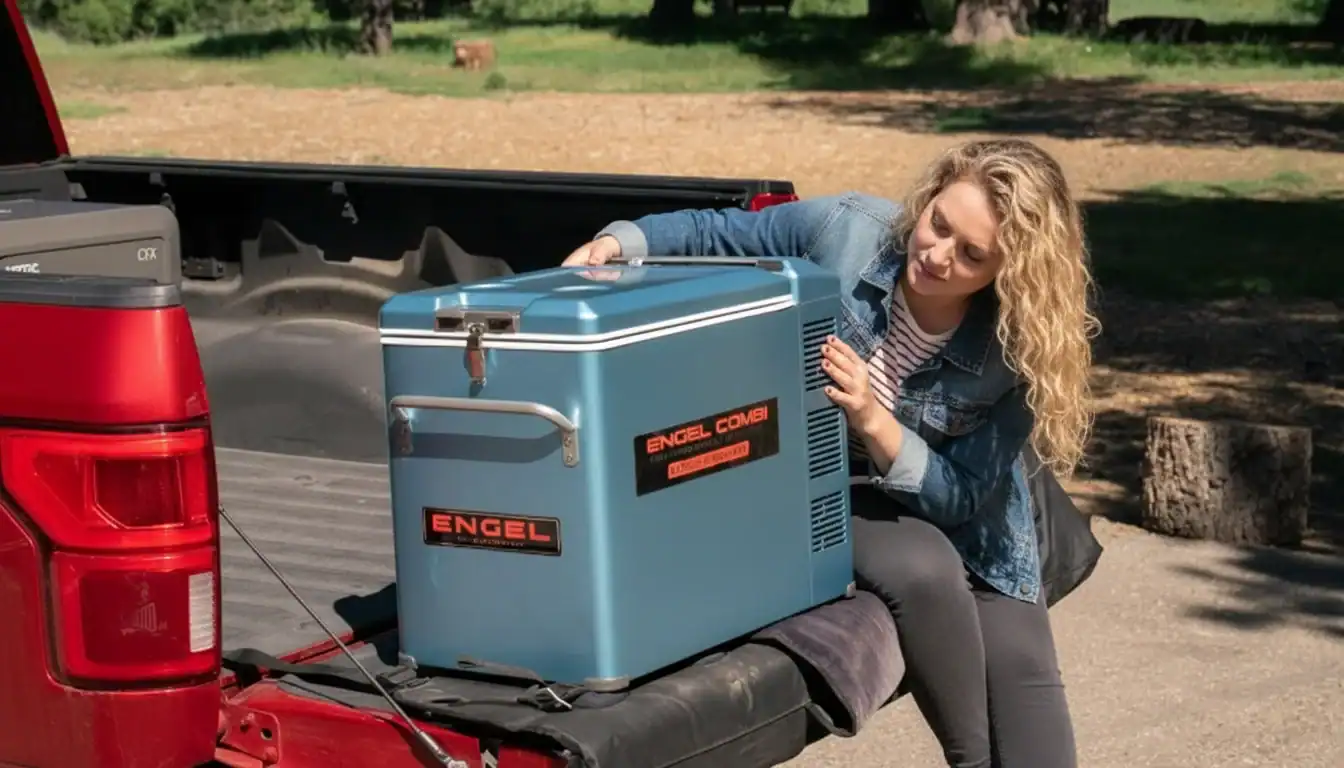
Während sich die Debatte um das äußere Material auf die Ästhetik konzentriert, wird die tatsächliche Leistung durch das Innendesign bestimmt. Unsere Kompressorkühlschränke verfügen über ein stoßfestes Design, das das Gerät auch bei einer Neigung von bis zu 30 Grad zuverlässig laufen lässt. Dies ist kein kosmetisches Merkmal - es ist eine wichtige Funktion für anspruchsvolle Umgebungen.
Für Kunden, die diese Kühler in 4×4-Geländewagen oder auf Booten einsetzen, ist das Gerät ständigen Vibrationen und Bewegungen ausgesetzt. Ein Standardkühler könnte versagen, aber diese Konstruktion gewährleistet eine gleichmäßige Kühlung. Es ist eine funktionale Widerstandsfähigkeit, die einen echten Mehrwert gegenüber einer einfachen Metallhülle bietet.
Quelle: Individuelle, zertifizierte Autokühler für Ihre Marke

Verschlüsse: T-Verschlüsse aus Gummi vs. Edelstahl - was hält am längsten?
Verschlüsse aus rostfreiem Stahl bieten überlegene Stärke und Langlebigkeit für schwere Lasten. T-Riegel aus Gummi bieten eine bessere Flexibilität, Stoßdämpfung und Korrosionsbeständigkeit und sind ideal für den Einsatz in der Schifffahrt oder bei starken Vibrationen.
T-Verschlüsse aus Gummi: Überlegene Flexibilität und Korrosionsbeständigkeit
T-Verschlüsse aus Gummi sind so konstruiert, dass sie sich biegen, Stöße absorbieren und Vibrationen dämpfen und gleichzeitig eine sichere Abdichtung gewährleisten. Ihre natürliche Korrosionsbeständigkeit macht sie zu einer zuverlässigen Wahl für den Einsatz in der Schifffahrt oder in chemischen Umgebungen, in denen Metall beschädigt werden kann. Der geformte Gummigriff ist auch mit Handschuhen leicht zu bedienen. Der größte Nachteil ist die Beeinträchtigung durch langfristige UV- und Temperatureinwirkung, die die Elastizität des Materials verringern kann.
Verschlüsse aus Edelstahl: Unerreichte Festigkeit und Langzeitbeständigkeit
Edelstahl bietet eine überragende Festigkeit und ist damit der Standard für Anwendungen mit schweren Lasten und wiederholtem Einsatz. Er bietet eine hervorragende Abriebfestigkeit und funktioniert jahrzehntelang zuverlässig bei minimaler Abnutzung. Daher eignet er sich perfekt für statische, schwer belastete Situationen, in denen rohe Festigkeit die Hauptanforderung ist. Seine Steifigkeit ist ein Nachteil bei starken Vibrationen, da er sich nicht biegen kann, um Stöße zu absorbieren.
Passive Kühlung: Kann es Eis für 3 Tage ohne Strom halten?
Ja, eine hochwertige Kühlbox kann Eis für mehr als 3 Tage aufbewahren, aber die Leistung hängt von ihrer Konstruktion ab. Der Erfolg hängt von der Qualität der Isolierung, der Vorkühlung und dem Verschließen des Deckels ab.
Schlüsselfaktoren, die die Eisspeicherung bestimmen
Wie lange ein Kühler ohne Strom kalt bleibt, ist keine Zauberei, sondern hängt von der Steuerung der Wärmeübertragung ab. Vier Variablen haben den größten Einfluss auf die Leistung.
- Qualität der Isolierung: Dies ist der wichtigste Faktor. Hochleistungsmodelle mit dichten Schaumstoff- oder Vakuumisolationspaneelen übertreffen Standardkühlboxen mit dünnen Wänden deutlich.
- Vor-Kühlung: Das Kühlen der Kühlbox mit Opfereis oder Kühlakkus vor dem Einfüllen des Hauptinhalts verlängert die Kühlzeit erheblich. Eine warme Kühlbox schmilzt die erste Ladung Eis, nur um sich selbst abzukühlen.
- Umgebungstemperatur: Eine Kühlbox, die an einem heißen Tag in direktem Sonnenlicht steht, verliert viel schneller ihre Kühle als eine im Schatten oder in einem kühlen Fahrzeug.
- Deckeldisziplin: Jedes Mal, wenn der Deckel geöffnet wird, entweicht kalte Luft und warme Luft strömt herein. Die Minimierung des Zugangs ist entscheidend für eine langfristige Eisspeicherung.
Die Rolle von hochdichtem PU-Schaum
KelyLands Kompressor-Kühlschränke werden mit hochdichtem PU-Schaum (Polyurethan) gebaut, einem hervorragenden Isolator, der kalte Luft effektiv einschließt. Dank dieser Isolierung können unsere Kompressorkühlschränke auch im ausgeschalteten Zustand über längere Zeiträume eine sichere Temperatur aufrechterhalten, da sie im Wesentlichen wie ein hochwertiger passiver Kühler funktionieren. Die im Betrieb gewonnene Energieeffizienz führt direkt zu einer längeren passiven Kühlung, wenn der Strom abgeschaltet wird.
Häufig gestellte Fragen
Ist das Gehäuse der Kühlbox aus rotationsgeformtem LLDPE hergestellt?
Ja, rotationsgeformtes LLDPE ist ein Standardmaterial für leistungsstarke tragbare Kühlboxen. Bei diesem Verfahren entsteht ein einziges, nahtloses Stück, das extrem haltbar und stoßfest ist. Es wird oft mit einer dicken Polyurethan-Isolierung kombiniert, um das Eishaltevermögen zu maximieren und ein robustes Äußeres zu schaffen, das für den Außeneinsatz geeignet ist.
Wie lange hält ein tragbarer Gefrierschrank Lebensmittel ohne Strom tiefgefroren?
Ein gut isolierter tragbarer Gefrierschrank kann Lebensmittel in der Regel 24 bis 48 Stunden lang gefroren halten, solange der Deckel geschlossen bleibt. Die Leistung hängt davon ab, wie voll das Gerät ist, von der Umgebungstemperatur und von der Qualität der Deckeldichtung. Ein voll gefüllter Gefrierschrank hält seine Temperatur länger als ein halbleerer.
Sind die Verschlüsse der Kühlboxen austauschbar?
Ja, die Verschlüsse der meisten tragbaren Kühlboxen sind so konzipiert, dass sie leicht ausgetauscht werden können. Wir bieten Ersatzkits an, die den neuen Verschluss und das erforderliche Befestigungsmaterial enthalten. Auf diese Weise können Sie die Lebensdauer Ihrer Kühlbox verlängern, wenn ein Verschluss durch regelmäßigen Gebrauch beschädigt wird.
Wie kann ich verhindern, dass sich im Gefrierschrank Eis ansammelt?
Eisbildung entsteht, wenn warme, feuchte Luft ins Innere gelangt. Am besten lässt sich das verhindern, wenn Sie den Deckel nicht zu lange offen lassen. Vergewissern Sie sich, dass die Deckeldichtung sauber ist und beim Schließen dicht hält. Lassen Sie außerdem heiße Lebensmittel auf Raumtemperatur abkühlen, bevor Sie sie in das Gerät stellen.
Abschließende Gedanken
Die Wahl zwischen rotationsgeformter Haltbarkeit und Metallästhetik definiert das Versprechen Ihrer Marke. Während bei Kühlboxen der Einstiegsklasse die Optik im Vordergrund steht, gewährleistet unser stoßfestes Kompressordesign die Funktion bei einer Neigung von 30°. Dies ist die Technik, die Rückgaben verhindert und Ihren Ruf auf dem Premium-Outdoor-Markt schützt.
Ein Datenblatt kann die Verarbeitungsqualität nicht vermitteln. Fordern Sie ein Musterstück an, um das Material und die Leistung aus erster Hand zu testen. Setzen Sie sich mit unserem Team in Verbindung, um Ihre Anforderungen an die Eigenmarke zu besprechen und Ihren Produktionsplatz zu sichern.

 English
  Español
  Français
  Deutsch
  Português do Brasil
  Русский
  한국어
한국어  日本語
日本語  العربية