 Zum Hauptinhalt springen Zum Footer springen
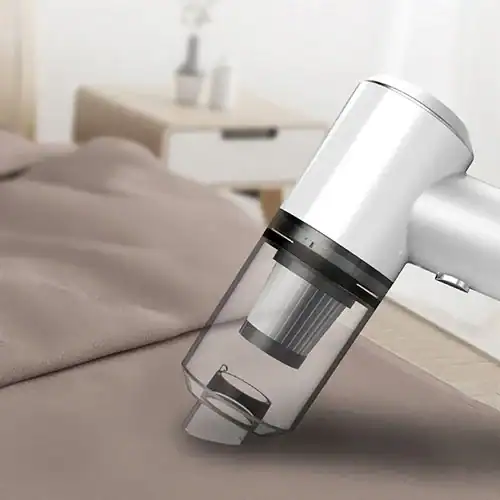
Die Entwicklung eines Hochleistungs-Saugsystems erfordert die Überwindung des “Voltage-Sag”-Effekts, der bei der Entladung von Lithium-Ionen-Zellen auftritt; während Akkugeräte frühzeitig ihr Spitzenlevel erreichen und dann einbrechen, ziehen kabelgebundene Motoren aus dem AC-Netz konstant 7–12 Ampere, um eine Saugleistungsspitze von 3000 Pa aufrechtzuerhalten. Dieser architektonische Vorteil ermöglicht 1500W dauerhafte Leistung, da die thermischen und entladungsbedingten Grenzen umgangen werden, die kabellose Alternativen dazu zwingen, die Leistung zu drosseln, wenn die Zellen nach 400+ Zyklen strukturell an Spannung verlieren.
Diese technische Analyse bewertet den Übergang von nachgelagerten DC-DC-Modulen zu vollwertigen AC-Vorschaltstufen und bezieht sich auf die Leistung des onsemi 600W-ACDC-GEVB und GAPTEC Isolationstests. Wir untersuchen, wie die Konformität mit ANSI C84.1 und IEC 62368 Normen ein gleichbleibendes Drehmoment und eine niedrigere Gesamtbetriebskosten im Vergleich zu den wiederkehrenden Mehrkosten der Akkupflege sicherstellt.
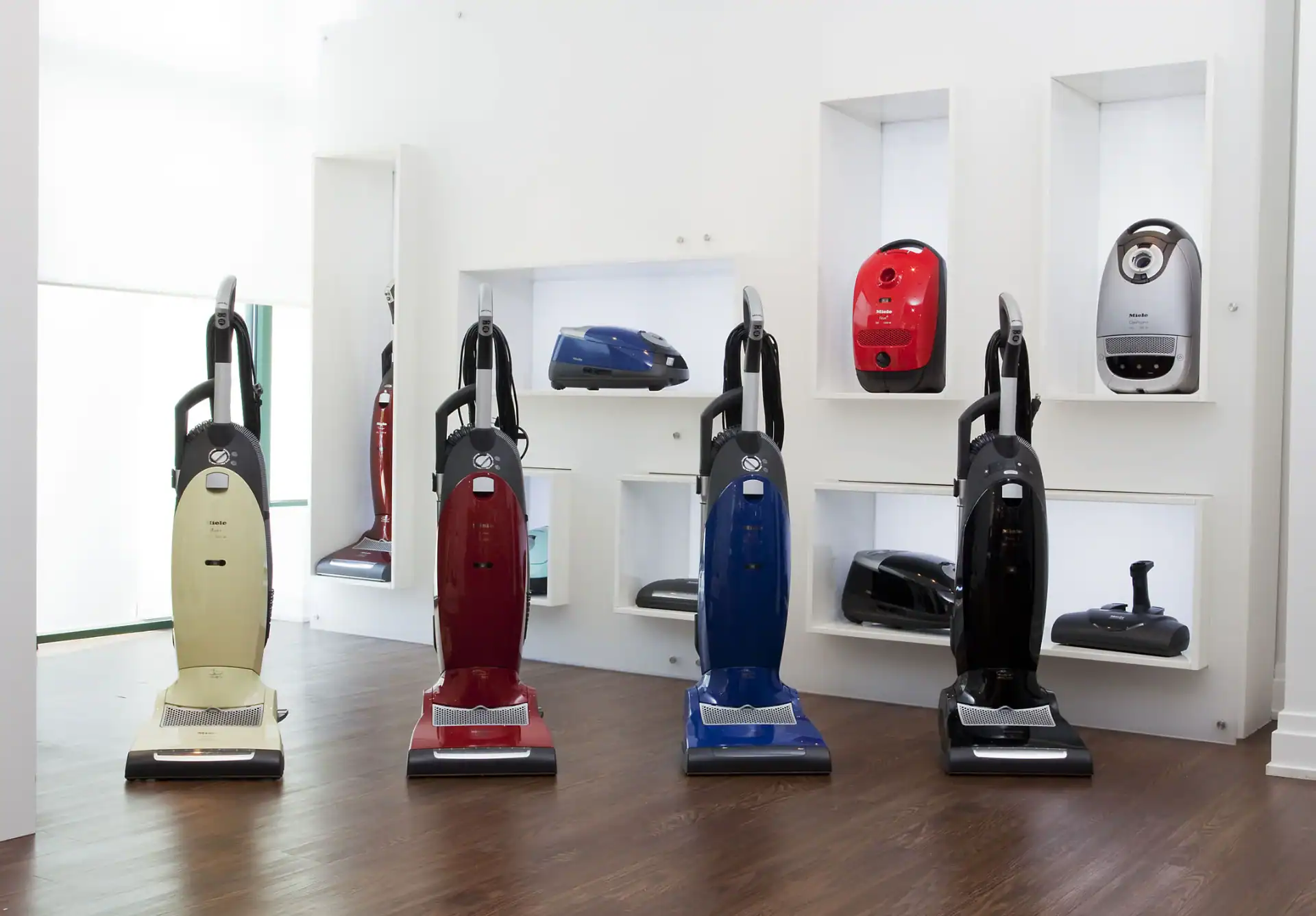
Die Leistungslücke: 600W AC vs. 150W DC
Der Wechsel von 150W DC auf 600W AC verschiebt den Fokus von der Komponentenregelung auf das gesamte Systemmanagement, wobei Power-Factor-Correction und komplexe Sicherheitsisolation für den direkten Netzanschluss hinzukommen.
Ein 600W-AC-Design ist nicht einfach eine hochskalierte Version eines 150W-Moduls. Es stellt einen fundamentalen Wandel in der Stromversorgungskette dar. Während ein 150W-DC-Gerät als untergeordneter Wandler in einem größeren System fungiert, dient die 600W-AC-Vorschaltstufe als primäre Schnittstelle für industrielle oder IT-Belastungen.
Architektur-Rollen: Vollständige System-Netzteil-Vorstufen vs. nachgelagerte Module
Der Unterschied liegt in der Positionierung dieser Einheiten im Verhältnis zur Stromquelle. Ein 600-W-System wie das onsemi 600W-ACDC-GEVB verarbeitet die rohe 110–230 Vrms-Wechselspannung des öffentlichen Netzes direkt. Im Gegensatz dazu befinden sich 150-W-Gleichstromwandler typischerweise hinter einem vorgeregelten Hochspannungs-Gleichstrom-Zwischenkreis.
- 600-W-AC-Networkingang: Wandelt 110–230 Vrms in 48 V bei 12,5 A um.
- 150-W-Gleichstrommodul: Arbeitet mit einer nominalen +380-V-Gleichstromschiene (z. B. Power Integrations RD-239).
- PFC-Wirkungsgrad: 600-W-Systeme müssen mit verschränkten PFC-Stufen einen Wirkungsgrad von ca. 97 % erreichen.
- Schaltfrequenz: 150-W-Gleichstromstufen zielen auf bis zu 250 kHz ab, um die Leistungsdichte in vorgeregelten Umgebungen zu maximieren.
Ingenieure müssen bei 600-W-Entwürfen die PFC-Stufe berücksichtigen, um den Wirkungsgrad aufrechtzuerhalten. 150-W-Gleichstromeinheiten umgehen diese Komplexität, da die vorgeschaltete Stufe den Hochspannungsbus bereits stabilisiert hat.
Technische Benchmarks: Sicherheitsstandards und thermisches Verhalten
Die Sicherheitsanforderungen steigen mit zunehmender Leistungsstärke und Eingangsspannung. Direkt an das Wechselspannungsnetz angeschlossene Systeme erfordern eine strenge Isolation und ausreichende Kriechstreckenabstände, für die kleinere Gleichstrommodule keine Notwendigkeit sehen.
- Isolierung: Bis zu 4000 VAC für GAPTEC 150-W-Gleichstromnetzteile.
- Kriechstrecke und Lichtbogenfestigkeit: 8mm Primär-Sekundär-Abstand und 9,2mm Kriechstrecke (IEC 61800-5-2).
- regulatory Konformität: IEC/EN/UL 62368 und EN60335 Standards für Geräte- und IT-Sicherheit.
- Leistungsziele: Spannungsregelung bei ±1% mit Welligkeit zwischen 150–200 mV p-p.
Die 600W AC-Klasse erfordert verschachtelte LLC-resonante Topologien, um die Komplexität der Stückliste (BOM) zu beherrschen. Diese thermische Managementstrategie stellt sicher, dass das Gerät hohe Dichte bewältigt, ohne die enge ±1%-Regelung zu beeinträchtigen, die für empfindliche Industrieelektronik erforderlich ist.
Warum kabelgebundene Motoren eine überlegene Saugleistung bieten
Der direkte Wechselstromnetzbezug ermöglicht 1500W Leistung und 3000 Pa Unterdruck. Diese Motoren umgehen die Entladegrenzen von Batterien, um ein Spitzendrehmoment und eine Drehzahl auch bei starkem Luftwiderstand aufrechtzuerhalten.
| Leistungskennzahl | Netzbetriebene Geräte | Akkubetriebene Geräte | Handgeräte |
|---|---|---|---|
| Unterdruck (Pa) | 2000 – 3000 Pa | 1500 – 2500 Pa | 1000 – 2000 Pa |
| Typische Leistung | 500W – 1500W | 200W – 400W | 100W – 200W |
| Stromaufnahme | 7 – 12 Ampere (Wechselstrom) | Battery Discharge Ltd | Battery Discharge Ltd |
Unbegrenzter Wechselstrom und Stromstabilität
Netzbetriebene Motoren beziehen Energie direkt aus dem Wechselstromnetz und beseitigen die Leistungsbottlenecks, die den Lithium-Ionen-Entladungsklassen inhärent sind. Während Akkugeräte bei sinkender Ladung unter “Voltage Sag” leiden, bieten Netzbetriebene Systeme von Anfang bis Ende eine flache Leistungscharakteristik. Dies ermöglicht es Ingenieuren, Durchflussmotorkonzepte zu nutzen, die mechanische Rohleistung vor strikter Energieeffizienz priorisieren, wie sie für tragbare Geräte erforderlich ist.
- Stromaufnahme (Wechselstrom): 7–12 Ampere dauerhaft bei 110–230 V Netzspannung.
- Leistungenlimit: Unterstützt Lasten bis 1500 W; weit über dem Bereich typischer Handgeräte von 100–200 W.
- Power Architecture: Verwendet robuste Front-End-Versorgungen mit PFC (Power Factor Correction) für bis zu 97%-Effizienz bei hohen Lasten.
Wechselstrom-Vorderseiten mit hoher Leistung bewältigen die thermischen Anforderungen bei anspruchsvollen Reinigungsarbeiten besser als Gleichstromvarianten. Industrietaugliche Komponenten in diesen Motoren managen die bei anhaltendem Hochdrehzahlbetrieb erzeugte Wärme und stellen sicher, dass das Gerät die Leistung nicht zum Schutz der internen Elektronik drosselt.
Saugleistungswerte: Pa-Bewertungen und Drehmomentdynamik
Die Saugleistung hängt vom Verhältnis zwischen Strom und mechanischem Drehmoment ab. Bei netzbetriebenen Systemen skaliert das Motorendrehmoment unter Leichtlast quadratisch mit dem Strom. Diese Beziehung bedeutet, dass eine Verdopplung des Stroms eine vierfache Drehmomentsteigerung bewirkt, sodass der Ventilator die Trägheit der Luft überwinden und einen Hochgeschwindigkeits-Luftstrom aufrechterhalten kann, selbst wenn die Düse auf Schmutz widerstand stößt.
- Saugboden: Mindestens 2000 Pa Nennwert, Spitzenwerte von bis zu 3000 Pa zur Tiefenreinigung von Teppichen.
- Ladynamik: Der Luftwiderstand reduziert das verarbeitete Luftvolumen, was paradoxerweise die Motorbelastung senkt und die Drehzahl erhöht, bis eine abgeschlossene maximale Saugleistung erreicht ist.
- Drehmomentsättigung: Hochspannungs-Wechselstromversorgung ermöglicht dem Motor das Erreichen von Sättigungsgrenzen, die batteriebetriebene Gleichstrommotoren ohne übermäßiges Gewicht nicht erreichen können.
Wenn sich der Staubsaugerkopf gegen eine Oberfläche abdichtet, nutzen kabelgebundene Motoren das Fehlen von Luftstrom, um den Lüfter schneller zu drehen. Dies erzeugt den für das Anheben schwerer Partikel erforderlichen Hochdruckunterschied. Batteriegeräte verfügen häufig nicht über den notwendigen Stromreserve, um diese Spitzen aufrechtzuerhalten, was zu einer schwächeren Hubkraft bei Tiefenreinigungsmanövern führt.
Der AC-Leistungsvorteil: Konstante Spannung vs. Akkunausfall
Wechselstrom-Netzversorgung bietet regelbare Stabilität innerhalb von ±5 V / TP3 T entsprechend ANSI C84.1. Batterien unterliegen einem inhärenten Rückgang aufgrund des Entladezustands, des Innenwiderstands und des zyusbasierten chemischen Spannungsabfalls.
| Merkmal | Wechselstrom-Netzversorgung | Batterie-gespeicherter Gleichstrom |
|---|---|---|
| Regelbereich | 114 V – 126 V (±5 V / TP3 T) | Variiert je nach Ladezustand (SOC) |
| Spannungsprofil | Konstante Wellenform | Linearer oder Plateau-Rückgang |
| Langfristige Stabilität | Gleichbleibende Leistung über die gesamte Lebensdauer | Strukturelle Spannungsabfälle (400+ Zyklen) |
| Systemverwaltung | Passiv (Transformatoren/Leitungen) | Aktiv (BMS und Gleichspannungs-Regelung) |
Netzstabilität und ANSI C84.1-Standards für konstante Spannung
Das Stromversorgungsnetz in Nordamerika bietet ein vorhersehbares Eingangsleistungsspektrum. Die Versorgungsunternehmen nutzen Transformatoren-Abgriffseinstellungen und konstruierte Leitungsauslegungen, um sicherzustellen, dass die Wechselspannungswelle während der gesamten Lebensdauer der Geräte konstant bleibt. Dies eliminiert die Notwendigkeit, Systeme zur Kompensierung der großen Schwankungen zu überdimensionieren, wie sie bei chemischen Energiequellen auftreten.
- Norm: ANSI C84.1 Bereich A
- Versorgungsspannung: 114V bis 126V (±5% von 120V Nennspannung)
- Regelungsverfahren: Transformatoren-Abgriffseinstellung und Verteilungsleitungsdesign
- Lastverhalten: Verteilungsnetze minimieren den stationären Zustand Spannungsabfall im normalen Lastbereich

Batterieschwingungen: Spannungseinbruch, Entladekurven und Zyklischer Verfall
Batterien unterliegen mehrfachen Spannungsabfällen. Sofortiger Klemmenspannungseinbruch tritt beim Lastaufbau aufgrund des Innenwiderstands auf. Dieser Effekt verstärkt sich mit zunehmender Alterung oder Betrieb bei niedrigen Temperaturen. Während Wechselstromsysteme von Natur aus Stabilität bieten, erfordern Batterieanlagen eine aktive DC-DC-Regelung, um für Motoren und Heizgeräte eine konstante Ausgangsspannung nachzuahmen.
- Blei-Säure-Profil: Zeigt einen nahezu linearen Spannungsabfall über den gesamten Entladezyklus.
- Li-Ion-Profil: Hält ein flaches Plateau, gefolgt von einem steilen Abfall nahe der 0%-Ladung.
- Spannungsabfall: Fortschrittliche Kathoden wie Li1.2Ni0.15Mn0.55Co0.1O2 erfahren strukturelle Degradation und einen Abfall der Entladespannung nach 400–500 Zyklen.
- Standby-Begrenzungen: Technische Zielvorgaben begrenzen Lithium-Ionen-Zellen oft auf 4,00 V pro Zelle, um Spitzenenergie gegen langfristige Stabilität einzutauschen.
- Temperaturkompensation: Blei-Säure-Zellen benötigen -3 bis -4 mV/°C pro Zelle, um eine sichere Klemmspannung aufrechtzuerhalten.
Die Lücke zwischen Wechselstrom- und Batteriestrom liegt im Verwaltungsaufwand. Ein einfaches Wechselstromnetz bietet eine stabile Eingangsspannung. Ein Batteriesystem erfordert hingegen ein Batteriemanagementsystem (BMS) sowie sekundäre Gleichstrom-Gleichstrom-Stufen, um diese Leistungsniveaus zu erreichen, was die Kosten und die Komplexität der Konstruktion erheblich erhöht.
Skalieren Sie Ihre Marke mit leistungsstarken OEM/ODM-Staubsaugern

Budgeteffizienz: Warum kabelgebundene Systeme langfristig besser Wert bieten
Netzteile eliminieren $100 Batteriewechsel und Leistungsabfälle und gewährleisten eine konstante Drehzahl von 5.500 U/min sowie geringere Anfangsinvestitionen an stromversorgten Einsatzorten.
Anschaffungsersparnis und versteckte Kosten der Batterie wartung
Die Anschaffung kabelgebundener Geräte senkt die Anfangsinvestitionen, da keine proprietären Akkus und Ladestationen benötigt werden. Obwohl kabellose Systeme Mobilität bieten, verursachen sie wiederkehrende Wartungsverpflichtungen, die die Gesamtbetriebskosten über einen Zeitraum von drei Jahren erhöhen.
- Kosten für den Batteriewechsel: $100 pro Einheit, erforderlich nach ca. 1.000 Ladezyklen aufgrund der Zell Degradation.
- Workflow-Overhead: Beseitigt das “Pack-Juggling” und die Notwendigkeit redundanter Batterie-Reserven zur Vermeidung von Ausfallzeiten.
- Kaufpreis: Kabelgebundene Modelle kosten deutlich weniger als kabellose Varianten, da sie auf komplexe Leistungssteuerungselektronik verzichten.
Technische Langlebigkeit: Dauerhafte Leistung vs. kabellose Degradation
Kabelgebundene Werkzeuge beziehen Strom direkt aus dem Wechselstromnetz und nutzen oft hocheffiziente Vorschaltgeräte mit 600W Ausgangsleistung und 97%-Wirkungsgrad. Dies stellt sicher, dass der Motor unabhängig von der Betriebsdauer gleichmäßig Strom erhält und verhindert den Drehmomentabfall, der beim Entladen der Batteriespannung auftritt.
- Leistung des Kreissägens: 5.500 U/min gleichbleibende Drehzahl.
- Standard-Bohrmaschinen: 3.100 U/min ohne Leistungseinbruch.
- Hammerbohren: 52.700 BPM für hochwirksames Mauerwerksbohren.
- Ergonomie: Geringeres Werkzeuggewicht ohne montierten Akku-Block reduziert die Belastung des Bediener bei ganztägigen Schleif- oder Bohrarbeiten.
Die 600-W-Wechselstrom-Architektur ermöglicht höhere Komponentenspezifikationen und eine bessere thermische Auslegung. Das führt zu einem Werkzeug, das bei Hochleistungszyklen Stand hält, bei denen 150-W-Gleichstrom-Netzteile durchbrennen oder bei tiefen Schnitten oder intensiven Bohrungen eine Schutzabschaltung auslösen.
Ingenieurtechnische Zuverlässigkeit und Lebenszykluskosten
Ingenieure monetarisieren Zuverlässigkeit, indem sie MTBF in jährliche Ausfallwahrscheinlichkeiten umrechnen und so 25- bis 40-jährige Kostenvergleiche ermöglichen, die präventive Investitionen gegen ungedeckte Ausfallrisiken rechtfertigen.
Quantifizierung der Zuverlässigkeit durch MTBF und Ausfallrisikomodellierung
Zuverlässigkeit ist eine mathematische Funktion der Zeit, kein qualitatives Merkmal. Eine Komponente mit einer mittleren Zeit zwischen Ausfällen (MTBF) von 3 Jahren weist eine jährliche Ausfallwahrscheinlichkeit von 28,341 % auf. Die Reduktion dieses MTBF auf 2 Jahre senkt die jährliche Zuverlässigkeit auf etwa 60,651 %. Diese Wahrscheinlichkeiten ermöglichen Ingenieuren, harte Kosten in Lebenszykluskostenmodelle (LCC) einzubeziehen.
Die Modellierung von Ausfallrisiken monetarisiert diese Raten durch Abbuchung erwarteter Kosten. Für eine Komponente mit einer Ausfallkostenhöhe von 1.250 EUR buchen Modelle den vollen Betrag alle zwei Jahre oder gleichen das Risiko jährlich auf Basis der MTBF-abgeleiteten Wahrscheinlichkeit aus. Diese Transparenz identifiziert die kostengünstigste Strategie über die Lebensdauer der Anlage.
Vorausschauende und präventive Instandhaltungsstrategien stellen konsistent die Option mit den niedrigsten Lebenszykluskosten dar. Auch wenn diese Modelle höhere Anfangsinvestitionen erfordern, schlagen sie reaktive Modelle aus, indem sie katastrophale Ausfälle vermeiden. Ein Beispiel: Eine präventive Investition mit einem Gegenwartswert von 1.270 EUR ist wirtschaftlich gerechtfertigt gegenüber einem ungedeckten künftigen Ausfall von 1.500 EUR im fünften Jahr.
Standards, Analysezeiträume und verbindliche LCC-Schwellenwerte
Gesetzgeberische Rahmenbedingungen bestimmen die Dauer und Tiefe der LCC-Analyse. Normen für öffentlichen Sektor, einschließlich des NIST-Handbuchs 135 und der Iowa-Richtlinien zur LCC-Analyse, verlangen einen Standardanalyszeitraum von 25 Jahren für Gebäudeanlagen. Das USACE ER 1110-1-8173 erweitert diese Horizonte auf 40 Jahre oder auf das niedrigste gemeinsame Vielfache der alternativen Nutzungsdauern.
- NIST-Handbuch 135: Legt die US-bundesweiten Kriterien für die Energie- und Gebäudesystemvergünstigungen fest.
- ISO-15686-Reihe: Bietet den internationalen Rahmen für die Nutzungsdauerplanung und wirtschaftliche Nachhaltigkeit.
- BS/EN 16627: Standardisiert die Vorschriften für Bauvergaben und Wirtschaftlichkeitsberechnungen.
- ASHRAE 90.1: Dient als Ausgangsstandard für die Bewertung von USACE-Alternativen im militärischen Hochbau.
Engineering LCC muss das gesamte Spektrum der Besitzkosten erfassen, um gültig zu sein. State guidelines, wie zum Beispiel in Iowa, fordern, dass jeder vorgeschlagene Entwurf einen 25-jährigen LCC nachweist, der gleich oder niedriger ist als der eines code-minimum baseline. Dieser Vergleich muss explizit die folgenden Datenpunkte enthalten:
- Großschreibung des Anfangsbuchstabens: Anschaffungs-, Installations- und Inbetriebnahmekosten.
- Wartungsmodi: Periodische, prädiktive, vorbeugende und korrigierende Ausgaben.
- Betriebsauswirkungen: Hauptüberholungen, Stillstandsverluste und Folgeschäden durch ungeplante Ausfälle.
- Lebenszyklusende: Umweltgerechte Entsorgung, Ersatzzeitpunkt und Restwert.
Abschließende Gedanken
Kabellose Bequemlichkeit ist bei anspruchsvollen industriellen oder Reinigungsarbeiten eine Leistungsfalle. Wechselstrom (AC) garantiert eine Saugleistung und thermische Stabilität auf Spitzenniveau, die Batterien ohne massive Mehrkosten und unvermeidbare chemische Ausfälle nicht erreichen können.
Setzen Sie in allen Hochleistungs-Zonen auf netzbetriebene Geräte, um den Batteriewechselzyklus für das Modell $100 zu eliminieren. Führen Sie eine Lebenszyklus-Prüfung über 3 Jahre durch, um schwergängige Betriebsabläufe von unterdimensionierten, batterieabhängigen Werkzeugen wegzuverlagern.
Häufig gestellte Fragen
Wie unterscheidet sich die Saugleistung (in kPa) zwischen einem 600W-AC-Staubsauger und einem 150W-DC-kabellosen Modell?
Die industrielle Standardsaugleistung für 600W-AC-Staubsauger liegt im Bereich von 14–18 kPa. Bei 150W-DC kabelloser Staubsauger-Stab Modelle erreichen typischerweise 8–12 kPa. Das AC-Modell liefert die 1,5- bis 2-fache Saugkraft.
Ist das Gerät mit einem Wärmeschutz für den Hochleistungsmotor ausgestattet?
Ja. Hochleistungsmotore sind mit einem Wärmeschutz nach IEC 60335-1 ausgestattet. Dieser gewährleistet den Betriebsschutz bei anspruchsvollen Reinigungsarbeiten, indem eine Überhitzung vermieden wird.
Ist der Motor für den Dauerbetrieb ohne ‘Abkühlphase’ ausgelegt?
Ja. Diese AC-Motoren unterstützen einen Dauerbetrieb von über 30 Minuten. Sie nutzen die Vorteile der AC-Wärmeableitung und umgehen die thermischen Grenzen, die bei batteriebetriebenen DC-Motoren üblich sind.

 English
  Español
  Français
  Deutsch
  Português do Brasil
  Русский
  한국어
한국어  日本語
日本語  العربية