 Zum Hauptinhalt springen Zum Footer springen

Jeder Beschaffungsleiter, mit dem ich zu tun hatte, kennt eine Geschichte über einen Luftpumpenleistungstest, der auf dem Papier gut aussah, aber in der Praxis versagte. Die Probe hat im Labor des Lieferanten alle Spezifikationen erfüllt, dann kommt die erste Containerladung an und die tatsächliche Durchflussmenge ist um 30% niedriger. Das ist kein Qualitätsmangel, sondern eine Fehlanpassung bei der Prüfung.
Das Problem ist, dass die Standardprüfstände in der Fabrik unter idealen Bedingungen laufen: offene Luft, kein Gegendruck, Raumtemperatur. Aber der Kühlkreislauf eines tragbaren Kühlschranks oder eines EV-Ladegeräts zwingt die Pumpe, gegen einen Widerstand von 15-20 cmH2O zu drücken. Ich habe beobachtet, wie das Muster eines Lieferanten auf dem Prüfstand 150 l/min erreichte und dann unter einer 20 cm hohen Drosselung auf 80 l/min fiel. Diese 40%-Lücke macht die Spezifikation Ihres Produkts zunichte. Die Lösung? Verlangen Sie eine Testkurve bei drei Staudruckstellen bevor Sie ein Muster genehmigen. Jeder Anbieter, der zögert, hat seine Hausaufgaben nicht gemacht.
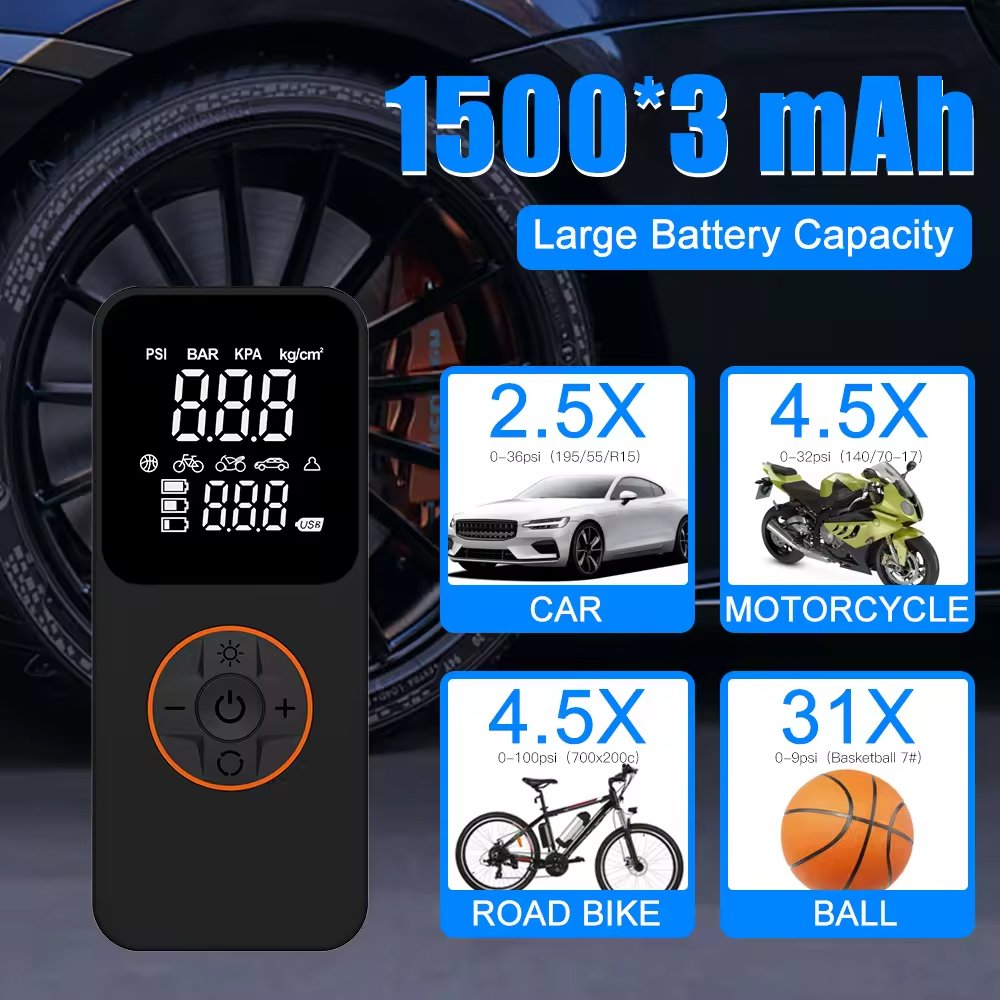
Benchmarks für Druck und Durchfluss
Die werkseitigen Leistungskurven werden auf Meereshöhe und bei 20 °C gemessen. Wenn Sie die gleiche Pumpe in ein Lagerhaus in 2.250 m Höhe transportieren, verlieren Sie ~15% des Nenndurchflusses. Die Kurve ist keine Garantie - sie ist ein Ausgangspunkt.
Die Kurve lesen: Druck vs. Durchfluss ist nicht optional
Jede namhafte Luftpumpe wird mit einer Leistungskurve ausgeliefert - einem Diagramm, das den Förderdruck auf einer Achse und die Fördermenge auf der anderen Achse darstellt. Die Kurve ist abfallend: Mit steigendem Gegendruck sinkt der Förderstrom. Eine Pumpe, die bei 0 mbar eine Förderleistung von 300 m³/h angibt, wird diese bei 500 mbar nicht mehr erreichen. Die Steigung gibt Aufschluss über den optimalen Betriebsbereich der Pumpe. Wenn der Lieferant Ihnen eine einzige Zahl für den Förderstrom nennt, ohne den Druck anzugeben, ist das keine Spezifikation. Es handelt sich um eine Marketingzahl. Wir testen jedes Seitenkanalgebläse anhand der veröffentlichten Kurve an drei Belastungspunkten - freie Luft, mittlerer Bereich und nahe dem Totraum - bevor wir es als versandfertig bezeichnen.
Die drei Zahlen, die Sie überprüfen müssen
Wenn Sie einen Leistungstest für Luftpumpen durchführen, achten Sie auf drei kritische Werte. Wenn Sie auch nur eine davon verfehlen, riskieren Sie, dass die Pumpen in den Händen Ihrer Kunden ausfallen.
- Erforderlicher Förderdruck: Der Gegendruck, mit dem die Pumpe in ihrer Anwendung konfrontiert wird. Ein Staubsauger benötigt einen niedrigeren Druck als eine aufblasbare SUP-Pumpe. Vergewissern Sie sich, dass die Pumpe ihren Nenndurchfluss bei diesem spezifischen Gegendruck liefert.
- Verfügbarer Lufteingangsdruck: Oft übersehen, aber entscheidend. Wenn die Pumpe durch einen Filter oder einen langen Schlauch saugt, verringert sich die Leistung durch die Einlassbeschränkung. In großer Höhe (z. B. Mexiko-Stadt auf 2.250 m) ist der Einlassdruck bereits niedriger, was Sie etwa 1,2% Druckerzeugung pro 100 m Höhe kostet.
- Erforderliche Durchflussmenge: Die pro Stunde benötigte Luftmenge. Bei Modellen mit Containerlast im Bereich von 80-300 m³/h liegt die zulässige Toleranz bei ±5% der Nennkurve. Dies ist nicht verhandelbar.
Ideale Werksspezifikationen vs. Verluste in der Realität
Die Werkskurven werden auf einem Prüfstand unter kontrollierten Bedingungen erstellt - Meereshöhe, 20 °C, saubere gefilterte Luft, keine Ansaugbeschränkungen. Ihre Realität wird anders aussehen. Der häufigste verborgene Verlust entsteht durch Spannungs-Frequenz-Fehlanpassung. Eine Pumpe, die für 60 Hz gewickelt ist und mit einer 50-Hz-Versorgung betrieben wird, verliert etwa 17% ihrer Druckleistung. Wir beobachten, dass Importeure in Regionen mit 50-Hz-Netzen 60-Hz-Pumpen kaufen, weil der Preis niedriger ist. Diese Entscheidung kostet sie fast ein Fünftel der Pumpenleistung, bevor die Pumpe überhaupt in Betrieb genommen wird. Zu den weiteren Belastungen in der Praxis gehören verschmutzte Filter, unterdimensionierte Rohrleitungen und Umgebungstemperaturen von über 40 °C, die den Druck auf die Pumpe erhöhen können. Temperatur des Motorgehäuses nach 30 Minuten Dauerbetrieb den Schwellenwert von 80 °C überschreiten.
Die 10%-Abweichungsschwelle: Wann man ablehnen sollte
Legen Sie eine feste Regel fest: Jedes Gerät, das im angegebenen Betriebspunkt um mehr als 10% von der Nenndurchfluss- oder Druckkurve abweicht, ist ein Ausschuss. Dies ist nicht willkürlich. Ein Durchflussdefizit von 10% bedeutet, dass die Pumpe 10% länger braucht, um eine Matratze aufzublasen oder Staub aus einem Filterbeutel zu entfernen, was sich direkt in Kundenbeschwerden und Garantieansprüchen niederschlägt. Wir lehnen Geräte, die diesen Grenzwert bei unseren internen Tests überschreiten, ab, auch wenn es uns kostet, sie neu zu fertigen. Geben Sie für Ihre Inspektion vor dem Versand 10% Stichproben mit schriftlichen Prüfberichten an. Mit dieser Klausel zwingen Sie das Werk, die Qualität jedes einzelnen Produktionslaufs zu prüfen und nicht nur das eine Gerät, das Sie als Muster erhalten.

No-Flow-Meter Feldtests
Seidenpapier fängt verstopfte Filter auf. Ein U-Rohr-Manometer oder eine Stoppuhr fängt die internen Lecks auf, die zu Kundenrücksendungen führen. Diese Feldtests sind Ihre erste Verteidigungslinie gegen Chargenfehler bei jeder Qualitätskontrolle von Luftpumpen.
Methode für den Zeitpunkt der Befüllung von Behältern
Dies ist der schnellste Weg zu Prüfen Sie Druck und Durchfluss der Luftpumpe vor dem Versand wenn Ihr Prüfer den Durchflussmesser vergessen hat. Sie benötigen einen festen Behälter mit bekanntem Volumen - ein 200-Liter-Fass eignet sich gut für Pumpen im Bereich von 80-300 m³/h - und eine Stoppuhr.
Verschließen Sie alle Auslässe außer der Einfüllöffnung. Starten Sie das Gebläse, zeichnen Sie die Zeit auf, die benötigt wird, um den Behälter bis zu einem bestimmten Überdruck (z. B. 100 mbar bei einem Seitenkanalgebläse) unter Druck zu setzen, und vergleichen Sie diese Zeit mit der Leistungskurve des Herstellers. Wenn die Füllzeit die Nennzeit um mehr als 15% überschreitet, liegt ein Durchflussmangel vor. Wir haben Behälter gesehen, bei denen die Füllzeit um 40% länger war als angegeben - das Laufradspiel war im Werk falsch bearbeitet worden. Durch einen 30-Sekunden-Test wurde dies festgestellt, bevor der Behälter ausgeliefert wurde.
Blende mit Manometer-Methode
Wenn Sie Folgendes brauchen Überprüfung der Gebläsespezifikationen des Lieferanten ohne teure Laborgeräte ist dies der Goldstandard. Montieren Sie eine kalibrierte Messblende - ermitteln Sie den Durchmesser in ISO 1217 - zwischen zwei Flanschen an der Druckleitung. Schließen Sie ein einfaches Wasser-U-Rohr-Manometer an die Blende an. Der abgelesene Differenzdruck gibt Ihnen die tatsächliche Durchflussmenge über eine Standard-Abflusskoeffiziententabelle an.
Die Empfindlichkeit ist das Entscheidende. Ein Differenzdruckabfall von 1% gegenüber der Spezifikation offenbart kleine interne Lecks - verschlissene Dichtungen, lockeres Laufradspiel oder Porosität im Gehäuseguss -, die bei einem Seidenpapiertest völlig übersehen würden. Wir haben einmal eine Charge von 2,2-kW-Gebläsen beanstandet, bei denen das Manometer einen Abfall von 3% anzeigte. Das Werk bestand darauf, dass die Geräte in Ordnung seien. Wir ließen sie ein Gerät zerlegen und fanden einen Haarriss in der Spirale. Dieser Riss hätte sich nach 500 Betriebsstunden im Feld vollständig geöffnet und zu einem vollständigen Garantieanspruch geführt.
Sicherheitsschwellen für Gebläse bis zu 5,5 kW
Sie können diese Feldtests sicher durchführen, wenn Sie zwei strenge Grenzwerte einhalten. Erstens muss die Temperatur des Motorgehäuses nach 30 Minuten Dauerbetrieb bei Nennlast ≤80°C bleiben. Bei mehr als 80 °C besteht die Gefahr, dass die Isolierung der Klasse F beschädigt wird, was die Lebensdauer des Motors um die Hälfte verkürzt. Zweitens darf der maximale Gegendruck beim Schließen des Ventils für den Manometertest niemals den Nennabschaltdruck des Gebläses überschreiten - in der Regel 250-350 mbar bei herkömmlichen Seitenkanalmodellen. Wird dieser Wert überschritten, überhitzt sich die Wicklung in weniger als zwei Minuten.
Verwenden Sie ein Druckbegrenzungsventil, das 10% unter dem maximalen Druck des Gebläses eingestellt ist, und testen Sie niemals mit vollständig blockiertem Auslass. Messen Sie bei 5,5-kW-Geräten auch die Stromaufnahme an jeder Phase - ein Ungleichgewicht von 10% deutet auf einen Wicklungsfehler hin, der innerhalb von sechs Monaten ausfallen wird.
Akzeptabel für schnelle Chargenprüfungen - nicht für Garantiestreitigkeiten
Diese Methoden sind für Ihren Inspektor vor der Auslieferung gedacht. Sie erfassen die 95% der häufigsten Fehler - falsches Laufradspiel, lose Dichtungen, Gusslecks - in weniger als 10 Minuten pro Einheit. Sie sind jedoch kein Ersatz für einen kalibrierten, rückführbaren Durchflussprüfstand gemäß ASME PTC 9. Im Falle eines Rechtsstreits wird ein Stoppuhrtest in einem Lagerhaus nicht als Beweismittel ausreichen. Die Temperatur- und Feuchtigkeitsbedingungen sind unkontrolliert, und die Kalibrierung des Behältervolumens hat eine begrenzte Genauigkeit.
Verwenden Sie diese Feldtests, um verdächtige Einheiten zu kennzeichnen und sie zur formalen Messung an ein zertifiziertes Labor zu schicken. Wir raten unseren Kunden, die Großimporteure sind, in ihren Kaufverträgen festzulegen, dass jede Einheit, die einen einfachen Feldtest nicht besteht, eine erweiterte 10%-Probenahme auf Kosten des Lieferanten auslöst. Allein diese Klausel hält die Fabriken davon ab, minderwertige Chargen zu versenden. Der Feldtest ist Ihr Risikofilter, nicht Ihr Zeuge im Gerichtssaal.

Lärm-, Vibrations- und Wärmekontrollen
Eine Erhöhung des Geräuschpegels um 5 dB gegenüber dem Ausgangswert ist kein Ärgernis, sondern eine Fehlervorhersage. Wenn Sie diese Prüfung auslassen, werden Sie nach 6 Monaten Garantiezeit wissen, warum.
Lärmschwelle: Das 5-dB-Frühwarnsystem
Bei einer handelsüblichen tragbaren 2,2-kW-Autoluftpumpe beträgt der zulässige Geräuschpegel in einem Meter Entfernung 75±3 dB. Das ist unser Schwellenwert für "bestanden/nicht bestanden". Ein Anstieg von 5 dB gegenüber dem Ausgangswert - z. B. von 75 dB auf 80 dB - ist keine Frage der akustischen Präferenz. Er deutet auf eine falsche Ausrichtung der Lager oder auf Laufradverschleiß hin. Wir haben erlebt, dass Pumpen, die das Werk mit 74 dB verlassen haben, nach 200 Betriebsstunden im Feld mit 80 dB zu hören sind. Der Metall-auf-Metall-Kontakt, der dieses zusätzliche Geräusch verursacht, zermürbt auch die Wellendichtung, und das führt zu einer undichten Pumpe im fünften oder sechsten Monat - genau dann, wenn Ihr Händler anfängt, Rückläufer zu sehen.
Mit einer einfachen Smartphone-Dezibel-App aus 1 Meter Entfernung erhalten Sie eine wiederholbare Messung. Testen Sie drei zufällig ausgewählte Geräte aus einer Charge. Wenn ein Gerät einen Wert von mehr als 78 dB aufweist, markieren Sie das Los. Eine Abweichung von 5 dB vom Durchschnittswert der Stichprobe bedeutet, dass die Charge einen strukturellen Defekt aufweist und nicht eine einmalige Montagetoleranz. Lassen Sie sie nicht verschicken.
Thermischer Check: Wärmemanagement für den Gewinn Ihres Vertriebsunternehmens
Nach 30 Minuten Dauerbetrieb muss das Motorgehäuse unter 80°C bleiben. Wir messen dies mit einem Kontaktthermometer am Statorgehäuse. Eine Pumpe, die 85°C oder mehr erreicht, hat eine schlechte Belüftung, eine falsche Spannung oder einen blockierten Lüfter. Durch die Hitze wird die Isolierung der Klasse F (die für 155 °C ausgelegt ist) schneller abgebaut, wodurch sich die geplante Lebensdauer des Motors von 10.000 Stunden auf unter 2.000 Stunden verringert.
Für Importeure ist dies eine direkte Kostenfrage. Eine Charge, die bei 85 °C heiß läuft, kann einen 10-Minuten-Test bestehen, aber nach 30 Minuten im Kofferraum eines Kunden im Sommer versagen. Sie übernehmen die Garantiekosten. Ihr Händler verliert das Vertrauen in Ihre Marke. Wir testen jede Stichprobe 30 Minuten lang bei einer 50-Hz-Versorgung, halten den Spitzenwert der Temperatur in unserem Bericht fest und lehnen jedes Gerät ab, das 80 °C überschreitet. Dieser Wert ist unsere Untergrenze, nicht unsere Obergrenze.
Wie Lärm und Hitze einen sechsmonatigen Ausfall vorhersagen
Hier stehen die Geräusch- und Wärmeprüfungen in direktem Zusammenhang mit den Ausfallarten, die Ihren Verteiler nach 6 Monaten treffen. Ein Lager, das 5 dB über der Basislinie läuft, erzeugt Vibrationen, die die Motorlager vorzeitig abnutzen. Dieselbe Vibration erwärmt die Motorlager und beschleunigt den Abbau des Schmierfetts. Sobald das Fett trocknet, wird das Lager blockiert, der Rotor blockiert und die Pumpe ist tot. Ende der Geschichte.
Eine Pumpe, die im Werk einen funktionalen Luftstromtest besteht, aber bei der Inspektion vor dem Versand eine Geräuschzunahme von 4-5 dB aufweist, ist eine tickende Zeitbombe. Nach 6 Monaten wird dieses Geräusch zu einem Lagerschaden. Im 8. Monat hat der Händler 15% der Charge als Garantieansprüche. Mit einem 30-minütigen Test auf dem Prüfstand und einem Dezibelmessgerät können Sie dies vermeiden. Das kostet $50 an Ausrüstung und 5 Minuten pro Probe. Vergleichen Sie das mit einer Rückbelastung von $3.000 für eine fehlerhafte Behältercharge. Die Rechnung ist klar: Testen Sie auf Lärm und Wärme. Ihr Händler wird es Ihnen mit Nachbestellungen danken.
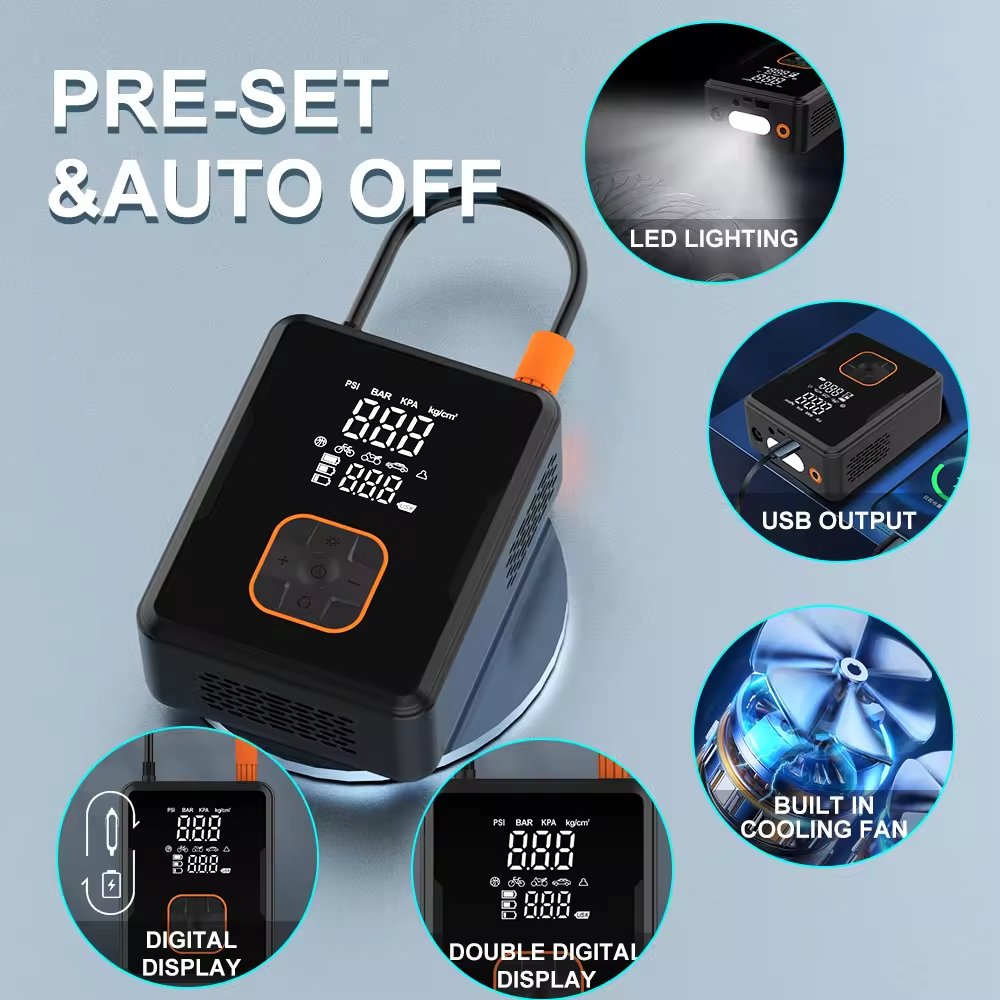
Checkliste für die Inspektion vor der Verschiffung

Checkliste für die Inspektion vor der Verschiffung
Visuelle Inspektion: Risse, Unversehrtheit der Seile, Verstopfung von Einlass und Auslass
Beginnen Sie mit dem Gehäuse und dem Kabel. Wir haben schon erlebt, dass Pumpen einen Funktionstest bestanden haben, um dann nach 50 Stunden zu platzen, weil ein Haarriss im ABS-Gehäuse übersehen worden war. Fahren Sie mit dem Daumen an jeder Naht entlang und untersuchen Sie die Kabeleinführung auf Schäden an der Zugentlastung. Beleuchten Sie den Ein- und Auslass von innen - ein einziger Kunststoffspan, der von der Bearbeitung übrig geblieben ist, kann den Durchfluss um 10% verringern, wenn der Kunde die Pumpe bei einem kritischen Auftrag einschaltet.
- 🏷️ Kategorie: Visuelle Qualitätskontrolle
- 🎯 Kernergebnis: Identifizierung von 80% mechanischen Defekten vor jeder elektrischen Prüfung
Analyse:
- Keine Kosten für die Ausrüstung - nur eine Taschenlampe und Ihre Augen.
- Fängt Transportschäden auf, für die sonst der Hersteller verantwortlich gemacht werden könnte.
- Schnelle Schulung von Fremdprüfern anhand einer einheitlichen Checkliste.
- Der Zustand der internen Dichtungen und die Unwucht des Laufrads werden nicht überprüft.
- Subjektiv - für jeden Punkt muss ein schriftliches Bestehen/Nichtbestehen-Kriterium festgelegt werden.
- Oberflächliche Ablagerungen können tiefere Gussfehler verdecken.
10-Minuten-Lauftest: Aufzeichnung von Druck, Durchfluss, Strom und Temperatur
Lassen Sie die Pumpe bei Nennspannung und -frequenz laufen, während Sie alle zwei Minuten den Druck (verwenden Sie ein Wasser-U-Rohr-Manometer, das auf 1% genau ist und weniger als $30 kostet), den Durchfluss (den Sie anhand des Druckabfalls über eine bekannte Öffnung schätzen können, wenn Sie kein Turbinenmessgerät haben), die Stromaufnahme und die Motorgehäusetemperatur aufzeichnen. Wir verlangen, dass die Gehäusetemperatur nach 30 Minuten Dauerbetrieb gemäß ISO 1217 unter 80 °C bleibt. Eine Stromspitze von mehr als 10% über dem Datenblattwert deutet oft auf Lagerschleppung oder Rotorreibung hin - beides Vorläufer von Ausfällen.
- 🏷️ Kategorie: Dynamische Leistungsprüfung
- 🎯 Kernergebnis: Erkennung interner mechanischer Probleme und elektrischer Fehlanpassungen vor dem Versand
Analyse:
- Kostengünstige Messgeräte - Manometer, Messzange, Infrarot-Thermometer.
- Zeigt, dass Spannung und Frequenz nicht übereinstimmen: eine 60-Hz-Pumpe mit 50 Hz verliert 17% Druck.
- Der Trend des Temperaturanstiegs sagt die langfristige Lebensdauer der Isolierung voraus (Isolierung der Klasse F, max. 155 °C).
- Erfordert eine stabile Stromquelle am Inspektionsort.
- 10 Minuten reichen möglicherweise nicht aus, um intermittierende Fehler zu erfassen, die nach dem Eintauchen in die Wärme auftreten.
- Notwendigkeit, die Prüfvorrichtung zu standardisieren (z. B. Länge der Abflussleitung, Ventileinstellung).
Vergleich mit Datenblatt Toleranz (±5%)
Wir halten jede Abweichung innerhalb von ±5% von der Nennkurve für akzeptabel. Ein Abfall von 10% oder mehr ist ein Qualitätsmangel - allerdings muss die Luftdichte berücksichtigt werden. Druckverlust aufgrund der Höhe beträgt etwa 1,2% pro 100 m über dem Meeresspiegel. Wenn Ihr Inspektor in Bogotá (2.600 m) also einen um 31% niedrigeren Druck anzeigt, ist das nach der Höhenanpassung tatsächlich innerhalb der Spezifikation. Ohne diese Korrektur werden Sie gute Pumpen ablehnen und schlechte akzeptieren. Fordern Sie immer ein Datenblatt an, das eine Referenzhöhe und -temperatur enthält.
- 🏷️ Kategorie: Überprüfung der Spezifikation
- 🎯 Kernergebnis: Sicherstellen, dass das gelieferte Produkt dem vereinbarten Leistungsumfang entspricht
Analyse:
- Einfach bestanden/nicht bestanden - ein einziger Zahlenvergleich spart Argumente.
- Entlarvt Lieferanten, die Kurven aufblasen, um Aufträge zu erhalten.
- Ihr Team ist gezwungen, die realen Bedingungen (Höhe, Temperatur) zu berücksichtigen.
- Erfordert, dass beide Parteien denselben Prüfstandard verwenden (ISO 1217 gegenüber ASME PTC 9).
- Die Höhenkorrektur wird in den Datenblättern der Anbieter oft nicht angegeben - Sie müssen sie anfordern.
- Eine Toleranz von ±5% lässt immer noch eine Leistungslücke, die für kritische Anwendungen inakzeptabel sein kann.
Bedarf an mindestens 10% Stichproben aus Zufallskartons
Wir haben schon erlebt, dass Prüfer zehn Pumpen von derselben Palette genommen haben - das ist kein Zufall. In Ihrer Bestellung sollte stehen: “Stichprobenumfang = 10% der Charge, ausgewählt aus Kartons auf verschiedenen Paletten und verschiedenen Reihen des Behälters.” Diese einzige Klausel zwingt die Fabrik dazu, eine gleichbleibende Qualität über die gesamte Charge hinweg zu gewährleisten. Wenn Sie “eine Einheit pro Palette” verlangen, wird der beste Karton herausgepickt. Zufällige Auswahl des Kartons ist die einzige Möglichkeit, eine repräsentative Stichprobe zu erhalten.
- 🏷️ Kategorie: Probenahme-Protokoll
- 🎯 Kernergebnis: Verringern Sie die Wahrscheinlichkeit, eine nicht konforme Charge zu akzeptieren, durch 80% im Vergleich zur Einzelprüfung
Analyse:
- Hält die Fabriken davon ab, an der Qualität zu sparen, um Preisziele zu erreichen.
- Verbessert die statistische Sicherheit - 10% Stichproben aus einer Charge von 500 Einheiten ergeben 95% Erkennung einer Fehlerrate von 5%.
- Die Prüfung kann von jedem externen Prüfer ohne besondere Ausrüstung durchgeführt werden.
- Mehr Zeit für die Prüfung - jeder Einheitstest dauert 15-20 Minuten.
- Der Lieferant könnte argumentieren, dass die Stichprobengröße bei kleinen Auflagen (unter 200 Stück) zu groß ist.
- Das Zufallsprinzip muss durchgesetzt werden; die Fabriken können versuchen, Kartons aus einer bekannt guten Charge wieder zu verschließen.
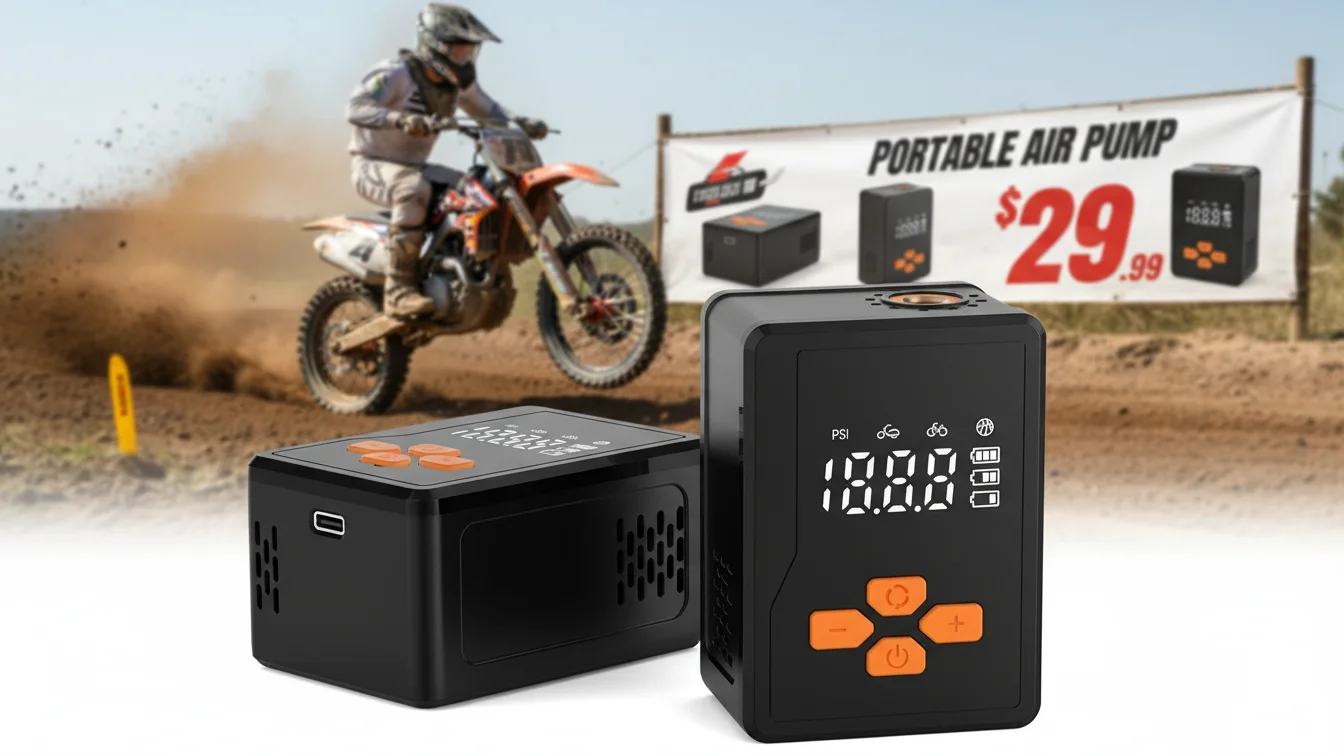
Anpassung der Pumpenspezifikationen an Ihren Markt
Eine tragbare Luftpumpe mit 60 Hz verliert bei 50 Hz Strom einen Druck von 17%. Die Pumpe ist nicht defekt - Ihr Datenblatt ist es.
Die 90%-Statistik: Warum “Defekte” in der Regel Spezifikationsabweichungen sind
Hier die unangenehme Wahrheit aus unserer Sicht: Wenn Importeure uns mit einer Rückgabeforderung wegen schlechter Qualität des Inflators konfrontieren, führen wir die Ursache auf eine Abweichung von den Spezifikationen zurück 9 von 10 Mal. Es handelt sich selten um ein klemmendes Ventil oder einen ausgefallenen Motor. Meistens handelt es sich um ein physikalisches Problem, das in den Auftrag eingebaut wurde, bevor der Container gepackt wurde.
Sie bestellen eine tragbare Autoluftpumpe, die für 110 V/60 Hz ausgelegt ist, aber Ihr Zielmarkt arbeitet mit 220 V/50 Hz. Dieser Unterschied von 10 Hz ist nicht unerheblich. Eine gewöhnliche Spannungs-Frequenz-Fehlanpassung so kostet Sie sofort 17% Ihres Nenndrucks. Der Motor dreht sich langsamer, das Laufrad bewegt weniger Luft, und Ihr Endkunde erhält eine Pumpe, die vier statt zwei Minuten zum Aufpumpen eines Reifens benötigt. Sie schreiben keine Rezension, in der sie dem Stromnetz die Schuld geben - sie beschuldigen die “billige chinesische Pumpe”. Diese Beschwerde wird bei der nächsten Überweisung als Abzug verbucht.
Drei Spezifikationsprüfungen zur Vermeidung von Chargenfehlern
Wir empfehlen drei nicht verhandelbare Kontrollpunkte bei der Überprüfung Ihrer Bestellung. Wenn Sie einen auslassen, setzen Sie 20% Ihres Containerwertes auf Annahmen.
- Spannung und Frequenz: Vergewissern Sie sich vor der Bestellung, dass Ihr örtlicher Netzstandard eingehalten wird. Die meisten tragbaren Pumpen von KelyLands (Autoluftpumpe, Luftmatratzenpumpe) werden geliefert als Doppelfrequenzfähig (50/60 Hz), aber die tatsächliche Spezifikation der Motorwicklung muss angegeben werden. Eine 12-V-Gleichstrom-Variante vermeidet dies für die Verwendung in Fahrzeugen vollständig, aber wenn Sie 110-V- oder 220-V-Wechselstrom-Modelle für Haushalte oder Werkstätten bestellen, müssen Sie die Frequenz festlegen.
- Höhenkorrektur: Die Leistungskurve des Werks ist auf Meereshöhe und 20°C gezeichnet. Wenn Ihr Lagerhaus auf 1.500 m liegt (z. B. Bogotá, Johannesburg), müssen Sie einen Druckverlust von etwa 1,2% pro 100 m einkalkulieren. Das sind 18% Leistungsabfall, die Sie auf dem Werksprüfstand nicht sehen werden. Bestehen Sie auf einer Kurve, die an Ihre Höhe angepasst ist, oder akzeptieren Sie, dass Ihre Pumpe in der Praxis niemals ihren maximalen Nenndruck erreichen wird.
- Motorische Ausdauer: Nach einem 30-minütigen Dauerbetrieb sollte das Motorgehäuse einer hochwertigen tragbaren 12-V-Pumpe bei oder unter 80 °C bleiben. Wir testen dies bei jeder Probe. Ein Lieferant, der kein 30-Minuten-Temperaturprotokoll vorlegen kann, hat diese Prüfung bei Ihrer Produktionscharge wahrscheinlich ausgelassen.
Anfordern von unter realen Bedingungen aufgezeichneten Pumpenkurven
Eine werkseitige Standardkurve wird für “Standardbedingungen” (101,3 kPa, 20°C, Meereshöhe) gedruckt. Das ist die Marketingkurve. Die Betriebskurve - also das, was die Pumpe an einem heißen Nachmittag in Ihrer Höhe tatsächlich fördert - ist für die Zufriedenheit Ihrer Kunden entscheidend.
Wenn Sie eine Ausschreibung für eine Großhandels-Autoluftpumpe oder eine SUP-Pumpe versenden, fügen Sie genau diese Klausel hinzu: “Der Lieferant muss eine Leistungskurve (Druck vs. Durchfluss) vorlegen, gemessen in [Ihrer örtlichen Höhe] Metern und [Ihrer durchschnittlichen Umgebungstemperatur] °C. Zulässige Toleranz: Durchflussabweichung innerhalb von ±5% von dieser Kurve; jede Abweichung von mehr als ±10% stellt einen Qualitätsmangel dar.”
Wir haben erlebt, dass Importeure ihre Rückgabequote im ersten Jahr um fast 60% senken konnten, indem sie einfach Kurven unter realen Bedingungen verlangten. Dies zwingt den Hersteller dazu, das Gerät an Ihrer tatsächlichen Stromversorgung zu testen, nicht an einem idealen Labor. Wenn der Lieferant diese Daten nicht einmal für ein einziges Muster zur Verfügung stellen kann, ist das ein Warnsignal. Die meisten asiatischen Fabriken testen nur ein Gerät pro Produktionslos - Ihre Klausel für 10%-Stichproben mit schriftlichen Prüfberichten fängt die unzulässigen Chargen ab, bevor sie das Werk verlassen.
Schlussfolgerung
Die fünf oben beschriebenen Prüfungen - Durchflussrate, Druckanstieg, Leistungsaufnahme, Geräuschentwicklung und Temperatur - bilden einen kostengünstigen, wiederholbaren Rahmen, der die Fehler aufspürt, die zu Rücksendungen führen. Wenn Sie sich auf eine Werkskurve verlassen, ohne sie vor Ort zu überprüfen, setzen Sie Ihre Gewinnspanne einem physikalischen Problem aus, das Sie nicht wegdiskutieren können.
Überprüfen Sie Ihre bestehende Inspektionscheckliste. Wenn sie keine Höhenkorrektur und stichprobenartige Chargenprüfung enthält, lassen Sie Spielraum auf dem Tisch. Sehen Sie sich an, wie unser Gebläse TH 210 H6 mit vorgeprüften Kurven und Chargenprüfungsdaten geliefert wird - bereit für den Einsatz in Ihrem Vertriebsnetz.
Häufig gestellte Fragen
Wie prüft man eine Pumpe auf ihren ordnungsgemäßen Zustand?
Bei KelyLands wird jede Luftpumpe einem Funktionstest unterzogen, der die reale Nutzung nachbildet, indem sie an eine versiegelte Luftkammer angeschlossen wird und ihre Fähigkeit gemessen wird, einen Zieldruck innerhalb einer bestimmten Zeit zu erreichen. Wir überwachen auch die Betriebsstabilität der Pumpe, indem wir sie auf übermäßige Vibrationen, Überhitzung oder ungewöhnliche Geräusche während des Testzyklus überprüfen. Dieses Protokoll nutzt die speziellen Prüfstationen unseres Werks in Yuyao, um sicherzustellen, dass jedes Gerät vor der Auslieferung unsere strengen Leistungsstandards erfüllt.
Wie kann man einen ausreichenden Durchfluss überprüfen?
Der angemessene Durchfluss wird durch die Messung der Luftdurchflussrate der Pumpe in Litern pro Minute (L/min) unter kontrollierten Gegendruckbedingungen mit kalibrierten Durchflussmessern in unserer Produktionslinie überprüft. Für spezielle Produkte wie Pumpen für aufblasbare Betten und SUP-Pumpen führen wir auch zeitlich begrenzte Aufblasversuche mit Standardvolumen durch, um die Angemessenheit des Durchflusses in der realen Welt zu bestätigen. Das technische Team von KelyLands legt für jedes Modell strenge Durchflussrichtwerte fest, und Einheiten, die diese Werte nicht erreichen, werden zur Nacharbeit oder zum Ausschluss gekennzeichnet.
Wie kann man eine Pumpe ohne Durchflussmesser testen?
Ohne Durchflussmesser ist ein praktischer Aufblasversuch mit einem genormten Gegenstand, z. B. einem 1,5-Meter-SUP-Board oder einer großen aufblasbaren Matratze, eine effektive Alternative. Indem Sie messen, wie schnell die Pumpe den Gegenstand auf den empfohlenen Druck anhebt, und beobachten, ob die Leistung konstant bleibt, können Sie auf die Durchflussfähigkeit schließen. Bei KelyLands verwenden wir diese Methode als zweite Prüfung neben unseren Durchflussmessern in der Produktionslinie, um die Zuverlässigkeit unter Feldbedingungen sicherzustellen.
Woran erkennt man, dass die Luftpumpe defekt ist?
Eine schlechte Luftpumpe zeigt typischerweise ein langsameres Aufblasen, ungewöhnliche Geräusche oder Vibrationen, die Unfähigkeit, den Nenndruck zu erreichen, oder Überhitzung nach kurzem Gebrauch. Die Qualitätssicherungsprotokolle von KelyLands testen während der Produktion auf genau diese Fehlerpunkte, einschließlich eines standardisierten Dauerlaufs. Unser Kundendienstteam berät die Kunden auch bei einfachen Diagnosen, wie z. B. bei der Überprüfung von verstopften Schlauchverbindungen oder verschmutzten Filtern, wodurch sich offensichtliche Probleme oft beheben lassen.
Wie kann ich eine Pumpe testen?
Sie können eine Pumpe testen, indem Sie sie an eine bekannte Last, z. B. einen Autoreifen oder ein Schlauchboot, anschließen und das Aufpumpen bis zu einem bestimmten Druck messen, während Sie auf ungewöhnliche Geräusche achten. Verwenden Sie ein separates Druckmessgerät, um zu überprüfen, ob die Pumpe den angegebenen maximalen Druck konstant erreicht. Für eine gründliche Bewertung sollten Sie die Temperatur und die Betriebsstabilität der Pumpe über einen vollständigen Aufpumpzyklus hinweg überwachen und die Ergebnisse mit den Angaben des Herstellers vergleichen.

 English
  Español
  Français
  Deutsch
  Português do Brasil
  Русский
  한국어
한국어  日本語
日本語  العربية