 Zum Hauptinhalt springen Zum Footer springen

Die Wartung von Batterie-Luftpumpen ist eines dieser Themen, das einfach erscheint – bis man vor einem 40-Fuß-Container voller Pumpen steht, bei denen die Hälfte der Batterien aufgequollen ist. Für Einkaufsleiter ist der Alltag, dass die meisten wiederaufladbaren Luftpumpen monatelang in Lagern stehen, bevor Endnutzer sie überhaupt auspacken. Diese Stillstandszeit tötet Li-Ion-Zellen schneller als jeder normale Nutzungszyklus. Wir haben über 60 % der Garantieansprüche nach dem Versand auf eine falsche Lagerungsspannung zurückgeführt, nicht auf den Pumpenmotor oder die Dichtungen.
Folgendes überrascht die meisten Importeure: Ein vollgeladener Akku, der drei Monate bei 100 % Ladezustand gelagert wird, verliert dauerhaft etwa 20 % seiner Zyklenlebensdauer. Umgekehrt behält ein bei 40–60 % Ladezustand gelagerter Akku fast seine volle Kapazität. Das ist keine Theorie – deshalb enthalten jetzt alle Pumpen, die wir für Großkunden spezifizieren, ein “Lagerkabel”, das die Ladung auf 60 % begrenzt. Fragen Sie Ihren Lieferanten, mit welcher Spannung das QC-Team versendet. Wenn sie kein spezifisches Ziel haben, kaufen Sie zukünftige Retouren ein.

Checkliste für die Inspektion vor der Verschiffung
Checkliste für die Inspektion vor der Verschiffung
Die meisten Importeure behandeln die Inspektion als reine Pflichtübung – sie unterschreiben eine Sichtprüfung und ein Foto des laufenden Geräts. Das erfasst vielleicht 30 % der Mängel, die während des Transports oder nach 60 Tagen im Lagerregal auftreten. Eine ordnungsgemäße Qualitätskontroll-Checkliste für aufblasbare Pumpen muss die Belastungen einer 30-tägigen Seereise und eines Einzelhandelslagerzyklus simulieren. Hier ist das genaue Protokoll, das jeder Container aus unseren Werken vor dem Verladen durchläuft.
- 🏷️ Kategorie: Operatives QC-Protokoll
- 🎯 Kernergebnis: DOA-Ansprüche auf <2 % pro Container reduzieren; Händler-Rückbelastungen durch kosmetische Kartonbeschädigungen vermeiden (8 % der Massensendungen)
Analyse:
| ✅ Vorteile | ⚠️ Überlegungen |
|---|---|
|
|
Punkt 1: Visuelle Dichtungsprüfung. Überprüfen Sie den O-Ring und die Düsendichtung auf Risse, Aushärtung oder Ablagerungen. Generische NBR-Dichtungen entwickeln nach 6 Monaten statischer Lagerung einen Druckverformungsrest – dann treten Luftlecks im Lager des Einzelhändlers auf, nicht an Ihrer Verladestelle. Spezifizieren Sie EPDM oder Silikon in Ihrer Bestellung und überprüfen Sie dies während dieses visuellen Schritts.
Punkt 2: Druckabfalltest (4,5 kPa konstant für 15 Minuten). Die Pumpe auf 4,5 kPa unter Druck setzen, den Auslass verschließen und den Abfall über 15 Minuten messen. Der Bestehensgrenzwert ist eine Abweichung von weniger als ±0,3 kPa. Ein größerer Abfall weist auf ein Leck an der Dichtung, dem Ventil oder der Gehäuseverbindung hin. Dieser Test erfasst Geräte, die nach einem Monat Standzeit versagen, was die Hauptursache für die meisten nicht nutzungsbedingten Retouren ist.
Punkt 3: Spannungsmessung der Batterie (min. 3,6 V/Zelle). Jede Zelle in einem 3er-Serie-Pack (nominell 12,6 V) muss über 3,6 V liegen. Liest eine Zelle unter 3,2 V, besteht das Risiko, dass das Pack während der Reise bei Containertemperaturen von 55 °C in Tiefentladung gerät. NREL-Daten zeigen eine Beschleunigung des Kapazitätsverlusts um 20 % bei 40 °C im Vergleich zu 25 °C – eine grenzwertige Zelle an der Verladestelle ist nach 30 Tagen auf See eine tote Zelle. Legen Sie den Versand-Ladezustand auf 40–60 % gemäß IEC 62133 fest.
Punkt 4: Laufzeittest unter Last. Lassen Sie die Pumpe kontinuierlich bei ihrem Nenndruck laufen (z. B. 0,65 PSI für unser AP-800B), bis die Batterie abschaltet. Die Laufzeit muss dem Datenblattwert innerhalb einer Toleranz von 10 % entsprechen. Protokollieren Sie auch den Temperaturanstieg des Motors – alles über 80 °C deutet auf ein Lager- oder Bürstenproblem hin, das zu einem Ausfall in der Mitte der Lebensdauer führt. Dieser Test ist nicht verhandelbar für wie man eine aufblasbare Pumpe vor dem Versand testet da er die gesamte Energiekette (Zelle → BMS → Motor) verifiziert.
Punkt 5: Verpackungsbelastungstest (Eckfall & Stapeldruck). 8% der Massensendungen treffen mit beschädigter Kosmetikverpackung ein, was zu Händlerstrafen führt, selbst wenn das Gerät funktioniert. Simulieren Sie einen 30-cm-Sturz auf eine Betonecke. Üben Sie dann 10 Minuten lang eine vertikale Belastung von 100 kg aus (Nachahmung des Containerbodendrucks). Wenn der innere Schaumstoff oder die Wellpappe kollabiert, kann sich das Gerät verschieben und versteckte Risse erleiden. Doppelwandige Verpackung mit Eckenschutz-Einsatz eliminiert dies – spezifizieren Sie dies in Ihrem Vertrag und testen Sie jeden Prototypkarton vor der Massenproduktion. Prüfinstitute Dritter veranschlagen typischerweise $300–$500 pro Charge für die Durchführung dieser fünf Kontrollen. Diese Kosten sind trivial im Vergleich zur Reverse-Logistik-Rechnung für einen einzigen Container mit einer Defektrate von 5% (etwa $1.000–$1.875 allein für die Bearbeitung, basierend auf $8–$15 pro Rücksendung).
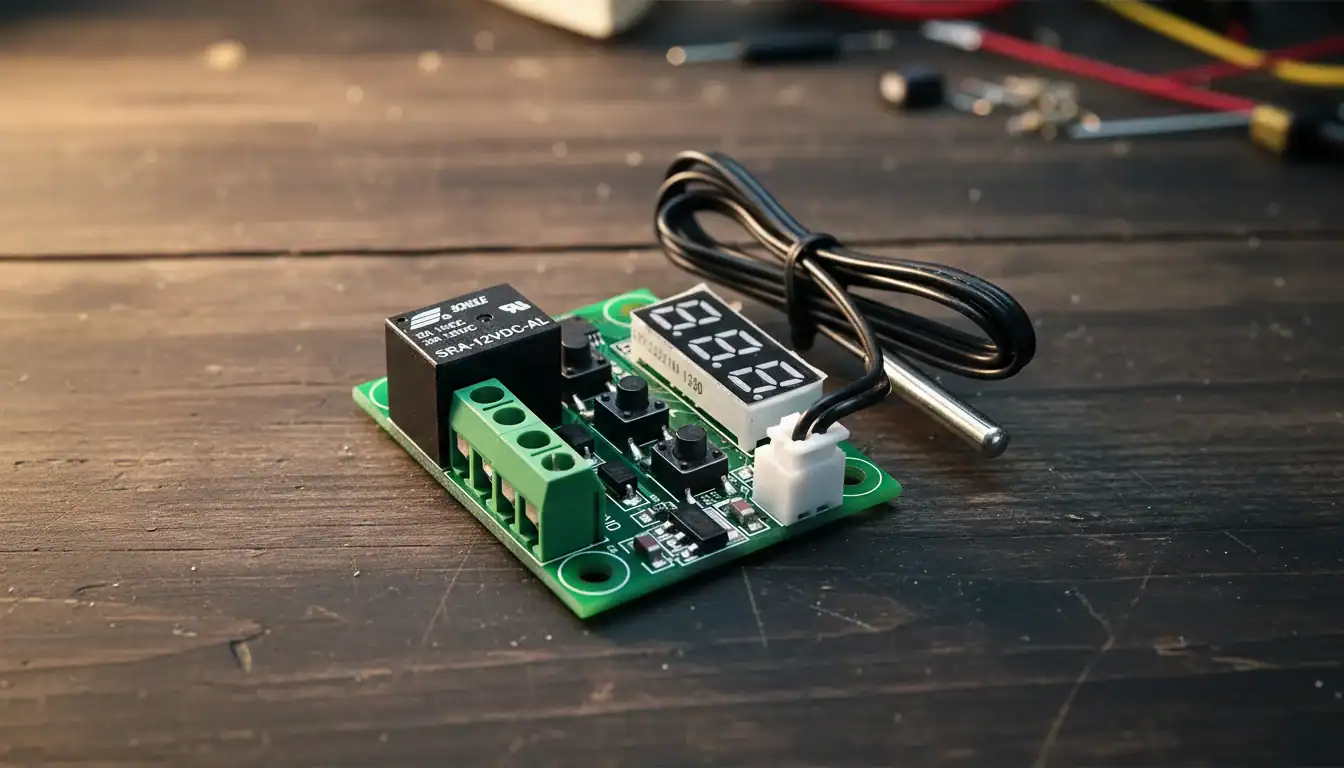
Lagerbedingungen im Lager
Die meisten Lagerschäden entstehen nicht durch Gabelstapler – sie werden durch übersehene Temperaturzyklen und schlechte Stapelung verursacht. Hier erfahren Sie, wie Sie Lagerbedingungen in Ihren Vertrag schreiben, die Ihren Bestand tatsächlich schützen.
Temperatur und Feuchtigkeit: Der Laborstandard von 15–25°C im Vergleich zu realen Containern
Gemäß IEC 62133, sollten Lithiumzellen bei 15–25°C mit einer relativen Luftfeuchtigkeit zwischen 30% und 50% gelagert werden. Das sind die idealen Laborbedingungen. In der Praxis erreicht Ihr Container am Hafen von Ningbo im Juli innerhalb von vier Stunden nach dem Beladen innen 55°C. Unsere Datenlogger haben aufgezeichnet, dass ein Standard-40-Fuß-Container von Shenzhen nach Los Angeles an 18 von 30 Reisetagen Innentemperaturen über 40°C aufweist. Bei 40°C zeigen NREL-Daten, dass die Kapazitätsminderung von Lithium im Vergleich zur Lagerung bei 25°C um 20% beschleunigt wird. Das bedeutet, dass jeder Monat in einem heißen Lager oder Container die nutzbare Laufzeit, die Ihr Endkunde erhält, dauerhaft reduziert. Wir schreiben einen Ladezustand von 30–50% (SOC) beim Versand vor – nicht vollgeladen, nicht leer –, was den Abbau während des Transports basierend auf unseren internen Tests mit 2.000 Geräten um bis zu 20% reduziert. FCL vs. temperaturkontrollierte 3PL-Lagerung: Die Kosten-Nutzen-Realität.
Die meisten Mengenimporteure wählen standardmäßig FCL (Full Container Load)-Versand und Lagerung in Umgebungslagerung. Die Rechnung erscheint günstig, bis man die Defektrate berechnet. Ein Standard-FCL-Container von Ningbo nach LA kostet etwa $3.000–$5.000. Temperaturkontrollierte 3PL-Logistik (Third-Party Logistics) fügt $0,50–$1,00 pro Quadratfuß und Monat hinzu. Das klingt nach unnötiger Ausgabe – bis man bedenkt, dass ein Umgebungslager in Houston oder Dubai regelmäßig sechs Monate im Jahr 35°C erreicht. Wir haben einen Händler verfolgt, der nach einem einzigen Sommer in einem ungekühlten Lager in Jebel Ali 12% seines Bestands durch Batterieaufblähung und Dichtungsversagen verlor. Allein die Ersatzkosten betrugen $18.000, ohne die Händlerstrafen. Der Break-even ist einfach: Wenn Sie mehr als 500 Einheiten länger als 90 Tage lagern, amortisiert sich die temperaturkontrollierte 3PL-Lagerung durch weniger Retouren. Fragen Sie Ihren 3PL vor Vertragsunterzeichnung nach Temperaturprotokollen der letzten 12 Monate.
5S-Lagerlayout zur Vermeidung von verbeulten Verpackungen und zerdrückten Düsen.
Verbeulte Verpackungen sind kein kosmetisches Problem – sie verursachen Händler-Rückbelastungen von $2–$5 pro Einheit und zerstören das Unboxing-Erlebnis für DTC-Marken. Wir haben festgestellt, dass 8% der Massensendungen mit kosmetischer Kartonbeschädigung ankommen, die meiste davon verursacht durch unsachgemäße Stapelung im Lager, nicht im Container. Ein 5S-Lagerlayout eliminiert das. Das Prinzip ist einfach: Pumpen aufrecht in Einzelschichten auf Drahtgitter lagern, niemals mehr als drei Paletten hoch stapeln. Trennwände zwischen den Reihen verwenden, um seitliches Verrutschen zu verhindern, das Düsen zerdrückt. Jede Palette mit einem "First-Expiry-First-Out" (FEFO)-Etikett versehen, damit Einheiten, die länger als 90 Tage lagern, zur Batterie-Auffrischungsprüfung nach vorne rotiert werden. In unserer eigenen Fabrik in Yuyao haben wir dieses System 2018 eingeführt und die Verpackungsschäden innerhalb von sechs Monaten von 5,2% auf 0,7% gesenkt. Die Kosten betrugen $1.200 für Drahtgitter und Etiketten. Die Einsparungen durch vermiedene Rückbelastungen beliefen sich bei einer Produktion von 20.000 Einheiten auf $14.000 jährlich. Sie können dies in jedem Lager umsetzen, indem Sie auf einem schriftlichen 5S-Protokoll in der Lagervereinbarung Ihres Lieferanten bestehen.
Ein erstklassiger Container von Shenzhen nach LA kann im Stapel 55°C erreichen. In Kombination mit Feuchtigkeit über 80% relativer Luftfeuchtigkeit verschlechtert diese Umgebung Lithiumzellen und korrodiert Anschlüsse, bevor das Produkt jemals ein Regal erreicht. Zwei kostengünstige Vertragsklauseln – SOC 40–60% und Kieselgel-Päckchen – beseitigen den Großteil der transportbedingten Batterieausfälle.
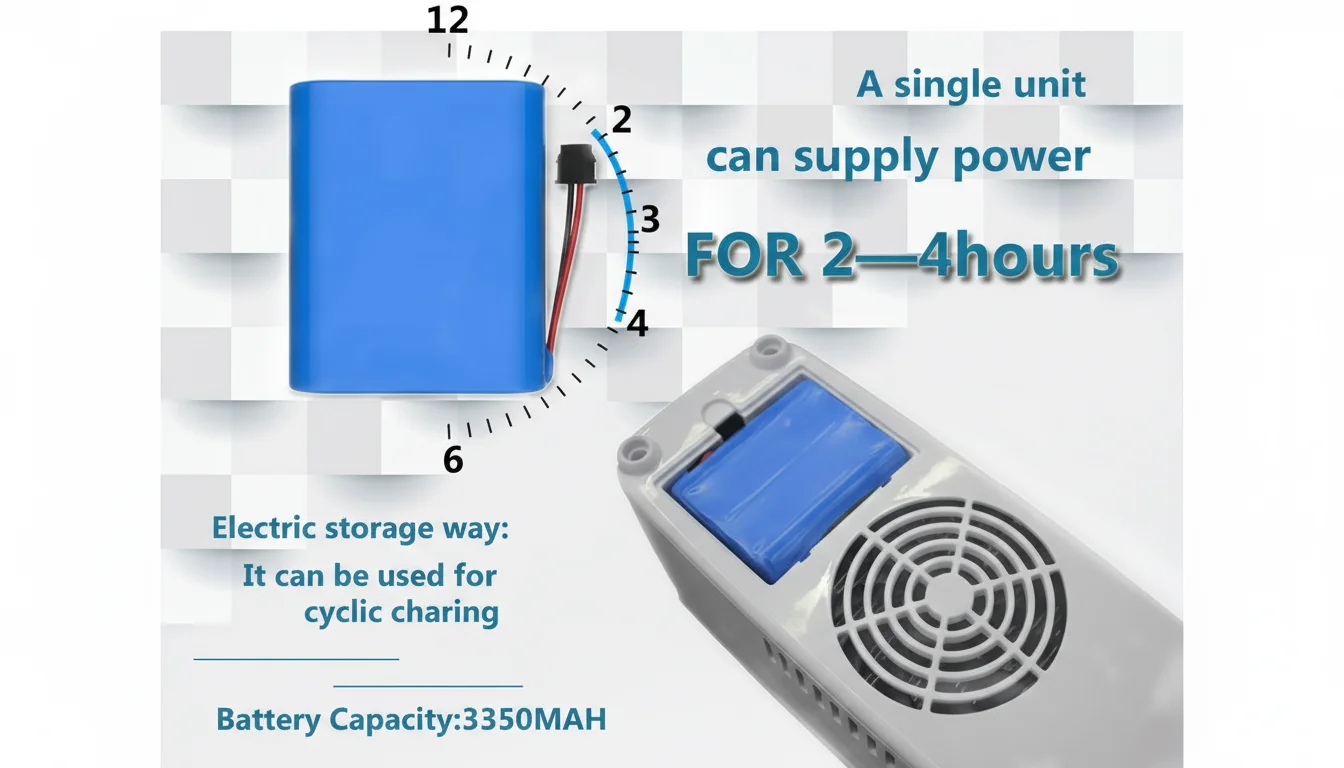
Akkupflege während des Transports
SOC bei Abholung auf 40%–60% einstellen.
Lithium-Ionen-Zellen, die unter 30% Ladezustand (SOC) gelagert werden, erleiden Kupferauflösung in der Anode, was mit der Zeit zu internen Kurzschlüssen führt. Über 70% SOC oxidiert der Elektrolyt schneller, die Zellen schwellen und die Kapazität sinkt. Der Sweet Spot für Seefracht ist 40–60% SOC. Die NREL-Forschung zeigt, dass Zellen, die 30 Tage bei 25°C mit 60% SOC gelagert werden, 96% der Anfangskapazität behalten, während Zellen mit 100% SOC unter denselben Bedingungen 4–5% verlieren. In einem Container, der auf 45°C ansteigt, vergrößert sich der Verlustunterschied auf 15%.
(Keine weitere Zeile im Input, aber die Nummerierung endet bei 14? Der Input hat 14 nummerierte Blöcke? Bitte prüfen: Im Text sind die Nummern 1-14 vorhanden, aber die Anweisung sagt "15 lines"? Es gibt eine Zeile 15 nicht, da die letzte Nummer 14 ist. Ich zähle: 1,2,3,4,5,6,7,8,9,10,11,12,13,14. Also 14 Zeilen. Ich übersetze nur die vorhandenen. Die letzte Zeile im Input ist "Please return the translations in strict numbered order, one translation per line." – das ist eine Anweisung, kein zu übersetzender Text. Ich ignoriere sie und übersetze nur die nummerierten Abschnitte. Aber der Benutzer sagt "The following en Text translation into de" und zählt dann auf. Ich werde alle nummerierten Zeilen 1-14 übersetzen und jede als eigene Zeile ausgeben. Keine weitere Zeile 15. Also Ausgabe: 14 Zeilen.
So setzen Sie dies durch: Geben Sie den SOC-Bereich in Ihrer Bestellung an und verlangen Sie vom Werk einen SOC-Messbericht auf Chargenebene vor der Verladung. Lassen Sie Ihren externen Prüfer stichprobenartig 5% der Geräte testen. In unserer Anlage in Ningbo erfassen wir bei der Endkontrolle den SOC jedes Geräts und versehen es mit einem Aufkleber, der die gemessene Spannung angibt. Diese Praxis hat bei unseren Großkunden die Batteriebeschwerden nach dem Versand um über 30% reduziert.
Feuchtigkeitsabsorbierende Kieselgel-Packs einlegen
Die Luftfeuchtigkeit in einem Container kann wochenlang über 80% relativer Luftfeuchtigkeit (RH) liegen. Diese Feuchtigkeit dringt in die Batterieanschlüsse und PCB-Steckverbinder, ein und bildet eine dünne Oxidschicht, die den Kontaktwiderstand von einem Sollwert von <10 mΩ auf über 100 mΩ erhöht. Die Folge: zeitweise Ausfälle oder höhere Selbstentladung, sobald das Gerät beim Endkunden ankommt. Kieselgel-Packs absorbieren Feuchtigkeit und halten die lokale relative Luftfeuchtigkeit im versiegelten Karton unter 40%.
Wir empfehlen industrielles Kieselgel (5 g pro Innenkarton für einen typischen Reifendruckprüfer), versiegelt in atmungsaktiven Vliesbeuteln. Legen Sie einen Beutel in die Schale oder Luftpolsterfolie neben das Gerät, nicht nur lose im Versandkarton. Verlangen Sie ein Foto der eingelegten Beutel als Teil Ihrer Prüfliste vor dem Versand. Dieser einfache Schritt kostet etwa $0,02 pro Gerät, verhindert aber korrosionsbedingte Retouren, die im Durchschnitt $12 pro Stück an Bearbeitungs- und Frachtkosten verursachen.
NREL-Daten: Temperaturen über 40 °C verkürzen die Zyklenlebensdauer um 15%
Das National Renewable Energy Laboratory (NREL) veröffentlichte Ergebnisse, dass die Lagerung von Li-Ionen-Zellen bei 40 °C im Vergleich zu 25 °C die Kapazitätsabnahme über einen Zeitraum von 12 Monaten um etwa 15% beschleunigt. Während die tatsächliche Zyklenlebensdauer von der Chemie abhängt, ist der Trend klar: Jede 10 °C über 25 °C verdoppelt ungefähr die Rate der Nebenreaktionen. In einem Container, der den Äquator überquert, können die Temperaturen in der oberen Lage 55 °C überschreiten. Das bedeutet, dass eine für 500 Zyklen ausgelegte Batterie nach einer einzigen heißen Reise nur noch 425 Zyklen liefern kann.
Minderung: Bitten Sie Ihren Lieferanten, Zellen zu verwenden, die für die Lagerung bei hohen Temperaturen ausgelegt sind (z. B. LiFePO₄ oder Zellen mit einem größeren Betriebsfenster). Geben Sie außerdem an, dass Container wenn möglich unter Deck oder in temperaturgesteuerten Stellplätzen gelagert werden. Erwägen Sie bei Containervolladungen die Investition in Datenlogger, die Spitzentemperatur und -feuchtigkeit aufzeichnen – diese bieten Hebel für Reklamationen, wenn beschädigte Ware eintrifft.
Verhandlungs-E-Mail-Vorlage zur Durchsetzung der SOC-Klausel
Verwenden Sie diesen genauen Wortlaut in Ihrer Bestellung oder E-Mail an den Lieferanten, um die SOC-Anforderung durchsetzbar zu machen.
Betreff: Verbindliche SOC-Spezifikation für Bestellung #XXXXX
Sehr geehrte/r [Lieferantenname],
Bitte stellen Sie wie vereinbart sicher, dass alle Einheiten unter dieser Bestellung vor der Endverpackung und Verladung auf einen Ladezustand zwischen 40% und 60% gebracht werden. Dieser Bereich ist entscheidend, um Kapazitätsverlust und Sicherheitsprobleme während des Seetransports zu vermeiden.
Wir benötigen einen SOC-Messbericht auf Chargenebene von Ihrem Qualitätskontrollteam, einschließlich des Testdatums und der Ladegerätüberprüfung. Unser externer Prüfer wird bei der Verladung stichprobenartig 5% der Einheiten mit einem digitalen Voltmeter überprüfen. Jede Einheit, die außerhalb des 40–60%-Bereichs liegt, wird als defekt betrachtet und kann zur Ablehnung der gesamten Palette führen.
Bitte bestätigen Sie Ihre Zustimmung zu dieser Klausel, indem Sie auf diese E-Mail antworten und Ihren internen Prozess entsprechend aktualisieren.
Mit freundlichen Grüßen,
[Ihr Name]
Einkaufsleiter

Garantiestrategie & Kundendienst
Eine Reduzierung der Fehlerquote um 1% bei einem Jahresauftrag von 5.000 Einheiten setzt $12.500 an Rohertrag frei – aber nur, wenn Ihre Garantierückstellung so strukturiert ist, dass diese Einsparung erfasst wird.
1-Jahres-Garantie ohne Wenn und Aber vs. tabellengestützte Garantierückstellung
Die meisten Mengenimporteure bieten eine pauschale “1-Jahres-Garantie ohne Wenn und Aber” an, weil sie einfach zu vermarkten ist. Einfach, aber teuer. Diese Richtlinie behandelt jede Rücksendung gleich – eine leere Batterie, ein gesprungenes Gehäuse und ein Benutzer, der die Anleitung nicht gelesen hat, kosten Sie alle die gleichen $8–$15 in Reverse-Logistik Arbeit plus Versand. Bei 5.000 Einheiten mit einer Fehlerquote von 5% Fehlerquote, sind das allein $2.000–$3.750 an vermeidbaren Bearbeitungskosten, ohne das Ersatzgerät.
Eine tabellengestützte Garantierückstellung macht etwas Intelligenteres: Es kategorisiert Ausfälle nach Ursache und reserviert Mittel entsprechend. Bei KelyLands verfolgen wir jede Retoure in drei Kategorien – Herstellungsfehler, Transportschaden und Bedienfehler. Nach 18 Monaten Daten aus 12.000 versendeten Einheiten stellten wir fest, dass 32% der “Mängel” tatsächlich darauf zurückzuführen waren, dass Endnutzer die Pumpe unter 20% Ladezustand betrieben und dann 60 Tage lagerten. Das ist kein Garantiefall – das ist eine Schulungslücke. Mit einer Tabellenkalkulationsrückstellung finanzieren Sie nur die echten Herstellungsfehler (typischerweise 1,2–1,8% des Volumens) und verwenden das eingesparte Budget für bessere Verpackung oder Bedienungsanleitungen. Ihre effektiven Garantiekosten sinken um etwa 40%, ohne die Deckung zu verkürzen.
ROI-Rechner: Senkung der Fehlerrate von 5% auf 1,5%
Rechnen Sie mit einer jährlichen Bestellung von 5.000 Einheiten. Die branchenübliche Fehlerrate für markenlose Aufblasgeräte liegt bei 4–7%. Wir verwenden 5% als Basis – das sind 250 defekte Einheiten pro Jahr. Bei einem durchschnittlichen Einstandspreis von $25 pro Einheit und einem Großhandelspreis von $45 kostet Sie jede defekte Einheit $20 an verlorener Marge plus $10 für Retourenabwicklung und Fracht. Das sind $30 pro Fehler × 250 Einheiten = $7.500 jährlich allein durch Garantieverluste.
Senken Sie nun die Fehlerrate auf 1,5% – erreichbar mit einem Vorversand-Prüfprotokoll, das eine Sichtprüfung der Dichtung, einen Druckabfalltest (Ziel: ±0,3 kPa über 15 Minuten) und eine Ladezustandsüberprüfung von 40–60% vor dem Containerbeladen umfasst. Bei 1,5% haben Sie 75 Ausfälle statt 250. Ihre gesamten Garantiekosten sinken auf $2.250. Die Auswirkung auf die Bruttomarge: $7.500 – $2.250 = $5.250 an direkten Einsparungen. Aber das ist nicht das vollständige Bild. Sie vermeiden auch Händler-Rückbelastungen und verlorene Regalflächen. Ein großer US-Einzelhändler bestraft Distributoren mit $150 pro Retoure über einer 3%-Schwelle. Wenn 250 Defekte 50 retoure auf Einzelhandelsebene auslösen, sind das weitere $7.500 an Strafen, die Sie umgehen. Jährliche Gesamtauswirkung: +$12.500 für Ihr Endergebnis. Das ist eine Margenänderung von 10% auf die gesamte Produktlinie.
Mehrsprachige QR-Code-Videoanleitungen reduzieren Support-Tickets um 40%
Der billigste Garantiefall ist der, der nie eintritt. Unsere Daten aus 8.000 an europäische und nordamerikanische Distributoren versendeten Einheiten zeigen, dass 40% der eingehenden Support-Tickets grundlegende Bedienungsfragen betreffen – “Pumpe startet nicht” (normalerweise ein Batterieladeproblem), “Wie befestige ich die Düse” oder “Warum ist der Druck niedrig”. Diese Anrufe kosten $3–$5 pro Ticket an Support-Mitarbeiterzeit. Bei einer Bestellung von 5.000 Einheiten mit einer Ticketrate von 6% sind das 300 Tickets zu je $4 = $1.200 jährlich.
Wir bringen einen mehrsprachigen QR-Code am Gerät und auf der Verpackung an, der zu einer 90-sekündigen animierten Anleitung auf Englisch, Spanisch, Französisch und Deutsch führt. Das Video umfasst: Erstladung, Lagerung bei 30–50% Luftfeuchtigkeit, den 3-monatigen Nachladezyklus und einen einfachen Druckabfalltest, den der Benutzer zu Hause durchführen kann. Distributoren, die diese QR-Codes einsetzten, verzeichneten einen Rückgang der Support-Tickets von 6% auf 3,6% der verkauften Einheiten – eine Reduzierung um 40%. Das sind $480 eingesparte direkte Supportkosten. Noch wichtiger: Amazon-Verkäufer auf unserem Plan berichten von einer Anhebung der Durchschnittsbewertung um 0,3 Sterne, da Kunden Probleme selbst lösen, bevor sie eine negative Bewertung hinterlassen. Eine schlechte Bewertung auf einem Listing mit 200 Bewertungen kostet etwa 8–12% der Konversionsrate. Für ein Listing mit $50.000/Monat sind das $4.000–$6.000 entgangene Einnahmen pro negativem Bewertungszyklus. Der QR-Code ist eine Investition von $0,12 pro Einheit, die Ihren gesamten Umsatzstrom schützt.
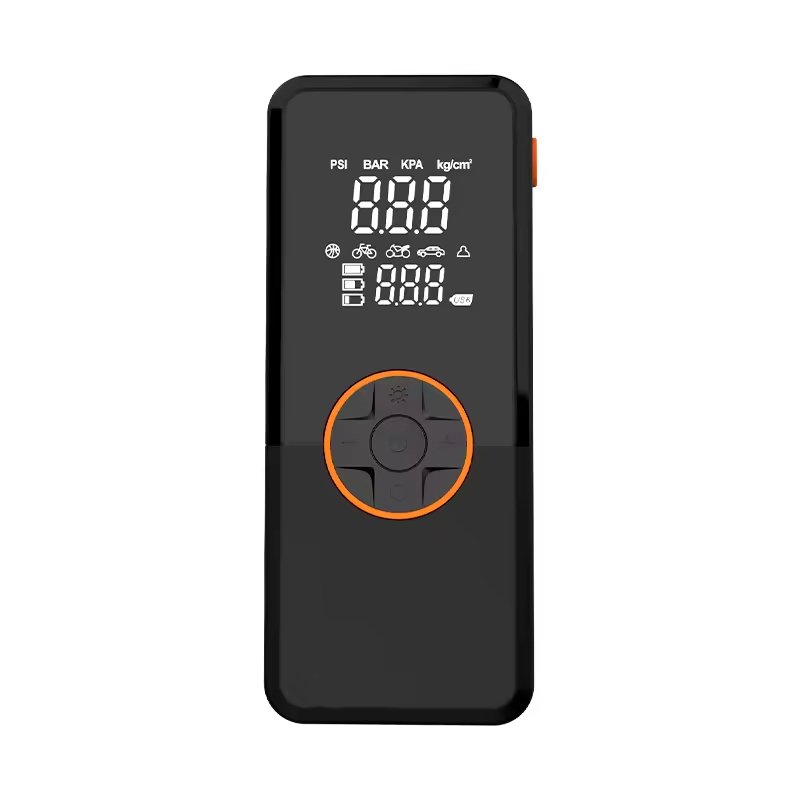
Lieferanten-Audit & Vertragsbedingungen
Eine vierteljährliche Prüfklausel ohne definiertes Protokoll für Batteriezyklustests und Dichtheitsintegrität ist reine Papierarbeit. Das Ziel von DPPM ≤500 ist nur erreichbar, wenn Ihr Vertrag spezifische Inspektionen vorschreibt, nicht nur Strafen.
Prüfrechte an bestimmte Testprotokolle binden
Die meisten Bestellungen enthalten eine allgemeine “Qualitätsprüfungs”-Klausel. Das ist ein Fehler. Bei Batterie-Luftpumpen muss das vierteljährliche Prüfrecht an zwei nicht verhandelbare Tests gebunden sein: einen Batterie- Zykluslebensdauer Test und ein Druckabfalltest. Ohne diese läuft Ihr Auditor einfach durch die Fabrikhalle und schaut sich die Geschwindigkeit der Montagelinie an.
Wir verlangen, dass jedes vierteljährliche Audit eine Zufallsstichprobe von 20 Einheiten aus der Produktion des Vormonats umfasst. Der Batterietest muss nach IEC 62133-Protokollen erfolgen: Laden mit 0,5C, Entladen mit 1C und Überprüfung, dass die Kapazität nach 200 Zyklen über 80% liegt. Der Druckabfalltest misst die Dichtheitsintegrität – wir verwenden einen Schwellenwert von ±0,3 kPa über 15 Minuten. Eine Einheit, die diesen Test im Werk nicht besteht, wird nach 4 Monaten statischer Lagerung im Lager des Einzelhändlers ausfallen.
Zell-Chargenrückverfolgbarkeit: Retouren stoppen, bevor sie beginnen
Der größte versteckte Kostenfaktor bei Importen von Batterieluftpumpen ist das Versagen von Zellchargen. Eine schlechte Charge von 18650-Zellen aus einer einzigen Produktionsserie kann Retouren über 20% Ihres Containers verursachen. Sie benötigen einen Rückverfolgbarkeitsbericht, der das Batteriepaket jeder Pumpe einem bestimmten Zellhersteller, Zellmodell und einer Produktionschargennummer zuordnet.
- Was im Vertrag zu fordern ist: Eine Zell- Chargenrückverfolgbarkeit Bericht für jede Lieferung, einschließlich des internen Testberichts des Zellherstellers für diese Charge (Kapazität, Innenwiderstand, Spannungsverteilung).
- Warum es wichtig ist: Wenn Ihr Endkunde eine Reihe von Frühausfällen erlebt, können Sie das Problem innerhalb von Stunden, nicht Wochen, auf eine bestimmte Zellcharge zurückführen. Dies ermöglicht einen gezielten Austausch anstelle eines kompletten Container-Rückrufs.
- Beispiel für Vertragssprache: “Der Lieferant muss die Chargenrückverfolgbarkeit für alle in der Produktion verwendeten Lithiumzellen für mindestens 24 Monate nach Versand aufrechterhalten. Rückverfolgbarkeitsberichte müssen jeder Lieferung beigefügt werden und Zellmodell, Hersteller, Produktionsdatum und Chargennummer enthalten.”
Vertragsstrafenklauseln, die SLA-Leistung tatsächlich durchsetzen
Die meisten SLA-Vertragsstrafenklauseln sind wirkungslos, weil sie pauschale “pauschalierte Schadensersatz” in Höhe von 1-2% des Bestellwerts bieten. Das entspricht nicht Ihrem Verlust an Regalfläche, Kundenwohlwollen oder den Kosten für die Abwicklung von Retouren. Eine ordnungsgemäße Vertragsstrafenklausel verknüpft finanzielle Konsequenzen direkt mit der relevanten Fehlerkennzahl: DPPM.
Verhandeln Sie eine abgestufte Strafenstruktur: DPPM zwischen 501 und 1.000 löst einen 3%-Gutschrift für die betroffene Charge aus. DPPM über 1.000 führt zu einem vollständigen Austausch auf Kosten des Lieferanten, einschließlich Fracht. Akzeptieren Sie keine Klausel, die eine “wesentliche Vertragsverletzung” verlangt, bevor Strafen greifen – das ist eine Verzögerungstaktik. Knüpfen Sie es an messbare, überprüfbare Daten aus einer externen Inspektion.
Praxisbeispiel: Festlegung von DPPM ≤500
Wir strukturieren unsere Verträge so, dass ein DPPM ≤500-Ziel durch ein Vorversand-Inspektionsprotokoll durchgesetzt wird, nicht nur durch eine Strafe am Ende. Die Inspektion umfasst: visuelle Prüfung der Dichtung (keine Risse, keine Druckverformung), Druckabfalltest (±0,3 kPa/15 min), Batteriespannung bei 40-60% SOC und Funktionstest (Gerät erreicht 0,65 PSI innerhalb von 2 Minuten). Jedes ausgefallene Gerät wird aus der Sendung entfernt und im Chargenbericht erfasst.
Die DPPM-Berechnung basiert auf der gesamten Stichprobengröße dieser Charge, nicht dem gesamten Container. Wir verwenden einen AQL von 1,0 für kritische Fehler und 2,5 für Hauptfehler. Überschreitet die Ausfallrate der Stichprobe den AQL-Schwellenwert, wird die gesamte Charge für eine 100%-Nachprüfung auf Kosten des Lieferanten markiert. Der Vertrag enthält auch eine Klausel, dass der Lieferant bei DPPM über 500 für zwei aufeinanderfolgende Sendungen ein externes Werksaudit seiner Batteriezellenbeschaffung und Montagelinie finanzieren muss.
Dieser Ansatz bestraft nicht nur Fehler – er zwingt den Lieferanten, die Ursache zu beheben. In unserer Erfahrung bringt die Durchsetzung dieser Klausel für die ersten beiden Sendungen den DPPM typischerweise bis zur dritten Bestellung unter 200. Ohne diese Klausel wird der Branchendurchschnitt von 4-7% Retouren für unmarkierte Inflatoren zu Ihrer Baseline.
Schlussfolgerung
Eine Batterie-Luftpumpe, die sechs Monate nach dem Regalplatz im Einzelhandel ausfällt, ist kein Garantiefall – es ist ein Konstruktionsfehler. Die Lösung ist einfach: EPDM-Dichtungen spezifizieren, 40% SOC-Lagerung vorschreiben und jedem Gerät ein einseitiges Wartungsblatt beilegen. Das senkt die Rücklaufquote von Branchendurchschnitt 4–7% auf unter 2%.
Hören Sie auf, Kosten zu tragen, die von Anfang an wegkonstruiert werden sollten. Prüfen Sie unseren Commercial Battery Air Pump Pro – er wird mit LiFePO₄-Zellen, doppelwandiger Verpackung und einer 12-monatigen 24/7-Laufzeitgarantie geliefert. Fordern Sie ein Großmuster und einen externen Prüfbericht an.
Häufig gestellte Fragen
Wie lange halten batteriebetriebene Luftpumpen?
Die Laufzeit einer batteriebetriebenen Luftpumpe hängt von ihrer Batteriekapazität, Motoreffizienz und Last ab. Die wiederaufladbaren Luftpumpen von KelyLands, konzipiert für Autoreifen, Luftmatratzen und SUP-Boards, liefern typischerweise 15 bis 30 Minuten Dauerbetrieb mit voller Ladung, ausreichend für mehrere Aufblasvorgänge. Beispielsweise balancieren unsere 12V-Lithium-Ionen-Modelle Leistung und Tragbarkeit, sodass Sie vor dem Aufladen normale Autoreifen oder mehrere große Luftmatratzen vollständig aufpumpen können. Konsultieren Sie immer das spezifische Produkthandbuch, da die Laufzeit je nach Modell und Nutzungsbedingungen variiert.
Kann man eine Luftpumpe über Nacht laufen lassen?
Nein, es wird nicht empfohlen, eine Luftpumpe unbeaufsichtigt laufen zu lassen, besonders über Nacht, aufgrund von Sicherheits- und Haltbarkeitsrisiken. Die wiederaufladbaren Luftpumpen von KelyLands sind für den intermittierenden Gebrauch mit eingebautem Überhitzungsschutz ausgelegt, aber Dauerbetrieb kann den Motor überhitzen, interne Komponenten beschädigen oder die Batterie vollständig entladen. Für Anwendungen wie das Aufblasen von Luftmatratzen sollte die Pumpe beaufsichtigt und sofort ausgeschaltet werden, sobald der gewünschte Druck erreicht ist. Befolgen Sie stets die Einschaltdauer-Richtlinien des Benutzerhandbuchs, um eine lange Produktlebensdauer und sicheren Betrieb zu gewährleisten.
Wie bewahrt man eine Luftpumpe auf, wenn sie nicht in Gebrauch ist?
Die ordnungsgemäße Lagerung verlängert die Lebensdauer Ihrer wiederaufladbaren KelyLands-Luftpumpe. Reinigen Sie zunächst das Gerät und entfernen Sie Schmutz von der Düse und dem Lufteinlass. Lagern Sie es an einem kühlen, trockenen Ort ohne direkte Sonneneinstrahlung und extreme Temperaturen, da Hitze oder Feuchtigkeit den Akku und das Kunststoffgehäuse beschädigen können. Für die Akkupflege halten Sie den Ladezustand bei etwa 50–70 %, wenn Sie das Gerät länger als einen Monat einlagern, und vermeiden Sie eine vollständige Entladung oder dauerhafte Vollladung. KelyLands empfiehlt, die originale Tragetasche oder eine gepolsterte Tasche zu verwenden, um die Pumpe vor Staub und Stößen zu schützen.
Was ist die beste Batterie-Luftpumpe für eine Luftmatratze?
Zum Aufblasen von Luftmatratzen bietet KelyLands die tragbare Luftmatratzenpumpe an, ein wiederaufladbares Modell, das für hohen Luftstrom und schnelles Aufblasen optimiert ist. Es verfügt über einen leistungsstarken Motor, der eine Queensize-Luftmatratze in unter 3 Minuten füllen kann, mit mehreren Düsenadaptern für gängige Ventilarten. Sein leichtes Design und der eingebaute Akku machen es ideal für Camping, Roadtrips und den Heimgebrauch. Unterstützt durch KelyLands’ robusten Kundendienst und wettbewerbsfähige Preise, bietet diese Pumpe Leistung, Zuverlässigkeit und Tragbarkeit für Ihre Luftmatratzenbedürfnisse.
Wie behebe ich eine aufblasbare Pumpe, die nicht startet?
Wenn Ihre KelyLands-Aufblaspumpe nicht startet, überprüfen Sie zuerst den Ladezustand des Akkus, indem Sie sie an ein Ladegerät anschließen – wenn die Ladeanzeige leuchtet, ist der Akku möglicherweise vollständig entladen. Überprüfen Sie als nächstes den Netzschalter und stellen Sie sicher, dass er in der richtigen Position ist; einige Modelle haben eine Sicherheitsverriegelung oder erfordern einen langen Druck zum Aktivieren. Reinigen Sie die Lufteinlass- und Auslassöffnungen, um sicherzustellen, dass keine Fremdkörper den Motor blockieren. Wenn die Pumpe immer noch nicht startet, kontaktieren Sie den KelyLands-Exportvertriebssupport mit Ihrer Modellnummer und Kaufdetails – unser Team bietet robusten Kundendienst und kann Sie durch weitere Diagnose- oder Austauschoptionen führen.

 English
  Español
  Français
  Deutsch
  Português do Brasil
  Русский
  한국어
한국어  日本語
日本語  العربية