 Saltar al contenido principal Saltar al pie de página

Los minoristas y distribuidores se enfrentan a una creciente demanda de herramientas de limpieza que cubran el vacío existente entre los pesados modelos verticales y los caros modelos inalámbricos. Los aspiradores de varilla con cable se han asegurado una cuota 44% del mercado de gama media al ofrecer una gran succión en un armazón que pesa menos de 1,5 kg. Estas máquinas proporcionan una fuente de energía constante que elimina los límites de tiempo de funcionamiento y los costes de sustitución de baterías $119-$199 habituales en las unidades sin cable.
Este análisis explora las prestaciones técnicas y las ventajas económicas de los modernos modelos de bastón con cable. Desglosamos las métricas de succión que alcanzan los 30.000 Pa, la gestión térmica en motores de perfil delgado y los diseños modulares que permiten un uso portátil convertible. Las secciones siguientes también evalúan los marcos de seguridad de fabricación y las tendencias de rentabilidad que configuran el sector de la limpieza residencial en 2026.
Posicionamiento de las aspiradoras de varilla en el sector de la limpieza
Las aspiradoras de barra cubren el vacío existente entre las pesadas aspiradoras verticales y las robóticas, asegurándose una cuota dominante de 44% en el segmento de precio medio. Con la demanda residencial representando más de 93% de las aplicaciones, el mercado avanza hacia una valoración de $6.500 millones en 2032, impulsado por la urbanización en la región de Asia-Pacífico y los avances en la eficiencia de los motores.
Nivel económico y cuota de mercado residencial
El segmento de precio medio lidera actualmente el sector, con 44,06% de las ventas mundiales. Los hogares dan prioridad a estos modelos por su equilibrio entre alta succión y precio asequible, y a menudo los eligen frente a unidades de gama alta más caras. Las aplicaciones residenciales representan 93,12% del sector, donde la demanda de diseños ligeros se adapta a entornos de alta densidad de población y a las rutinas diarias de mantenimiento.
La región Asia-Pacífico lidera el consumo mundial con una cuota de mercado cercana a 40%. Los centros urbanos de esta región requieren soluciones de almacenamiento compactas y maniobrabilidad, lo que convierte a los aspiradores de barra en la herramienta preferida de los residentes locales. Esta concentración geográfica respalda una valoración prevista de $6.500 millones para 2032, ya que la urbanización sigue expandiéndose por los principales centros económicos.
Métricas de rendimiento técnico y adopción prevista
Las aspiradoras con cable mantienen un nicho específico para la limpieza profunda y la eliminación del pelo de mascotas. Estos modelos proporcionan una potencia constante durante sesiones prolongadas, evitando las limitaciones de autonomía de las alternativas alimentadas por batería. Las unidades modernas de alto rendimiento ofrecen una potencia de succión que alcanza los 20.000 Pa, a la vez que integran sistemas de filtración HEPA para cumplir las crecientes normas de salud y calidad del aire en el hogar.
El segmento premium se expande a un ritmo de 7,38%, impulsado por las mejoras técnicas en la reducción del ruido. Los fabricantes aspiran ahora a niveles operativos inferiores a 75 dB para mejorar la experiencia del usuario en entornos residenciales silenciosos. Estos avances, combinados con motores sin escobillas más eficientes, ayudan a las aspiradoras de varilla a competir eficazmente con los sistemas tradicionales de limpieza vertical y robótica por una mayor cuota de utilidad doméstica.
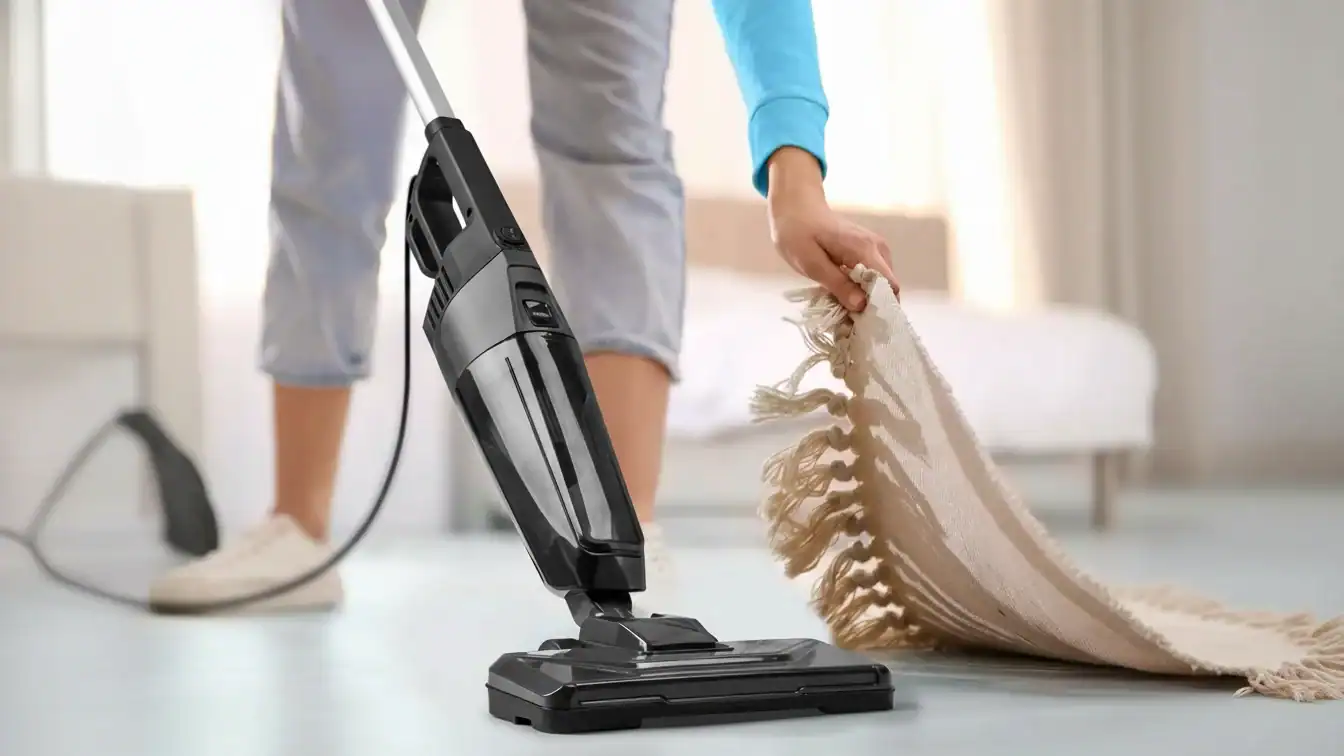
Equilibrio entre un diseño ligero y una gran potencia de aspiración
Los aspiradores de varilla con cable mantienen un alto nivel de succión gracias a una fuente de alimentación continua de 120 V, que elimina la necesidad de pesadas baterías. Esta elección de ingeniería permite que unidades que pesan menos de 5 libras produzcan de 20.000 a 30.000 Pa de succión, proporcionando una potencia de limpieza de nivel profesional en un factor de forma altamente maniobrable.
| Tipo de superficie | Succión requerida (Pa) | Potencia de aire (AW) |
|---|---|---|
| Suelos duros | 3.000 - 5.000 Pa | 100 - 150 AW |
| Alfombra de pelo bajo | 5.000 - 6.000 Pa | 150 - 200 AW |
| Alfombras de pelo alto | 7.000+ Pa | 200+ AW |
Ingeniería de eficiencia en bastidores ultraligeros
La alimentación continua de 120 V permite motores de alto rendimiento de entre 2 y 7 amperios sin la penalización de peso de 1-2 libras de las baterías de iones de litio. Los puntos de referencia de diseño para los modelos de alto rendimiento dan prioridad a los pesos inferiores a 4,4 lb para garantizar la facilidad de uso en superficies verticales y escaleras. Los conductos de aire aerodinámicos y las escobillas motorizadas mejoran la recogida de residuos al tiempo que mantienen una trayectoria de limpieza compacta de 10 pulgadas para espacios reducidos.
Métricas de rendimiento de aspiración y optimización de superficies
Los grados de aspiración que alcanzan de 20.000 a 30.000 Pa (20.000-30.000 Pa) proporcionan la elevación necesaria para el pelo de mascotas y el polvo incrustado en las alfombras. Los requisitos específicos de la superficie dictan 3.000-5.000 Pa para suelos duros y 7.000+ Pa para una limpieza eficaz de alfombras de pelo alto. Las mediciones de eficiencia se centran en los vatios de aire (AW), con modelos con cable que alcanzan 150-210 AW para optimizar el flujo de aire a través de sistemas de filtración sellados.
Retos técnicos de los cables largos en bastidores compactos
Integrar un cable de alimentación de 5-7 metros en una aspiradora de barra de 1-2 kg crea problemas de tensión mecánica y gestión del calor. Los ingenieros deben diseñar puntos especializados de alivio de tensión y barreras térmicas para cumplir las normas de seguridad IEC 60335-1 y, al mismo tiempo, mantener la potencia de salida de 500-600 W necesaria para una limpieza eficaz en 2026.
Integridad mecánica y tensión de anclaje del cordón
El diseño de una estructura portátil de 1-2 kg para soportar un cable de 5-7 metros requiere geometrías robustas de alivio de tensión. El punto de anclaje debe soportar cargas de tracción continuas y el peso del cable de arrastre sin comprometer la integridad estructural de la carcasa de vacío. Los ingenieros recurren al sobremoldeo y al trazado de rutas especializadas para distribuir estas fuerzas por la carcasa de plástico, que suele medir unos 630 × 135 × 160 mm en estos modelos compactos.
El cumplimiento de la norma IEC 60335-1 exige rigurosas pruebas de flexión. El anclaje del cable debe sobrevivir a miles de ciclos de movimiento en ángulos y cargas específicos para evitar la fatiga del conductor o el fallo del aislamiento. Dado que los aspiradores compactos tienen paredes delgadas, mantener el radio de flexión mínimo especificado en la norma IEC 60227 se convierte en un importante obstáculo para el embalaje. Un diseño adecuado garantiza que el cable permanezca sujeto incluso durante el rápido giro de giro habitual en las unidades de bastón ligeras.
La interacción entre la cuerda y el bastidor también influye en el centro de gravedad de la máquina. Un cable externo pesado puede crear un momento de arrastre que tire de la muñeca del usuario. Los ingenieros mitigan este efecto colocando la salida del cable a baja altura o integrando juntas giratorias que permiten que el cable gire libremente, evitando enredos que, de otro modo, aumentarían la carga mecánica en los puntos de conexión primarios.
Seguridad eléctrica y gestión del calor
La gestión térmica es una limitación crítica cuando los motores de 500-600 W funcionan en carcasas confinadas. Las normas IEC limitan la temperatura de las superficies de plástico accesibles cerca de las entradas de cable a entre 60 °C y 75 °C. En una aspiradora de varilla compacta de 1 kg, el motor y el carrete del cable suelen estar adyacentes, lo que concentra el calor en un volumen pequeño. Los ingenieros implementan barreras térmicas y vías de flujo de aire específicas para disipar este calor al tiempo que garantizan que el cable externo no contribuya a un aumento excesivo de la temperatura durante un uso prolongado.
Los cables largos introducen pérdidas de I²R y caídas de tensión que pueden afectar al rendimiento del motor. Un cable de 7 metros aumenta la resistencia, lo que puede reducir la eficacia de aspiración si el motor no puede compensar la caída de tensión. La mayoría de los diseños modernos utilizan sistemas de aspiración de 18 kPa que requieren un suministro de potencia estable. Los ingenieros deben seleccionar calibres de conductor que equilibren la necesidad de una baja resistencia con el requisito de un cable flexible y ligero que no supere los límites de portabilidad del aspirador.
Las certificaciones de seguridad, como ETL y CE, exigen una separación estricta de las rutas de la red eléctrica. Los ingenieros deben mantener unas distancias de fuga y separación precisas en el interior para evitar la formación de arcos eléctricos. Esto resulta difícil en los motores de 600 W, en los que la placa de circuito impreso y los filtros están abarrotados. Al aislar la ruta de entrada de alta tensión de la electrónica interna, los fabricantes garantizan que el dispositivo cumpla las normas 2026 de seguridad y compatibilidad electromagnética (CEM) sin aumentar el tamaño total de la máquina.
Amplíe su marca con soluciones de vacío doméstico OEM/ODM de primera calidad

Versatilidad de los accesorios de mano y herramientas convertibles
Los aspiradores de varilla convertibles utilizan una única unidad de motor-ventilador combinada con acopladores modulares para alternar entre los modos de limpieza de suelos y de mano. Al utilizar interfaces estándar de 32 mm o 35 mm y cierres con muelle, estos sistemas permiten realizar diversas tareas de limpieza al tiempo que mantienen la seguridad eléctrica y la durabilidad estructural durante miles de ciclos de acoplamiento.
Arquitectura modular y sistemas de acoplamiento rápido
Las unidades de accionamiento monomotor utilizan módulos manuales desmontables para funcionar en los modos vertical, de brazo y portátil. Las lengüetas de cierre con resorte y los acopladores tipo bayoneta proporcionan un acoplamiento seguro con fuerzas requeridas de entre 30 N y 60 N. Estos requisitos de tensión específicos garantizan que la aspiradora sea fácil de desmontar para los usuarios, al tiempo que evitan que se suelte accidentalmente durante el funcionamiento. Las articulaciones mecánicas de las herramientas y los cepillos multiposición se someten a entre 5.000 y 20.000 ciclos de articulación durante las pruebas de control de calidad para simular el uso a largo plazo por parte del consumidor. Este diseño modular refleja los sistemas industriales como el STIHL KombiSystem al acoplar un cabezal motorizado con varios accesorios pasivos y motorizados a través de una interfaz de acoplamiento estandarizada.
Normas de interfaz e impacto en el rendimiento de las herramientas accesorias
Los cuellos de los accesorios suelen seguir las normas de diámetro de 32 mm (1 1/4 pulg.) o 35 mm (1 3/8 pulg.) para que las herramientas sean compatibles con todas las marcas. Las herramientas de alta restricción, como las boquillas para hendiduras o los cepillos turbo, pueden reducir los vatios de aire suministrados entre 10% y 25% en comparación con el cabezal principal, debido al estrechamiento de la trayectoria del flujo de aire. Los niveles de ruido suelen aumentar entre 1 y 3 dB(A) cuando se utilizan accesorios más pequeños debido a la mayor carga del motor y a la restricción del caudal de aire. En el caso de los accesorios motorizados, los conectores eléctricos cumplen las normas IEC 60335-1 e IEC 60335-2-2 sobre aislamiento y seguridad, lo que garantiza que la ruta de alimentación permanezca protegida durante los repetidos ciclos de acoplamiento. Los módulos de filtración manuales mantienen la eficiencia de clase EN 1822 H10-H13 para capturar partículas de hasta 0,1 micras, preservando la calidad del aire incluso cuando la unidad se retira del chasis principal.
Gestión térmica en motores de vacío de perfil delgado
En 2026, los motores de vacío de perfil delgado gestionan el calor pasando de la refrigeración por convección a la conducción y la radiación. El uso de diseños térmicamente optimizados reduce la generación de calor en 30%, mientras que los controles del modo de corriente constante (CC) pueden reducir las temperaturas superficiales en 34 °C, manteniendo los componentes por debajo de 100 °C durante el funcionamiento continuo.
Mecanismos de disipación del calor en carcasas compactas
Los motores de perfil delgado que funcionan en entornos de vacío hermético evitan la refrigeración por convección tradicional. En su lugar, los ingenieros dan prioridad a la conducción a través de los soportes del motor y a la radiación a través de las superficies internas para gestionar las cargas térmicas. Estos sistemas utilizan imanes de alta temperatura y materiales de baja desgasificación para mantener la integridad estructural a presiones que alcanzan los 10^-7 Torr, lo que garantiza que el motor no falle en carcasas de vacío herméticas.
La integración de sistemas de aislamiento de clase 200 soporta rangos de temperatura de supervivencia desde -70°C hasta 130°C. Para evitar fallos mecánicos durante las sesiones de limpieza de alto par, la grasa especializada y los cojinetes clasificados para temperaturas extremas entre -80°C y 204°C proporcionan un amortiguador contra el calor inducido por la fricción. La elección de estos materiales permite al motor mantener un alto rendimiento sin riesgo de rotura del lubricante o degradación del bobinado.
Puntos de referencia técnicos y normas de eficiencia
Los diseños de motor paso a paso térmicamente optimizados generan 30% menos de calor que los modelos 2024 convencionales al tiempo que ofrecen un par idéntico. Esta eficiencia permite un aumento del par de 20% cuando se sobrealimenta sin superar los umbrales de seguridad. Los objetivos de regulación de la temperatura de la superficie mantienen las carcasas de los motores a aproximadamente 46°C en modo CC durante ciclos de trabajo de 500 r/min, y permanecen estrictamente por debajo de 100°C durante ciclos de trabajo continuo de 900 r/min.
La implementación del control de corriente en modo de corriente constante (CC) consigue una reducción de 34 °C en las temperaturas de funcionamiento en comparación con los modos estándar accionados por tensión. Los servomotores lineales de la gama de bastidores de 30-50 mm emplean configuraciones de baja resistencia térmica, concretamente entre 1,75 y 6,82 °C/W. Esta baja resistencia facilita una rápida transferencia de calor fuera del núcleo del motor, lo que permite a los motores paso a paso de vacío NEMA 17 alcanzar pares de retención de hasta 115 oz-in manteniendo una clasificación IP67 para entornos sellados.
Ventajas económicas de los modelos con cable frente a los inalámbricos
Los aspiradores con cable ofrecen un precio de entrada más bajo, con un coste medio de $374 en comparación con los $599 de los modelos sin cable. Eliminan los gastos recurrentes de sustitución de baterías de $119 a $199 y proporcionan una succión constante de 250-400 vatios de aire, lo que las hace más rentables para la limpieza de grandes volúmenes en 2026.
| Factor de coste | Modelos de bastón con cable | Modelos sin cable |
|---|---|---|
| Precio medio de compra | $374 | $599 |
| Sustitución de la batería | $0 (No obligatorio) | $119 - $199 por ciclo |
| Rendimiento de aspiración | 250-400 vatios de aire (constante) | 100-300+ Vatios de aire (en descenso) |
| Tiempo de funcionamiento | Sin límites | 30-90 minutos |
| Capacidad de polvo | 1.0L - 3.0L | Más pequeño (vaciado frecuente) |
Ahorro en la compra inicial y eliminación de los ciclos de mantenimiento
Los modelos estándar con cable mantienen un precio medio de $374, mientras que las unidades inalámbricas de barra suelen requerir una inversión de $599 para un rendimiento comparable. Esta diferencia de precio inicial permite a los compradores destinar su presupuesto a una filtración de mayor calidad o a cabezales de suelo especializados sin sobrepasar el coste de una unidad a pilas de gama media. Las barredoras sin cable de gama alta suelen superar los $1.000 para alcanzar los niveles de limpieza que los modelos económicos con cable logran con facilidad.
Los propietarios ahorran $119-$199 por unidad al evitar las sustituciones de baterías de iones de litio necesarias cada pocos años en los sistemas inalámbricos. Estas baterías se degradan con el tiempo, lo que reduce el tiempo de funcionamiento y acaba provocando averías. Al eliminar la batería de la ecuación, las aspiradoras con cable eliminan el coste de mantenimiento recurrente más caro asociado al cuidado moderno de los suelos. Esto las convierte en una opción financiera más estable para la propiedad a largo plazo.
Los diseños mecánicos simplificados de los modelos con cable reducen los fallos de los componentes a largo plazo y el tiempo de inactividad por mantenimiento en comparación con los sistemas electrónicos dependientes de la batería. Los sistemas con cable no requieren complejos sistemas de gestión de la batería ni sensores térmicos que puedan fallar con un uso intensivo. La ausencia de circuitos de carga sensibles se traduce en una mayor fiabilidad en entornos exigentes, lo que garantiza que la herramienta siga estando disponible para el trabajo sin riesgo de fallo de la célula eléctrica.
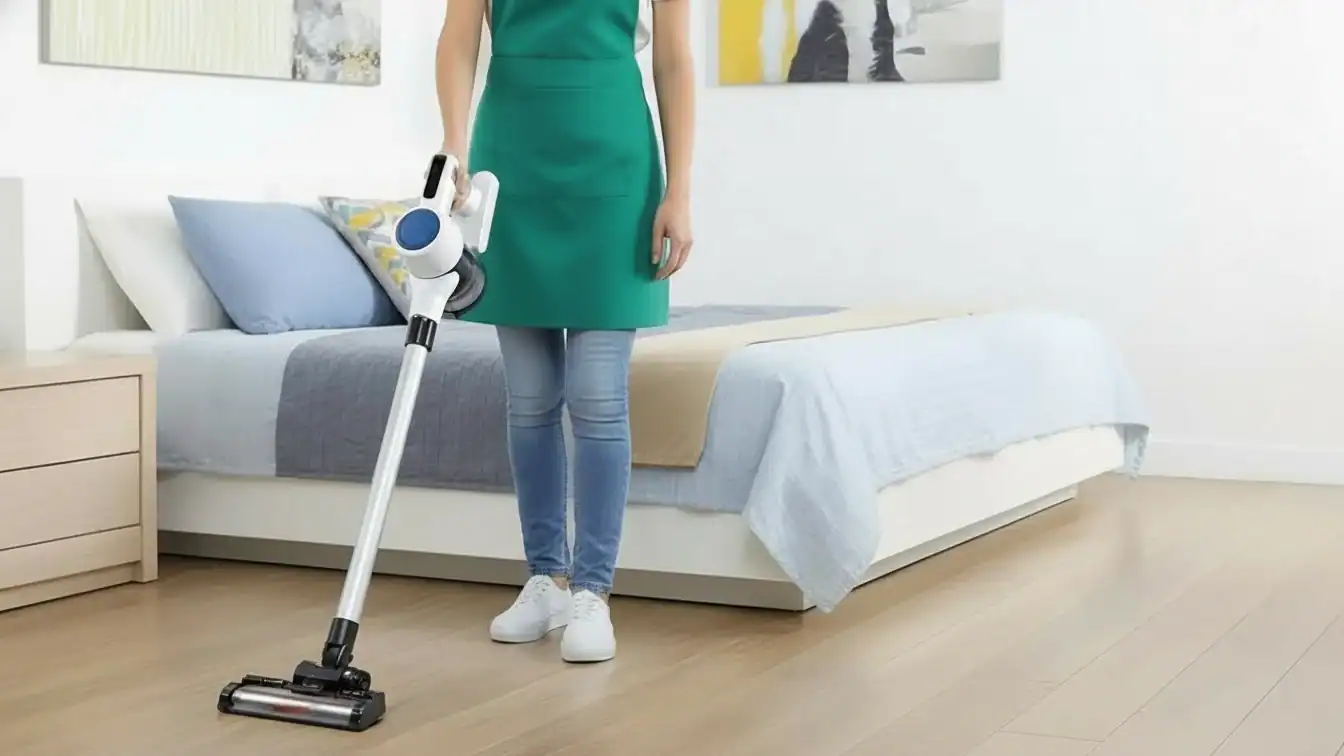
Rendimiento de aspiración sostenido y productividad en tiempo de funcionamiento
Las unidades con cable proporcionan una banda de succión constante de 250-400 vatios de aire (AW), mientras que los modelos sin cable suelen caer por debajo de 300 AW a medida que avanza la descarga de la batería. El acceso directo a una toma de corriente garantiza que el motor reciba un flujo constante de potencia, lo que permite una limpieza profunda en alfombras gruesas que podría calar un motor alimentado por batería. Esta estabilidad de rendimiento garantiza que la calidad de la limpieza sea idéntica desde la primera habitación hasta la última.
La autonomía ilimitada permite el funcionamiento continuo en grandes áreas, evitando el límite de 30-90 minutos que se encuentra en los paquetes de baterías inalámbricas. Para la limpieza industrial o residencial pesada, el tiempo perdido esperando una recarga o cambiando las baterías representa un coste de mano de obra tangible. Los modelos con cable permiten a los usuarios terminar grandes superficies en una sola sesión, mejorando significativamente la eficiencia de la mano de obra y reduciendo el tiempo total dedicado a las tareas de mantenimiento.
Las grandes capacidades de polvo de 1,9 l a 3,0 l de los diseños con cable minimizan las interrupciones del servicio y los costes de mano de obra en comparación con los recipientes más pequeños de las barras portátiles. Los viajes frecuentes a la papelera para vaciar un recipiente de 0,5 l se acumulan con el tiempo, interrumpen el flujo de trabajo y aumentan la exposición al polvo y los alérgenos. El mayor volumen disponible en las arquitecturas con cable permite recoger más residuos por sesión, lo que es vital para zonas muy transitadas u hogares con varias mascotas.
Consideraciones sobre la fabricación para atraer al gran público
La fabricación en serie de 2026 se centra en equilibrar los parámetros de alto rendimiento, como la succión de 20.000 Pa, con el estricto cumplimiento de las normas de seguridad. Las fábricas utilizan protocolos estandarizados como ASTM F11 para la fiabilidad e ISO 9001 para la gestión de procesos, lo que garantiza que las unidades cumplen los requisitos CE y ETL al tiempo que mantienen un montaje rentable para la distribución de grandes volúmenes.
Marcos de seguridad y certificaciones mundiales
La fabricación de aspiradoras de varilla con cable para un público mundial exige el cumplimiento estricto de las normas de seguridad internacionales. La norma IEC 60335-2-69:2021 sienta las bases de la seguridad de los aparatos eléctricos, centrándose en la disipación estática y la conexión a tierra para manipular el polvo de forma segura en entornos domésticos. Para las unidades destinadas a una amplia distribución, la norma EN 17348:2022 define los requisitos de construcción que protegen los componentes internos de los materiales combustibles, evitando peligros sin el coste excesivo de las certificaciones ATEX de grado industrial.
La entrada en el mercado minorista depende de la conformidad material y electromagnética. Las fábricas aplican la directiva RoHS 2011/65/UE para restringir las sustancias peligrosas y la directiva EMC 2014/30/UE para garantizar que los motores no interfieran con otros dispositivos electrónicos del hogar. Las normas del comité ASTM F11 armonizan estos requisitos, ofreciendo un marco unificado de fiabilidad mecánica y eficiencia de filtración que satisface a los organismos reguladores norteamericanos y europeos.
Pruebas de calidad y métricas de eficiencia
Los protocolos de pruebas estandarizados validan el rendimiento de limpieza y la longevidad del producto antes de su distribución masiva. La norma ASTM F608-07 sigue siendo la referencia para medir la eliminación de la suciedad incrustada en las moquetas, una métrica que influye directamente en las valoraciones de los consumidores y en la colocación en los puntos de venta. Para mantener estos estándares a escala, los fabricantes emplean sistemas de control de calidad de triple capa. Este proceso incluye el Control de Calidad de Entrada (IQC) para los componentes del motor, el Control de Calidad del Proceso (PQC) durante el montaje y el Control de Calidad Final (FQC) para verificar que la potencia de succión alcanza los 20.000Pa.
La escalabilidad depende de rigurosas auditorías de fábrica y gestión de procesos. Las certificaciones ISO 9001:2015 garantizan que las líneas de producción mantengan una calidad constante, mientras que las normas BSCI verifican las prácticas éticas de fabricación. Estos marcos permiten a las fábricas integrar funciones avanzadas, como mangueras antiestáticas y configuraciones de soplador de lado limpio, en modelos de consumo asequibles, proporcionando seguridad y eficiencia de nivel industrial a un precio competitivo.
Reflexiones finales
Los aspiradores con cable ofrecen una alternativa fiable para los hogares que necesitan una gran succión sin el elevado precio de las unidades que funcionan con baterías. Al eliminar el peso y el coste de las baterías de iones de litio, estas máquinas ofrecen un rendimiento estable y una autonomía ilimitada para tareas de limpieza en profundidad. Se adaptan bien tanto a pequeños apartamentos urbanos como a casas más grandes, ya que ofrecen una estructura ligera que maneja fácilmente los residuos pesados a la vez que mantiene una aspiración de calidad profesional.
El cambio hacia diseños de motor eficientes y una mejor gestión del calor garantizan que estas herramientas sigan siendo competitivas a medida que el mercado crece hacia 2032. Los minoristas se benefician del almacenamiento de productos que requieren menos mantenimiento y evitan los costes recurrentes asociados a las baterías de repuesto. A medida que mejoran los estándares de ingeniería, el aspirador de varilla con cable sigue siendo una opción práctica para los consumidores que valoran la longevidad y la potencia constante por encima de la comodidad específica de los diseños sin cable.
Preguntas frecuentes
¿Son las aspiradoras de varilla con cable lo bastante potentes para limpiar alfombras en profundidad?
Sí. Las aspiradoras de varilla con cable modernas ofrecen una potencia de succión comparable a la de los modelos verticales de gama media. Pruebas de laboratorio independientes confirman que las unidades equipadas con cepillos motorizados eliminan eficazmente la arena incrustada y el pelo de mascotas tanto de alfombras de pelo alto como de pelo bajo.
¿Cuál es el peso típico de una aspiradora ligera con cable?
La mayoría de los modelos comerciales pesan entre 2,8 kg y 4,0 kg. Aunque los fabricantes se centran en diseños delgados, pocas versiones con cable pesan menos de 2,5 kg porque requieren motores robustos y sistemas integrados de gestión del cable para mantener el rendimiento.
¿Funcionan bien las aspiradoras de varilla en suelos de madera?
Las aspiradoras de varilla son excelentes en superficies desnudas, ya que suelen eliminar casi toda la suciedad fina y el pelo de las mascotas. Para obtener los mejores resultados en madera dura, elija un modelo con un rodillo suave o un cabezal de doble rodillo para evitar que la aspiradora empuje los residuos más grandes por el suelo.
¿Cómo debo guardar un aspirador de tubo con cable sin una base específica?
Utilice los enrollacables integrados para enrollar el cable de alimentación y utilice el gancho incorporado o un colgador de pared para fijar la unidad motora. Si el montaje en pared no es una opción, puede apoyar la unidad plana contra una pared o desmontar la varilla del cabezal de suelo para guardarla en un armario pequeño.
¿Pueden las aspiradoras de barra mantenerse en pie por sí solas?
La mayoría de las aspiradoras de varilla son pesadas y no pueden sostenerse por sí solas. Debe apoyarlas contra una superficie o utilizar un soporte de pared para evitar que vuelquen. Sólo los modelos específicos con un bloqueo de estacionamiento mecánico o una bisagra plegable especializada pueden mantenerse en pie sin apoyo.
¿Cuál es la vida útil media del motor de una aspiradora de varilla?
Un motor de aspiradora estándar dura entre 2 y 5 años en condiciones domésticas normales, lo que representa aproximadamente entre 200 y 500 horas de limpieza activa. La mayoría de las grandes marcas ofrecen garantías que reflejan esta ventana de fiabilidad de 2 a 5 años.

 English
  Español
  Français
  Deutsch
  Português do Brasil
  Русский
  한국어
한국어  日本語
日本語  العربية