 Saltar al contenido principal Saltar al pie de página

La fiabilidad de los sistemas de baterías de alta carga depende de algo más que de la supervisión de la tensión; requiere una distancia de Hamming de 4 para la integridad de los datos y corrientes de reposo restringidas a 10-100 µA por celda para satisfacer los puntos de referencia de la norma IEC 62619. En el caso de los paquetes de tracción industrial, lograr una verdadera seguridad operativa significa ir más allá de las estimaciones visuales para implantar una verificación CRC literal de 24 bits y distancias obligatorias de 3 pies en los cuadros eléctricos para mitigar los riesgos de arco eléctrico.
Este análisis detalla la lógica técnica necesaria para la contratación de SGE inteligentes, centrándose en marcos de seguridad funcional como CEI 61508 y ISO 13849. Esbozamos cómo integrar Confianza cero ciberseguridad con Seguridad CIP protocolos para proteger los activos del edificio de la manipulación del entorno y las brechas laterales de la red.
Entendiendo el Smart BMS y la lógica de seguridad
Smart BMS utiliza una arquitectura de tres niveles (campo, automatización y gestión) para integrar seguridad contra incendios y sistemas HVAC mediante protocolos seguros y marcos de ciberseguridad de Confianza Cero.
Arquitectura multinivel y funciones de seguridad integradas
El BMS inteligente se basa en una jerarquía en la que los datos físicos dirigen la lógica automatizada. Los controladores procesan los datos de campo para ejecutar movimientos precisos en los componentes mecánicos del edificio.
- Sensores de campo: Hardware de control de temperatura, humedad, niveles de CO2, ocupación y consumo de energía.
- Capas de control: Los controladores de campo se encargan de los actuadores locales, como las compuertas, mientras que los controladores de edificio gestionan la compleja coordinación lógica de todo el sistema.
- Integración de la seguridad: Los sistemas de seguridad contra incendios se conectan directamente a los controles de climatización y acceso para activar las anulaciones de emergencia durante las alarmas.
- Salidas lógicas: El sistema genera informes de diagnóstico, visualizaciones de tendencias y programas de mantenimiento predictivo basados en los datos de los sensores en tiempo real.
Protocolos de comunicación y lógica de defensa de la ciberseguridad
La conectividad entre dispositivos requiere protocolos normalizados. Dado que los estándares heredados suelen carecer de seguridad inherente, los gestores de edificios deben desplegar capas de defensa específicas para proteger los controles ambientales frente a manipulaciones.
- Protocolos de interoperabilidad: BACnet es el estándar principal, mientras que Modbus y LonWorks se utilizan para comunicaciones específicas entre sensores y controladores.
- Segmentación de la red: El aislamiento físico y lógico del BMS de la red informática estándar impide que los atacantes se desplacen lateralmente por las instalaciones.
- Marco de confianza cero: Aplicación de la autenticación continua de dispositivos y del principio del menor privilegio, que a menudo requiere una verificación multifactorial o biométrica.
- Seguridad de los datos: Uso de cifrado para los datos en tránsito y en reposo, junto con herramientas de supervisión para detectar cambios no autorizados de los valores de consigna o manipulaciones del entorno.

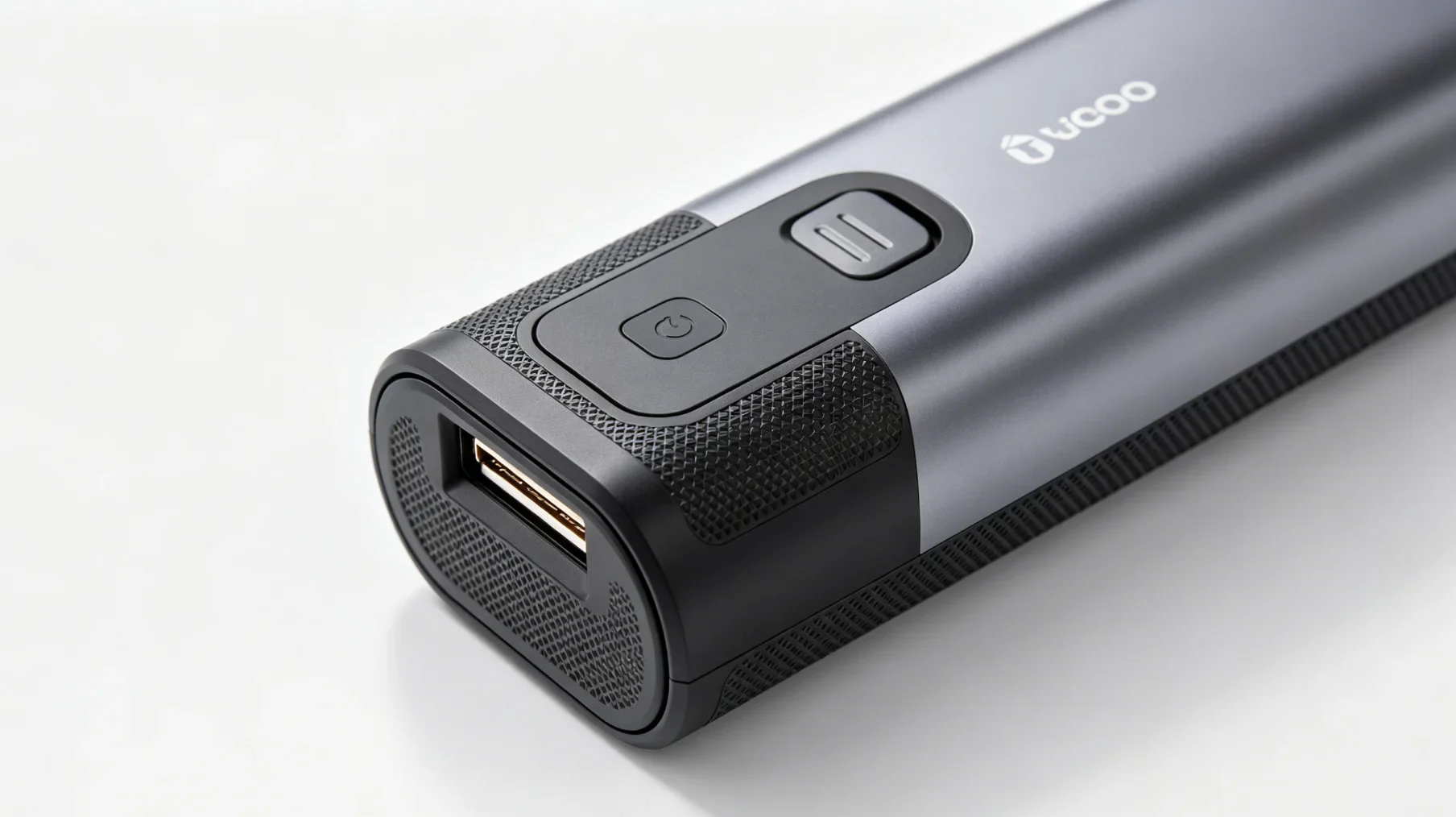
Un elegante dispositivo electrónico modular de color negro con una interfaz de conector chapada en oro, que destaca por su diseño moderno y funcional.
Funciones y protocolos básicos de la lógica de seguridad
La lógica de seguridad utiliza las normas IEC 61508 e ISO 13849 junto con los protocolos CIP Safety para evitar fallos mediante rutas redundantes y verificación de datos CRC de 24 bits.
| Marco / Protocolo | Función principal | Seguridad Métrica |
|---|---|---|
| CEI 61508 | Seguridad funcional general | SIL 1 a SIL 4 |
| ISO 13849 | Sistemas de control de riesgos | PLd a PLe |
| Seguridad CIP | Integridad de los datos de red | Distancia Hamming 4 |
| Lógica del núcleo TMR | Tolerancia redundante a fallos | 3 Autobuses independientes |
Marcos de seguridad funcional: Normas IEC 61508 e ISO 13849
La lógica de la seguridad industrial se adhiere a dos marcos principales que cuantifican el riesgo. La norma IEC 61508 establece la base de referencia para la seguridad funcional en todas las industrias. Define niveles de integridad de la seguridad (SIL) basados en la probabilidad estadística de fallo del sistema. La norma ISO 13849 se centra en los controles de máquinas de alto riesgo y exige unos niveles de rendimiento (PL) específicos que exigen una cobertura de diagnóstico.
Los ingenieros calculan la reducción de riesgos necesaria para la seguridad interbloqueos analizando tres variables específicas:
- Gravedad: El alcance potencial del daño físico o perjuicio.
- Frecuencia: La duración de la exposición al peligro.
- Evitabilidad: La posibilidad técnica de prevenir el peligro una vez iniciado.
La validación del software de estos sistemas no se limita a la revisión del código. La conformidad requiere especificaciones rigurosas de la arquitectura, pruebas de estrés ambiental y planes de pruebas documentados para garantizar que la lógica sobrevive a las interferencias industriales del mundo real.
Integridad del protocolo e implantación de lógica redundante
Los protocolos de comunicación como CIP Safety funcionan según los principios del “canal negro”. Esto significa que la lógica de seguridad garantiza la integridad de los datos independientemente de las capas de red subyacentes. Un objeto Safety Validator gestiona las conexiones de extremo a extremo, alcanzando una distancia Hamming de 4 para detectar la corrupción a nivel de bit en cada mensaje.
Las estructuras de los paquetes de datos cambian en función del tamaño de la carga útil para mantener una alta integridad:
- Formato corto (1-2 bytes): Utiliza un CRC de 24 bits para cubrir los datos y las marcas de tiempo.
- Formato largo (hasta 250 bytes): Utiliza CRC duales y datos complementados (invertidos) para identificar errores inducidos por la red.
- Redundancia modular triple (TMR): Enruta los datos de seguridad a través de tres buses independientes, como se ve en los sistemas de reactores NuScale, para eliminar los fallos de un solo punto.
La seguridad del software a nivel de código utiliza C++ Core Safety Profiles. Estos perfiles utilizan la táctica “Fix/Reject/Check” para aplicar normas estrictas. Por ejemplo, el sistema rechaza las operaciones reinterpret_cast y obliga a comprobar los límites de toda la aritmética de punteros para evitar infracciones de seguridad relacionadas con la memoria.
El cumplimiento de BMS integra las normas IBC, NFPA y ASHRAE, que exigen registros digitales de “hilo de oro” para la seguridad contra incendios y la supervisión medioambiental en las instalaciones modernas.
Códigos internacionales de edificación y normas HVAC
Los sistemas de gestión de edificios sirven de central sistema nervioso para el cumplimiento legal. Proporcionan la supervisión necesaria para cumplir los mandatos de seguridad y eficiencia que varían según la jurisdicción y el tipo de edificio.
- IBC (Código Internacional de la Edificación): Dirige el diseño estructural, la protección contra incendios y la supervisión de la salida a través del SGE.
- Normas NFPA: Integra la supervisión automatizada del sistema de alarma y extinción de incendios para garantizar una respuesta inmediata en caso de emergencia.
- ASHRAE E IECC: Dictar niveles obligatorios de eficiencia energética y parámetros de control de la calidad del aire interior (IAQ).
- Certificaciones ISO: Incluye ISO 9001 (Calidad), ISO 45001 (Salud y seguridad en el trabajo) e ISO 14001 (Gestión medioambiental).
Mandatos de seguridad y requisitos de conservación de registros digitales
La presión normativa está pasando de las inspecciones periódicas al registro continuo y verificable de datos. Las estructuras de alto riesgo requieren ahora historiales de mantenimiento detallados para mitigar la responsabilidad y garantizar la seguridad de los ocupantes.
- OSHA Y EPA: Se utiliza para controlar los materiales peligrosos, las emisiones en el lugar de trabajo y la calidad del aire ambiente para proteger a los trabajadores.
- Hilo de Oro: Obligatorio para edificios de más de 18 m de altura según la Ley de Seguridad en la Construcción del Reino Unido, que exige registros digitales de todas las comprobaciones de seguridad y cualificaciones.
- Protocolos técnicos: Utilización de BACnet, Modbus y LonWorks para un flujo de datos estandarizado y seguro entre sensores y controladores.
- Ciclos de auditoría: Registro automatizado de las comprobaciones mensuales de las alarmas de humo, las inspecciones trimestrales de los rociadores y las revisiones anuales de las salidas de incendios.
Las instalaciones deben segmentar las redes BMS para aislar la TI de protocolos operativos como BACnet. Así se evita que las brechas de ciberseguridad pongan en peligro los controles medioambientales o los sistemas de seguridad.
Amplíe su marca con aspiradores domésticos OEM/ODM de alta calidad

Lista de comprobación del aprovisionamiento: Garantizar el cumplimiento de las normas de seguridad
Auditoría de instalaciones utilizando métricas cuantificables de la OSHA: Distancias eléctricas de 3 pies, espacio de 18 pulgadas para la extinción de incendios y certificación ISO 45001 para garantizar la seguridad operativa.
| Categoría | Obligatorio Métrica / Norma | Base reglamentaria |
|---|---|---|
| Cuadros eléctricos | 3 pies de espacio libre sin obstáculos | Serie 29CFR1910 |
| Extinción de incendios | Espacio libre de 18 pulgadas alrededor de los aspersores | OSHA / NFPA |
| Rampas y pasarelas | Superficies antideslizantes para inclinaciones >20 | 29CFR1926.451 |
| Control del amianto | Gestión y cumplimiento de las encuestas | COCHE 2012 / L143 |
| Seguridad de las máquinas | Anclaje y vigilancia física | 29CFR1910.212(b) |
Marco normativo básico y normas de certificación
Verifique las certificaciones antes de firmar los contratos. La fabricación de alta fiabilidad requiere marcos específicos para gestionar el riesgo operativo. Una instalación sin ISO 45001 o IATF 16949 es un lastre para su cadena de suministro.
- Normas industriales: Cumplimiento de las normas ISO 45001 (Salud y seguridad) e IATF 16949 (Calidad en automoción).
- Documentación: Hojas de Datos de Seguridad (SDS) y Procedimientos Operativos Estándar (SOPs) disponibles según 29CFR1910.1450(e).
- Auditorías de terceros: Autorizaciones válidas de BSCI, GSV, WM-FCCA y SCAN.
- Gestión de materiales peligrosos: Gestión del amianto según CAR 2012 y control de la legionela según la serie L8 ACOP.
- Protocolos de inspección: Proceso de triple capa que incluye el control de entrada (IQC), el control de proceso (PQC) y el control de calidad final (FQC).
Métricas de seguridad de las instalaciones y umbrales de ingeniería
Las separaciones físicas evitan fallos catastróficos durante las emergencias. Estos parámetros no son sugerencias, sino requisitos técnicos para mitigar los riesgos de arco eléctrico y garantizar la eficacia de la extinción de incendios.
- Seguridad eléctrica: Mantenga una zona libre de 3 pies delante de todos los paneles eléctricos.
- Extinción de incendios: Espacio libre de 18 pulgadas alrededor de las cabezas de los aspersores y 2 pies de espacio libre por debajo de la altura del techo.
- Seguridad estructural: Las rampas o pasarelas que superen una inclinación de 20 grados deben contar con superficies antideslizantes según 29CFR1926.451(e).
- Mantenimiento de equipos: Es obligatorio realizar inspecciones mensuales de los extintores y revisiones profesionales anuales del sistema.
- Protección de máquinas: Todos los equipos requieren anclaje y protección según se especifica en 29CFR1910.212(b).
Los ingenieros utilizan estos umbrales basados en la física para reducir las tasas de fallos en situaciones de cargas elevadas. Cuando realice una auditoría, lleve una cinta métrica; las “estimaciones” visuales de distancias de 18 pulgadas o 3 pies a menudo no cumplen los requisitos literales de la OSHA.

Reflexiones finales
Los protocolos BMS heredados son intrínsecamente inseguros. No se puede cambiar la segmentación de la red por la facilidad de acceso sin arriesgarse a un fallo catastrófico del entorno o del hardware.
Exigir una auditoría de Confianza Cero y la certificación IATF 16949 a todos los proveedores de hardware. Verifique físicamente las autorizaciones exigidas por la OSHA con una cinta métrica antes de firmar cualquier contrato de instalación.
Preguntas frecuentes
¿El sistema de gestión de baterías (BMS) dispone de equilibrado activo de celdas y cuáles son los límites de corriente?
El equilibrado pasivo (20-250 mA) sigue siendo el estándar de la industria para paquetes de tracción e industriales. El equilibrado activo está disponible para aplicaciones de alto rendimiento y admite corrientes de entre 0,5 y 6 A.
¿Qué protocolos de comunicación se utilizan entre la batería y el controlador del motor?
El bus CAN se encarga del intercambio de datos primario. Mientras que UART y RS-485 suelen gestionar la comunicación externa, I²C se limita a la comunicación interna a nivel de placa dentro del BMS.
¿Cuál es la corriente de reposo esperada para el BMS durante el modo de almacenamiento?
Para cumplir las normas UN 38.3 e IEC 62619 normas de seguridad, las corrientes de reposo se mantienen entre 10-100 µA por célula para diseños de baja potencia o unos pocos miliamperios por pack para sistemas industriales.
¿Qué normas y certificaciones de seguridad cumplen estos sistemas electrónicos?
Las instalaciones de fabricación cumplen las normas ISO 9001:2015 e IATF 16949. Los componentes cumplen las normas IEC 61851 y EN 62196, así como los requisitos CE, FCC y RoHS.
¿Cuál es la cobertura de la garantía para el BMS y otros componentes electrónicos básicos?
La unidad completa incluye un año de garantía. Ofrecemos una cobertura ampliada de 18 meses para los componentes principales, incluidos la placa de circuito impreso y los controladores lógicos internos.

 English
  Español
  Français
  Deutsch
  Português do Brasil
  Русский
  한국어
한국어  日本語
日本語  العربية