

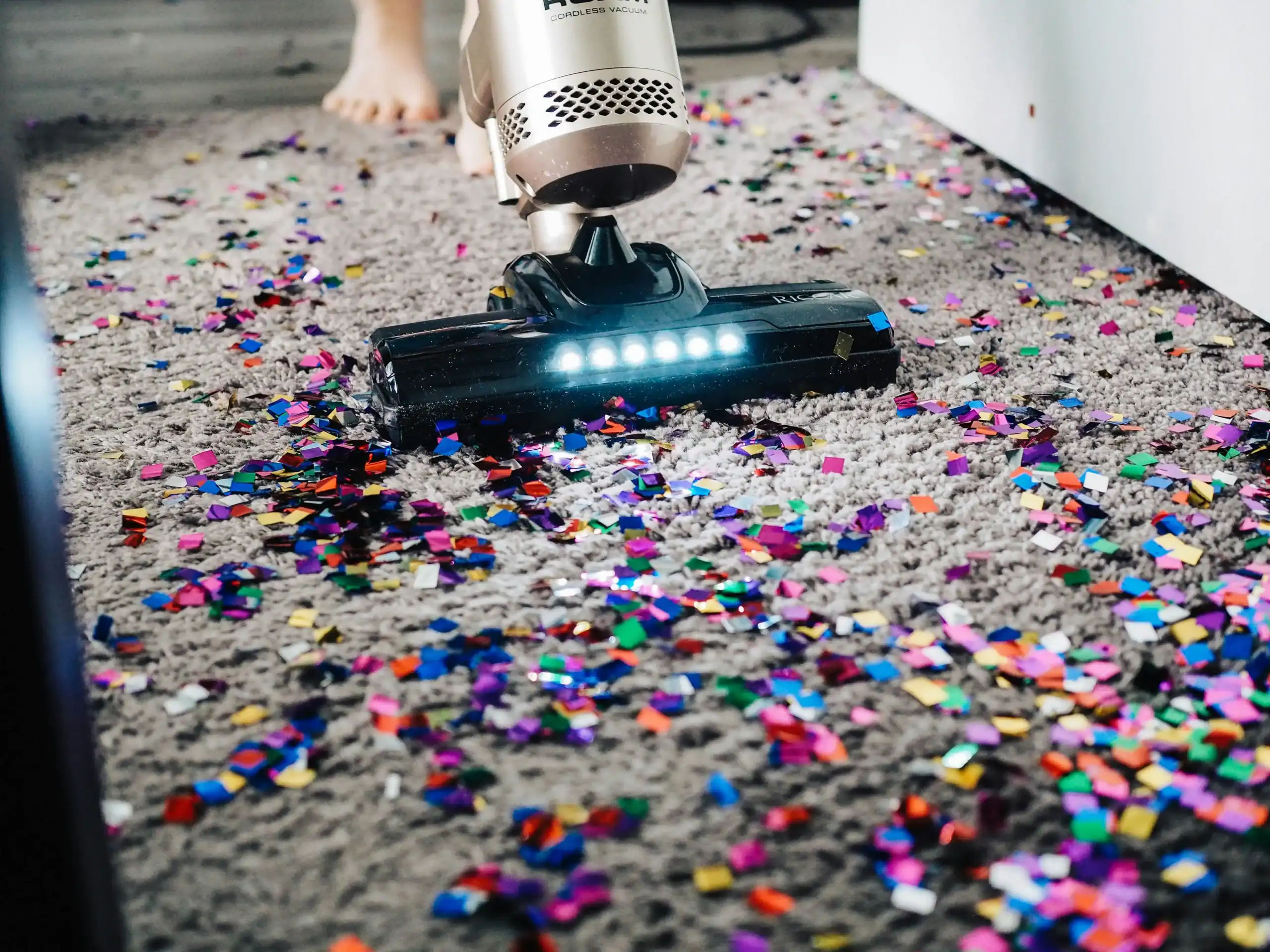
Las fallas del sistema y la caída del rendimiento a menudo se remontan a una sola variable: 8. Mantenimiento del filtro. Cuando el flujo de aire está restringido, los costos energéticos suelen aumentar entre un 5 % y un 15 %, mientras que la sobrecarga en los motores del ventilador representa un riesgo de reemplazo prematuro del equipo. Diseñar pensando en el usuario final implica incorporar salvaguardas que impidan que estas omisiones previsibles comprometan la vida útil del equipo.
Este análisis compara el rendimiento de la malla metálica G1 frente al medio HEPA plisado, que ofrece 10 veces más área superficial, y destaca los riesgos de moho asociados con la reinstalación de filtros antes de que transcurran las 48 horas necesarias para su secado. También exploramos cómo las alertas digitales y los modelos de entrega automatizada eliminan el error humano, ayudando a los sistemas a mantener niveles óptimos de presión mediante cambios constantes de componentes.
Por qué se manifiestan las alergias: filtros obstruidos
Los filtros obstruidos permiten que alérgenos como el polen y el polvo se filtren a través del sistema y se recirculen en interiores, desencadenando directamente síntomas respiratorios. Esta obstrucción aumenta la presión estática, provocando un pico del 5 % al 15 % en el consumo energético y sobrecargando el motor debido a un flujo de aire significativamente restringido.
Filtración de partículas y degradación de la calidad del aire interior
Los filtros de aire de alta eficiencia (HEPA) capturan el 99,97 % de las partículas de hasta 0,3 micrómetros, incluidos irritantes comunes como el polen, los detritos animales y las esporas de moho. Cuando el medio filtrante alcanza la saturación, pierde su capacidad para atrapar estas partículas microscópicas. Estos irritantes entonces se filtran a través de la barrera física y se recirculan en el espacio habitado, donde permanecen suspendidos en la zona de respiración.
El constante movimiento de las partículas atrapadas a través del suministro de aire suele desencadenar reacciones respiratorias inmediatas, como estornudos, tos persistente y picazón en los ojos. Más allá de la simple filtración, la acumulación de polvo y bacterias en las superficies húmedas de los filtros crea un caldo de cultivo para el moho. Esta contaminación secundaria degrada aún más la calidad del aire cuando las esporas entran en el flujo de ventilación.
Consecuencias mecánicas del flujo de aire restringido
Los filtros obstruidos aumentan significativamente la presión estática dentro de un sistema, lo que obliga a los motores de los ventiladores a consumir más energía para mover el mismo volumen de aire. Esta tensión mecánica suele resultar en un aumento del 5 % al 15 % en el uso de energía. Además, el flujo de aire restringido a través de las serpentinas del evaporador o a través de vacuum motors causes components to overheat and undergo short cycling, which increases the risk of premature mechanical failure.
Pressure imbalances within the ductwork or housing produce distinct audible signals, such as whistling, rattling, or heavy vibrations at vents and exhausts. Airflow obstruction also reduces the effective suction power of cleaning equipment. This drop in performance leaves heavy allergens deeply embedded in carpets and upholstery rather than removing them from the environment.
Diseño: malla de precalentador frente a HEPA plisado
Vacuum designs rely on G1 metal mesh to block large particles and hair, preserving airflow for the secondary filter. Pleated HEPA media captures 99.97% of fine dust at 0.3 microns, using an expanded surface area to prevent pressure drops and protect the motor from microscopic debris.
Metal Mesh Barriers for Primary Debris Capture
G1 metal mesh uses expanded aluminum or galvanized alloy foil to catch hair and large debris before they reach the motor. These washable materials withstand high temperatures exceeding 250°C, allowing for repeated maintenance cycles without degrading the physical filter structure. By acting as a primary barrier, the mesh protects internal components from mechanical obstruction.
The coarse design maintains high airflow velocity with minimal resistance. This ensures consistent suction power throughout operation because the large apertures do not clog easily. Metal mesh also avoids shedding fibers into the airstream, supporting clean industrial ventilation and simplifying the maintenance process for high-volume debris management.
Pleated HEPA Efficiency and Airflow Optimization
Pleated configurations increase the filter surface area by 10x over flat designs, which reduces the pressure drop to ≤250 Pa. Micro glass fiber media achieves a 99.97% efficiency rating for particles at 0.3μm, adhering to EN779 and Type C standards. This high-efficiency media traps microscopic allergens and fine dust that coarse mesh barriers cannot capture.
V-form mini-pleat structures optimize dust-holding capacity and prevent rapid clogging. By spreading the air load across a wider surface, the filter extends the lifespan of the vacuum motor and maintains air purity. This geometry balances airflow requirements with filtration depth, ensuring the system captures fine particulates without placing excessive strain on the power unit.
Filtros lavables: el riesgo del tiempo de secado (moho)
Washable air filters require a strict 24-48 hour drying period before reinstallation to prevent mold germination. Moisture trapped in reusable mesh or synthetic media can trigger microbial growth within 48 hours, especially if indoor relative humidity exceeds 70%, potentially circulating spores sized 2-20µm through the vehicle or home environment.
| Métrica de mantenimiento | Especificaciones técnicas | Umbral de seguridad |
|---|---|---|
| Drying Duration | 24 – 48 Hours | Prevents microbial germination |
| Indoor Relative Humidity | 25% – 60% | Inhibits fungal proliferation |
| Cleaning Interval | Every 2 – 4 Weeks | Offsets low MERV 1-4 efficiency |
Microbial Growth and the 48-Hour Critical Window
Mold spores germinate on damp filter materials within 24 to 48 hours when moisture persists. Reinstalling a filter before it fully dries allows microbial growth to take hold in the mesh or synthetic media. Permanent electrostatic filters often create breeding grounds for bacteria and fungi when owners fail to allow complete drying over repeated cleaning cycles. This moisture trap circulates harmful spores, typically sized 2-20µm, directly into the cabin or living space.
The structure of reusable filters, which often includes metal frames and dense synthetic layers, can hide residual dampness. While the exterior might feel dry to the touch, the internal core often retains enough water to support fungal colonies. Once these colonies establish themselves, the HVAC system air velocity distributes spores throughout the entire ductwork, complicating future remediation efforts.
Humidity Thresholds and Maintenance Protocols
Safe operation requires maintaining indoor relative humidity between 25% and 60% to inhibit mold proliferation in HVAC and vacuum filtration systems. Mold species on paper or synthetic materials germinate rapidly when relative humidity sustains levels at or above 70% for several days. Proper climate control limits the biological viability of any accidental moisture left within the filter media after cleaning.
Washable filters generally carry MERV 1-4 ratings, which offer lower particle capture efficiency than disposable HEPA or pleated units. Users must clean these components every 2 to 4 weeks to maintain airflow and system hygiene. OSHA-aligned safety protocols mandate the thorough drying of all wet components within 48 hours to prevent the degradation of indoor air quality. Skipping the full drying window increases HVAC strain and poses significant health risks in high-humidity climates.
Potencie su marca con soluciones de vacío personalizadas de alto rendimiento

Recordatorios digitales: alertas en la aplicación o pantalla para limpiar
Digital reminders use screen indicators like Samsung’s ‘CF’ code or mobile app notifications from Xiaomi’s Mi Home to prompt maintenance. These systems track run-time or airflow resistance, alerting users every two weeks or when performance dips, which removes the guesswork from manual cleaning schedules.
| Método de monitoreo | Activador de mantenimiento | Ejemplo del sistema |
|---|---|---|
| Códigos de visualización en el equipo | Temporizador quincenal o tiempo de funcionamiento | Aire acondicionado montado en pared de Samsung (Código CF) |
| Notificaciones de la aplicación IoT | Horas operativas calculadas | Xiaomi Mi Home / Mijia Pro Eco |
| Monitoreo del flujo de aire | Caída de presión (Delta-P) | Termostatos Wi-Fi inteligentes / FILTERSCAN |
Alertas en la interfaz visual y notificaciones de la aplicación
Las unidades montadas en pared de Samsung muestran un recordatorio de ‘CF’ (filtro limpio) en la pantalla interior como señal visual principal para el mantenimiento quincenal. Este sistema automatiza el seguimiento de intervalos operativos, asegurando que los usuarios aborden la acumulación de polvo antes de que afecte la eficiencia. Plataformas móviles como la app Mi Home/Xiaomi Home envían notificaciones push a los usuarios basándose en horas de funcionamiento calculadas para dispositivos de la serie Mijia Pro Eco. Estos registros digitales ofrecen un cronograma más preciso que los controles manuales, ya que consideran la intensidad real de uso en lugar de fechas simples de calendario.
Los termostatos Wi-Fi inteligentes proporcionan otra capa de notificación al activar luces de ‘cambiar filtro’ o enviar alertas directas por texto y correo electrónico. Estos dispositivos suelen monitorear el sistema HVAC en busca de flujo de aire restringido. Cuando los sensores detectan que el filtro está demasiado saturado de residuos y no permite un paso adecuado del aire, el sistema omite los temporizadores estándar para solicitar intervención inmediata, evitando posibles tensiones en el motor del ventilador.
Sensor Calibration and IoT Data Monitoring
The FILTERSCAN Air Filter Monitor records clean air filter calibration parameters to track the real-time state of the media. The device retains this data through power cycles, which ensures that monitoring remains accurate even after electricity outages. In industrial settings, the Viledon Process View system utilizes QR codes on filter stages to document changes and measurements. This mobile integration uses algorithms for early problem detection, identifying performance anomalies before they lead to system downtime.
Industrial monitoring tools like GoldLink Connect and Digital Matter SMR track pressure drops to generate automated maintenance jobs. These systems often target a delta-P of less than 1 psi for self-cleaning designs. By setting absolute thresholds—such as specific pressure levels or odometer intervals in telematics—facility managers receive automated email reminders. This data-driven approach replaces visual inspections with physics-based triggers, maintaining optimal air quality through consistent, documented upkeep.
Modelos de suscripción: envío automático de filtros de repuesto
Auto-shipping models eliminate the risk of system failure by delivering fresh cartridges before pressure drops occur. For industrial and automotive applications, these subscriptions ensure absolute retention between 0.03 and 1.2 microns remains consistent, protecting against vessel failures caused by overdue swaps.
Reducing User Error and Pressure Vessel Fatigue
Automated delivery schedules prevent filtration systems from exceeding the critical 35 psi change-out ΔP limit during high-flow operations. When operators neglect manual cartridge swaps, the resulting spike in differential pressure—often reaching 90 psi at 70°F—compromises the physical integrity of the filtration unit. Regular replacement intervals protect acero inoxidable housings rated for 150 to 300 psi from chronic structural stress, effectively shielding high-pressure vessels from potential failures at 3000 PSIG.
Maintaining these schedules supports consistent 9. 15 a 17 GPM across various system scales. Single SFN series units handle 21 GPM, while multi-cartridge setups scale up to 1040 GPM. Predictive logistics ensure the system operates within its engineered parameters, avoiding the turbulence and flow restrictions associated with clogged or fouled media.
Technical Standardization of Subscription Cartridges
Subscribed replacements utilize absolute-rated media to achieve 99.98% efficiency with a beta 5000 rating. These cartridges provide reliable surface area coverage, such as 7.2 sq. ft. per 10-inch length for HP-PESE membranes or 6.8 ft² for Proflow II media. Subscription shipments include application-specific gaskets made from Viton, EPDM, or Silicone to meet 2026 durability standards, ensuring a leak-proof seal within the housing during every cycle.
Standardized shipping cycles ensure that polyethersulfone (PES) membranes are swapped before they reach their 80 psid forward pressure limit at 75°F. This proactive approach maintains the structural integrity of the membrane support and prevents media migration. Using 30-inch or 40-inch cartridges in multi-cartridge housings allows the system to meet the high-purity requirements of Class 10,000 cleanrooms and industrial liquid processing without unexpected downtime.
Reflexiones finales
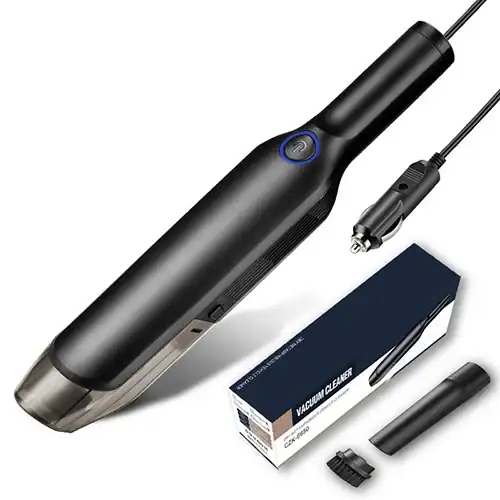
Effective air quality relies on a balance between robust hardware design and consistent maintenance habits. Multi-stage systems using metal mesh and HEPA media capture a wide range of pollutants, yet the human factor remains the most significant variable in system performance. Smart alerts and automated delivery schedules remove the guesswork, ensuring equipment runs at peak efficiency while preventing risks like mold growth or motor strain.
Modern filtration shifts the responsibility from the user to the device itself. Sensor-based tracking and standardized replacement cycles transform maintenance into a seamless background process rather than a manual chore. This data-driven approach maintains high-efficiency standards across residential and industrial settings, extending equipment life and protecting respiratory health through reliable, documented upkeep.
Preguntas frecuentes
Do portable vacuum cleaners include a ‘Check Filter’ warning light?
Many high-performance models feature a dedicated ‘Check Filter’ indicator or lamp that signals when airflow is restricted. To maintain the system after cleaning or replacement, users reset the sensor by holding the power button for three to five seconds. This ensures the unit achieves 99.99% filtration efficiency on particles between 0.3 and 10µm according to EN60312-1:2017 standards.
Are vacuum filters standard sizes or proprietary designs?
Filters use proprietary designs rather than standard universal sizes to ensure an airtight seal and peak suction performance. Most kits include specific components such as two pre-filters and one fine dust filter tailored to the vacuum’s internal housing. Maintenance cycles require replacing pre-filters every six months and fine dust filters every 12 months to maintain optimal performance.
Can B2B clients implement a subscription model for replacement filters?
Our facility focuses on bulk manufacturing and wholesale distribution, providing standardized replacement kits that enable retail partners to manage their own recurring fulfillment services. By maintaining bulk stock of 6-month and 12-month replacement kits, distributors can offer automated shipping schedules to end-users through their own e-commerce platforms.

 English
 Español
 Français
 Deutsch
 Português do Brasil
 Русский
 한국어
 日本語
 العربية