


Engineering high-performance equipment for mobile environments often creates a conflict between structural durability and the severe spatial limits of modern vehicle layouts. With RV sink basins reaching depths of 9 inches and plumbing taking up the center of cabinet voids, traditional storage hardware fails to provide necessary clearance or accessibility. Designers now prioritize collapsible components that survive high-vibration transit while fitting within slim 4.5-inch modular footprints.
This analysis examines the material engineering and mechanical benchmarks required for foldable and telescopic hardware. We look at why 316 acier inoxydable and glass-fiber reinforced nylon are essential for hinges rated for 200,000 fold cycles and dynamic loads of 1500N. The discussion also covers the integration of multi-stage telescopic wands and Shore A 40 silicone bins to maximize utility in high-moisture, high-impact settings.
The “Under-Sink” Storage Challenge
Storing equipment under RV sinks is difficult due to 9-inch basin depths and complex plumbing. Efficient storage requires moisture-resistant materials and modular dimensions—typically 4.5 inches deep—to navigate around flexible PVC pipes and low-profile drains while maintaining user accessibility in 2026 mobile layouts.
Spatial Constraints of Compact RV Plumbing
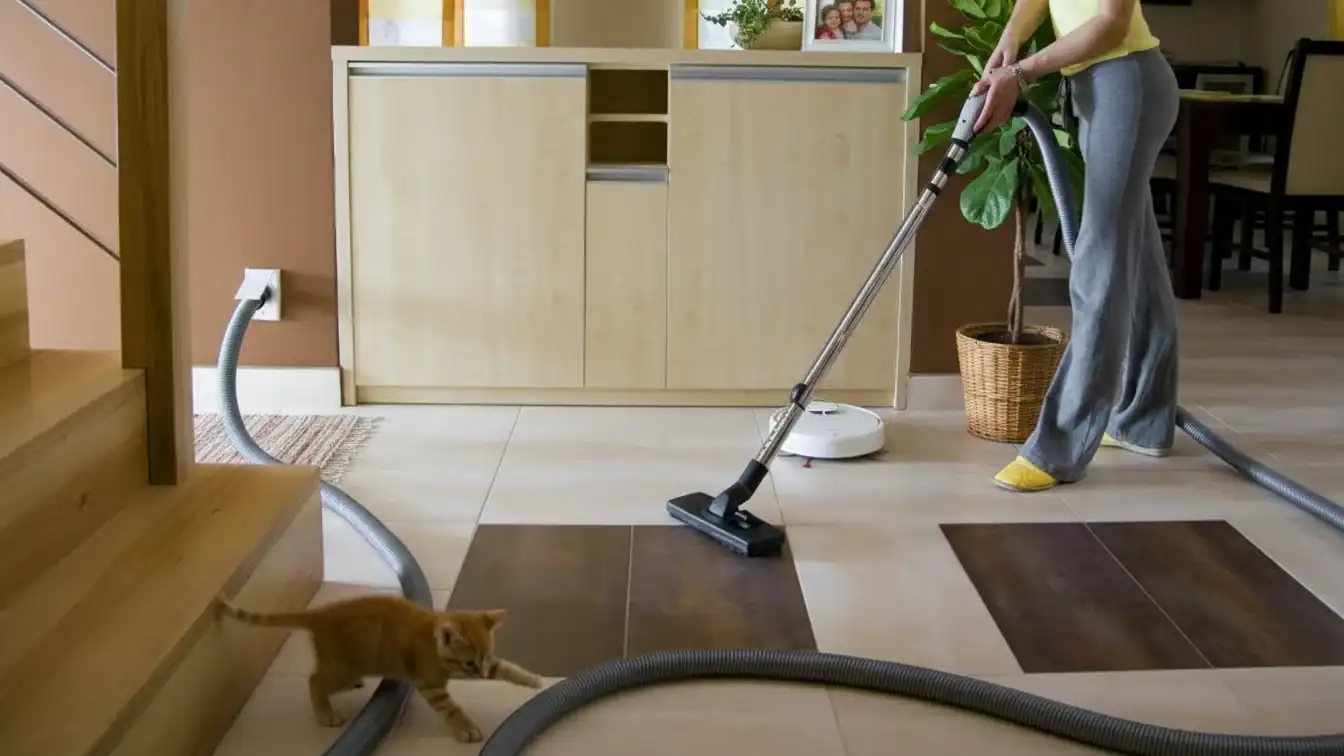
Standard RV kitchen configurations often utilize undermounted stainless steel sinks with dimensions near 23″ x 15″. These sinks frequently feature 9-inch basin depths to accommodate large dishware, but this depth significantly restricts the vertical clearance available within the cabinet base. Because undermount sinks sit beneath the countertop surface, they leave narrow vertical gaps that make it difficult to store tall cleaning canisters or vacuum accessories without specialized mounting hardware.
Plumbing architecture further complicates the internal layout. Flexible PVC pipes and low-profile drains are designed to save space, yet they often occupy the center of the cabinet void. This obstruction prevents the use of traditional shelf inserts or wide bins. Storage must instead focus on the cabinet perimeter, utilizing the small pockets of “dead space” created by the sink’s sub-counter position and the surrounding plumbing fittings.
Material and Dimensional Requirements for Integration
Technical storage solutions for RV cabinets must meet specific dimensional benchmarks to remain functional. Modular units, such as under-shelf canisters, generally require slim profiles between 10.5 and 14.75 inches in width and a depth of exactly 4.5 inches. These measurements allow the hardware to fit alongside the sink basin without blocking access to primary plumbing lines. Using BPA-free plastics for the containers ensures that weight remains minimal, which is critical for maintaining the overall balance and fuel efficiency of a mobile rig.
Durability in high-moisture environments is a secondary but vital requirement. Cabinets under RV sinks are prone to humidity and occasional leaks from sink seals or vibrating pipe joints. To prevent structural failure, installation hardware must consist of powder-coated metal frames and stainless steel screws. These materials resist corrosion and ensure that storage units remain securely fastened during transit, protecting both the cleaning equipment and the interior cabinetry from damage caused by motion and moisture.
Folding Handle Tech: Hinge Durability
Folding handle reliability depends on 316 stainless steel and glass-fiber reinforced nylon to withstand impact forces reaching 1500N. These components must pass 500-hour salt spray tests and maintain structural integrity through 200,000 fold cycles, utilizing torsion springs and damping grease for consistent tension and motion control.
| Component/Material | Indication technique | Norme de performance |
|---|---|---|
| Acier inoxydable 316 | 2-3% Molybdenum Alloy | ASTM B117 (500-Hr Salt Spray) |
| Reinforced Nylon (PA6 + 30% GF) | 500N to 1000N Load | Static Pull Capacity |
| Pivot Hinge Assembly | 1500N Dynamic Load | 200,000 Fold Cycles |
Material Engineering for Stress and Corrosion Resistance
Engineers specify 316 stainless steel for folding handles because its 2-3% molybdenum content provides superior chloride resistance compared to standard 304 steel. This choice prevents structural fatigue and pitting in corrosive environments. Industrial-grade nylon reinforced with 30% glass fiber (PA6 + 30% GF) provides the necessary rigidity to support static pull forces between 500N and 1000N. UV-stabilized polymers prevent the 50% drop in impact strength that typically occurs with long-term light exposure. When using anodized aluminum alloys, insulating washers prevent galvanic corrosion at the contact points with the stainless chassis.
Mechanical Load Ratings and Cycle Testing Benchmarks
Mechanical benchmarks require hinge designs to survive between 150,000 and 200,000 full fold cycles to maintain pivot stability and avoid elasticity loss. These handles withstand 1500N momentary pull forces to manage dynamic impact loads that reach 2-3 times the equipment’s self-weight. Hardware must pass ASTM B117 salt spray testing for at least 500 hours to confirm the absence of red rust. Torsion springs and detent mechanisms work together to eliminate handle wobble and provide vibration resistance, while damping grease ensures controlled motion during operation.
Telescopic Wands: Adjustable Height for Users & Storage
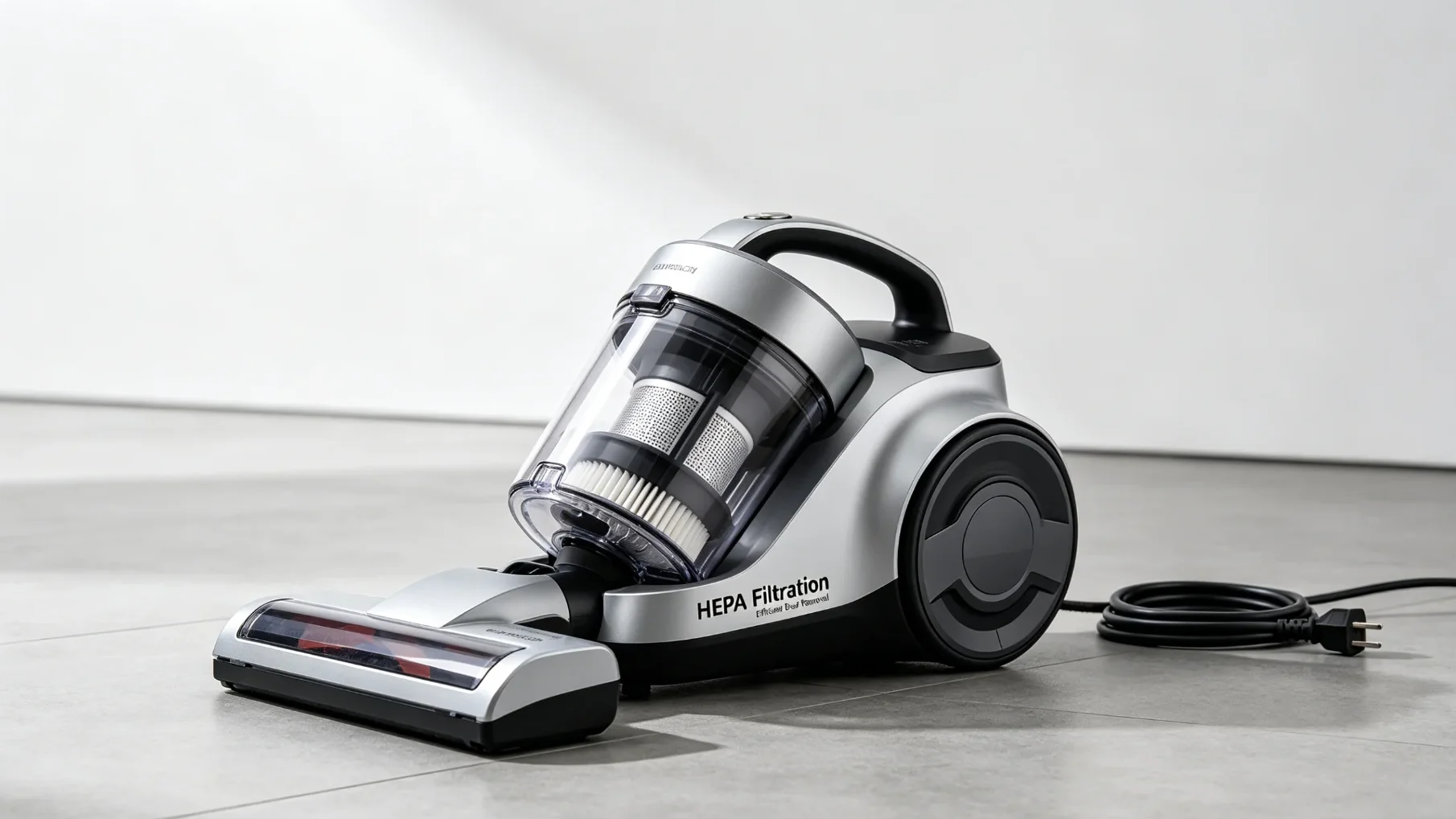
Telescopic wands utilize multi-stage tubes to extend reach from 23.5 inches for storage up to 80 inches for operational use. Using lightweight aluminum or reinforced fiberglass, these wands integrate lever or twist-lock mechanisms to maintain stability under suction or high-pressure loads up to 4,000 PSI.
| Application Type | Extension Range | Matériaux typiques |
|---|---|---|
| Residential Vacuum | 23.5 – 59 inches | PVC, Aluminum, Friction Fit |
| Exterior Spraying | 51 – 80 inches | Aluminum, 100 PSI Max |
| High-Pressure Wash | 6 – 24 feet | Fiberglass, 4,000 PSI Max |
Ergonomic Extension and Space-Saving Storage Dimensions
Vacuum wands provide adjustable ranges such as 23.5 to 39 inches or 32 to 59 inches to support different user heights. This flexibility reduces physical strain during interior detailing or floor cleaning by allowing the operator to maintain an upright posture. For exterior tasks, high-reach lances extend from 51 inches up to 80 inches. These tools allow operators to clean overhead surfaces, gutters, and vehicle roofs from the ground without using ladders.
Collapsed lengths as short as 23.5 inches ensure the equipment fits inside tight storage areas. This compact size is beneficial for RV utility bays, mobile detailing vans, or under-sink cabinets where space is limited. Manufacturers use lightweight PVC and aluminum to minimize arm fatigue during long cleaning sessions, making these tools more manageable for overhead work.
Mechanical Locking Systems and Pressure-Resistant Materials
Wand segments rely on secure locking systems to handle operational loads. Dual lever locks and rotating ring systems prevent sections from slipping when under high suction or vibration. Specialized 1-7/8 inch locking cuffs provide airtight connections for wet and dry vacuum applications, ensuring the wand does not detach during heavy-duty use. For high-pressure cleaning, screw-type locks or latches keep the telescopic sections rigid even at full extension.
Heavy-duty pressure washer variants support up to 4,000 PSI and temperatures of 200°F (93°C). These models often feature reinforced fiberglass or aluminum composites to maintain structural integrity under thermal and mechanical stress. Corrosion-resistant materials ensure long-term durability in wet environments, such as automotive detailing shops or outdoor agricultural spraying zones. These engineering choices provide stability for flow rates reaching up to 10.5 GPM without excessive wobbling or bending.
Solutions OEM/ODM premium pour aspirateurs domestiques haute performance

Collapsible Bins: Silicon vs. Rigid Design
Collapsible bins integrate Shore A 40 silicone walls with rigid bases and top rings to enable accordion-style folding. Silicone models offer 3.2x better microbial resistance and superior space-saving for RV use, while rigid plastic variants support loads up to 2,000 lbs for heavy-duty industrial logistics.
Silicone Wall Flexibility and Living Hinge Engineering
Engineers utilize Shore A 40 durometer silicone to construct the flexible peripheral walls of collapsible storage systems. This specific material hardness provides the necessary elasticity for walls to fold through corrugated sections without permanent deformation. Alternating thicknesses in these corrugations direct the flexing motion and ensure the structure remains stable, preventing the material from jamming during repeated expansion and collapse cycles.
The assembly incorporates over-molded intermediate annular rings that create an inverted truncated cone shape. This geometric configuration allows the bin to fold concentrically around its rigid base, achieving a flat profile for storage. Bistable tension and elastic compression between these rings maintain the container’s integrity when fully expanded, ensuring the bin holds its shape under standard weight loads.
Material Performance in Load Capacity and Hygiene
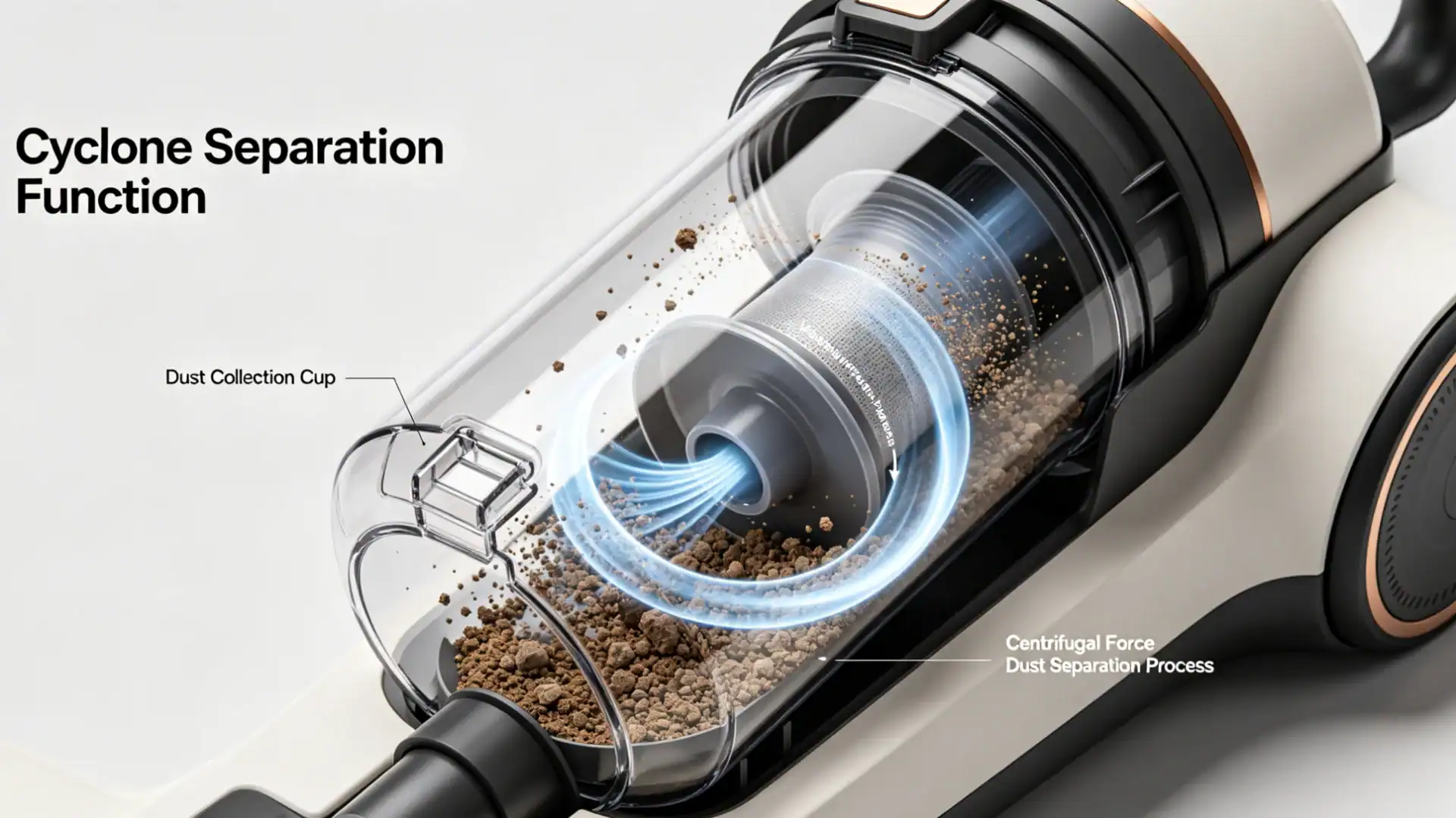
Material selection dictates the performance limits regarding sanitation and structural strength. Silicone collapsible containers demonstrate a 3.2x lower microbial load compared to standard rigid plastic after three days of use in unsterilized environments. This resistance makes silicone variants ideal for food-grade applications and seasonal storage in RVs where humidity and hygiene are primary concerns.
Heavy-duty operations require the structural rigidity found in plastic or paper IBC variants. Rigid plastic collapsible bins support logistics operations with load capacities reaching 2,000 lbs, while specialized paper IBC models withstand compression strengths up to 10,000 lbs. These rigid designs pass ISTA vibration and shock testing to protect contents during transit, whereas silicone excels in return logistics and consumer space management due to its superior folding efficiency.
Travel/RV Use Case: Taking the Vacuum on the Road
RV vacuum systems provide residential-grade cleaning power within compact, vibration-resistant frames. These units utilize 120V AC power and deliver up to 525 air watts of suction, utilizing HEPA filtration to maintain air quality in small, sealed cabins. Their remote-mount designs allow installation in cabinet voids while providing whole-vehicle reach via stretch hoses.
Mobile Power Integration and Space Constraints
Fixed-mount systems operate on standard 120V AC, drawing between 11.7A and 13.8A. This electrical profile maintains compatibility with 30A shore power circuits and mid-size inverters commonly installed in modern RVs and vans. By adhering to these amperage limits, the vacuum functions reliably without overloading the vehicle’s electrical grid during simultaneous appliance use.
Compact footprints as small as 11.75 x 6 x 6.75 inches allow for installation in restrictive environments. These units fit into dinette seat bases, sink cabinets, or exterior storage bays. This space-efficient design ensures that high-capacity cleaning equipment does not sacrifice valuable living or storage areas in mobile builds.
Engineering standards for mobile units prioritize durability against constant road vibration and fluctuating humidity. Manufacturers utilize rust-proof composite housings or all-steel bodies to protect the motor and filtration assembly. Integrated thermal management and forced-air cooling systems prevent overheating when the units operate within enclosed cabinetry voids.
Suction Performance and Cabin Air Quality Standards
High-performance motors deliver 120 to 125 inH2O of water lift and up to 525 air watts. This output matches the suction of full-sized residential central vacuums, providing the lift necessary to remove sand, dirt, and des poils d'animaux from RV interiors. Despite the smaller chassis, these systems maintain airflow between 100 and 121 CFM for consistent cleaning efficiency.
Maintaining air quality is vital in small, tightly sealed living volumes where dust and allergens accumulate quickly. HEPA filtration bags capture 99.97% of particles 0.3 micrometers or larger. This level of filtration effectively removes smoke, pollen, and dander from the recirculated air, which is a critical health consideration for van-life and long-term RV travel.
Stretch hose technology simplifies the cleaning process by allowing a single wall inlet to provide up to 35 feet of reach. This coverage spans the entire interior of a large motorhome while the hose itself collapses into a small drawer for storage. This eliminates the need for bulky, traditional hoses that are difficult to manage in confined spaces.
Noise dampening designs target a threshold of 75 dB(A) or lower at the unit to preserve comfort within the acoustic environment of a van or RV. Remote mounting—installing the main power unit in a separate compartment—further reduces noise levels inside the cabin. This engineering focus allows for powerful cleaning without the disruptive volume typical of portable shop vacuums.
Conclusions finales
Engineering for tight environments relies on balancing material strength with spatial awareness. High-cycle folding hinges and adjustable telescopic wands transform bulky cleaning tools into compact systems that fit into 4.5-inch deep cabinet voids. By using 316 stainless steel and glass-fiber reinforced nylon, manufacturers provide the durability needed to withstand 200,000 cycles without sacrificing the mobility required for RV life.
These technical choices impact more than just storage volume. Silicone walls and HEPA filtration address the specific hygiene needs of small, enclosed cabins by reducing microbial growth and capturing fine allergens. As mobile layouts evolve toward 2026 standards, integrating high-performance suction into vibration-resistant, space-saving frames ensures that maintaining a clean living area remains practical regardless of square footage.
Questions fréquemment posées
What is the expected life cycle rating for vacuum folding hinges?
Industrial folding hinges typically support 50,000 to 100,000 cycles. Based on 10 daily open-and-close operations, these mechanisms remain functional for more than 27 years.
Does the folding mechanism cause air leaks or reduced suction power?
Testing indicates no direct evidence of air leaks resulting from folding mechanisms. Manufacturers utilize cycle and environmental integrity checks to ensure the seals maintain suction throughout the life of the vacuum.
How do folded dimensions improve shipping efficiency for global distribution?
Collapsible designs focus on reducing total volume through precise tolerances, often maintaining less than 1mm of deviation. This compact engineering maximizes container space and improves logistics density for 2026 shipping standards.

 English
 Español
 Français
 Deutsch
 Português do Brasil
 Русский
 한국어
 日本語
 العربية