 메인 콘텐츠로 건너뛰기 푸터로 건너뛰기

닝보 라인에서 화장품 냉장고의 냉각 모듈을 밀봉하는 작업자는 제품이 포장 테이블에 도달하기 전에 느슨한 컴프레서 마운트 소리를 들을 수 있습니다. 2026년 화장품 냉장고 도매 마진은 할인 일정이 아닌 공장 현장의 현실과 견적서 사이의 바로 그 간극에 있습니다. 전형적인 손실 사례: $50,000 주문을 한 구매자는 다음 때문에 마진이 사라지는 것을 지켜봤습니다. 양산 전 샘플 대량 생산 제품과 일치하지 않았습니다.
$49.99에 소매 판매되는 일반적인 화장품 미니 냉장고의 수치를 계산해 보겠습니다. KelyLands와 같은 공급업체의 도매 비용은 FOB 닝보 기준 $18~$25 사이로, 유통업체에게는 건전한 50–60% 총마진처럼 보입니다. 그런 다음 채널이 한몫 챙겨갑니다. Amazon FBA는 추천 수수료와 주문 이행 수수료를 먼저 공제하고, 소매 구매자는 협력 광고 비용을 요구하며, 반품은 또 다른 부분을 깎아갑니다. DTC는 단위당 가장 큰 절대 마진을 확보하지만, 고객 확보 비용 $10~$15가 그 우위를 상쇄할 수 있습니다.
대부분의 공급업체는 견적을 제시합니다 열전 펠티어 모듈 단가를 매력적으로 유지하기 위해서입니다. 컴프레서 버전은 착지 비용에 약 15%를 추가하지만, 한 분기 만에 1년치 이익을 뒤집는 종류의 대부분의 보증 반품을 제거합니다. 2026년에 유지하는 마진은 공장 가격보다는 샘플 승인 시 확정하는 품질 허용 오차와 연간 계약을 체결하기 전에 선택하는 채널에 더 달려 있습니다. 그것을 잘못 잡으면, 책상 위의 가장 저렴한 견적이 서명한 가장 비싼 견적이 됩니다.

대부분의 화장품 냉장고 마진이 오해받는 이유
광고비, 수수료, 반품이 몫을 가져가기 전에는 총마진은 아무 의미가 없습니다.
대부분의 구매자는 $49.99를 봅니다 뷰티 냉장고 그리고 $22 FOB 비용을 보고 두둑한 마진 위에 앉아 있다고 생각합니다. 그 계산은 제품이 마케팅 비용, 플랫폼 수수료, 반품 비용이 전혀 없이 스스로 팔릴 때만 성립합니다. 그런 일은 절대 일어나지 않습니다. 진짜 질문은 총액으로 얼마를 버는가가 아니라, 모든 채널이 각자의 몫을 챙긴 후 얼마가 남는가입니다.
DTC 함정: 높은 마진, 보이지 않는 비용
-
-
- 배송: 라스트마일 배송에 유닛당 $6–$8이 들며, 그 마진의 약 3분의 1을 잠식합니다.
- 고객 확보: 메타와 틱톡에서 유닛당 $8–$12의 광고비를 지출하여 누군가에게 당신의 핑크 냉장고가 지난번에 본 냉장고보다 낫다고 설득합니다.
- 반품: 수익의 약 3%가 손상된 제품과, 자신의 세럼이 사실은 냉각이 필요 없다는 것을 알게 된 구매자들 때문에 손실됩니다.
-
이것들을 모두 합치면 $21 마진은 유닛당 약 $6으로 줄어듭니다. 그래도 여전히 이익이지만, 알고리즘이 분기마다 비용을 증가시키는 상황에서 일관된 광고 효율 점수를 유지할 수 있을 때만 규모를 키울 수 있습니다.
도매의 현실: 낮은 마진, 제로 마케팅 비용
소매 유통은 서류상으로는 더 나빠 보입니다 — MSRP에서 40% 할인은 $49.99 가격표 중 $20을 다른 사람에게 넘겨주는 것을 의미합니다. 하지만 유통업체는 제품이 선반에서 팔리게 하는 YouTube 리뷰, Google Shopping 클릭, 인플루언서 언박싱 비용을 지불하지 않습니다.
그 거의 제로에 가까운 변동 마케팅 비용이 게임을 바꿉니다. 회사의 닝보 기반 공장 파트너십을 통해 확보된 KelyLands의 현재 생산 라인에 있는 유통업체들은 컨테이너 물량에 대해 일관된 FOB 가격을 지불하며 모든 하류 판촉은 소매업체가 처리하도록 맡깁니다. 유닛당 마진은 더 작습니다. 시간당 마진은 그렇지 않습니다.
아마존과 소매: 수수료 누적이 수익 계산을 줄입니다
아마존 FBA는 표면상의 마진을 납작하게 만듭니다. 추천 수수료는 약 15% 수준이며, 여기에 풀필먼트 비용으로 유닛당 $5–$7이 추가됩니다. 그리고 대부분의 진지한 판매자들은 첫 페이지에 진입하기 위해 광고비를 책정합니다. $44.99 판매 가격에 $34 총도입비용은 브랜드 키워드에 대한 신중한 입찰 없이는 순손실로 끝날 수 있습니다.
-
- 아마존 추천 수수료: 판매 가격의 약 15%, 모든 단위에 적용되는 고정세입니다.
- FBA 풀필먼트: 크기와 무게 등급에 따라 단위당 15~17%.
- 소매 협력 광고: 총 매출의 최대 5%, 구매 주문이 성사되기 전에 징수됩니다.
소매 구매자들은 또한 귀하의 SKU를 입고하기 전에 총 매출의 최대 5%에 달하는 협력 광고 자금을 요청합니다. 이는 선반 배치를 위한 현금 지불로, 찾아보지 않는 한 단위 마진 스프레드시트에는 나타나지 않습니다.
상반된 시각: 모든 수입업자에게 승리하는 단일 채널은 없습니다. 기존 소매 네트워크를 구축한 유통업체는 도매로 돈을 벌어들입니다. 강력한 이메일 목록과 반복 구매율을 가진 브랜드 빌더는 DTC에서 모든 경쟁사를 이깁니다. 패배하는 쪽은 기존 운영 강점이 아닌 총 마진 때문에 채널을 선택하는 구매자들입니다.
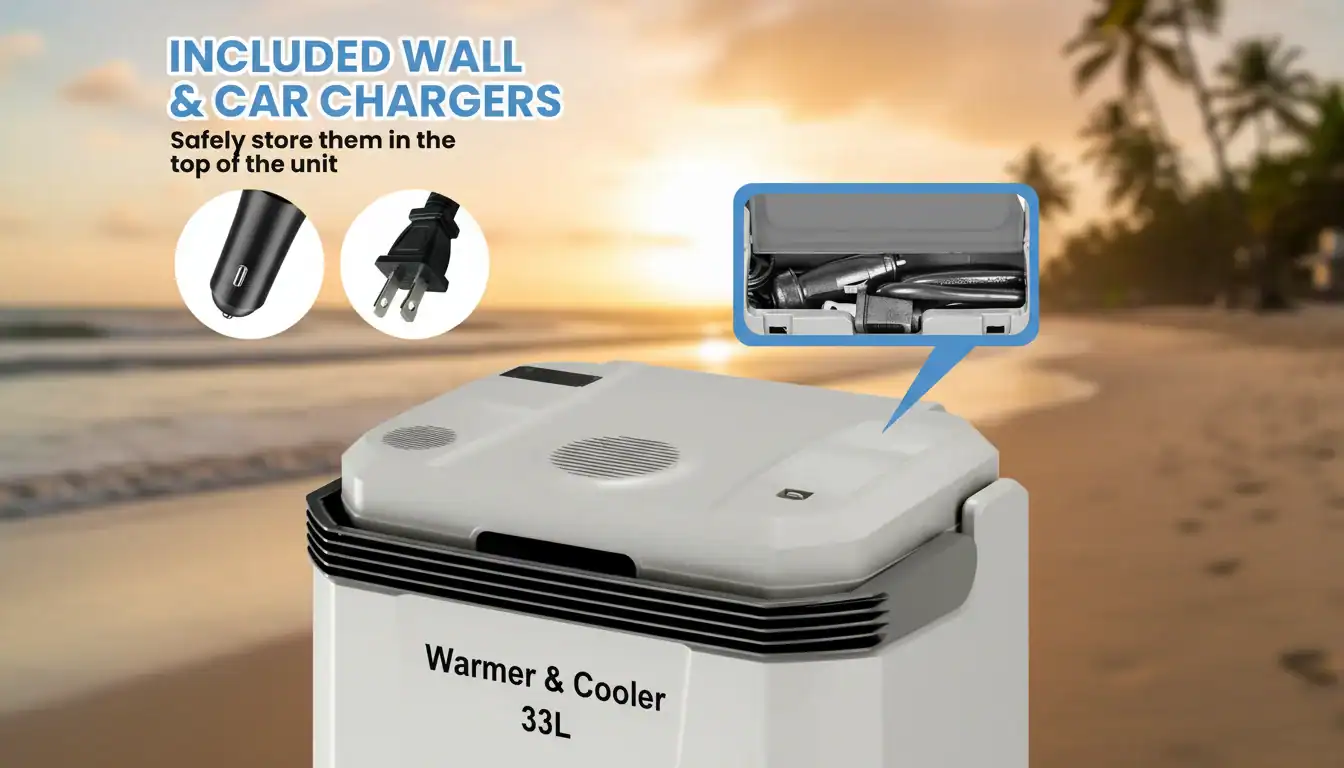
2026년 채널별 화장품 미니 냉장고 실제 비용 분석
FOB 가격은 시작점입니다.
KelyLands CZK-3690을 예로 들어보겠습니다. 이 제품은 표준 화장품 미니 냉장고로 닝보 FOB 단위당 22달러입니다. 미국 창고에 입고하면 운임, 관세, 취급 비용을 포함해 단위당 29달러가 됩니다. 이 29달러가 모든 채널 결정의 출발점입니다.
단일 유닛의 채널 수익 계산
-
- DTC Shopify: 가격 49.99달러, 입고 비용 29달러, 결제 처리 수수료 3달러, Meta 광고 12달러. 순이익: 단위당 5.99달러.
- 아마존 FBA: $44.99 가격, $34 제품원가 + 배송비, $9 플랫폼 수수료, $10 광고비. 순이익: 단위당 -$8.01.
- 소매 매장: $39.99 가격, $29 도착원가, 플랫폼 수수료 없음, 광고 지출 없음. 순이익: 단위당 약 $10.99.
DTC 대 도매 수익 뷰티 냉장고 논쟁은 보통 이 점을 놓칩니다. DTC는 $49.99로 승자처럼 보이지만, 단위당 $15가 결제 처리와 광고에 나갑니다. 소매는 가격에서 $10을 양보하지만 거의 대부분을 유지합니다.
컴프레서 기술이 고장 비용을 바꾼다
Thermoelectric units are cheap to build. They also fail at a rate near 11% in the first year, which lands warranty returns on your freight bill, not the factory’s. KelyLands’ 2018 investment in a Ningbo fridge factory was made with this tradeoff in mind.
A compressor version adds roughly $3 to COGS and drops the field defect rate to near zero. On Amazon, the difference can flip a -$8.01 loss into a modest profit once return-related chargebacks stop eating the margin. For a distributor negotiating annual volume, that reliability gap is the cheapest insurance you can buy.
| Channel | Selling Price | Cost per Unit (COGS + Shipping) | Fees & Marketing (Platform + Ads) | Net Profit per Unit |
|---|---|---|---|---|
| DTC Shopify | $49.99 | $29.00 | $15.00 | $5.99 |
| Amazon FBA | $44.99 | $34.00 | $19.00 | -$8.01 |
| Retail Store | $39.99 | $29.00 | $0.00 | $10.99 |
화장품 미니 냉장고 vs 차량용 쿨러: 어떤 마진 프로필이 승리할까?
Same <100W compressor platform.
The compressor system under a cosmetic mini fridge and a car cooler is nearly identical: a <100W compressor, an injection-molded enclosure, and a basic thermostat control. That shared bill of materials represents most of the unit cost for both products. The hardware doesn’t explain the margin gap — the purchase occasion does.
A skincare fridge sits on a bathroom counter, photographed in lifestyle posts, bought for its finish and brand story. A car cooler gets thrown into the back of a 4×4, scuffed and dusty, judged by how reliably it keeps supplies cold on a trip. Beauty buyers pay for appearance. Outdoor buyers pay for capacity and reliability. Those two different motivations support very different price anchors.
Margin profiles: premium per unit vs. volume per season
A distributor landing a cosmetic mini fridge at $18–$25 FOB 닝보 holds roughly 50–60% gross margin at a $49.99 retail price. The beauty positioning justifies the markup. Car coolers rarely support that spread because the outdoor market price-anchors against passive coolers — rotomolded units and soft-sided bags — that sell at a fraction of an electric fridge’s price. The car cooler yields less per unit, but the category carries strong demand from automotive tourism and camping, which smooths out the volume picture.
One factory, two product lines, one contract
KelyLands founder Nick Chen partnered with Mr. Zhou in 2018 to invest in a Ningbo-based portable fridge factory, securing competitive pricing and reliable delivery for both mini fridges and car coolers. That single supplier relationship means a distributor expanding into dual-line inventory skips the cost of a second audit, a second quality system, and a second round of freight negotiations.
Shared injection molding removes the other major expense: separate mold tooling. Cosmetic fridges and car coolers use the same enclosure architecture with different inserts, colors, and latches. A bundle pack acquisition — cosmetic fridge for the camper van bathroom, car cooler for the rear cargo area — runs on the same molds and the same production floor without additional tooling investment.
Packaging is the one line item that genuinely splits. Cosmetic fridges need retail-ready, photo-worthy boxes for DTC unboxing. Car coolers ship in tougher cartons built for palletized distribution. Even that difference becomes manageable when the same 공급업체 handles both lines and can spec packaging on a per-SKU basis.
-
- Cross-sell leverage:: Distributors already listing car coolers in outdoor-recreation catalogs can add cosmetic fridges to the same brand umbrella. Existing retail relationships carry both categories without new buyer conversations.
- Margin hedge:: The cosmetic fridge carries the per-unit beauty premium; the 자동차 쿨러 carries the seasonal volume. Combined, they balance each other’s demand cycles and protect blended margins.

손실 없이 수익성 있는 화장품 미니 냉장고를 조달하는 방법
The lowest quote is rarely the cheapest unit after warranty failures and retailer chargebacks are on the table.
A cosmetic mini fridge that fails after three months doesn’t just cost you a replacement unit. It triggers a customer refund, a damaged listing, and in retail channels, a chargeback deduction from your next invoice. That’s why experienced importers calculate net landed cost with failure incidence included, not just FOB price per piece.
Lowest effective net landed cost, not lowest price
Net landed cost starts with the factory price and freight, but it doesn’t end there. Add duties, warehousing, payment fees, and the portion of shipments you expect to replace under warranty. A supplier whose price looks higher can still be the cheaper choice if their field failure rate is lower.
Thermoelectric Peltier units are common in cosmetic fridges because they’re cheap to make. They also struggle to maintain temperature in warm rooms. Compressor-based models cost a bit more at purchase order stage, but they cut field failures and the warranty overhead that quietly erodes margin.
Audit the Bill of Materials before you commit
The molded shell of a cosmetic fridge can look identical across suppliers. The PCB underneath determines whether the unit survives a hot warehouse or dies on a customer’s vanity. Ask for a full Bill-of-Materials audit and verify the actual component brands.
-
- PCB relay brand: Confirm the exact relay part number and check it against the supplier’s claimed rating. A generic relay rated for lower current fails faster under startup load.
- Thermal protection: Verify the thermal fuse and cutoff mechanism are listed in the BOM. Units without proper cutoff protection are a fire risk in continuous operation.
- Compressor or Peltier module: Read the manufacturer and model directly from the BOM, not the brochure. The actual cooling module drives both performance and warranty cost.
Order five units for real performance testing
A single pre-production sample can be hand-picked. Order five units and run an ambient temperature performance test in the environment your customers actually face. A bathroom or bedroom in a warm climate pushes a cosmetic fridge harder than a studio photo ever will.
Check temperature pull-down time, noise, and whether the unit cycles correctly in warm ambient conditions. This is where design weaknesses appear.
Lead time as a sourcing signal
A lead time longer than 25 days usually means the factory doesn’t hold critical components in stock. They’re waiting on compressors, PCBs, or relays from a trading company. That lack of component buffer inventory and limited vertical integration turns into delayed shipments and inconsistent batch quality.
KelyLands’ 2018 investment in a Ningbo-based portable fridge factory was built around reliable delivery. When a manufacturer has a direct stake in the production line and keeps component stock nearby, lead times compress and the product’s performance stays consistent from sample to mass production.
결론
Skip the channel math and a $49.99 retail cosmetic fridge quietly turns into a negative margin once Amazon FBA fees, return handling, and ad spend hit the ledger. The $18–$25 FOB Ningbo factory price only matters if the downstream channel protects it. Distributors who locked down sample approval and quality tolerance before the contract kept their margin; the ones who skipped it are still covering return freight on failed thermoelectric units.
-
- At a $49.99 retail price, the $18–$25 FOB cost leaves distributors a 50–60% gross margin before fees.
- Amazon FBA referral fees eat about 15%; fulfillment adds $5–$7 per unit, turning gross profit into a loss.
- DTC brands retain about $28 per unit but ad costs of $8–$12 per unit often wipe out that edge.
- Compressor models add roughly $3 upfront and cut defect rates close to zero, protecting returns and brand reputation.
Before committing to 2026 annual volumes, review the current cosmetic fridge specifications on the product page and compare compressor-based options against the thermoelectric baseline. One spec sheet won’t replace a full bill-of-materials audit, but it gives you the factory-side pricing anchor you need before negotiation. Start there, then request a five-unit pre-production sample run to verify the cooling performance curve yourself.
자주 묻는 질문
화장품 냉장고의 도매 가격은 얼마인가요?
$49.99에 소매되는 일반적인 화장품 미니 냉장고의 경우, 도매 비용은 FOB 닝보 기준 $18~$25입니다. 이는 유통업체에게 운임, 수수료 및 애프터서비스 비용을 제외하기 전 약 50~60%의 총 마진을 제공합니다. 사양과 수량을 확정한 후 최종 FOB 가격을 확인하세요.
아마존 셀러가 화장품 냉장고에서 기대할 수 있는 마진은 얼마인가요?
아마존 셀러는 일반적으로 마켓플레이스 수수료를 제외한 후 35–40%의 총마진을 얻습니다. FBA 보관료, 광고비, 반품 비용은 실제 순마진을 더 낮출 수 있습니다. Amazon FBA를 선택하기 전에 수수료와 반품율을 모델링하세요.
화장품 냉장고의 일반적인 최소 주문 수량(MOQ)은 얼마인가요?
대부분의 공급업체는 열전식 화장품 냉장고에 대해 500개 단위의 MOQ를 견적합니다. 그 수량이 너무 높다면 재고 모델이 더 작은 시험 주문을 지원하는지 문의하세요. 각 구성에 대해 MOQ를 서면으로 확인받으십시오.
DTC 화장품 냉장고의 마진이 도매보다 저조한 이유는 무엇인가요?
DTC 브랜드는 단위당 약 $28의 이윤으로 수익성이 좋아 보이지만, $10~$15의 고객 확보 비용이 그 이점을 상쇄합니다. 도매는 마케팅 비용이 거의 없어 순이익률이 더 예측 가능한 경우가 많습니다. DTC로 전환하기 전에 고객 확보 비용을 계산하세요.
압축기 화장품 냉장고는 추가 비용만큼 가치가 있나요?
압축기 기반 cosmetic fridges cost roughly 15% more than thermoelectric units. They deliver about double the cooling efficiency and fewer warranty returns, which can lower total after-sales cost. Compare total landed cost, not just the unit price.

 English
  Español
  Français
  Deutsch
  Português do Brasil
  Русский
  한국어
한국어  日本語
日本語  العربية