 Перейти к основному содержанию Перейти к нижнему колонтитулу


Executing a Phase 2. Drop Protection OEM(borosilicate glass kettle portable) strategy serves as the primary defense against catastrophic transit breakage and soaring warranty replacement costs. Travel-friendly beverage appliances endure brutal handling conditions inside luggage and during daily commutes. Brands shipping bare glass units invite immediate financial loss from shattered inventory and negative customer reviews. Integrating a custom food-grade silicone sleeve directly solves this operational vulnerability, giving buyers a structural shock absorber that physically shields the unit and protects long-term profit margins.
This technical operating procedure defines the manufacturing specifications for custom silicone armor. We detail the engineering mechanics behind surviving a 1-meter drop test and calculate the exact tooling costs required for base logo embossing. Procurement teams will gain actionable insights on precise factory Pantone-matching, LFGB safety standard compliance, and thermal dissipation metrics so the sleeve actively protects the appliance without trapping excess heat.
How Do Food-Grade Silicone Sleeves Survive the 1-Meter Drop Test?
Food-grade silicone leverages high inherent compressibility and thermal stability to absorb kinetic energy, physically shielding fragile components like high borosilicate glass from catastrophic impact failure.
Shock Absorption Mechanisms
Food-grade silicone relies on inherent compressibility to dampen mechanical vibrations during a sudden impact. The soft, flexible nature of the material allows the sleeve to act as a physical cushion that compresses immediately upon hitting a hard surface. This rapid compression actively absorbs and redirects the kinetic energy from a 1-meter fall away from fragile internal components. For products like the KelyLands SM400 автомобильный чайник, this specific mechanical action protects the high borosilicate glass from shattering upon impact.
| Material Configuration | Impact Absorption (1-Meter Drop) | Thermal Shock Resistance |
|---|---|---|
| Bare Borosilicate Glass | Poor (High shatter risk) | Excellent (Zero-odor boiling) |
| Standard Rigid Plastic | Moderate (Crack/fracture risk) | Low (Melting and off-gassing risk) |
| Silicone-Sleeved Glass | High (Kinetic energy redirected) | Excellent (-60°C to 225°C operating range) |

Material Stability Across Temperature Extremes
Silicone maintains its protective structural integrity even when facing severe heat or cold. Food-grade silicone retains its elasticity across a broad temperature range, functioning reliably from -60°C up to 225°C. This thermal stability ensures the sleeve avoids becoming brittle and cracking during a physical drop. Even if a fleet operator drops the appliance onto frozen asphalt immediately after boiling water in a cold climate, the material continues to absorb the shock without structural failure.
Quality Control for Bulk B2B Production
Rigorous factory testing guarantees consistent drop resistance across large OEM orders. KelyLands enforces a triple-layer inspection protocol consisting of Incoming Контроль качества (IQC), Process Quality Control (PQC), and Final Quality Control (FQC). These protocols verify the precise thickness and density of every silicone sleeve before final assembly.
- IQC measures masterbatch ratios and raw material elasticity parameters.
- PQC monitors curing temperatures to prevent material degradation during molding.
- FQC executes random batch drop tests to confirm physical resilience.
Production teams validate these material properties under ISO 9001:2015 and IATF 16949 standards. This tight workflow easily meets the strict 2026 durability requirements demanded by commercial logistics fleets and RV outfitters.
Can the Factory Pantone-Match the Silicone Sleeve to Our Brand Colors?
Precision spectrophotometry and rigid masterbatch controls allow factories to match OEM brand colors on silicone sleeves with a Delta-E variance of ≤1.0, rendering any differences imperceptible to the naked eye.
Achieving Delta-E Accuracy in Pantone Matching
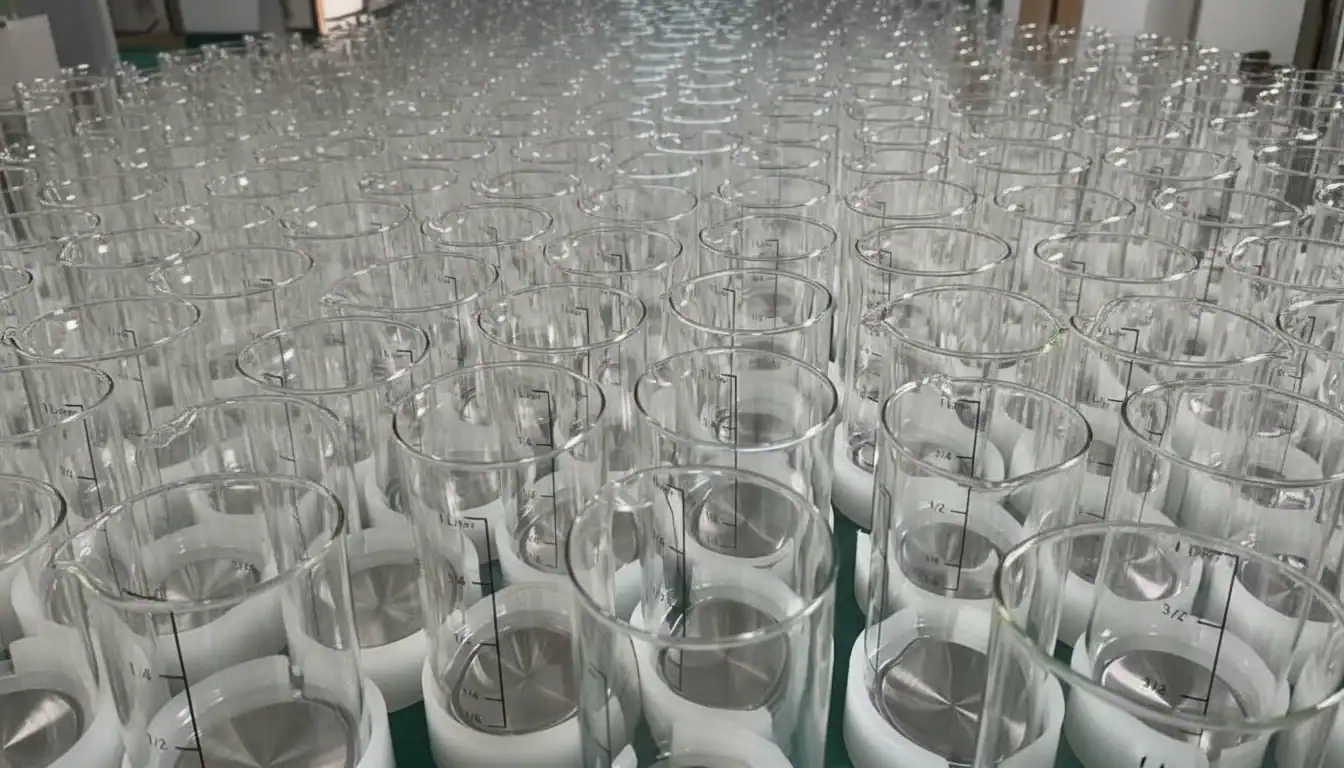
KelyLands matches exact brand colors using the Pantone Matching System (PMS) combined with LAB/CIELAB color measurement standards. Factory engineers rely on advanced spectrophotometry and computer-assisted tools to lock in Delta-E (ΔE) values of ≤1.0. This tight tolerance ensures color variations remain entirely imperceptible to the human eye across production runs.
The OEM engineering team requires exact Pantone codes from clients rather than photo-based references. Photos introduce lighting and screen calibration biases, whereas a precise Pantone code provides an objective, mathematical baseline for the dye formulation process.
Управление технологическими переменными для обеспечения стабильности цвета
Достижение целевого цвета с первого образца требует строгого контроля процесса. Инженеры поддерживают допуски соотношения-masterbatch в пределах ±0.5% на этапе начальной разработки красильной рецептуры. Даже незначительные отклонения в объеме красителя могут существенно изменить итоговый оттенок отвержденного силикона.
На заводе строго контролируются температуры вулканизации, удерживая их в точном диапазоне ±2°C. Это предотвращает подгар или пожелтение, что непропорционально сильно влияет на светлые уплотнительные манжеты. KelyLands оценивает свойства базового материала перед смешиванием, учитывая оптические различия между прозрачными и молочно-белыми силиконовыми основами. Команда корректирует нагрузку пигментом, чтобы сопоставить её с конкретным профилем светопропускания исходного материала.
Установление цветных ориентиров для объемных заказов OEM
KelyLands рекомендует выбирать коды Pantone C (покрытая бумага) или U (непокрытая бумага) для сплошных непрозрачных силиконовых изделий. Эти стандартные коды обеспечивают яркие, предсказуемые результаты, идеально соответствующие вашим существующим корпоративным стандартам фирменного стиля.
After clients approve the initial physical color sample, the engineering team thoroughly documents the exact dye formulation, pigment ratios, and thermal curing profile. This stringent documentation guarantees exact repeatability across standard 3,000-piece bulk orders, securing consistent brand presentation for глобальный B2B fulfillment operations.
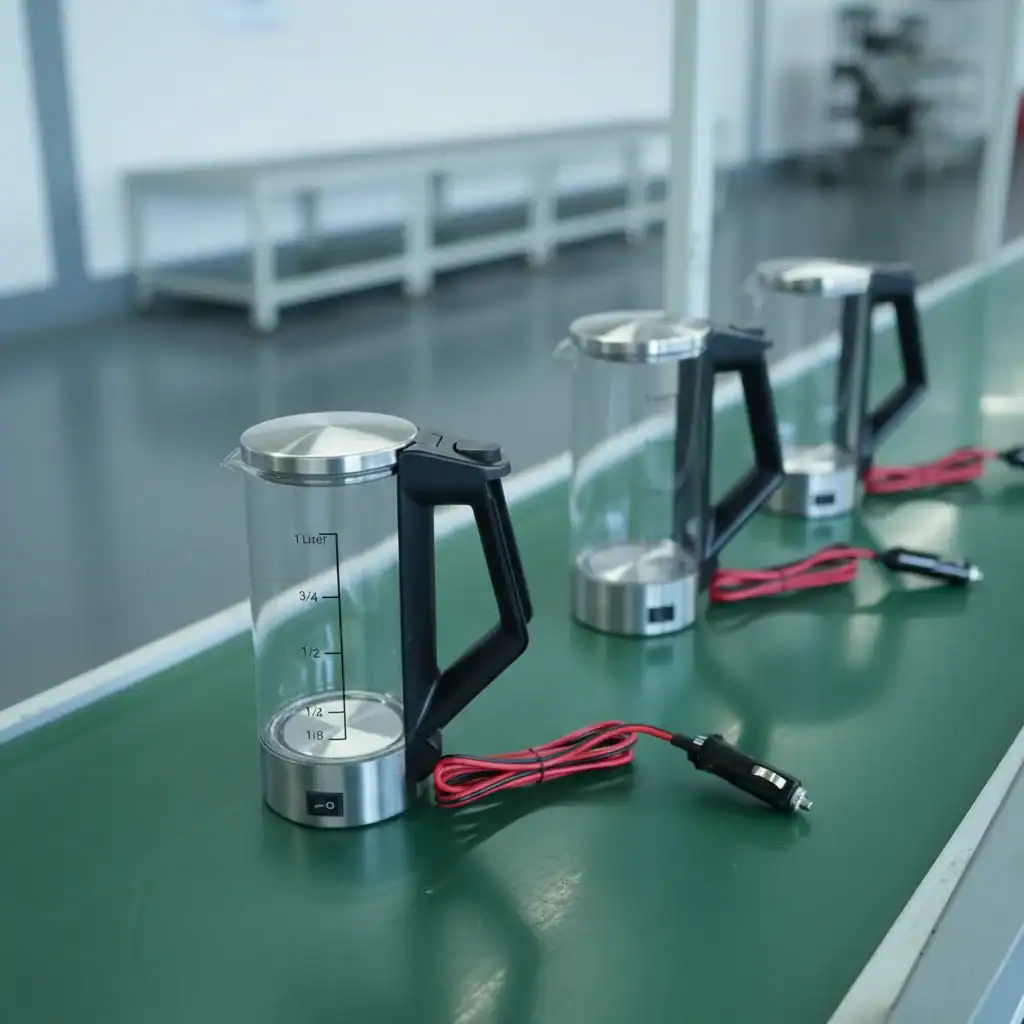
Secure High-Margin 12V/24V OEM Car Kettles
What Is the Tooling Cost for Embossing Our Logo on the Silicone Base?
Custom silicone tooling investments range from $400 for basic single-cavity setups to over $10,000 for multi-cavity automated systems, but high-speed B2B production runs quickly amortize these upfront costs down to pennies per unit.
Initial Capital Investment for Mold Creation
Machining the physical mold drives the primary expense in silicone logo embossing. Manufacturers utilize CNC machining or electrical discharge machining (EDM) to carve intricate logo geometries into steel or aluminum blocks. Equipment requiring precise temperature and pressure controls dictates the mid-tier to premium pricing for this custom tooling. For standard designs, single-cavity molds present an accessible entry point, while high-volume orders demand complex multi-cavity systems to maximize production speed.
KelyLands engineers reusable mold systems to maintain long-term cost-effectiveness for recurring B2B wholesale orders. By utilizing durable tooling materials optimized for rapid heating and cooling phases, the factory ensures the mold sustains thousands of cycles without degrading the crispness of the 3D embossed logo.
| Tooling Category | Estimated Cost Range | Типовое применение |
|---|---|---|
| Одногнездная пресс-форма | $400 – $4,000 | Straightforward logos and low-volume B2B pilot runs |
| Multi-Cavity Mold | $5,000 – $25,000 | Intricate 3D geometries and mass fleet production |
| Digital Prototyping | $100 – $1,000 | Physical verification before cutting final metal |
CAD Integration and Prototyping Fees
Digital design workflows directly influence the initial setup and prototyping costs. Advanced CAD-integrated systems allow designers to finalize the 3D logo details, check tolerances, and analyze flow dynamics before engineers cut the physical metal mold. Industry rates for this specialized design phase typically run between $50 and $200 per hour, depending on the intricacy of the brand artwork.
The OEM design team at KelyLands validates every dimension to ensure the brand logo transfers flawlessly to the silicone base of the SM400 high боросиликатный стеклянный чайник. This thorough digital verification step prevents expensive rework, keeps initial prototyping fees manageable, and guarantees the final silicone sleeve aligns perfectly with the rigid glass exterior.
Production Scale and Cost Amortization
Balancing the upfront tooling fee against the total production volume dictates the ultimate commercial viability of custom embossing. Upfront tooling investments pay off through high-speed automated production, which drops the per-unit price significantly at scale. When a brand orders a large batch, the factory distributes the $4,000 mold cost across thousands of units, making the custom branding expense nearly invisible on the final invoice.
- KelyLands structures customized B2B kettle runs at a 3,000-piece minimum so buyers can easily absorb the mold fee across the batch.
- The factory utilizes rapid cooling cycles to increase the daily output yield of custom silicone sleeves.
- Современное оборудование обеспечивает быстрое выполнение заказов без ущерба для качества детализации 3D-логотипа и целостности материала.
Does the Sleeve Interfere With the Kettle’s Heat Dissipation?
Силиконовые манжеты пищевого класса работают как плотные теплоизоляторы, а не как радиаторы, активно повышая КПД кипячения за счёт удержания внутренней тепловой энергии при сохранении безопасной для прикосновения внешней поверхности.
Теплоизоляционные свойства силиконовых манжет
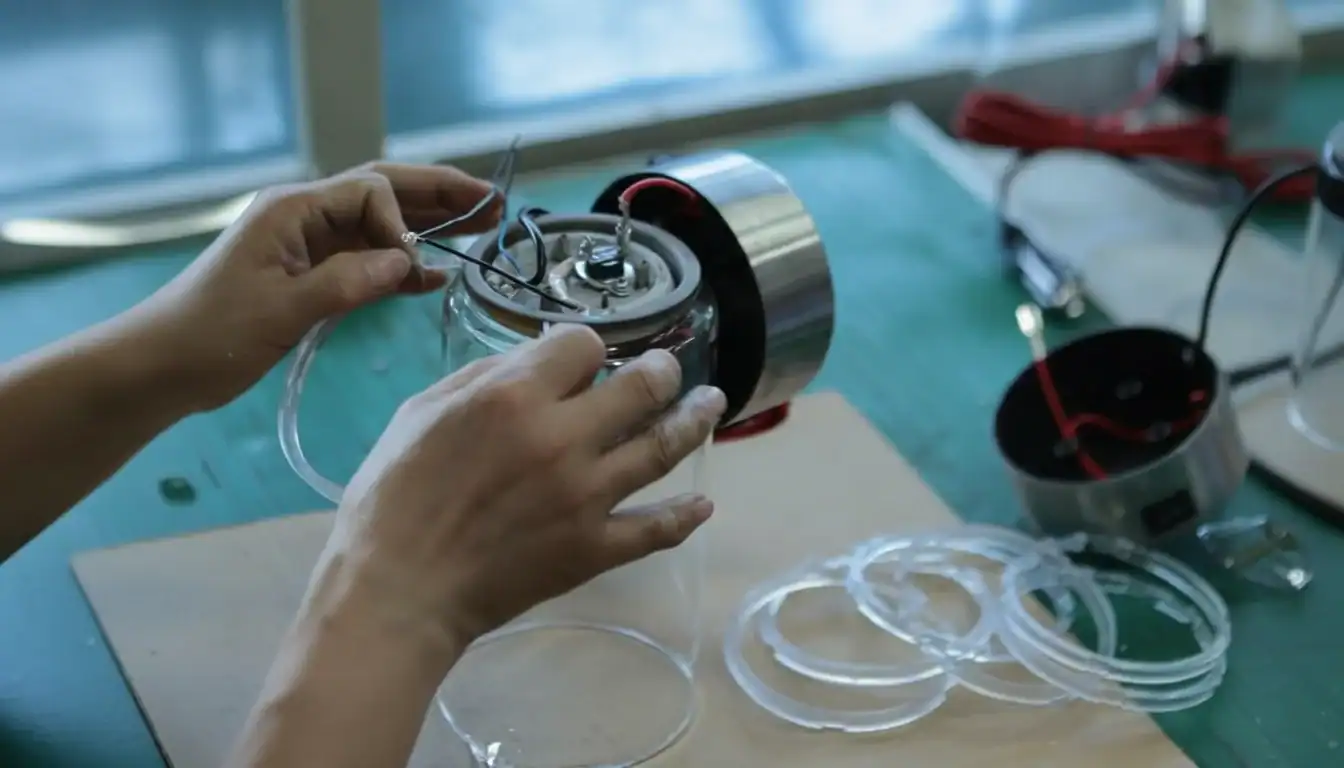
Силикон пищевого качества кардинально меняет тепловую динамику модели SM400 High чайника из боросиликатного стекла. Вместо того чтобы отводить тепло от воды, как это делает металлический радиатор, силиконовая манжета выступает высокоэффективным теплоизолятором. Эта плотная преграда существенно ограничивает прямой перенос тепловой энергии от жёсткой стеклянной поверхности во внешнюю среду.
Благодаря исключительно низкой теплопроводности силикон удерживает тепло внутри резервуара объёмом 1000 мл. Это свойство материала обеспечивает длительное сохранение высокой температуры воды после завершения цикла нагрева, что значительно снижает потребность водителей в дальних рейсах неоднократно включать питание повторно.
Влияние на эффективность кипения при 12V/24V
Нагрев воды от бортовой сети автомобиля требует строгого управления энергопотреблением. Автомобильные чайники KelyLands мощностью 12V/24V работают в ограниченном диапазоне 150–300 Вт и требуют примерно 30 минут для закипания 1000 мл воды. В условиях низкого wattage потеря тепла в окружающую среду является ключевым фактором, определяющим общую скорость кипения.
Защитный чехол охватывает боковые стенки стеклянного цилиндра, активно предотвращая охлаждение сосуда холодным воздухом в салоне грузовика. Блокируя внешнее температурное воздействие, чехол направляет максимум тепловой энергии непосредственно в воду, оптимизируя 30-минутный цикл кипения и снижая лишнюю нагрузку на электросеть транспортного средства.
Безопасность пользователя и внешняя передача тепла
Managing external surface temperatures establishes the safety baseline for fleet drivers and RV users operating heavy-duty kettles in confined spaces. The silicone sleeve functions as a reliable thermal barrier, specifically engineered to intercept the intense temperatures radiating outward from the borosilicate glass core.
While the internal water reaches a 100°C rolling boil, the low-conductivity sleeve keeps the exterior contact points cool enough to handle. This deliberate thermal management prevents accidental burns when users grip and pour from the heavy-duty SM400 model immediately after the boiling sequence triggers the auto-off switch.
Заключение
Integrating a custom food-grade silicone sleeve transforms a standard portable borosilicate glass kettle into a highly durable, retail-ready product. The sleeve effectively absorbs impacts to pass the 1-meter drop test while maintaining proper heat dissipation during the boiling cycle. Precise Pantone matching and custom logo embossing allow OEM brands to build distinct visual identities while solving the common issue of transit breakage.
Evaluate your current glass kettle designs to see where targeted silicone protection can reduce your product уровень возвратов. Contact our OEM engineering team to discuss tooling costs and request a custom silicone sample tailored to your specific retail requirements.
Часто задаваемые вопросы
Does a borosilicate glass kettle portable break easily in luggage?
Borosilicate glass is highly resistant to thermal shock, but as a rigid material, it can be susceptible to mechanical impacts if packed unprotected in luggage. However, when encased in a high-quality food-grade silicone sleeve, vibrations and impacts are significantly dampened. The compressible nature of the silicone acts as a shock absorber, greatly reducing the risk of breakage during transit and rough baggage handling.
Can we design a custom silicone protective sleeve for the glass?
Yes, custom silicone protective sleeves can be specifically engineered to fit the unique dimensions of any glass kettle. Because food-grade silicone is a soft, compressible material, it can be precision-molded to feature tailored thicknesses at key impact zones. This provides excellent shock absorption to prevent accidental drops while allowing for complete branding, color-matching, and aesthetic customization.
What is the tooling cost for custom silicone molds?
Tooling costs for custom silicone molds typically range from $500 to $3,000 USD, depending on the complexity of the sleeve design, surface finish requirements, and the specific manufacturing method. Standard compression molds for basic protective sleeves fall on the lower end of this spectrum, while more intricate designs requiring multi-cavity Liquid Silicone Rubber (LSR) injection molding will incur higher upfront tooling expenses but offer better efficiency for mass production.
Do the silicone sleeves pass LFGB safety standards?
Yes, premium food-grade silicone sleeves are specifically manufactured to pass rigorous LFGB safety standards. This top-tier certification guarantees that the silicone contains no harmful toxins, does not leach volatile compounds, and safely maintains its structural durability and shock-absorbing properties across extreme temperature ranges, typically from -60°C to 225°C, ensuring optimal safety for consumer appliances.

 English
 Español
 Français
 Deutsch
 Português do Brasil
 Русский
 한국어
 日本語
 العربية