 Перейти к основному содержанию Перейти к нижнему колонтитулу

Коммерческие клининговые операции теряют деньги, когда время работы оборудования не соответствует масштабу объекта. Точность расчёта стоимости зависит от перевода сырых характеристик батарей в реальную площадь покрытия, особенно с ростом затрат на труд и ожиданий клиентов по будущим сервисным контрактам.
Мы анализируем технические показатели, определяющие производительность, сравнивая энергоёмкость Li-ion ячеек 150–250 Вт·ч/кг с устаревшими источниками питания. Также в этом анализе определяются отраслевые стандарты для рабочей единицы — обычно одной-двух панелей — и оценивается, как протоколы быстрой зарядки влияют на суточный объём работы.
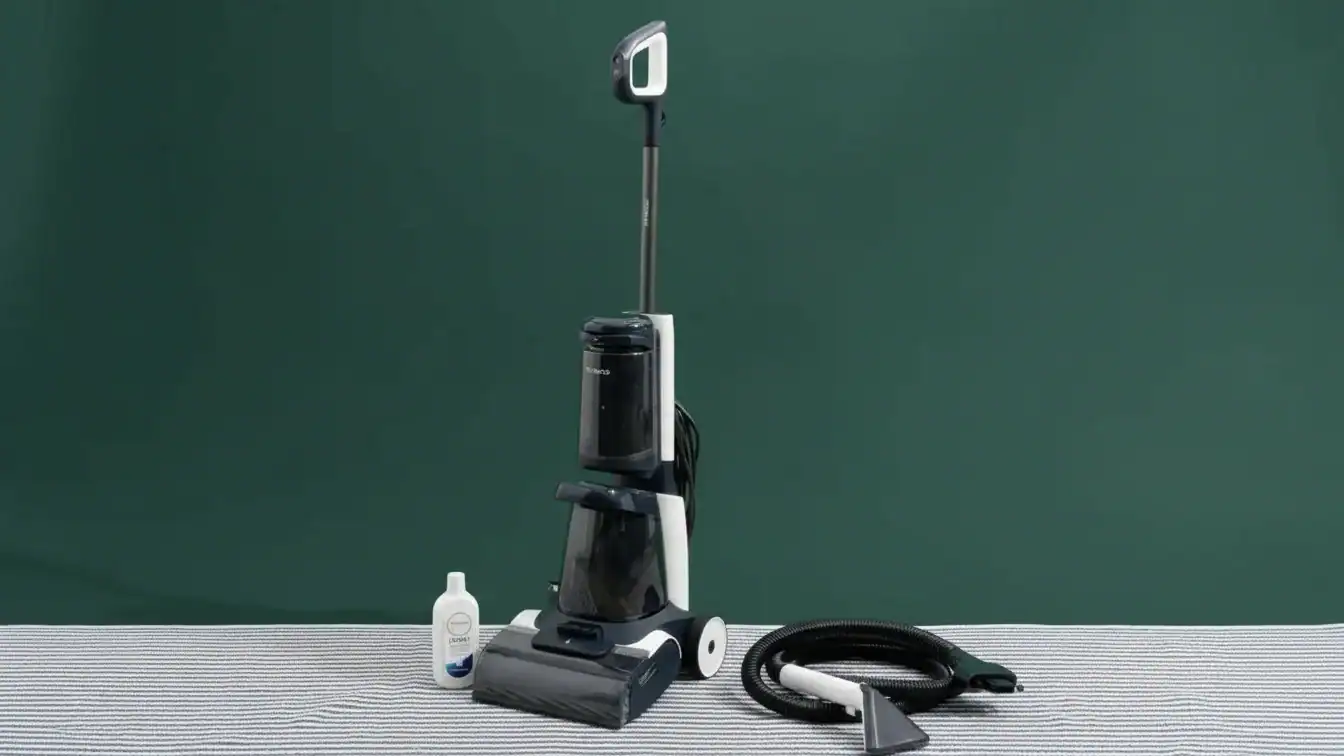
Технология батарей: Li-ion против Ni-MH
Батареи Li-ion обеспечивают примерно двойную энергетическую плотность по сравнению с Ni-MH — от 150 до 250 Вт·ч/кг. Для KelyLands портативных пылесосов. и автонасосов это означает увеличенное время работы и более лёгкий корпус. Li-ion также отличается низким уровнем саморазряда — 5% в месяц — и быстрой зарядкой за 1–3 часа, тогда как Ni-MH требует 10–12 часов для полного заряда.
Энергетическая плотность и конфигурация напряжения
Гравиметрическая энергетическая плотность Li-ion достигает 150–250 Вт·ч/кг, что значительно превышает диапазон 60–120 Вт·ч/кг, характерный для ячеек Ni-MH. Номинальное напряжение Li-ion составляет 3,6–3,7 В, тогда как Ni-MH обеспечивает лишь 1,2 В. Эта разница означает, что для достижения того же электрического потенциала, что и у аналога Li-ion, батареи Ni-MH требуют в три раза больше ячеек.
Объёмная плотность Li-ion в среднем составляет 250–670 Вт·ч/л, что позволяет инженерам создавать компактные конструкции для портативных автомобильными пылесосами, и мини-холодильников. Более высокое соотношение энергии к весу позволяет клининговому оборудованию покрывать большую площадь пола без увеличения физической нагрузки на пользователя.
Циклы обслуживания и срок службы
Li-ion поддерживает быструю зарядку за 1–3 часа. Стандартные батареи Ni-MH обычно требуют 10–12 часов для поддержания здоровья ячеек и предотвращения перегрева. Стандартные ячейки Ni-MH теряют до 50% заряда за первый месяц хранения, тогда как Li-ion сохраняет 95% или больше ёмкости за тот же период.
Ресурс Li-ion часто достигает 1 500 циклов, а профессиональные инструменты нередко имеют пятилетний гарантийный срок эксплуатации. Литий-ионные аккумуляторы также сохраняют стабильное напряжение в широком диапазоне температур. Эта стабильность обеспечивает постоянную мощность всасывания и воздушный насос производительность в различных климатических условиях.
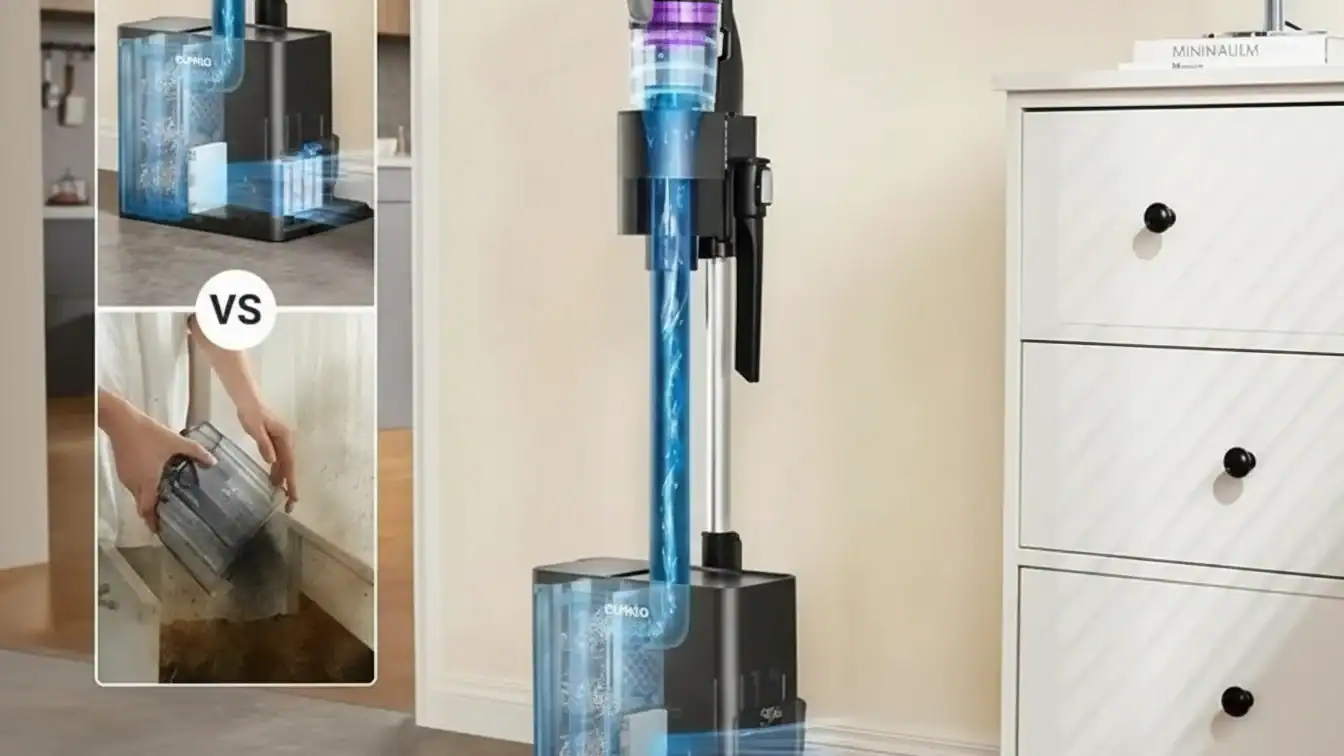
Что такое “одно окно”: стандартизация метрики
В отрасли стандартом ‘одно окно’ считается одна рама с остеклением или базовый двухстворчатый набор, например, двустворчатое или раздвижное окно. Это определение фокусируется на трудозатратах на каждую створку: большие панорамные окна или сложные французские окна учитываются как несколько единиц, чтобы отразить возросшие требования к рабочему времени и усилиям.
| Конфигурация окон | Эквивалентная единица | Влияние на трудозатраты |
|---|---|---|
| Двустворчатое / Раздвижное | 1 окно | 1–2 створки в одной раме. |
| Панорамное окно (большое) | 2–4 окна | В зависимости от площади поверхности (обычно 4 фута и более). |
| Французские окна / Рашетки | Базовая стоимость + дополнительные опции | +$0.50 за каждый отдельный элемент решетки. |
| Glass Doors | 1 Window each | Treated as individual work units. |
Core Units and Pane-Based Logic
A single basic window unit consists of one to two panes of glass, which is typical for fixed or double-hung styles where one pane might be stationary. Professional estimators count sliding window sets as one unit despite the presence of two distinct glass surfaces because they share a common frame and require similar setup time. This logic prevents overcounting that might otherwise inflate service quotes for 2026 contracts.
Professional counting systems rely on the “pane definition” to maintain bidding consistency. This standard identifies any individual piece of glass fully surrounded by a frame as a primary work unit. During site walks, technicians use hash-mark counts to categorize windows by floor level and accessibility. This systematic approach ensures that the bidding process remains repeatable and accurate across various architectural layouts and property types.
Complexity Adjustments for High-Detail Glass
Divided lights and French panes involve significant extra labor compared to clear, open glass. Technicians often apply a surcharge of approximately $0.50 per pane segment to the base window rate to account for the detailed squeegee work required within the grids. This ensures the pricing reflects the time-intensive nature of detailing small, individual glass segments within a larger window frame.
Large picture windows exceeding four feet in any direction represent two to four standard window equivalents based on total surface area. Estimators treat glass doors as individual units regardless of whether they are sliding or hinged. For multi-pane configurations like 6/6 double-hung styles, the total cost includes the base rate plus the additional fee for each internal grid. This tiered pricing model ensures that runtime and area coverage estimates remain profitable while providing transparency for clients.
Сменные батареи: коммерческое решение
Commercial swappable batteries utilize LiFePO4 chemistry to deliver 1.0–1.5 kWh of energy with cycle lives reaching 2,000–5,000 charges. By enabling 3-minute pack exchanges, these systems allow mobile equipment to operate continuously, bypassing traditional recharge downtime and ensuring square-foot coverage is only limited by the number of available packs.
| Battery Model | Емкость | Технический стандарт |
|---|---|---|
| Green Cubes Industrial (1000) | 1,040 Wh (52.0 V) | IP65 / 40A Pulse Output |
| Bretford 1024 Swappable | 1,024 Wh (LiFePO4) | 2,000 Cycles / 28 lb Weight |
| Vanguard Si 1.5 kWh | 1,510 Wh (48 V) | IEC 61960 / CAN J1939 |
Химия LiFePO4 и преимущества горячей замены
Литий-железо-фосфатная (LiFePO4) химия является основным источником питания для коммерческих сменных аккумуляторов благодаря своей стабильности и высокому циклическому ресурсу. Такие системы обеспечивают 2000–5000 циклов, что значительно превосходит 500–1500 циклов, характерных для стандартных литий-ионных батарей. Эта долговечность гарантирует низкую общая стоимость владения стоимость владения для операторов автопарков, которым требуется ежедневное использование оборудования высокой интенсивности.
Архитектура с горячей заменой поддерживает ручную или автоматическую замену батарей примерно за 3 минуты. Это позволяет использовать технику 24/7, исключая простои во время зарядки. В конструкцию часто закладывают двухаккумуляторную схему или параллельное подключение, чтобы обеспечить питание электроники в момент замены. Такой подход превращает время работы из фиксированного ограничения в переменную логистики: площадь покрытия зависит от количества запасных аккумуляторов и производительности зарядных устройств, а не от времени включения в розетку.

Спецификации коммерческих аккумуляторов и промышленные классы защиты
Стандартизированные решения сменной батареи, такие как Vanguard 48V Si 1.5, имеют емкость 1,51 кВт·ч и соответствуют стандартам IEC 61960 для вторичных литиевых элементов. Модели высокой мощности выдерживают жесткие требования промышленной уборки: некоторые из них способны обеспечивать ток непрерывной разрядки 20 А и импульсный ток до 40 А для привода тяжелых vacuum motors. нагрузок. Быстрая зарядка дополнительно оптимизирует соотношение количества оборудования к количеству батарей: зарядное устройство мощностью 1425 Вт может восполнить емкость аккумулятора Vanguard до 100% всего за 75 минут.
Устойчивость к внешним факторам критически важна для применения в различных отраслях. Классы защиты IP65 и IP67 обеспечивают надежную работу в условиях от –40 °C до +60 °C, что делает эти аккумуляторы подходящими как для холодильных складов, так и для строительных площадок на открытом воздухе. Интеграция протокола связи CAN J1939 позволяет системе управления батареей (BMS) предоставлять точные данные о состоянии заряда и прогнозы времени работы. Эти технические показатели помогают операторам эффективно планировать замену батарей, предотвращая внезапную потерю питания в течение смены.
Масштабируйте свой бренд с помощью высокопроизводительных пылесосов, изготовленных на заказ

Время зарядки: быстрая зарядка USB-C
Быстрая зарядка USB-C использует протоколы Power Delivery (PD) 3.1 для согласования мощности до 240 Вт. Этот стандарт обеспечивает высокоскоростную передачу энергии, позволяя совместимым смартфонам достигать ёмкости 50% за 15–30 минут при сохранении безопасности благодаря динамическому регулированию напряжения.
Протоколы Power Delivery и динамическое регулирование напряжения
Стандарты USB Power Delivery (PD) 3.1 поддерживают уровни мощности от 15 Вт до 240 Вт при конфигурации 48 В/5 А. Интеллектуальные алгоритмы внутри 24-контактного разъёма согласовывают профили напряжения — 5 В, 9 В, 12 В, 15 В и 20 В — в зависимости от текущих потребностей батареи. Это общение гарантирует, что зарядное устройство выдает точно ту мощность, которую требует подключенное оборудование.
Система максимизирует ток при низком уровне заряда и снижает выходную мощность по мере приближения к полной емкости, защищая долговечность ячеек. Эти порты с поддержкой PD обеспечивают до 20 раз больше потенциала мощности по сравнению с устаревшими зарядными устройствами USB-A с фиксированным выходом 12 Вт, что позволяет значительно эффективнее передавать энергию в условиях автомобиля.
Показатели производительности и энергоэффективность оборудования
Смартфоны Samsung S20+ и iPhone 14 Pro модели достигают заряда 50% примерно за 26–30 минут с адаптерами PD 3.0. Компоненты на основе нитрида галлия (GaN) повышают КПД зарядных устройств до более чем 95%, что значительно снижает тепловыделение в компактных портативных источников питания банках и автомобильных адаптерах.
Кабели USB-C, рассчитанные на ток до 5 А, обеспечивают рост КПД до 70% (относительно стандартных кабелей на 2,4 А) согласно спецификациям USB-IF. Для питания ресурсоёмких приложений в пути высокопроизводительные ноутбуки и рабочие станции используют технологию PD 3.1 для быстрой зарядки мощностью свыше 100 Вт, набирая 80% заряда примерно за 90 минут.
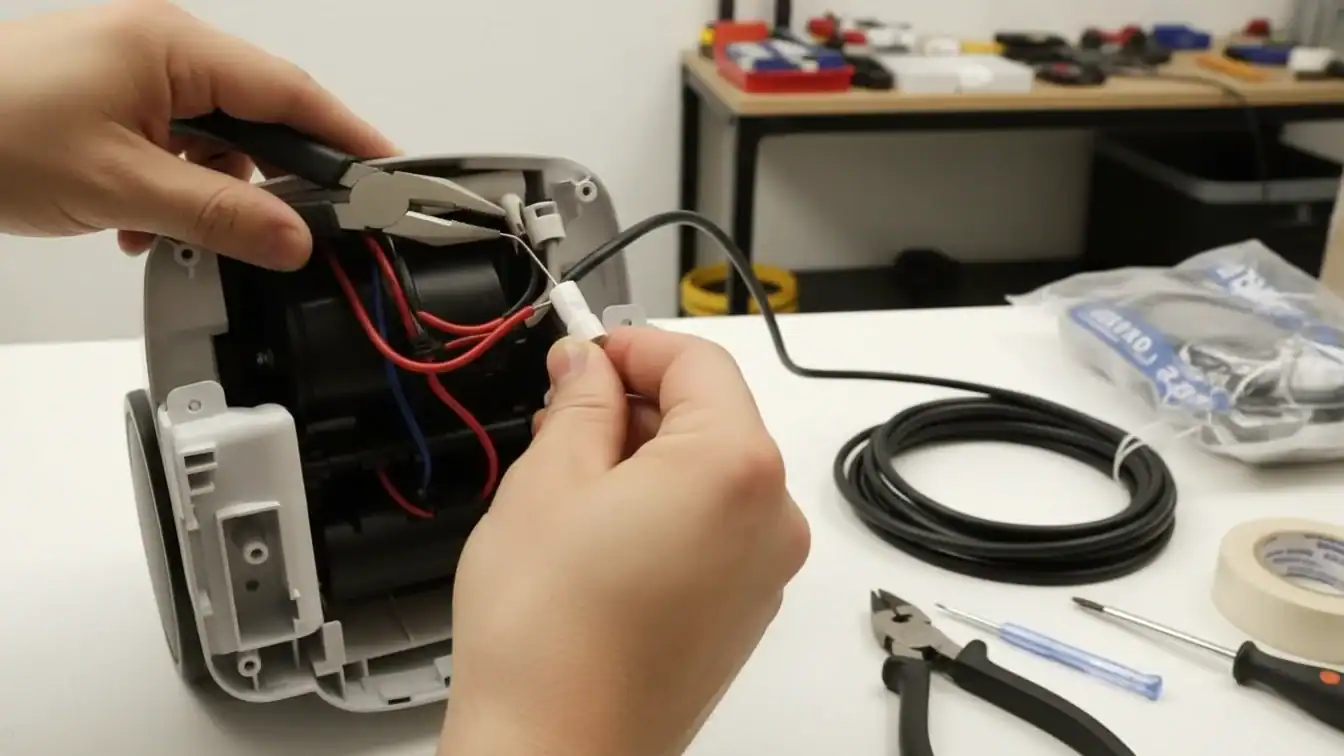
Светодиодные индикаторы: когда нужно остановиться
Светодиодные индикаторы подают визуальные сигналы о статусе при низковольтном питании в диапазоне от 3 В до 24 В. Эти компоненты отслеживают сроки эксплуатации и необходимость обслуживания, опираясь на метрики срока службы L70, обеспечивая безопасность за счёт стабильной световой индикации даже после снижения светового потока до 70% от начального уровня.
Мониторинг состояния и метрики надёжности
Светодиодные интерфейсы работают в определённом диапазоне низких напряжений, включая 3 В, 5 В, 12 В и 24 В, что обеспечивает сигнализование об ошибках в реальном времени. Инженеры применяют надёжностные нормы L70 и B50, чтобы определить момент, когда световой поток снижается на 30%, — это сигнал о конце пикового периода использования компонента. Такой технический порог предотвращает отказы от перенапряжения, устанавливая чёткие пределы эксплуатационного ресурса. Новые платформы проходят 1000-часовое непрерывное стартовое испытание, чтобы выявить ранние производственные дефекты перед внедрением. Кроме того, производители предлагают настройку планировок интерфейсов и интеграцию цифровых дисплеев для контроля показателей эффективности, которые обычно варьируются от 50 лм/Вт для компактных устройств до 120 лм/Вт для современных промышленных систем.
Соответствие стандартам и стойкость к воздействию среды
Долгосрочная надёжность подтверждается строгими испытаниями по стандартам IES LM-80 и LM-84 при температуре корпуса 55 °C и 85 °C. Эти тесты позволяют строить прогнозы по методике TM-21, оценивая срок службы индикаторов в диапазоне от 20 000 до 50 000 часов. Для применения в агрессивных условиях классы пылевлагозащиты IP65 и IP67 гарантируют устойчивость к пыли и кратковременному погружению в воду. В протоколы безопасности также входят фотобиологические классификации IEC 62471, которые распределяют уровни оптической опасности от «Освобождённый класс» до Группы 3 на основе нормативных ограничений излучения. Соответствие стандартам UL, CE и RoHS дополнительно гарантирует, что эти индикаторы соответствуют ключевым регуляторным требованиям безопасности для коммерческого и промышленного применения.
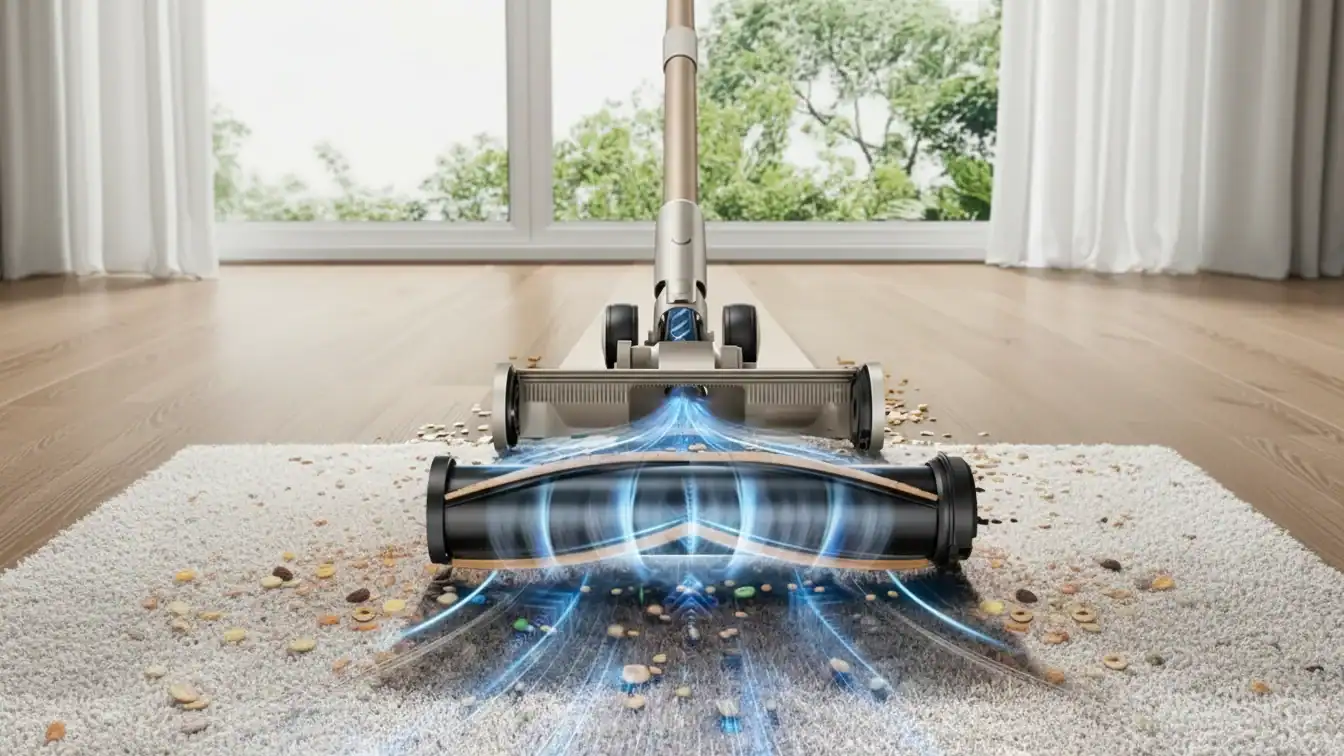
Заключительные мысли
Выбор подходящего источника питания и метрики напрямую влияет на скорость и стоимость обслуживания окон. Технология Li-ion обеспечивает снижение веса и высокую энергоемкость, необходимые для портативного инструмента, тогда как аккумуляторные packs LiFePO4 дают долговечность, требуемую при непрерывных коммерческих сменах. Внедрение единого стандарта ‘одно окно’ позволяет командам точно рассчитывать, какое стекло способна очистить одна полная зарядка, что исключает ошибки при ценообразовании и выбор недостаточно мощного оборудования.
Техники получают больший контроль над рабочим процессом, комбинируя эти аккумуляторные стандарты с интеллектуальными протоколами зарядки и надёжной светодиодной индикацией. Использование USB-C PD 3.1 для быстрого пополнения заряда или аккумуляторов со сменной панелью позволяет поддерживать непрерывность операций без длительных перерывов. Такой управляемый данными подход к эффективности гарантирует, что каждый полный заряд преобразуется в измеримую площадь покрытия, независимо от архитектурной сложности объекта.
Часто задаваемые вопросы
Какова типичная площадь очистки при полном заряде?
Промышленные нормы площади очистки составляют от 80 до 140 м² на твёрдых полах при работе в тихом режиме. Итоговый диапазон определяется эффективностью навигации и ёмкостью аккумулятора. Высокопроизводительные модели проходят до 202 м² за цикл продолжительностью 143 минуты.
Можно ли заменять аккумуляторы в этих устройствах для непрерывной работы?
В большинстве современных моделей установлены несъемные аккумуляторы. Производители отдают приоритет функциям «зарядка и возобновление работы» вместо возможности горячей замены батарей. На сегодняшний день отраслевые стандарты не требуют наличия унифицированных съемных аккумуляторных блоков.
Поддерживают ли эти устройства зарядку через универсальный разъем USB-C?
USB-C не является универсальным стандартом для высокопроизводительных пылесосных систем. Большинство устройств используют фирменные док-станции на основе литий-ионных аккумуляторов, как правило, с параметрами 14,4 В и 45 Вт, чтобы обеспечить стабильную подачу электроэнергии и безопасность.

 English
  Español
  Français
  Deutsch
  Português do Brasil
  Русский
  한국어
한국어  日本語
日本語  العربية