 Pular para o conteúdo principal Pular para o rodapé

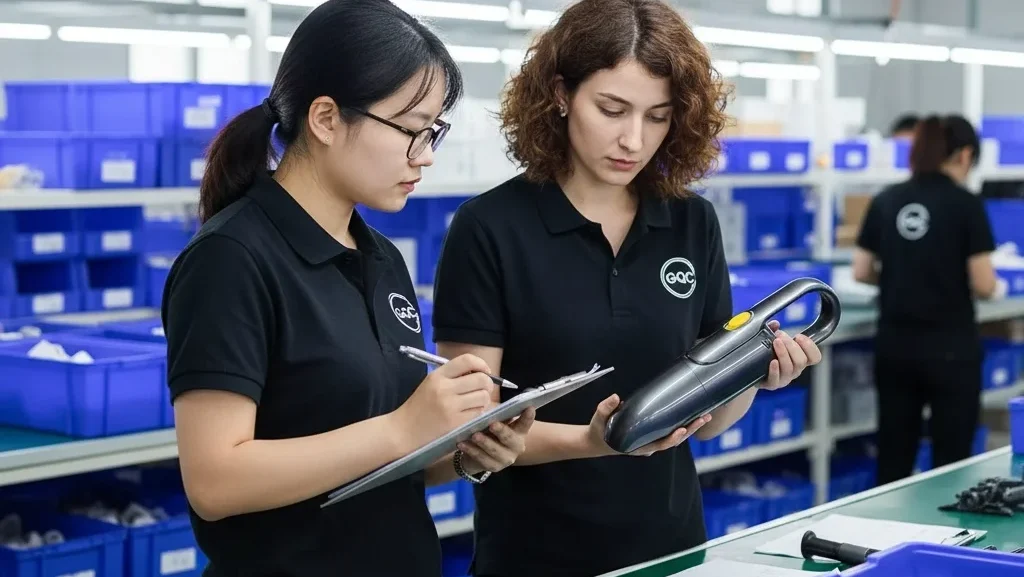
Modern residential projects increasingly feature shag and frieze rugs for their acoustic benefits, yet these deep textures present a mechanical nightmare for standard maintenance fleets. Sourcing equipment for pile heights reaching 1.5 inches requires a shift from raw suction to specialized airflow management to prevent the ‘eat the rug’ effect. Professional buyers must find a balance between the luxury of dense polyester fibers and the technical specs of the hardware used to clean them.
This guide explores the engineering requirements for high-pile carpet care, including the use of 12.25-inch North American Ash brush rolls and sonic agitation technology. We analyze how large-diameter rollers and specific wheel geometries keep sustained push forces below 7 kg, ensuring that maintenance remains ergonomic while protecting the integrity of premium rug designs.
 The Shag Revival: Why Modern Homes have “Deep” Rugs
Homeowners choose shag rugs in 2026 for their plush texture and acoustic benefits. These rugs typically feature pile heights between 0.75 and 1.5 inches, using materials like polyester and polypropylene. Machine-woven techniques ensure durability, while OEKO-TEX certifications guarantee the fibers are safe for indoor residential environments.
Aesthetic and Functional Drivers of High-Pile Textures
Deep rugs provide a velvet-like hand and dense texture that helps anchor furniture in modern, open-plan living spaces. This tactile depth adds visual weight to a room, preventing furniture from appearing “lost” on hard surfaces. The plush surface creates a sophisticated contrast against the clean lines of contemporary architecture.
High-pile constructions enhance room acoustics by absorbing ambient sound, serving as a functional tool for noise reduction in echoing spaces. Designers prefer 100% micro-polyester shag for low-traffic areas like bedrooms where comfort is the primary requirement. These fibers offer a soft underfoot feel that enhances the sensory experience of a private living area.
Technical Specifications and Material Standards
Standard pile heights for modern shag rugs range from 0.75 inches to 1.5 inches. Specific products like the Armand Luxe Shag measure 0.98 inches, providing a balance between luxury and ease of maintenance. Total thickness for these rugs can reach 1.5 inches depending on the backing and density of the weave.
As composições das fibras utilizam poli-seda-polipropileno 100% ou poliéster tingido em solução para garantir resistência à descoloração e brilho uniforme. A manufatura tecida à máquina na Turquia assegura densidade consistente em tamanhos padrão de 8×10 e dimensões personalizadas. As medidas reais de um tapete 8×10 geralmente ficam em 7’10” x 10′ para considerar as franjas e as bordas. A certificação OEKO-TEX verifica que as fibras atender às normas de segurança. para uso residencial, garantindo que estejam livres de substâncias nocivas.
The “Eat the Rug” Problem: Intake Vents and Brush Rolls
O efeito ‘comer o tapete’ ocorre quando altas a sucção a vácuo puxam fibras soltas e grossas para dentro da entrada de ar, causando travamentos mecânicos. Os designers resolvem isso utilizando ventilações de fluxo de ar ajustáveis e rolos escovadores de baixa fricção feitos de madeira de freixo norte-americano ou cerdas especializadas de nylon para agitar as fibras sem prendê-las.
| Componente | Especificações técnicas | Benefício operacional |
|---|---|---|
| Sistema de Entrada de Ar | Largura de 14 polegadas / Ventilações EZ-Push | Modula o fluxo de ar para evitar o levantamento do tapete em pilhas de 1 polegada. |
| Rolo Escovador | 12,25 polegadas de Freixo Norte-Americano | Reduz a fricção e a eletricidade estática nas fibras delicadas de lã. |
| Tecnologia de Agitação | Vibrações Sônicas de 200 Hz | Soltam resíduos profundos sem o pegamento mecânico de altas rotações. |
Modulação de Fluxo de Ar e Geometria das Ventilações
Sistemas EZ-Push modulam os níveis de sucção para acomodar tapetes de alta pilha com até 1 polegada de espessura. Larguras de entrada otimizadas de 14 polegadas e folgas de mobiliário de 7 polegadas distribuem o fluxo de ar para evitar o levantamento localizado do tapete. A engenharia de ar direto equilibra a potência bruta da sucção contra a resistência física das fibras shag para impedir o entupimento da entrada. As rodas dianteiras grandes funcionam de forma semelhante a raquetes de neve, distribuindo o peso de 10,5 libras da máquina para evitar que o aspirador afunde em superfícies de tapete felpudo.
Brush Roll Construction and Safety Sensors
Engineers use 12.25-inch North American Ash wood rolls with DuPont nylon bristles to minimize static and friction on wool rugs. Sonic vibration technology operates at 200 Hz to dislodge deep-seated debris without relying on high-RPM mechanical contact that risks “eating” fringes. Patented jam protection sensors trigger an automatic shutoff if the brush roll encounters excessive resistance. This combination of low-friction materials and electronic safeguards protects the integrity of both the vacuum motor and the rug fibers.
Diverter Valves: Reducing Intake Suction Instantly
Diverter valves manage intake suction by redirecting airflow through rapid actuation, using pistons or plugs to create controlled low-pressure zones. By utilizing configurations like T-type or Y-type geometries, these components maintain system efficiency with pressure drops below 1 bar, preventing the vacuum from sealing against dense rug fibers.
Mechanisms of Instant Flow Redirection
Vacuum systems use rapid actuation of plugs or pistons to isolate or redirect intake paths within the housing. This physical movement changes the suction dynamics by shifting the air stream away from the primary intake orifice. By raising or lowering these internal components, the system compresses resilient seals against the body seats, ensuring positive separation and the creation of immediate low-pressure zones. This mechanical response allows the vacuum to adjust its grip on thick pile surfaces without requiring the motor to change speeds.
Designers optimize intake geometry by using T, Y, and R configurations to eliminate dead space. These contoured internals prevent debris, powders, and granules from accumulating in stagnant areas of the valve body. Rotating or contoured pistons facilitate a smooth transition for the airflow, keeping internal pressure drops to less than 1 bar during standard operation. Maintaining this high level of airflow efficiency ensures that the system provides consistent performance while avoiding the suction surge that typically occurs when a vacuum head seals against a dense rug.
Pressure Ratings and Airtight Sealing Specifications
A 25 psi differential pressure standard serves as the benchmark for proving tight shut-off integrity in 4-way diverter valves. Technicians monitor these levels using integrated gauges, typically ranging from 0 to 50 psi, to verify that the seals prevent unwanted air bypass. To achieve a metal-to-metal bubble-tight seal, these valves incorporate air-energized sealing rings. These rings use regulated compressed air to form an airtight barrier, making them effective for both pressure and vacuum conveying applications where dust emission must be eliminated.
Standardized component sizing from DN 25 to DN 450 ensures that these valves fit into high-volume airflow setups common in professional cleaning and industrial pneumatic systems. These units often carry ratings up to ASME 2500#, indicating their ability to withstand significant stress in dense-phase conveying. Modular designs that integrate isolation and dump functions allow product designers to reduce piping requirements, streamlining the airflow path and further enhancing the instant suction reduction capabilities needed for delicate or high-resistance surfaces.
Custom High-Performance Home Vacuums for Your Brand

Large Diameter Rollers: Preventing Hair Tangles
Large diameter rollers, typically 38 mm (1.5 inches) or larger, prevent tangles by reducing the winding angle of long fibers. This geometry stops synthetic shag strands from wrapping tightly around the core, which prevents the snags and friction-based damage common with smaller, standard rollers.
Geometric Advantages of 38 mm Roller Cores
Rollers with a diameter of 38 mm (1.5 inches) to 76 mm (3 inches) provide a wider surface area that prevents the formation of tight fiber loops. This increased circumference reduces the winding tension on long synthetic fibers, allowing for a smoother release during maintenance or styling. Smaller rollers often force fibers into acute angles, which increases the likelihood of snagging on the brush roll or roller surface.
Surface Material Specs for Tangle Prevention
Smooth plastic or foam materials perform better than mesh or Velcro for fine fibers because they minimize friction and reduce hair shaft breakage. Industry standards for high-performance rollers often utilize 44 mm (1.7 inches) self-grip plastic designs to maintain root volume without pulling on the material. Synthetic shag fibers mimic fine hair, requiring smooth intake geometry and angled rolling paths to distribute heat effectively and prevent static-induced tangling.

Big Wheels: “Off-Roading” on Deep Pile
Large-diameter wheels and ball casters allow equipment to glide over deep pile carpets rather than sinking into them. By distributing weight and maintaining sustained push forces below 7 kg, these designs prevent fiber snagging and reduce the physical effort required for aspirar or moving heavy loads across plush surfaces.
| Movement Scenario | Sustained Force (kg) | Ergonomic Status |
|---|---|---|
| Standardized Test Cart (Deep Pile) | ≤ 7 kg | Safe / Optimal |
| Manual Equipment Pulling | 6 – 12 kg | Acceptable Limit |
| Maximum Operator Threshold | > 12 kg | Risk of Strain |
Caster Geometry and Pile Penetration
Large wheel diameters change how equipment interacts with plush textures. Standard small wheels often sink into the carpet backing, but increased diameter helps the unit stay on top of the pile fibers. Hooded nylon and metal ball casters offer a specific advantage for deep shag by shielding the axle from loose strands. This design prevents entanglement that typically leads to wheel lock-up or fiber tearing. Choosing single-wheel designs with wider rims allows the equipment to plow through thick material instead of compressing it, which protects the carpet backing from high point-pressure damage.
Material Specifications and Ergonomic Resistance
Material choice determines how much energy the operator spends moving a load across a room. Polyurethane molded on aluminum hubs creates high wear resistance and ensures non-marking movement for heavy gear. Technical tests show that these wheel configurations keep sustained push forces at or below 7 kg on various carpet depths. Maintaining these levels is vital because ergonomic safety guidelines suggest manual pulling forces should stay under 12 kg to prevent operator strain. For environments with high chemical exposure or mixed floor types, polyolefin wheels provide a lightweight alternative that resists degradation while maintaining smooth motion in high-traffic zones.
Considerações finais
Managing high-pile shag and frieze rugs requires a specific balance between aesthetic choice and technical maintenance. These textures provide significant acoustic benefits and comfort, but their density demands equipment designed for airflow modulation rather than raw suction. Choosing tools with adjustable vents and low-friction brush rolls protects the fibers from mechanical jams and prevents the vacuum from sealing against the carpet surface.
Success in this niche depends on understanding how wheel diameter, roller geometry, and diverter valves work together to navigate deep pile. As homeowners continue to favor plush, tactile environments, the engineering behind specialized vacuum systems ensures these investments remain durable. Proper equipment selection turns a difficult maintenance task into a sustainable routine, preserving the integrity of both the rug and the cleaning hardware.
Perguntas frequentes
Does the nozzle have a guard to prevent sucking up rug edges?
Current 2026 vacuum standards do not mandate nozzle guards for rug edges. To avoid sucking up fringes, use a vacuum with adjustable height settings or a straight air appliance rather than a brush-roll upright, as these designs manage suction better on high-pile shag.
Will the vacuum motor overheat on thick shag carpet?
Dense 1-inch pile carpets restrict airflow, which can lead to motor strain. We recommend limiting continuous use to 30–60 minutes per session. Modern 2026 chassis designs for thick pile include larger wheels and adjustable vents to help maintain airflow and prevent overheating.
Are the rear wheels large enough to roll on 1-inch pile?
Vacuums built for deep shag typically feature oversized rear wheels to navigate 1-inch pile. These larger diameters prevent the vacuum from sinking into the fibers, which reduces the physical effort required to move the unit and helps maintain the necessary clearance for suction.

 English
 Español
 Français
 Deutsch
 Português do Brasil
 Русский
 한국어
 日本語
 العربية