 跳转到主要内容 跳转到页脚
The global portable tire inflator market is projected to surge from $1.6 billion in 2025 to $2.8 billion by 2033. This growth is driven by cordless technology and rising DIY vehicle maintenance trends. This comprehensive analysis reveals the top Chinese manufacturers offering low MOQ options. It also covers key market trends and strategic insights for wholesale buyers. The commercial vehicle portable tire inflator segment reached $0.27 billion in 2025 and is expected to grow at a 6.5% CAGR through 2033. Asia-Pacific remains the fastest-growing region, driven by rapid industrialization and urbanization trends.
Global Market Overview and Growth Projections
The portable tire inflator market is experiencing robust expansion. Distinct regional growth patterns and technological advancements are driving innovation. This creates significant opportunities for wholesale distributors and retailers.
Market Size and Growth Trajectory
The global automotive tire inflator market shows strong growth potential. It is projected to rise from $1.6 billion in 2025 to $2.8 billion by 2033. This represents a compound annual growth rate (CAGR) of 7.5%.
The commercial vehicle segment reached $0.27 billion in 2025. It is expected to grow at an impressive 6.5% CAGR through 2033. This growth is fueled by fleet modernization and stricter safety regulations.
The passenger vehicle tire inflator market was valued at $1.33 billion in 2025. It is estimated to reach $2.33-$2.5 billion by 2033. SUV popularity and electric vehicle adoption are key drivers here.
| Market Segment | 2025 Value | 2033 Projection | CAGR | Key Drivers | Source |
|---|---|---|---|---|---|
| Overall Automotive Market | $1.6B | $2.8B | 7.5% | Cordless technology, DIY maintenance trends | Source |
| Commercial Vehicle Segment | $0.27B | $0.45B | 6.5% | Fleet modernization, safety regulations | Spherical Insights,Grand View Research and Dataintelo |
| Passenger Vehicle Segment | $1.33B | $2.35B | 7.4% | SUV popularity, electric vehicle adoption | Source |
Regional Market Analysis
Asia-Pacific is the fastest-growing region for portable tire inflators. Rapid industrialization and urbanization trends are driving this expansion. The region presents massive opportunities for wholesale buyers.
North America holds a significant market share. The U.S. accounts for approximately 40% of the global market. This is due to high vehicle ownership and a strong DIY culture.
Europe maintains a strong market position. Strict regulatory standards and a focus on sustainability support this. The region demands high-quality, certified products.
Key Market Trends and Drivers
The market is shifting toward cordless, rechargeable lithium-ion battery-powered units. These models feature digital displays for precise pressure reading. They offer greater convenience than traditional corded models.
Wireless connectivity and multifunctional features are becoming standard. Many units now include LED lights for emergency situations. USB power bank capabilities add extra value for consumers.
Increased online sales through e-commerce platforms are transforming distribution. The DIY vehicle maintenance trend among millennials is creating new demand. Wholesale buyers must adapt to these changing purchasing patterns.
Top Low MOQ Chinese Manufacturers for Wholesale Buyers
Chinese manufacturers dominate the portable tire inflator supply chain. They offer competitive pricing, low MOQs, and advanced features. These suppliers meet global certification standards that are essential for international markets.
Taizhou Huangyan Jinyue
This manufacturer offers an exceptionally low MOQ of just 1 piece with pricing ranging from $1.55 to $2.30 per unit, providing a very low entry price point for new wholesale buyers. They maintain an 11% order rate with 140 recent orders in 30 days and have significant export experience, making them a reliable partner for international distribution.
Guangzhou Siguang
Guangzhou Siguang specializes in wireless models with an MOQ starting at just 2 pieces for $6.95-$7.60, offering a low barrier to entry ideal for testing new product lines. They demonstrate high order volume with 2,140 recent orders in 30 days and a 9% order rate indicating strong market acceptance, with wireless technology as their key differentiator.
Ganzhou Xiaoluban
This supplier offers high-power units with a 30-piece MOQ and consistent pricing ranging from $6.55 to $6.65 per unit, providing predictable costs for wholesale budgeting. They maintain a 15% order rate with 433 recent orders in 30 days and focus on high-power models that meet demand for faster inflation times, addressing a key customer requirement.
Shenzhen Smartnewo
Shenzhen Smartnewo provides comprehensive OEM support with Fortune 500 cooperation experience, demonstrating their capability to handle large, demanding accounts. Their MOQ starts at 2 pieces with pricing from $9.80 to $14.12 and they offer wide bulk discounts for larger orders, with an 18% order rate and 424 recent orders showing strong market performance.
Join 300+ global partners who trust KelyLands for top-tier car accessories. Review our portable car air pumps in our free catalogue
Request now
Supplier Comparison and Selection Criteria
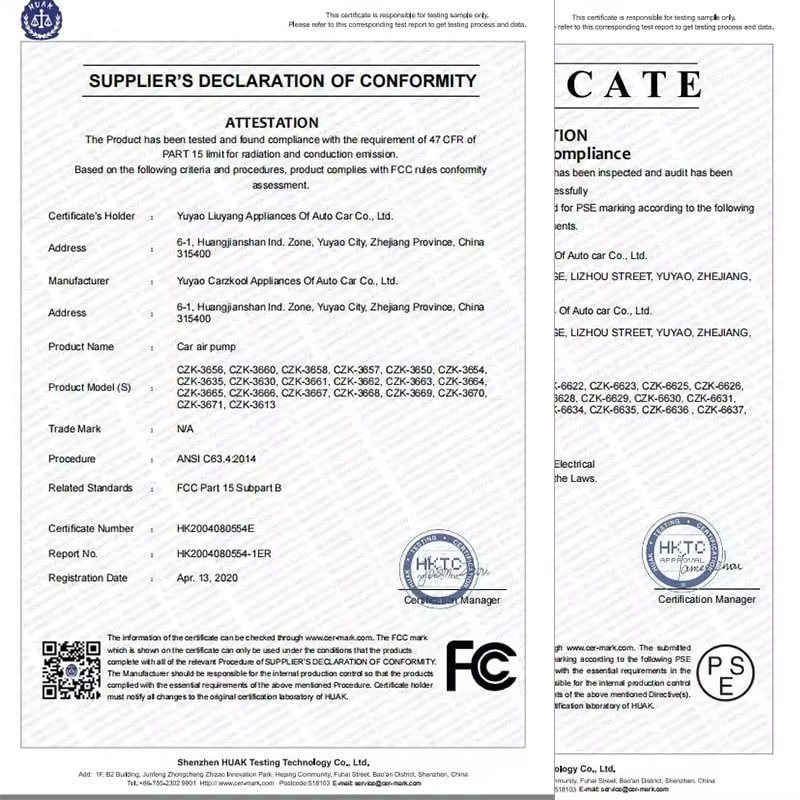
Certifications like CE and FCC are critical for European and North American markets. These certifications ensure compliance with regional safety standards. They are non-negotiable for serious wholesale buyers.
High reorder rates up to 42.9% indicate supplier reliability and product quality. These metrics show customer satisfaction and repeat business. They are strong indicators of a trustworthy manufacturing partner.
Standard pressure ranges of 150-300 PSI with auto-shutoff functionality are market expectations. These features prevent over-inflation and potential damage. They represent the baseline for competitive products.
Product Specifications and Technological Features
Modern portable tire inflators incorporate advanced technologies. Digital displays, auto-shutoff mechanisms, and multi-functional capabilities enhance user experience. These features also improve safety and reliability for end users.
Key Technical Specifications
Standard pressure ranges of 150-300 PSI meet most vehicle requirements. This covers everything from passenger cars to light trucks. Proper pressure specification ensures compatibility with target markets.
Digital gauges provide accuracy within ±1 PSI for precise inflation. This precision helps prevent under-inflation or over-inflation issues. It represents a significant improvement over analog gauges.
Auto-shutoff functionality prevents over-inflation and potential damage. This safety feature automatically stops inflation at the preset pressure level. It protects both the vehicle tires and the inflator unit itself.
Advanced Features and Innovations
Lithium-ion batteries offer extended runtime and faster charging. These batteries provide more inflation cycles per charge. They are lighter than traditional battery technologies.
LED lighting serves emergency situations and nighttime use. This feature adds functionality beyond basic tire inflation. It addresses real-world user needs during roadside emergencies.
USB power bank capabilities allow charging mobile devices. This multi-function feature increases the product’s value proposition. It makes the unit useful even when not inflating tires.
Certification and Compliance Requirements
CE certification is mandatory for European markets. This certification indicates compliance with EU safety, health, and environmental requirements. It is essential for market access.
FCC compliance is required for North American distribution. This ensures the device doesn’t interfere with radio communications. It’s a critical requirement for electronic devices.
RoHS compliance addresses environmental standards. It restricts the use of specific hazardous materials in electrical equipment. This is increasingly important for environmentally conscious markets.
Versatile Air Pumps Engineered for Every Ride and Inflate
Explore KelyLands air pumps designed for cars, bikes, motorcycles, sports balls, and inflatables. Featuring compact designs, smart digital controls, fast high-pressure inflation, and multi-function features, these reliable pumps meet roadside emergencies, daily upkeep, and outdoor needs. Personalize your product with flexible OEM/ODM options backed by trusted quality and global service.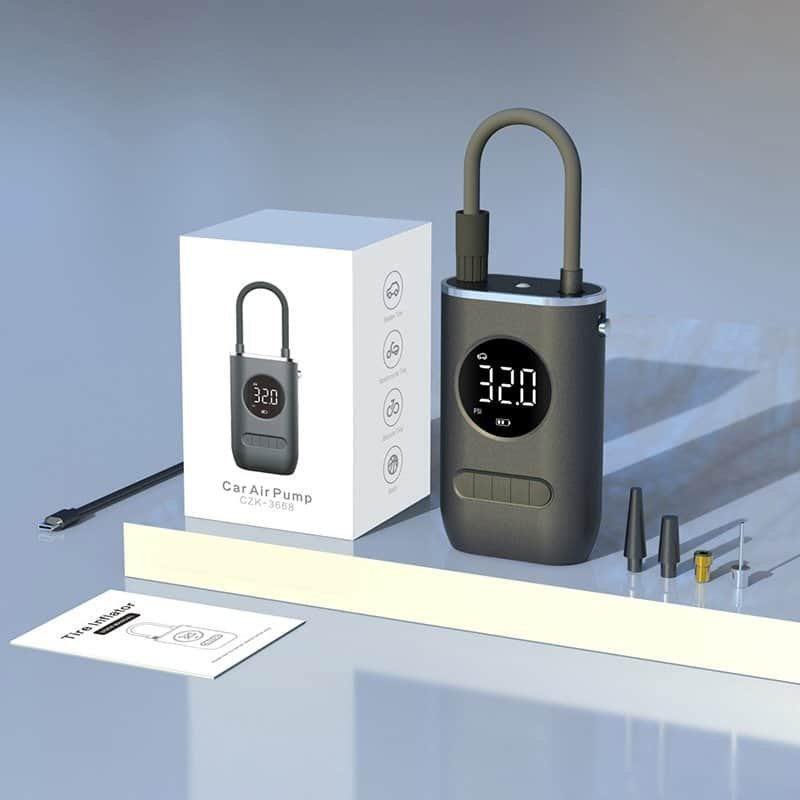
Strategic Sourcing Considerations for Wholesale Buyers
Successful wholesale procurement requires careful evaluation of multiple factors. Supplier capabilities, total cost of ownership, and strategic partnerships go beyond initial pricing. These elements determine long-term success in the portable tire inflator market.
MOQ Negotiation Strategies
Gradual order increases can help negotiate lower MOQs over time. Starting with smaller test orders builds trust with suppliers. This approach demonstrates commitment while managing inventory risk.
Combined orders across product categories may reduce minimum quantities. Suppliers often offer flexibility when purchasing multiple SKUs. This strategy helps achieve better terms while diversifying product offerings.
Seasonal ordering patterns can leverage supplier capacity fluctuations. Understanding production cycles helps negotiate better terms during off-peak periods. This approach optimizes pricing and delivery timelines.
Quality Assurance and Compliance
Factory audits and quality control processes ensure consistent product quality. On-site inspections verify manufacturing capabilities and working conditions. These measures prevent quality issues before production begins.
Third-party inspection services verify product specifications before shipment. Independent verification provides objective quality assessment. This reduces the risk of receiving non-compliant products.
Documentation including test reports and certificates must be meticulously reviewed. Proper documentation ensures regulatory compliance and smooth customs clearance. It also provides legal protection for wholesale buyers.

Logistics and Supply Chain Optimization
Shipping consolidation reduces per-unit transportation costs. Combining multiple shipments maximizes container space utilization. This strategy significantly lowers logistics expenses for wholesale operations.
Inventory management strategies balance stock availability and carrying costs. Just-in-time inventory approaches minimize capital tied up in stock. However, they require reliable suppliers and predictable lead times.
Lead time considerations must account for production and transportation cycles. Understanding total timeline from order to delivery prevents stockouts. This is crucial for maintaining consistent product availability.
Frequently Asked Questions
What is the typical minimum order quantity (MOQ) for portable tire inflators from Chinese manufacturers?
MOQs vary significantly by manufacturer, ranging from as low as 1 piece to 100+ pieces. Factors affecting MOQ include customization requirements, seasonality, and existing supplier relationships. New buyers can often start with smaller test orders before scaling up.
Which certifications are most important when sourcing portable tire inflators for international markets?
CE certification is critical for Europe, while FCC compliance is required for North America. RoHS certification addresses environmental standards for hazardous materials. These certifications affect market access and consumer trust in different regions.
How has technology innovation impacted the portable tire inflator market in 2025?
The market has shifted toward cordless lithium-ion models with extended runtime. Integration of digital displays and smart features provides precise pressure control. Multi-functionality with LED lights and power bank capabilities adds significant value for consumers.
What are the key differences between sourcing for e-commerce retailers versus large retail chains?
E-commerce sellers need low MOQs and customization options for brand differentiation. Large retail chains require volume pricing and strict compliance documentation. Each channel has different pain points requiring tailored sourcing approaches.
How can wholesale buyers ensure product quality when sourcing from overseas manufacturers?
Factory audits and third-party inspections verify manufacturing capabilities and product quality. Sample testing before full production identifies potential issues. Clear quality specifications in purchase agreements provide legal protection and quality assurance.

 English
  Español
  Français
  Deutsch
  Português do Brasil
  Русский
  한국어
한국어  日本語
日本語  العربية