 跳转到主要内容 跳转到页脚
Fireplace maintenance usually relies on bulky, industrial equipment that disrupts the aesthetic of a carefully curated living room. Professional designers and facility managers need cleaning tools that match high-end interior finishes without sacrificing suction power. Shifting a utility tool from the garage to the hearth requires a focus on material choice and geometric harmony to ensure the hardware looks like an intentional piece of decor rather than a temporary eyesore.
We explore the technical standards and design specs that allow ash vacuums to sit discreetly in residential spaces. This includes the application of matte finishes like I-Z2 bronze and I-P2 copper, along with the spatial planning required for a 1.03 m² footprint. You will also find data on maintaining noise levels below 70 dB and safety regulations for cord management and heat dissipation.
The “Bucket” Look vs. Decor Design
In 2026, designers contrast the raw utility of industrial buckets with refined interior standards. This trend uses 5-gallon units for storage and planters while maintaining geometric harmony. By focusing on scale and material choice, these containers function as intentional decor rather than ad-hoc additions, ensuring spaces remain organized and visually consistent.
| Metric | Technical Specification | Design Requirement |
|---|---|---|
| Dimensions | 11.8″ Diameter x 14.5-15″ Height | Scales with 30″ counter heights |
| Volume | 5 Gallons (≈0.67 ft³) | Impacts circulation and traffic lanes |
| Accessibility | 15″ to 48″ Vertical Reach | ADA 2010 Standards compliance |
Material Selection and Visual Proportions
Designers use vintage zinc, galvanized steel, and recycled plastic tubs to anchor industrial or modern-rustic aesthetics. These material choices transform a standard utility item into a deliberate design element that complements high-end finishes. By selecting materials with specific textures, professionals ensure that storage units feel integrated into the architectural narrative of the room.
Achieving visual harmony depends on maintaining correct scale and proportion relative to the surrounding furniture. Proportion errors represent a frequent aesthetic failure in interior layouts. Designers evaluate bucket size against vanity widths and window sill heights to preserve balanced ratios, preventing bulky containers from becoming visual clutter.
Professional documentation in CAD plans coordinates bucket placement with plumbing rough-ins and wall protection. This technical oversight ensures that repurposed items, such as buckets used as sinks or heavy planters, do not conflict with building safety codes. Symmetry and regularity in placement help keep the focus on the overall architectural features rather than individual utility objects.

Volumetric Capacity and Placement Standards
A standard 5-gallon unit occupies a defined footprint with an 11.8-inch diameter and a height of approximately 15 inches. This creates a volumetric displacement of roughly 0.67 cubic feet, which planners must account for when mapping floor space. These dimensions influence how decorators reconcile utilitarian hardware with established space planning and circulation standards.
Compliance with the 2010 ADA Standards requires a clear floor space of 30 inches by 48 inches around these fixtures. Proper planning prevents bulky elements from obstructing accessible routes or door clearances. When used as modular storage or semi-permanent fixtures, these units must fit within documented elevations to avoid infringing on required maneuvering areas.
Reach-range constraints further dictate the vertical placement of these units, limiting them to heights between 15 and 48 inches above the finished floor. This standard ensures that contents remain accessible to all users. By adhering to these technical dimensions, decorators ensure the “bucket look” serves a functional purpose without compromising the safety or accessibility of the interior environment.
Matte Finishes: Black, Bronze, and Copper
Matte finishes in black, bronze, and copper use low-sheen treatments like powdercoating or hand-brushing to create glare-free surfaces. These finishes, typically applied to stainless steel or aluminum, emphasize visual depth and durability, resisting rust and chipping through standardized processes like I-Z2 or I-P2 specifications.
| Finish Classification | Technical Code | Key Characteristics |
|---|---|---|
| Matte Bronze | I-Z2 / EMF-17 | Low-sheen tinted metal; resists fading and chipping. |
| Matte Copper | I-P2 | Warm undertones with a non-reflective protective topcoat. |
| Matte Black | EMF-20 / I-K2 | Deep saturated base; provides high environmental resistance. |
Visual Characteristics and Low-Sheen Aesthetic Depth
Crafting vintage bronze effects requires a layered approach, often starting with a deep warm black base. Artists add brushed copper undertones to this foundation, creating a finish that reveals metallic highlights without the glare of traditional gloss. Because technicians apply these patterns by hand, every furniture piece features a unique texture that contributes to its overall visual depth. These low-sheen coatings effectively mask fingerprints and smudges while protecting the underlying stainless steel or cast aluminum substrates.
Designers often choose between smooth satin sheens and more textured oil-rubbed highlighted finishes to define the character of a room. For custom furniture, techniques like the hand-brushed black antique bronze found in Model 2151 utilize stainless steel sheets to maintain structural integrity while achieving a classic look. These matte surfaces absorb light rather than reflecting it, allowing the intricate brush marks and color transitions to remain visible in various lighting conditions.

Technical Classifications and Material Durability Standards
The furniture industry uses specific alphanumeric codes to ensure consistency across manufacturing batches. Matte Bronze is classified as I-Z2, and Matte Copper is identified as I-P2. These standardized tinted finishes allow hardware and large furniture frames to match perfectly even when produced by different vendors. Other critical classifications include EMF-20 for Matte Black and EMF-17 for Darkened Bronze, which serve as benchmarks for quality and appearance in modern hardware design.
Durability stems from the application of high-performance powdercoating. This process creates a barrier that resists rusting, chipping, and peeling, making it suitable for high-traffic environments. Performance metrics focus on the ability of the finish to withstand fading from environmental exposure. Hardware specifications frequently use these finishes on precise components, such as 6-inch center-to-center rectangular cabinet pulls. By integrating variants like Matte Black Nickel (I-K2) or Leathered Bronze (I-Z3), manufacturers maintain a cohesive aesthetic that balances style with long-term material protection.
Cord Storage: Hidden vs. Messy
By 2026, professional cord storage has moved beyond simple concealment to focus on heat management and safety compliance. While ‘messy’ cords create significant trip hazards and electromagnetic interference, ‘hidden’ solutions must utilize ventilated enclosures and fire-rated materials like UL 94 V-0 plastics to prevent overheating and circuit failure.
Safety Risks and Regulatory Compliance in Cord Routing
OSHA 29 CFR 1910.22 mandates clear walkways and classifies loose or tangled cords in circulation paths as illegal trip hazards. Beyond physical obstructions, NFPA 70 (NEC) Article 400 standards warn against bundling power and data cables together. This arrangement increases electrical resistance and fire risk. Commercial routing guidelines derived from TIA-569 require at least 50 mm (2 inches) of separation between unscreened power and data conductors to ensure safe and reliable operation.
Technical Specifications for Heat Management and Durability
Enclosures sized between 30–40 cm in length provide the necessary air space to dissipate heat from power strips rated at 10–15 A. To maintain cable integrity, TIA/EIA-568-C standards require a minimum bend radius of 4x to 10x the cable diameter. This prevents conductor fatigue in tight furniture cavities and behind panels. High-quality hidden trays use UL 94 V-0 or V-1 rated ABS plastics to provide self-extinguishing performance if an electrical short occurs.
Premium OEM/ODM Solutions for Your Home Vacuum Cleaner Brand

Compact Footprint: Hiding Behind the Chair
Compact designs in 2026 prioritize a footprint of approximately 1.03 m², enabling hardware to sit discreetly behind seating or in corners. Engineers maintain a 30–36 inch clearance buffer to ensure ergonomic movement while utilizing lightweight steel to reduce unit weight by 23% for easier relocation.
Geometric Optimization and Ergonomic Clearance
Designers target a 1.03 m² (11.1 ft²) footprint to maximize spatial efficiency in dense office layouts. This specific dimension allows technical equipment and privacy pods to integrate into underutilized areas, such as the space directly behind a task chair or within narrow corridor corners. By minimizing the ground area, facilities managers can increase equipment density without obstructing primary foot traffic or compromising the open feel of the workspace.
Buffer zones require 30–36 inches of clearance between the equipment edge and surrounding furniture to maintain proper ergonomics. This spacing ensures that users can enter and exit the units comfortably while preventing a cramped atmosphere. Modular systems like the Nova C utilize body-contoured profiles to provide privacy within these limited square footages. These designs follow natural human movement patterns, allowing for functional seating or work surfaces that occupy a smaller physical profile than traditional square furniture.
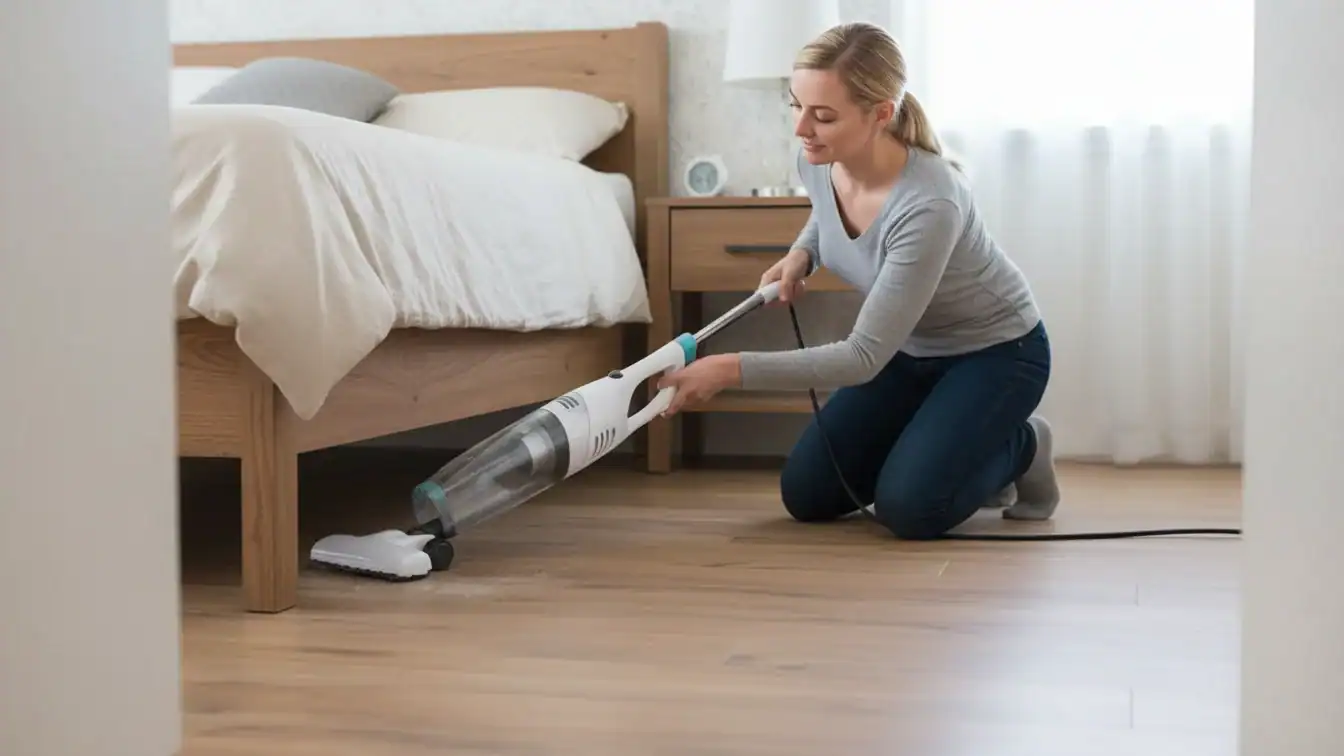
KelyLands minimizes housing for 8L to 15L portable units to ensure they fit seamlessly behind vehicle seats or under desks. These compact enclosures prioritize verticality and depth over width, making them ideal for automotive environments or mobile office setups. This focus on geometric optimization ensures that high-performance hardware remains accessible yet unobtrusive in restricted environments.
Technical Performance in Scaled-Down Enclosures
A weight reduction of 23% via steel-over-plywood construction simplifies the positioning of hardware in restricted spaces. This engineering shift replaces heavier wood composites with high-strength, lightweight steel frames, allowing a single person to relocate equipment without specialized tools. Portable hardware utilizes 98% recycled steel legs to ensure structural durability, providing a stable foundation that resists wear in high-traffic areas without increasing the overall dimensions.
Acoustic engineering in these compact units meets ISO 23351-1 standards, achieving a 30 dB speech reduction for phone pods. This level of sound isolation transforms a small footprint into a functional private zone suitable for confidential calls. Ventilation systems manage airflow between 16 l/s and 36 l/s, utilizing occupancy sensors to adjust fan speeds based on real-time use. These systems maintain a low 27W default energy draw, ensuring that the hardware remains cost-effective for 24/7 operation.
Height-adjustable components further maximize the utility of small-scale enclosures. Tables within these pods often feature a sit-stand range of 22.5 to 48.9 inches, accommodating diverse user heights within the same 1.03 m² area. By integrating lockable casters and modular dividers, engineers create a versatile environment that supports both focused individual work and rapid floor plan reconfigurations.
Low Noise: Cleaning While Guests are Over
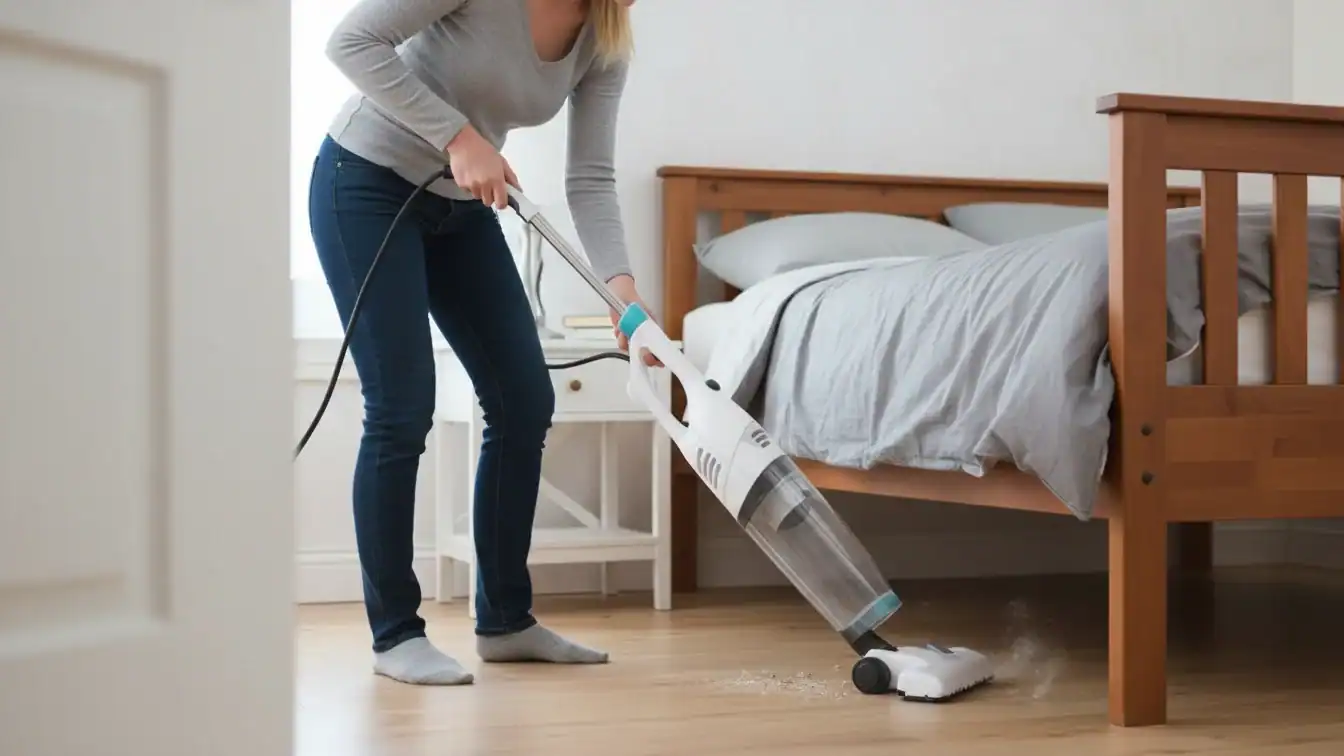
In 2026, silent cleaning relies on frequencies between 40 kHz and 132 kHz, which stay above the range of human hearing. Certified units keep noise levels below 70 dB, allowing devices to operate in the background without interrupting conversations or disturbing the home environment.
Frequency Selection for Inaudible Cleaning
Standard 40 kHz frequencies establish a uniform sound field that effectively removes contaminants while keeping acoustic output within a comfortable range for shared spaces. Dual-frequency configurations, such as the 58/132 kHz pairing, further dampen audible resonance during intense cleaning cycles to prevent sound bleed into nearby rooms. Engineering standards for modern units require operation below 70 dB, ensuring the hardware remains unobtrusive during social gatherings or formal events. Advanced sweep and degas settings modulate sound waves to eliminate the harsh, high-pitched mechanical noise characteristic of legacy ultrasonic equipment.
Discreet Hardware and Cycle Management
Physical designs prioritize a small footprint, utilizing compact 1/2 to 3/4 gallon tanks that fit easily inside cabinetry or behind interior decor for total concealment. Digital control systems provide flexible timing ranging from 1 to 99 minutes, enabling quick maintenance tasks that remain unnoticed by guests. High-efficiency internal heaters maintain temperatures between 10°C and 75°C to accelerate the removal of grease and oils without increasing the decibel level of the motor. Ceramically enhanced transducers provide power by bonding directly to the tank wall, which optimizes energy transmission and significantly reduces structural vibration during the cleaning process.
Final Thoughts
Fireplace maintenance tools are moving beyond the garage and into the heart of the home. Modern units prioritize material harmony, using matte finishes and scaled dimensions to blend with high-end furniture. This shift allows homeowners to keep their living spaces soot-free without sacrificing the aesthetic integrity of their interior design.
Choosing hardware that balances technical specs with visual appeal ensures that utility objects serve their purpose without becoming distractions. Quiet operation and hidden cord management make it possible to clean even during social gatherings. These advancements turn a once-loud industrial chore into a discreet part of home upkeep that fits within existing spatial and safety standards.
Frequently Asked Questions
What decorative finishes are available for these units?
Manufacturers provide various decorative finishes, including Matte Black, Highlight Polished, and New Bronze. There are also over 30 custom powdercoat or hand-finished options, such as Old World and Blacksmith bronze variants, to ensure the unit matches the specific aesthetic of a fireplace insert or surround.
Will the unit fit within a standard hearth or chimney opening?
These designs feature compact widths ranging from 25 to 35 inches. They fit standard 36” x 36” (915 x 915mm) chimney openings and maintain code-required clearances of 2 to 4 inches from combustible materials when placed on a hearth.
Is custom branding available to align with existing stove lines?
Units can be branded through customized surrounds, fronts, and specific finishes. Options like New Bronze or premium Matte Black allow the unit to integrate seamlessly with a specific stove line’s visual identity.

 English
  Español
  Français
  Deutsch
  Português do Brasil
  Русский
  한국어
한국어  日本語
日本語  العربية