 跳转到主要内容 跳转到页脚

Picking the right electric car cooler can mean the difference between fresh food on a week-long road trip and spoiled groceries after just two days. Electric coolers have revolutionized mobile refrigeration, offering precise temperature control without the mess and limitations of ice.
We tested the top models for cooling efficiency, power consumption, durability, and user features to offer trustworthy recommendations. Our evaluation included real-world scenarios like overnight camping trips, cross-country drives, and off-grid adventures where reliable cooling matters most.
Our hands-on evaluation focused not just on temperature performance but also on battery-friendly operation and practical usage scenarios. We measured amp draw, tested battery protection features, and evaluated how each cooler performed in extreme heat to ensure our recommendations work when you need them most.
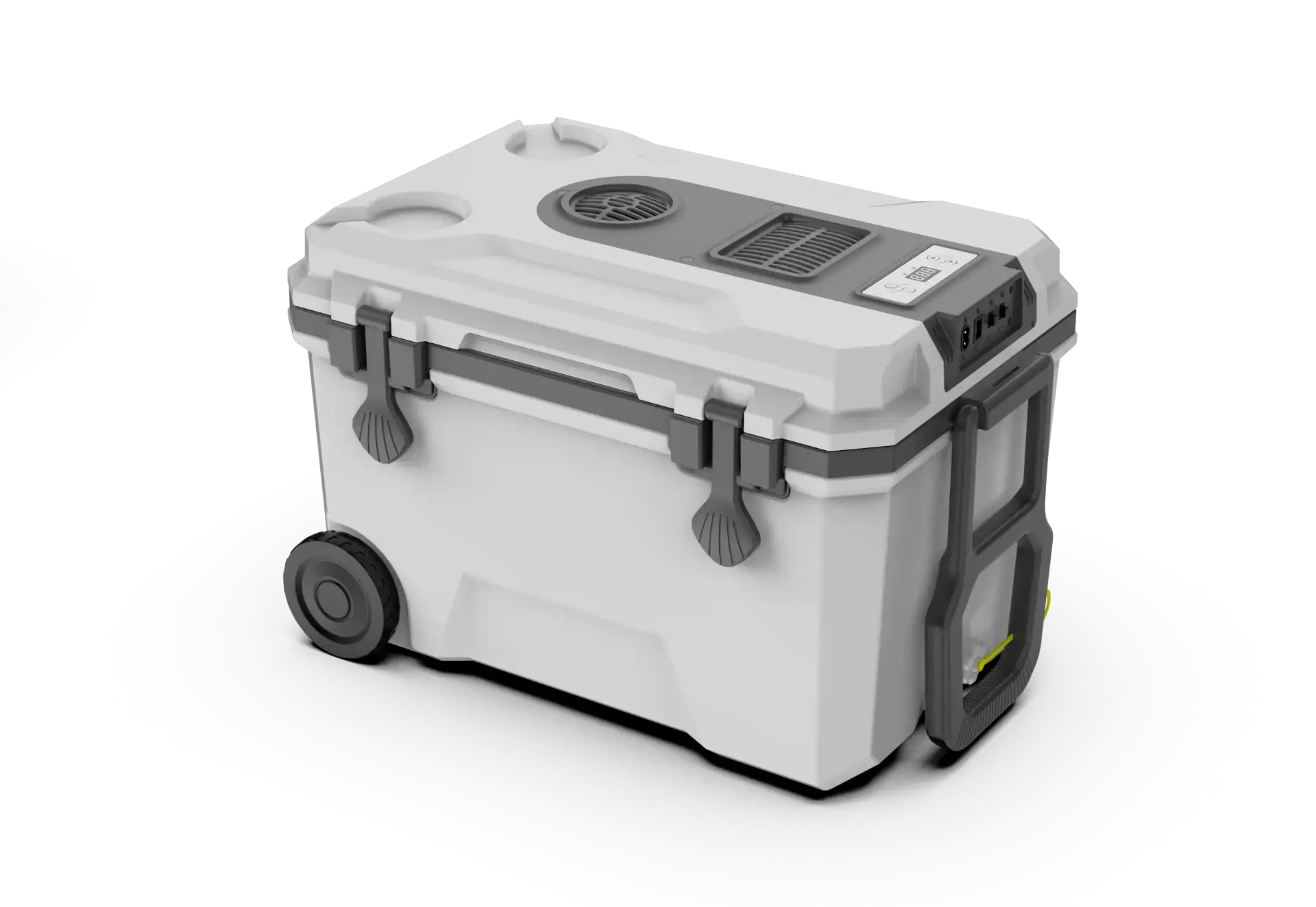
How to Choose the Best Electric Car Cooler (Buying Guide)
Selecting the right electric car cooler requires understanding your specific travel needs and vehicle capabilities. The right cooler can transform your road trips, keeping food fresh and drinks cold without the hassle of melting ice. Let’s explore the essential factors to consider before making your investment.
Cooling Technology and Efficiency
Electric car coolers use two primary cooling technologies: compressor and thermoelectric systems. Each offers distinct advantages depending on your cooling requirements and power constraints.
Compressor coolers, like the Dometic CFX3 series, function as portable refrigerators with precise temperature control. They can freeze items down to -22°F and maintain consistent cooling even in extreme heat. However, they typically draw 2-3 amps continuously and cost significantly more.
Thermoelectric coolers are lighter, more affordable, and draw less power at around 1-2 amps. They cool items to approximately 40°F below ambient temperature but cannot freeze. These work best for keeping pre-chilled items cold rather than cooling warm items quickly.
Capacity and Size
Choosing the right capacity depends on your trip duration and group size. Consider these practical guidelines for selecting your cooler size.
- 8-20 liters suits day trips or solo travelers, holding about 12-24 cans
- 25-35 liters works for weekend camping or couples, accommodating 30-40 cans plus food
- 40-50+ liters serves extended trips or families, storing a week’s worth of provisions
Remember that electric coolers are heavier than traditional ice coolers. A 45-liter compressor model weighs approximately 40 pounds empty. Factor in your vehicle’s cargo space and consider whether you’ll need to move the cooler frequently.
Power Consumption and Battery Protection
Managing power consumption prevents dead vehicle batteries and ensures continuous cooling. Modern electric coolers include sophisticated power management features.
Look for coolers with automatic battery protection that monitors voltage and shuts off before draining your starter battery. Quality models offer three-stage protection settings for different battery types. The Alpicool CF45, for instance, automatically adjusts power draw based on your vehicle’s electrical system.
Multi-power options expand your cooling flexibility. Choose models that accept 12V DC from your vehicle, 110V AC for home use, and solar panel connections for off-grid adventures. This versatility ensures your cooler works wherever your travels take you.
2025 Best Electric Car Coolers Reviewed
Our comprehensive testing of car coolers reveals two distinct categories dominating the market. Electric coolers offer precise temperature control without ice, while traditional hard coolers excel in simplicity and durability. Here are our top picks for 2025.
Best Overall: Dometic CFX3 45
The Dometic CFX3 45 sets the standard for portable refrigeration with its powerful compressor system. This versatile unit maintains temperatures from -22°F to 50°F, making it suitable for everything from frozen foods to fresh produce during extended trips.
Key features include:
- Dual-zone compartments allow simultaneous freezing and cooling
- Smartphone app enables remote monitoring and temperature adjustments
- Advanced battery protection with dynamic power management prevents vehicle battery drain
Pros include:
- Exceptional cooling and freezing performance via efficient compressor
- Rugged construction with reinforced corners and aluminum handles
- Versatile power options supporting AC, DC, and solar inputs
Cons to consider:
- Weighs approximately 41 pounds empty, making transport challenging
- Premium pricing typically exceeds $800
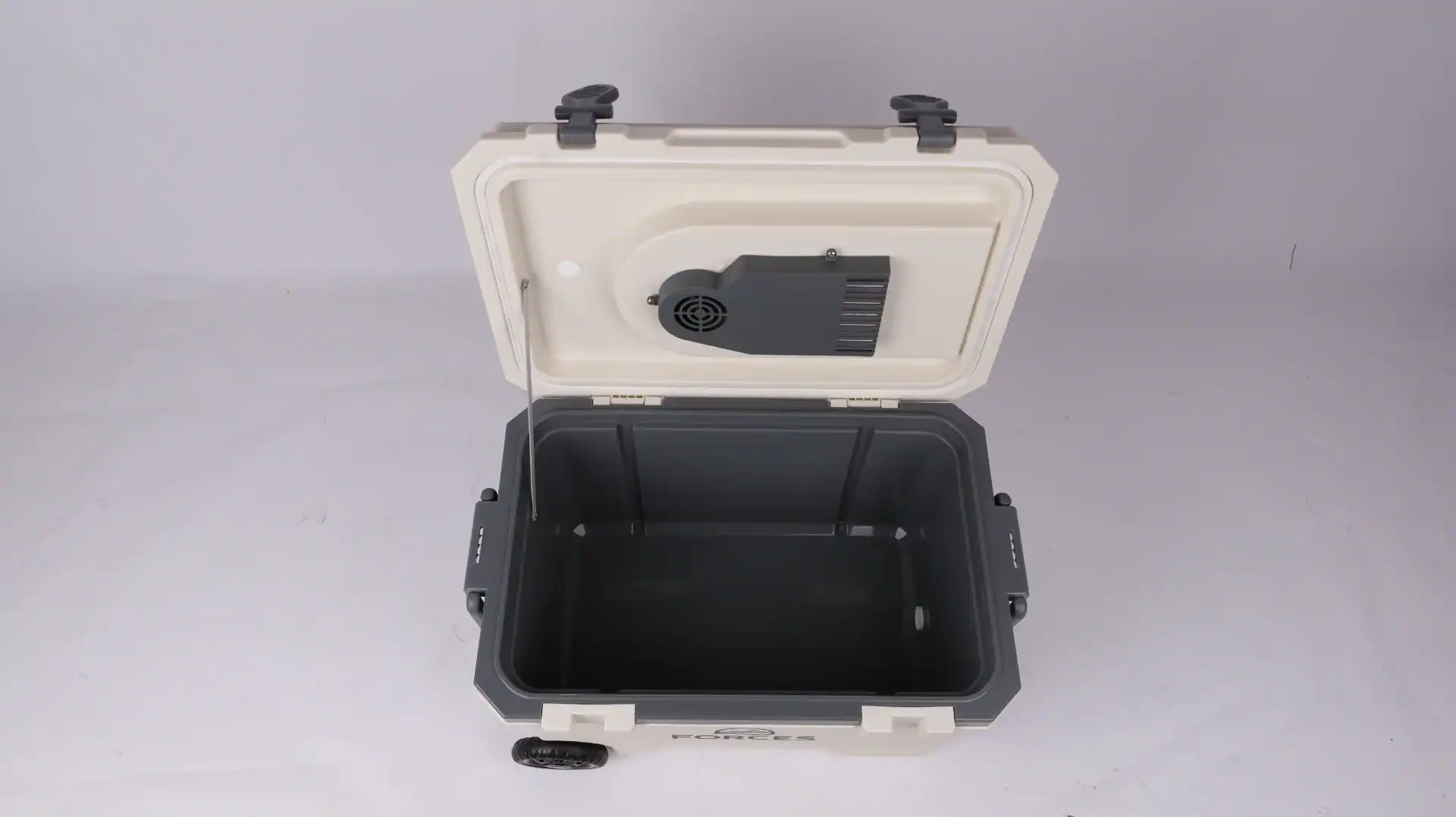
Best Value: Alpicool CF45
The Alpicool CF45 delivers impressive cooling performance at a competitive price point. This compressor cooler reaches temperatures as low as -4°F for freezing and maintains consistent 32°F refrigeration.
Key features include:
- Temperature range from -4°F to 50°F meets most cooling needs
- Relatively lightweight design compared to premium compressor models
- Compatible with both 12V car outlets and standard household AC power
Pros include:
- Outstanding value with professional-grade cooling at budget pricing
- Compact footprint fits easily in most vehicles
- Intuitive digital controls with clear LED temperature display
Cons to consider:
- Compressor generates noticeable noise during operation
- Lacks advanced features like app control found in premium models
Lightweight Option: Wagan 12V Thermoelectric Cooler/Warmer
Perfect for day trips and light cooling needs, the Wagan uses thermoelectric technology for both cooling and warming functions. Its 12-liter capacity suits personal use while maintaining minimal power consumption.
Key features include:
- Cools contents up to 40°F below ambient temperature
- 12-liter capacity accommodates personal meals and beverages
- Dual function switches between cooling drinks and warming food
Pros include:
- Extremely energy efficient with minimal battery drain
- Lightweight and portable for easy transport
- Affordable entry point for occasional users
Cons to consider:
- Cannot achieve freezing temperatures, limited to mild cooling
- Performance depends heavily on ambient temperature conditions
Best for Durability: YETI Tundra 45 Ice Cooler
While not electric, the YETI Tundra 45 earns its place through exceptional ice retention and legendary durability. This rotomolded cooler withstands extreme conditions while maintaining ice for days.
Key features include:
- Rotomolded polyethylene construction with extra-thick urethane foam insulation
- IGBC-certified bear-resistant design ensures ultimate protection
- 45-quart capacity accommodates extended trips and large groups
Pros include:
- Unmatched durability withstands years of heavy use
- Zero maintenance required with no electronics or moving parts
- Industry-leading ice retention for multi-day adventures
Cons to consider:
- Weighs 23 pounds empty, becomes extremely heavy when loaded with ice
- Requires regular ice replenishment for cooling
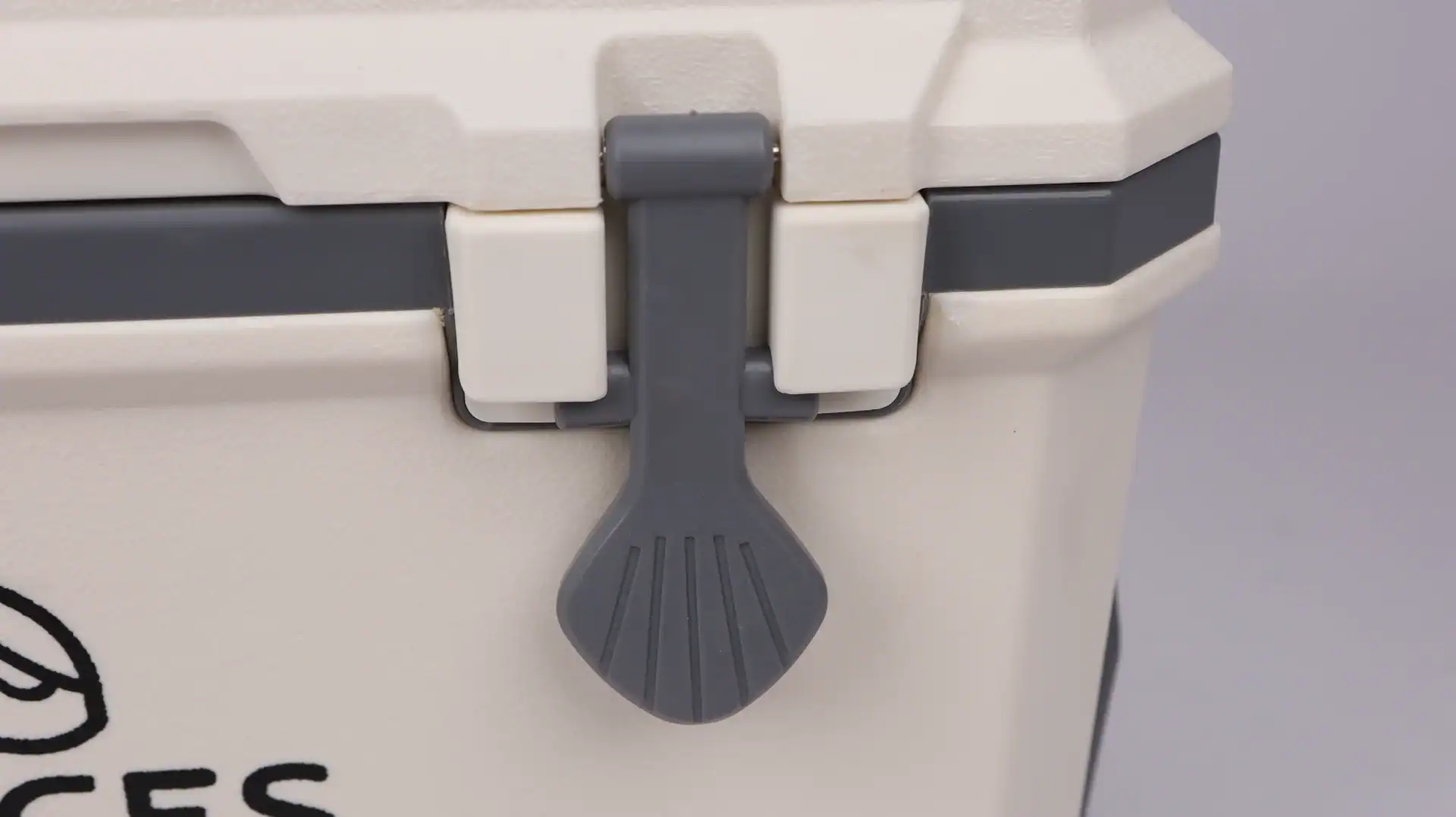
Budget Thermoelectric: Igloo ECOCOOL
The Igloo ECOCOOL provides basic cooling functionality at an entry-level price. Its 40-quart capacity and lightweight design make it ideal for picnics, tailgating, and short trips.
Key features include:
- Cools contents up to 30°F below ambient temperature
- 40-quart capacity fits family-sized portions
- Ergonomic carry handles ensure comfortable transport
Pros include:
- Extremely affordable for budget-conscious buyers
- Simple operation with standard 12V connection
- Easy cleaning with smooth interior surfaces
Cons to consider:
- Modest cooling performance compared to compressor models
- Basic construction lacks premium durability features
Tailored Car Cooling Solutions for Your Business
Choose from versatile thermoelectric coolers and compressor fridges designed for vehicles, outdoor activities, and indoor use. With customizable designs, global certifications, and reliable manufacturing, KelyLands supports your brand’s growth with quality and flexibility.

Frequently Asked Questions About Electric Car Coolers
Understanding the differences between various car cooler types and their features helps you make an informed purchase decision. Here are answers to the most common questions about electric car coolers.
What is the difference between a compressor and a thermoelectric cooler?
Compressor coolers use refrigeration technology similar to home refrigerators, actively cooling contents down to freezing temperatures. They excel on long trips but require more power from your vehicle’s electrical system. Thermoelectric coolers use semiconductor technology to create temperature differentials through the Peltier effect. These units run quieter, weigh less, and consume minimal energy, but typically cool items only 30-40 degrees below ambient temperature rather than achieving true refrigeration.
How much can I expect to spend on a good car cooler?
Entry-level thermoelectric coolers start around $100-$200, offering basic cooling functionality for casual users. Premium compressor models range from $500 to over $1,000, with prices varying based on capacity, dual-zone capabilities, app connectivity, and build quality. The Dometic CFX3 series typically costs $800+, while budget-friendly options like the Alpicool CF45 provide similar functionality around $400-$500.
Do these coolers also have a warming function?
Many thermoelectric coolers feature dual functionality, switching between cooling and warming modes by reversing electrical polarity. This versatility makes them ideal for keeping food hot during winter trips or cold during summer adventures. Compressor-based coolers focus exclusively on cooling and freezing, as their refrigeration technology doesn’t support warming functions.
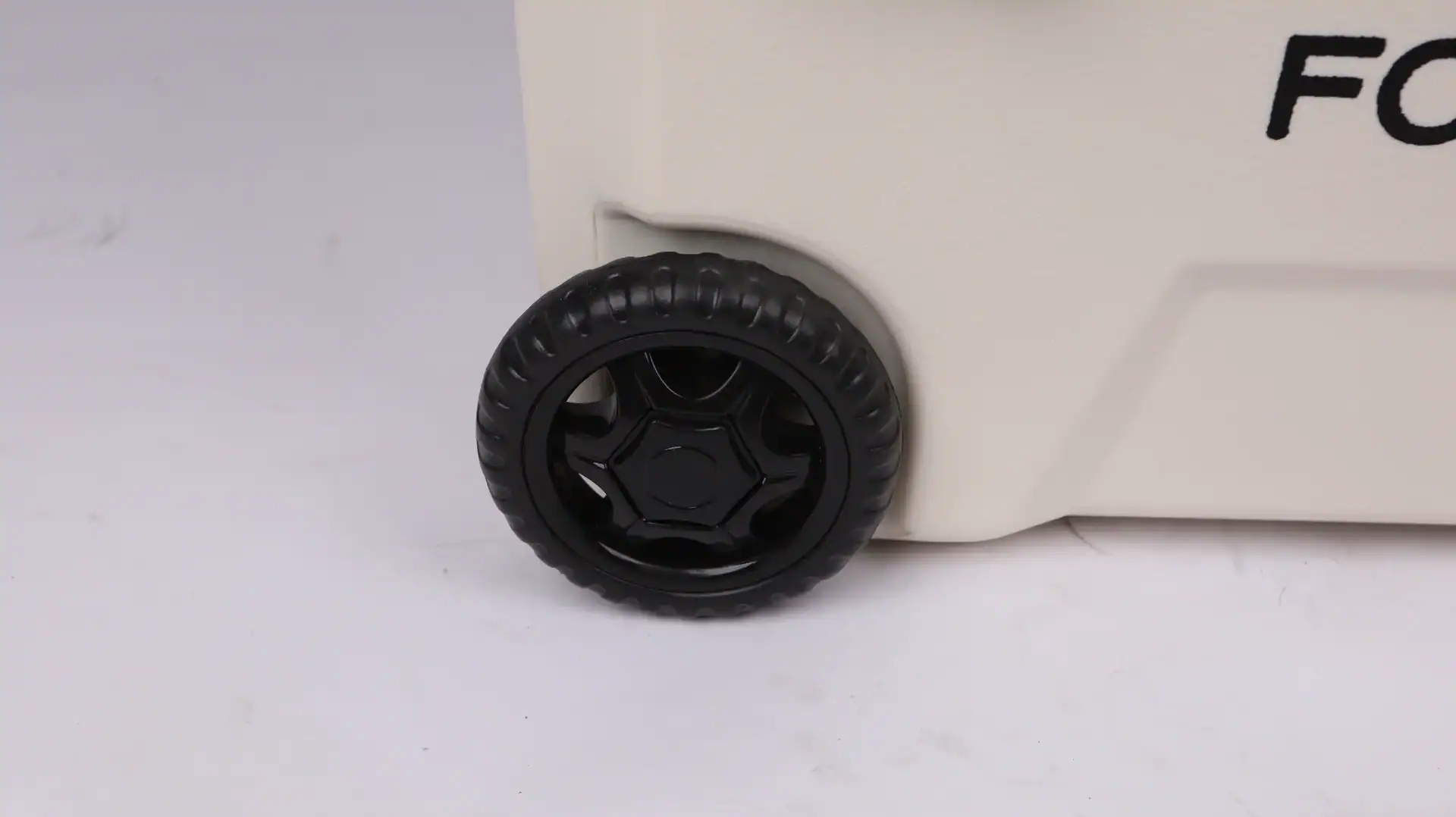
How loud are electric car coolers during operation?
Thermoelectric coolers operate nearly silently, producing only a faint fan noise typically under 25 decibels. Compressor coolers generate a low humming sound during operation, with noise levels ranging from 35-50 decibels depending on the model and cooling intensity. Modern units like the Dometic CFX3 series incorporate noise-reduction technology, making them quieter than older generations while maintaining cooling efficiency.
What size cooler do I need for a weekend trip?
A 20-30 liter cooler accommodates weekend trips for 2-3 people, holding approximately 30-40 cans plus food items. Families or groups of 4+ people should consider 40-50 liter models for adequate storage. Extended trips lasting over three days typically require 50+ liter capacity to store perishables, drinks, and meal ingredients without frequent restocking.
Conclusion: Making the Right Choice for Your Adventures
After thorough analysis, the Dometic CFX3 45 emerges as the top choice for serious travelers who need reliable, powerful cooling with smart features like app control and dual-zone functionality. For budget-conscious buyers, the Alpicool CF45 delivers impressive cooling performance at exceptional value.
Your ideal car cooler depends on three key factors:
- Budget constraints and long-term investment value
- Travel frequency and trip duration requirements
- Vehicle power setup and available space
Traditional ice coolers like the YETI Tundra 45 remain perfect for weekend trips, while electric models excel for extended overlanding adventures. Consider your specific needs carefully before investing.
Ready to explore professional-grade cooling solutions? Discover KelyLands’ OEM car cooler options for customized performance that matches your exact requirements and vehicle specifications.

 English
  Español
  Français
  Deutsch
  Português do Brasil
  Русский
  한국어
한국어  日本語
日本語  العربية